DD
MM
YYYY

PAGES

DD
MM
YYYY

spot_img

PAGES

Home Blog Page 3407

Are Dogecoin and Shiba Inu In Trouble? Investors Pick Scorpion Casino Instead for High ROIs

1

The volatility of the crypto world is best exemplified in the extra-volatile meme coin space. Meme coin leaders like Dogecoin (DOGE) and Shiba Inu (SHIB) have been in the red since December, with no end in sight for the downturn. As the broader market experiences a retracement triggered by the approval of spot Bitcoin ETFs, investors are reassessing their positions and treading cautiously.

As the market looks for alternatives, the presale market has rapidly become full of exciting options. Scorpion Casino (SCORP) is one project that analysts are backing for success with its utility-driven model. Join us as we take a look at DOGE and SHIB’s journey and do a deep dive into SCORP’s appeal.

Dogecoin: A Shaky Journey Amid Market Uncertainty

Dogecoin has encountered a decline of 5.68% since the third week of January. Despite a brief surge following the announcement of X Payments, the momentum was short-lived, resulting in a retracement of almost 15%. This market fluctuation has left investors on edge, uncertain about the future trajectory of this beloved meme coin.

Analysts hold differing views on DOGE’s fate. Some foresee a potential breakout towards $0.05897, optimistic about its ability to recover, while others anticipate a more pessimistic downside trajectory. With the market sentiment surrounding Dogecoin marked by uncertainty and speculation, investors find themselves at a crossroads, questioning the DOGE’s stability and utility in the long term.

Scorpion Casino: The Calm to the Market’s Chaos

Amidst the turbulence of meme coins, Scorpion Casino has emerged as a promising pick for investors seeking stability and unique opportunities. The presale for Scorpion Casino has garnered significant attention, surging and selling out rapidly. Currently, it has raised over $3.3 million, showcasing robust investor interest.

One of the standout features of Scorpion Casino’s presale is the daily USDT rewards that are withdrawable during the pre-sale phase, providing investors with immediate benefits. Some $SCORP holders have already received over $5,000 USDT in less than 30 days, emphasizing the potential for lucrative returns during the presale phase.

Limited Time Only Deal

As $SCORP enters the final stages of its presale and prepares for listing on BitMart, the momentum continues to build. Beyond the presale success, Scorpion Casino distinguishes itself with a comprehensive ecosystem powered by the $SCORP token. This ecosystem offers an all-in-one solution for online gambling enthusiasts, incorporating diverse betting options, a rich selection of casino games, and access to live games. Scorpion Casino positions itself not just as a cryptocurrency investment but as a gateway to a holistic and engaging online gambling experience.

Shiba Inu: Mirroring Dogecoin’s Woes

Shiba Inu mirrors Dogecoin’s trajectory with a decline of 6.22% on January 23rd and significant drops over the week and month. Despite the bearish run, analysts like Weslad remain optimistic about SHIB, projecting a potential move towards $0.000059. However, the overall sentiment in the Shiba Inu community is one of caution, given the prevailing market conditions and the need for a substantial turnaround to regain investor confidence.

As the Shiba Inu community navigates through these challenging times, the spotlight shifts to alternative investment opportunities that offer stability and unique features. A potential upside for the community could come from the Shibarium layer 2, which has seen a spike in transaction volume. Shibarium also adds a much-needed layer of utility to the SHIB ecosystem. As such, SHIB is in a relatively comfortable position compared to DOGE, but concerns remain.

The Final Take

In conclusion, as Dogecoin and Shiba Inu grapple with market uncertainties, Scorpion Casino emerges as a beacon of stability and innovation in the crypto realm. The presale’s success, the unique withdrawal feature, and the comprehensive SCORP ecosystem position Scorpion Casino as a great pick in the market.


To learn more and invest in the Scorpion Casino presale, visit:

Presale: https://presale.scorpion.casino/

Twitter: https://twitter.com/ScorpionCasino

Telegram: https://t.me/scorpioncasino_official

Can Chimpzee, Memeinator, and GigaChadGPT Keep Up with Scorpion Casino’s One Of A Kind Presale?

0

New year, new contenders; each vying for the spotlight and investor attention. This edition of the crypto battle features three intriguing players—Chimpzee, Memeinator, and GigaChadGPT—each with its unique proposition. However, looming large in the arena is Scorpion Casino, flaunting a $3.4 million presale that beckons investors with promises of financial prosperity.

Chimpzee: Nurturing Growth While Saving the Planet

Chimpzee, a revolutionary crypto project, advocates for a symbiotic relationship between financial growth and environmental conservation. Offering a trifecta of income streams through the Chimpzee Shop, NFT Marketplace, and Zero Tolerance Game, this project aims to redefine the crypto landscape by fostering income generation alongside environmental preservation.

Use bonus code SC20 to get 20% extra SCORP Tokens

Memeinator: Seeking World Domination In The Meme Market

Step into the world of Memeinator, where memes reign supreme. Returning from the year 2077, Memeinator vows to dominate the meme coin scene with powerful marketing, product launches, and an ultimate action game. With a fully doxxed team, Memeinator brings legitimacy and trust to the meme coin arena, a rare commodity in this space.

GigaChadGPT: A GPT-Powered Crypto Experience

GigaChadGPT takes a different route, leveraging the power of Generative Pre-trained Transformers (GPT) to provide users with a unique crypto experience. With AI-driven features and capabilities, GigaChadGPT aims to stand out in the crypto crowd by integrating advanced technologies into the crypto narrative.

Scorpion Casino: The $3.4 Million Presale Marvel

As the trio of Chimpzee, Memeinator, and GigaChadGPT showcase their prowess, Scorpion Casino emerges as a juggernaut in the crypto arena. Beyond the allure of a $3.5 million presale, Scorpion Casino offers a plethora of features that have garnered attention. Daily withdrawable USDT rewards, influential ambassadors, strategic partnerships, NFT memberships, and a unique economic model underscore the multifaceted nature of Scorpion Casino’s value proposition.

Having operated for a commendable 18 months, Scorpion Casino showcased its commitment to growth with the successful launch of its fully updated version in November 2023. Strategic partnerships, CoinMarketCap features, and collaborations with major influencers in the crypto space highlight the project’s industry integration and recognition. With a unique economic model featuring daily passive staking income, Scorpion Casino distinguishes itself as more than just a presale; it’s a dynamic ecosystem.

A Multifaceted Crypto Landscape

In the grand spectacle of crypto contenders, Chimpzee, Memeinator, and GigaChadGPT present diverse narratives, each with its strengths and unique selling points. However, amid this crypto tapestry, Scorpion Casino’s $3.4 million presale beckons with a blend of financial opportunity, entertainment, and innovation. As investors weigh their options in this multifaceted crypto landscape, the battle for supremacy continues, with each contender striving to make its mark in the dynamic world of digital assets.


Enter the Scorpion Casino and join the SCORP presale here:


Presale: https://presale.scorpion.casino/

Twitter: https://twitter.com/ScorpionCasino

Telegram: https://t.me/scorpioncasino_official
2024 Economic Outlook: PwC Unveils 7 Trends that will Shape Nigeria’s Economy

0

As Nigeria steps into the promising yet challenging economic terrain of 2024, PwC Nigeria, a leading professional services firm, has unveiled its highly anticipated report titled “Seven trends that will shape Nigeria’s economy in 2024 – PwC’s Economic Outlook.”

In its analysis, PwC delves into the intricacies of Nigeria’s economy, identifying seven key trends that will play pivotal roles in shaping the nation’s economic trajectory throughout the year.

PwC anticipates marginal GDP growth of 3.1% for the year 2024, attributing this positive outlook to sustained policy reforms.

Despite the growth prospects, the forecast acknowledges constraints posed by heightened economic pressures. The driving forces behind this projection include ongoing reforms, recovering oil production, and a proactive policy environment.

However, potential risks loom, including a sustained increase in fiscal debt, elevated interest rates, high inflation, foreign exchange liquidity pressures, and challenges in non-oil revenues and sector development.

Sector-wise, the financial services, information and communication, and utilities sectors have emerged as key drivers of GDP growth. PwC projects that these sectors will maintain their growth momentum in the short term, contributing significantly to Nigeria’s overall economic growth.

The seven trends

1. Executing Fiscal Reforms: Balancing Ambition with Budgetary Implementation

PwC’s Economic Outlook notes the critical importance of fiscal reforms in achieving Nigeria’s ambitious revenue targets for 2024.

While historical challenges have seen actual revenue fall below budgeted figures, the report highlights the potential of proposed fiscal reforms in boosting non-oil revenue.

However, the success of these reforms is contingent upon effective budgeting and execution, with factors such as OPEC oil production quotas, international oil prices, and security in oil-producing regions acting as determining factors for the realization of budgeted oil revenue.

“Nigeria’s ambitious revenue targets for 2024 depend heavily on oil prices and reform implementation,” the report said. “Historically, actual revenue realized has averaged less than 70% of the total budget. Achieving budgeted oil revenue in 2024 will depend on OPEC oil production quota, international oil prices, improved security in the oil-producing regions, and geopolitical factors.”

2. Evolving Monetary Policy Stance: Finding the Right Framework for Price Stability

Despite the Central Bank of Nigeria (CBN) deploying various monetary policy tools, inflationary pressures persist. PwC advocates for an independent pursuit of inflation goals by the CBN, emphasizing the need for coherence and alignment between fiscal and monetary policy to stabilize prices.

Clarity, transparency, and consistent communication from the CBN are identified as crucial elements for enhancing stability in exchange rates and market activities.

“Finding coherence and alignment between fiscal and monetary policy to stabilize prices may enable the achievement of statutory and policy targets in 2024,” the report said.

3. Investors will be cautiously optimistic

The report further notes that as Nigeria positions itself on the global economic stage, foreign portfolio investment flows may remain cautious. This is influenced by challenges such as delays in capital repatriation, and downgrades from FTSE Russell and MSCI, investors’ outlook may be tempered.

Nevertheless, Moody’s, Fitch, and S&P maintain a speculative credit rating, providing a nuanced view. The report anticipates improvements in Foreign Direct Investment (FDI) flows in 2024, driven by expansions in the ICT and Manufacturing sectors.

4. Undulating pathways to unlocking productivity in the economy

Despite the nation’s aspirations for economic growth, limited fiscal space for public investment and difficulties in attracting private investments continue to constrain essential infrastructure improvements.

The allocated infrastructure spending budget for 2024 falls short of recommended benchmarks, impacting the realization of crucial projects. Security spending, totaling N14.8 trillion over the past nine years, has not effectively mitigated insecurity, adversely affecting national stability and investor confidence.

“The allocated infrastructure spending budget for 2024 is N1.32 trillion, falling short of both the World Bank’s suggested 70% infrastructure-to-GDP benchmark (currently at 30%) and the yearly $150 billion requirement specified in the National Integrated Infrastructure Master Plan for 2021- 2025,” the report notes.

5. Persisting vulnerability to external pressures with a potential of ‘shocks’

According to the report, Nigeria remains susceptible to a range of external pressures, including geopolitical, economic, environmental, political, and trade trends.

The escalation of the Russia-Ukraine war, for instance, could lead to global energy and commodity supply risks, impacting inflation and food security. The outcomes of elections in key countries like the USA, UK, and Taiwan may shape global trade and capital flows, presenting both challenges and opportunities for Nigeria’s economic outlook.

The report adds that “Nigeria may experience increased inflation and food security challenges due to grain import disruptions and high petroleum product cost.”

6. Consumers may likely adjust better to the evolving policy and macro realities

In the face of increasing prices of goods and services coupled with lower disposable income, consumer spending in 2024 is expected to come under pressure, according to PWC.

Private consumption, however, is expected to be marginally better than in 2023. The report projects an increase in poverty levels to 38.8%, driven by low consumer spending and purchasing power, exacerbated by the absence of a commensurate increase in the minimum wage.

7. Improved sectoral development riding on reforms

PwC projects marginal GDP growth of 3.1% in 2024, underpinned by sustained policy reforms, recovering oil production, and a proactive policy environment.

While the financial services, information and communication, and utilities sectors have been the main drivers of GDP growth, the report anticipates these sectors continuing to propel short-term growth.

However, potential downside risks include fiscal debt, elevated interest rates, high inflation, foreign exchange liquidity pressures, exposure to global value chain shocks, and poor non-oil revenues.

The firm projects that “sectoral growth will be driven by a combination of demand dynamics, investment, government reforms and trade dynamics.”

Without trade barriers, Chinese carmakers would “pretty much demolish” their foreign counterparts – Elon Musk

0

The electric vehicle (EV) market is undergoing a significant transformation being pushed by the formidable competition posed by Chinese automakers.

Tesla CEO, Elon Musk, acknowledged the intense rivalry and potential opportunities in the rapidly evolving global EV market in his recent assessment made during a Tesla earnings call.

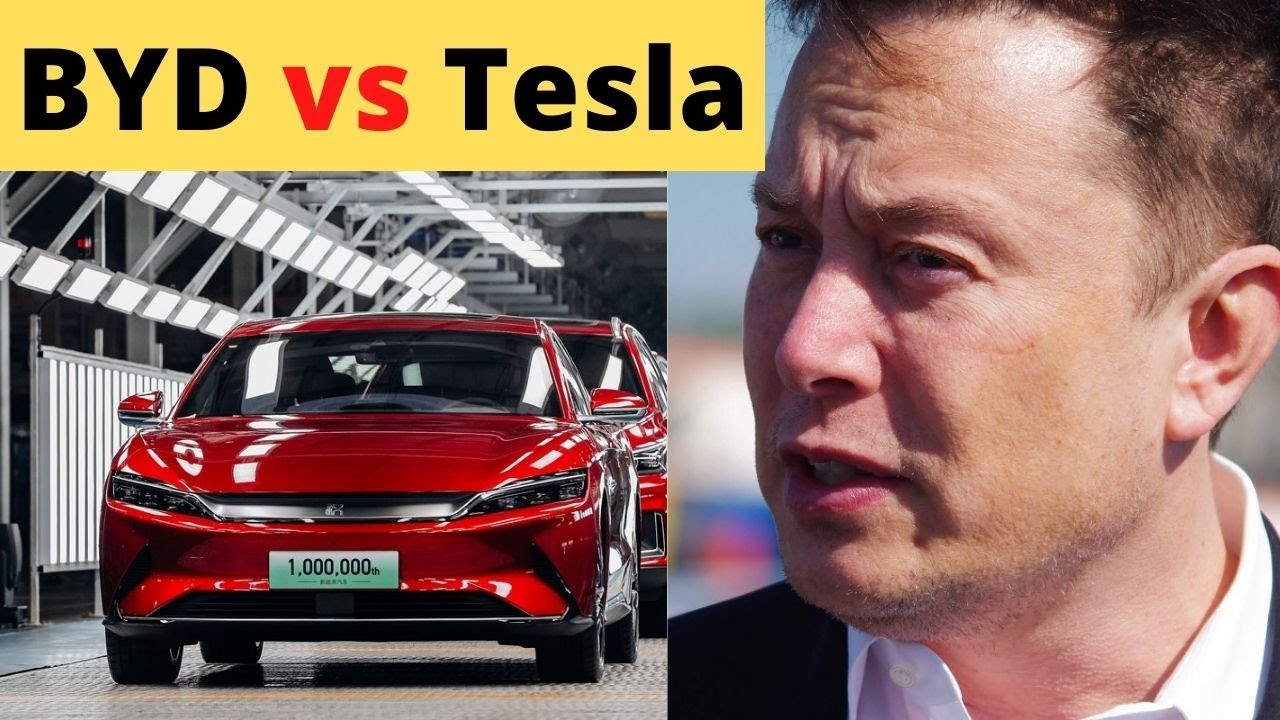
“Our observation is generally that the Chinese car companies are the most competitive car companies in the world,” Musk said. He went on to express the belief that without trade barriers, Chinese carmakers would “pretty much demolish” their foreign counterparts, underlining the exceptional capabilities of these companies in the EV sector.

This recognition comes as Chinese automaker, BYD, surpassed Tesla in the October-December period by selling a record 944,779 new energy vehicles, including 526,409 pure electric cars.

The rise of BYD, along with fellow Chinese manufacturers such as SAIC Motor Corp., is seen as a transformative moment in the electric vehicle (EV) market. China, directly challenging traditional automotive powerhouses like Japan, has become a leading player in the international export of passenger cars.

As of October this year, China has shipped approximately 1.3 million electric vehicles out of the total 3.6 million worldwide, signaling a significant shift in the dynamics of the global automotive industry.

Bridget McCarthy, Snow Bull Capital’s head of China operations, highlighted the industry’s evolution, stating, “It’s no longer about the size and legacy of auto companies; it’s about the speed at which they can innovate and iterate.”

However, despite the acknowledgment of Chinese automakers’ prowess, Musk clarified that Tesla does not currently see “an obvious opportunity to partner” with them, except for potential collaboration on sharing Tesla’s supercharging network.

“So they’re extremely good,” Musk said, but Tesla does not see “an obvious opportunity to partner” except on sharing its supercharging network.

“We are obviously happy to give any electric car company access to our supercharger network. We’re also happy to license full self driving, perhaps license other technologies, and anything that could be helpful in advancing the sustainable energy revolution,” Musk added.

This cautious approach is seen as a reflection of Tesla’s commitment to maintaining a competitive edge in the market.

While Chinese automakers gain momentum globally, Tesla faces challenges in its crucial Chinese market. Tesla drivers in China are encountering entry restrictions at government-affiliated venues due to data security concerns amid ongoing tensions between the United States and China. This raises questions about Tesla’s future in China, the world’s largest EV market.

In response to intensified competition and policy uncertainties, Tesla has taken measures to maintain its market position. The company lowered prices in China, following several price cuts over the past year.

These price reductions added pressure on Tesla’s profitability. The company reported a second consecutive quarterly profit drop on Wednesday, and said in its Q4 2023 results that its EV sales could grow notably slower in 2024 compared to last year.

Despite the rivalry with BYD, Tesla recognizes the strategic importance of its Chinese counterparts, particularly BYD, as a key battery supplier. Musk expressed gratitude for their suppliers, which include Panasonic, CATL, LG, and BYD.

“We are very appreciative of our suppliers. You know, Panasonic obviously is our longest supplier there. Amazing company. We’ve got CATL, we’ve got LG,” Musk said, adding, “and BYD.”

Looking ahead, Tesla plans to ramp up orders from these suppliers in 2024, reflecting the collaborative nature of the EV industry.

While BYD has experienced significant success in the Chinese market, its expansion beyond borders faces challenges. Europe is considering imposing higher tariffs on Chinese car imports, aiming to protect local manufacturing jobs. This, coupled with trade tensions reminiscent of the challenges faced by Tesla in the US, poses obstacles for BYD in accessing international markets.

Microsoft Gaming Lays Off 1,900 Employees, Months After Activision Blizzard’s Acquisition

0

In a move that marks a significant shift in the gaming industry, Microsoft Gaming is set to lay off approximately 1,900 employees, constituting around 9% of its gaming unit workforce.

“We have made the painful decision to reduce the size of our gaming workforce by approximately 1900 roles out of the 22,000 people on our team,” the company said.

The news came to light through an internal memo released by the company on Thursday, where Microsoft Gaming CEO Phil Spencer detailed the restructuring plan, emphasizing a broader “execution plan” aimed at reducing “areas of overlap.”

The layoffs come just over three months after Microsoft’s monumental $69 billion acquisition of gaming giant Activision Blizzard, which closed in late 2023.

Former Blizzard president Mike Ybarra has announced his departure from both Microsoft and Blizzard on the social media platform X. While acknowledging the difficulty of the decision, Spencer assured that Microsoft would provide “full support” to all affected employees, including location-dependent severance packages.

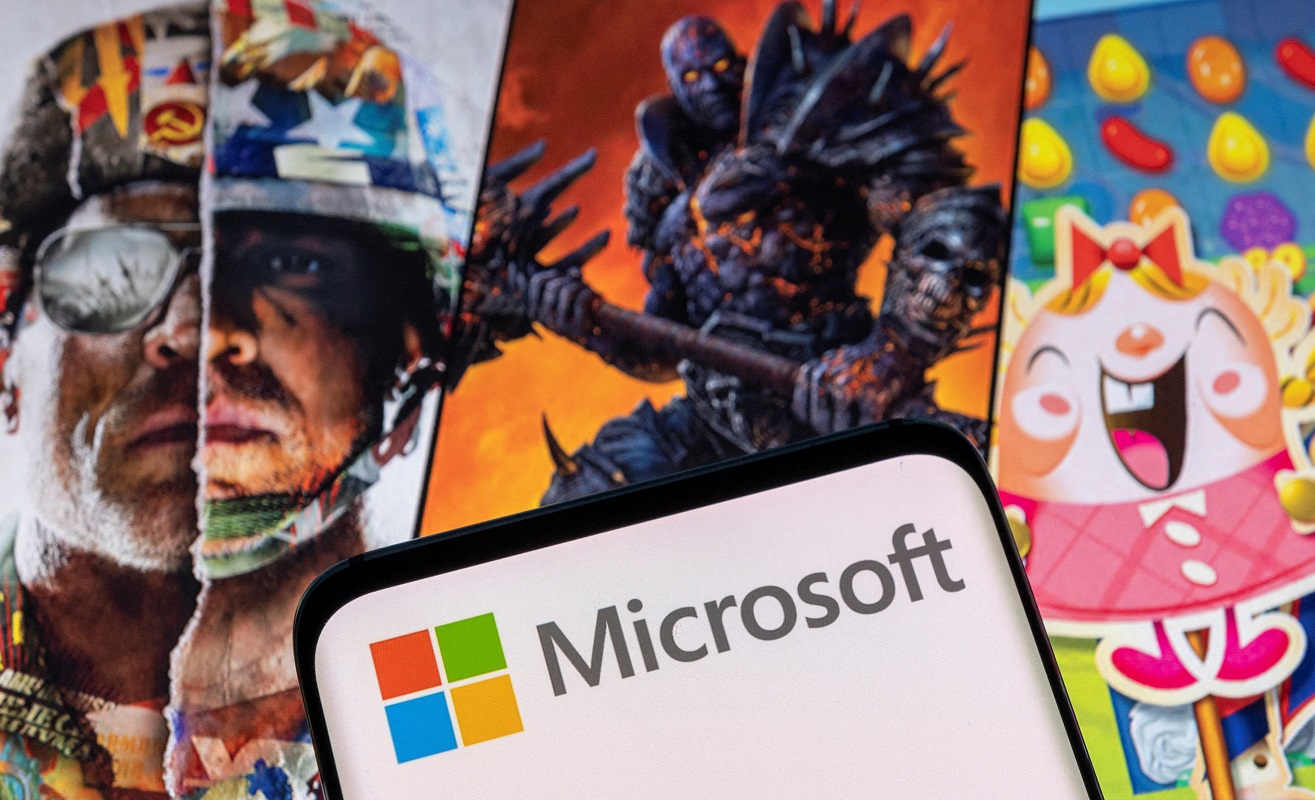
Activision Blizzard, known for developing and publishing popular gaming franchises like Call of Duty and Diablo, also owns the mobile gaming subsidiary King, responsible for the globally renowned Candy Crush Saga. The strategic acquisition of Activision Blizzard was Microsoft’s largest to date, more than doubling the size of its 2016 purchase of LinkedIn.

Despite the magnitude of the layoffs, Microsoft’s shares remained largely unaffected, as such restructuring is often anticipated after sizable mergers and acquisitions.

The tech industry has witnessed a trend of increased efficiency and a clearer path to growth or profitability as economic pressures mount. This move by Microsoft is part of a broader trend, with other major tech companies implementing deep cuts in the early weeks of 2024, independent of mergers and acquisitions.

Companies such as Tencent-owned Riot Games, TikTok, and Discord have all announced layoffs in the wake of a challenging 2023 that saw over 100,000 tech workers lose their jobs.

This week alone, eBay and SAP joined the list of companies announcing significant workforce reductions, with eBay planning to lay off 1,000 workers and SAP intending to shift or buy out 8,000 employees. Unlike Microsoft, both eBay and SAP experienced a notable increase in their share prices following their announcements.

The internal memo from Microsoft Gaming’s leadership outlined the reasoning behind the layoffs. As the company integrates Activision, Blizzard, and King into its structure, leadership is focused on developing a sustainable cost structure to support the growing business.

The memo emphasized the commitment to aligning strategy and execution plans, identifying areas of overlap, and prioritizing opportunities for growth.

Despite the challenges, Microsoft Gaming remains optimistic about the future, expressing confidence in the team’s ability to create and nurture games, stories, and worlds that bring players together.

In the memo, the company assured support for affected employees during the transition and encouraged colleagues to treat departing team members with respect and compassion, in line with the company’s values.

Tech companies are coming under increasing pressure to demonstrate efficiency and create a clear path to growth and profitability. Moves like this are aimed at positioning companies for sustainable growth as economic uncertainties persist.