DD
MM
YYYY

PAGES

DD
MM
YYYY

spot_img

PAGES

Home Blog Page 3430

TSMC Reports Nearly 9% Rise in First Quarter Profits Amidst Soaring Global Demand for Microchips

0

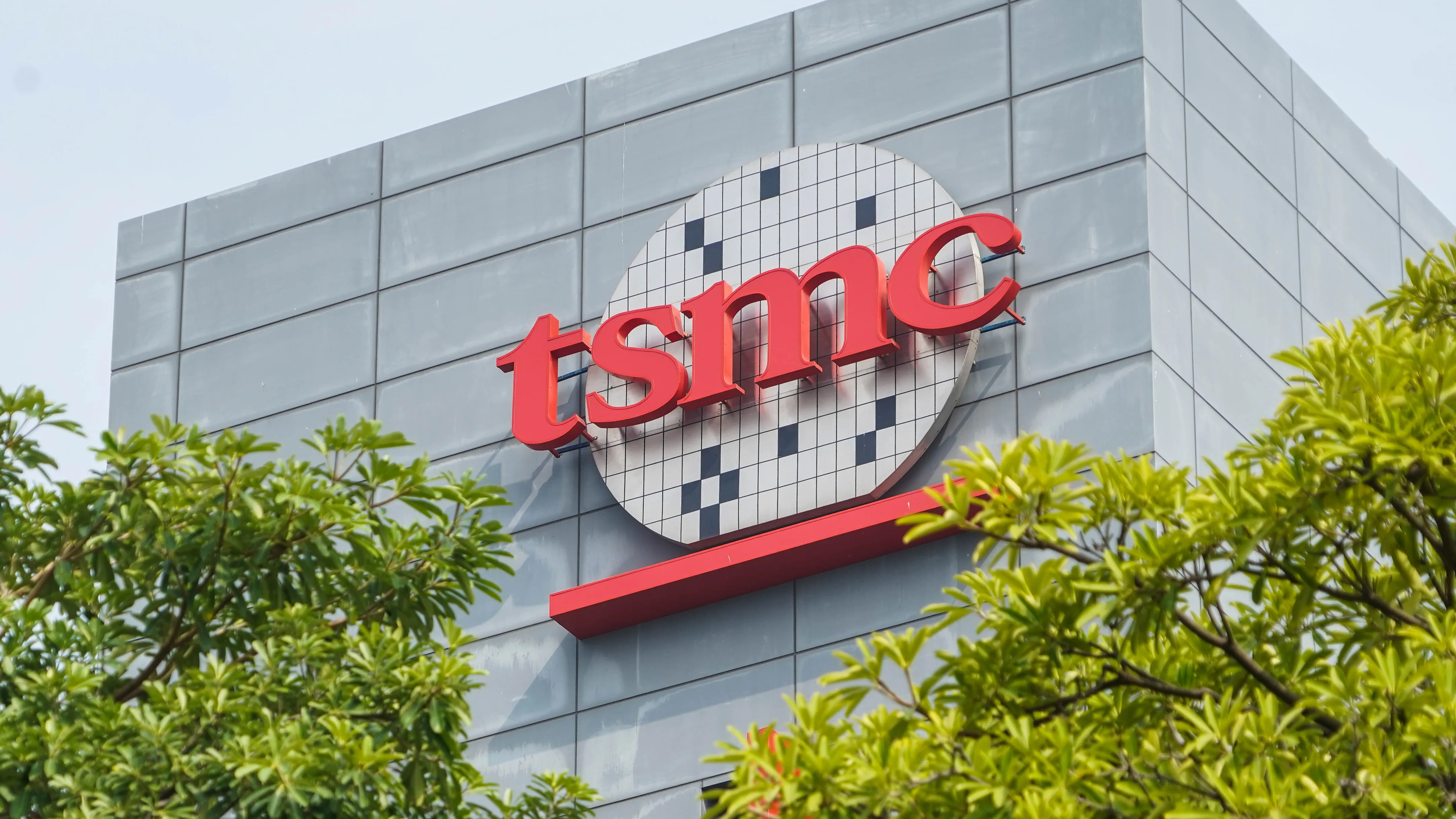
On Thursday, semiconductor giant Taiwan Semiconductor Manufacturing Company (TSMC) announced a robust performance for the first quarter of 2024, driven by soaring global demand for microchips powering diverse technologies from mobile phones to artificial intelligence.

TSMC reported a nearly 9% increase in net profits for the first quarter, reaching NT$225.4 billion ($6.97 billion), compared to NT$206.9 billion in the same period last year. Additionally, first-quarter revenues surged by 13% year-over-year to $18.87 billion.

During the earnings call, CFO Wendell Huang revealed that TSMC anticipates second-quarter revenues to rise by an impressive 27.6%.

As a leader in chip manufacturing, TSMC controls over half of the world’s silicon chip production, earning it the moniker of the “lifeblood” of the modern world. The company’s client roster includes tech giants like Apple and Nvidia.

TSMC’s advanced microchips play a pivotal role in various industries, making it an indispensable player in the global supply chain.

Despite its dominance, TSMC faces challenges, particularly concerning its fabrication plants in Taiwan, which are vulnerable to natural disasters like earthquakes. A recent magnitude-7.4 quake in Taiwan resulted in some production loss, but TSMC expects minimal impact on second-quarter revenue.

Huang acknowledged the impact of the earthquake, disclosing that “a certain number of wafers in the process were impacted and had to be scrapped.”

“But we expect most of the lost production to be recovered in the second quarter and thus minimum impact to the second quarter revenue,” he said.

TSMC has ambitious expansion plans to meet rising demand and diversify its production base. The company announced the construction of a third semiconductor factory in Arizona, boosted by a preliminary agreement with the U.S. Commerce Department.

This move aligns with the U.S. government’s efforts to strengthen domestic chip production and reduce reliance on foreign suppliers under the Chips and Science Act. Under this agreement, TSMC will receive up to $6.6 billion in direct funding from the U.S. government, raising its total investment in the North American country to $65 billion.

CEO CC Wei highlighted significant progress in TSMC’s Arizona projects, with the first fab already in engineering wafer production and on track for volume production in the first half of 2025.

“In Arizona, we have received the strong commitment and support from our U.S. customers and plan to build three fabs … We have made significant progress in our first fab, which has already entered engineering wafer production in April,” said CC Wei.

“We are well on track for volume production in the first half of 2025.”

The second fab will focus on advanced technologies to meet demand in AI-related applications.

Wei added that the second fab in Arizona has been upgraded “to utilize 2-nanometer technologies to support the strong AI-related demand in addition to the previously announced 3-nanometer” chips.

U.S. Commerce Secretary Gina Raimondo recently remarked that if successful, the TSMC fabs in Arizona would mark the “first time” that super-advanced chips are manufactured on American soil.

This initiative marks a significant milestone in bringing advanced semiconductor production capabilities to the United States, potentially elevating the country’s position in the global semiconductor industry and enhancing its technological competitiveness.

In addition to its U.S. expansion, TSMC recently launched a new $8.6 billion plant in Japan and plans to establish another facility in Kumamoto for advanced chip production, denoting its global footprint and commitment to meeting the growing demand for microchips worldwide.

US Sanctions Woke China, and Today American Firms Are Losing Ground in China

1

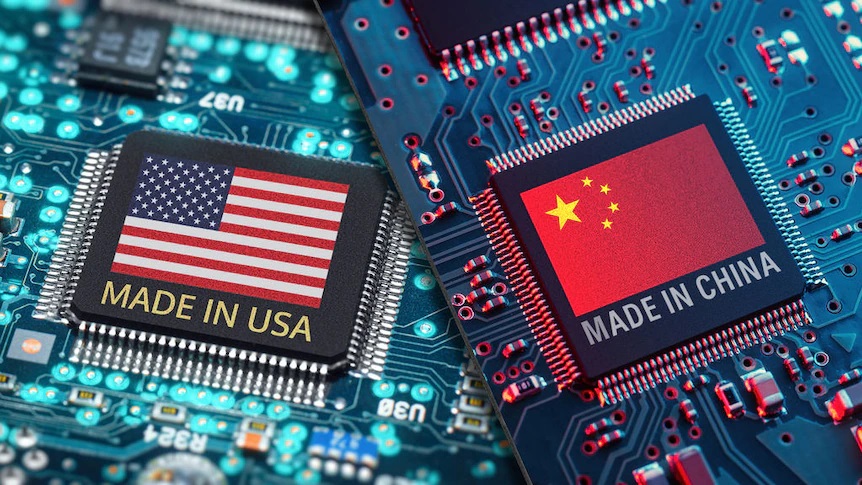
The periwinkle rarely drops the precious gems until it is cracked. For years, China has possessed latent capabilities in the semiconductor industry. But magically, to unlock those abilities, US sanctions were needed. So, when the sanctions came, China abandoned US chips and looked inwards.

Today, it is having a moment: “In the wake of US trade restrictions on advanced chip-making equipment, China’s integrated circuit (IC) output witnessed a remarkable surge of 40% to 98.1 billion units in the first quarter of the year, per SCMP.”

When I wrote my book – Nanotechnology and Microelectronics: Global Diffusion, Economics and Policy – which won the IGI Global 2010 Book of the Year award, the ingredients of greatness were visible in China. The United States used sanctions to move China years ahead, and today, those sanctions have created immense competitions for American companies.

You can ask Apple: “The new Pura 70 series offers four phones at price points similar to the iPhone’s, and it’s presumed to run on an advanced, China-made chip, though Huawei has not revealed that information. The company’s smartphone shipments in China jumped 64% year over year in the first six weeks of 2024, per Counterpoint Research; iPhone sales dropped 24% over that same period.”

Due to those chips, very soon Apple will become history in China, and you can add Tesla, and many other US companies. Semiconductor sanctions woke a sleeping dragon, and now it is devouring everything on the path. Do not find ways to motivate your enemies.

China’s Semiconductor Industry Surges 40% Amid US Trade Restrictions

0

In the wake of US trade restrictions on advanced chip-making equipment, China’s integrated circuit (IC) output witnessed a remarkable surge of 40% to 98.1 billion units in the first quarter of the year, per SCMP.

This expansion emanates from the country’s focus on boosting the production of older-generation chips while grappling with constraints imposed by international trade dynamics.

March alone witnessed a staggering 28.4% jump in national IC output, reaching an unprecedented high of 36.2 billion units, as reported by the National Bureau of Statistics (NBS) on Tuesday.

The NBS highlighted the accelerated growth in China’s hi-tech manufacturing sector, reflecting the robust expansion of the semiconductor industry, which is increasingly localized. Haitong Securities echoed this sentiment in a recent report, forecasting a strong rebound in China’s IC production for the year.

The surge in China’s IC output is attributed in part to robust demand from downstream sectors, notably new energy vehicles and smartphones. Government data revealed a 29.2% increase in new-energy-vehicle output in the first quarter, reaching 2.08 million vehicles, while smartphone production expanded by 16.7% during the same period.

In recent years, China has significantly expanded its IC production capacity, with output nearly tripling in the first quarter of 2024 compared to the same period in 2019. However, under the US embargo on advanced chip technologies, Chinese investments have predominantly focused on mature semiconductors, leading to concerns about potential overproduction.

The Centre for Strategic and International Studies highlighted this trend, suggesting that US export controls may inadvertently drive state-backed investments in legacy-chip production, potentially paving the way for Chinese dominance in this sector.

“An unintended consequence of US export controls on advanced chip technology to China may be a wave of state-backed investment leading to overproduction and, potentially, Chinese dominance of global legacy-chip production,” researchers wrote.

Taiwan-based IC research company TrendForce projected that China’s global share of mature-process capacity could reach 39% by 2027, further underscoring the country’s growing influence in the semiconductor industry.

China’s efforts to achieve self-reliance in core technologies have intensified, particularly with initiatives such as the Xinchuang campaign, aimed at developing local alternatives to foreign chips, systems, databases, and software. Beijing aims to bolster the Chinese tech sector, targeting an annual output of 100 billion yuan (US$13.9 billion) by next year.

Despite these ambitious initiatives, China remains heavily reliant on chip imports, with IC imports growing by 12.7% to 121.5 billion units in the first quarter. IC exports also edged up by 3% to 62.4 billion units, according to data released by the General Administration of Customs.

Semiconductors continue to rank as China’s largest import item, surpassing even crude oil in the previous year. This highlights the challenges, amid the country’s ongoing efforts to overcome the impacts of US trade sanctions and build self-sufficiency in semiconductor production.

Nigeria’s FX Reserves Not Being Used to Defend the Naira – Central Bank Governor

0

Yemi Cardoso, the Governor of the Central Bank of Nigeria (CBN), has sought to allay concerns surrounding the country’s declining external reserves, which have been linked to recent naira gains in the forex market.

Nigeria’s foreign exchange reserves have witnessed a significant downturn, plummeting by approximately $2.16 billion in 29 days. Current figures from the CBN reveal that the FX reserves stand at $32.29 billion as of April 15, 2024, marking the lowest level since September 25, 2017.

The depletion of FX reserves raises concerns about the country’s balance of payments and its ability to meet international obligations. Furthermore, it may impact investor confidence and potentially lead to a credit rating downgrade, exacerbating the nation’s borrowing costs.

Contrary to speculations, Cardoso said that the decrease in reserves was not a result of the apex bank’s efforts to defend the naira. Rather, he attributed the decline primarily to debt repayments and other standard financial obligations.

“Let me clarify that the decreasing foreign exchange reserves are not due to our efforts to defend the naira,” Cardoso stated emphatically. “The shifts in our reserves are largely influenced by routine debt repayments and other financial commitments.”

Cardoso explained that there were no intentions to defend the currency using the external reserves, especially given the implementation of a willing buyer, willing seller policy by the central bank. He said “the shift you see in our reserves” has little or nothing to do with defending the naira, and that is “certainly not our objective.”

Cardoso explained that Nigeria’s significant reduction in external reserves can be attributed to the country’s obligations to fulfill its debt repayments. This financial activity, he noted, is a routine practice essential for maintaining national credibility in the global financial arena.

“What you see with respect to the shifts in our reserves is the shift you will find in any country’s reserve situation where, for example, debts are due and certain payments need to be made,” Cardoso explained. “These payments are made as part of keeping our credibility intact.”

Nigeria faces substantial external debt service requirements, including payments on Eurobonds and other international financial obligations. The repayments of these debts necessitate substantial amounts of foreign currency, further depleting the reserves.

Between January and October 2023, Nigeria allocated approximately 50% of its dollar payments to service external debts, indicating the increasing strain of foreign debt on the nation’s economy. Furthermore, Nigeria’s expenditure on external debt servicing surged to $560 million in January 2024, representing a staggering 339% increase compared to the previous year’s $112 million.

Reiterating the central bank’s commitment to a market-driven approach, Cardoso highlighted the CBN’s commitment to currency prices to be determined by willing buyers and sellers, without direct intervention from the bank.

“Our overall policy and philosophy advocate for a market-driven approach,” Cardoso stated. “We encourage willing-buyer willing-seller price discovery. Ultimately, I perceive a future where the central bank will really not need to intervene except in very unusual circumstances.”

He also addressed the interventions in the Bureau De Change (BDC) segment, saying they are minimal and targeted to ensure effective integration into the broader market.

“I can understand that especially at the outset, there have been little cases where the bureau de change (BDC) needed to be supported,” Cardoso acknowledged. “But in terms of intervention, that is really not our intention at all.”

So far, the CBN has conducted three dollar sales to BDCs, with the most recent sale totaling $10,000 to each BDC at a rate of N1,101/$1.

Additionally, Cardoso disclosed a recent influx of approximately $600 million into the reserve account over the past two days, noting that these movements were routine and not aimed at defending the naira.

“What is important to us is that there is sufficient liquidity in the market,” Cardoso stressed. “As long as we have a vibrant currency market, why do we need to intervene? We don’t need to.”

Nigeria is grappling with intense economic challenges characterized by high inflation and poorly performing currency, which have significantly contributed to the soaring cost of living. Although the President Bola Tinubu administration has rolled a flurry of policies targeted at economic growth, the bounce back is not expected to take effect soon. The International Monetary Fund (IMF) projects recovery by 2028.

The Role of Artificial Intelligence in Revolutionizing the Eyewear Industry

0

The integration of artificial intelligence (AI) into the eyewear industry is reshaping how manufacturers design, produce, and sell glasses. From personalized frame selection to advanced vision technology, AI is setting new standards in precision, customer experience, and innovation. In this blog post, we explore the various ways AI is making a significant impact in the eyewear industry, enhancing both the product quality and the consumer’s buying experience.

Customized Frame Selection

One of the most user-friendly applications of AI in the eyewear industry is in the customization of frame selection. Innovative AI algorithms can analyze facial features, skin tone, and personal style preferences to recommend the perfect frames for each individual. This personalized approach helps customers choose eyewear that not only fits well but also complements their facial aesthetics, making the daunting task of selecting the perfect pair much easier. For instance, some glasses offer a virtual try-on feature powered by AI, allowing customers to see how different frames look on their faces using just their webcam.

Precision in Lens Crafting

AI is also transforming the way lenses are crafted. By employing AI-driven devices and software, manufacturers can achieve higher precision in lens cutting and fitting, tailored to the specific requirements of each prescription. This technology ensures that each pair of glasses is optimized for the best visual acuity and comfort, reducing errors and enhancing the overall quality of the eyewear.

Enhanced Vision Correction

Beyond physical attributes, AI is used to improve vision correction itself, offering solutions that go beyond traditional corrective measures. For example, AI can analyze data from eye exams in greater depth to detect subtle vision defects that conventional methods might overlook. This leads to more accurate prescriptions and potentially more effective vision correction solutions, providing users with unprecedented clarity and detail.

Predictive Analytics for Inventory Management

AI’s predictive analytics capabilities are proving invaluable for inventory management within the eyewear industry. By analyzing sales data, customer preferences, and market trends, AI can forecast future demand for various styles and designs. This allows companies to optimize their stock levels, reducing waste and ensuring popular items are always available for consumers.

Smart Eyewear Innovations

The future of AI in eyewear extends into the development of smart glasses. These devices combine the traditional function of vision correction with the capabilities of a smart device, offering features such as augmented reality, real-time notifications, and even health tracking. AI is central to operating these complex systems, processing real-time data and providing interactive experiences for users.

Conclusion

AI is undeniably a game-changer in the eyewear industry, offering enhancements that touch every aspect of the business, from the initial design and manufacturing process to the final stages of customer interaction. The implementation of AI technologies allows for a more personalized, efficient, and innovative approach to eyewear, setting a new standard for what consumers can expect from their glasses. As AI continues to evolve, its integration into the eyewear industry promises to bring even more exciting advancements, making eyewear not only a tool for better vision but also a more integrated part of our digital lives.