DD
MM
YYYY

PAGES

DD
MM
YYYY

spot_img

PAGES

Home Blog Page 3482

Bitcoin fell to $65,700 as BTC Halving approaches

2

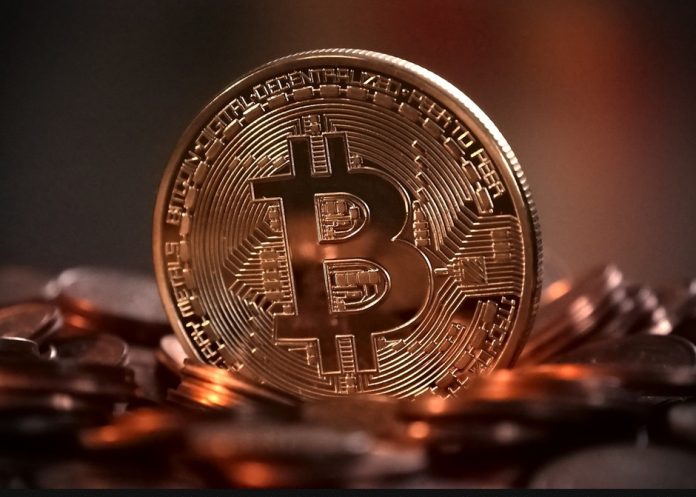
As the world of cryptocurrency braces for Bitcoin’s upcoming halving event, the market has witnessed a notable fluctuation with Bitcoin’s value falling to $65,700. This event, anticipated to occur this month, has historically been a significant occurrence for both the currency and its investors.

The concept of halving is integral to the design of Bitcoin, serving as a deflationary mechanism to ensure its scarcity. Approximately every four years, or after 210,000 blocks have been mined, the reward for mining new blocks is halved, effectively reducing the rate at which new Bitcoins are generated and entering circulation. This upcoming halving will decrease the reward from 6.25 to 3.125 Bitcoins per block.

The implications of this event are manifold. Historically, halvings have been associated with price increases. The reduced flow of new coins into the market can lead to a supply shock, and if demand remains constant or increases, the price per Bitcoin may rise as a result. This pattern has been observed in past halvings, with significant price surges following the events of 2012, 2016, and 2020.

However, the market’s response to a halving is not solely dependent on the event itself. External factors such as regulatory changes, macroeconomic trends, and technological advancements also play a crucial role in shaping the outcome. For instance, the current economic climate, characterized by discussions around interest rates and inflation, could influence investor behavior and the perceived value of Bitcoin as a digital asset.

The halving also poses challenges for Bitcoin miners, who will see their rewards for verifying transactions halved. While this could potentially discourage mining activity due to decreased profitability, many miners anticipate these events and adjust their operations accordingly. The overall impact on network security remains to be seen, but previous halvings have not led to any significant issues in this regard.

Looking ahead, the halving event presents both opportunities and uncertainties. For investors, it is a time to closely monitor the market and make informed decisions based on a comprehensive understanding of both the technical aspects of the halving and the broader economic context. For the Bitcoin network, it is a testament to its enduring design and an opportunity to demonstrate resilience in the face of changing dynamics.

As the countdown to the halving continues, the crypto community watches with bated breath, ready to witness the next chapter in Bitcoin’s history. Will this halving follow the pattern of its predecessors and act as a catalyst for growth, or will new factors lead to a different outcome? Only time will tell, but one thing is certain: the halving event is a pivotal moment for Bitcoin, highlighting the unique interplay between technology and economics that defines the cryptocurrency space.

Bitcoin has captivated the financial world with its volatile price movements. As investors and enthusiasts look beyond the immediate horizon of the halving event, it is crucial to understand the myriad of factors that can influence Bitcoin’s price. These factors are not only diverse but also interrelated, making the cryptocurrency market a complex and dynamic ecosystem.

Advancements in blockchain technology and the introduction of new features or solutions can enhance Bitcoin’s utility and appeal, potentially driving up its price. Conversely, security concerns or technological setbacks can have a detrimental impact.

Over $400M Liquidations amid US Government moving $2B in Bitcoin

0

The recent crypto market downturn has led to a significant liquidation event, with over $400 million worth of bullish bets being wiped out as major cryptocurrencies, including Solana and Dogecoin, experienced sharp declines. This event underscores the inherent volatility and risks associated with leveraged positions in the cryptocurrency market.

Solana’s SOL token, which had briefly touched the $200 mark, saw a 7% drop to trade at around $185. Similarly, Dogecoin, the meme-inspired cryptocurrency, fell by more than 8%. These movements are indicative of the broader market trend, where major tokens such as Bitcoin, Ether, and others also faced substantial losses.

Liquidations occur when traders are unable to maintain their leveraged positions due to insufficient funds, leading to an automatic closure of their trades at a loss. This recent wave of liquidations has been one of the largest in recent times, affecting a significant number of bullish traders who were betting on higher prices.

Analysts from crypto exchange Bitfinex suggest that Bitcoin is likely to remain range-bound in the coming weeks, as long-term investors have begun to sell off their holdings. This sell-off, although smaller in scale compared to previous bull market tops, indicates a strategic profit-taking among long-term holders (LTHs), who are defined as individuals holding BTC for more than 155 days.

The broader market sentiment reflects caution towards riskier assets, with resistance levels for Bitcoin being closely watched by traders. The failure of Bitcoin to consolidate above the $71,000 mark after several attempts this week has been mirrored by a downward bias in the Nasdaq100, while the S&P500 closed at another high.

The U.S. Government’s Strategic Bitcoin Transaction: A $2 Billion Move to Coinbase.

In a strategic move that has caught the attention of the cryptocurrency world, the U.S. government has transferred an eye-watering $2 billion worth of Bitcoin to Coinbase, one of the leading cryptocurrency exchange platforms. This transaction, as reported by Arkham Intelligence, involved a staggering 30,175 bitcoins and was executed at block height 837,413 with a nominal fee of $1.57.

This significant transfer is part of a broader narrative that intertwines the history of Bitcoin with law enforcement and regulatory actions. The bitcoins in question are linked to the infamous Silk Road, an online black-market platform that was shut down by the FBI in 2013. The U.S. government obtained these bitcoins through various seizures over the years, with the most recent movement being part of the assets seized from the Silk Road website.

The decision to move such a large amount of Bitcoin to Coinbase is not without its implications. Coinbase Prime, the service believed to be the recipient of this transfer, is designed specifically for institutional clients, offering advanced trading, custody, and prime services. This move could signal the government’s intention to liquidate a portion of its Bitcoin holdings in a controlled and secure environment, potentially to fund various federal initiatives or as part of asset management strategies.

The transaction has sparked discussions and speculations within the cryptocurrency community. Some view it as a positive sign, indicating the government’s recognition of cryptocurrency as a legitimate and valuable asset class. Others are concerned about the potential market impact of such a large-scale transfer, speculating on whether it could lead to a sell-off and affect Bitcoin’s price volatility.

Regardless of the varied opinions, this event marks a significant moment in the ongoing relationship between government entities and the cryptocurrency market. It highlights the increasing involvement of institutional players in the crypto space and underscores the importance of regulatory clarity and secure infrastructure for the handling of digital assets.

As the cryptocurrency landscape continues to evolve, the actions of the U.S. government will undoubtedly play a pivotal role in shaping its future. This $2 billion Bitcoin transfer to Coinbase is a testament to the growing intersection of traditional finance, government policy, and the innovative world of cryptocurrencies.

This market behavior highlights the correlation between cryptocurrency markets and traditional financial markets, as investors’ attitudes towards risk influence both sectors. The cautious approach towards cryptocurrencies is further evidenced by the resistance Bitcoin faces at higher price levels, drawing increased attention to the $69.5K and $68.5K levels as potential support zones.

As the market navigates through these turbulent times, traders and investors are reminded of the importance of risk management and the need to be prepared for sudden market movements. The recent liquidations serve as a stark reminder of the rapid changes that can occur in the crypto market and the need for vigilance in maintaining leveraged positions.

The Rise of NEAR Protocol, Solana, and Polygon, as TRON Foundation Filed Motion to Dismiss SEC Lawsuit

0

NEAR Protocol has seen the biggest increase in unique active wallets, followed by Solana and Polygon in 2024.

The year 2024 has been a remarkable one for the blockchain industry, with significant growth in unique active wallets (UAWs) across various platforms. Leading this surge is NEAR Protocol, which has seen an unprecedented increase in UAWs, followed closely by Solana and Polygon. This growth is indicative of the evolving landscape of blockchain technology and the increasing adoption of cryptocurrencies.

NEAR Protocol, a decentralized application platform, has made significant strides in 2024. With a focus on user-friendly experiences and developer support, NEAR has implemented features such as meta transactions and zero-balance accounts, which have greatly enhanced the onboarding of new users. These advancements have contributed to a staggering year-over-year increase of 1,902% in UAWs, marking NEAR as a formidable competitor in the blockchain space.

Solana, known for its high throughput and low transaction costs, has also experienced a notable uptick in daily active wallets. The platform’s commitment to scalability and efficient performance continues to attract a wide range of users and developers, contributing to its growing popularity and adoption. Solana’s potential price increase, with predictions of reaching $249.34 by March 31, 2024, reflects the positive sentiment and confidence in the platform’s future.

Polygon, another key player, has seen a 118% increase in daily activity, with the launch of Gas Hero by Find Satoshi Lab playing a significant role in this growth. As a scaling solution for Ethereum, Polygon has been instrumental in providing a more accessible and cost-effective platform for decentralized applications, further cementing its position in the market.

The remarkable growth in UAWs for NEAR Protocol, Solana, and Polygon is not just a testament to their technological advancements but also to the broader acceptance of blockchain technology. As these platforms continue to innovate and provide value to users, we can expect to see further expansion and integration of blockchain into various sectors of the economy.

NEAR Protocol has continued to evolve, introducing new functionalities and improvements that enhance its ecosystem. Here, we delve into the key features that make NEAR Protocol stand out in the competitive landscape of blockchain platforms.

NEAR Protocol is designed with scalability at its core. The platform utilizes sharding technology, which allows the network to process transactions and smart contracts in parallel. This means that as the network grows, it can handle an increasing number of transactions without compromising on speed or reliability.

NEAR places a strong emphasis on developer experience. It provides a suite of tools and resources that make it easier for developers to build and deploy decentralized applications (dApps). The platform supports multiple programming languages and offers a robust set of APIs, enabling a seamless development process.

The year 2024 marks a pivotal point for NEAR Protocol, Solana, and Polygon, as they lead the charge in blockchain adoption through increased UAWs. Their success stories serve as a beacon for the potential of blockchain technology and its capacity to revolutionize the digital landscape. As the industry continues to mature, it will be exciting to witness the next wave of innovations and growth trajectories for these platforms.

TRON Foundation asserts strongly against Lawsuit with US SEC

The cryptocurrency landscape is once again at the forefront of legal scrutiny, with the TRON Foundation’s recent motion to dismiss a lawsuit filed by the U.S. Securities and Exchange Commission (SEC). This legal tussle has garnered significant attention within the crypto community and beyond, as it could have far-reaching implications for the regulation of digital assets.

The SEC’s lawsuit, which was filed in March 2023, accuses Justin Sun, the founder of TRON, and his associated companies of conducting unregistered securities offerings and engaging in fraudulent market practices. The SEC alleges that the TRON Foundation, along with BitTorrent Foundation Ltd., and Rainberry Inc. (formerly BitTorrent), offered and sold crypto asset securities, namely Tronix (TRX) and BitTorrent (BTT), without proper registration.

Furthermore, the SEC claims that Sun orchestrated a scheme to manipulate the market for TRX through wash trading and paid celebrities to promote TRX and BTT without adequate disclosures.

In response to the SEC’s allegations, the TRON Foundation has filed a motion to dismiss the lawsuit. The foundation argues that the SEC has overstepped its jurisdictional bounds, as the activities in question predominantly occurred outside the United States and involved foreign entities. The defense posits that the SEC is not a global regulator and cannot extend its regulatory reach to cover actions that are largely international in nature.

The TRON Foundation also contends that the SEC’s claims are unfounded, as there was no fair notice that the agency would pursue such allegations. They argue that the SEC’s actions are premature under the major questions doctrine, which is a legal precedent designed to limit governmental overreach and ensure that agencies operate within the boundaries set by Congress.

The outcome of this legal battle could set a precedent for how digital assets are regulated in the United States and potentially globally. If the court sides with the TRON Foundation, it may limit the SEC’s ability to regulate foreign-based crypto entities and their activities. Conversely, a victory for the SEC could affirm the agency’s regulatory authority over the crypto market, even when the entities involved are based overseas.

The case also highlights the ongoing debate over the classification of digital assets as securities. The SEC’s stance is that many tokens, including TRX and BTT, are securities and thus subject to federal securities laws. The TRON Foundation’s challenge to this view underscores the need for clearer regulatory guidelines in the rapidly evolving crypto space.

The TRON Foundation’s motion to dismiss the SEC lawsuit is a bold move that reflects the broader industry’s desire for clarity and reasonable regulation. As the case progresses, it will undoubtedly be watched closely by crypto entrepreneurs, investors, and regulators alike. The final decision will likely have a lasting impact on the regulatory landscape for cryptocurrencies and could shape the future of digital asset innovation and investment.

The stakes are high for TRON as it defends itself against the US SEC’s lawsuit. A loss could result in financial penalties, operational restrictions, reputational damage, and significant market implications. However, it could also contribute to greater regulatory clarity in the long term. The outcome of this case will be closely watched by the crypto community and could have lasting effects on the industry’s regulatory environment.

OpenAI Replaces Sam Altman as Manager of Corporate Venture Fund

0

OpenAI, the prominent AI research organization, has undergone a significant change in leadership regarding its corporate venture fund, as revealed in a filing with the U.S. Securities and Exchange Commission.

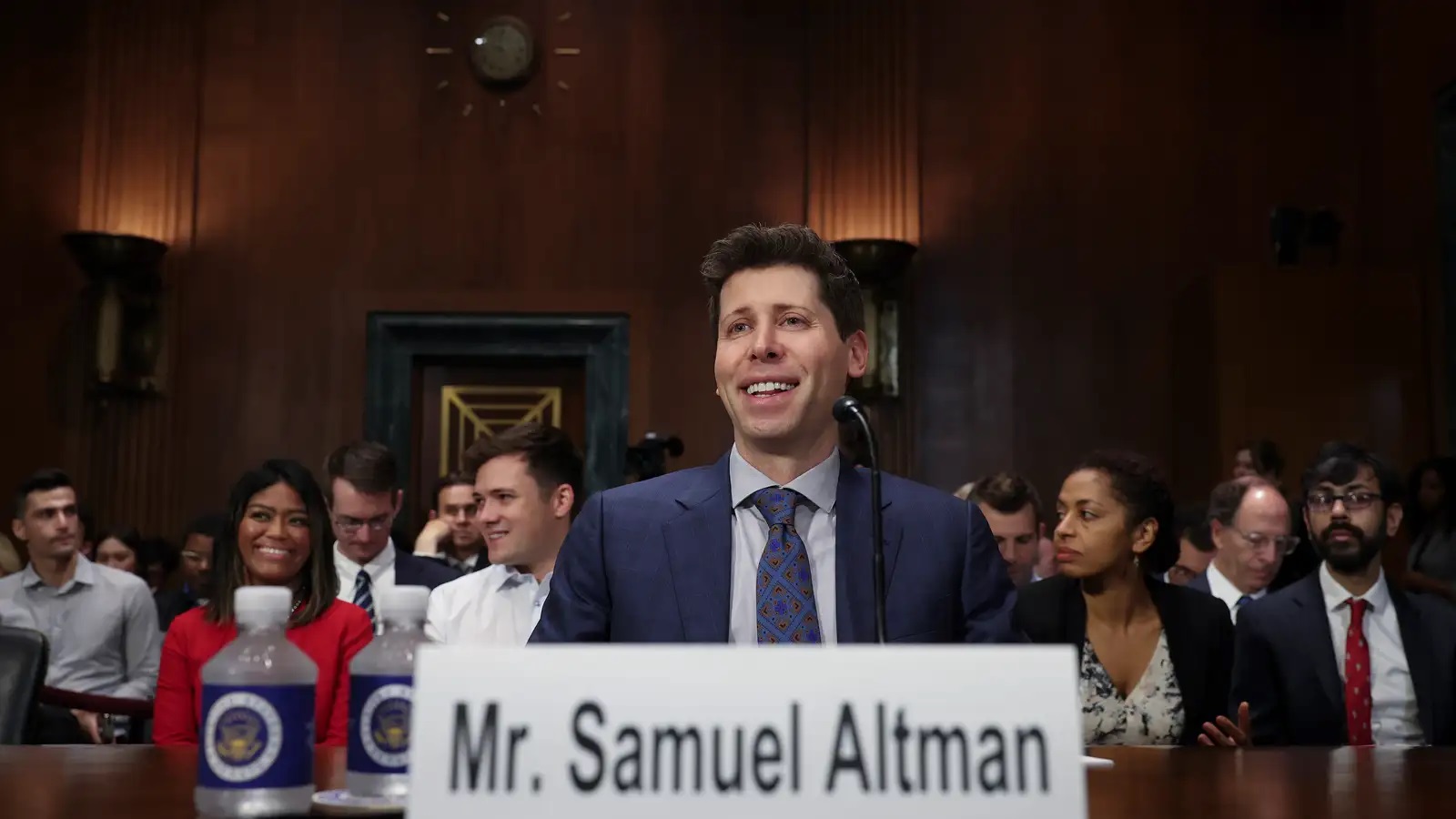
Sam Altman, the CEO of OpenAI, has been removed as the owner and manager of the fund, with Ian Hathaway set to assume the managerial role, Axios reported on Monday.

Ian Hathaway, a partner in the fund since its inception in 2021, has already played a pivotal role in the fund’s operations, leading investments in startups such as Harvey, which develops AI tools for attorneys, and Speak, a language learning app.

The decision to transition management responsibilities from Altman to Hathaway marks a notable shift in the fund’s governance. Altman is no longer listed as a general partner in the fund, signaling a departure from his previous role.

In response to inquiries, OpenAI clarified, “As previously communicated, the fund’s initial GP structure was a temporary arrangement, and involved no personal investment or financial interest from Sam. This change provides further clarity.”

The fund, marketed as a corporate venture fund, possesses a unique governing structure. While such funds typically invest a company’s resources in startups and are managed by a third party, the OpenAI fund’s money was raised by Altman through OpenAI partners, including Microsoft, and managed directly by Altman. Notably, OpenAI itself is not an investor, according to information available on the fund’s website.

With a focus on early-stage startups in various sectors including healthcare, law, education, energy & infrastructure, and the sciences, the fund aims to invest $175 million. Presently, it controls assets valued at $325 million, according to Axios.

Altman, renowned for his diverse investments beyond OpenAI, including ventures like Helion Energy in fusion power and the contentious Worldcoin cryptocurrency, recently netted $30 million from Reddit’s initial public offering in March.

Backstory: OpenAI’s Turbulent Leadership Crisis

The recent reshuffling of leadership at OpenAI, marked by Altman’s regaining of his director seat, is the culmination of a turbulent period that began last November. Altman, a pivotal figure in the development of its flagship ChatGPT technology, found himself abruptly removed from his CEO position and ousted from the board amidst internal upheaval.

The events unfolded swiftly, leaving the tech community bewildered and speculating about the underlying reasons for Altman’s sudden removal. However, within days, Altman was reinstated to his CEO role, albeit with lingering questions surrounding the circumstances of his dismissal and subsequent reinstatement.

Central to the resolution of the crisis was an internal investigation commissioned by select board members and conducted by the law firm WilmerHale. The investigation unearthed a breakdown in trust that led to Altman’s initial removal, yet concluded that his conduct did not warrant such drastic action. This revelation provided the impetus for Altman’s reinstatement and offered a semblance of closure to the tumultuous chapter in OpenAI’s history.

In his remarks to the press, Altman expressed relief that the ordeal was finally behind him and emphasized the importance of moving forward with a unified vision. He lamented the attempts by certain individuals to undermine OpenAI’s mission through leaked information to the press, signaling a desire to rebuild trust and focus on the organization’s core objectives.

It is not clear if there is another reason besides what the AI company has disclosed, responsible for the decision to remove Altman from his position as the head of the fund.

BlockDAG’s Technical Whitepaper Underlines 30,000x Return Potential Amid Waves Growth and VENOM Adoption Surge

0

Investors are always on the lookout for the next big opportunity in the cryptocurrency world, and the current buzz centers around the anticipated growth in Waves’ value, the launch and swift adoption of the VENOM blockchain, and BlockDAG’s promising presale event. Among these, BlockDAG’s presale is particularly captivating, offering an impressive return on investment with its novel approach to cryptocurrency. With the help of investment tools like crypto calculators, this article aims to guide investors through these opportunities, focusing on BlockDAG as a standout choice for crypto investments in 2024.

Waves Makes a Splash in Crypto Investments

Waves has consistently caught the investment community’s attention, thanks to its robust blockchain platform that supports various functions. It’s not just about trading; Waves enable the creation of personalized tokens, all on a platform that prioritizes security, scalability, and ease of use.

As reported by CoinCodex, recent trends suggest a bullish future for Waves, supported by its innovative technology and strong market performance. Its comprehensive ecosystem, designed to enhance user interaction and security, is crucial in its growing market valuation.

VENOM Blockchain Achieves Rapid Growth

The VENOM blockchain made headlines with its outstanding performance, quickly amassing over a million daily users. This blockchain is celebrated for its high transaction throughput and scalability, offering solutions to common issues faced by older blockchain technologies. The community’s rapid embrace of VENOM indicates a clear demand for more efficient, scalable blockchain platforms supporting the next generation of decentralized applications.

BlockDAG’s Presale and Strategic Vision

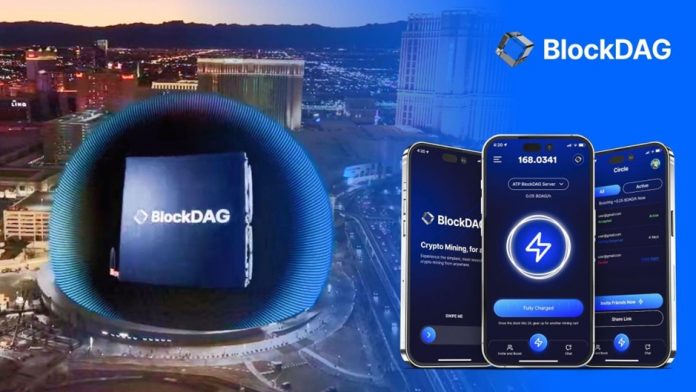
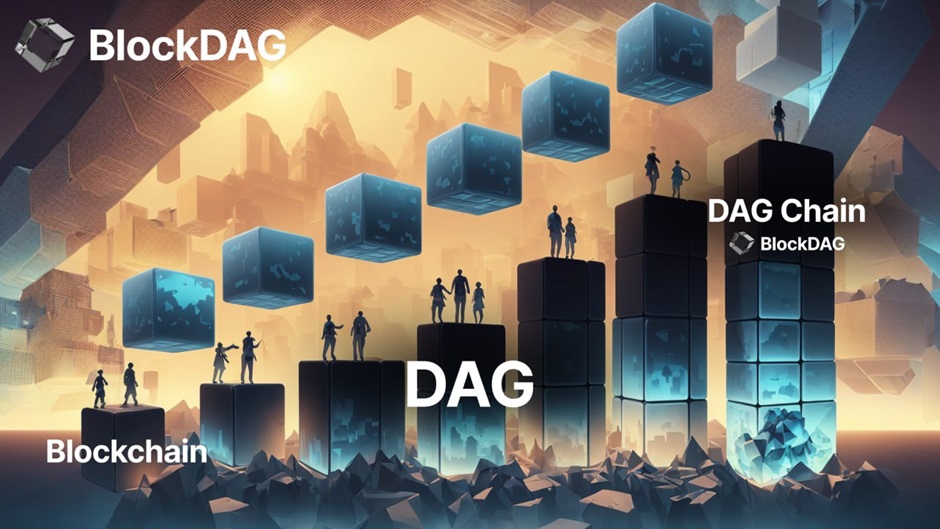
BlockDAG sets itself apart with its innovative use of Directed Acyclic Graph (DAG) and Proof-of-Work (PoW) technologies, aiming for a blend of scalability, security, and decentralization that challenges traditional blockchain models. With goals to reach $600 million by 2024, BlockDAG presents an enticing investment prospect that combines technological advancement with strategic foresight.

The presale has generated significant interest, thanks to a comprehensive $2 million giveaway and the promise of diverse revenue streams for investors, including mobile and specialized mining units. Priced attractively at $0.0035 in the latest presale batch, BlockDAG is on track for substantial growth, offering early backers the potential for massive returns upon its market debut.

BlockDAG’s roadmap and ambitious $600 million target for 2024 highlight its potential as a leading investment choice. The project is creating a new digital currency and establishing a scalable, mineable network that could redefine wealth generation within the crypto community.

BlockDAG’s technical whitepaper reveals an innovative leap in blockchain technology, merging blockchain’s security with DAG’s speed through a unique “Proof of Engagement” consensus mechanism. This pioneering approach enables BlockDAG to process an astounding 10,000-15,000 Transactions Per Second (TPS), showcasing a significant leap over conventional blockchains.

The Proof of Engagement model incentivizes active participation, ensuring the network’s scalability and integrity by rewarding contributions beyond mere token holdings. With a total BDAG token supply of 150 billion, the network’s presale phase remarkably raised $12 million, reflecting strong investor interest in its novel consensus and architectural framework.

This mechanism not only addresses the blockchain trilemma but also fosters a more dynamic and participatory ecosystem, marking BlockDAG’s position as a forward-thinking solution in the distributed ledger technology arena, poised to redefine transaction processing and consensus in the blockchain world.

Closing Perspective

BlockDAG emerges as more than just a new cryptocurrency; it represents a significant shift in the digital currency landscape, promising innovative technology and exceptional profitability for its investors. While Waves’ growth prospects and VENOM’s user adoption are noteworthy, BlockDAG’s presale opportunity is unparalleled, offering investors a chance to be part of a groundbreaking project.


Buy BlockDAG Now

Website: https://blockdag.network

Presale: https://purchase.blockdag.network

Telegram: https://t.me/blockDAGnetworkOfficial

Discord: https://discord.gg/Q7BxghMVyu