DD
MM
YYYY

PAGES

DD
MM
YYYY

spot_img

PAGES

Home Blog Page 3487

Bitcoin remains well supported, holding above $40,000 as the clock ticks down to 2023’s last quarterly options expiry

0

Bitcoin continues to show resilience, maintaining its position above $40,000 as the final quarter of 2023 draws to a close. This is a crucial moment for the cryptocurrency market, as the last quarterly options expiry of the year will take place on Friday, December 29.

Options are contracts that give buyers the right, but not the obligation, to buy or sell an underlying asset at a specified price and time. They are often used by traders and investors to hedge their risks or speculate on future price movements. The expiry of these contracts can have a significant impact on the price of the underlying asset, as well as the overall market sentiment and volatility.

According to data from Skew, a crypto analytics platform, there are about $2.7 billion worth of Bitcoin options contracts expiring on Friday, representing about 15% of the total open interest in the market. The majority of these contracts are concentrated around the $40,000 strike price, which means that many buyers and sellers have bet on Bitcoin staying above or below this level by the end of the quarter.

If Bitcoin remains above $40,000, most of these contracts will expire worthless, resulting in a loss for the sellers and a gain for the buyers. However, if Bitcoin falls below $40,000, the opposite will happen, and the sellers will profit while the buyers will lose.

The expiry of these options contracts can also create incentives for market participants to manipulate the price of Bitcoin in their favor, especially in the hours leading up to the expiry. For example, if a large seller of options wants to make their contracts expire in the money, they might try to push the price of Bitcoin down by selling large amounts of spot or futures contracts.

Conversely, if a large buyer of options wants to make their contracts expire in the money, they might try to boost the price of Bitcoin up by buying large amounts of spot or futures contracts. These actions can create sudden spikes or drops in the price of Bitcoin, as well as increased volatility and liquidity.

Therefore, traders and investors should be aware of the potential risks and opportunities that the quarterly options expiry can bring to the Bitcoin market. While it is impossible to predict how the market will react to this event, some indicators can help gauge the market sentiment and expectations.

For example, one can look at the implied volatility of Bitcoin options, which measures how much the market expects the price of Bitcoin to fluctuate in the future. A high implied volatility suggests that the market anticipates a large price movement, while a low implied volatility suggests that the market expects a stable price.

Another indicator is the skew of Bitcoin options, which measures how much more expensive it is to buy a call option (a bet on a price increase) than a put option (a bet on a price decrease). A positive skew indicates that the market is more bullish than bearish, while a negative skew indicates that the market is more bearish than bullish.

As of December 28, 2023, Skew data shows that the implied volatility of Bitcoin options is around 70%, which is slightly lower than its historical average of 75%. This implies that the market is not expecting a very large price movement from the options expiry.

However, this could change quickly depending on how the price of Bitcoin behaves in the next few days. The skew of Bitcoin options is currently around 5%, which is slightly positive and indicates that there is more demand for call options than put options. This suggests that the market is slightly bullish on Bitcoin and expects it to stay above $40,000 by Friday.

Bitcoin remains well supported by its fundamentals and technical, holding above $40,000 as 2023 comes to an end. However, traders and investors should be prepared for some potential volatility and price manipulation as the last quarterly options expiry of the year approaches. The expiry of these contracts can create both risks and opportunities for those who are involved in or interested in the Bitcoin market.

By using various indicators and tools, such as implied volatility and skew, one can get a better sense of how the market is feeling and what it is expecting from this event.
Stock of BTC’s Biggest Public Holder Is Overvalued by 26% As Total Crypto Market Cap Remains Attributed to Altcoins

0

MicroStrategy, a business intelligence company that owns more bitcoin than any other publicly traded firm, has seen its stock price soar in the past year as the cryptocurrency market boomed. However, a recent analysis by Morningstar suggests that the company’s shares are overvalued by 26%, based on its fundamentals and growth prospects.

According to Morningstar, MicroStrategy’s fair value estimate is $434 per share, while its current market price is $587 as of December 28, 2023. The analyst firm argues that the company’s core software business is facing stiff competition and slowing growth, and that its bitcoin holdings are not enough to justify its high valuation.

MicroStrategy has accumulated more than 120,000 bitcoins since August 2020, worth about $7.2 billion at current prices. The company has adopted a bullish stance on the cryptocurrency, claiming that it is a superior store of value and a hedge against inflation. However, Morningstar warns that bitcoin is a highly volatile and speculative asset, and that MicroStrategy’s exposure to it poses significant risks to its shareholders.

“While we applaud management’s foresight in recognizing bitcoin’s potential as an alternative asset class, we think the company’s bitcoin strategy is more of a double-edged sword,” Morningstar wrote in its report. “On one hand, it has the potential to generate outsized returns if bitcoin prices continue to rise.

On the other hand, it also exposes the company to considerable downside risk if bitcoin prices fall or if regulators take a more hostile stance toward the cryptocurrency.”

Morningstar also notes that MicroStrategy’s bitcoin holdings are not generating any cash flow for the company, unlike its software business, which provides cloud-based analytics and mobility solutions to enterprises. The firm estimates that MicroStrategy’s software revenue will grow at a compound annual rate of 2% over the next five years, below the industry average of 8%.

Moreover, the firm expects MicroStrategy’s operating margin to decline from 19% in 2023 to 16% in 2027, due to increased competition and higher costs. “We think MicroStrategy’s software business is facing significant headwinds from larger and more innovative rivals such as Microsoft, Salesforce, and Tableau,” Morningstar wrote. “We also think the company’s heavy investment in bitcoin will limit its ability to invest in its core business and expand its product offerings.”

Morningstar concludes that MicroStrategy’s stock is not a good investment for long-term investors who are looking for steady and sustainable growth. The firm advises investors to be cautious about the company’s bitcoin strategy and to look for other opportunities in the software sector.

“MicroStrategy’s stock is trading at a premium to its fair value estimate, implying that the market is overly optimistic about its future prospects,” Morningstar wrote. “We think investors should avoid this stock until it trades at a more reasonable valuation or until the company demonstrates a more balanced approach to its bitcoin strategy.”

Total Cryptocurrency Market Capitalization is attributed to Altcoins

One of the indicators that can help traders identify potential turning points in the cryptocurrency market is the sentiment analysis. Sentiment analysis is the process of measuring the emotional and psychological state of the market participants based on their actions, words, and opinions. By gauging the mood of the market, traders can anticipate the shifts in supply and demand that drive the price movements.

One of the ways to measure the sentiment in the cryptocurrency market is to look at the relative performance of altcoins versus Bitcoin. Altcoins are the alternative cryptocurrencies that are not Bitcoin, such as Ethereum, Litecoin, Cardano, and many others. Altcoins tend to have higher volatility and lower liquidity than Bitcoin, which makes them more sensitive to the changes in market sentiment.

When the market is in a bullish phase, altcoins tend to outperform Bitcoin, as investors seek higher returns and diversify their portfolios. This is often reflected in the increase of the altcoin market dominance, which is the percentage of the total cryptocurrency market capitalization that is attributed to altcoins.

A rising altcoin dominance indicates that more money is flowing into altcoins than into Bitcoin, which implies a positive sentiment towards the cryptocurrency market as a whole.

However, when the altcoin dominance reaches extreme levels, it can also signal a warning sign that the market is overheated and due for a correction. This is because excessive optimism and greed can lead to irrational exuberance and overvaluation of altcoins, which creates a bubble that can burst at any time.

When this happens, investors tend to panic and sell their altcoins, causing a sharp decline in their prices and market dominance. This triggers a negative feedback loop that can drag down the entire cryptocurrency market.

Therefore, traders may want to watch for extreme bullish sentiment in altcoins as it often presages interim market tops. By monitoring the altcoin dominance and other sentiment indicators, such as social media activity, Google trends, and fear and greed index, traders can spot the signs of euphoria and irrationality in the market and adjust their positions accordingly.

By doing so, they can avoid buying at the peak and selling at the bottom, and instead capitalize on the opportunities that arise from the market cycles.

The fear and greed index are one of the sentiment indicators that measures how fearful or greedy the cryptocurrency investors are at any given time. It is based on a scale from 0 to 100, where 0 means extreme fear and 100 means extreme greed.

The index is calculated by using various factors, such as volatility, trading volume, social media mentions, surveys, and dominance. The idea behind this index is that when investors are too fearful, they are likely to sell their coins at low prices, creating a buying opportunity for others.

Conversely, when investors are too greedy, they are likely to buy more coins at high prices, creating a selling opportunity for others. Therefore, by following this index, traders can identify when the market sentiment is too extreme and act against it.

Nigeria’s Riverside LNG in Talks to Fuel South Africa’s Energy Future

0

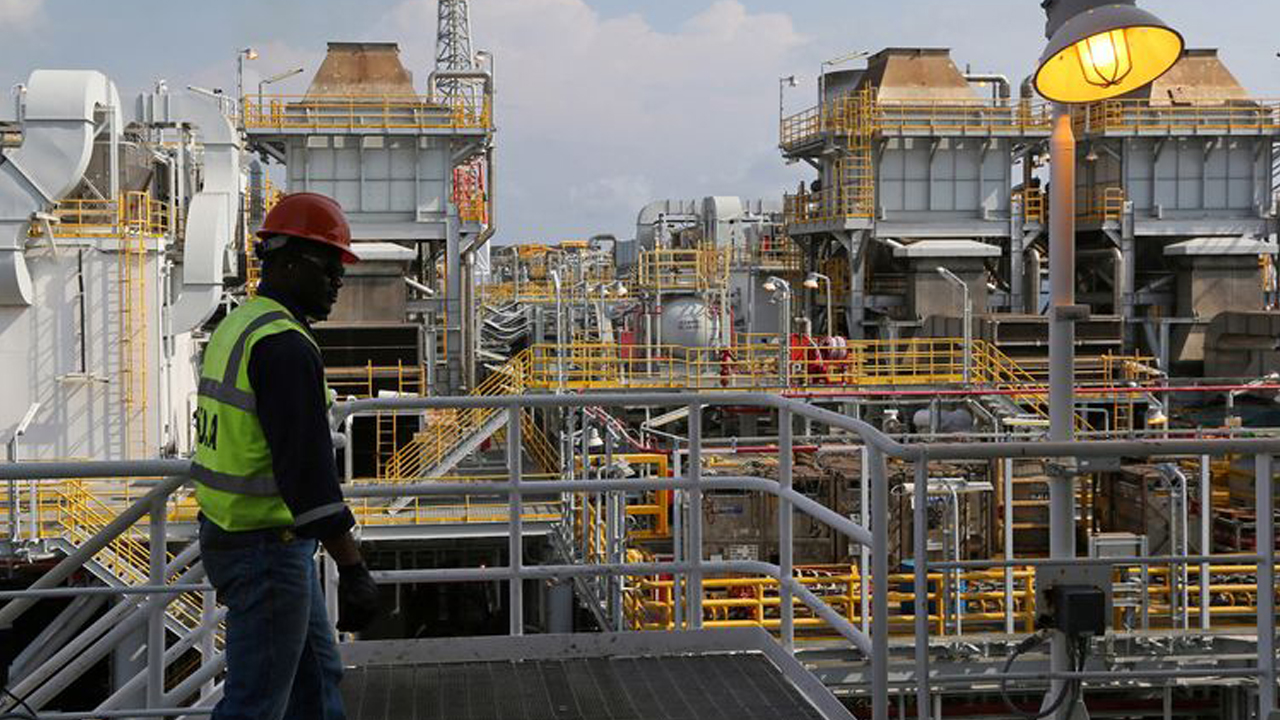
In a pivotal move set to reshape the energy industry across continents, Nigeria-based Riverside LNG is on the brink of sealing a landmark gas supply deal with South Africa. Bloomberg’s report on Wednesday unveiled the groundbreaking negotiations between the two countries, marking a potential first-time agreement in gas trade.

David Ige, the Chief Executive Officer of Riverside LNG and a distinguished figure recognized for spearheading Nigeria’s Gas Master Plan disclosed the imminent deal during an exclusive interview held in Abuja. The company, in alliance with Johannes Schuetze Energy Import AG from Germany, previously inked a gas-export partnership, sparking ambitions to explore diverse markets, particularly in Africa.

“South Africa currently doesn’t have a facility to receive LNG. Deliveries from the project won’t start until 2027, so there’s “enough time for import terminal infrastructure,” Ige said.

“We’d probably very early in the year close out another segment of the market, an off-take for South Africa,” he added, emphasizing the burgeoning gas market’s evolution within a radius of 3,000 nautical miles from Nigeria, spanning Southern and Western Africa to Northwest Europe, the Caribbean, and South America.

While withholding specifics due to confidentiality constraints, Ige hinted at parallel negotiations in Liberia and Cameroon, showcasing Riverside LNG’s overarching strategy to expand its gas footprint across the continent.

South Africa’s pressing energy challenges, marked by chronic power outages due to aging infrastructure and operational setbacks at Eskom Holdings SOC Ltd., have underscored the urgency for alternative energy sources. Riverside LNG’s proposed gas deliveries, slated to commence in 2027, coincide with South Africa’s quest to diversify its energy mix, eyeing renewable sources to meet 60 gigawatts of power needs by 2030.

A collaborative report by BloombergNEF and Bloomberg Philanthropies endorsed the integration of battery storage and flexible gas plants to bolster the nation’s power supply, aligning with the 16-member Southern African Development Community’s (SADC) $17 billion natural gas infrastructure plan. This blueprint aims to fortify energy resources through substantial investments in pipelines and terminals, garnering support for gas adoption among member nations.

“We see a huge opportunity for Nigeria in being a trading hub,” asserted Ige, highlighting Nigeria’s ambition to position itself as a pivotal player in the regional gas trade. Despite Nigeria’s status as a global gas reserves powerhouse, inadequate investments in infrastructure have curtailed its ability to harness the full potential of its gas reserves, creating a deficit in transportation infrastructure.

With Nigeria’s proclamation of “the decade of gas,” aiming to elevate gas prominence in its energy mix and exports by 2030, the country’s vast reserves totaling 209.5 trillion cubic feet position it as Africa’s foremost gas repository. However, challenges persist, including theft on pipelines—a critical issue causing disruptions and environmental hazards, as highlighted by Nnamdi Anowi, Nigeria LNG’s general manager.

Riverside LNG’s recent ventures, including a $500 million gas export deal with Johannes Scheutze Energy Import AG and collaborative agreements involving NNPC Limited, UTM Offshore, Delta State, and Wison Heavy Industry, reflect Nigeria’s concerted efforts to optimize its gas potential.

Challenges and Drawbacks: A Closer Look

While Riverside LNG’s potential gas supply deal with South Africa heralds a new era in transcontinental energy partnerships, Nigeria grapples with multifaceted hurdles hindering the full exploitation of its abundant gas reserves.

Infrastructure Deficiency and Pipeline Theft: Despite Nigeria’s distinction as a global gas reserves powerhouse, insufficient investments in infrastructure have stymied efforts to harness its full potential. The deficit in transportation infrastructure, coupled with pipeline theft, emerges as a critical bottleneck. Nnamdi Anowi’s revelation of pipeline theft causing disruptions and environmental hazards underscores the persistent challenges faced by industry players.

Flared Gas: Revenue Loss and Environmental Impact: The practice of gas flaring in Nigeria poses a significant conundrum. The magnitude of flared gas has contributed to substantial revenue losses, environmental degradation, and health risks in host communities. Over the past decade, Nigeria has witnessed an alarming 80 billion standard cubic meters of gas flaring, equivalent to a staggering N9 trillion in lost revenues. This has not only compromised revenue potential but also perpetuated health and environmental hazards in localities adjacent to gas-producing facilities.

Regulatory and Operational Issues: Moreover, regulatory and operational constraints have impeded optimal gas production. Riverside LNG’s trains operating at half capacity, attributed to limited gas supply from upstream companies, exemplify the systemic challenges plaguing the industry. The delays and setbacks in full-scale operations hinder the realization of Nigeria’s aspirations to emerge as a top-tier gas-producing nation.

Environmental and Community Concerns: The ramifications of gas production transcend economic aspects, with concerns revolving around the volume and impact of flared gas on host communities. Environmental hazards and health risks faced by these communities due to gas flaring highlight the urgency for effective measures to mitigate the fallout.

India to ban URLs of 9 Crypto Exchanges, as PancakeSwap Proposes to reduce CAKE Token Supply

0

The Indian government has reportedly decided to ban nine cryptocurrency exchange websites, citing concerns over money laundering, tax evasion and cybercrime.

The move comes amid a global crackdown on the crypto industry, as regulators and lawmakers seek to impose more oversight and control over the volatile and unregulated sector.

According to sources quoted by the Economic Times, the Ministry of Electronics and Information Technology (MeitY) has issued a notice to the Department of Telecommunications (DoT) to block access to the following websites:

  • Binance.com
  • WazirX.com
  • CoinDCX.com
  • ZebPay.com
  • Unocoin.com
  • Bitbns.com
  • CoinSwitch.co
  • Giottus.com
  • Pocketbits.in

The notice reportedly states that these websites are “engaged in activities which are prejudicial to sovereignty and integrity of India, defence of India, security of state and public order”.

It also claims that these websites are facilitating transactions in cryptocurrencies that are “not legal tender in India” and are “used for illicit and illegal activities in anonymous/pseudonymous systems that encourage money laundering and other criminal activities”.

The notice further alleges that these websites are violating the provisions of the Information Technology Act, 2000, the Prevention of Money Laundering Act, 2002, the Income Tax Act, 1961, and the Foreign Exchange Management Act, 1999.

The ban is expected to affect millions of crypto investors and traders in India, who have been using these platforms to buy, sell and store various digital assets. The crypto industry in India has been facing uncertainty and confusion for years, as the government has repeatedly flip-flopped on its stance towards cryptocurrencies.

In 2018, the Reserve Bank of India (RBI) issued a circular that prohibited banks and other financial institutions from providing services to crypto-related entities. However, in 2020, the Supreme Court of India quashed the circular, ruling that it was unconstitutional and disproportionate.

Since then, the crypto industry has witnessed a surge in growth and adoption, as more Indians have embraced cryptocurrencies as an alternative asset class and a hedge against inflation.

However, the government has also been mulling over a draft bill that proposes to ban all private cryptocurrencies in India, except for a digital rupee issued by the RBI. The bill, which was first introduced in 2019, has not been tabled in the parliament yet, but has sparked fear and anxiety among the crypto community. The government has also not clarified its definition of “private cryptocurrencies” and whether it would include popular coins like Bitcoin and Ethereum.

The latest move to block access to crypto exchange websites is seen as another attempt by the government to curb the crypto industry and discourage its use among Indians. However, some experts and industry players have argued that such a ban would be ineffective and counterproductive, as it would only drive crypto users to more decentralized and peer-to-peer platforms that are harder to regulate and monitor.

They have also urged the government to adopt a more progressive and consultative approach towards cryptocurrencies, and to recognize their potential benefits for innovation, financial inclusion and economic growth. They have called for a clear and comprehensive legal framework that would protect the rights and interests of crypto users, while also addressing the legitimate concerns of the authorities.

PancakeSwap proposes to reduce CAKE token supply by 300M

In a recent blog post, PancakeSwap, the leading decentralized exchange (DEX) on the Binance Smart Chain (BSC), announced its proposal to reduce the total supply of its native token, CAKE, by 300 million. The proposal, which is subject to a community vote, aims to address the inflationary pressure on CAKE and increase its long-term value and sustainability.

According to the blog post, the current total supply of CAKE is 1.6 billion, with a maximum supply of 1.8 billion. However, due to the high emission rate of CAKE, which is currently 40 CAKE per block, the maximum supply will be reached in less than a year. This poses a challenge for the future growth and development of PancakeSwap, as well as the security and stability of the platform.

As of December 27th, 2023, the live price of CAKE is $3.400887 with a market cap of $905.25M USD. The current total supply of CAKE is 1.6 billion, with a maximum supply of 1.8 billion. However, due to the high emission rate of CAKE, which is currently 40 CAKE per block, the maximum supply will be reached in less than a year. This poses a challenge for the future growth and development of PancakeSwap, as well as the security and stability of the platform.

To solve this problem, PancakeSwap proposes to burn 300 million CAKE from the treasury, which currently holds about 400 million CAKE. This would reduce the total supply to 1.3 billion and the maximum supply to 1.5 billion. The proposal also suggests lowering the emission rate of CAKE to 25 CAKE per block, which would extend the lifespan of the token by more than two years.

The blog post claims that this proposal would benefit both the platform and the token holders in several ways. First, it would reduce the inflation rate of CAKE and increase its scarcity and demand. Second, it would create more room for future growth and innovation on PancakeSwap, as well as more incentives for liquidity providers and stakers. Third, it would enhance the security and decentralization of the platform by reducing the influence of the treasury and increasing the participation of the community.

The proposal is open for discussion and feedback from the PancakeSwap community until January 10th, 2024. After that, a snapshot vote will be held to determine whether to implement the proposal or not. The blog post encourages all CAKE holders to voice their opinions and vote on this important matter.

PancakeSwap is one of the most popular and successful DEXes on BSC, with over $8 billion in total value locked (TVL) and over 2 million daily transactions. It offers various features and services, such as swapping, farming, staking, lottery, prediction market, NFTs, and more. CAKE is the governance and utility token of PancakeSwap, which can be used to vote on proposals, earn rewards, access exclusive features, and participate in various activities on the platform.

Saudi Arabian Salafic cleric writes a Fatwa deeming Bitcoin acceptable under Islam

0

Bitcoin, the decentralized digital currency that has taken the world by storm, has been a subject of debate among Muslim scholars and jurists. Some have argued that Bitcoin is haram (forbidden) because it is not backed by a tangible asset, it is subject to speculation and volatility, and it can be used for illicit activities.

Others have claimed that Bitcoin is halal (permissible) because it is a form of money that can facilitate trade, it is based on a transparent and consensus-based system, and it can empower the poor and oppressed.

A Saudi Cleric’s View on Cryptocurrency

One of the most influential voices in favor of Bitcoin is Sheikh Abdullah bin Sulaiman al-Manea, a 90-year-old Saudi Arabian Salafic cleric who is a member of the Council of Senior Scholars, the highest religious authority in the kingdom.

Sheikh al-Manea issued a fatwa (a legal opinion or ruling) in 2018, deeming Bitcoin acceptable under Islam. In his fatwa, he addressed some of the common objections and misconceptions about Bitcoin and explained why he considers it to be a valid form of currency.

First, he argued that Bitcoin is not a mere illusion or a virtual entity, but rather a real asset that has value and utility. He compared Bitcoin to gold and silver, which are also scarce and fungible commodities that are accepted as money by people. He said that Bitcoin is similar to gold and silver in that it can be mined, exchanged, and stored.

He also said that Bitcoin is different from fiat currencies, which are issued by governments and can be manipulated and devalued. He said that Bitcoin is more trustworthy and stable than fiat currencies, because it is governed by mathematical rules and algorithms that ensure its limited supply and prevent inflation.

Second, he argued that Bitcoin is not a form of gambling or speculation, but rather a form of investment and saving. He said that Bitcoin is not like conventional stocks or bonds, which are based on the performance of companies or governments. He said that Bitcoin is based on the demand and supply of the market, which reflects the preferences and needs of the people.

He said that Bitcoin is not subject to artificial manipulation or interference, but rather follows the natural laws of economics. He said that Bitcoin is not a zero-sum game, where one party’s gain is another party’s loss, but rather a positive-sum game, where everyone can benefit from its growth and development.

Third, he argued that Bitcoin is not a tool for corruption or crime, but rather a tool for justice and freedom. He said that Bitcoin is not like conventional money, which can be traced and controlled by authorities. He said that Bitcoin is anonymous and decentralized, which protects the privacy and sovereignty of its users.

He said that Bitcoin is not a means for money laundering or terrorism financing, but rather a means for charity and zakat (almsgiving). He said that Bitcoin can help the poor and oppressed to escape from poverty and oppression, by giving them access to a global and borderless financial system.

Sheikh al-Manea stated that he does not see any reason to prohibit or discourage Muslims from using Bitcoin, as long as they do so with good intentions and follow the ethical principles of Islam. He said that he believes that Bitcoin is a blessing from Allah, who has created everything for the benefit of mankind. He said that he hopes that Muslims will embrace Bitcoin as a way to enhance their economic and social well-being, and to contribute to the advancement of humanity.