DD
MM
YYYY

PAGES

DD
MM
YYYY

spot_img

PAGES

Home Blog Page 3492

Ondo State Governor Rotimi Akeredolu Succumbs to Prostate Cancer at 67

0

Ondo State Governor Rotimi Akeredolu has passed away at the age of 67 after battling prostate cancer. The sad news was confirmed by the state Information and Orientation Commissioner, Mrs. Bamidele Ademola-Olateju, in a statement released today in Akure, the state capital.

According to Ademola-Olateju, Governor Akeredolu peacefully departed in the early hours of Wednesday, December 27, 2023, while undergoing medical treatment in Germany. The governor succumbed to complications arising from protracted prostate cancer.

“Mr Governor peacefully departed from this world in the early hours of today, Wednesday, December 27, 2023,” the commissioner said.

“This tragedy has left behind a profound void in our hearts. Governor Akeredolu answered the eternal call while receiving medical treatment in Germany. He succumbed to complications arising from protracted prostate cancer.”

A brief story background

The late Akeredolu, a Senior Advocate of Nigeria (SAN) and former president of the Nigerian Bar Association (NBA) secured his re-election as the governor of Ondo State in October 2020 and was sworn in for a second term in February 2021.

Having returned to Nigeria in September after a three-month medical leave in Germany, the governor recently took another leave as directed by President Bola Tinubu, during which he handed over power to his deputy, Lucky Aiyedatiwa.

His deputy, Aiyedatiwa, has been serving as Acting Governor during Akeredolu’s medical absences.

Akeredolu’s health struggles led to public outcry when he attempted to govern the state from Ibadan, Oyo State, after his return to Nigeria in September. On July 9, his wife, Betty, announced the suspension of her 70th birthday celebration activities due to unforeseen circumstances related to her husband’s health.

“Hello Family and Friends. This is to inform you that all activities lined up to mark my 70th birthday are hereby suspended till further notice due to unforeseen circumstances beyond my control. Sorry for any inconvenience caused by this development,” raising concerns about the severity of the governor’s health.

The late governor’s political journey saw him emerge as the winner of the Ondo State governorship election in 2016, defeating rivals Eyitayo Jegede of the Peoples Democratic Party (PDP) and Olusola Oke of the Alliance for Democracy (AD). He was re-elected in 2020 after securing victory against PDP’s Eyitayo Jegede and Agboola Ajayi of the Zenith Labour Party.

Akeredolu officially transferred power to Aiyedatiwa in June 2023, initiating a 21-day medical leave in Germany. However, the leave was later extended indefinitely as he continued to receive treatment.

The untimely death of Governor Akeredolu adds to the list of Nigerian governors who have passed away since 1999. Notable names include Patrick Ibrahim Yakowa (2010-2012) of Kaduna State and Mamman Bello Ali (2007-2009) of Yobe State.

The question of a better healthcare system

The issue of healthcare and the tendency of public officials, including governors, to seek medical treatment abroad, have raised concerns about the commitment to improving healthcare within Nigeria.

Notably, in their fight to live, only Yakowa who died in a helicopter crash did not seek medical treatment abroad – raising the question about governors’ commitment to improve healthcare in their various states.

In his seven years in office, Governor Akeredolu faced criticism for not undertaking significant efforts to build or upgrade healthcare facilities to a standard suitable for use by public officeholders. This inadequacy is unfortunately a prevalent issue in many states across the country, including the Federal Capital Territory.

The situation is exemplified by former President Muhammadu Buhari, who spent more than 100 days receiving medical care in a London hospital, despite earlier promises to curtail medical tourism for government officials within Nigeria during his campaign.

This prevailing backdrop has led to a noticeable surge in untimely deaths resulting from preventable and treatable diseases in Nigeria. Furthermore, it has compelled a considerable number of medical professionals to seek better working conditions abroad, contributing to a significant brain drain in the nation’s healthcare sector.

The healthcare question in Nigeria remains a pressing concern, underlining the need for substantial improvements in infrastructure, medical facilities, and overall healthcare delivery within the country. The choices made by public officials regarding their own healthcare reflect the state of the healthcare system in Nigeria.

Mega Banks will follow JP Morgan’s Lead, and Invest in Technology and Cut Costs

0
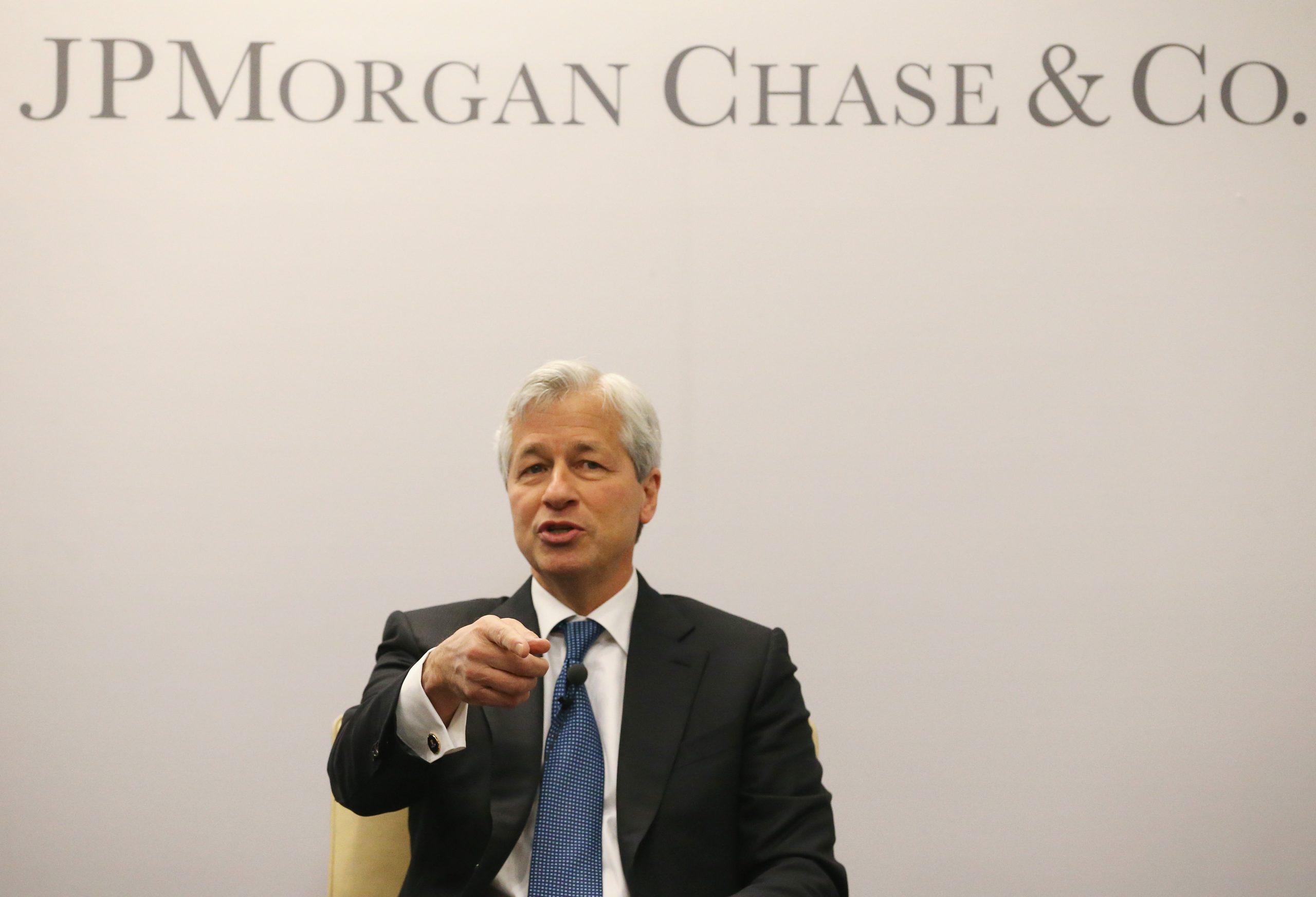
JP Morgan Chase puts contents through its CEO account, it goes viral. But the same content via JPMC account, no one cares (WSJ)

Banks will follow Dimon’s lead and do two things: invest in technology and cut costs. That’s the main takeaway from the latest earnings report of JPMorgan Chase, the largest U.S. bank by assets. The bank posted a record profit of $14.3 billion in the fourth quarter of 2023, beating analysts’ expectations and showing resilience amid the ongoing pandemic and economic uncertainty.

One of the key drivers of JPMorgan’s success was its strong performance in digital banking, which saw a 25% increase in active mobile customers and a 40% growth in digital account openings compared to the same period last year. The bank also invested heavily in artificial intelligence, cloud computing, cybersecurity and blockchain, aiming to enhance its customer experience, operational efficiency and innovation capabilities.

For example, the bank launched a new AI-powered chatbot that can handle more than 120 types of customer inquiries, a cloud-based platform that can process millions of transactions per second, and a blockchain network that can facilitate cross-border payments and trade finance.

Another factor that boosted JPMorgan’s bottom line was its aggressive cost-cutting strategy, which involved closing hundreds of branches, reducing headcount and streamlining its business units. The bank reported a 12% decline in noninterest expenses, saving $4.2 billion in the fourth quarter. The bank also benefited from lower loan-loss provisions, as it released $2.9 billion of reserves that it had set aside for potential credit losses.

These measures helped the bank improve its efficiency ratio which measures how much it costs to generate a dollar of revenue, from 58% to 53%. According to Investopedia, an efficiency ratio is calculated by dividing a bank’s non-interest expenses by its net revenues. A lower efficiency ratio means that a bank is spending less to generate every dollar of income. An optimal efficiency ratio is 50% or lower.

How does JPMorgan compare to other banks?

To answer this question, we can look at some key metrics that reflect the performance and profitability of banks across different regions and markets. One such metric is the return on equity (ROE), which measures how much profit a bank generates with its shareholders’ equity.

According to McKinsey’s Global Banking Annual Review 2023, JPMorgan had an ROE of 16% in 2022, which was higher than the global average of 12% and the North American average of 14%. Among its peers in the U.S., JPMorgan ranked second behind Bank of America, which had an ROE of 17%. JPMorgan also outperformed most European and Asian banks, which had an average ROE of 8% and 10%, respectively.

Another metric that can be used to compare banks is the efficiency ratio, which we have already discussed above. According to US Bank Locations, JPMorgan had an efficiency ratio of 53% in 2023, which was lower than the U.S. average of 59% and the global average of 62%. Among its peers in the U.S., JPMorgan ranked fourth behind Wells Fargo (49%), Bank of America (51%) and Citigroup (52%).

JPMorgan also had a lower efficiency ratio than most Canadian banks, which had an average of 56%, but higher than some Asian banks, such as DBS (43%) and HDFC (46%).

A third metric that can be used to compare banks is the nonperforming assets (NPA) ratio, which measures the proportion of loans that are delinquent or in default. A lower NPA ratio indicates a better quality of assets and lower credit risk. According to S&P Global, JPMorgan had an NPA ratio of 0.6% in 2023, which was lower than the U.S. average of 0.8% and the global average of 1.2%.

Among its peers in the U.S., JPMorgan ranked second behind Wells Fargo (0.5%). JPMorgan also had a lower NPA ratio than most European banks, which had an average of 2.4%, but higher than some Asian banks, such as DBS (0.3%) and HDFC (0.4%).

These metrics show that JPMorgan is one of the most profitable and efficient banks in the world, with a strong asset quality and low credit risk. It compares favorably with its peers in the U.S. and other regions and has a clear competitive advantage in the digital banking space.

JPMorgan’s CEO Jamie Dimon said that the bank was “well-positioned” for the future and that it would continue to invest in growth opportunities while maintaining discipline on expenses. He also expressed optimism about the economic recovery, citing the progress of vaccination campaigns, fiscal stimulus and pent-up consumer demand.

Dimon’s strategy of balancing investment and cost-cutting is likely to be emulated by other banks, as they face similar challenges and opportunities in the post-pandemic era. Banks that can leverage technology to improve their products, services and processes, while keeping a tight control on their costs, will have a competitive edge over their rivals and deliver value to their shareholders.

China Moves To EV Ascension On The Path to Economically Dominate The 21st Century

0

In the last ten centuries, China has recorded the world’s largest economy at least 7 times. Before the effervescence of the United Kingdon and subsequent ascension of the United States in late 1890s as the global economic leader, China and India ran the show.

The trajectory seems to be on course again for China. In the latest ranking of Fortune Global 500, Greater China, including Taiwan, recorded 142 companies to United States’ 136. No other country broke 45 companies. Simply, the world economic race  is largely between America and China.

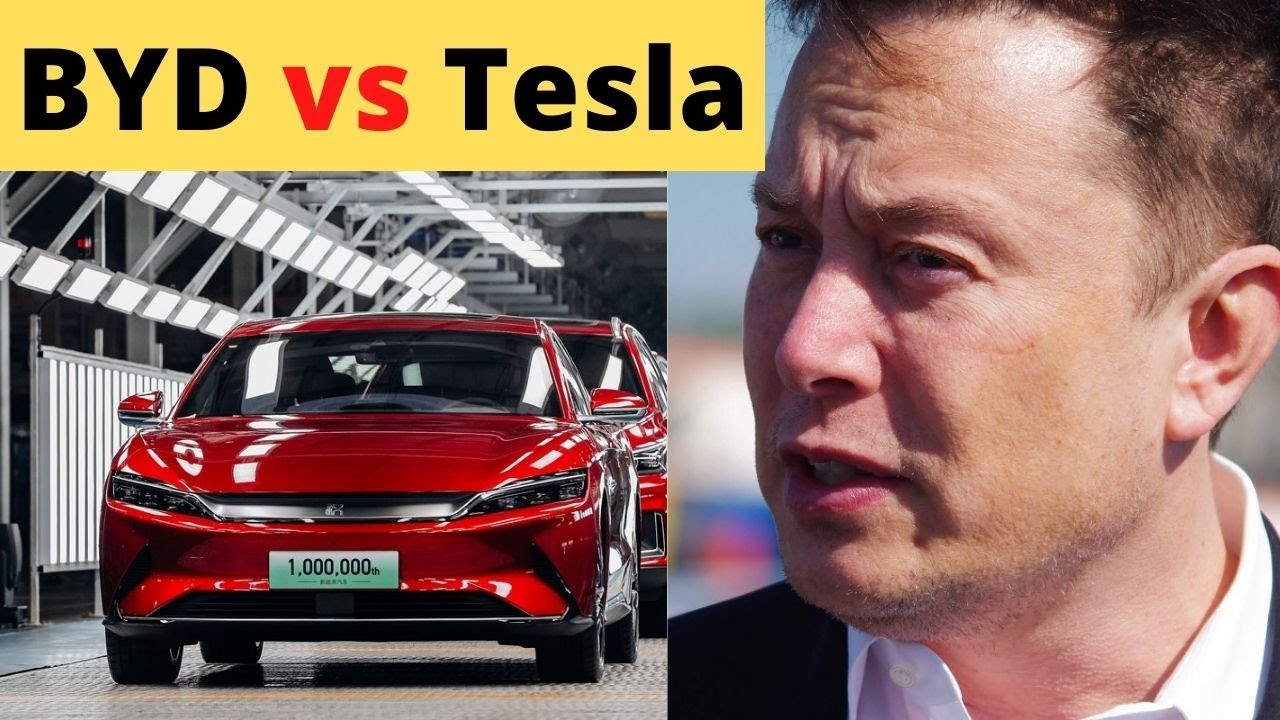
Looking deeper, one can see a huge re-positioning by China even in the elective vehicle space: “In a seismic shift within the electric vehicle (EV) industry, China’s BYD Co. is on the cusp of overtaking Tesla Inc. as the global leader in fully electric vehicle sales, signifying a monumental turning point in the automotive industry. This anticipated milestone, expected in the current quarter, not only symbolizes a shift in the market but also underscores China’s escalating influence in the global automotive sector, according to an analysis by Bloomberg.”

To many people in the developing world, China is likely going to be the provider of their future vehicles because China has better comparative advantages over Japan, Korea, and the United States, when it comes to making electric vehicles. Yes, the competitor that Elon Musk has to worry about may not be Detroit car makers but a Chinese brand. As that happens at a very fast pace, Nigeria has to watch those oil wells, and how far they could be continue to power their transient relevance, because a global shift is just around the corner.

China’s BYD Steers Ahead of Tesla in Global Electric Vehicle Sales

China’s BYD Steers Ahead of Tesla in Global Electric Vehicle Sales

0

In a seismic shift within the electric vehicle (EV) industry, China’s BYD Co. is on the cusp of overtaking Tesla Inc. as the global leader in fully electric vehicle sales, signifying a monumental turning point in the automotive industry.

This anticipated milestone, expected in the current quarter, not only symbolizes a shift in the market but also underscores China’s escalating influence in the global automotive sector, according to an analysis by Bloomberg.

The Economic Times reports that the ascension of BYD, in tandem with other Chinese manufacturers like SAIC Motor Corp., signifies a paradigm shift in the EV market. China, now competing head-on with established automotive giants like Japan, has emerged as a dominant force in global passenger car exports, shipping around 1.3 million electric vehicles out of 3.6 million worldwide by October of this year.

Bridget McCarthy, Snow Bull Capital’s head of China operations, highlights the industry’s evolution: “It’s no longer about the size and legacy of auto companies; it’s about the speed at which they can innovate and iterate.”

BYD’s proactive stance towards innovation has positioned it as a frontrunner, compelling others in the industry to accelerate their progress.

The shift in EV sales dominance mirrors the competitive interplay between Tesla’s Elon Musk and BYD’s founder, Wang Chuanfu. While Musk has voiced concerns over affordability, citing high-interest rates limiting consumer accessibility to Tesla’s EVs, Wang has taken an assertive stance. BYD offers multiple high-volume models at significantly lower prices than Tesla’s offerings in China.

Even Musk acknowledges the competitiveness of BYD’s current vehicles, a notable departure from a 2011 incident where he derided BYD’s cars during a media appearance. This shift in the global EV hierarchy encapsulates Wang’s long-standing vision, rooted in the early stages of China’s electric car industry.

BYD’s expansion beyond its domestic market encounters challenges. Europe is poised to join the US in imposing higher tariffs on Chinese car imports, aiming to protect local manufacturing jobs. While trade tensions make the US market seemingly inaccessible, other international EV markets are still nascent and less lucrative than China’s.

Wang, known for a more reserved persona compared to Musk, boldly advocates for Chinese brands to challenge established norms in the global auto industry. Berkshire Hathaway’s investment in BYD in 2008 underscores the company’s remarkable growth. Warren Buffett’s investment soared nearly 35-fold to around $8 billion before Berkshire began reducing its stake.

Charlie Munger, Berkshire’s late Vice Chairman, regarded BYD as a significant player in the battery industry, recognizing its pivotal role in shaping the technological future. BYD’s journey from acquiring a struggling state-owned automaker in 2003 to introducing its first plug-in hybrid in 2008 marked its initiation into the EV landscape.

Leveraging extensive government support, including subsidies and incentives, and equipped with its battery production capabilities, BYD gained a strategic advantage. Despite initial criticisms of its designs, strategic hiring from renowned automotive brands and evolution from basic models to more luxurious offerings positioned BYD as a formidable competitor.

Although government subsidies played a role in China’s EV growth, industry experts highlight the catalytic effect of heightened competition. Presently, Tesla maintains an edge over BYD in revenue, income, and market capitalization.

However, analysts project a significant narrowing of these gaps next year, with Tesla expected to generate $114 billion in sales compared to BYD’s $112 billion, marking a compelling trajectory in BYD’s rise within the global EV arena.

US Appeal Court Temporary Halts Apple Watch Ban

0

In a dramatic turn of events, tech giant Apple has secured a crucial temporary halt to the ban on its Apple Watch series. The U.S. Court of Appeals for the Federal Circuit has granted Apple a respite, allowing the company to continue selling and importing its watches with blood oxygen sensors.

This decision comes in the wake of a contentious patent infringement dispute with Masimo, a battle that has gripped the tech world in recent months.

Apple had faced a critical setback when the Biden administration chose not to intervene, triggering the ban on sales of the Apple Watch Series 9 and Apple Watch Ultra 2. However, the Cupertino giant swiftly moved to appeal the decision, seeking a pause until further clarity was obtained in January.

In a statement addressing the recent turn of events, Apple highlighted the potential damage the ban could inflict, citing “irreparable harm” if the restrictions remained in place. The company expressed confidence in a proposed software update as a potential resolution to the issue, eagerly awaiting a decision from Customs and Border Protection, scheduled for January 12, 2024.

Crucially, Apple’s appeal outlined redacted details pertaining to a redesign of the contentious watches. The tech giant firmly believes that this redesign will eliminate any plausible infringement concerns, positioning the modified products beyond the scope of the current remedial orders.

Apple’s legal maneuvering included a plea for an expedited resolution, emphasizing a proposed briefing schedule that could have hastened the decision by late December. However, the current timeline places the pivotal ruling on January 12, nearly three weeks after the initial imposition of the Apple Watch ban.

Bloomberg’s earlier report on Apple’s efforts to circumvent the ban on Apple Watch’s blood oxygen sensor has ignited a heated debate within the tech industry. The report suggested that Apple was racing to develop software workarounds for the sensor, intending to submit these changes to the U.S. customs agency.

This development injects a dose of optimism into Apple’s ongoing struggle against the ban, setting the stage for a crucial decision on January 10 that could determine the fate of the sales restriction.

However, the patent dispute’s intensity became clearer as Masimo, the opposing party in the infringement battle, challenged Apple’s proposed solution. Masimo has emphatically stated that merely implementing a software fix won’t suffice. According to Masimo, the fundamental hardware of the Apple Watch needs modification to comply with the patent regulations, dismissing Apple’s software-based remedy as inadequate.

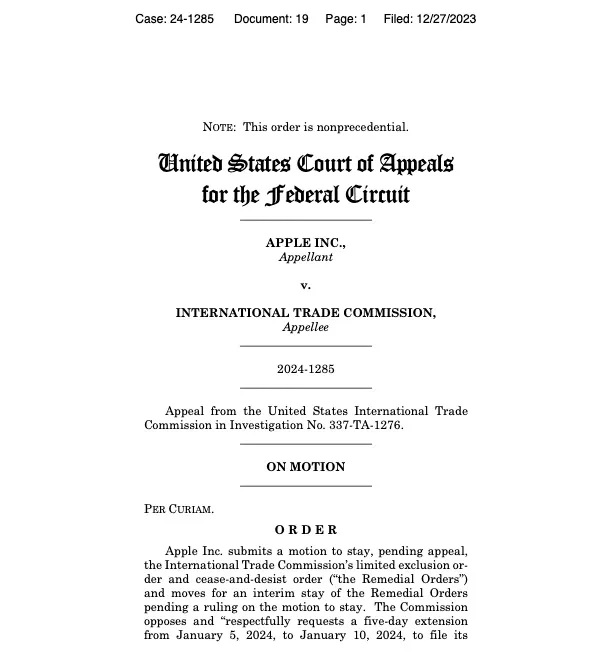
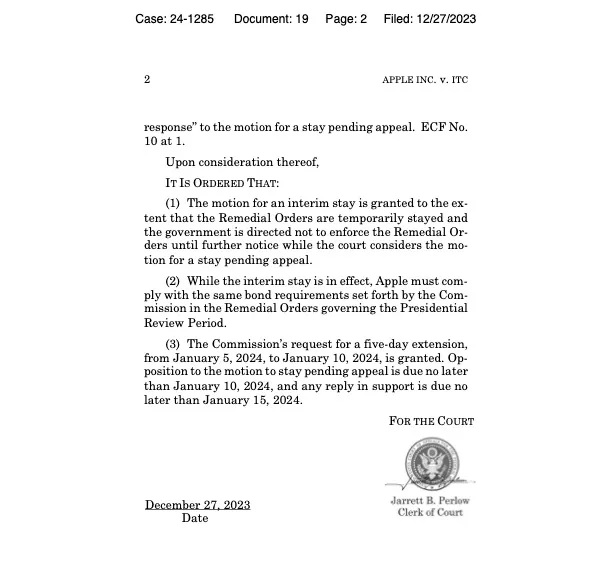
See copies of the ruling below:

Apple achieved a temporary victory in its smartwatch battle Wednesday when an appeals court temporarily paused the import ban on two models of the company’s popular smartwatches. Apple was forced to stop selling its Series 9 and Ultra 2 watches in the U.S. after a federal trade agency found it had infringed on two patents for a blood-oxygen sensor held by Masimo. Apple Watch sales, driven largely by the Series 9 and Ultra 2, accounted for about $21 billion in revenue in 2022.

Apple had filed its appeal on Tuesday, a day after the White House declined to reverse the sales ban. Apple’s Vision Pro mixed-reality headset is expected to be launched in retail stores in late January or February, analysts and insiders say. (LinkedIn News)