DD
MM
YYYY

PAGES

DD
MM
YYYY

spot_img

PAGES

Home Blog Page 3495

Nigeria Printed More Than It Owed in Dollars

0

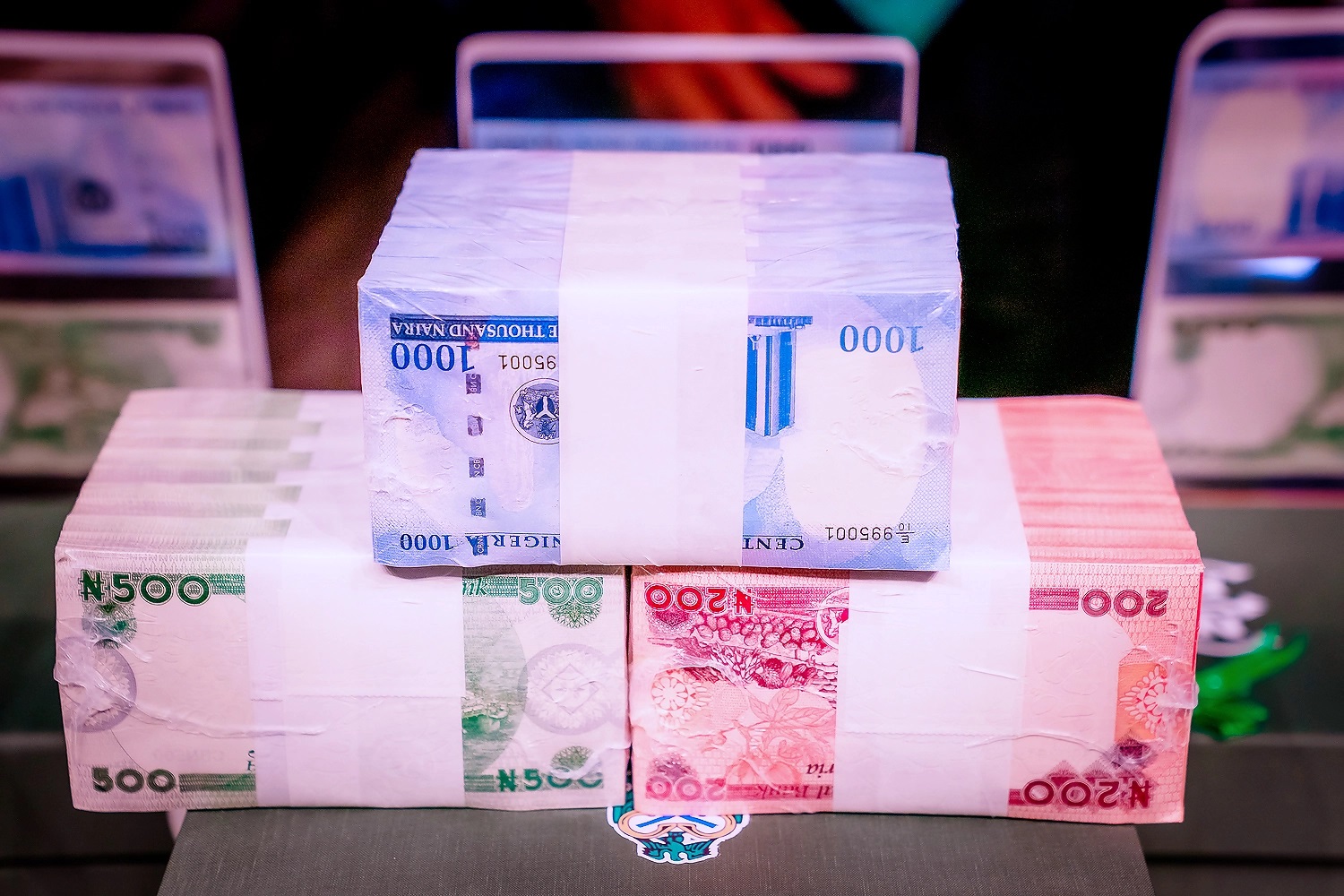
Nigeria is facing a severe currency crisis, as the naira has lost more than 50% of its value against the US dollar in the past year. The main cause of this crisis is the government’s decision to print more money than it had in foreign reserves, in order to finance its budget deficit and pay off its debts.

The Nigerian government has been running a fiscal deficit since 2015, when the global oil price collapsed and reduced its main source of revenue. The government borrowed heavily from domestic and foreign sources, accumulating a public debt of over 35% of GDP by 2020. However, as the COVID-19 pandemic hit the economy and reduced its tax revenues, the government faced a liquidity crunch and struggled to service its debt obligations.

How Printing Money Led to Hyperinflation

To avoid defaulting on its debt, the government resorted to printing more naira, which it used to pay its creditors and fund its spending. According to the Central Bank of Nigeria (CBN), the government’s overdraft facility increased from 2.4 trillion naira ($6 billion) in 2019 to 10 trillion naira ($24.5 billion) in 2020, equivalent to 12% of GDP. This was more than the total amount of dollars that the CBN had in its foreign reserves, which stood at $35.4 billion at the end of 2020.

The consequence of printing more money than it had in foreign reserves was that the naira became overvalued and unsustainable. The CBN tried to maintain a fixed exchange rate of 380 naira per dollar, but this created a huge gap between the official rate and the parallel market rate, which reached over 500 naira per dollar in December 2020.

The CBN also imposed strict capital controls and rationed foreign exchange to importers and investors, creating a shortage of dollars in the economy and hampering trade and investment.

The excess supply of naira and the scarcity of dollars led to a rapid depreciation of the naira and a surge in inflation. The annual inflation rate rose from 11.4% in December 2019 to 18.1% in April 2021, the highest level since 2017.

The food inflation rate was even higher, at 22.7%, reflecting the impact of currency devaluation on import costs and domestic food production. The rising inflation eroded the purchasing power of Nigerians, especially the poor and vulnerable, who spend a large share of their income on food.

The currency crisis has also had negative effects on economic growth and development. The GDP contracted by 1.8% in 2020, the second recession in five years. The unemployment rate rose to 33.3% in the fourth quarter of 2020, the highest level on record. The poverty rate increased from 40% in 2019 to 45% in 2020, meaning that over 100 million Nigerians are living below the poverty line of $1.90 per day.

The way out of this crisis is for the government to stop printing money and adopt a credible fiscal and monetary policy framework that can restore macroeconomic stability and confidence. The government needs to reduce its fiscal deficit by increasing its revenue base and rationalizing its expenditure.

The CBN needs to allow the exchange rate to reflect market forces and eliminate the multiple exchange rate regime. The CBN also needs to tighten its monetary policy stance and reduce its lending to the government, which fuels inflation and crowds out private sector credit.

By taking these steps, Nigeria can avoid a hyperinflationary scenario that would further impoverish its people and undermine its economic prospects. Nigeria has the potential to become a prosperous and diversified economy, but it needs to address its currency crisis before it becomes too late.

Bloody Christmas in Plateau: Obi, Others Decry Escalating Violence in Nigeria

0

The echoes of a grim Christmas resonate across Nigeria as the nation grapples with appalling violence, particularly in Plateau, Katsina, and Zamfara states – resulting in a cold bloodbath.

The recent onslaught of attacks, characterized as pure acts of terrorism and gruesome murders by Plateau State Governor Caleb Mutfwang, has drawn widespread condemnation, including from prominent figures like the Labour Party’s 2023 presidential candidate, Peter Obi.

The resultant toll includes a distressing number of casualties, with hundreds displaced from their communities. In Plateau State alone, more than 150 people have been confirmed dead in 15 communities, with about 300 others injured.

Obi, expressing profound dismay, decried the escalating insecurity and bloodshed, likening the situation in Nigeria to countries embroiled in declared wars. He highlighted the dire circumstances faced by the country during the Christmas break, specifically addressing the harrowing incidents in Plateau, Zamfara, Kaduna, and other regions often overlooked in media coverage.

“After my sympathy visit to the Regent of Oba Community in Anambra State for the recent horrific killing of people in a nightclub in that community; plus the mindless act of terrorism that occurred on Christmas Day in Plateau State, where the death toll is now reportedly more than 100 with over 300 injured; with the saddening acts of violence that have occurred in Zamfara and Katsina States, where farmers were killed and several others kidnapped, and the many other violent attacks in many parts of the country, which may go unreported; my thoughts went to our overstretched security operatives,” Obi said in a series of poignant messages shared on social media.

“And to all the families who have lost their loved ones to these acts of violence, do accept my sincere condolences. These are very challenging times in our nation.

“Even some countries in open declared wars have not experienced this level of insecurity, violence and loss of human lives,” he added.

Governor Mutfwang, while addressing the horrifying attacks in Plateau State during an interview with ARISE NEWS, said that these brutal actions were not rooted in religious or farmer-herder conflicts. Instead, he categorized them as sheer criminality and terrorism, perpetuated on the eve of a revered day of remembrance.

“But I must say that this recent action has nothing to do with farmers-herders clash, has nothing to do with religion, this is pure criminality, this is pure terrorism… It’s quite unfortunate, but we will continue these engagements and also explore other ways by which we can be able to bring the situation under control,” Muftang said.

The governor highlighted the multifaceted approach taken by the state government, involving both kinetic and non-kinetic strategies, including community engagements aimed at unraveling the underlying causes of the recurrent crisis. Despite these efforts, the recent onslaught of violence staggered the region, leaving devastation and displacement in its wake.

The collective sentiment among Nigerian leaders and citizens alike echoes the need for urgent and decisive action to stem the tide of violence. The nation finds itself at a critical juncture, grappling with the erosion of security and stability across multiple regions.

In the wake of these senseless killings, calls for unity, resilience, and prayers for a nation besieged by unprecedented insecurity reverberate.

Following these attacks, Nigerians have reminded President Bola Tinubu, whose campaign promises included security for the whole country, of the urgent need for cohesive strategies to restore peace, protect lives, and heal a nation torn asunder by violence.

However, the question that lingers amid the grief and turmoil is whether the present government is ready to step on toes to stem the tide of violence and pave the way toward a future where peace and security prevail.

The president has yet to comment on the bloodbath as of the time of filing this report.

FCCPC Announces New Regulatory Framework to Help Loan Apps Recover Debts

0

Federal Competition and Consumer Protection Commission (FCCPC) gears up to address challenges posed by digital money lenders, unveiling plans for 2024 regulations.

In a bid to confront the mounting issue of Nigerians’ indebtedness to digital money lenders (DMLs), commonly known as loan apps, the Federal Competition and Consumer Protection Commission (FCCPC) has declared its intention to devise a robust regulatory framework.

This revelation was made by Mr. Babatunde Irukera, the Chief Executive Officer of the Commission, during a recent appearance on a live TVC program on Monday.

Irukera highlighted the pressing concern surrounding the burgeoning indebtedness to DMLs, identifying it as a significant industry challenge that demands immediate attention. Earlier interventions by the FCCPC to curtail predatory lending practices utilized by some loan sharks resulted in a shift in their debt recovery strategies, prompting a considerable number of loan apps to modify their approaches.

While these interventions successfully reduced the prevalence of abuse and harassment by loan apps, Irukera pointed out that default rates among borrowers continued to soar. He warned about the potential collapse of digital lenders critical to the economy if this trend persists.

Addressing Default and Ethical Recovery Measures

Emphasizing the need to shift away from unethical loan recovery mechanisms, Irukera said: “One of the big issues that we’re seeing is that there’s now a significant level of loan default because people are not able to use these unethical and inappropriate loan recovery mechanisms and I’m insistent that you cannot say to me that the only language Nigerians understand is to abuse them. No, I disagree.

“We must necessarily do the work no matter how hard it is to find a more sensible way to recover loans because I also agree that if these digital money lenders are unable to recover their loans and drop out of the market, it’s a consumer protection problem because of those who need those types of short-term unsecured lending.”

He advocated for a balanced approach to responsible borrowing and lending, hinting at upcoming regulations in 2024 aimed at fostering fiscal responsibility among individuals and corporations.

“So, we have to find the balance and so some of the regulations that will come out in 2024 will be a broader approach to responsible borrowing and responsible lending by individuals and corporate,” he said.

Highlighting the significance of a centralized credit system, Irukera proposed extending reporting capabilities to various entities, such as school landlords, to contribute to assessing an individual’s creditworthiness. He suggested that limiting access to credit based on one’s fiscal responsibility could incentivize self-regulation among borrowers and enhance loan recovery.

“I’m hopeful that the future of what we’re building is that even school landlords would be able to report to a centralized credit system about the conduct of tenants, students, and parents so that we can know each person’s level of fiscal responsibility or credit wordiness,” he added.

Progress and Ongoing Efforts

Under the interim regulatory framework, the FCCPC has made substantial strides, witnessing an 80% reduction in harassment and defamatory practices by loan apps. However, acknowledging the remaining 20%, Irukera affirmed that efforts are underway to address these challenges.

The Commission has taken steps to register over 200 loan apps, a move aimed at sanitizing the digital lending market and eradicating unethical practices such as defamation and harassment of borrowers. As of the latest update, the FCCPC has approved a total of 211 digital lenders, illustrating its commitment to streamlining the sector.

Addressing the regulatory challenges of emerging industries

Irukera noted the evolving nature of the interim regulatory framework, citing the emergence of fintech not just in Nigeria but globally. He stressed the importance of learning from industry operations and dynamics to develop an optimal regulatory ecosystem.

The CEO expressed optimism regarding the upcoming 2024 regulations, foreseeing their emergence as a pivotal moment in reshaping the lending industry. These regulations aim not only to protect consumers but also to foster responsible borrowing practices and ensure the sustained operation of digital money lenders integral to the country’s financial sector.

Fuel Subsidy Removal: World Bank Boosts Nigeria’s Palliatives with $315 Million

0

In an effort to cushion the impact of the fuel subsidy removal, the World Bank has escalated its financial support to Nigeria, increasing its disbursement from $300 million to $315 million. The funds, part of an $800 million allocation for the National Social Safety-Net Program Scale Up (NSSP-SU), have been specifically directed to alleviate the economic strains faced by the most vulnerable sectors of society.

This development was disclosed in the Implementation Status & Results Report for the project, which highlighted that while $315 million has been disbursed, a remaining balance of $428.31 million is yet to be allocated. Out of the $800 million, $600 million is earmarked for the Economic Shock Responsive Cash Transfer (ESR-CT), $147 million for the Extended Regular Cash Transfer (ER-CT), and $53 million for strengthening the delivery system and project management.

According to the World Bank document, the Federal Government initially aimed to assist five million beneficiaries by mid-December. However, only about 1.5 million households have received cash transfers, a mere 0.1% of the intended target of 15 million households. Moreover, there has been a modification in the cash transfer scheme, with the monthly support revised from an initial N5,000 to N25,000 over three months, as communicated by the Federal Ministry of Humanitarian Affairs and Poverty Alleviation.

The modification aligns with efforts to intensify support for those affected by the removal of the fuel subsidy. The document states partly, “The Federal Ministry of Finance has approved the commencement of disbursements and project implementation. Since then, the project has made an initial drawdown of USD 315 million, and commenced initial cash transfers to poor and vulnerable households, with about 1.5 million households already receiving transfers in their accounts.”

It has been revealed that project-implemented units are collaborating with the Central Bank of Nigeria (CBN) and the National Identity Management Commission (NIMC) to streamline beneficiary enrolment, issuing Bank Verification Numbers (BVNs) and National Identity Numbers (NINs) for account operations. This move aligns with the CBN’s directive that all bank accounts without BVN and NIN will be placed on “Post no Debit” from April 2024, with a mandate for revalidation by January 31, 2024.

The National Social Safety Net Programme-Scale Up, sanctioned by the World Bank in December 2021 and scheduled to continue until June 30, 2024, is spearheaded by the Federal Ministry of Humanitarian Affairs & Poverty Alleviation. The $800 million initiative aims to execute a monthly cash transfer program for impoverished Nigerians affected by recent policy changes, including the fuel subsidy removal.

In a separate event in October 2023, President Bola Tinubu formally launched a conditional cash transfer program set to benefit 15 million households nationwide, providing N75,000 within three months. This initiative adds to the ongoing efforts to mitigate the economic repercussions of policy adjustments.

While the increased disbursement signifies progress in aiding vulnerable populations, criticisms have emerged regarding the pace and transparency of the implementation, with only a fraction of the intended beneficiaries currently receiving support. Critics argue that the pace needs acceleration and a comprehensive database should be established to effectively address the widespread economic challenges exacerbated by the fuel subsidy removal.

Crypto Fraud: Hackers Stole $2 Billion in 2023 – Report

0

A recent DeFi report has revealed that hackers stole $2 billion in cryptocurrencies in 2023, however marking a downward trajectory in the amount stolen, compared to previous years.

The report outlined top crypto heists recorded this year, including the hack against Euler Finance, a non-custodial DeFi protocol on Ethereum that allows users to lend and borrow almost any crypto asset, which hackers stole over $195 million from the platform.

This hack caused a contagion that spread through multiple decentralized finance (DeFi) protocols, and at least 11 protocols other than Euler suffered losses due to the attack.

Other heists listed include hacks against Multichain ($126 million), BonqDAO ($120 million), Polonoex ($114 million), and Atomic Wallet ($100 million), among hundreds of others.

Defi wrote in the report,

“This amount, though dispersed across various incidents, underscores the persistent vulnerabilities and challenges with the DeFi ecosystem. 2023 stood as a testament to both the ongoing vulnerabilities and the strides made in addressing them, even as interest in the space was relatively muted by the ongoing bear market in the first half of the year”.

DeFi’s report also corroborates with that of TRM Labs, which disclosed that $1.7 billion was stolen in crypto as of mid-December 2023.

TRM Labs noted that even with any additional hacks in December, this year will likely end with significantly lower totals than 2022. Last year’s tally of almost $4 billion from crypto hacks included several large thefts, such as a $600 million-plus attack on a blockchain network called Ronin Bridge that was connected to the Axie Infinity game.

Speaking on this Ari Redbord, global head of policy and government affairs at TRM said,

While we are always one Ronin-size hack away from a record-setting year, the global focus on cybercrime is likely to, at least in part, mitigate some of the activity which is critical for the overwhelmingly lawful ecosystem to grow”.

TRM disclosed that this year, the top 10 hacks had netted criminals almost 70% of all stolen funds. Attacks against the decentralized lending app Euler Finance, Multichain bridge connecting different blockchains, and Poloniex crypto exchange netted $100 million each, for example.

TRM added that Infrastructure attacks such as private-key theft that gives hackers access to a crypto project’s servers or software to steal funds or manipulate trades contributed to nearly 60% of the total stolen this year.

As billions of dollars in crypto are continuously lost to hackers every year, experts believe that the rising cases of incessant hacks could be caused by inadequate security measures. Studies reveal that crypto exchanges are the prime targets of most hacking events, as these hackers employ advanced tactics to launch assaults on platforms due to perceived weak security.

Some of their strategies include phishing schemes, using fake websites and emails, and posing as legitimate crypto businesses or sites. Due to the surging cases of crypto fraud, several platforms have launched new security updates to protect customers’ funds from fraudsters.