DD
MM
YYYY

PAGES

DD
MM
YYYY

spot_img

PAGES

Home Blog Page 3572

How Governments in Africa and Other Continents Perceive Cryptocurrencies

0

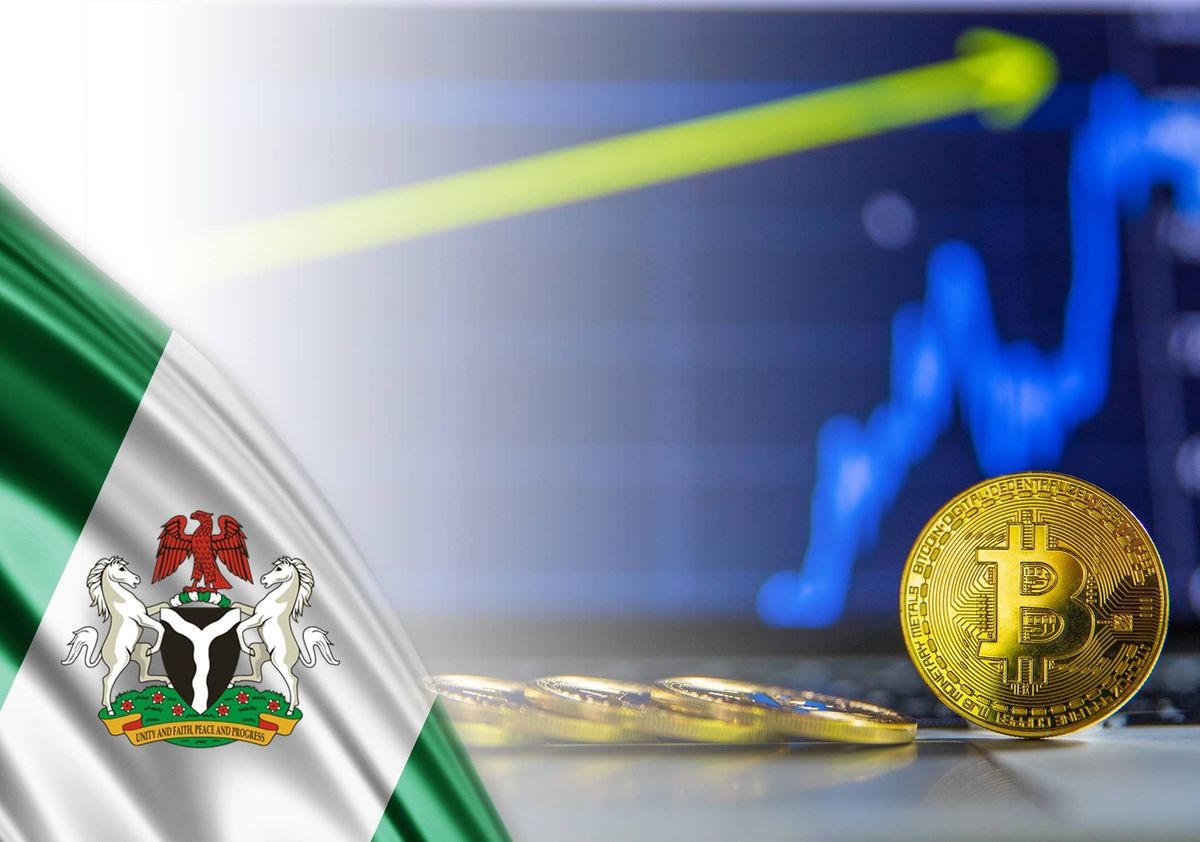
The global landscape of cryptocurrency regulation is a complex and evolving field, with various governments across continents adopting differing stances towards this disruptive financial technology. In Africa, as in other parts of the world, the perception and regulatory approach to cryptocurrencies vary significantly from country to country.

Some African nations have embraced the potential of cryptocurrencies to bolster financial inclusion and stimulate economic growth, recognizing the benefits of blockchain technology. For instance, Nigeria, despite initial resistance, has seen widespread adoption among its population, leading to the Central Bank of Nigeria (CBN) developing a framework for a digital currency, the eNaira, which aims to complement the traditional Naira.

Conversely, other African countries have taken a more cautious or even prohibitive approach. Countries like Algeria, Morocco, and Libya have imposed bans on the use of cryptocurrencies, citing concerns over financial stability, security, and regulatory control.

On other continents, the regulatory landscape is equally diverse. The United States has recently shown a more proactive approach with President Biden’s Executive Order on Ensuring Responsible Development of Digital Assets, which seeks to create a comprehensive regulatory framework while acknowledging the industry’s potential benefits and risks.

In Europe, the European Union is working towards harmonizing cryptocurrency regulations among its member states. The proposed Markets in Crypto-Assets (MiCA) regulation aims to provide legal clarity and ensure consumer protection across the EU.

Asia presents a mixed picture as well. While countries like Japan have established themselves as crypto-friendly markets with clear regulations in place, others like China have taken a hardline approach by banning all cryptocurrency transactions and mining activities.

The perception of cryptocurrencies by governments worldwide is shaped by a myriad of factors including economic policy, financial security, technological advancement, and public sentiment. As such, the regulatory responses are tailored to address these unique challenges and opportunities presented by digital currencies.

Comparatively, other continents exhibit a wide spectrum of regulatory frameworks. In North America, the United States is actively working towards establishing a comprehensive regulatory environment for digital assets. The European Union is also seeking to standardize cryptocurrency regulations across its member states with proposed legislation like MiCA.

Asia shows a stark divide with countries like Japan fostering a crypto-friendly environment, while China has implemented stringent bans on cryptocurrency transactions and mining but experimenting CBDC.

Overall, Africa’s approach to cryptocurrency regulation is diverse and evolving, mirroring the global sentiment where some view digital currencies as an opportunity for innovation and growth, while others exercise caution due to potential risks. The continent’s varied stance is indicative of the broader international debate on how best to integrate cryptocurrencies into existing financial systems while ensuring security and stability.

The future of cryptocurrency regulation will likely continue to be characterized by this dichotomy as nations grapple with balancing innovation with consumer protection.

Investor Education and Awareness are Critical in Combating Crypto Ponzi Schemes

0

SEC charges 17 people in $300 million crypto Ponzi scheme targeting Latino investors.

In the rapidly evolving world of cryptocurrency, it’s essential for investors to have a clear understanding of where they are putting their money. Ponzi schemes, named after Charles Ponzi who became infamous for using this technique in the early 20th century, are fraudulent investing scams which promise high rates of return with little risk to investors.

They generate returns for older investors by acquiring new investors. This is similar to a pyramid scheme in that both are based on using new investors’ funds to pay the earlier backers.

Recently, the U.S. Securities and Exchange Commission (SEC) has recently brought charges against 17 individuals allegedly involved in orchestrating a cryptocurrency Ponzi scheme that amassed over $300 million.

The scheme reportedly targeted Latino investors, leveraging community ties and trust to propagate the fraudulent activities. This case underscores the importance of investor vigilance and due diligence in the rapidly evolving crypto market.

The SEC’s complaint outlines how the individuals created an elaborate network of false promises and misleading information to lure investors into the scheme. Promising high returns on investments in crypto assets, the perpetrators went to great lengths to present their operation as legitimate and profitable.

However, as with most Ponzi schemes, the returns paid to earlier investors were not from any actual profit earned by the operation but rather from funds contributed by newer investors. This unsustainable model inevitably collapsed, leaving many investors out of pocket, some with life-altering losses.

The SEC’s intervention highlights the increasing scrutiny on fraudulent activities within the cryptocurrency market, especially those targeting vulnerable communities. The charges serve as a stark reminder of the need for due diligence when investing in seemingly lucrative opportunities in this volatile and often opaque sector.

Investor education and awareness are critical in combating such schemes. Potential investors are urged to verify credentials, seek independent financial advice, and be wary of investments that promise guaranteed or unusually high returns.

For the average investor, distinguishing between a legitimate investment opportunity and a Ponzi scheme can be incredibly challenging, especially in the crypto space where regulation is still catching up. Education and awareness are the first lines of defense against these fraudulent schemes.

Investors should be encouraged to conduct thorough due diligence on any investment opportunities. This includes researching the credentials of the people behind the project, understanding the technology used, and critically assessing promised returns against market realities.

Furthermore, awareness campaigns led by financial authorities can help disseminate critical information to the public. These campaigns can teach potential investors about the common red flags associated with investment frauds, such as guaranteed returns, overly consistent returns, unregistered investments, secretive or complex strategies, issues with paperwork, and difficulty receiving payments.

The case also underscores the importance of regulatory oversight in the rapidly evolving digital asset space. As the market matures, establishing clear legal frameworks and enforcement mechanisms will be paramount in protecting investors and maintaining market integrity.

While cryptocurrencies offer new avenues for investment, they also present new challenges in terms of investor protection. Education and awareness are indispensable tools that empower investors to make informed decisions and recognize the warning signs of a Ponzi scheme. As the crypto market continues to mature, it’s imperative that these educational efforts are strengthened and supported by all stakeholders involved.

Headline Inflation in Nigeria Surges to 31.70% in February 2024

0

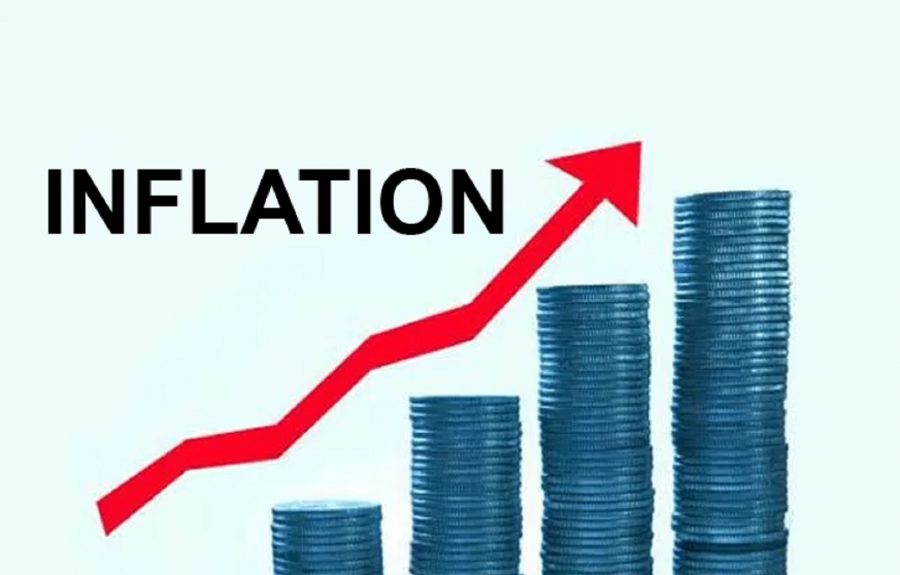
The latest data released by the Nigerian Bureau of Statistics (NBS) reveals a significant surge in headline inflation for February 2024, with the rate soaring to 31.70% compared to January 2024’s rate of 29.90%. This increase of 1.80% points highlights a concerning trend in the country’s economic trajectory.

On a year-on-year basis, the headline inflation rate witnessed a staggering rise of 9.79% points from February 2023, marking a significant jump from 21.91% to 31.70%. This substantial increment underscores the persistent challenges faced by Nigeria in stabilizing its economy.

“The headline inflation rate (year-on-year basis) increased in the month of February 2024 when compared to the same month in the preceding year (i.e., February 2023),” according to the NBS report.

The report attributes this surge in inflation to various factors, including rising prices of essential commodities.

“The rise in Food inflation on a year-on-year basis was caused by increases in prices of Bread and cereals, Potatoes, Yam and other Tubers, Fish, Oil and fat, Meat, Fruit, Coffee, Tea, and Cocoa,” the NBS report explained.

Breaking down the data further, the urban inflation rate for February 2024 reached 33.66%, marking a 10.87% point increase from the previous year. In comparison, the rural inflation rate stood at 29.99%, indicating an 8.89% point rise from February 2023. These figures underscore the widespread impact of inflation across both urban and rural areas of Nigeria.

“On a year-on-year basis, in February 2024, the Urban inflation rate was 33.66%, this was 10.87% points higher compared to the 22.78% recorded in February 2023,” the NBS report detailed.

Food inflation, a critical component affecting household budgets, surged to 37.92% year-on-year in February 2024, up by 13.57% points from the same period last year.

“The rise in the Food inflation on a Year-on-Year basis was caused by a rise in the rate of increase in the average prices of Bread and Cereals, Potatoes, Yam & Other Tubers, Fish, Coffee, Tea, and Cocoa,” the NBS report said.

Additionally, core inflation, which excludes volatile food and energy prices, rose to 25.13% year-on-year in February 2024, marking a 6.76% point increase from February 2023. This upward trend in core inflation suggests broader economic challenges beyond the food and energy sectors, impacting various consumer goods and services.

“The ‘All items less farm produces and energy’ or Core inflation stood at 25.13% in February 2024 on a year-on-year basis; up by 6.76% when compared to the 18.37% recorded in February 2023,” the report said.

State-by-state food inflation

In February 2024, food inflation on a year-on-year basis was most pronounced in Kogi (46.32%), Rivers (44.34%), and Kwara (43.05%), while Bauchi (31.46%), Plateau (32.56%), and Taraba (33.23%) experienced the slowest increase in food inflation year-on-year.

However, on a month-on-month basis, February 2024 saw the highest food inflation in Adamawa (5.61%), Yobe (5.60%), and Borno (5.60%), whereas Cross River (2.08%), Niger (2.56%), and Abuja (2.60%) observed the least escalation in food inflation on a month-on-month basis.

The inflationary pressures have prompted calls for urgent action from civil society groups and labor unions. With the minimum wage stagnant at N30,000 per month, the rising inflation has severely eroded the purchasing power of Nigerian workers.

In response to the escalating inflation, labor unions have proposed revised wage structures ranging from N794,000 to N485,000 across the six geopolitical zones. These proposals aim to alleviate the financial strain faced by workers amidst the challenging economic conditions.

Despite efforts to address inflationary challenges, the Nigerian economy remains vulnerable to external shocks and internal structural weaknesses. Policymakers face the daunting task of implementing measures to stabilize prices, boost productivity, and enhance economic resilience in the face of persistent inflationary pressures.

Abamade Trade Fair and Exhibition Is April 19, 2024 at Aba Sports Club

0

The Enyimba City, Aba, will host the world on April 19, 2024, showing the creativity, the ingenuity, and the maker spirit of Aba. Yes, you’re cordially invited to the Abamade Trade Fair and Exhibition at Aba Sports Club. Come and see products created by builders and makers in Aba. More so, if you are a maker, reach out to the team (the contacts on the billboard), for a spot to exhibit; it is 100% free.

We’re expecting His Excellency, Dr Alex Otti, to grace this event because his vision of a Greater Abia will go through empowering innovators and builders in Abia. Abia is a home of innovation with a slogan of “prosperity through enterprise”. We offer many benefits to investors including a top-grade human capital.

*If you are organizing a productive event in Abia State, let me know, for some shouts. Let us see how to support you as you bring people together, to advance the mission of making Abia State the #1 in Nigeria on opportunity and human welfare.

Prof Ndubuisi Ekekwe

Member, Abia State Global Economic Advisory Council

Co-Chair, Abia State Economic Transformation Council

Coinbase Issues A Rebuttal to Senators Urging the SEC to Pause Crypto ETF Approvals

0

Online secure cryptocurrency platform Coinbase, through its chief legal officer Paul Grewal, has faulted a letter by two US senators urging the Securities and Exchange Commission (SEC) to more tightly regulate Bitcoin ETFs and reject any further crypto ETF applications.

In the letter, Rhode Island Senator Jack Reed and California Senator Laphonza Butler urged the chairman of the US SEC Gary Gensler, to step in to ensure broker-dealers are giving investors the proper disclosures around the $BTC ETFs, which they say should be properly referred to as ETPs.

Part of the letter reads,

We write to urge the Securities and Exchange Commission (SEC) to take steps to protect investors following its recent approval of the listing and trading of certain spot bitcoin exchange-traded products (ETPs). The SEC’s approvals have provided a green light for Wall Street to sell volatile cryptocurrency investments to ordinary Americans through their brokerage and retirement Given the significant and unique risks posed by cryptocurrency, it is critical that Americans receive accurate, comprehensive information about Bitcoin ETPs.

“In a recent review by FINRA, roughly 70% of brokers’ communications with retail investors regarding cryptocurrency violated fair disclosure rules. In some cases, brokers’ communications falsely equated cryptocurrency with cash; in others, they provided misleading explanations of cryptocurrency’s risks. These alarming deficiencies raise significant concerns that brokers and advisers may now provide incomplete or deceptive information about Bitcoin ETPs to retail investors.

“The naming and marketing of many bitcoin ETPs appear to obfuscate important characteristics about these investments. We urge the SEC to take several specific steps under its existing authority to address these issues: (I) carefully scrutinize brokers’ and advisers’ communications regarding bitcoin ETPs to ensure investors receive complete and accurate information about these products; (2) examine brokers and advisers that recommend cryptocurrency ETPs to ensure they are acting in the best interests of their clients, as required by SEC rules; and (3) ensure that bitcoin ETPs do not use inappropriate and confusing naming conventions in SEC filings and other investor documents.

“These steps would help protect investors from fraud and abuse, which may be enabled by the current light-touch regulatory regime applicable to bitcoin ETPs. Finally, we believe the SEC should strictly limit the precedential application of these approvals. While the Bitcoin market has displayed serious weaknesses, it is nonetheless far more established and scrutinized than the market for any other cryptocurrency.

However vulnerable bitcoin may be to fraud and manipulation, markets for other cryptocurrencies are far more exposed to misconduct. We do not believe that other cryptocurrencies show the trading volumes or integrity to support associated ETPs. Nor do we believe that markets for futures on other cryptocurrencies are likely to demonstrate the tight correlation with spot markets that would enable meaningful market surveillance to deter and detect bad actors”.

Grewal via a post on X, criticized the senators’ letter, which had claimed the approval of further crypto ETFs beyond Bitcoin would expose investors to “enormous risks.”

He wrote,

“Respectfully Senators, the evidence points exactly the opposite way”.

Grewal further explained that the market for many cryptocurrencies smaller than Bitcoin, notably Ether $3,701, demonstrated quality metrics that “exceed even the largest traded equities.” Grewal added there was direct evidence that Ether’s futures and spot markets were just as correlated as Bitcoin’s.

Recall that on the 9th of March, Coinbase and crypto asset manager Grayscale met with SEC officials to discuss a rule change for the launch of spot Ether ETFs, where Coinbase argued that if the SEC approved Bitcoin ETFs, they should approve Ether ETFs as well.

Since launching spot Bitcoin ETFs on Jan. 11, many in the industry are hopeful that other crypto assets could become featured in a United States spot crypto ETF, including Ether.

Following SEC approval of ETF, Goldman Sachs stated that Institutional investors may benefit from the approval of spot bitcoin ETFs, as these products will allow them to trade a proxy with low management fees and engage more actively in arbitrage strategies and options hedging.

It is worth noting that several spot Ether ETFs are now awaiting approval by the U.S. Securities and Exchange Commission, many of which will receive a final decision from the securities regulator around May, according to analysts.