DD
MM
YYYY

PAGES

DD
MM
YYYY

spot_img

PAGES

Home Blog Page 3607

Crypto Markets on Whirlwind of activities following FOMC reports

0

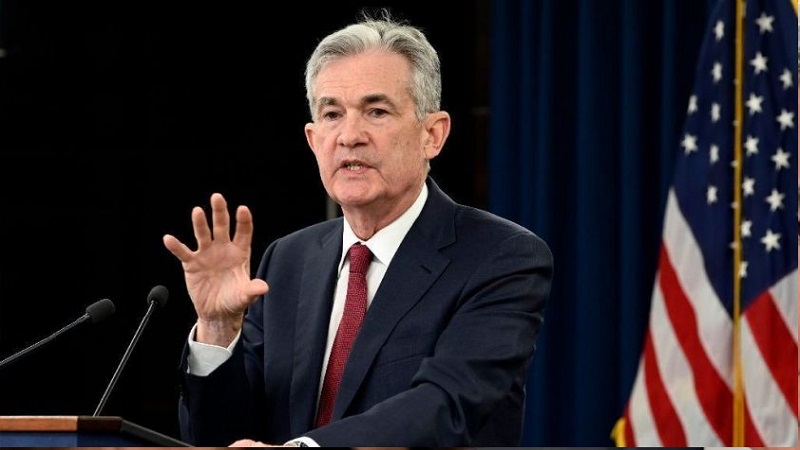
The crypto market has been a whirlwind of activity following the recent announcement from the Federal Reserve’s Federal Open Market Committee (FOMC). Investors and traders alike have been keenly observing the effects of policy changes on digital assets. The market’s reaction was swift, with significant price fluctuations across various cryptocurrencies.

Liquidation in the context of cryptocurrency refers to the forced closing of leveraged positions due to a partial or total loss of the trader’s initial margin. This occurs when the market moves against the trader’s position, and their account balance falls below the maintenance margin requirement.

Bitcoin prices climbed above $63,000 initially, fueled by optimism about continued low interest rates. However, after the Fed signaled a possible shift in monetary policy later this year, the market saw a sharp correction with Bitcoin dropping below $60,000 and leading to significant liquidations.

A sudden drop in Bitcoin’s value triggered a cascade of margin calls and stop-loss orders. Additionally, market speculation and rumors about regulatory changes created an environment of uncertainty that further fueled the sell-off.

Understanding the Federal Reserve’s Influence

The Federal Reserve, being the central banking system of the United States, plays a pivotal role in monetary policy and economic stability. Its decisions on interest rates and financial regulations can send ripples through all financial markets, including the burgeoning crypto sector.

Impact on Cryptocurrency Prices

The announcement led to immediate volatility in the crypto markets. Some investors saw this as an opportunity to buy assets at a lower price, while others decided to sell off their holdings to avoid potential losses. This tug-of-war between bullish and bearish sentiments often leads to erratic price movements.

While short-term volatility can be alarming, it’s essential for investors to consider the long-term implications of such announcements. The crypto market is still relatively young and can be influenced by various external factors. However, it also has shown resilience and an ability to recover over time.

Investors may adopt several strategies to navigate these turbulent times. Diversifying portfolios, setting stop-loss orders, and keeping abreast of market trends are just a few ways to mitigate risk.

Bitcoin’s recent price trajectory has been a rollercoaster of highs and lows, reflecting the volatile nature of cryptocurrency markets. Initially, prices soared above the $63,000 mark, driven by a wave of optimism surrounding the continuation of low interest rates. This bullish sentiment was short-lived, however, as the Federal Reserve hinted at a potential shift in monetary policy later in the year.

The mere suggestion of a change in economic stance sent shockwaves through the market. Bitcoin’s value plummeted below $60,000, triggering a cascade of liquidations across trading platforms. Investors and traders alike felt the impact, as portfolios devalued rapidly in response to the Fed’s signals.

This sharp correction serves as a reminder of the inherent risks associated with digital currencies. While their potential for high returns is undeniable, so too is their susceptibility to market forces and regulatory announcements. As such, participants in this space must remain vigilant and informed to navigate these turbulent waters successfully.

The recent Federal Reserve announcement has undoubtedly shaken the crypto market. However, it also presents an opportunity for investors to reassess their strategies and potentially capitalize on the market’s movements. As always, staying informed and cautious is key in navigating such volatility.

SOL’s CVD has risen in contrast to the downtrend in ETHER’s CVD

The cryptocurrency landscape has witnessed significant shifts since the onset of 2024, with Solana and Ethereum being at the forefront of discussion. This analysis aims to dissect the market performance of both cryptocurrencies, providing a comprehensive overview of their trajectory in the financial markets.

In today’s financial analysis, we delve into the contrasting movements observed in the Cumulative Volume Delta (CVD) of two major cryptocurrencies: SOL and ETH. Recently, SOL’s CVD has experienced a significant surge, marking a sharp increase that stands in stark contrast to the downtrend observed in ETH’s CVD.

This divergence in trends may indicate a shift in investor sentiment or market dynamics between these two digital assets. As we unpack the implications of these movements, it’s crucial to consider the broader market context and potential drivers behind this volatility.

To understand the recent movements in SOL’s and ETH’s Cumulative Volume Delta (CVD), it’s important to consider the broader context of the cryptocurrency market. The CVD is a metric that reflects the aggregated volume of buy and sell orders, providing insight into market pressure and potential price movements.

Solana, known for its high throughput capabilities, has seen a remarkable journey. The platform’s focus on scalability without compromising on decentralization has attracted a plethora of developers and investors alike. The introduction of innovative protocols and consistent network upgrades have bolstered Solana’s position in the market.

Ethereum, on the other hand, continues to be a dominant force in the decentralized finance (DeFi) space. The transition to Ethereum 2.0 has been a pivotal moment for the network, introducing proof-of-stake mechanisms that promise enhanced efficiency and sustainability.

When comparing market performance, it’s crucial to consider various metrics such as market capitalization, transaction volume, and network activity. Since 2024, both Solana and Ethereum have experienced fluctuations reflective of broader market trends and individual ecosystem developments.

Solana’s market capitalization has shown impressive growth, indicative of increasing investor confidence and adoption rates. Ethereum, while maintaining a higher market cap due to its established presence, has faced stiff competition from emerging platforms like Solana.

Transaction volume is another telling indicator. Solana’s expedited processing times have resulted in a surge of transactions on its network, challenging Ethereum’s once unchallenged supremacy in this domain.

In conclusion, while Ethereum maintains its status as a foundational pillar in the cryptocurrency world, Solana’s ascendancy in market performance since 2024 cannot be overlooked. The dynamic interplay between these two giants will undoubtedly shape the future landscape of blockchain technology and digital assets.

SOL’s sharp CVD rise could be attributed to several factors, including positive developments within the SOL ecosystem, increased adoption, or favorable market conditions. Conversely, ETH’s CVD downtrend might be linked to market saturation, competitive pressures, or a shift in investor focus on alternative assets. These trends are reflective of the dynamic and ever-evolving nature of the cryptocurrency market.

Kraken launches Custody Service for Institutional clients in Wyoming

0

Kraken, the renowned digital asset exchange, has officially announced the launch of its new custody service tailored for institutional clients, situated in the progressive regulatory environment of Wyoming. This strategic move marks a significant milestone for Kraken, as it expands its suite of financial services to cater to the burgeoning demand from institutional investors seeking secure and compliant digital asset storage solutions.

The custody service by Kraken underscores its commitment to providing institutional clients with a robust infrastructure that aligns with the highest standards of security and regulatory compliance. Wyoming has emerged as a frontrunner in digital asset legislation, offering a conducive ecosystem for blockchain enterprises to thrive. Kraken’s decision to base its custody service in this jurisdiction demonstrates confidence in Wyoming’s legal framework and its potential to shape the future landscape of digital asset custody.

Institutional investors are increasingly recognizing the value proposition of digital assets as a viable component of their investment portfolios. Kraken’s custody service is designed to address the specific needs of these sophisticated investors, offering them peace of mind with state-of-the-art security measures and a comprehensive regulatory compliance protocol.

Kraken’s initiative to launch a custody service for institutional clients is significantly bolstered by Wyoming’s forward-thinking regulatory environment. The state has established itself as a sanctuary for blockchain innovation, thanks to its pioneering legal framework that fosters the growth of digital asset businesses. Wyoming’s approach to regulation is characterized by its clarity and adaptability, which have been instrumental in attracting companies like Kraken to set up operations within its borders.

The regulatory landscape in Wyoming provides a unique blend of consumer protection and business-friendly policies, making it an attractive destination for institutional investors looking to navigate the digital asset space securely and compliantly. Kraken’s custody service, operating from this advantageous jurisdiction, benefits from Wyoming’s progressive statutes that are specifically tailored to the needs of blockchain-based enterprises.

This harmonious marriage between Kraken’s cutting-edge custody solutions and Wyoming’s regulatory excellence paves the way for institutional clients to confidently step into the world of digital assets. With such a supportive regulatory backdrop, Kraken’s clients can expect a seamless and secure custodial experience that is in line with the latest legislative advancements in the digital asset domain.

While Wyoming stands out as a trailblazer in blockchain-friendly legislation, it is not alone in its pursuit to create a nurturing environment for digital asset companies. States like Colorado, with its “Digital Token Act,” have also made significant strides in providing clarity and legal certainty for blockchain entrepreneurs. Similarly, Texas has been proactive in amending its Uniform Commercial Code to recognize blockchain and digital assets, further cementing its position as a welcoming state for technology-driven businesses.

Other states such as Arizona and Delaware have enacted legislation that acknowledges the use of blockchain technology in various operations, including data storage and smart contracts. These states recognize the potential of blockchain to revolutionize industries by offering decentralized solutions and are thus laying the groundwork for innovation and growth within their jurisdictions.

Kraken’s custody service benefits from operating in a country where multiple states are vying to establish themselves as hubs for blockchain innovation. This competitive landscape not only fosters a healthy environment for technological advancements but also provides a variety of options for institutional clients looking for optimal locations to manage their digital assets securely and efficiently.

As the digital asset market continues to mature, the introduction of such specialized services by industry leaders like Kraken is indicative of a broader trend towards mainstream adoption. With its Wyoming-based custody service, Kraken is poised to play a pivotal role in facilitating institutional engagement with the digital asset space, further cementing its position as a trusted partner in the financial technology sector.

IMF calls for a Global Framework for Regulating Crypto Assets, as BlackRock’s $100M USDC onchain deposit Excites Investors

0

In a significant move, the International Monetary Fund (IMF) has underscored the urgent need for a comprehensive global framework to regulate crypto assets. This call to action comes in response to the burgeoning growth and increasing complexity of the cryptocurrency market, which poses a myriad of regulatory challenges and risks.

The IMF’s advocacy for a standardized regulatory approach is driven by concerns over financial stability, consumer protection, and the prevention of illicit activities. The absence of a harmonized regulatory landscape has led to fragmented policies that vary widely across different jurisdictions, creating loopholes that can be exploited by bad actors.

A global framework would aim to establish a set of minimum standards for regulation, ensuring consistency and cooperation among nations. This would include measures for licensing and supervision, risk management, anti-money laundering (AML) and combating the financing of terrorism (CFT), as well as tax compliance.

Moreover, the IMF emphasizes the importance of adapting existing financial regulations to the unique characteristics of crypto assets and leveraging technology to enhance regulatory compliance and oversight. The Fund also suggests that international cooperation is crucial in monitoring the rapidly evolving crypto landscape and in sharing best practices.

The IMF’s involvement in crafting regulations could be a major development for the future of the crypto industry. As digital currencies continue to gain prominence, the need for a robust regulatory framework becomes increasingly apparent. The International Monetary Fund (IMF) stepping in to shape these regulations is indicative of the seriousness with which global financial institutions are now treating cryptocurrency.

This involvement suggests a move towards greater legitimacy and stability for the crypto market. Regulations crafted by an institution like the IMF could help protect investors, prevent fraudulent activities, and ensure a level playing field for all participants in the industry. Moreover, it could pave the way for more widespread adoption of cryptocurrencies as a legitimate asset class.

However, this development also raises questions about the degree of control and influence that the IMF could exert over a decentralized industry that prides itself on autonomy from traditional financial systems. It remains to be seen how these regulations will balance the need for oversight with the foundational principles of decentralization that many in the crypto community hold dear.

The IMF’s call is a clear indication that the international community must come together to address the challenges posed by crypto assets in a coordinated and proactive manner. It is an acknowledgment that while crypto assets hold potential for innovation and efficiency, they must be integrated into the financial system in a way that preserves integrity and stability.

BlackRock’s $100 million USDC onchain deposit ignite speculations among Investors

BlackRock, the global investment management corporation, has made a significant move by depositing $100 million USDC onchain. This action has ignited a flurry of speculation among investors and market analysts about BlackRock’s potential entry into the Bitcoin market.

The use of USDC, a stablecoin pegged to the US dollar, suggests a strategic approach to digital asset investment, reflecting BlackRock’s reputation for prudent financial maneuvers. As the market watches closely, this could signal a new era of institutional investment in cryptocurrency.

BlackRock, has recently hinted at a potential investment in Bitcoin, sparking widespread speculation and excitement in the cryptocurrency community. This move could signal a significant shift in the perception of digital assets among mainstream financial institutions.

The transaction involving such a substantial amount of USDC – a stablecoin pegged to the US dollar – showcases BlackRock’s increasing interest in blockchain technology and cryptocurrency assets. It also signals a possible shift in the company’s investment strategy, aligning with the growing trend of traditional financial institutions exploring digital currencies.

As BlackRock ventures into on-chain operations, it could pave the way for other institutional investors to follow suit, potentially leading to increased mainstream adoption of cryptocurrencies. Moreover, BlackRock’s involvement could bring about more stability and trust in the volatile cryptocurrency market.

However, it’s essential to approach this development with cautious optimism. While BlackRock’s on-chain activity might hint at a future Bitcoin market entry, concrete plans or announcements have yet to be made. Investors should watch for official statements from BlackRock that could confirm or clarify their position regarding Bitcoin and other cryptocurrencies.

As an industry leader with over $8 trillion in assets under management, BlackRock’s interest in Bitcoin is not something to be taken lightly. The company’s Chief Investment Officer of Global Fixed Income, Rick Rieder, mentioned in an interview that Bitcoin could evolve into a global market asset.

This acknowledgment from BlackRock comes at a time when Bitcoin is experiencing unprecedented growth, having surged past previous all-time highs. The cryptocurrency’s increasing acceptance as a store of value and a hedge against inflation has been drawing attention from various institutional investors.

However, BlackRock’s approach appears to be one of cautious optimism. While recognizing Bitcoin’s potential, Rieder also emphasized the need for a clear regulatory framework and infrastructure before making any substantial commitments.

The implications of BlackRock’s potential investment are far-reaching. It could pave the way for other institutional investors to explore cryptocurrency investments, further integrating digital assets into the traditional financial ecosystem.

BlackRock’s $100 million USDC deposit is a noteworthy event that could have significant implications for the cryptocurrency landscape. Whether this marks the beginning of BlackRock’s journey into the Bitcoin market remains to be seen, but it undoubtedly stirs discussions about the intersection of traditional finance and digital assets.

While BlackRock has not made any official announcements regarding Bitcoin investments, the mere hint of interest from such a financial behemoth is a bullish signal for the future of cryptocurrencies. It underscores the growing recognition of digital assets’ potential to transform the investment landscape.

Bitcoin Price Declines Against A Robust Dollar Backdrop, as Interest in ETFs Decreases

0

The price of Bitcoin have slipped to the $64k zone, against a robust dollar backdrop, as interest in spot BTC ETFs diminishes.

Bitcoin recent price drop is coming after the crypto asset had surged back to the $68k zone, in what looked like a resumption of the previous rally that saw the price trade at $73,000 earlier this month.

Experts suggest that BTC’s weak price action was likely due to the resurgence of the US dollar despite higher-than-expected inflation readings and the Swiss National bank announcing a surprise move to cut interest rates by 25 basis points.

Also, report from Bloomberg, revealed that significant outflow from Bitcoin exchange traded funds (ETFs) impacted the price of BTC to decline, noting that ETFs notched its largest three-day outflow since the funds began trading on January 11, 2024.

Investment funds backed by Bitcoin recorded over $740 million in net outflows. The $1.4 billion in outflows from just the Greyscale Bitcoin (GBTC) and the slower rate of inflows into BlackRock’s iShares Bitcoin Trust (IBIT) and Fidelity’s Wise origin Bitcoin Fund (FBTC), the second and third-largest spot Bitcoin ETFs in the market were the contributing factors.

According to JPMorgan strategists led by Nikolaos Panigirtzoglou, they disclosed that the sustained open interest in CME Bitcoin futures, coupled with declining ETF flows, are seen as significant bearish signals for Bitcoin’s price.

“The pace of net inflows into spot Bitcoin ETFs has slowed markedly, with the past week seeing a significant outflow. This challenges the notion that the spot Bitcoin ETF flow picture is going to be characterized as a sustained one-way net inflow,” they said in a note published on Thursday.

Bitcoin has experienced a pullback of over 10% from its all-time high, with the demand for spot Bitcoin exchange-traded funds (ETFs) showing signs of moderation, while analysts at JPMorgan Chase and Co. have cautioned that this retreat may have more room to run.

They have reiterated their belief that Bitcoin still appears overbought, renewing a prediction made in February that further declines could occur leading up to the highly-anticipated halving event in April.

Also commenting on Bitcoin’s price drop, prominent stockbroker and Gold investor, Peter Schiff argued that the decline in BTC will continue. While the decline in Bitcoin reached the level of $ 63,000, he noted that there is now only one question in mind, “Will the decline in BTC continue?”

While the answer to this question is yes, according to some analysts, others say that Bitcoin will continue to rise where it left off. Schiff, who is not a fan of Bitcoin and argued that the decline will continue.

Sharing on account X, he referred to the enthusiasm during the rise in 2021 and pointed out that BTC experienced a major collapse after this enthusiasm.

Despite BTC reaching a record high of nearly $73,798 on March 14, enthusiasm among retail traders may be waning as there are concerns that a heavy dump will likely occur, leading to a price correction of -25% to -35%.

However, some analysts remain optimistic about the long-term prospects of the crypto market, citing growing institutional interest and adoption as key drivers of future growth

Despite the recent slide in Bitcoin prices, investment firm Bernstein has raised its year-end forecast for the cryptocurrency. In a research note, Bernstein revised its price target for Bitcoin to $90,000, up from the previous projection of $80,000.

The firm also expressed optimism about cryptocurrency mining stocks, citing bitcoin’s recent rise to around $74,000 and the positive response to new spot BTC ETFs.

Bitcoin, Ethereum tumbled, then Recovered to Trade as Much as 15%, as Presale Scam Surges in the Crypto Sector

2

In a dramatic turn of events, the cryptocurrency market witnessed a significant dip as Bitcoin and Ether prices tumbled, sending shockwaves across the financial sector. However, resilience is a hallmark of this digital asset class, and true to form, both cryptocurrencies made a remarkable recovery. Trading activity surged, and prices rebounded to trade as much as 15% above their Wednesday lows.

Bitcoin, the first and most well-known cryptocurrency, has experienced a tumultuous journey since its inception. Its price has seen remarkable highs and staggering lows, often influenced by regulatory news, technological advancements, and market liquidity. Similarly, Ether, powered by the Ethereum blockchain, has had its share of volatility. As the platform for numerous decentralized applications and smart contracts, Ethereum’s native token, Ether, is subject to the ebbs and flows of developer activity and user adoption.

This volatility is not uncommon in the world of cryptocurrency. Bitcoin and Ether, being the leading cryptocurrencies, often experience sharp fluctuations in their value. These movements can be attributed to various factors including market sentiment, regulatory news, and changes within the blockchain technology that underpins them.

The recent price movements of Bitcoin and Ether have once again brought to the forefront the inherent risks associated with cryptocurrency investments. These digital assets are known for their high volatility, which can lead to significant price swings within short periods. Investors and market analysts closely monitor these fluctuations to understand better the factors driving the market sentiment.

Despite these challenges, many investors remain bullish on the long-term prospects of both Bitcoin and Ether. They argue that these digital assets have fundamentally transformed our approach to money and transactions, offering a level of security and efficiency previously unattainable.

As we continue to navigate through these turbulent waters, it’s important for investors to remain informed and cautious. The cryptocurrency market is still relatively young and unpredictable. However, for those willing to endure the rollercoaster ride, the potential rewards are significant.

The inherent risks of cryptocurrency investments stem from several factors. Market manipulation, security vulnerabilities, regulatory uncertainty, and speculative trading all contribute to the unpredictable nature of these assets. Moreover, external events such as geopolitical developments or macroeconomic trends can also impact prices significantly.

Despite these risks, cryptocurrencies continue to attract investors looking for high-reward opportunities. However, it is crucial for anyone considering entering this market to conduct thorough research and understand their risk tolerance. Diversification, risk management strategies, and staying informed about market developments are essential practices for navigating the complex world of cryptocurrencies.

In conclusion, while the recent price movements of Bitcoin and Ether highlight the inherent risks associated with cryptocurrency investments, they also underscore the dynamic and resilient nature of this emerging asset class. As it matures, we can expect more stability, but for now, volatility remains a defining characteristic.

Presale Scam Surging in the Crypto Sector

The recent surge in presale events within the cryptocurrency sector has sparked a significant buzz among investors and enthusiasts alike. This phenomenon, often referred to as a ‘presale frenzy’, is characterized by the early release of new digital tokens to a select group of participants before they are made available to the general public.

The cryptocurrency space has witnessed a significant increase in presale scams in the past weeks, posing serious risks to investors and undermining the integrity of the digital asset market. These fraudulent schemes often promise high returns on investment through initial coin offerings (ICOs) or token presales, only to disappear with participants’ funds, leaving them with worthless tokens or no tokens at all.

Presale investors in the SLERF memecoin, for example, lost $10 million this week when the coin’s creator accidentally-on-purpose burned the SOL tokens they had contributed.

This week, a stark reminder of this uncertainty came to light as presale investors in the SLERF memecoin faced a devastating setback. An estimated $10 million was lost when, in a shocking turn of events, the coin’s creator executed a move that resulted in the burning of SOL tokens contributed by these investors.

This incident has sparked intense discussions within the crypto community about the need for greater oversight and security measures to protect investors from such unforeseen losses.

The surge in presale scams can be attributed to several factors. The decentralized nature of cryptocurrencies offers a veil of anonymity to scammers, making it challenging for authorities to trace and prosecute perpetrators. Additionally, the lack of regulation and oversight in certain jurisdictions creates an environment where fraudulent activities can thrive without immediate repercussions.

Investors must exercise due diligence when participating in presales. This includes researching the project’s team, assessing the feasibility of the business model, and verifying the legitimacy of the token offering through multiple sources. It is also advisable to be wary of projects that guarantee unusually high returns or have unclear tokenomics.

The crypto community and regulatory bodies must collaborate to establish clearer guidelines and protective measures against presale scams. This could involve creating standardized procedures for conducting token sales, enhancing transparency requirements for project developers, and educating potential investors about the risks associated with cryptocurrency investments.

As the crypto space continues to evolve, presales have become a pivotal aspect of token distribution strategies for emerging blockchain projects. These events not only serve as a fundraising mechanism but also help in gauging the market’s interest and establishing a preliminary valuation for the tokens.

However, navigating the presale landscape requires due diligence and a strategic approach. Potential investors must thoroughly research the project’s whitepaper, understand the tokenomics, assess the team’s credibility, and evaluate any associated risks.

Moreover, it’s crucial to be aware of regulatory considerations. As governments and financial authorities scrutinize the crypto space more closely, compliance with legal frameworks becomes increasingly important for presale participants and project developers alike.

While presale events can offer early access to promising crypto projects and potentially lucrative investment opportunities, they also come with their own set of challenges and risks. It is imperative for interested parties to approach these opportunities with caution and informed decision-making.