DD
MM
YYYY

PAGES

DD
MM
YYYY

spot_img

PAGES

Home Blog Page 3655

Why Lawyers Are Important And Why You Should Always Involve Them In Your Business Deals

0

An old friend sent me some documents this morning  and it was a document of a landed property he purchased earlier this year in Lagos. He is a close friend so I was honestly a bit surprised and at the same time disappointed that he purchased a property without getting me involved as a lawyer only to call on me now that the transaction went south. 

Here is the brief; He was to purchase the property but didn’t have the full cash at hand, the property cost eighty million naira  and he deposited the sum of fifty million naira with the landlord, to pay up the balance of thirty million naira in three months time which is to be splitted into ten million naira per month.  

In the contract of the sale which they executed, there was a clause that if he defaults in the payment he will not only lose the property but he will be liable for damages and he will lose 50% of the total money he had already paid.

He failed to meet up with the payment schedule but was able to pay the total of seventy million naira out of the sell price of eighty million naira to the vendor but defaulted for just one month but the vendor went ahead and sold the property to another person. He therefore asked the vendor (the landlord) to refund him the seventy million naira he had paid but the landlord is insisting that he will only refund him half of the money as a clause in their agreement stated that he will keep 50% of the total money paid as damages if the buyer defaults in payment. 

I read through the contract they executed and there was the clause of the buyer losing 50% of his deposit if he defaults in payment boldly written in the buyer’s covenants section. I asked him and he told me that they never negotiated on that and he had no idea that there was ever such a clause in the contract and that if he was aware of it he would not have ever accepted it. 

What happened was that the seller was the person that drafted the contract and gave it to him to go and read through and sign. He did sign it without appreciating the content of the contract now he risks losing 50% of the total money he has paid added to the fact that he already lost the property. 

I asked him why he didn’t tell me of the transaction or send me the document to review before he signed, he said he thought I might charge him just for me to review the document. Well, by him trying to avoid the tip he would have given me as a lawyer friend to help him review the transaction he stands to lose over 35 million naira now including other stress and headache.

This case is typical of many people. They always try to avoid lawyers so that they don’t pay that meagre legal fee but end up getting caught up in bigger legal problems. If he is to drag this matter to court there is a high chance that he might lose the case because coupled with money he will spend as litigation cost the contract he signed is rock solid. 

The importance of Involving a lawyer in agreements especially agreements of high monetary value cannot be over emphasized. A lawyer would have drawn his attention to that clause and made sure that such clause is expunged from the contract but he tried to cut cost and to cut corners thinking that the document is written in English hence he can understand the content. 

That one hundred thousand naira, two hundred thousand naira  or one million naira that you will give a lawyer to help you review the document will save you from a lot of stress. Some lawyers can even collect as low as 50k or 20k from you. 

Please always involve a lawyer and do not even say that you don’t know any lawyer, a simple google search for a keyword like “lawyers around me” will fetch you the contact details of a plethora of lawyers that are just a few kilometers away from you. Also, a bankruptcy lawyer could be required.

More so, in international business dealings, understanding legal nuances such as the green notice interpol can help mitigate risks and ensure compliance with international law.
Japan Announces $65 million in aid for the Gaza Strip

0

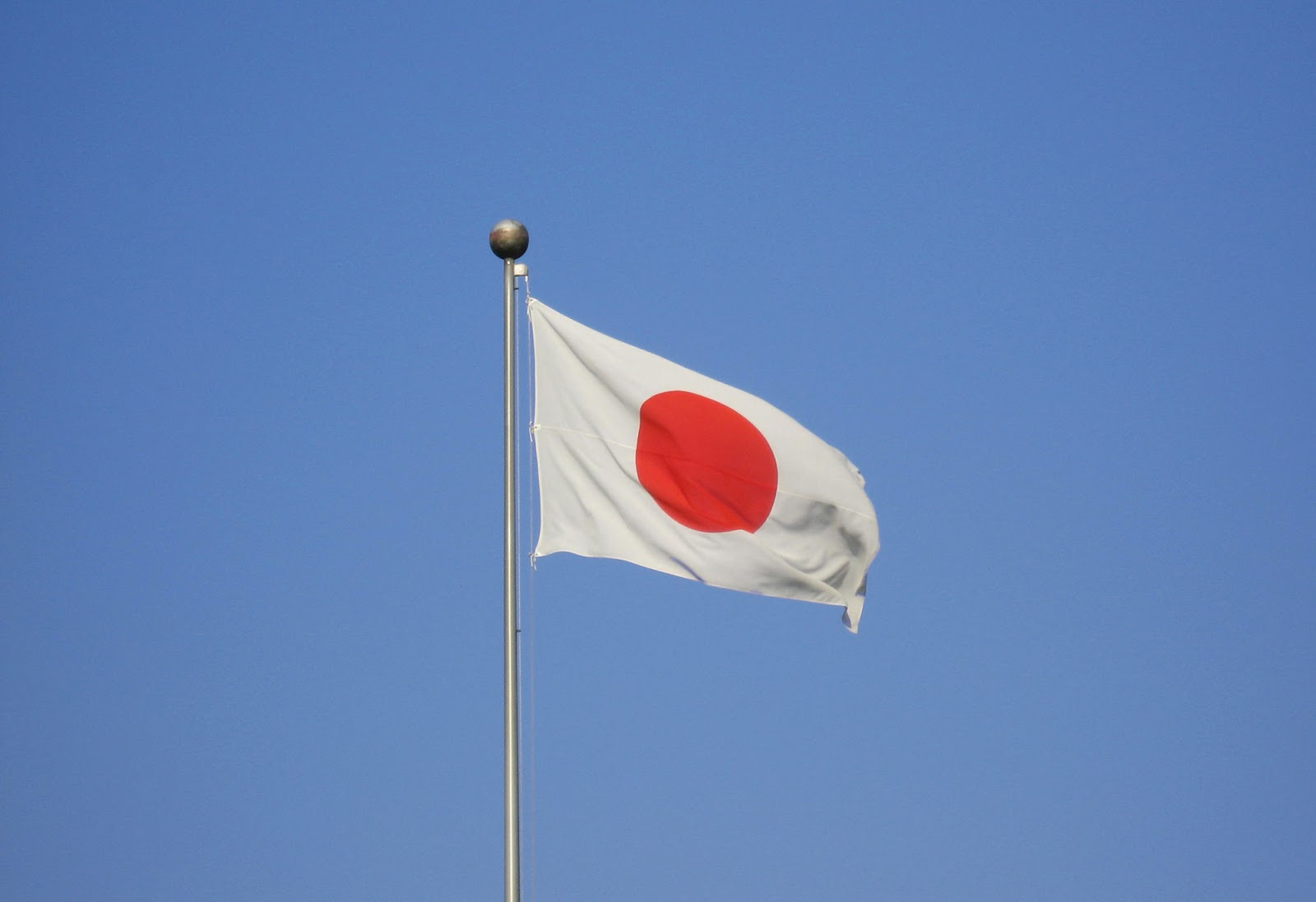
The Japanese Foreign Minister Toshimitsu Motegi announced that Japan will provide $65 million in humanitarian and development assistance for the Gaza Strip, which has been suffering from a prolonged blockade and recurrent conflicts.

Motegi said that the aid will be delivered through UN agencies and international organizations, and will focus on four areas: health, water and sanitation, food security and economic recovery. He added that Japan will also support the reconstruction of damaged infrastructure and the removal of unexploded ordnance in Gaza.

The Foreign Minister stressed that Japan is committed to supporting the Palestinian people and achieving a two-state solution based on the pre-1967 borders, with East Jerusalem as the capital of Palestine. He urged both parties to resume direct negotiations and refrain from unilateral actions that undermine the prospects of peace.

Motegi also expressed his appreciation for the efforts of Egypt, Qatar and other countries in mediating the ceasefire agreement between Israel and Hamas in May, which ended 11 days of intense fighting that killed more than 250 people and displaced thousands more. He said that Japan will continue to work with the international community to prevent further escalation and violence in the region.

The Foreign Minister explained that the health sector will receive $15 million to improve access to essential health services, especially for women and children, and to strengthen the capacity of health facilities to cope with the pandemic and potential outbreaks of infectious diseases. He said that Japan will also provide medical equipment and supplies, such as ventilators, oxygen concentrators and personal protective equipment.

The water and sanitation sector will receive $20 million to rehabilitate and upgrade water networks, wells and desalination plants, and to improve hygiene practices and waste management. Motegi said that Japan will also help install solar panels and batteries to ensure a stable supply of electricity for water facilities.

The food security sector will receive $15 million to provide emergency food assistance to the most vulnerable households, and to support agricultural production and income generation activities. Motegi said that Japan will also help farmers access quality seeds, fertilizers, tools and irrigation systems.

The economic recovery sector will receive $15 million to create short-term employment opportunities for youth and women, and to support small and medium enterprises to resume their businesses and access markets. Motegi said that Japan will also help develop vocational skills and entrepreneurship among the young population.

The Foreign Minister stressed that Japan is committed to supporting the Palestinian people and achieving a two-state solution based on the pre-1967 borders, with East Jerusalem as the capital of Palestine. He urged both parties to resume direct negotiations and refrain from unilateral actions that undermine the prospects of peace.

Motegi also expressed his appreciation for the efforts of Egypt, Qatar and other countries in mediating the ceasefire agreement between Israel and Hamas in May, which ended 11 days of intense fighting that killed more than 250 people and displaced thousands more. He said that Japan will continue to work with the international community to prevent further escalation and violence in the region.

The current situation in Gaza is one of the most devastating and complex humanitarian crises in the world. Since 7 October 2023, Israel and Hamas have been engaged in a brutal war that has killed thousands of people, displaced hundreds of thousands more, and destroyed vital infrastructure and services in the besieged coastal enclave.

According to the Hamas-run health ministry in Gaza, more than 9,000 people have been killed, including more than 1,000 children, and more than 50,000 have been injured since the start of the hostilities. The majority of the casualties are civilians who have been targeted by Israeli air strikes, artillery fire, and ground incursions. Israel has also accused Hamas of using civilians as human shields and launching rockets indiscriminately from densely populated areas.

Israel says it has killed more than 1,400 Hamas fighters and destroyed hundreds of their military sites, including rocket launchers, tunnels, command centers, and weapons factories. It also says it has freed 241 hostages who were abducted by Hamas during the initial assault on 7 October. Israel claims it is acting in self-defense and to protect its citizens from Hamas’s rocket attacks, which have killed 330 Israeli soldiers and civilians.

The United Nations and many countries have called for an immediate ceasefire and a political solution to end the cycle of violence. However, Israel’s Prime Minister Benjamin Netanyahu has rejected any truce that does not guarantee Israel’s security and the elimination of Hamas’s military capabilities. Hamas, meanwhile, has demanded an end to Israel’s blockade of Gaza, which has been in place since 2007 and has crippled the economy and living conditions of the two million Palestinians living there.

The humanitarian situation in Gaza is dire, as the war has exacerbated the already chronic shortages of food, water, electricity, fuel, and medical supplies. More than half a million people have been displaced from their homes and are seeking shelter in schools, mosques, hospitals, and other public buildings. Many of these facilities have also been damaged or destroyed by Israeli strikes. The UN says that more than 90% of Gaza’s water is unfit for human consumption and that sewage is overflowing into the streets. The risk of disease outbreaks is high, especially among children.

The international community has pledged to provide humanitarian aid to Gaza, but access is limited by Israel’s restrictions on the movement of goods and people across the borders. The UN says it needs $95 million to meet the most urgent needs of the affected population for the next three months. However, it also warns that humanitarian aid alone is not enough to address the root causes of the conflict and that a lasting political solution is needed to end the suffering of the people in Gaza and Israel.

The announcement of the Japanese aid comes as Gaza faces a severe humanitarian crisis, exacerbated by the coronavirus pandemic and the lack of vaccines. According to the UN, more than 80% of the population in Gaza depends on humanitarian assistance, and more than half live below the poverty line. The UN also warns that Gaza’s sole power plant is at risk of running out of fuel, which could lead to a collapse of essential services such as health care, water supply and sewage treatment.

It is Impossible, I-DICE Will NOT Create 65,000 “Startups” in Nigeria!

3

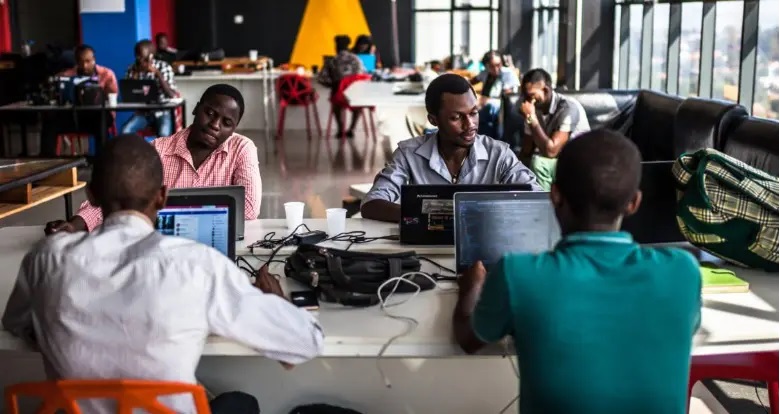
Catherine Colonnade, the Minister for Europe and Foreign Affairs of the Republic of France, has noted that  the Investment in Digital and Creative Enterprises (I-DICE) program in Nigeria could create 65,000 startups in Nigeria: ‘The program will create more than 65,000 start-ups, 150,000 direct jobs in the technology and creative industries sectors, and approximately 1.3 million indirect jobs,’’ she said’

The $600 million program which has the support of the French Development Agency, the African Development Bank), the Islamic Development Bank (ISDB) and Nigeria’s the Bank of Industry (BOI), is promising because it has the capacity to help our young people. 

Yet, looking at the statements, it is evident that the critical indicators and KPIs are not well structured. Yes, I-DICE cannot create 65,000 startups but could create 65,000 small businesses.  Indeed, there is a massive distinction between a startup and a small business, and lack of that understanding is one of the reasons why we have not developed the appropriate policy tools to help startups in Nigeria.

A startup scales and rapidly, but a small business does not. You can have that neighbourhood shop with mom and dad as workers, for two decades, serving your street (a small business), but a startup will grow, scale and hire many people. So, startups have inherent genes of fast growth while small businesses may not.

(Of course, every startup begins as a small business, but rapidly moves into a scaling phase within a short time, unlike a small business which remains there.)

Sure, I commend the vision of I-DICE, but if truly they want to create startups in Nigeria, they should go back to the drawing table, and restructure it because the 65,000 target is impossible!

“The programme will create more than 65,000 start-ups, 150,000 direct jobs in the technology and creative industries sectors and approximately 1.3 million indirect jobs.’’

Speaking on behalf of the vice president, Tijani said Shettima champions youth development and the Nigerian government’s efforts to boost the employability of young people by focusing on promising careers in the digital, cultural and creative industries.

“As part of our efforts to stimulate the growth of the Nigerian economy and mainstream the application of technology in critical sectors, we welcome the support of the French government as they collaborate with us to leapfrog technological advancements for the benefit of our startup ecosystem.

“This funding from the AFD for the I-DICE programme is a testament to France’s historical commitment to the growth of startups which is evidenced by its position as a leading startup destination in Europe”.

He said the I-DICE programme and the launching of France’s contribution through the signature of the Financing Agreement between the AFD and FG are perfectly in line with the existing political will and momentum to advance young Nigerians.

US Fiscal Situation Appears Dire and Unsustainable, Starlink Now Approved in Benin Republic

0

The US fiscal situation is dire and unsustainable. According to the latest data, the federal debt has reached a staggering $33.7 trillion, while the unfunded liabilities, such as Social Security, Medicare and pensions, amount to $211.2 trillion. This means that the total obligations of the US government exceed $245 trillion, or more than 10 times the annual GDP. This is a ticking time bomb that threatens the future of the country and the world economy.

How did we get here? The main culprit is the chronic deficit spending by both Republican and Democratic administrations, especially in the wake of the Covid-19 pandemic, which added trillions of dollars to the debt. The Federal Reserve has also played a role by keeping interest rates near zero and buying massive amounts of Treasury bonds and mortgage-backed securities, effectively monetizing the debt and creating inflationary pressures.

What are the consequences? The high debt level limits the fiscal space for addressing other urgent issues, such as infrastructure, education, health care and climate change. It also exposes the US to the risk of a sovereign debt crisis, if investors lose confidence in its ability to repay or service its obligations. This could trigger a spike in interest rates, a collapse in the dollar and a global financial meltdown.

What can we do? There is no easy solution, but some steps are necessary and inevitable. First, we need to rein in the deficit spending and adopt a credible medium-term fiscal consolidation plan that balances the budget over time. Second, we need to reform the entitlement programs and make them more efficient and sustainable, by raising the retirement age, means-testing benefits and adjusting them to inflation.

Third, we need to raise more revenues by broadening the tax base, eliminating loopholes and deductions, and increasing taxes on the wealthy and corporations. Fourth, we need to promote economic growth and innovation by investing in human capital, research and development, and green technologies.

These are not popular or painless measures, but they are essential for preserving the fiscal solvency and credibility of the US. The longer we delay, the worse the problem will become and the harder it will be to solve. We owe it to ourselves and to future generations to act now and restore fiscal responsibility. The US fiscal situation has serious negative implications for both the short-term and long-term economic performance and national security of the country.

In the short term, high levels of debt and deficits can crowd out private investment and reduce economic growth. They can also limit the government’s ability to respond to economic shocks or emergencies, such as recessions or wars. They can also increase inflationary pressures and raise interest rates, which can hurt consumers and businesses alike.

In the long term, unsustainable levels of debt and deficits can undermine the credibility and solvency of the US government. They can erode investor confidence and trigger a fiscal crisis, where investors lose faith in the government’s ability or willingness to repay its debt. This can lead to a sudden spike in interest rates, a sharp decline in the value of the dollar, and a loss of access to international capital markets. This can have devastating effects on the economy, such as a deep recession, a banking collapse, or a sovereign default.

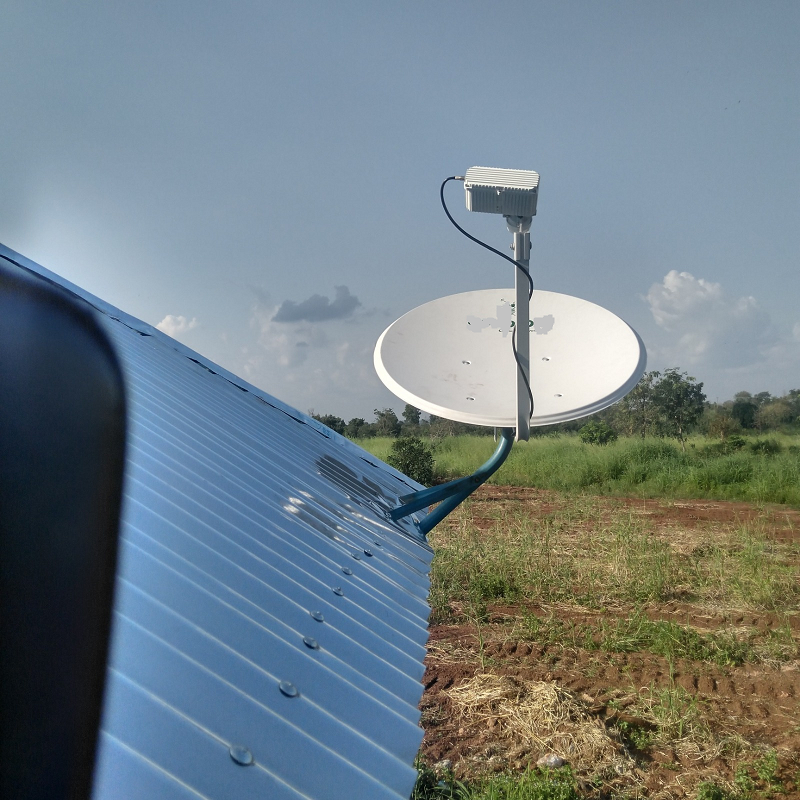
Starlink now authorized in Benin

SpaceX has received official authorization from the government of Benin Republic to operate in the country. This is a major milestone for us and for the people of Benin, who will soon have access to fast, reliable and affordable broadband internet.

Starlink is a constellation of thousands of low-Earth orbit satellites that beam high-speed internet to anywhere on the planet. Unlike traditional satellite internet, which suffers from high latency and low bandwidth, Starlink delivers broadband speeds comparable to fiber-optic networks, with a latency of under 20 milliseconds. Starlink also has the advantage of being able to reach remote and rural areas that are underserved or unserved by terrestrial infrastructure.

According to SpaceX, Benin is one of the first African countries to authorize Starlink, and we are grateful for the support and collaboration of the Ministry of Digital Economy and Communication, the Regulatory Authority for Electronic Communications and Posts, and other relevant agencies. We are committed to working with them to ensure a smooth and successful deployment of Starlink in Benin.

Starlink service in Benin will commence in the first half of 2024, subject to regulatory approvals and technical testing. Customers in Benin will be able to pre-order Starlink kits online, which include a self-installing satellite dish, a Wi-Fi router, and a power supply. The kits will cost $499 upfront, plus $99 per month for the service. We will also partner with local distributors and installers to provide customer support and assistance.

Starlink believes it can make a significant difference in improving the digital inclusion and economic development of Benin, by providing high-quality internet access to millions of people who currently lack it. We look forward to connecting Benin to the global network of Starlink users, and to bringing the benefits of satellite internet to this beautiful and vibrant country.

The Appreciating Naira Against US Dollar Will Deliver Positive Impacts on the Nigerian Economy

0

The Nigerian currency, the naira, has continued its recovery against the US dollar at the parallel market, also known as the black market, where it exchanged for N950 per dollar on Friday. This represents a significant improvement from N1,050 per dollar that it traded on Thursday, as demand for the greenback weakened and supply increased.

According to naijabdcs.com, a website that collates the exchange rates of various bureau de change (BDC) operators across the country, the naira appreciated by N100 or 9.52 percent to close at N950/$1 on Friday from N1,050/$1 on Thursday. The local currency also gained N5 against the British pound sterling to close at N1,310/£1 on Friday from N1,315/£1 on Thursday, while it remained unchanged against the euro at N1,180/€1.

The naira’s performance at the parallel market was boosted by the Central Bank of Nigeria (CBN)’s decision to increase the allocation of foreign exchange to BDCs from $20,000 to $50,000 per week. The apex bank also resumed the sale of forex to BDCs on Monday after suspending it for over a year due to the COVID-19 pandemic and the associated lockdowns.

The Nigerian currency, the naira, has continued its recovery against the US dollar at the parallel market, also known as the black market. According to data from Aboki FX, a website that tracks the exchange rates of major currencies in Nigeria, the naira strengthened by 1.2% to close at N560 per dollar on Friday, November 3, 2023. This is the lowest level since September 23, when the naira traded at N557 per dollar.

The naira’s appreciation at the parallel market comes amid efforts by the Central Bank of Nigeria (CBN) to boost liquidity and stability in the foreign exchange market. The CBN has been injecting dollars into the market through various interventions, such as the Naira 4 Dollar Scheme, which offers an incentive of N5 for every $1 remitted through licensed money transfer operators. The scheme, which was introduced in March 2021 and extended indefinitely in May 2021, aims to encourage diaspora remittances and increase dollar inflows into the country.

Why is the Naira consolidating against the dollar?

The Naira, the official currency of Nigeria, has been gaining strength against the US dollar in recent months. This is a remarkable turnaround from the previous years, when the Naira suffered from high inflation, low oil prices, and political instability. What are the factors behind this consolidation, and what are the implications for the Nigerian economy and its people?

One of the main drivers of the Naira’s appreciation is the increase in oil prices, which have risen from around $40 per barrel in October 2020 to over $80 per barrel in November 2023. Oil is Nigeria’s main export commodity, accounting for about 90% of its foreign exchange earnings. As oil prices rise, Nigeria earns more dollars from its oil sales, which boosts its foreign reserves and supports its currency.

Another factor is the improvement in the macroeconomic management of the country, which has been praised by international institutions such as the IMF and the World Bank. The Nigerian government has implemented several reforms to enhance fiscal discipline, reduce debt, diversify the economy, and attract foreign investment. These reforms have helped to restore confidence in the Naira and reduce the demand for dollars in the parallel market, where the exchange rate is usually higher than the official one.

A third factor is the intervention of the Central Bank of Nigeria (CBN), which has been using various monetary policy tools to stabilize the Naira and curb inflation. The CBN has increased its benchmark interest rate from 11.5% in September 2020 to 14% in November 2023, making it more attractive for investors to hold Naira-denominated assets. The CBN has also sold dollars to authorized dealers and bureau de change at regular intervals, ensuring adequate supply of foreign exchange in the market.

The consolidation of the Naira against the dollar has positive effects for the Nigerian economy and its people. It reduces the cost of imports, especially of essential goods such as food and fuel, which lowers inflation and improves living standards. It also increases the purchasing power of Nigerians abroad, who can remit more money to their families at home. It also enhances the competitiveness of Nigerian exports, especially of non-oil products such as agriculture and manufacturing, which can create more jobs and income.

However, there are also some challenges and risks associated with a stronger Naira. It may discourage foreign investors from investing in Nigeria, as they may perceive a lower return on their capital. It may also hurt some domestic producers who rely on imported inputs or who face competition from cheaper imports. It may also create complacency among policymakers, who may neglect to implement further structural reforms that are needed to sustain long-term growth and development.

Therefore, it is important for Nigeria to maintain a balanced and flexible exchange rate regime that reflects market conditions and economic fundamentals. It is also crucial for Nigeria to continue to pursue sound macroeconomic policies that promote fiscal sustainability, monetary stability, and economic diversification. By doing so, Nigeria can ensure that its currency remains a source of strength and stability for its economy and its people.

The CBN has also been cracking down on illegal operators and activities in the parallel market, such as hoarding, speculation and round-tripping. The apex bank has warned that anyone caught engaging in these practices will face severe sanctions, including arrest and prosecution. The CBN has also urged Nigerians to patronize only licensed and authorized dealers for their foreign exchange needs, and to report any suspicious transactions to the appropriate authorities.

The naira’s recovery at the parallel market is a welcome development for many Nigerians who rely on this segment of the market for their personal and business needs. However, some analysts have cautioned that the naira’s strength at the parallel market may not be sustainable in the long run, unless there is a significant improvement in the country’s macroeconomic fundamentals, such as oil prices, external reserves, inflation and trade balance. They have also called for more reforms and policies that will enhance the productivity and competitiveness of the Nigerian economy and reduce its dependence on oil revenues and imports.