DD
MM
YYYY

PAGES

DD
MM
YYYY

spot_img

PAGES

Home Blog Page 3664

Two potential airdrops many hunters have underrated

0

Accepting early updates (knowledge) from the field is the most important way to succeed in the blockchain world. The majority of this knowledge has the potential to be profitable if the user constantly follows the steps back to front in order to win. Consistency is the primary driving force behind those updates.

Although there is no shortage of information to find and learn from, persistence and patience are key components. As I write this, the material I will be introducing already exists (has been for years).

The blockchain area offers potential rewards that are commonly referred to as $0 investment. To become involved in this space, one must learn about the history, foundation, and goals of the network. The tester receives a reward for testing such a network. Whoa, it sounds good, but how ready are you?

There are standards for network development in the blockchain sector, and there are various types of development inside the blockchain space.

While each network within the space discusses a variety of topics, I can claim that they all have similar origins, roots, and natures. Please gaze down and explore the world of nothing when chasing the large bag, as that is where the money lies. A significant airdrop that pays off enormously on the testnet is often a dream come true; many hunters refer to it as an incredible airdrop. Aptos gives a network tester a massive airdrop in late 2022 valued at $10,000. Because everything on the Aptos network is made simple, the tester may become discouraged from participating in or testing the protocol due to its nature. 

Now consider those in whom we have already committed resources and expect to profit, yet who ultimately revealed unknowable information that is unworthy of discussion. I’ll highlight two enormous communities’ potentially incredible airdrops below, which are based on market news and research. This enormous community is supported by a large network of unnoticed backers and investors.

This community has already made a significant contribution to the expansion of knowledge and education that has fueled the quick development of blockchain technology. But despite the fact that this community has been in the sector for at least ten years, no coin or token has been created by them. They are now introducing a bundle to be of the same natural likeness of mining on a daily basis. Does this imply that they are calling for their native token? Begin asserting the following summary data;

CoinmarketCap Airdrop
As I write this, CoinmarketCap is the first network and project that comes to me with a sizable investor base and supportive community. Everybody using blockchain is aware of CoinmarketCap’s characteristics and its significance within the blockchain community. However, the blockchain educational house and analysis powerhouse haven’t produced a token or coin that is recognized as their own.

A probable hidden airdrop called CoinmarketCap Diamond is presently taking place on their platform. A lot of people have been claiming lifetime CoinmarketCap diamonds. Diamonds have potential worth that can be used to open wait lists and gain access to some possible ongoing airdrops. Everything about this investment, which is worth zero dollars, is speculative. Because to see the future is to begin utilizing the opportunities that are currently available, the future is the present. Keep in mind that this platform has a fantastic community and investors behind it. The Diamond may become a CoinmarketCap native coin. But because Blockchain is where fantasies come true with nothing to earn higher, speculation is a normal phrase that literally turns into reality.

Assume that after claiming and amassing more diamonds, the white paper is introduced, allocation occurs, and the listing price — which must start at a minimum of $0.0131 — arrives. Go through CoinmarketCap’s universe and begin claiming the diamond.

Coin gecko Airdrop
This platform’s nature is similar, and there’s nothing to hide this time. Many people made money early this year from coin gecko candy that was subject to vesting. The candy claim is still in progress. Now, if the necessary actions are taken, conjecture becomes reality and dreams come true. Four years ago, the Coin Gecko platform introduced the concept of candy claiming, which some hunters in the area took up. Their assertion was made with the intention of making money, therefore conjecture is not their journal.

Learn and claim to laugh.

Kraken to share User Data with IRS as DYDX aims to share fees with Validators and Stakers

0

Kraken, one of the largest cryptocurrency exchanges in the world, has announced that it will comply with a court order to provide the Internal Revenue Service (IRS) with information on its users who conducted transactions worth more than $20,000 between 2016 and 2020. The court order was issued in June this year, after the IRS filed a petition to obtain the records of Kraken’s customers as part of its efforts to enforce tax compliance in the crypto space.

According to a blog post published by Kraken on October 26, the exchange will start sharing the data with the IRS by November 30. The data will include the name, address, email, phone number, date of birth, taxpayer identification number, account activity, and transaction details of the affected users. Kraken said that it will notify the users who are subject to the data sharing via email and in-app messages.

Kraken also said that it tried to limit the scope of the court order and protect the privacy of its users, but it was unable to challenge the legal basis of the IRS’s request. The exchange added that it respects the rule of law and cooperates with legitimate requests from government agencies.

The exchange advised its users to consult with a tax professional if they have any questions or concerns about their tax obligations. It also reminded them that they can use third-party services such as CoinTracker or TaxBit to calculate and report their crypto taxes.

Kraken is not the only crypto exchange that has been targeted by the IRS in recent years. In 2016, the IRS obtained a similar court order to access the records of Coinbase’s users who traded more than $20,000 in crypto between 2013 and 2015. Coinbase initially resisted the order, but eventually agreed to share the data of about 13,000 users in 2018.

The IRS has been ramping up its efforts to crack down on tax evasion and fraud in the crypto industry, as more people invest and trade in digital assets. In 2019, the IRS sent letters to more than 10,000 crypto users, warning them that they may have failed to report their income or pay taxes on their transactions. In 2020, the IRS added a question on Form 1040, asking taxpayers whether they received, sold, exchanged, or acquired any financial interest in virtual currency during the year.

The IRS has also issued guidance on how to treat crypto transactions for tax purposes. According to the IRS, crypto is treated as property, not as currency, and therefore subject to capital gains and losses rules. The IRS also clarified that crypto received as payment for goods or services, as income from mining or staking, or as a result of a hard fork or an airdrop is taxable as ordinary income. The IRS also said that taxpayers who donate crypto to qualified charities can claim a deduction for their charitable contribution.

DYdX Chain to distribute all network fees to validators and stakers

DYdX Chain is a new layer-2 protocol for decentralized derivatives trading, powered by StarkWare’s zero-knowledge proofs. DYdX Chain aims to offer fast, scalable, and low-cost transactions for traders and liquidity providers on the DYdX platform.

One of the key features of DYdX Chain is that it will distribute all network fees to validators and stakers, creating a strong incentive for participation and security. Validators are nodes that run the DYdX Chain software and process transactions, while stakers are users who stake DYDX tokens to support validators and earn rewards.

The fee distribution mechanism works as follows:

Every transaction on DYdX Chain has a network fee, which is paid in the same asset as the transaction. For example, if a user trades ETH for USDC, the network fee is paid in ETH. The network fee is calculated as a percentage of the transaction value, based on a dynamic fee schedule that adjusts according to network congestion and demand.

The network fee is split into two parts: 70% goes to the validator who processed the transaction, and 30% goes to a global fee pool. The global fee pool accumulates fees from all transactions on DYdX Chain and is distributed to stakers every epoch (a fixed period of time, e.g., one week).

The distribution of the global fee pool is proportional to the amount of DYDX tokens staked by each Staker, and the duration of their stake. The longer and larger the stake, the higher the share of the fee pool. Staker’s can claim their fee rewards at any time or reinvest them into their stake to compound their returns.

By distributing all network fees to validators and stakers, DYdX Chain aligns the interests of all participants and creates a positive feedback loop. Validators are incentivized to provide high-quality service and maintain network security, while stakers are incentivized to stake more DYDX tokens and support validators. This in turn increases the value proposition of DYDX Chain and attracts more users and liquidity, which generates more fees and rewards for validators and stakers.

Sen. Elizabeth Warren finds support in US House to tackle Crypto Finance Terrorism

Senator Elizabeth Warren, a vocal critic of the cryptocurrency industry, has found allies in the US House of Representatives for her proposed legislation to regulate the sector and combat its use for illicit purposes. The bill, titled the Digital Asset Market Structure and Investor Protection Act, aims to create a clear and comprehensive framework for the oversight and protection of digital assets in the US.

The bill would require any entity that offers digital asset services, such as exchanges, custodians, or brokers, to register with the Securities and Exchange Commission (SEC) or the Commodity Futures Trading Commission (CFTC), depending on the nature of the asset. It would also establish a new category of digital assets called “digital asset securities”, which would be subject to the same rules and regulations as traditional securities.

The bill would also empower the Financial Crimes Enforcement Network (FinCEN) and other relevant agencies to monitor and prevent the use of digital assets for money laundering, terrorist financing, and other criminal activities. It would require digital asset service providers to comply with the Bank Secrecy Act and other anti-money laundering laws, as well as to report suspicious transactions and maintain records of customer identities.

The bill has received support from several members of the House Financial Services Committee, including Chairwoman Maxine Waters, who said that she “looks forward to working with Senator Warren on this important issue”. Other co-sponsors include Representatives Stephen Lynch, Jesús García, Al Green, and Rashida Tlaib.

Senator Warren said that her bill would “provide the regulatory certainty and consumer protections that investors and innovators need in the crypto space”. She added that “by harnessing the potential of crypto while cracking down on its use by criminals and terrorists, we can ensure that this new technology benefits American consumers and businesses”.

Elliptic says scale of crypto base terrorism funding is being misrepresented.

Elliptic, a company that provides blockchain analytics and compliance solutions, has published a report that challenges the common narrative that cryptocurrencies are widely used by terrorist groups. The report, titled “Crypto Terrorism: How Serious Is the Threat?”, analyzes the available evidence and data on the use of crypto assets by terrorist organizations and their supporters.

According to Elliptic, the scale of crypto-based terrorism funding is being misrepresented by some media outlets and policymakers, who often rely on anecdotal or unverified sources. The report claims that the actual amount of crypto funds raised by terrorist groups is very small compared to their overall financing needs, and that crypto assets are not well suited for their operational requirements.

The report cites several examples of crypto fundraising campaigns by terrorist groups, such as Hamas, ISIS, and al-Qaeda, and shows that they have raised only modest amounts of money, ranging from a few thousand to a few hundred thousand dollars. The report also points out the challenges and limitations that these groups face when using crypto assets, such as low adoption rates, technical complexity, regulatory scrutiny, and traceability.

Elliptic argues that crypto assets are not an attractive option for terrorist groups, who prefer to use more traditional and reliable methods of financing, such as cash, hawala networks, charities, and state sponsors. The report concludes that crypto-based terrorism funding is not a serious threat at the moment but warns that the situation could change in the future if crypto adoption increases or if new technologies emerge that could enhance the anonymity and usability of crypto assets.

The report recommends that policymakers and regulators should adopt a balanced and evidence-based approach to addressing the potential risks of crypto assets for terrorism financing and avoid overreacting or imposing excessive restrictions that could stifle innovation and legitimate use cases.

CNG Bus Initiative Will Reduce The Cost of CNG to N230 Per KG – Nigerian Govt.

0

The Federal Government has assured Nigerians that the forthcoming introduction of Compressed Natural Gas (CNG) buses will significantly reduce the price of CNG to N230 per kg.

This announcement was made by Toyin Subaru, the Special Assistant to the President on Special Duties and Domestic Affairs, during a stakeholders’ meeting held at the Bank of Industry headquarters in Abuja.

The assurance comes in light of the Federal Government’s ambitious plan to deploy 11,500 CNG-powered buses across the country next week. This initiative aims to alleviate transportation challenges arising from the removal of fuel subsidies.

Subaru emphasized that the introduction of CNG-powered mass transit buses will result in substantial savings for Nigerians, cutting transportation costs by two-thirds. Additionally, the initiative seeks to promote the use of CNG as a viable alternative to traditional petrol.

He said: “Now, with this CNG plan, we don’t even have to import what we need to operate our vehicles. It is called CNG and we have the gas here in Nigeria. So, the idea is just to take the gas to distribute it across Nigeria via different truck stations.

“Most gas is not CNG enabled yet and what we are doing is to help them convert their cars so you can use petrol and CNG at the same time.

“We are going to develop an app that will enable you locate where a CNG station is located. We should be able to buy gas for our cars at N230 per KG as against the cost of petrol which is N680 per litre. This should help every Nigerian save about two-thirds of their transport cost.”

The Presidential Compressed Natural Gas Initiative (PCNGI) was officially launched on Friday, as part of the government’s commitment to reducing transportation costs and advancing environmental sustainability and economic growth.

Responding to the demands of organized labor unions, who had threatened to embark on a nationwide strike, the PCNGI aims to offer affordable energy options, thereby decreasing the nation’s dependence on conventional fuels. One of the primary objectives of this initiative is to provide cost-effective transportation solutions for Nigerians, particularly in the wake of the more than 250% increase in transport fares triggered by the fuel subsidy removal.

Subaru further revealed the Federal Government’s ambitious target of having one million CNG-powered vehicles on the roads by 2027. Michael Oluwagbemi, the Programme Director of the Presidential CNG Initiative, also highlighted plans to establish 1,000 conversion workshops nationwide, with an estimated creation of over 50,000 jobs as a direct outcome of the initiative.

In his words, “Our goal in the presidential CNG initiative, as stated by the President in his October 1st speech is to make 55,000 conversion kits immediately available to the Nigerian public so that we can begin to jumpstart the CNG revolution.

“The palliative programme as described by the president will last until March 31, 2024. So, technically speaking, we are expected to roll out 55,000 within that time frame,” he said.

“Given of course naturally, we are quite a bit constrained when it comes to the number of workshops and there’s a reason why we’re here today. We only have seven functional workshops in the country. In our estimate, we need about 1000 to be able to achieve our goal.”

The introduction of CNG-powered vehicles and the establishment of conversion workshops represent steps toward sustainable and affordable transportation solutions in Nigeria, aligning with broader efforts to enhance economic resilience and environmental stewardship.

Spot Crypto Trading Volumes surge to levels not seen since Q1

0

The cryptocurrency market has been experiencing a remarkable recovery in the past few weeks, with several major coins reaching new all-time highs and breaking out of long-term downtrends. One of the indicators that reflects this bullish momentum is the spot trading volume, which measures the amount of crypto exchanged on various platforms without leverage or derivatives.

According to data from CryptoCompare, the total spot trading volume across all exchanges reached $176 billion in October, the highest level since March 2023, when the market was in the midst of a parabolic rally. This represents a 35% increase from September, and a 70% increase from the yearly low of $104 billion in July 2023.

But what is the difference between spot trading and futures? Spot trading refers to the buying and selling of crypto at the current market price, with the settlement occurring immediately or within a short period of time. Futures, on the other hand, are contracts that allow traders to buy or sell crypto at a predetermined price and date in the future, with the settlement occurring at the expiration of the contract. Futures can be used to hedge against price fluctuations, speculate on future movements, or access leverage and margin trading.

The surge in spot trading volume suggests that more investors are entering the market and buying crypto directly, rather than using more complex and risky instruments like futures or options. This could indicate a higher level of confidence and conviction in the long-term potential of the crypto space, as well as a lower level of speculation and volatility.

Some of the factors that may have contributed to this increase in spot trading volume include:

The launch of the first Bitcoin futures ETF in the US, which attracted over $1 billion in assets under management in its first week and boosted the demand for Bitcoin across various platforms. The anticipation of more regulatory clarity and institutional adoption of crypto, especially after the SEC approved the first Bitcoin futures ETF and signaled a more open stance towards the industry. The growing popularity and innovation of decentralized finance (DeFi) and non-fungible tokens (NFTs), which offer new use cases and opportunities for crypto users and creators.

The emergence of new trends and narratives in the crypto space, such as Web3, metaverse, gaming, social tokens, and DAOs, which appeal to a wider and more diverse audience and generate more interest and engagement. The resilience and strength of the crypto market, which recovered from several major corrections and challenges throughout the year, such as the China crackdown, the ESG concerns, the infrastructure bill controversy, and the Evergrande crisis.

According to data from CryptoCompare, spot trading volumes in October 2021 reached $2.7 trillion, a 41.5% increase from September and a 163% increase from October 2020. This is the highest monthly volume ever recorded, surpassing the previous peak of $2.3 trillion in May 2021.

What are the reasons behind this surge in spot crypto trading volumes? There are several factors that could explain this trend, such as:

The increasing adoption of cryptocurrencies by institutional and retail investors, who are attracted by the potential returns, diversification benefits, and innovation opportunities that crypto offers. According to a report by Fidelity Digital Assets, 90% of institutional investors surveyed expect to have an allocation to digital assets by 2026, while a survey by Finder.com found that 41% of Americans own some form of cryptocurrency in 2021, up from 18% in 2019.

The growing popularity of decentralized finance (DeFi) and non-fungible tokens (NFTs), which are driving demand for spot trading of native tokens and platforms. DeFi is a sector of the crypto industry that aims to provide financial services such as lending, borrowing, trading, and investing without intermediaries, using smart contracts and blockchain technology.

NFTs are unique digital assets that represent ownership of various forms of art, collectibles, gaming items, and more. According to DeFi Pulse, the total value locked in DeFi protocols reached $95 billion in October 2021, a 10-fold increase from October 2020. According to DappRadar, the total sales volume of NFTs reached $10.7 billion in Q3 2021, a 704% increase from Q2.

The improving regulatory clarity and infrastructure for crypto trading, which are reducing the barriers and risks for investors to enter the market. Several countries have been developing and implementing legal frameworks and guidelines for crypto activities, such as El Salvador adopting Bitcoin as legal tender, Canada approving several Bitcoin ETFs, and the UK granting licenses to crypto firms.

Moreover, several crypto exchanges have been enhancing their security, liquidity, and user experience features, such as Coinbase launching its NFT marketplace, Binance upgrading its KYC requirements, and FTX acquiring LedgerX.

The high volatility and price action of cryptocurrencies, which are creating opportunities for traders to profit from market movements. Cryptocurrencies are known for their frequent and large price fluctuations, which are influenced by various factors such as supply and demand, news events, sentiment, and technical analysis. In October 2021, Bitcoin reached a new all-time high of over $66,000, while Ethereum broke above $4,000 for the first time. Other altcoins such as Solana, Cardano, and Polkadot also saw significant gains in the same month.

As the crypto market continues to grow and evolve, it is likely that the spot trading volume will remain high or even increase further, as more investors seek exposure to this emerging asset class and participate in its various ecosystems. However, it is also important to be aware of the risks and challenges that may arise along the way, such as regulatory uncertainty, security breaches, technical glitches, market manipulation, and extreme volatility. Therefore, investors should always do their own research, diversify their portfolio, and practice proper risk management when trading crypto.

Kenyan B2B e-commerce Company, MarketForce, Shuts Down Operations in Some Markets

0

Marketforce, a Kenyan B2B platform for retail distribution of consumer goods and digital financial services, has shut down operations in some of its African markets.

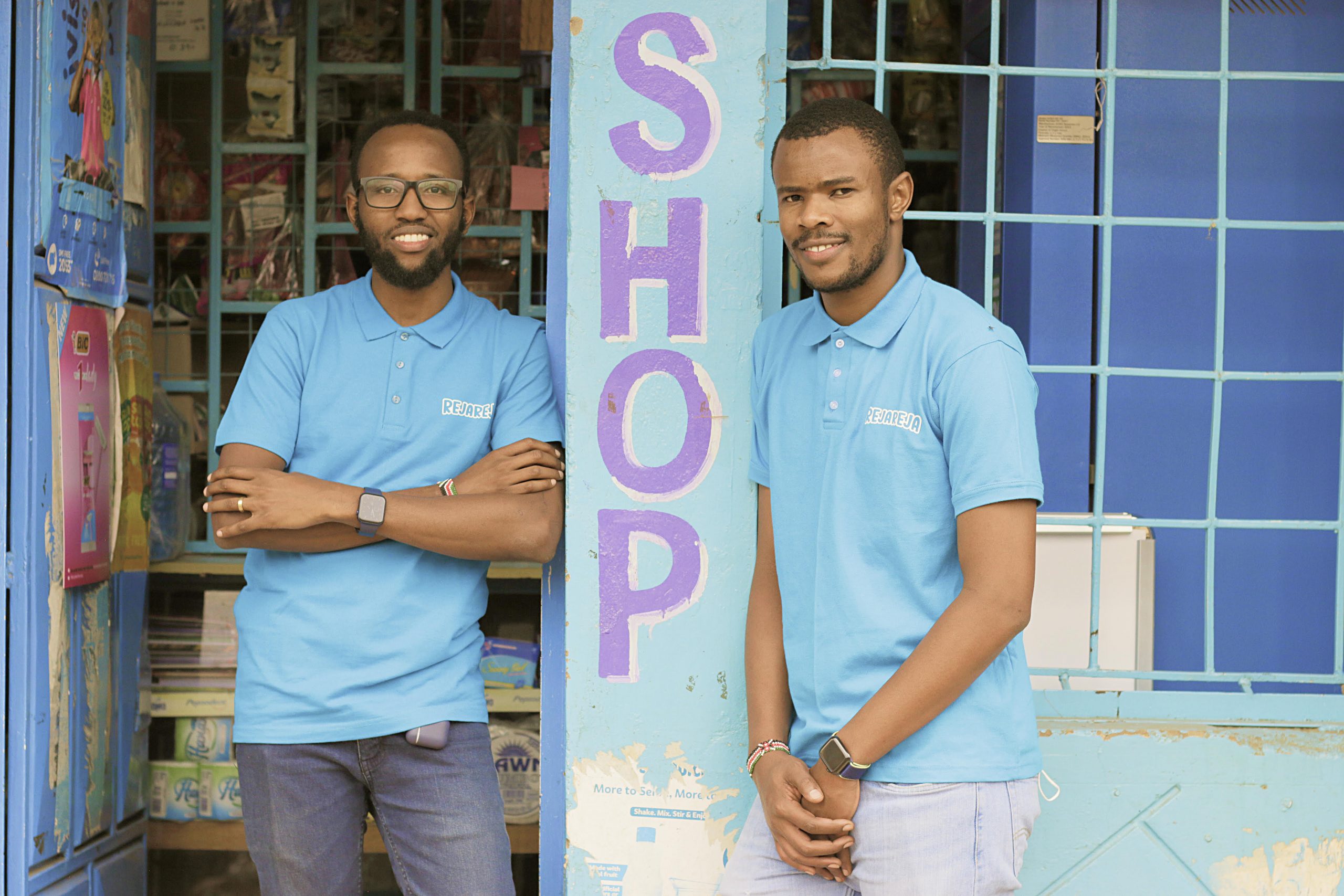
Reports reveal that MarketForce’s super-app dubbed RejaReja, which enables informal retailers to order fast-moving consumer goods (FMCGs) directly from distributors and manufacturers and access financing, will only be available in Uganda after the company discontinued the offering in Nigeria, Kenya, Tanzania, and Rwanda.

MarketForce’s current shutdown of its three African markets is coming after the company in May this year, tightened its belt when it was hit by tough times.

The company was thrown into disarray after certain VCs that had committed funds in a $40 million Series A debt-funding, backed out of the deal. This forced MarketForce to look for new investors but was faced with a fundraising challenge. This spurred the startup to slow down its growth plans and downsize.

Also, with the cash crunch and current market realities that have forced companies to abandon growth-at-all-costs, MarketForce decided to refocus its resources on building a profitable business by delivering in areas with a strong demand density and shutting down routes that are not profitable.

The company’s CEO Tesh Mbaabu speaking on MarketForce’s focus on profitability said,

“After we decided to move towards a path to profitability, Uganda has been our best-performing market. We have exclusive distributor contracts with four major manufacturers, and margins are better, enabling us to run a gross profitable operation there, that is why we will keep it active”.

Following the latest changes, the startup country manager in Uganda, Dennis Nyunyuzi has been promoted to the position of managing director and will be responsible for steering RejaReja’s operations, according to an update shared with investors.

Launched in 2020, the RejaReja retail marketplace was rolled out as a brainchild of MarketForce, and as a SaaS product for formal markets. It enables informal traders or mom-and-pop shops to order goods directly from manufacturers and distributors for next-day delivery.

It also gives them access to financing based on the history of their transactions. The company was trying to solve challenges that these retailers face like stockouts, earnings instability, and lack of financing to scale their trade.

However, while MarketForce planned to tap the informal retail sector in the continent, which accounts for about 80% of household trade in sub-Saharan Africa, Mbaabu says they have been forced to scale down as margins are low in markets like Kenya and Nigeria, which are expensive to serve, and where competition is stiffer.

Founded in 2018 by Tesh Mbaabu and Mesongo Sibuti, MarketForce launched to tap the informal retail sector in Africa, which accounts for about 80% of household trade in sub-Saharan Africa.

Informal merchants in the region are faced with myriad challenges like stock-outs, earnings instability, and lack of financing, all of which hamper the growth of their businesses

The startup launched to solve this by enabling informal traders to order goods for next-day delivery directly from its merchant’s super-app (RejaReja). Traders are also able to access goods on credit based on the history of their transactions and credit profiles.