DD
MM
YYYY

PAGES

DD
MM
YYYY

spot_img

PAGES

Home Blog Page 3667

Bitcoin holds onto momentum as Coinbase Opens Perpetual Trading for Non-US Customers

0

Bitcoin continues to show strength as it trades near its all-time high, following a positive week that saw several developments in the crypto space. One of the most anticipated events was the launch of the first Bitcoin futures ETF in the US, which attracted over $1 billion in assets under management in its first two days of trading.

The ProShares Bitcoin Strategy ETF (BITO) tracks the price of Bitcoin futures contracts, not the spot price of Bitcoin itself. However, many analysts see this as a stepping stone for a potential approval of a Bitcoin spot ETF, which would directly track the price of the underlying asset and offer lower fees and tracking errors.

A Bitcoin spot ETF would be a game-changer for the crypto industry, as it would provide an easy and regulated way for retail and institutional investors to gain exposure to Bitcoin without having to deal with the technical and security challenges of buying and storing it. Moreover, it would boost the liquidity and efficiency of the Bitcoin market, as well as its legitimacy and adoption. Several applications for a Bitcoin spot ETF are pending with the US Securities and Exchange Commission (SEC), which has until November 14 to make a decision on one of them, filed by VanEck.

Some observers believe that the success of the Bitcoin futures ETF could pave the way for a positive outcome for the spot ETF, as it shows that there is strong demand and interest for such products. Moreover, it could alleviate some of the concerns that the SEC has expressed about the Bitcoin market, such as fraud, manipulation, volatility and lack of regulation.

The SEC chairman Gary Gensler has indicated that he is more open to approving a futures-based ETF than a spot-based one, but he has also acknowledged that the crypto space is evolving rapidly, and that the agency is willing to adapt to the changing landscape.

Therefore, the launch of the Bitcoin futures ETF could be seen as a dress rehearsal for a possible approval of a Bitcoin spot ETF in the near future. If that happens, it could trigger a new wave of adoption and innovation in the crypto space, as well as a significant increase in the value of Bitcoin and other cryptocurrencies. For now, Bitcoin holders can enjoy the momentum that the futures ETF has created, and hope that it will lead to more positive developments down the road.

Coinbase retail customers outside USA can now trade perpetuals.

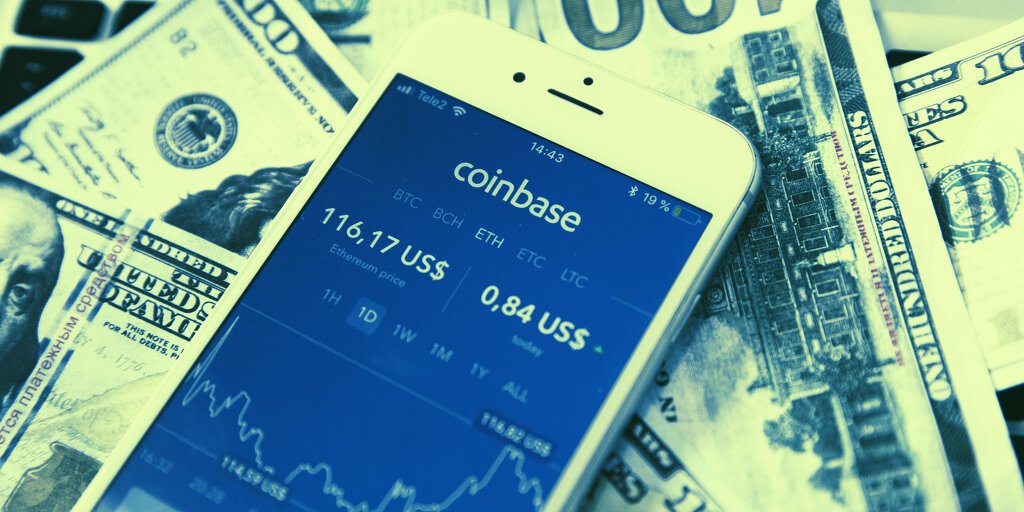
Coinbase, the leading cryptocurrency exchange platform, has announced a new feature for its retail customers outside the US: the ability to trade perpetual contracts. Perpetual contracts are a type of derivative product that allow traders to speculate on the price movements of cryptocurrencies without having to own or deliver the underlying asset. Unlike futures contracts, which have a fixed expiration date, perpetual contracts have no expiry and are settled on an ongoing basis.

Perpetual contracts offer several advantages for traders who want to gain exposure to the volatile crypto market. They can amplify their profits (or losses) by using leverage, which means borrowing funds from the exchange to increase their trading power. They can also benefit from price movements in both directions, by going long (buying) or short (selling) the contract. Additionally, they can avoid the hassle and risk of storing and transferring cryptocurrencies, as they only need to deposit and withdraw fiat currency or stablecoins.

Coinbase’s perpetual contracts are based on the Coinbase Index, which tracks the weighted average price of Bitcoin and Ethereum across multiple Coinbase markets. The contracts are denominated in USDC, a stablecoin pegged to the US dollar, and have a maximum leverage of 10x. Coinbase charges a funding rate every eight hours to keep the contract price aligned with the spot price, as well as a trading fee of 0.075% for makers and 0.25% for takers.

Coinbase’s launch of perpetual contracts is part of its broader strategy to expand its product offerings and reach new markets. The exchange already offers spot trading, margin trading, staking, lending, and custody services for its customers, as well as institutional-grade products and services for professional traders and investors. By adding perpetual contracts, Coinbase aims to compete with other platforms that already offer this feature, such as Binance, BitMEX, and FTX.

Coinbase’s perpetual contracts are currently available for retail customers in over 40 countries outside the US, including Canada, Mexico, Brazil, UK, Germany, France, Japan, Singapore, and Australia. The exchange plans to roll out this feature to more countries and regions in the future, as well as to add more cryptocurrencies to its index. Coinbase also intends to launch perpetual contracts for its US customers in the near future, pending regulatory approval.


Nigerian Government to Introduce “Green Surcharge” on Imported Vehicles to Boost Tax Revenues

0

The Nigerian federal government is set to implement a “green surcharge” on imported vehicles as part of its ambitious plan to increase tax revenues.

This move, revealed in the Medium Term Expenditure Framework (MTEF), has been introduced amidst growing concerns over the impact of multiple taxation on businesses in Nigeria.

The MTEF serves as a blueprint for the proposed N26 trillion 2024 budget, which has garnered significant attention due to its scale and scope. The green surcharge represents a pivotal element of the government’s strategy to generate approximately N2.6 trillion in net taxes through Nigerian Customs.

President Bola Tinubu, in August, expressed his commitment to reducing the country’s heavy reliance on borrowing to finance public spending by improving revenue generation through tax reforms.

The MTEF document outlines a total of 18 strategies aimed at enhancing Customs revenue collection between 2024 and 2026. Point XIII specifically focuses on the introduction of a green surcharge on imported vehicles, stating, “Introduction of green surcharge on imported vehicles and excise duty on gambling and lotteries, including online betting.”

While the specific details of this green surcharge remain somewhat unclear as the document does not provide a comprehensive explanation, earlier this year, the Buhari administration hinted at the introduction of additional taxes for imported vehicles. Consequently, the Federal Government had already implemented the Import Adjustment Tax (IAT) levy on motor vehicles, with a 2% rate applied to vehicles with 2-liter engines (ranging from 2000 cc to 3999 cc) and a 4% rate imposed on vehicles with engines exceeding 4 liters (4000 cc and above), effective from June 1, 2023.

Furthermore, starting from the same date, certain categories of vehicles were exempted from this levy. These included vehicles with engines below 2000cc, mass transit buses, electric vehicles, and locally manufactured vehicles.

In terms of significance, the government’s move to introduce a green surcharge on imported vehicles underscores its commitment to enhancing revenue generation and possibly encouraging more environmentally friendly transportation alternatives. However, this approach has faced criticism from business leaders who view it as an additional burden on already-choking businesses in Nigeria.

Critics have repeatedly called on the government to reduce the cost of governance, which consumes a significant portion of the nation’s revenue. Nigerian lawmakers, in particular, have faced scrutiny for allocating a substantial budget of N54 billion to purchase cars while the country grapples with revenue shortfalls and borrowing dependencies.

Notably, in the first quarter of 2023, Nigeria’s net earnings from crude oil and gas amounted to N486 billion, while net earnings from Solid Minerals were N1.99 billion. The N54 billion spent by lawmakers on cars accounted for 12% of the total government’s revenue in Q1, leading to concerns about the allocation of resources in light of the nation’s fiscal challenges.

Israelis can now Travel to the United States of America without a Visa

0

This marks a milestone in the long-standing friendship between Israel and the United States, as Israel becomes the 40th country to join the Visa Waiver Program (VWP). This means that Israeli citizens can now travel to the US for tourism or business purposes for up to 90 days without a visa, as long as they meet certain requirements.

The VWP is a mutually beneficial program that facilitates travel and trade between the US and its partner countries, while enhancing security and cooperation. Israel has been working for years to meet the criteria for admission to the VWP, such as implementing biometric passports, sharing information on security and criminal matters, and maintaining a low rate of visa refusal.

The Israeli embassy in Washington announced the news in a statement, saying: “We are delighted to inform you that as of today, following admission to the Visa Waiver Program, Israelis can travel to the US without a visa. This is a significant achievement that reflects the strength of the alliance and the close ties between our peoples.”

The statement also thanked the US administration, Congress, and various organizations for their support and efforts in making this happen. It also reminded travelers that they still need to obtain an electronic authorization (ESTA) before boarding a flight to the US, and that the VWP does not apply to those who intend to work, study, or stay longer than 90 days in the US.

The visa waiver is expected to boost tourism, business, and cultural exchange between the two countries, as well as reduce costs and bureaucracy for travelers. According to the US Department of Commerce, more than 1.1 million Israelis visited the US in 2019, spending over $3.8 billion. The US is also one of the most popular destinations for Israeli students, researchers, and entrepreneurs.

The visa waiver is also a sign of trust and appreciation for Israel’s role as a strategic partner and ally of the US in the Middle East. The two countries share common values, interests, and challenges, and cooperate on various fields such as defense, intelligence, technology, innovation, and health. The visa waiver will further enhance this cooperation and deepen the bonds between the two nations.

US Senate votes 97-0 to pass resolution in support of Israel.

In a rare display of bipartisan unity, the US Senate voted unanimously on Thursday to approve a resolution expressing its unwavering support for Israel’s right to defend itself against the rocket attacks from Hamas and other terrorist groups in Gaza. The resolution, which was introduced by Senators Bob Menendez (D-NJ) and Lindsey Graham (R-SC), also condemned the indiscriminate targeting of civilians by Hamas and reaffirmed the US commitment to the security of Israel as a Jewish and democratic state.

The resolution came amid a surge of violence in the Middle East that has claimed hundreds of lives and displaced tens of thousands of people. Israel has launched a military operation, dubbed Operation Guardian of the Walls, to stop the barrage of rockets that have been fired from Gaza since May 10. According to the Israeli Defense Forces, more than 4,000 rockets have been launched at Israel, killing 12 people and injuring hundreds more.

Israel has also carried out hundreds of airstrikes and artillery strikes on Gaza, targeting Hamas’s military infrastructure and operatives. The Palestinian Health Ministry in Gaza has reported that at least 230 people have been killed, including 65 children, and more than 1,700 have been wounded.

The Senate resolution expressed solidarity with the people of Israel, who have endured constant threats and attacks from Hamas and other terrorist groups for decades. It also recognized Israel’s efforts to avoid civilian casualties and limit collateral damage, while holding Hamas accountable for using human shields and exploiting civilian infrastructure for military purposes.

The resolution urged President Joe Biden and his administration to continue to work diplomatically with Israel and other regional partners to restore calm and prevent further escalation of the conflict. It also called for a sustainable solution that would address the underlying causes of the violence and ensure the dignity, security, and human rights of both Israelis and Palestinians.

The resolution was welcomed by several pro-Israel groups in the US, such as the American Israel Public Affairs Committee (AIPAC), the Anti-Defamation League (ADL), and the Jewish Federations of North America (JFNA). They praised the Senate for sending a clear message of support for Israel’s right to self-defense and for condemning Hamas’s terrorism. They also urged the House of Representatives to pass a similar resolution as soon as possible.

The resolution was also applauded by Israeli officials, who thanked the Senate for standing with Israel in its time of need. Prime Minister Benjamin Netanyahu expressed his gratitude to the Senate for its “resounding support” and said that Israel “will continue to do whatever it takes to restore peace and security to our people”.

Foreign Minister Gabi Ashkenazi said that the resolution was a “testament to the strength and depth” of the US-Israel alliance and that Israel “deeply appreciates” the bipartisan backing from Congress. Ambassador Gilad Erdan said that the resolution was a “powerful expression of friendship” and that Israel “values” the unwavering support from the American people.

MultiversX’s $EGLD, Google Cloud, US Treasury Dept, Holesky and Crypto News

0

MultiversX, a leading blockchain platform for creating and managing decentralized applications, has announced a strategic partnership with Google Cloud, one of the world’s largest cloud computing providers. This partnership will enable MultiversX to leverage Google Cloud’s infrastructure, expertise, and innovation to scale its network and offer its users a faster, more secure, and more reliable experience.

MultiversX is powered by $EGLD, a native token that serves as the fuel for the network and the medium of exchange for its ecosystem. $EGLD is designed to be scalable, interoperable, and adaptable to various use cases, such as gaming, DeFi, NFTs, and more. By partnering with Google Cloud, MultiversX will be able to access Google’s cutting-edge technology and resources, such as artificial intelligence, machine learning, data analytics, and cloud security.

The partnership will also benefit Google Cloud, as it will gain exposure to the rapidly growing blockchain industry and the diverse community of developers and users that MultiversX has built. Google Cloud will be able to offer its services and solutions to MultiversX’s partners and clients, as well as explore new opportunities and innovations in the blockchain space.

The partnership between MultiversX and Google Cloud is a milestone for both companies and the blockchain industry as a whole. It demonstrates the potential of blockchain technology to transform various sectors and domains, as well as the willingness of established players like Google to embrace and support this emerging technology. MultiversX and Google Cloud share a vision of creating a more open, inclusive, and efficient digital world, where anyone can access and benefit from decentralized applications.

The US Treasury Department has issued a statement urging regulators and law enforcement agencies to take action against crypto mixers, which are services that obscure the origin and destination of cryptocurrency transactions. The department claims that these mixers are used by terrorist groups and criminals to launder money and evade sanctions.

Crypto mixers, also known as tumblers or blenders, are platforms that shuffle cryptocurrency funds among multiple addresses, making it difficult to trace the source and destination of the funds. Some mixers also charge fees or commissions for their services, creating an additional layer of anonymity.

The Treasury Department argues that these mixers pose a threat to national security and financial stability, as they enable illicit actors to move funds across borders without detection or oversight. The department also warns that crypto mixers may violate anti-money laundering (AML) and counter-terrorism financing (CTF) regulations and expose users to legal risks and fraud.

The department calls on regulators and law enforcement agencies to enhance their monitoring and enforcement capabilities against crypto mixers, and to coordinate with international partners to combat this global challenge. The department also urges users of crypto mixers to exercise caution and due diligence, and to comply with relevant laws and regulations.

Holesky is a new testnet for Ethereum 2.0 that offers a better testing experience than Goerli, the previous testnet. Holesky has several advantages over Goerli, such as:

Higher stability and scalability: Holesky uses a different consensus mechanism than Goerli, which makes it more resilient to network disruptions and malicious attacks. Holesky can also handle more transactions and validators than Goerli, which reduces the risk of bottlenecks and delays.

More realistic simulation: Holesky mimics the mainnet more closely than Goerli, which means that developers and validators can test their applications and clients under more realistic conditions. Holesky also supports features that Goerli does not, such as sharding and proof-of-stake.

Easier access and participation: Holesky has a user-friendly explorer and faucet that allow users to easily monitor the network, request test ETH, and join the network as validators. The explorer and faucet are available at holesky.

Banana Gun, a decentralized finance (DeFi) project that aims to create a fair and transparent token distribution system, has discovered a critical bug in its smart contract code after launching its native token on the Ethereum network. The bug, which was reported by a security researcher on Twitter, could allow an attacker to mint unlimited tokens and drain the liquidity pool of the project.

The team behind Banana Gun has issued an official statement on their website, explaining the nature and impact of the bug, and apologizing to their community for the inconvenience. According to the statement, the bug was introduced during the final audit of the contract code, when a minor change was made to fix a warning from the compiler. The change inadvertently removed a modifier that checked the balance of the caller before minting new tokens.

The team claims that they were not aware of the bug until after the token launch, and that they acted swiftly to mitigate the damage. They have paused the contract and contacted the major exchanges and liquidity providers to blacklist the token and prevent further exploitation. They have also announced a plan to migrate to a new contract with a fixed code and airdrop new tokens to all the holders of the original token. The team assures that no funds have been lost or stolen as a result of the bug, and that they will compensate any users who suffered losses due to price fluctuations.

Banana Gun is one of the many DeFi projects that have emerged in recent months, offering innovative solutions for token distribution, governance, and yield farming. However, as the sector grows in popularity and complexity, so does the risk of bugs and exploits. Several DeFi projects have suffered from similar incidents in the past, highlighting the need for rigorous testing and auditing of smart contract code before deployment.

Canto plans migration to Ethereum as Layer 2 amid Balancer suffering DNS Attack

0

Canto, the decentralized music streaming platform, has announced its plans to migrate to Ethereum as a Layer 2 solution. This move will enable Canto to leverage the security, scalability and interoperability of the Ethereum network, while reducing gas fees and latency for its users and artists.

Canto is a platform that allows anyone to create, share and monetize music in a decentralized way. Canto aims to empower artists by giving them full control over their music rights, royalties and distribution. Canto also rewards listeners for discovering and curating new music, creating a vibrant and diverse musical ecosystem.

Canto currently operates on its own blockchain, which is based on the Cosmos SDK. However, as the platform grows and attracts more users and artists, Canto faces some challenges in terms of scalability, performance and compatibility. Canto’s blockchain has limited throughput and requires high gas fees for transactions, which can deter potential users and artists from joining the platform. Moreover, Canto’s blockchain is isolated from other blockchains, which limits its ability to interact with other decentralized applications and protocols.

To overcome these challenges, Canto has decided to migrate to Ethereum as a Layer 2 solution. Layer 2 solutions are protocols that run on top of the Ethereum mainnet, but use different consensus mechanisms and data structures to achieve higher scalability and lower costs. Layer 2 solutions inherit the security and decentralization of the Ethereum mainnet, but also offer faster transactions and lower fees.

Canto has chosen to use Optimistic Rollups as its Layer 2 solution. Optimistic Rollups are a type of Layer 2 solution that uses optimistic assumptions to validate transactions off-chain, while periodically publishing proofs on-chain. Optimistic Rollups can achieve up to 100x scalability improvement over the Ethereum mainnet, while maintaining full compatibility with Ethereum smart contracts and tools.

By migrating to Ethereum as a Layer 2 solution, Canto will be able to offer its users and artists a better user experience and more opportunities. Canto will be able to process more transactions per second, reduce gas fees and latency, and enable instant withdrawals. Canto will also be able to integrate with other Ethereum-based decentralized applications and protocols, such as decentralized exchanges, stablecoins, NFTs, DAOs and more. This will create more value for Canto’s platform and community, as well as for the broader Ethereum ecosystem.

Canto’s migration to Ethereum as a Layer 2 solution is expected to take place in Q1 2024. Canto will provide more details on the migration process and timeline in the coming weeks. Canto encourages its users and artists to stay tuned for updates and announcements on its website, blog, social media channels and Discord server.

Balancer Frontend hit by DNS Attack

Balancer, a decentralized finance (DeFi) platform that allows users to swap tokens and provide liquidity, was hit by a DNS attack on October 21, 2023. The attackers managed to hijack the domain name balancer.fi and redirect it to a phishing site that mimicked the Balancer frontend. The phishing site asked users to connect their wallets and approve transactions that would drain their funds.

The Balancer team quickly detected the attack and alerted the community via Twitter and Discord. They advised users not to visit balancer.fi or interact with any Balancer contracts until the issue was resolved. They also contacted the domain registrar and the DNS provider to regain control of the domain and restore the legitimate frontend.

The attack lasted for about two hours, during which some users reported losing funds to the phishing site. The Balancer team is working with security experts and law enforcement to track down the attackers and recover the stolen funds. They also promised to compensate the affected users and conduct a thorough audit of their security protocols.

The Balancer team apologized for the inconvenience and thanked the community for their support and vigilance. They assured users that their funds are safe in the Balancer smart contracts, which were not compromised by the attack. They also urged users to always verify the URL and the SSL certificate of any site they visit, and to use hardware wallets or other secure methods to interact with DeFi platforms.