DD
MM
YYYY

PAGES

DD
MM
YYYY

spot_img

PAGES

Home Blog Page 3680

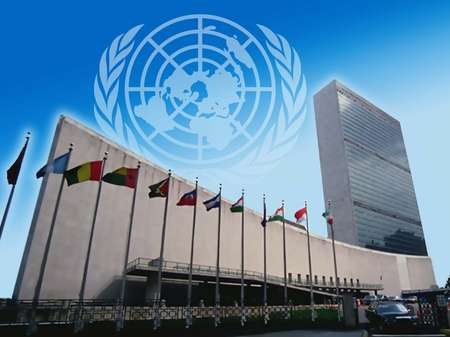
UN Launches an International Advisory Council Centered on The Governance of AI

0

The United Nations has established a global advisory committee focused on the governance of Artificial Intelligence (AI).

Launched by the UN Secretary-general Antonio Guterres, the AI advisory body held its first meeting on the 27th of October, which brought together experts from national governments, the private sector (including OpenAI’s CTO), researchers, and civil society to establish an interdisciplinary taskforce.

Speaking on the launch of an advisory body, António Guterres said that the council was necessary to mitigate and diminish the risk of AI and make it beneficial to humanity.

In his words,

For developing economies, Al offers the possibility of leapfrogging outdated technologies and bringing services directly to people who need them most. The transformative potential of AI for good is difficult even to grasp.

And without entering into a host of doomsday scenarios, it is already clear that the malicious use of AI could undermine trust in institutions, weaken social cohesion, and threaten democracy itself. For all these reasons, I have called for a global, multidisciplinary multistakeholder conversation on the governance of Al so that its benefits to humanity are maximized, and the risks contained and diminished.”

The UN has an opportunity to set globally agreed-upon rules of the road for monitoring and regulating AI. Just as the UN in July this year convened similar bodies to manage the use of AI for nuclear weapons, it has a unique role to play in coordinating the international response to AI.

It would be recalled that earlier this year the Center for AI Safety based in San Francisco released a statement saying that mitigating the risk of extinction from AI should be a global priority alongside other societal-scale risks such as nuclear war.

The statement was accompanied by signatories from some of the world’s leading AI companies which include Google’s DeepMind, Anthropic, ChatGPT developer open-AI, and several others, urging for the regulation of the AI sector while it is still in its early stages, to prevent it from wreaking havoc in future.

OpenAI CEO and maker of ChatGPT, Sam Altman said while speaking in a US Congress in May this year, said it is essential to develop regulations that incentivize AI safety while ensuring that people can access the technology’s many benefits. He further stated that it is essential that a technology as powerful as AI is developed with democratic values in mind.

Several other experts have stated that AI models should be mandated to pass certain safety tests, such as whether they could self-replicate and exfiltrate into the wild.

Notably, International governments are increasingly recognising the importance of regulating artificial intelligence (AI) to address the potential risks and ethical concerns associated with its rapid development.

In response to the recent rise of AI technologies, countries are collaborating to create comprehensive legal frameworks that prioritize safety and privacy as the topmost considerations. 

With the launch of an International Advisory Council Centered on The Governance of AI, the EU is closer to fully implementing an AI act that aims to ensure AI systems are safe, unbiased, and transparent and that the rights of people will be protected as the technology advances.
Why Nigerians Excel Worldwide

0

Africa, the cradle of humanity, and Nigeria have much in common. To get to Africa in all ramifications, one needs to understand Nigeria and Nigerians in some cases. In terms of African presence in other continents, there is no way one would not meet a Nigerian. Talking about productivity and significant contributions, Africans through Nigerians are always there. But beyond the shared heritage, there is a remarkable trend that transcends borders and continents: the resounding success of Nigerians around the world. Whether it’s in the field of business, academics, the arts, or science, Nigerians consistently shine, earning respect and admiration. The question that looms large is why Nigerians, wherever they go, tend to excel. What is it about their DNA that propels them to success?

A Culture of Tenacity: Nigerians are renowned for their unwavering determination and resilience. This cultural trait is deeply ingrained in their DNA. Growing up in a nation with its share of challenges, Nigerians learn to adapt and persevere from an early age. This ingrained tenacity becomes a driving force that propels them forward, no matter where they find themselves in the world.

Education as a Priority: Nigerians place a high value on education. The belief that education is the key to a brighter future is deeply entrenched in the culture. Parents, often making significant sacrifices, invest heavily in their children’s education. This focus on learning paves the way for Nigerians to excel in various fields, from medicine and engineering to the humanities and beyond.

A Global Perspective: Nigerians tend to have a global outlook. The country’s diversity and rich tapestry of ethnic groups and languages teach Nigerians to embrace different perspectives and appreciate the global nature of the world. This global perspective makes it easier for Nigerians to adapt and excel in international environments.

The Power of Diversity: Nigeria is a multi-ethnic and multicultural nation, which nurtures a unique ability to bridge cultural gaps. Nigerians are often multilingual, which enhances their ability to connect with people from various backgrounds. This diversity is a tremendous asset, enabling them to navigate the intricacies of different cultures and build bridges across communities.

Entrepreneurial Spirit: Nigerians have a remarkable entrepreneurial spirit. This drive to create opportunities, rather than just seek them, is a powerful force in their success. It’s not uncommon to find Nigerians starting businesses, innovating, and making a mark in the corporate world, not only in Africa but also on a global scale.

Resilience in the Face of Adversity: Nigerians have faced their fair share of challenges and adversities, from economic downturns to political instability. This resilience in the face of adversity has sculpted their character and given them the fortitude to push through hardships. This capacity to adapt to changing circumstances is an essential element of their DNA.

Diverse Skill Sets: Nigerians often possess a wide range of skills and talents. Whether it’s excelling in sports, music, or technology, Nigerians seem to have a natural ability to develop expertise across different domains. This multifaceted approach to life empowers them to explore diverse fields and excel in each.

Strong Community Bonds: Nigerians have strong community ties, both within their home country and within diaspora communities. This sense of belonging and mutual support fosters a sense of unity and the ability to network effectively. These bonds become critical in helping Nigerians succeed on the international stage.

Adaptability: The ability to adapt to different environments is another hallmark of Nigerians’ success. Be it a bustling metropolis or a quiet rural area, Nigerians can find their footing and thrive. This adaptability is a testament to their innate flexibility and resilience.

A Sense of Purpose: Nigerians often approach life with a profound sense of purpose. They are driven by a desire to succeed not only for personal gain but also to uplift their communities and families. This noble purpose is a powerful motivator that propels them toward success.

Nigerians have undoubtedly left an indelible mark on the global stage, and their success is no accident. It’s the culmination of a complex DNA forged in the crucible of diversity, tenacity, education, and an unwavering spirit. These elements converge to create a formula for achievement that transcends borders. The success of Nigerians is a testament to the fact that success knows no nationality and that with the right blend of determination, education, adaptability, and a global perspective, anyone can excel on the world stage.

So, when we ask why Nigerians excel wherever they go, it’s not just about their DNA; it’s about the remarkable qualities they embody and the culture that nurtures success. The rest of the world can certainly learn from this extraordinary phenomenon and be inspired to reach greater heights.

Politics, Economics and the Quest for Naira Stability

0

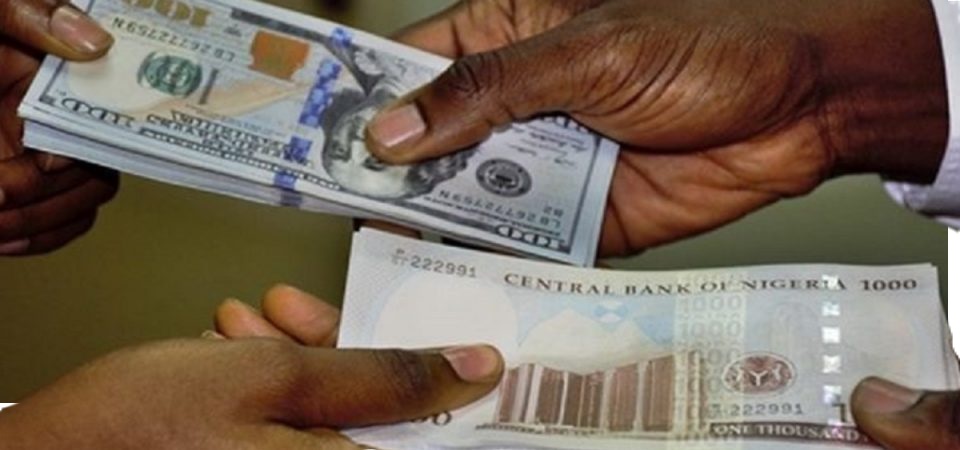
The Nigerian Naira, from the 1970s through the 1980s and up until October 28, 2023, has been caught in a perpetual dance with foreign currencies, notably the US dollar, euro, and pounds. This tumultuous journey has seen a continuous struggle to maintain its value. Government policies and initiatives aimed at strengthening the currency have come and gone, yet depreciation remains a persistent issue. When occasional appreciation occurs, doubts linger over its sustainability. The government’s finger often points at speculators. Still, public affairs analysts and other stakeholders assert that the root of the problem lies in the government’s inability to formulate and execute effective policies for long-term currency stability.

The Historical Landscape: The 1970s and 1980s marked a significant period in Nigeria’s economic history, the economic terrain of the time was marred by political instability, global oil price fluctuations, and mismanagement of resources. These factors sowed the seeds of a currency that would struggle to maintain its value for decades.

Government’s Struggle for Stability: Over the years, various administrations have attempted to rectify the Naira’s depreciating value. Measures such as foreign exchange controls, import bans, and currency pegs have been implemented. However, the effectiveness and longevity of these policies have been questionable. One recurring issue is a lack of consistency in policy implementation. Frequent changes in leadership and political instability have hindered the long-term effectiveness of these efforts.

The Blame Game: Governments have often resorted to blaming speculators for the Naira’s woes. While speculative activities do play a role in currency fluctuations, the real problem might be closer to home. The government’s policy pronouncements, often devoid of a clear, long-term vision, contribute to economic uncertainty. Inconsistencies in monetary and fiscal policies have made speculators more powerful, as they capitalize on policy vacillations.

A Call for Prudent Policies: Public affairs analysts and stakeholders argue that it’s not speculators but the government’s inadequacies that are at the core of the crisis. The lack of fiscal discipline, corruption, inadequate diversification of the economy, and poor infrastructure are significant factors impeding currency stability. To address these issues, the government must adopt prudent, long-term policies prioritising economic diversification, fiscal responsibility, and infrastructure development.

The Nigerian Naira’s enduring struggle against depreciation is a complex interplay of politics and economics. While it’s easy to point fingers at speculators, the government’s actions, or lack thereof, play a substantial role in this ongoing crisis. To truly address the Naira’s woes, Nigeria needs consistent, well-thought-out policies that focus on diversification, fiscal responsibility, and infrastructure development. Only through these measures can the Naira hope to regain and maintain its value in the turbulent waters of the global economy.

Beyond Working Long Hours

0

I do not teach working long hours; I preach for professionals to focus on how to earn more per hour, at personal level. In Tekedia Mini-MBA, in our Personal Economy module, I explain to young people that building enduring wealth does not come by working all the time, rather, by optimizing how to make more per hour. 

As a cybersecurity person, can another certificate add $15 per hour to your paycheck? As a healthcare professional, would a nursing license give you extra $30 per hour?

But if you just focus on working all the hours in the day,  it will become like being unborn tomorrow, but  perished yesterday!

I am not of the opinion that people should be encouraged to work all hours, considering that in most developing parts of the world, youth unemployment is HIGH. We can have two young people work 40 hours and still accomplish the mission, over just one person doing 70 hours (that is a personal decision of course).

I do not believe in super long hours. I consider that as a sign of inefficiency if work-effort is well optimized. As a lead designer, my team members who told me they returned on weekends to finish work consistently, did not make good impressions, when I knew the work assigned to them ought to have been completed within 40 hours in a week. As a supervisor and mentor, I invested efforts to see how they could finish their work without coming to office over the weekend. For one, a little planning was all that he needed.

I sleep early and I wake up fairly within the gaussian normal distribution space for most global citizens of We The People; I consistently improve my tactics and efficiency to get things done on time. Yes, I can contribute a lot but that does not require spending all the hours working!

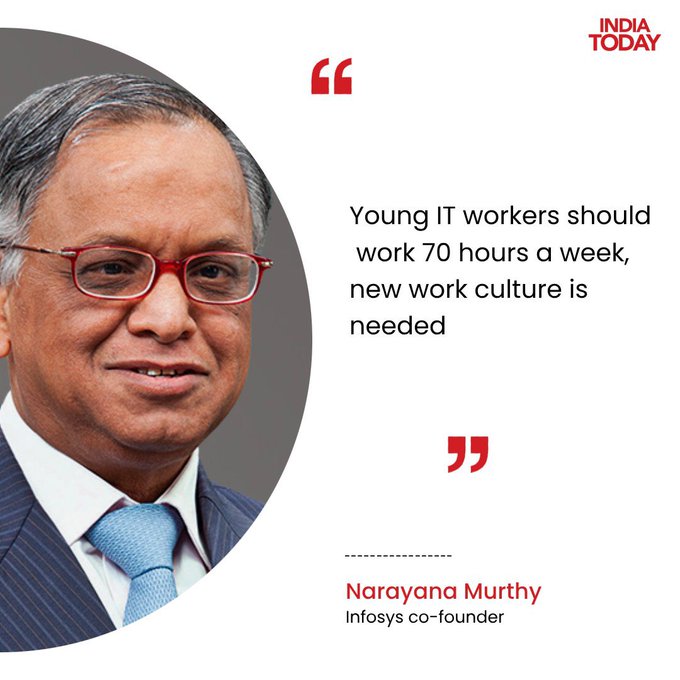
Personally, I do believe that the world should push and prepare people towards more efficiency over spending all the hours working! You do not need to work 70 hours in a week to be successful or productive, despite what a legendary billionaire posits.

Huawei Reports $62.4bn Revenue in Jan-Sept, Defying US Sanctions

0
Huawei Mate X

Chinese telecoms equipment maker Huawei Technologies announced that its revenue for the first nine months of the year reached 456.6 billion yuan ($62.4 billion), reflecting a 2.4% increase compared to the same period the previous year.

The company also stated that its net profit margin was 16%, without providing a comparison basis.

Ken Hu, Huawei’s rotating chairman, expressed his gratitude to customers and partners and reaffirmed the company’s commitment to increasing investment in research and development.

“Moving forward, we will continue to increase our investment in R&D to make the most of our business portfolio and take the competitiveness of our products and services to new heights,” Hu said.

Huawei has faced significant challenges since being placed on a U.S. blacklist by former President Donald Trump, which restricted the company’s ability to do business with U.S. firms. The move cut off Huawei’s access to U.S. processor chips and other technologies. Huawei has consistently denied allegations of being a security risk and maintains that it does not engage in spying for the Chinese government.

To counter the effects of U.S. sanctions, Huawei shifted its focus to helping companies, factories, and mines digitize their operations. The company has continued to invest heavily in research and development, with a significant portion of its revenue allocated to R&D. It has also invested in advanced technologies, including computer chips and autonomous driving.

In September, Huawei garnered attention when it launched its Mate 60 smartphone series in China. The high-end Mate 60 Pro smartphone featured a domestically-made advanced chip, signaling Huawei’s efforts to overcome U.S. sanctions. Chinese consumers responded positively to the Mate 60 phones, leading to a 37% increase in Huawei’s smartphone sales for the third quarter, while other brands experienced declining sales growth.

Huawei recently opened a health lab in Helsinki, Finland, as part of its commitment to advancing research in health monitoring algorithms for wearable technologies.

The recent profit indicates that the telecom giant has significantly defied the U.S. ban, and is on a path to becoming fully self-sufficient.

Kenya Government Partners with Huawei for ICT Infrastructure Development

The government of Kenya has announced a strategic partnership with Huawei, a global leader in information and communication technology (ICT), to accelerate the development and digitization of the country’s ICT infrastructure. The partnership aims to enhance connectivity, improve public services, and create more opportunities for innovation and economic growth.

According to a press release from the Ministry of ICT, Innovation and Youth Affairs, the partnership will focus on four key areas: broadband network expansion, smart city solutions, digital skills training, and e-government services. The partnership will also support the implementation of the Digital Economy Blueprint, which was launched by President Uhuru Kenyatta in 2019.

Huawei has been a long-term partner of Kenya in the ICT sector, having worked with various government agencies and private sector players to deploy cutting-edge technologies such as 4G, 5G, cloud computing, artificial intelligence, and Internet of Things. Huawei has also invested in several corporate social responsibility initiatives, such as the Seeds for the Future program, which provides ICT training and scholarships to young Kenyans.

However, the partnership also faces some challenges and risks that need to be addressed. For instance, some critics have raised concerns about Huawei’s involvement in Kenya’s national security and data privacy, especially in light of the US sanctions and allegations of espionage against the Chinese company.

For instance, some critics have raised concerns about Huawei’s involvement in Kenya’s national security and data privacy, especially in light of the US sanctions and allegations of espionage against the Chinese company. According to the US Department of Justice, Huawei has been accused of racketeering and trade secret theft, as well as evading US rules on doing business with Iran and North Korea. Prosecutors also said Huawei offered bonuses to staff who obtained confidential information from its competitors.

Moreover, the partnership will require substantial investments and coordination from both sides, which may pose financial and operational difficulties in the midst of the COVID-19 pandemic. Therefore, it is important that the partnership is based on mutual trust, transparency, and accountability, and that it adheres to the highest standards of quality and security.

Huawei has denied any wrongdoing and has challenged the US government to provide evidence for its accusations. The company has also stated that it is working on addressing the security concerns across the globe by engaging with regulators and stakeholders. Huawei has claimed that it follows a strict code of business ethics and complies with all applicable laws and regulations in the countries where it operates.

Huawei has also argued that it is a victim of unfair competition and political pressure from the US government. The company has expressed its willingness to cooperate with any independent verification or audit of its products and services.

The partnership between Kenya and Huawei is expected to bring significant benefits to both parties, as well as to the citizens and businesses of Kenya. By leveraging Huawei’s global expertise and experience, Kenya will be able to build a more resilient and inclusive digital economy that can drive social and economic development. Huawei, on the other hand, will be able to expand its market presence and showcase its innovative solutions in one of the most dynamic and promising regions in Africa.