DD
MM
YYYY

PAGES

DD
MM
YYYY

spot_img

PAGES

Home Blog Page 3682

Why Nigeria Must Value Its PhD Holders

0
University Graduation Cap with Scroll Icon Student Education Symbol Isolated Realistic Design Vector Illustration

In a recent piece by our analyst, discussing the role of a PhD holder in a care worker position, a reader’s comment underscored a prevailing issue in Nigeria— the lack of appreciation for hard work and merit, especially among highly educated individuals. This is a tale all too familiar for many PhD holders in Nigeria, a country where the pursuit of academic excellence often seems at odds with the economic and societal reality. The story shared by the reader, who had the rare opportunity to serve as a volunteer lecturer in an African country after obtaining a PhD, is a stark reminder of the challenges facing intellectual capital in Nigeria.

The Struggle for Recognition

Nigeria is a nation with abundant potential, but its failure to harness the value of PhD holders in various sectors is a detriment to the country’s growth and development. The reader’s story epitomizes the struggle that many PhD holders face when they return to their home country after gaining international experience and exposure. Often, they find themselves underutilized and undervalued, forced into roles that do not align with their expertise.

The reader’s experience at the Lagos State Universal Basic Education Board (SUBEB) headquarters is a heartbreaking example of this problem. Despite their distinguished academic achievement, their efforts to secure a position related to their field of study were met with indifference. This not only underutilizes their potential but also results in immense frustration, hampering their motivation and morale.

The Value of PhD Holders in the Nigerian Economy

PhD holders represent an invaluable asset for any country. They are the torchbearers of knowledge, innovation, and progress. In Nigeria, where education should be a cornerstone of development, it is essential to tap into this intellectual wealth. Here are a few key reasons why Nigeria must place a higher value on its PhD holders:

  1. Research and Innovation: PhD holders are research experts, capable of conducting groundbreaking studies and driving innovation in various fields. Their expertise is crucial for addressing local and global challenges, such as healthcare, technology, and environmental sustainability.
  2. Education: These individuals are not only well-versed in their respective disciplines but are also equipped to inspire and educate the next generation of scholars. Their contributions to the educational system can significantly elevate the quality of teaching and learning in the country.
  3. Problem Solvers: PhD holders are problem solvers by nature. Their analytical skills and deep understanding of their subjects enable them to address complex issues facing Nigeria, from economic development to public health.
  4. Global Competitiveness: By recognizing the worth of PhD holders and creating opportunities for them, Nigeria can retain its intellectual capital and even attract skilled professionals from the diaspora. This will enhance the nation’s competitiveness on the global stage.

Building a Merit-Based Society

To truly harness the potential of PhD holders in Nigeria, it is imperative to transform the current system. The government, in particular, must prioritize merit over political connections when making appointments and decisions. It is essential to create an environment where individuals are recognized and rewarded for their qualifications, achievements, and hard work.

The reader’s personal story serves as a poignant example of the challenges that many highly educated Nigerians face upon returning home. Their underutilization and frustration are indicative of a systemic issue that must be addressed. Nigeria must recognize and value the contributions of PhD holders, for they hold the key to the country’s progress and prosperity. By doing so, Nigeria can unlock its hidden potential and build a merit-based society that rewards intellect and dedication, ultimately leading to a brighter future for all.

Nigerian Health-tech Startup Wellahealth Expands to Kenya

0

WellaHealth, a Nigerian health-tech startup that provides affordable and accessible high-quality coverage, has expanded its subsidiary Healthsend Africa to Kenya.

The startup revealed that it expanded Healthsend Africa to Kenya due to the strong ties it has with the East African country, noting that a significant amount of people in the country have healthcare challenges, hence the need to provide them with quality healthcare services.

Speaking on the startup expansion to Kenya Wellahealth CEO Dr. Neto Ikpeme said,

I am excited to announce that we are launching our Healthsend product in Kenya. This is a testament to our commitment to bring healthcare to the doorsteps of every African. I built this product to solve the problem of accessing quality medicine and care for my family.

“I am glad to extend this to many families abroad with families back home in Kenya and the rest of Africa. We have willing partners helping us make it easier to serve the loved ones of Kenyans living in the diaspora. After our launch in Nigeria, some Kenyans living abroad kept asking when we would launch in the country. We are now delighted to go live in Kenya to serve them”.

Healthsend Africa by Wellahealth services encompasses the procurement of authentic medications for chronic illnesses for now. Other services provided by Healthsend Africa include the arrangement of doctor appointments, access to health insurance products, and the remote monitoring of health conditions.

Additionally, the platform streamlines the process of transferring funds to cover medical expenses, guaranteeing complete transparency in fund utilization.

The expansion of Healthsend by Wellahealth into Kenya, comes after a successful launch in Nigeria, where the platform has garnered a significant number of users and had been lauded for its innovation and impact.

The expansion plan also marks a significant milestone for Wellahealth, as the company continues to provide much-needed solutions to the challenges faced by both patients and healthcare providers in the African continent, whilst empowering individuals with the ability to confidently manage the health of their loved ones, no matter where they are in the world.

The move also aligns with Wellahealth’s mission to improve healthcare accessibility, affordability, and quality across Africa.

Wellahealth has reliable health care coverage in all 36 states of Nigeria. The startup is currently in over 1,000 pharmacies nationwide and users can access care in the closest pharmacy to them.

The startup basic plan includes malaria tests and drugs prescription, health checks, telemedicine, diet plans, and weekly health tips.

Wellahealth claim process is fast and easy to use. The company prioritizes users’ comfort which is why it has made sure that they can access health care services in less than 15 minutes.

CBN Accuses Banks, Traders For Sabotaging Government Efforts to Mitigate the Fall of Naira

0

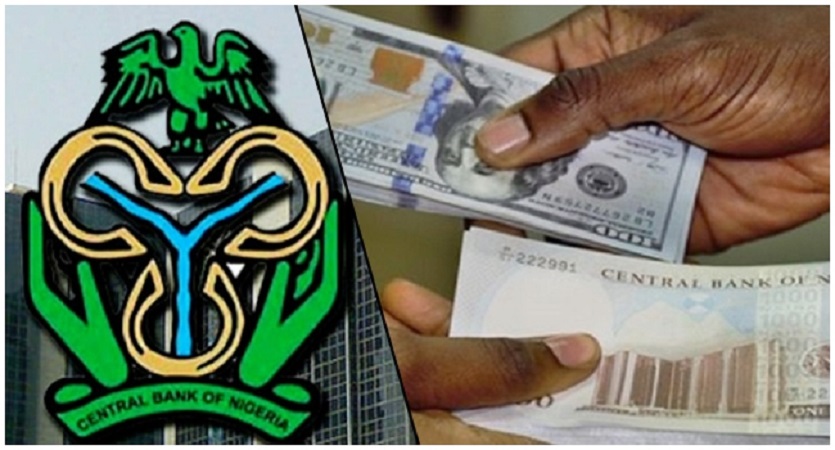
The Central Bank of Nigeria (CBN) has accused banks and black-market traders in the country of sabotaging the government effort in preventing the continuous fall of the Naira.

Due to this, the Apex bank is reportedly planning a new set of sanctions targeted at banks and black market traders in the country.

Reports reveal that the CBN intends to probe Deposit Money Banks for hoarding foreign exchange and engaging in round-tripping.

The statement reads,

Government through the CBN, plans to probe bank hoarding and roundtripping with heavy sanctions awaiting defaulters. This is because the apex bank believed hoarders banks and black parallel operators are responsible for the artificial scarcity that is driving up forex rates. Government plans through the CBN, is to address the issues of speculation comprehensively and through heavy sanctions.”

The report claimed that some banks in the country are speculating, purchasing from the official window and selling for profit in parallel markets, which has led to the continuous fall of the naira against the dollar.

Also, BDC operators have accused Banks of hoarding dollars and selling at a higher rate to make huge profits. Another source in the CBN added that speculators are storing piles of dollars with plans to trade for massive profits in future deals.

As the naira continues to depreciate against the dollar, the CBN warning is not the first time it has issued such, after it repeatedly did so in March and August this year, threatening to sanction commercial banks engaging in illegal sales of foreign exchange. 

This is coming on the heels of the crash of the naira to over N1,200/$1 at the parallel market, as forex scarcity worsens and allegations that the deposit money banks are diverting most of their forex to the unofficial foreign exchange market rather than selling to their customers. 

Meanwhile, in order to mitigate the helpless fall of the naira, reports reveal that Nigeria is expected to receive an anticipated $10 billion of inflows in the coming weeks, providing much-needed relief to a liquidity squeeze that has been adversely affecting the naira.

This was affirmed by Nigeria’s finance Minister Wale Edun while speaking at the Nigerian Economic Summit in Abuja. This substantial inflow is expected to play a significant role in bolstering Nigeria’s economic stability and alleviating the pressures on the national currency.

Meanwhile, the alarming depreciation of the Naira has cast a shadow of uncertainty over the nation’s economic stability.

The repercussions of the currency depreciation are far-reaching, as it affects businesses and citizens grappling with rising prices of goods and services, as well as economic uncertainty. 

The Ever Diminishing Truth in the Content we Consume

0

A building in rubble, and an accompanying narrative of genocidal hopelessness.

This was the pictorial support of an article related to the current middle eastern conflict, and was provided by a well established and respected anchor of US Journalism for several hundreds of years.

However, since the publication of that article, several other articles have come out to counter it, claiming that the photo had been taken at a completely different location, and several days earlier.

When it comes to highly emotive issues, whether they be armed conflicts, pandemics perceived to have been mishandled, tales of historic oppression, or candidate bashing amidst electoral fever, an army of content appears ready to soak into anybody it perceives as a rhetoric sponge.

Now with the skills of Generative AI, everything has been turned upon its head.

It used to be the case, barely one century ago, 80% of anything printed, was accurate enough to be believed. A century earlier still, a well crafted hand written letter, with a wax seal on it, was, in of its very nature, believed to be true irrespective of origin.

In an age when an aristocrat only had a level of educational understanding that a secondary school leaver has today, those privileged enough to have a basic education, simply valued the repute that came with it, and avoided placing mistruths in communiques that might put it at risk.

Meanwhile, back to the present, and an Australian service veteran of the war in Afghanistan has been exonerated after a major network’s reporter portrayed a sources’ recorded statement incorrectly, placing the veteran in a ‘frame’ through some wild conjectures, and unsafe assumptions.

An award was made to Heston Russell of $390,000 and the network issued an apology.

There used to be a saying: ‘I wouldn’t believe it, until I see it with my own eyes’…

Well it seems now, trusting our senses has to be done in reverse order, and our eyes can be the biggest liars, or, to be more precise, they are the easiest sense to be cleverly manipulated.

One of the favourite means of spreading falsehoods, especially when they are emotively charged, is to port content, particularly visual content, from one platform to another, so chain of custody isn’t preserved, and end-viewer has no means of validating the source.

This crime is frequently committed by porting unverifiable content to LinkedIn from either Tik Tok or X.

I now block post authors that frequently do this. Very little of the content from those platforms is helpful to the aims of 9ja Cosmos anyway.

As I am writing this, new content is disrupting me, telling me that Vladimir Putin has suffered cardiac arrest, and is on some kind of life support, while a double is carrying out his official duties, including having a phone conversation with Brazilian president Luiz Inácio Lula da Silva and meeting Kazbek Kokov, head of the Kabardino-Balkarian Republic.

Some of this stuff, you just couldn’t make up. I will have to wait for corroborating evidence from independent sources.

The world of blockchain and Web 3 has been nowhere near immune from the phenomenon.

A spotlight has been shone on the world of web3 since the demise of Sam Bankman Fried who can’t even consistently tell the same lies to his own lawyers.

The information inferno from Fake News is real.

Cas Piancey of Protos reporting on the blatantly fraudulent reporting of Cointelegraph:

‘A couple of days ago crypto news outlet Cointelegraph put out a tweet that stated, “BREAKING: SEC APPROVES ISHARES BITCOIN SPOT ETF.” It followed this, 23 minutes later, with a slightly amended version that read, “BREAKING: SEC APPROVES ISHARES BITCOIN SPOT ETF, REPORTEDLY.”

What it failed to point out was that the “REPORTEDLY” part was reported by Cointelegraph.

The call was coming from inside the house.

Nine minutes after this, Cointelegraph reached out to BlackRock, confirmed that the Bitcoin ETF hadn’t been approved, and deleted the tweet.

One hour and one minute after the initial ETF message, Cointelegraph posted a tweet apologizing for the dissemination of inaccurate information and stated that an investigation was beginning.’

This isn’t the first rodeo on misleading content by Cointelegraph either.

Following the demise of the W3DA which 9ja Cosmos abandoned interest in last year, an article by Judith BannermanQuist claims it as an authority on Web 3 Domains and with 50+ members.

The reality is none of those represented are in the business of making Web 3 Top Level Domains available.

Web 3 top level domains have many use cases, of which, acting as a secondary domain generator is only one.

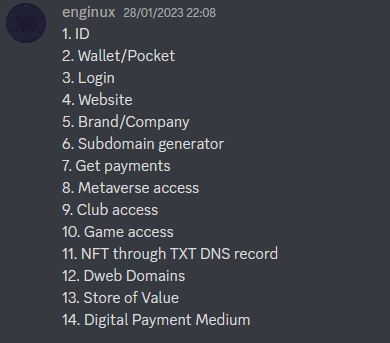
Top Web 3 Domain Guru ‘EngineUX’ who inhabits Discord and X, lists some of the many use cases of Web 3 top level domains.

It appears the list is merely one operator whose activities are solely confined to using a Web 3 TLD as a Secondary Domain Generator. The others mentioned appear to be service partners to the owners of these generated secondary domains.

There are no Web 3 Top Level Domain ecosystems in the group at all.

The largest Web 3 TLD ecosystem is the Handshake ecosystem, which has surpassed the issuance of 12 Million TLDs.

Be careful out there… eating Fake News can give you data indigestion, which can lead to ulceration of your perception of reality!

9ja Cosmos is here… 

Get your .9jacom and .9javerse Web 3 domains  for $2 at:

.9jacom Domains

.9javerse Domains

Visit 9ja Cosmos

Follow us on LinkedIn HERE


All reference sites accessed between 24/10/2023

msn.com/en-gb/news/world/vladimir-putin-in-intensive-care-as-body-double-meets-brazil-leader-claims-telegram/

protos.com/cointelegraph-screwed-up-lets-talk-about-verifying-news/

nytimes.com/2023/10/17/world/middleeast/gaza-hospital-explosion-israel.html

voxmagazine.com/true-false/2013/reviews/panel-recap-every-cut-is-a-lie-editing-the-truth/article_525dcc23-dd20-51eb-8b65-56caaf9ad2ba.html

2gb.com/exclusive-abc-war-crime-witness-apologises-to-heston-russell/

fstoppers.com/opinion/when-your-photographic-edits-become-lie-640222

cointelegraph.com/news/web3-domain-alliance-expands-with-51-new-members


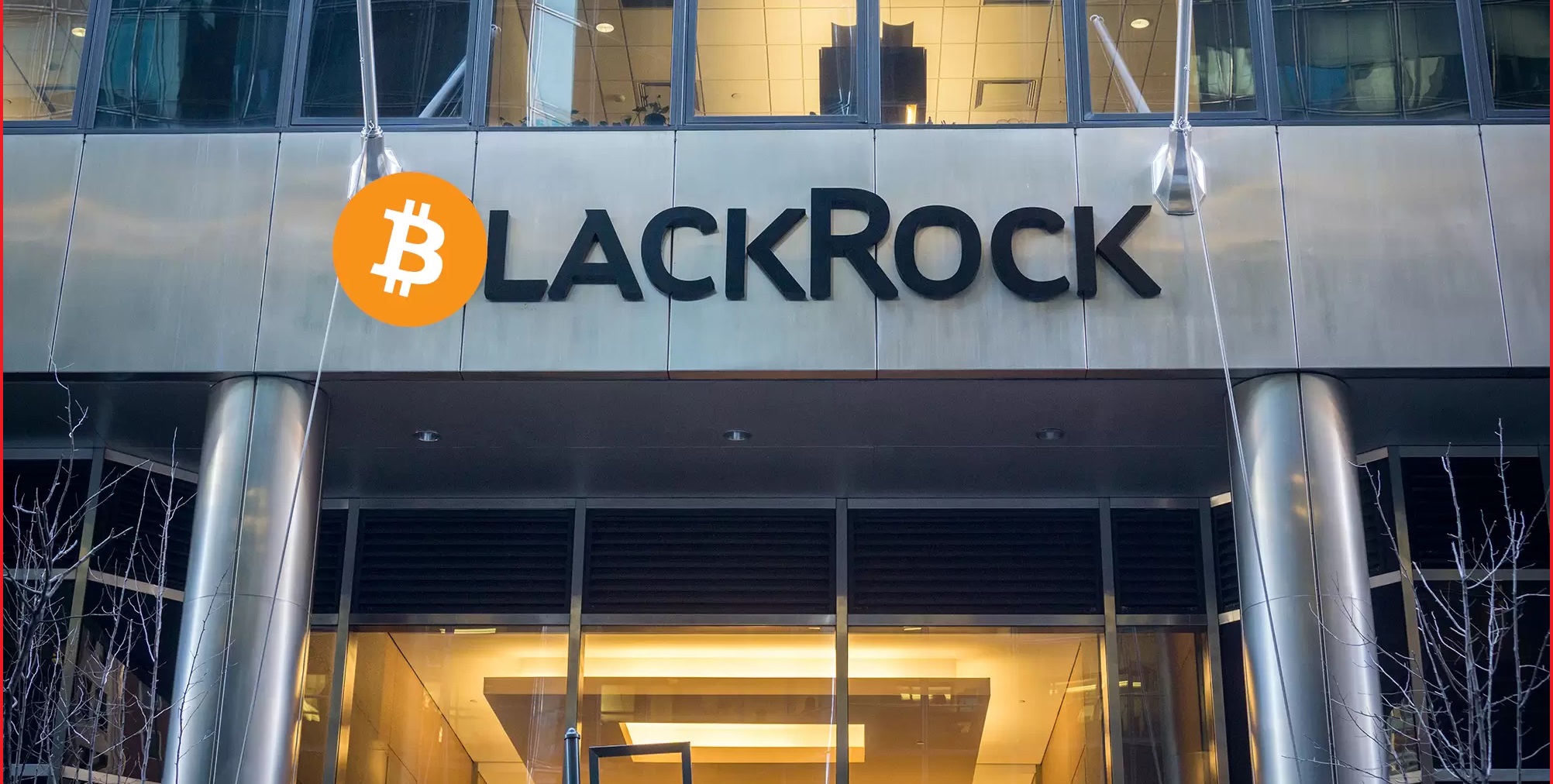
BlackRock’s Spot Bitcoin ETF ‘IBTC’ now listed on Nasdaq, VanEck to donate 10% ETF profit to Protocol Guild

0

BlackRock, the world’s largest asset manager, has launched a spot Bitcoin exchange-traded fund (ETF) that is now listed on Nasdaq, the second-largest stock exchange in the world by market capitalization. The fund, called BlackRock Bitcoin Trust (BBT), allows investors to gain exposure to the price of Bitcoin without having to buy, store, or manage the cryptocurrency themselves.

The BBT is different from other Bitcoin ETFs that have been approved by the U.S. Securities and Exchange Commission (SEC) in recent months, such as ProShares Bitcoin Strategy ETF and VanEck Bitcoin Strategy ETF, which are based on Bitcoin futures contracts traded on the Chicago Mercantile Exchange (CME). The BBT is a spot ETF, meaning that it holds actual Bitcoin in custody and tracks its market price directly. This eliminates the need for futures contracts, which can introduce additional costs and risks for investors.

The BBT is also the first Bitcoin ETF to be listed on Nasdaq, which is a major milestone for the cryptocurrency industry. Nasdaq is one of the most influential and innovative stock exchanges in the world, with a reputation for supporting technology and innovation. By listing the BBT on Nasdaq, BlackRock is signaling its confidence in the legitimacy and potential of Bitcoin as an asset class.

The BBT is expected to attract significant demand from institutional and retail investors who want to access the Bitcoin market in a convenient and regulated way. The BBT has a management fee of 0.95%, which is lower than some of the existing Bitcoin ETFs that charge up to 1.5%. The BBT also benefits from BlackRock’s expertise and reputation as a leading asset manager with over $9 trillion in assets under management.

The launch of the BBT is a positive development for the Bitcoin ecosystem, as it increases the liquidity, accessibility, and adoption of the cryptocurrency. It also demonstrates the growing acceptance and recognition of Bitcoin by mainstream financial institutions and regulators. The BBT could pave the way for more spot Bitcoin ETFs to be approved and listed on other major stock exchanges around the world, creating more opportunities for investors to participate in the Bitcoin revolution.

BLACKROCK IS BUYING BITCOIN AND PREPPING FOR SPOT ETF APPROVAL

BlackRock is moving closer to launching a Bitcoin ETF, evidenced by its iShares Bitcoin Trust appearing on the Depository Trust and Clearing Corporation (DTCC) website. The listing of the fund, which goes by the ticker IBTC, makes it the first proposed spot Bitcoin ETF on DTCC, a financial market giant that handles trillions of dollars in daily transactions.

This listing comes after BlackRock amended its original Bitcoin ETF proposal on October 18. Scott Johnsson, an associate at Davis Polk & Wardwell, pointed out that the amended filing included a CUSIP—a unique identifier necessary for North American securities. The filing also vaguely mentioned that seed creation baskets for the ETF would be purchased in October, subject to certain conditions. That means that Bitcoin is BUYING BITCOIN?? although it may be in small amounts.

The developments at BlackRock are part of a larger trend, as other investment firms like Ark Invest and 21Shares have also updated their Bitcoin ETF applications recently. Ark Invest’s amendments followed discussions with the SEC, further indicating regulatory conversations are taking place. Grayscale is also progressing, registering shares of its existing Bitcoin Trust under the Securities Act of 1933, aiming to eventually convert it into an ETF.

Analysts and legal experts view these developments as signs that the approval of Bitcoin ETFs could be imminent, with BlackRock’s moves seen as particularly bullish. This optimism comes amidst a backdrop of legal developments, like the DC Circuit Court’s recent ruling that criticized the SEC’s rejection of Grayscale’s ETF conversion as “arbitrary and capricious.” The market appears to be responding positively; Bitcoin’s price rose by 10% in the last 24 hours, standing at roughly $34,600 as of press time.

VanEck to donate 10% ETF profit to Protocol Guild

VanEck, one of the leading providers of exchange-traded funds (ETFs) in the US, has announced a new initiative to support the development of decentralized protocols. The company will donate 10% of its net profit from its digital asset’s ETFs to Protocol Guild, a non-profit organization that funds open-source projects in the blockchain space.

According to a press release, VanEck believes that the future of finance is being built on decentralized protocols that offer transparency, efficiency and innovation. The company wants to contribute to this vision by supporting the developers and researchers who are creating these protocols.

Protocol Guild is a community-driven organization that aims to foster the growth and adoption of decentralized protocols. The organization provides grants, mentorship and education to open-source projects that are aligned with its mission. Some of the projects that Protocol Guild has supported include Uniswap, Compound, Aave, MakerDAO and Chainlink.

VanEck’s donation will be based on the net profit from its digital assets ETFs, which include the VanEck Vectors Digital Assets Equity ETF (DAPP) and the VanEck Vectors Bitcoin ETN (VBTC). The donation will be calculated quarterly and distributed to Protocol Guild in the form of cryptocurrencies.

Jan van Eck, CEO of VanEck, said: “We are excited to partner with Protocol Guild and support the development of decentralized protocols. We believe that these protocols have the potential to transform the financial system and create value for investors and society. By donating a portion of our profit from our digital assets ETFs, we hope to contribute to this ecosystem and foster its growth.”

Founder of Protocol Guild said: “We are grateful to VanEck for their generous donation and their commitment to decentralized protocols. We are impressed by their vision and leadership in the digital assets space. Their donation will help us fund more open-source projects and accelerate the adoption of decentralized protocols.”

Novogratz thinks bitcoin ETFs will be approved this year.

One of the most prominent figures in the cryptocurrency industry, Mike Novogratz, has expressed his optimism that the US Securities and Exchange Commission (SEC) will finally approve bitcoin exchange-traded funds (ETFs) this year. Novogratz, who is the founder and CEO of Galaxy Digital, a crypto-focused investment firm, shared his views in an interview with Bloomberg TV on October 22.

Novogratz said that he believes the SEC is under pressure to greenlight bitcoin ETFs, as more and more institutional investors are showing interest in the digital asset class. He also pointed out that Canada and other countries have already launched successful bitcoin ETFs, which could serve as a model for the US regulators.

“I think the SEC is feeling the heat. They’re seeing that this is a real asset class, that institutions want access to it, that there’s a lot of innovation happening around it,” Novogratz said. “And they’re seeing that the rest of the world has moved ahead of them.”

Novogratz added that he expects the SEC to approve bitcoin futures ETFs first, as they are based on regulated contracts traded on the Chicago Mercantile Exchange (CME). He said that these products would be a “big step forward” for the crypto industry, as they would provide more liquidity and price discovery for bitcoin. He also predicted that the SEC would eventually approve bitcoin spot ETFs, which would track the actual price of bitcoin on spot exchanges.

“I think we’ll get futures ETFs first, and then we’ll get spot ETFs. And I think both of those will be very, very bullish for the space,” Novogratz said.

Novogratz is not alone in his bullish outlook for bitcoin ETFs. Several analysts and experts have also expressed their confidence that the SEC will approve bitcoin ETFs in the near future, citing the growing demand and maturity of the crypto market.

Some of the factors that could influence the SEC’s decision include the appointment of Gary Gensler as the new SEC chairman, who is known to be more knowledgeable and open-minded about crypto than his predecessors; the launch of several crypto-related products by mainstream financial institutions, such as Morgan Stanley, Goldman Sachs, and Fidelity; and the increasing adoption of bitcoin by corporations, such as Tesla, MicroStrategy, and Square.

Bitcoin ETFs are seen as a game-changer for the crypto industry, as they would lower the barriers to entry and increase the exposure of bitcoin to a wider range of investors, especially those who are reluctant or unable to buy and store bitcoin directly. Bitcoin ETFs would also provide more legitimacy and credibility to bitcoin as a legitimate asset class, which could boost its price and adoption.