DD
MM
YYYY

PAGES

DD
MM
YYYY

spot_img

PAGES

Home Blog Page 3684

As Nigeria Imports $10B to Fight for Naira, I Suggest This Constitutional Modification To Fix Nigeria’s Real Challenges

2

Forex players, there is a warning shot in the land: “Nigeria is poised to receive an anticipated $10 billion of inflows in the coming weeks, providing much-needed relief to a liquidity squeeze that has been adversely affecting the naira. Finance Minister Wale Edun affirmed at the Nigerian Economic Summit in Abuja that the government has a clear perspective on the imminent influx of funds.”

Sure, Nigeria has tools which can bring Naira back to sub-N800/$ provided there is TRUST in the system. (The black market rate now is above N1,200/$). And the government can actually get Naira back to whatever number it wants with the US dollars. The real challenge is a long-term playbook. Yes, how do you keep Naira stable over a long-term view via endogenous policies which support Naira from inside to outside.

I posit that the government will likely have a forward contract with JP Morgan Chase, Goldman Sachs, etc to give it $10 billion, with crude oil revenue used as the securities. If that happens, for a few months, oil sales will be used to pay the loan. Strategically, the real solution cannot come from this stop-gap which Buhari also used because crude oil will NEVER offer any long-term competitive stabilization of Naira; only local and indigenous productivity will do.

I call the government to do one thing: when this $10b arrives, instead of fighting for Naira directly in the capital market, use $5 billion to make sure Nigerian cities and factories have electricity with the Constitution modified  in such a way that if Nigeria does not have at least 80% electricity adequacy yearly, the incumbent president and members of National Assembly will be disqualified for future elections. Lol.

Nigeria to Receive $10bn of Inflow in Coming Weeks to Tackle FX Crisis

0

Nigeria is poised to receive an anticipated $10 billion of inflows in the coming weeks, providing much-needed relief to a liquidity squeeze that has been adversely affecting the naira.

Finance Minister Wale Edun affirmed at the Nigerian Economic Summit in Abuja that the government has a clear perspective on the imminent influx of funds. He emphasized that this injection of liquidity is anticipated to occur in the near term [weeks], rather than being drawn out over a longer period.

This substantial inflow is expected to play a significant role in bolstering Nigeria’s economic stability and alleviating the pressures on the national currency.

The measures will add to other steps being taken by the government to boost foreign-exchange liquidity, including improving market transparency and allowing domestic entities to issue foreign-exchange instruments, he said.

The naira has abysmally fallen to N1,200 per dollar in the parallel market, compounding the country’s economic crisis as it fuels inflation. The latest Consumer Price Index (CPI) report by the Nigerian Bureau of Statistics (NBS) noted that inflation has risen to 26.72% as of September.

Against this backdrop, the government is desperately looking for ways to take pressure off the naira. Last month, Nigeria’s Finance Minister, Adebayo Olawale Edun, attributed the naira’s abysmal decline to the approximately $6.8 billion in overdue forward payments in the foreign exchange market, emphasizing that addressing this issue is crucial for the stabilization of the local currency.

The solution to this problem is largely tied to increased FX inflow to Nigeria. “The issue we have now is that the market is not liquid enough. We are committed to encouraging liquidity based on reforms that have been made at the moment, on the fiscal side and the monetary side. And together with the restoration of trust and confidence, we think the FX flows will return,” Edun said last month.

Other efforts by the government to boost FX inflow, such as the $3bn emergency loan the Nigerian National Petroleum Company Limited (NNPCL) secured from Afreximbank, are yet to yield the needed results.

However, some analysts have lauded the government’s move to boost FX liquidity with the $10 billion inflow. Financial analyst, Kelvin Emmanuel said resource-backed loans from Goldman Sachs can be classified as securities lending.

“Goldman Sachs is an external asset manager to the CBN, so using NNPC’s account that CBN manages with Goldman as an unsecured credit line to tap $10bn for the purposes of clearing outstanding forwards and stabilizing the exchange rate back to the 800 range is plausible,” he said.

“This means that Goldman Sachs will net off gas revenues from WAGPCO and NLNG over an extended period to repay back.”

This approach, which involves an upfront cash loan against proceeds from a limited amount of future crude oil production, was used by the NNPCL to secure the $3 billion emergency loan from Afreximbank.

Although there are concerns that it will impact Nigeria’s future revenue from crude oil sales, the strategy appears to be the only viable option for now.

Why a PhD Holder Should Not Settle for a Care Worker Role

48

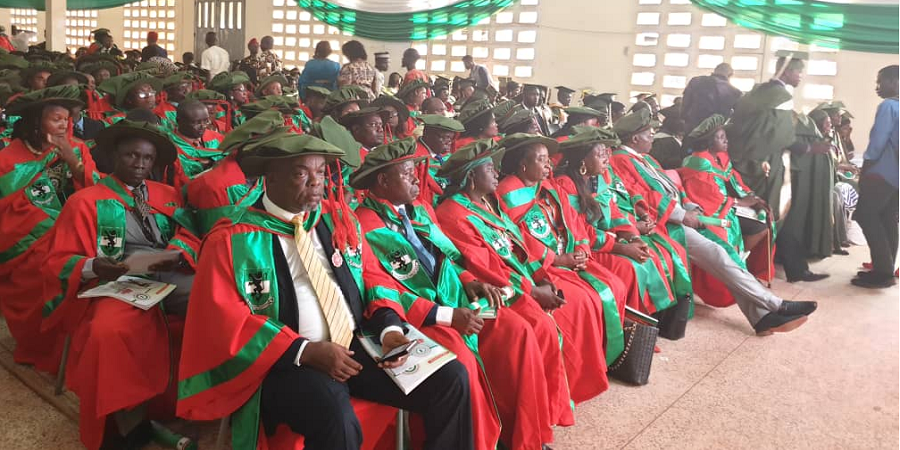
The pursuit of a PhD is a remarkable journey that demands dedication, intelligence, and a relentless pursuit of knowledge. It is a testament to one’s expertise and commitment to a specific field. However, in recent times, it has become increasingly common to see individuals with PhDs taking up roles as care workers. While there is no shame in this profession, it is essential to explore why a PhD holder should not settle for such a role, especially when their doctoral certificate holds significant value.

A PhD represents the highest level of academic achievement and expertise in a particular field. Settling for a care worker role can mean underutilizing years of hard work, research, and specialized knowledge. It’s a missed opportunity to contribute to society in ways that align with their academic background.In many cases, care worker roles are not commensurate with the financial investment and commitment required to earn a PhD. The economic returns do not match the skills and expertise possessed by PhD holders. This mismatch can lead to frustration and financial instability.

PhD holders are often at the forefront of innovation and research in their fields. When they choose roles unrelated to their expertise, society loses out on potential breakthroughs and advancements that could benefit the community, the economy, and scientific knowledge.Working in a role that doesn’t align with one’s academic background can take a toll on mental and emotional well-being. The sense of unfulfillment and the cognitive dissonance between one’s qualifications and the job can lead to frustration and reduced job satisfaction.

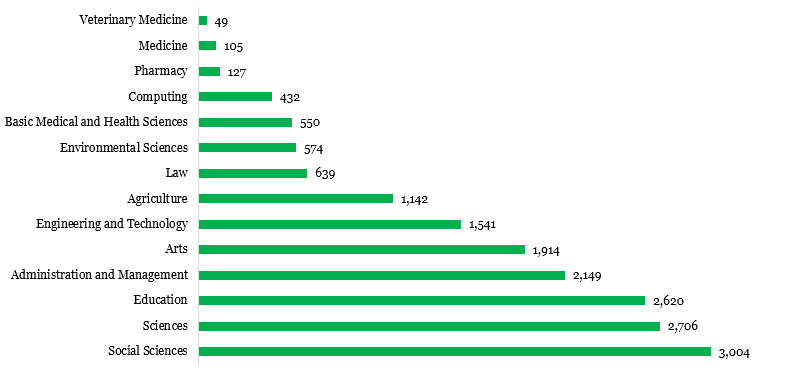
Exhibit 1: PhD students in Nigerian universities, 2019

Source: Statista, 2021; Infoprations Analysis, 2021

PhD holders have honed their research, critical thinking, and analytical skills. These skills are valuable not only in academia but also in various industries and sectors. It is crucial to find roles that challenge and stimulate these skills, fostering personal and professional growth.PhD holders can set an example for future generations of scholars and researchers. By utilizing their expertise and pursuing careers aligned with their educational background, they contribute to changing the narrative surrounding the value of advanced degrees and expertise.

Read The Impossible 17,831 Jobless PhDs In Nigeria

While there is no inherent shame in taking on a care worker role, it is essential for PhD holders to consider the broader implications of their career choices. A PhD represents a significant investment in education, research, and personal growth. It is a qualification that can be a catalyst for change, innovation, and expertise in a specific field. When PhD holders choose to explore career paths that better align with their qualifications, they not only benefit themselves but also contribute to the betterment of society and the advancement of human knowledge. It’s time to unlock the full potential of a PhD and recognize its true value in shaping a brighter future.

Why Nigerians in Developed Countries Should Stop Lamenting and Start Thriving

0

In recent years, there has been a growing concern among Nigerians and other African immigrants in developed countries, such as the UK, US, and Canada, about the challenges they face in finding jobs that resonate with their postgraduate degrees. Many have found themselves working in roles that seem unrelated to their qualifications. While these concerns are valid, it’s essential to shift our perspective and recognize the immense opportunities that await those who are willing to adapt and thrive in new environments. In this piece, our analyst explores why Nigerians and others in similar situations should stop lamenting and start embracing the opportunities available to them.

One of the most significant advantages of working in developed countries is the exposure to a global talent pool. These countries attract some of the brightest minds from all over the world. Nigerians with postgraduate degrees are no exception. They bring a unique perspective, diversity, and skills to the job market. Instead of lamenting the challenges they face, they should focus on how their international background can be a strength in a diverse workforce.

Sometimes, the jobs that appear unrelated to one’s degree can provide opportunities for skill diversification. Developing a wide range of skills can be a valuable asset in today’s ever-changing job market. Individuals should seize the chance to learn new skills, adapt to different work environments, and gain valuable experiences that can shape their future careers.

Networking is a critical component of career growth. Working in various roles, even if they are not directly related to one’s degree, can provide a chance to meet professionals from different backgrounds. Networking can lead to new opportunities, mentorships, and collaborations. Nigerians in developed countries should see each job as a stepping stone to building a strong professional network.

Developed countries often foster an entrepreneurial spirit and provide resources for business startups. Many successful entrepreneurs in these countries are immigrants. Nigerians should see their situation as an opportunity to explore entrepreneurship and innovation. Their unique experiences can lead to the creation of businesses that cater to diverse markets.

Resilience and adaptability are essential qualities in today’s dynamic world. Nigerians who have overcome challenges in foreign job markets have already demonstrated their ability to adapt and persevere. These qualities can be their greatest assets as they navigate their careers and lives in developed countries.

Instead of lamenting, Nigerians should recognize that every experience, whether directly related to their postgraduate degrees or not, is an opportunity for growth. It’s essential to shift the focus from what’s lacking to what’s possible. With a positive mindset and a willingness to adapt and learn, Nigerians can thrive in their new environments. The challenges they face are not unique but are part of the journey towards building a successful and fulfilling life in a foreign land.

The Cabotage Trade Vessel Financing Fund (CVFF), Cabotage Trade Waiver Requirements In Nigeria

0

The Cabotage Vessel Financing Fund(CVFF) In Nigeria

The Cabotage Vessel Financing Fund (CVVF) is an initiative of the Federal Government of Nigeria aimed at providing a credit line to participants in the Nigerian Cabotage trade sector. 

This article will be looking at the provisions of the regulatory framework governing this fund, particularly the subtopics of :-

– Its objectives/purposes

– Sources of funding

– Its contributory parties

– Eligibility requirements

– Application requirements

What is the purpose of the CVFF?

– It is utilized by the Nigerian Maritime Administration and Safety Agency (NIMASA) to offer financial assistance and create access to funding by financial institutions with the sole aim of increasing indigenous ship acquisition capacity.

Disbursement of the fund shall be subject to the approval of the minister of transportation upon recommendation by NIMASA. 

Who are the recognized contributory parties of the CVVF?

The contributory parties of the CVVF are the following :-

– NIMASA (The Nigerian Maritime Administration and Safety Agency)

– Primarily Lending Institutions (PLIs)

– Beneficiaries of the fund

– Fund managers.

What are the pre-conditions for accessing credit facilities via the CVVF?

Applicants are required to :-

– Prepare bankable feasibility reports subject to independent verification by NIMASA & PLIs.

– Pay all prescribed fees.

– Satisfy the fund of its managerial and operational ability.

– Provide acceptable equity participation as may be required for each project application.

What are the sources of funding for the CVVF?

The Cabotage Act provides that the following shall be paid into the fund :-

– A surcharge of 2% of contract sum on contracts performed by any vessel engaged in Cabotage trade.

– A sum as shall , from time to time, be determined and approved by the National Assembly.

– Monies generated under the Cabotage Act including tariffs, fines and fees for licenses and waivers.

– Such further sums accrued by way of interest paid on and the repayment of principal sums of any loan granted from the fund.

What are the requirements for a CVFF application?

– An application to NIMASA

– The name of the company

– Address of the company

– Amount & Tenure of the loan

– Number/type/size of the vessel to be procured

– Other Cabotage Investment disclosures where applicable

– Level of maritime activities

– Number of vessels owned

– Copies of existing contracts with international oil companies if any

– Benefits of investment to the Nigerian Cabotage regime (maximum of $25 Million).

It should be noted that ONLY Nigerian citizens and shipping companies wholly-owned by Nigerian citizens are eligible to benefit from the CVVF scheme.

Cabotage Trade Waiver Requirements In Nigeria

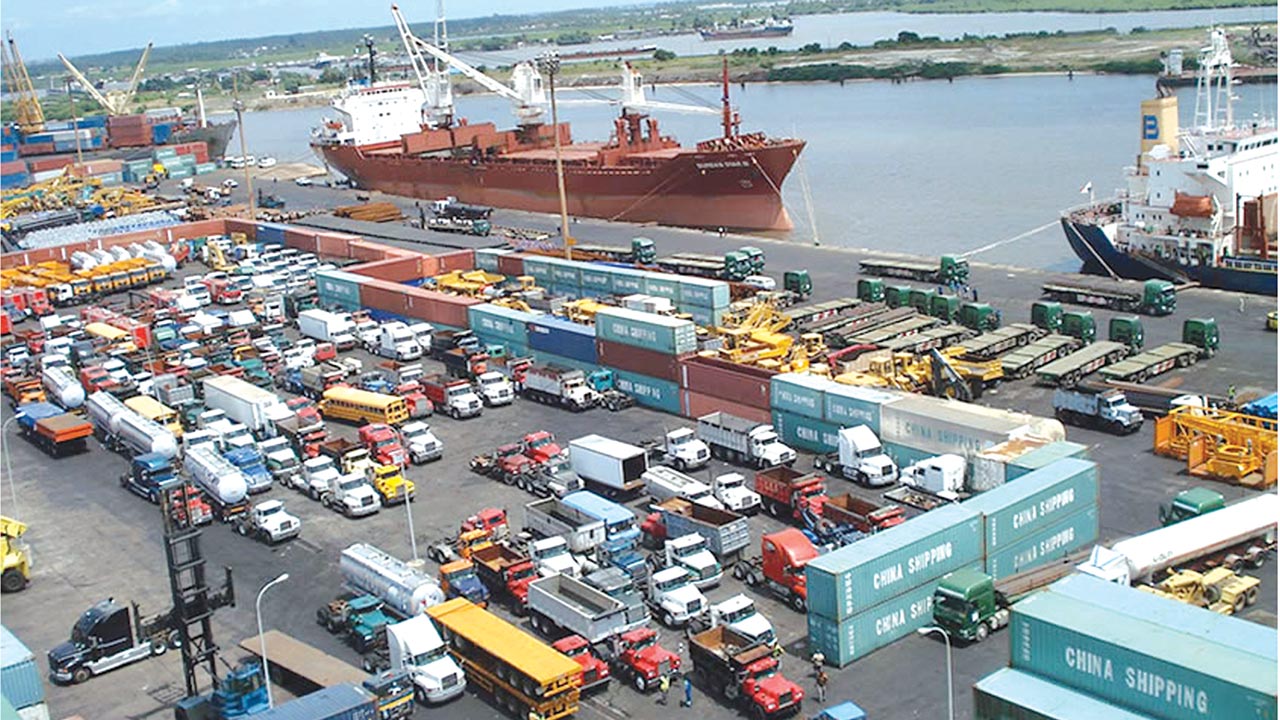
Cabotage involves the transport of goods along inland waterways and coastal routes. In Nigeria, Maritime Cabotage is regulated by virtue of the Cabotage Act which requires that engaging in Cabotage trade cannot be permitted without registration with the Nigerian Maritime Administration and Safety Agency (NIMASA)

This article will be dealing with the requirements for Cabotage trade licensing in Nigeria which starts with registration under the following categories :

  1. Wholly- Nigerian Owned Vessels

Requirements For Registrators

– Relevant Cabotage application forms

– Certificate of Nigerian Registry

– Detailed crew list

– Certificate of minimum safe manning

– Evidence of registration of company with NIMASA

– Certified True Copies of CAC Form 2 & CAC Form 7

  1. Bare Boat Charter Vessels

Registration Requirements

– Relevant Cabotage application forms

– Certificate of Registry

– Detailed crew list

– Certificate of minimum safe manning

– Charter-party agreement

– A copy of the applicant’s memorandum and articles of association (MEMART)

– A certificate of incorporation

– Current Tax clearance certificate

– Evidence of registration of the company with NIMASA

  1. Cabotage Licensing for Foreign Vessels

Requirements

– Application Form

– Copy of certificate of registry

– Declaration of ownership certificate

– Completed crew declaration form

– Certificate of tonnage measurement

– Passenger ship safety certificate

– Cargo ship safety certificate

– Ship safety equipment certificate

– Certificate of minimum safe manning

– International safety management certificate

– Load line certificate

– Survey certificate

– Safety radio certificate

– Classification certificate

– A copy of current certificate of vessel insurance

– A CTC of the applicant’s certificate of incorporation

– A copy of the applicant’s memorandum and articles of association (MEMART)

– CTCs of the applicant’s CAC forms 7 & 2

– A current tax clearance certificate

– Evidence of registration with NIMASA

– Evidence of payment of registration fees

– An undertaking to train a prescribed number of Nigerian cadets. 

What are the requirements for a Cabotage waiver renewal?

– A letter of renewal application by an authorized representative

– A completed Cabotage waiver application form on oath in a Federal High Court

– A completed Cabotage affidavit form

– A foreign certificate of registry for foreign vessels

– A registry certificate for joint venture vessels

– A detailed crew list

– A minimum safe manning certificate

– A certificate of incorporation

– A copy of the applicant’s memorandum and articles of association (MEMART)

– Evidence of 2% surcharge payment

– Evidence of Nigerian Cadet training

– Evidence of dry docking where applicable

– A survey report copy for newly imported vessels

– A copy of the applicant’s Nigerian ship registry certificate.