DD
MM
YYYY

PAGES

DD
MM
YYYY

spot_img

PAGES

Home Blog Page 3687

Economic Implications of Nigeria’s move to remove electricity subsidies while hiking Customs Exchange Rates

0
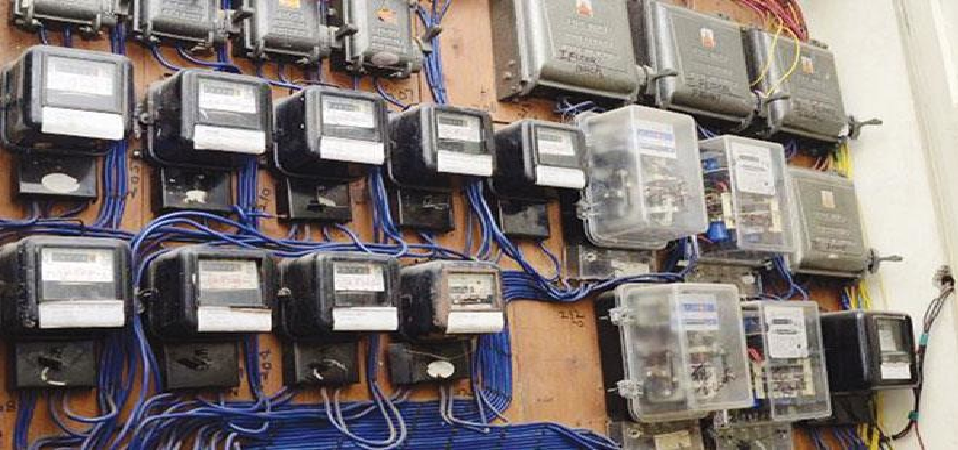
electricity companies nigeria

The Nigerian government’s recent decision to reconsider electricity subsidies due to significant debts and the consequent increase in customs exchange rates has sparked a debate among economists and stakeholders.

The Minister of Power, Adebayo Adelabu, recently shed light on the unsustainable nature of electricity subsidies, citing substantial debts owed to generating companies (GenCos) and gas firms. Adelabu highlighted the need for a transition to a cost-effective tariff model to address the mounting financial burden on the government.

However, the issue of electricity subsidies in Nigeria is a longstanding and contentious one, deeply intertwined with the country’s economic challenges and energy sector dynamics. The decision to reconsider these subsidies stems from the significant financial burden they impose on the government, according to the Minister of Power.

The Minister revealed the immense debts owed to generating companies (GenCos) and gas firms, amounting to N1.3 trillion ($1.3 billion.) He said this staggering debt burden has necessitated a reassessment of Nigeria’s approach to electricity tariffs and subsidies.

Adelabu attributed the collapse of the grid multiple times to various operational challenges, including a lack of gas, aging infrastructure, and insufficient capacity, which further denotes the urgency for reforms in the power sector. These challenges not only hinder reliable electricity supply but also contribute to the financial strain on the government as it seeks to maintain subsidies amidst mounting debts and operational inefficiencies.

The government’s proposal to transition towards a cost-effective tariff model is driven by the need to address these systemic issues and ensure the sustainability of the electricity sector.

However, such a transition is not without its challenges, particularly in a country where access to electricity remains a pressing issue for millions of citizens. Any adjustment to electricity tariffs or subsidies is expected to be carefully calibrated to avoid disproportionately burdening vulnerable segments of the population.

Against this backdrop, the government’s decision to increase customs exchange rates has raised concerns among economists and industry stakeholders. The Central Bank of Nigeria (CBN) announced a series of upward adjustments in the customs exchange rate, culminating in a 2.56% increment on February 14, 2024.

This move aims to boost Internally Generated Revenue (IGR) through enhanced customs duties. However, economists caution that such measures could worsen the economic plight of Nigerians.

The Automobile Manufacturers and Importers Association in Nnewi, Anambra State has voiced concerns regarding the continuous escalation of customs duties. President of the association, Austin Jideofor, highlighted the adverse impact on consumers, citing increased prices of essential commodities such as rice, cement, spare parts, and generators.

He said the high cost of clearance exacerbates economic hardship on consumers, as regulatory agencies levy additional fees.

Jideofor’s concerns echo broader sentiments within the business community, where stakeholders fear that rising import duties will inflate the cost of goods and services, further straining household budgets already stretched by inflation and economic uncertainty. The reliance on the exchange rate to determine duty payments exacerbates the problem, as fluctuations in currency values directly impact import costs.

Moreover, the timing of these policy adjustments is particularly concerning given the prevailing economic hardships facing Nigerians. With inflation hovering at double-digit levels (more than 28%) and unemployment rates rising, the decision to remove electricity subsidies and increase customs exchange rates could deepen the financial woes of ordinary citizens. The disproportionate burden falls on low and middle-income earners, who bear the brunt of rising prices without corresponding increases in income.

Economists argue that increasing customs exchange rates exacerbate inflationary pressures, as higher import costs translate into elevated consumer prices across various sectors. This contributes to a vicious cycle of rising inflation, diminished purchasing power, and economic stagnation. In the context of Nigeria’s fragile recovery from the COVID-19 pandemic and global economic headwinds, such policies risk derailing efforts to foster sustainable growth and development.

Furthermore, the reliance on import duties as a revenue source underpins the need for comprehensive fiscal reforms to diversify revenue streams and reduce dependency on volatile external factors. While customs duties constitute a significant source of government revenue, over-reliance on this mechanism undermines long-term economic resilience and stifles innovation and productivity.

Both experts and stakeholders believe that the Nigerian government’s decision to reconsider electricity subsidies while increasing customs exchange rates poses significant economic challenges amidst prevailing hardships. They call on policymakers to adopt a holistic approach that prioritizes economic stability, social welfare, and sustainable development to mitigate these risks and promote inclusive growth,

“As soon as Mr. President orders a halt to the increase in import duties, hardship will drop,” Jideofor aptly remarked.
CBN stops IOCs operating in Nigeria from transferring more than 50% funds to offshore accounts

0

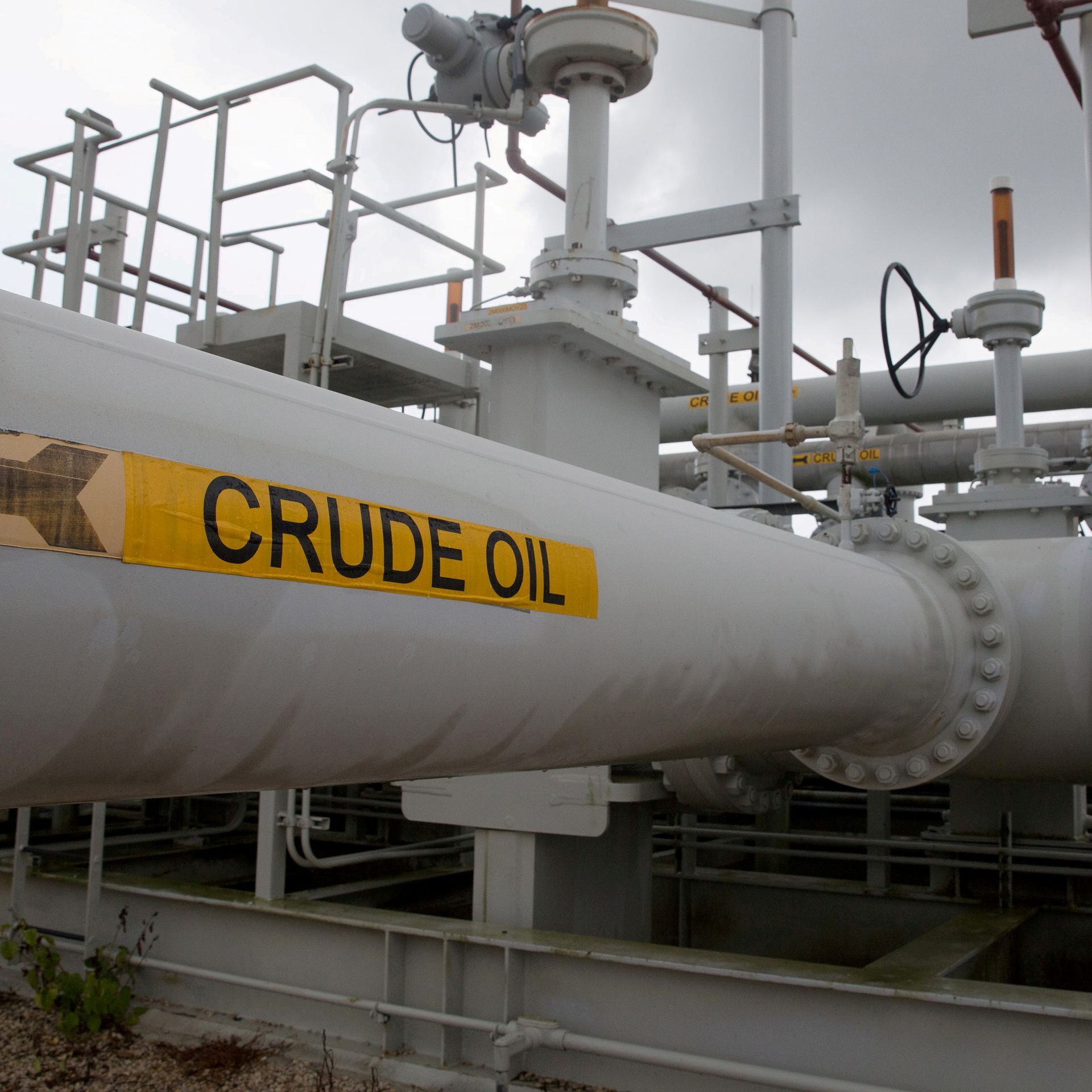
In a bid to address liquidity concerns in the domestic foreign exchange market, the Central Bank of Nigeria (CBN) has announced a significant shift in the repatriation process for international oil companies (IOCs) operating within the country.

in a circular signed by Hassan Mahmud, the Director of Trade and Exchange at the CBN, the apex bank highlighted the new regulation, stating, “The Central Bank has observed that proceeds of crude oil exports by International Oil Companies (IOCs) operating in Nigeria are transferred offshore to fund parent accounts of the IOCs (otherwise referred to as cash pooling). This has an impact on liquidity in the domestic foreign exchange market.”

Under the new guidelines, IOCs will only be permitted to repatriate 50% of their proceeds immediately, with the remaining 50% to be repatriated 90 days from the date of inflow.

“Banks are allowed to pool cash on behalf of IOCS, subject to a maximum of 50% of the repatriated export proceeds in the first instance. The Balance 50% may be repatriated after 90 days from the date of inflow of export proceeds,” the circular further said.

The decision to implement these measures stems from the CBN’s commitment to ongoing reforms in the foreign exchange market.

“In line with the ongoing reforms in the foreign exchange market, it has become necessary to take measures to address this trend,” it noted.

Furthermore, the CBN introduced specific rules governing cash pooling by IOCs, including the requirement for CBN approval before fund repatriation and agreements between parent entities of IOCs and the CBN before cash pooling. Additional documentation such as expenditure statements and evidence of the source of foreign exchange inflow will also be mandated.

While the CBN aims to enhance liquidity in the forex market through these measures, concerns have been raised regarding their potential implications. Some analysts fear that IOCs might face similar challenges experienced by operators in other sectors due to delayed forex forward payments.

The CBN recently disclosed that it has successfully cleared about $2.3 billion of the estimated $7 billion owed. However, this was accomplished against the backdrop of adverse effects of delays, which have led to the exit of notable multinationals citing difficulties in operating as USD-dominated entities.

As the CBN races against time to implement these new regulations, their negative implications keep unfolding. While measures to stabilize domestic forex markets are crucial, experts have advocated the need to ensure a balance that doesn’t deter foreign investment or disrupt business operations.

Transparency, consistency, and clear communication have been mentioned as key elements to maintain investor confidence and sustain a conducive business environment.

Although the CBN’s implementation of new forex regulations for IOCs reflects its commitment to addressing liquidity challenges in the domestic market, careful monitoring and evaluation of its impact on both domestic and international stakeholders have been advocated to ensure a smooth transition and mitigate any adverse effects on the economy.

I will not establish a price control board nor will I approve the importation of food – Tinubu tells Nigerians

0

Amidst the ongoing economic hardship that is stirring relentless concern across the country, President Bola Tinubu delivered a resolute message on Thursday, outlining his administration’s strategies to alleviate hardships and enhance national resilience.

Addressing the nation from the State House, the President reiterated his government’s commitment to implementing indigenous solutions to confront the forex crisis, insecurity, and food security challenges. He noted the need to bolster local food production and eradicate rent-seeking practices associated with food importation among other things.

“My administration is dedicated to evolving home-grown solutions to tackle our nation’s food security challenges head-on,” he said.

“I will not establish a price control board, nor will I approve the importation of food. We must extricate ourselves from hits predicament because importation only enables rent seekers to perpetrate fraud and mismanagement at our collective expense,” he added.

These solutions were announced during an emergency meeting with state governors, Vice-President Kashim Shettima, and key security officials. The President also disclosed decisive measures to address the security of lives and property. Notably, he approved the formation of a committee, comprising state governors and federal representatives, to explore the potential establishment of state police, aiming to enhance grassroots security efforts.

Additionally, the president endorsed initiatives to train and equip forest rangers at sub-national levels to safeguard human and natural resources.

“I have also endorsed the training and equipping of forest rangers by sub-national governments to protect human and natural resources in our communities.

“My stance is unequivocal: we must move aggressively to examine the issues raised, including the potential for establishing state police,” he said.

Expressing concern over reports of food hoarding in certain areas, Tinubu instructed security agencies to coordinate closely and inspect warehouses to prevent speculators and hoarders from undermining food accessibility. He noted his administration’s stance against price controls and food importation, advocating for support to local farmers and the swift implementation of livestock development plans.

In a plea for trust in the Central Bank of Nigeria’s management of monetary policy, President Tinubu urged governors to prioritize the welfare of citizens in their development initiatives. He cautioned against disruptive speculations on foreign exchange rates, emphasizing the importance of allowing designated institutions to fulfill their mandates effectively.

“The “cacophony of postulations” on the fluctuation of foreign exchange rates is adversely affecting the market. Not everyone can be an expert. If we have assigned someone a task, we must allow them to perform it. If they fail, then we must find a way to quickly remove them from the system,” he said.

Conclusively, the President urged unity among leaders in addressing insecurities, food shortages, and educational challenges. He affirmed his government’s unwavering commitment to improving the nation’s revenue profile and called for collaborative efforts to overcome prevailing challenges.

Read the full address below:

Dear Nigerians,

My administration is dedicated to evolving home-grown solutions to tackle our nation’s food security challenges head-on including setting up schemes to bolster local food production and cut out all forms of rent-seeking tied to food importation.

I reiterated this commitment during my emergency meeting today at the State House, with all 36 state governors, the Vice-President, Kashim Shettima, the National Security Adviser, the Inspector-General of Police, the Director-General of the DSS, and some ministers.

ON THE SECURITY OF LIVES AND PROPERTY

  1. I have approved the creation of a committee that includes state governors and federal government representatives to explore, among other things, the possibility of establishing state police.

  2. I have also endorsed the training and equipping of forest rangers by sub-national governments to protect human and natural resources in our communities.

My stance is unequivocal: we must move aggressively to examine the issues raised, including the potential for establishing state police.

ON FOOD SECURITY

Following reports out of Kano and other areas about large-scale hoarding of food in some warehouses, I have instructed the National Security Adviser, the Inspector-General of Police, and the Director-General of the Department of State Services to coordinate closely to ensure that security agencies in the states inspect such warehouses and take follow-up action.

  1. We cannot allow speculators, hoarders, and rent seekers to undermine our efforts to ensure that food is widely available to all Nigerians.

  2. I will not establish a price control board, nor will I approve the importation of food. We must extricate ourselves from this predicament because importation only enables rent seekers to perpetrate fraud and mismanagement at our collective expense.

  3. Instead, we will support our farmers with schemes that encourage them to cultivate more food for the nation.

  4. We must also rapidly but thoughtfully implement our livestock development and management plans, including dairy farming and others.

ON MONETARY POLICY AND THE CBN

I urge all governors to trust the Central Bank of Nigeria with the management of our country’s monetary policy and emphasize the need for designated institutions to effectively fulfill their mandate.

The “cacophony of postulations” on the fluctuation of foreign exchange rates is adversely affecting the market. Not everyone can be an expert. If we have assigned someone a task, we must allow them to perform it. If they fail, then we must find a way to quickly remove them from the system.

I also ask our governors to always prioritize the welfare and prosperity of our people in their development programs, and I assure them that the federal government will continue to work diligently to improve the nation’s revenue profile.

As leaders, we must all work together to address issues of insecurity, food security, and out-of-school children.

Thank You

Bola Ahmed Tinubu
President

CBN orders banks to stop cash payment of PTA, BTA, hikes limit for price verification system by 500%

0
United States Ten and Twenty Dollar notes next to Ten and Twenty UK Pound Notes

The Central Bank of Nigeria (CBN) has issued a directive to commercial banks, mandating the cessation of cash payments for Personal Travel Allowance (PTA) and Business Travel Allowance (BTA) as part of measures aimed at curbing foreign exchange malpractices.

The decision, conveyed in a memo dated February 14 and signed by the Director of Foreign Exchange and Trade Department, Hassan Mahmud, underscores the apex bank’s commitment to transparency and stability in the foreign exchange market.

“Payment of PTA/BTA by cash is no longer permitted,” the CBN stated in the memo. “Authorised Dealers and the general public are hereby to note and comply accordingly.”

The memo further elaborated that PTA and BTA transactions must now be conducted exclusively through electronic channels, including debit or credit cards.

“In line with the Bank’s commitment to ensure transparency and stability in the foreign exchange market and avoid foreign exchange malpractices,” the CBN said, “All authorized dealer Banks shall henceforth effect payout of PTA/BTA through electronic channels only, including debit or credit cards.”

This move is intended to prevent foreign exchange malpractices and ensure accountability in forex transactions.

The decision comes amidst a concerning depreciation of the naira against major international currencies, particularly the US dollar. Reports from AbokiFX indicate that the naira has plummeted to N1,600 against the dollar on Thursday. Despite efforts by the CBN to stabilize the currency, the freefall of the naira has persisted, prompting the need for decisive measures to address the situation.

The currency’s decline has been attributed to various factors, including global inflationary pressures and domestic economic challenges. Efforts by the CBN to manage the naira’s value have faced significant hurdles.

In its recent move, the CBN has also announced significant revisions to the allowable deviation limits for the Price Verification System (PVS), a mechanism utilized to monitor the pricing of exports and imports. The adjustments, outlined in a circular signed by Dr. Hassan Mahmud, Director of the Trade and Exchange Department, aim to safeguard the economy from price manipulation activities that could exacerbate the foreign exchange crisis.

Previously, the PVS flagged any declared prices of import items that exceeded global average prices by more than 2.5%. However, in light of persistent global inflation, the CBN has expanded the deviation limits for both exports and imports. Effective immediately, the new regulation permits a deviation of up to -15% and +15% from the global average prices for exports and imports, respectively.

The circular reads: “Following the implementation of the Price Verification System (PVS) to curb over-invoicing of imports and under-invoicing of exports, the CBN in a circular referenced TED/FEM/FPO/PUB/01/001 stated that declared prices of import items that are more than 2.5 percent above the global average prices of the referenced item will be queried.

“However, due to global inflation and other related challenges, the CBN has reviewed the allowable limit of price deviation for exports and imports to -15% and +15% of the global average prices, respectively.

“Authorized Dealer Banks and the general public are hereby advised to note and comply accordingly.”

This adjustment represents a significant increase in the allowable limit for price verification and is intended to provide more flexibility in the face of fluctuating global prices while preventing the exploitation of the system.

The CBN’s decision to recalibrate the PVS aligns with its broader objective of promoting transparency and accountability in Nigeria’s banking and trade sectors.

The recent rollout of the PVS portal, coupled with the mandatory requirement for Price Verification Reports in Form M applications, underscores the central bank’s commitment to combating illicit financial practices and ensuring the efficient functioning of the economy.

By implementing these measures, the CBN aims to strike a balance between maintaining stringent controls over foreign exchange transactions and facilitating the smooth operation of international trade amidst global economic uncertainties. This initiative reflects the government’s broader efforts to stabilize the economy, protect the value of the naira, and promote sustainable growth in the financial sector.

Forex Crisis: CBN Bars International Oil Companies From Remitting 100% Forex Proceeds Abroad

0

The Central Bank of Nigeria (CBN) has restricted International Oil Companies (IOCs) from remitting 100 percent of their forex proceeds abroad.

This was disclosed in a circular signed by the CBN Director of Trade and Exchange, Hassan Mahmud.

The policy which takes effect immediately, mandates IOCs to only repatriate 50 percent of their forex proceeds, while the other 50 percent will be repatriated from the day of inflow.

The circular reads,

“The Central Bank has observed that proceeds of crude oil exports by International Oil Companies (IOCs) operating in Nigeria are transferred offshore to fund parent accounts of the IOCs (otherwise referred to as cash polling). This has an impact on liquidity in the domestic foreign exchange market.

“In line with the ongoing reforms in the foreign exchange market, it has become necessary to take measures to address this trend. Consequently, the CBN hereby directs as follows; Banks are allowed to pool cash on behalf of IOCS, subject to a maximum of 50% of the repatriated export proceeds in the first instance. The Balance 50% may be repatriated after 90 days from the date of inflow of export proceeds.”

Furthermore, the apex bank introduced rules that will guide “cash polling” by IOCs going forward. They include approval from the CBN before repatriation of funds under the cash polling framework, the parent entity of IOCs will have to reach an agreement with the CBN before “cash polling.”

The bank also mandated IOCs to submit statements of expenditure incurred in the period before the cash polling. Others are “evidence of the source of foreign exchange inflow.” “Completion of relevant forex form(s) as required’ under extant regulations.” The CBN mandated all banks to inform their customers and comply with the regulations.

As the naira continues to be on a free fall against the dollar in the past weeks with the currency losing value against the greenback, the CBN has continued to roll out different regulatory guidelines and measures to curb the fall of the naira.

To strengthen the national currency and stabilize the nation’s volatile exchange rate, the CBN directed Deposit Money Banks to sell their excess dollar stock latest February 1, 2024. The apex bank which made the disclosure via a circular, also warned lenders against hoarding excess foreign currencies for profit.

The Bank’s governor Cardoso argued that the foreign exchange market was facing increased demand pressures, causing a continuous decline in the value of the naira.

According to him, factors contributing to this situation include speculative forex demand, inadequate forex due to low remittance of crude oil earnings to the CBN, increased capital outflows, and excess liquidity from fiscal activities.

To address exchange rate volatility, he said a comprehensive strategy had been initiated to enhance liquidity in the forex market.