DD
MM
YYYY

PAGES

DD
MM
YYYY

spot_img

PAGES

Home Blog Page 3698

VanEck lays out themes defining this Crypto Bear Market

0

The cryptocurrency market has been in a downward trend since May, when a series of negative events triggered a massive sell-off. The market capitalization of all cryptocurrencies has fallen by more than 50% from its peak of over $2.5 trillion, and many investors are wondering if the crypto winter is here to stay.

We will explore some of the key themes that are defining this crypto bear market, and how they affect the outlook for the industry. We will also share some insights from our portfolio manager, who oversees the VanEck Vectors Digital Assets Equity ETF (DAPP), which invests in companies that are involved in the digital asset’s ecosystem.

Theme 1: Regulatory uncertainty

One of the main factors that has contributed to the crypto market slump is the regulatory uncertainty in various jurisdictions. Many governments are still grappling with how to regulate cryptocurrencies and related activities, such as mining, trading, custody, and taxation. Some countries, such as China, have taken a harsh stance and banned crypto-related activities altogether, while others, such as the US, have adopted a more nuanced approach and issued guidance on specific aspects of the industry.

The lack of clear and consistent regulation creates challenges for both investors and businesses in the crypto space. Investors face the risk of losing access to certain platforms or services, or having their assets seized or frozen by authorities. Businesses face the risk of being shut down or fined for non-compliance or having to relocate to more favorable jurisdictions. This uncertainty also discourages innovation and adoption, as many potential users and developers may be deterred by the legal risks involved.

Our portfolio manager believes that regulation is inevitable and necessary for the crypto industry to mature and gain mainstream acceptance. He also believes that regulation can be beneficial for the industry, as it can provide clarity, legitimacy, and protection for both investors and businesses. He expects that regulators will eventually adopt a balanced and proportional approach that recognizes the potential benefits of crypto, while addressing the legitimate concerns of financial stability, consumer protection, and national security.

Theme 2: Environmental concerns

Another theme that has weighed on the crypto market is the environmental impact of cryptocurrency mining. Mining is the process of validating transactions and creating new coins on a blockchain network, such as Bitcoin or Ethereum. Mining requires a lot of computing power and electricity, which generates a significant amount of carbon emissions. According to some estimates, the annual energy consumption of Bitcoin mining is comparable to that of some medium-sized countries, such as Argentina or Norway.

The environmental impact of crypto mining has attracted criticism from various stakeholders, including environmental activists, policymakers, and institutional investors. Some prominent figures, such as Tesla CEO Elon Musk, have publicly expressed their concerns about the carbon footprint of crypto and withdrawn their support for certain coins. Some governments, such as China and Iran, have also cracked down on crypto mining due to its impact on the power grid and the environment.

Our portfolio manager acknowledges that crypto mining poses an environmental challenge that needs to be addressed by the industry. He also notes that there are solutions that can reduce the energy consumption and emissions of crypto mining, such as switching to renewable energy sources, improving energy efficiency, or adopting alternative consensus mechanisms that do not rely on mining. He believes that these solutions will become more prevalent and viable over time, as the industry evolves and responds to market demand and social pressure.

Theme 3: Technological innovation

The third theme that is defining this crypto bear market is the technological innovation that is happening in the industry. Despite the market downturn, the crypto space is still witnessing rapid development and experimentation in various areas, such as decentralized finance (DeFi), non-fungible tokens (NFTs), layer-2 solutions, interoperability protocols, and central bank digital currencies (CBDCs). These innovations aim to improve the functionality, scalability, usability, and diversity of the crypto ecosystem.

DeFi refers to a range of financial applications that run on decentralized platforms, such as smart contracts or blockchains. DeFi enables users to access services such as lending, borrowing, trading, investing, and insurance without intermediaries or centralized authorities. DeFi has grown exponentially in the past year, reaching over $100 billion in total value locked (TVL) at its peak in May.

NFTs are unique digital tokens that represent ownership of scarce digital assets, such as art, music, games, or collectibles. NFTs have exploded in popularity this year, generating billions of dollars in sales and attracting mainstream attention from celebrities, artists, and brands.

Layer-2 solutions are technologies that aim to improve the scalability and performance of blockchain networks by moving some transactions or computations off-chain. Layer-2 solutions can reduce congestion, fees, and latency on the main chain, while preserving its security and decentralization. Layer-2 solutions are especially relevant for Ethereum, which is facing bottlenecks due to its high demand and limited capacity.

Interoperability protocols are technologies that enable communication and interaction between different blockchain networks or systems. Interoperability protocols can enhance the compatibility, efficiency, and diversity of the crypto ecosystem, by allowing users to transfer value and information across various platforms and applications.

CBDCs are digital currencies that are issued and backed by central banks. CBDCs are designed to complement or replace existing forms of money, such as cash or bank deposits. CBDCs can offer advantages such as faster, cheaper, and more secure transactions, as well as greater financial inclusion and monetary policy effectiveness. CBDCs are being explored or developed by many central banks around the world, such as China, Sweden, and the Bahamas.

Our portfolio manager is optimistic about the technological innovation that is happening in the crypto industry. He believes that these innovations will create new opportunities and value for both investors and businesses in the crypto space. He also believes that these innovations will drive the adoption and growth of the crypto industry in the long term, as they address some of the key challenges and limitations of the current system.

The crypto market is going through a challenging period, as it faces various headwinds from regulation, environment, and market sentiment. However, the crypto industry is also undergoing rapid innovation and development, as it strives to improve its functionality, scalability, usability, and diversity. Our portfolio manager believes that these innovations will ultimately outweigh the challenges and lead to a brighter future for the crypto industry. He also believes that investors who have a long-term perspective and a diversified exposure to the digital assets’ ecosystem will be well-positioned to benefit from this future.

Addressing Smartphone Affordability in Sub-Saharan Africa And Its Impact on The Region

0

In Sub-Saharan Africa, around 60% of the population do not use mobile internet despite living in an area with network coverage, as smartphone affordability remains a key barrier to using mobile internet in the region.

According to an Alliance for Affordable Internet report, by the end of 2019, mobile internet adoption stood at just 26% of the population on the continent with nearly 800 million people still unconnected.

This has resulted in a significant challenge to bring and keep individuals and businesses connected. While next-generation technologies like 4G and 5G are gaining massive adoption in regions across the globe, the adoption rate in Sub-Saharan Africa has been progressive but slow due to smartphone affordability challenges.

This is an area of growing concern, as reducing the internet usage gap is critical to closing the digital divide in the region. Also, the high number of Africans in Sub-Saharan Africa who cannot afford smartphones is a significant barrier to digital inclusion, economic development, and access to information and services.

Certain factors contribute to the smartphone affordability challenge in the Sub-Saharan African region, which includes income disparities, High unemployment rates, rural-Urban divide, and limited access to credit, amongst others.

To help address the issue, operators and manufacturers have devised solutions targeting the cost of mobile devices. In July 2020, Kenyan mobile operator Safaricom announced a smartphone financing scheme in partnership with Google to help accelerate adoption.

The plan dubbed “Lipa Mdogo Mdogo”, which in Swahili means “pay a small amount,” is a pay-as-you-go model that allows low-income customers, many of whom earn a daily wage and can only afford smaller payments regularly, to finance a Google smartphone for a down payment of 1,000 Kenya Shillings (or $9.30) and to pay as little as 20 Kenya Shillings ($0.20) per day until they own the device outright.

As a result of low-cost devices and smartphone financing schemes that help accelerate adoption, Kenya is one of the top three markets in Africa in terms of smartphone connections.

According to the Communications Authority of Kenya, by the end of 2020, total mobile data subscriptions amounted to 43.7 million and data trends suggest this figure could reach 47 million connections by 2025.

Also, just recently, Airtel Africa, one of Africa’s leading providers of prepaid, postpaid mobile, and 4G services has recently launched a 4G smartphone in Rwanda towards bridging the digital divide in the East African country.

Notably, in recent years, the average selling price of smartphones has reduced significantly, with an influx of mobile devices priced at under $100, mainly from Chinese brands such as Tecno, Itel, and Infinix.

Alongside the availability of cheaper options, operators are increasingly partnering with device manufacturers to manage costs and offer financing plans to customers.

For example, European smartphone manufacturers, such as HMD Global, are attempting to grow their presence in Sub-Saharan Africa, as highlighted by recent moves to open assembly plants in the region.

HM Global, which uses the Nokia brand for its devices announced plans to assemble some of its phones in Kenya and to offer financing options for customers who want to buy the devices on credit with M-Kopa.

In March 2023, HMD Global also launched the Nokia G60 5G, a mid-range 5G phone sold in partnership with Safaricom for KES53,000 ($397).

The challenge for manufacturers in Sub-Saharan Africa is to produce devices at a low enough price point to gain market share, particularly in the 5G and 4G markets, where devices remain prohibitively expensive for most regional consumers.

Along with the manufacturing costs, other costs such as fees and taxation directly impact the final selling price. As per GSMA Intelligence research, taxation and duty fees add 10-30% to smartphone costs, depending on the country.

Therefore, to improve smartphone affordability in Sub-Saharan Africa, governments should reconsider these fees by offering tax exemptions on low-cost handsets. In addition to reducing the absolute cost of smartphones and supporting an individual’s capacity to pay, providers also need to ensure that devices meet users’ life needs and support users’ willingness to pay.

It is worth noting that bridging the digital divide in Sub-Saharan Africa by addressing smartphone affordability is crucial for promoting economic development in the region.

Here are some key impacts;

Healthcare Access: Telemedicine and health-related apps on smartphones provide access to healthcare information and remote consultations, improving healthcare access, particularly in rural and underserved areas.

Economic Opportunities: Affordable smartphones copect individuals to online job platforms, e-commerce opportunities, and the digital gig economy. This can lead to job creation and economic empowerment.

Financial Inclusion: Mobile banking and digital financial services accessible through smartphones promote financial inclusion by providing access to banking and payment services for previously unbanked or/underbanked populations.

Digital Inclusion: Affordable smartphones ensure that more people can access the internet, which is a gateway to digital services, information, education, and economic opportunities. This fosters digital inclusion and narrows the digital divide.

In summary, addressing smartphone affordability in Sub-saharan Africa is an essential step toward ensuring that more people in the region can enjoy the benefits of the digital age.

4 Best Altcoins to Invest In Now Before The Next Crypto Bull Run Begins

0

The crypto market has been bearish for quite some time now, but there are slight changes occurring that are leading crypto experts to believe a bull run is on the way once again. Investors and crypto enthusiasts alike are gearing up for the next bull run and looking for the best investment opportunities to get in on now. This article will explore four promising altcoins. These digital assets have the potential to provide impressive returns, making them must-watch investments before the next crypto surge.

4 Best Altcoins

  1. Scorpion Casino Token
  2. Ethereum
  3. Solana
  4. Shiba Inu

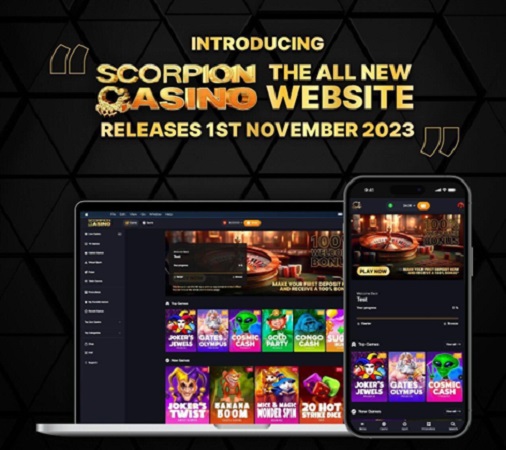
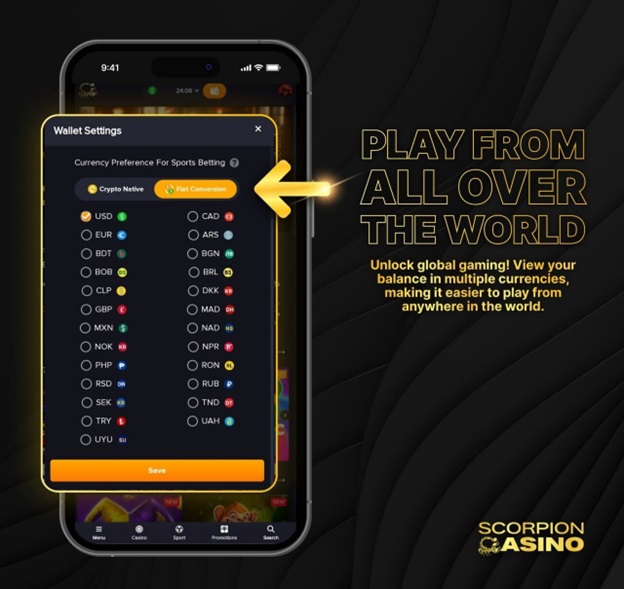
?Scorpion is currently undergoing a whole new look and the latest feature to be revealed is the ‘Multi-currency balance with up to 20 different currencies’.  This gives users a chance to use more currencies, which will increase deposits and boost profits for holders.?

1.  Scorpion Casino Token (SCORP): Presale Now Live

Participating in a cryptocurrency presale, like $SCORP, is a wise choice for multiple reasons. It offers the opportunity to purchase tokens at their lowest price before they hit the public exchanges. Additionally, presale participants receive up to 40% in free casino credits for Scorpion.Casino, get exclusive access to the 250k Giveaway, and even start earning daily passive staking income right from the presale period. This combination of early affordability and enticing benefits makes joining a presale a strategic move for crypto investors.

2.  Ethereum (ETH): The Blockchain Giant With Room to Grow

While Ethereum may not be a new player in the crypto market, it’s still one of the most promising projects. As the leading platform for decentralized applications (DApps) and smart contracts, Ethereum continues to gain traction. Its upcoming transition to Ethereum 2.0, which promises improved scalability and energy efficiency, has many investors excited. This upgrade is expected to further boost its value, making it a solid pre-bull run investment.

3.  Solana (SOL): Speed, Scalability, and a Bright Future

Solana has been a standout performer in the crypto market, with a focus on speed and scalability. Its high throughput and low transaction costs have made it a favorite for decentralized applications and decentralized finance (DeFi) projects. As the DeFi sector continues to grow, Solana’s utility and potential for growth become even more pronounced.

4.  Polkadot (DOT): Revolutionizing Blockchain Interoperability

Polkadot is another altcoin that’s been steadily gaining popularity. It offers a unique approach to blockchain interoperability and scalability through its parachain architecture. With growing interest in cross-chain functionality, Polkadot’s potential to connect various blockchains and foster a more cohesive crypto ecosystem is a compelling reason to consider it for your portfolio.

If You Remember One Thing, It’s This:

We’ve explored four top altcoins, each with its unique strengths and potential. Among them, Scorpion Casino Token (SCORP) stands out as an intriguing addition to any well-diversified portfolio. Its distinctive use case in the world of online gaming and gambling, combined with the attractive incentives offered during its presale, presents a compelling case for consideration. While the other altcoins hold promise, the niche that SCORP occupies is an area poised for growth, offering a distinctive opportunity for investors.

For more information, check out the links below.

Presale: https://presale.scorpion.casino/

Twitter: https://twitter.com/ScorpionCasino

Telegram: https://t.me/scorpioncasino_official

The Next Pepe Coin? Scorpion Casino Token Shows Off It’s New Casino and Toncoin Could Help Mass Adoption

0

In crypto, innovation drives attention and adoption. In early 2023, Pepe Coin took the crypto world by storm. Based on the controversial Pepe meme, Pepe Coin soared by more than 7000% in a matter of weeks. A natural drop-off followed, but PEPE’s rapid and seemingly random success put the rest of the market on high alert.

Two tokens, Scorpion Casino Token (SCORP) and Toncoin, are making strides to be the next PEPE, each in its own unique way. SCORP is in its presale and is part of an ecosystem set to redefine online gaming with its new casino, while Toncoin positions itself as a key player in achieving widespread crypto acceptance, and has recently announced a landmark partnership with Blockchain.com.

Scorpion Casino Token (SCORP): A Casino Revolution

SCORP is more than just a token; it’s a gateway to a thrilling gaming experience. The recent unveiling of its new and improved casino marks a significant milestone. Users can enjoy

?Over 200 casino games

?Over 160 live events

?Over 35 sports on which to bet

?Over 30,000 betting opportunities per month

?Over 20 currencies to deposit and play with

?Auto currency conversion so anyone can play

?A 40% casino bonus code for presale buyers

?A fully licensed and transparent gaming experience

The SCORP community, almost 20,000 strong, is palpably buzzing with all these developments and there are more coming. Through exciting industry partnerships, huge bonuses, and big-money competitions, Scorpion Casino emphasises its commitment to a vibrant ecosystem in both the short and long term.

Toncoin: Fostering Crypto Mass Adoption

Toncoin enters the scene with a broader ambition – to facilitate mass crypto adoption. With a focus on user-friendly features, fast transactions, and scalability, Toncoin addresses the hurdles hindering widespread use. As a project built on the Free TON blockchain, Toncoin has attracted attention from big fish in the crypto pond.

Recently it was announced that TON holders (outside of the United States) who use Telegram will be able to access their wallets directly from the Telegram menu and enjoy a simple and user-friendly way to buy and sell.

Comparison and Synergy

SCORP takes the entertainment route, positioning itself as the next big thing in gaming, and adds in a cryptocurrency that has raised $1.4 million in presale so far. Toncoin adopts a broader strategy of simplifying crypto use. Both tokens contribute uniquely to the evolving narrative of crypto adoption. SCORP’s casino introduces a novel way to engage users, while Toncoin’s emphasis on accessibility aligns with the broader goal of bringing cryptocurrency into everyday transactions.

The crypto space continues to witness diverse projects aiming to redefine norms and capture the imagination of users. SCORP’s casino launch and Toncoin’s potential Telegram partnership exemplify the innovation driving this industry forward, promising an exciting and dynamic future.


Find out more about SCORP:

Presale: https://presale.scorpion.casino/

Twitter: https://twitter.com/ScorpionCasino

Telegram: https://t.me/scorpioncasino_official

Quantum Correlation and Difference in MDGs and SDGs Realisation: A Multi-Country Analysis

0

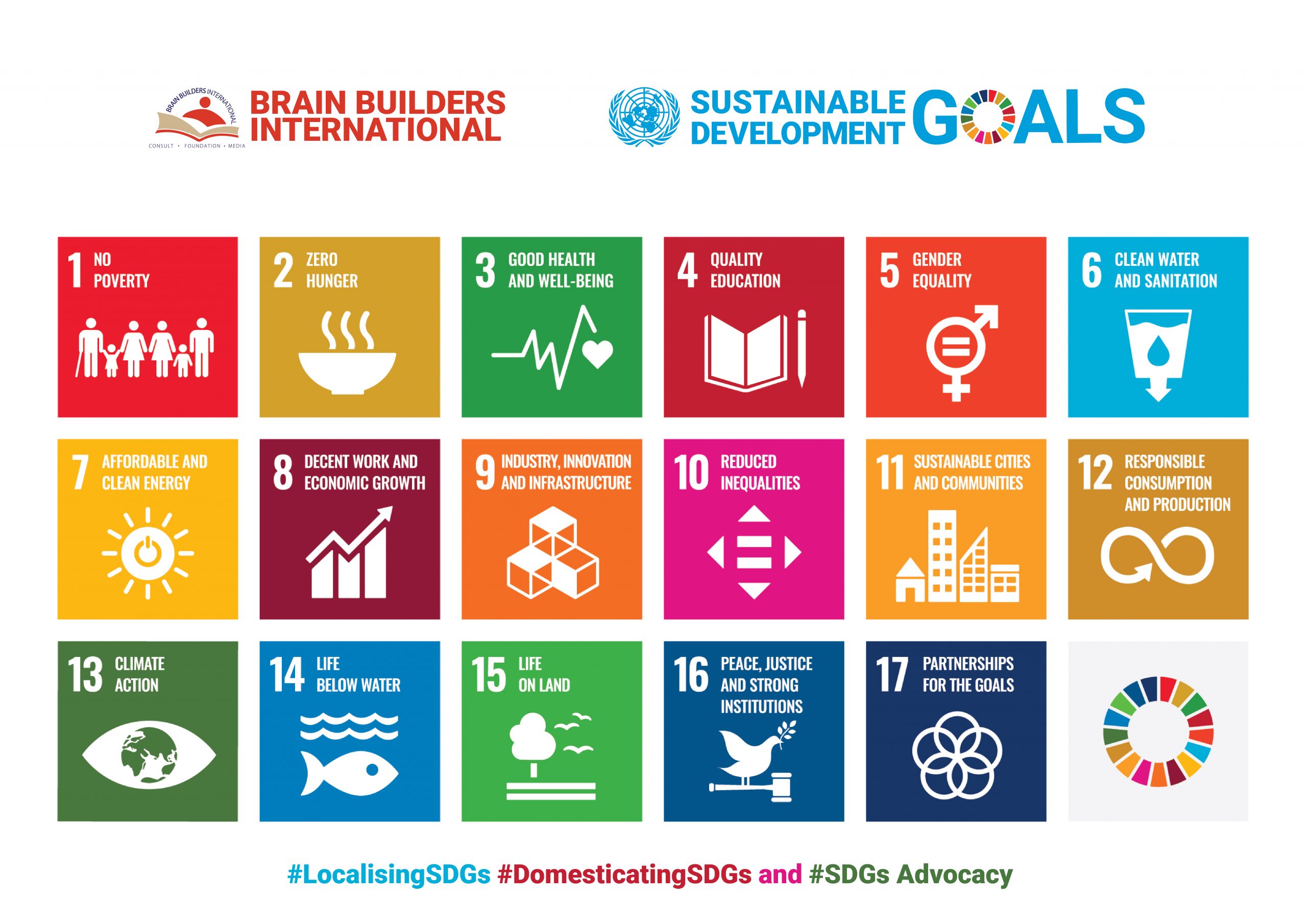
In 2015, the United Nations adopted the Sustainable Development Goals (SDGs), a set of 17 global objectives to address a wide range of socio-economic and environmental challenges by 2030. Five years earlier, the Millennium Development Goals (MDGs) had paved the way for these ambitious targets, marking a significant step in international development efforts. As we reach the halfway mark to 2030, the Sustainable Development Report (SDR) 2023 provides a comprehensive analysis of the progress made in realizing the SDGs and, in a groundbreaking revelation, highlights a remarkable quantum difference between the MDGs and SDGs’ realization.

The Sustainable Development Report 2023

The Sustainable Development Report (SDR) is an annual publication that evaluates the progress made by 193 UN Member States in achieving the SDGs since their adoption in 2015. It provides an essential tool for assessing the world’s collective efforts in addressing some of the most pressing challenges of our time, such as poverty, inequality, environmental sustainability, and access to education and healthcare. Published on the eve of the 2023 Paris Summit for a New Global Financial Pact, this year’s report places particular emphasis on the urgent need to scale up development finance and reform the global financial architecture to support the SDGs.

Selected Countries: A Global Perspective

Using the Sustainable Development Report 2023, we examine the progress of 19 countries: Argentina, Australia, Brazil, Canada, China, Germany, France, United Kingdom, Indonesia, India, Italy, Japan, Korea, Mexico, Russian Federation, Saudi Arabia, Türkiye, United States, and South Africa. These countries, while not representing the entire global community, offer a representative sample of diverse regions, economies, and developmental challenges. The analysis of these countries provides valuable insights into the global landscape of SDG realization.

Quantum Correlation: MDGs vs. SDGs

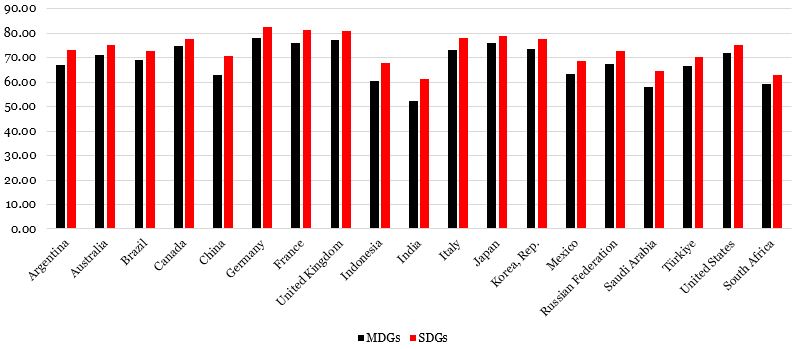
One of the most intriguing findings of the Sustainable Development Report 2023 is the substantial correlation observed between the realization of the MDGs from 2001 to 2007 and the progress made in the SDGs from 2015 to 2022. The correlation of average scores between these two periods is an astonishing 99.6%, indicating an almost perfect alignment in progress. This revelation highlights the enduring commitment of the international community to addressing global challenges over two distinct developmental agendas.

Furthermore, analysing the average score difference in the first eight years of MDGs and SDGs realization revealed a significant positive correlation. An impressive 97.9% correlation was found between the two global development agendas. This underscores the remarkable consistency in the achievements of the MDGs and the SDGs, despite the different timeframes and evolving global dynamics.

Exhibit 1: The difference in MDGs 2000 to 2007 and SDGs 2015 to 2022 performance

Source: Sustainable Development Report 2023; Infoprations Analysis, 2023

Implications and Key Takeaways

The exceptional correlation between the MDGs and SDGs realization brings forth critical insights into the global development landscape. It suggests that the international community, including the 19 selected countries, has shown a sustained commitment to tackling poverty, inequality, environmental sustainability, and other global challenges. This remarkable alignment in progress underlines the consistency of purpose and effort over the years.

Global Unity. The correlation between the MDGs and SDGs showcases the importance of international cooperation. While the world has witnessed significant shifts in geopolitics, economics, and technology, the commitment to global development goals has remained steadfast. This unity of purpose has the potential to drive the world closer to achieving the SDGs by 2030.

Call for Increased Financing. The Sustainable Development Report 2023 emphasizes the need to scale up development finance and reform the global financial architecture to support the SDGs. As we move forward, it is imperative that countries and international organizations enhance their efforts to mobilize resources, provide aid, and ensure equitable access to development finance, especially in the face of ongoing challenges such as the COVID-19 pandemic.

The Sustainable Development Report 2023 provides a remarkable insight into the ongoing progress in achieving the SDGs and the enduring commitment of the international community to global development goals. The quantum difference observed in the correlation between the MDGs and SDGs realization underscores the consistency of purpose and effort over time of the selected countries. As we strive to achieve the ambitious SDGs by 2030, this alignment of progress serves as a beacon of hope and a testament to the power of global unity in addressing some of the world’s most pressing challenges.

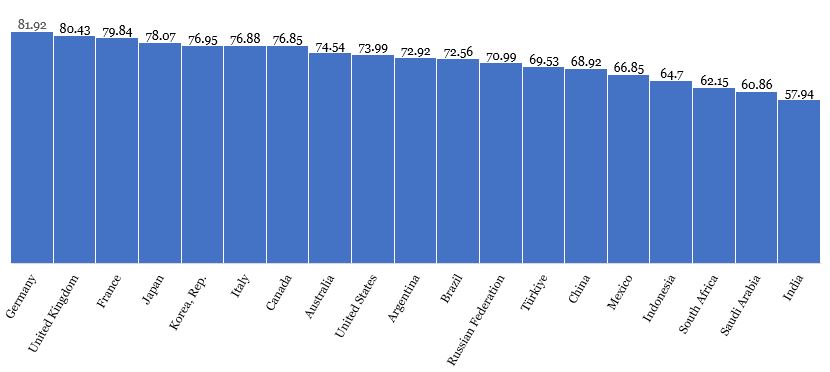
Exhibit 2: Pareto performance of SDGs 2015-2022

Source: Sustainable Development Report 2023; Infoprations Analysis, 2023