DD
MM
YYYY

PAGES

DD
MM
YYYY

spot_img

PAGES

Home Blog Page 3713

MoonPay, Solana, CFTC, DNS attack on Galxe, and Other Crypto News

0

MoonPay, a platform that enables users to buy and sell digital currencies, has announced a new feature that allows them to swap between different cryptocurrencies within its app. The feature, which is powered by MoonPay’s partner 0x, aims to provide a seamless and secure way for users to exchange their crypto assets without leaving the app.

Users can choose from over 100 supported cryptocurrencies, including Bitcoin, Ethereum, Dogecoin, and more. MoonPay claims that its swap feature offers competitive rates, low fees, and fast execution. The company says that this feature is part of its vision to make crypto more accessible and user-friendly for everyone.

Solana, one of the fastest and most scalable blockchain platforms, has announced a new update that enables private transactions on its network. This means that users can send and receive tokens without revealing their identities or balances to anyone. The update leverages a technology called zk-SNARKs, which are cryptographic proofs that verify the validity of a transaction without disclosing any information about it. Solana claims that this feature will enhance the security and privacy of its users, as well as attract more developers and projects to its ecosystem.

Backed is a platform that enables the creation and management of tokenized securities on Base, a blockchain network designed for real-world asset projects. Tokenized securities are digital representations of ownership rights and economic benefits of real-world assets, such as stocks, bonds, real estate, art, etc. By using Backed, issuers can access a global pool of investors, reduce costs and complexity, and enhance transparency and compliance. Investors can benefit from fractional ownership, increased liquidity, and lower barriers to entry.

The U.S. Commodity Futures Trading Commission (CFTC) is considering taking legal action against the former chief executive officer of Voyager Digital, a cryptocurrency brokerage firm, according to a Bloomberg report. The report, citing unnamed sources familiar with the matter, said that the CFTC is investigating whether Steve Ehrlich, who stepped down as Voyager’s CEO in August, violated federal laws that prohibit fraud and manipulation in the digital asset markets.

The CFTC probe is reportedly focused on Ehrlich’s role in a series of transactions that allegedly inflated Voyager’s trading volumes and revenues in 2019 and 2020. The transactions involved Ehrlich and other Voyager executives buying and selling cryptocurrencies from each other through the company’s platform, creating the appearance of high demand and liquidity for the firm’s services.

The report said that the CFTC has not yet decided whether to file a lawsuit against Ehrlich or seek a settlement. Ehrlich’s lawyer, Marc Mukasey, denied any wrongdoing by his client and said that he is cooperating with the CFTC.

“Steve Ehrlich is a visionary leader in the crypto space who has always acted with integrity and in the best interests of Voyager and its customers,” Mukasey said in a statement. “He welcomes the opportunity to clear his name and put this matter behind him. Voyager takes its regulatory obligations seriously and strives to comply with all applicable laws and regulations in the jurisdictions where it operates,” the company said.

Voyager Digital, which is based in Canada and listed on the Toronto Stock Exchange, said in a statement that it is not aware of any formal charges or complaints against Ehrlich or the company by the CFTC or any other regulatory agency. The company said that it has implemented “robust compliance policies and procedures” and that it is committed to providing “transparent and fair” services to its customers.

Galxe hit by DNS attack on front-end website

Galxe, a popular Web3 platform that offers decentralized cloud services, has been hit by a DNS attack that compromised its front-end website. The attack occurred on October 6, 2023, at around 10:00 UTC, and resulted in the redirection of Galxe’s domain name to a malicious site that displayed a ransom message.

According to Galxe’s official statement, the attack did not affect the core functionality of the platform, which relies on a distributed network of nodes that provide storage, computation, and bandwidth services. The platform’s smart contracts, tokens, and user data were also unaffected by the attack. However, the front-end website, which serves as an interface for users to access the platform’s features, was temporarily inaccessible until the DNS issue was resolved.

Galxe said that it has contacted its domain registrar and the relevant authorities to investigate the incident and restore its website as soon as possible. The platform also advised its users to avoid visiting its website until further notice, and to use alternative methods to interact with the platform, such as its mobile app or browser extension. Galxe also warned its users not to trust any emails or messages claiming to be from the platform, as they may be part of a phishing campaign.

The DNS attack on Galxe is the latest in a series of cyberattacks targeting Web3 platforms and projects. Web3, which refers to the emerging paradigm of decentralized web applications that run on blockchain and peer-to-peer networks, has attracted a lot of attention and investment in recent years. However, it has also faced various challenges and risks, such as scalability, interoperability, regulation, and security.

While Web3 platforms aim to provide more autonomy, privacy, and resilience than traditional web applications, they are not immune to cyberattacks. In fact, some aspects of Web3 may make them more vulnerable to certain types of attacks, such as DNS hijacking, which exploits the centralized nature of domain name systems. DNS hijacking occurs when an attacker gains control of a domain name and redirects it to a different IP address or website. This can allow the attacker to impersonate the legitimate website and perform malicious activities, such as stealing user credentials, spreading malware, or demanding ransom.

To prevent DNS hijacking, Web3 platforms and projects need to adopt various security measures, such as using secure domain registrars, implementing DNSSEC (Domain Name System Security Extensions), or using decentralized alternatives to DNS, such as ENS (Ethereum Name Service) or HNS (Handshake Name Service). These solutions can help ensure the integrity and authenticity of domain names and prevent unauthorized changes or redirections.

Galxe is one of the leading Web3 platforms that aims to revolutionize the cloud computing industry by offering decentralized alternatives to centralized cloud providers. Galxe claims to have over 10 million users and 1000 partners across various sectors and regions. The platform leverages blockchain technology and smart contracts to create a marketplace where users can rent or provide cloud resources in a peer-to-peer manner. Galxe also supports various Web3 applications and protocols that run on its network, such as decentralized storage, identity, communication, gaming, and social media.

The DNS attack on Galxe’s front-end website is a setback for the platform and its users, but it does not compromise the core vision and value proposition of Web3. Galxe has assured its users that it is working hard to restore its website and prevent similar attacks in the future. The platform has also thanked its community for their support and understanding during this difficult time.
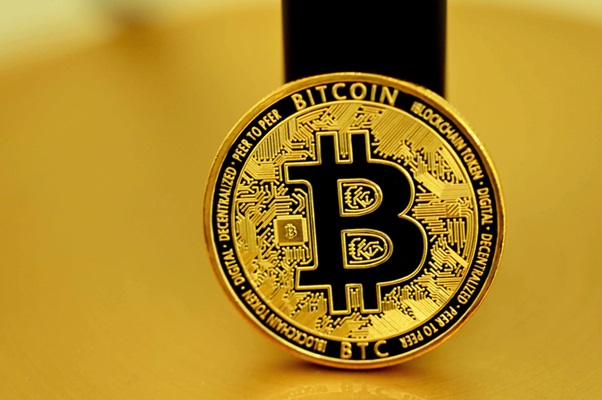
Bitcoin is the Jewel in the Crown

0

Bitcoin is the most popular and widely used cryptocurrency in the world, and it has been growing steadily in value and adoption since its inception in 2009. Bitcoin is not just a digital currency, but also a decentralized network that enables peer-to-peer transactions without intermediaries or central authorities.

Bitcoin is powered by a revolutionary technology called blockchain, which ensures security, transparency and immutability of the transactions. Bitcoin is the jewel in the crown of the blockchain industry, and it has many advantages over traditional forms of money.

Some of the benefits of Bitcoin are:

Scarcity: Bitcoin has a limited supply of 21 million coins, which makes it resistant to inflation and devaluation. Unlike fiat currencies that can be printed at will by governments, Bitcoin is governed by a mathematical algorithm that ensures a predictable and transparent issuance rate.

Portability: Bitcoin can be easily transferred across borders and continents, without the need for intermediaries or expensive fees. You can send and receive Bitcoin with just a smartphone and an internet connection, regardless of your location or time zone.

Divisibility: Bitcoin can be divided into smaller units called Satoshi’s, which are equivalent to 0.00000001 BTC. This allows for microtransactions and precise payments, without the hassle of coins or change.

Security: Bitcoin transactions are verified and recorded by a network of computers called nodes, which use cryptography to ensure that no one can tamper with or reverse them. Bitcoin users have full control over their funds, and they can protect them with passwords, encryption or hardware wallets.

Transparency: Bitcoin transactions are stored in a public ledger called the blockchain, which anyone can access and verify. The blockchain provides a clear and auditable record of all the transactions that have ever occurred on the network, and it prevents fraud, corruption and censorship.

Innovation: Bitcoin is constantly evolving and improving, thanks to the efforts of a global community of developers, researchers and enthusiasts. Bitcoin is open source, which means that anyone can contribute to its development or create new applications on top of it. Bitcoin is also compatible with other technologies, such as smart contracts, lightning network and decentralized applications, which expand its functionality and potential.

One of the most important features of bitcoin is its censorship resistance. This means that no one can prevent you from sending or receiving bitcoins, as long as you have access to the internet and a bitcoin wallet. Unlike traditional payment systems, bitcoin does not rely on intermediaries, such as banks, governments, or corporations, to process transactions. Instead, it uses a decentralized network of nodes, called the bitcoin network, to verify and record transactions on a public ledger, called the blockchain.

Censorship resistance is a key advantage of bitcoin, especially for people who live in countries with oppressive regimes, unstable economies, or strict capital controls. With bitcoin, they can preserve their wealth, protect their privacy, and access global markets without fear of censorship, confiscation, or corruption. Bitcoin also enables peer-to-peer transactions that are fast, cheap, and borderless, regardless of the political or geographical barriers that may exist between the parties.

However, censorship resistance is not an absolute guarantee. There are still some potential threats that could undermine the security and functionality of the bitcoin network. For example, a powerful adversary could try to launch a 51% attack, which is when a single entity controls more than half of the network’s computing power and can manipulate the blockchain.

Alternatively, a malicious actor could try to disrupt the network by spamming transactions, censoring nodes, or blocking internet access. Moreover, some governments could try to ban or regulate bitcoin by targeting users, exchanges, or service providers.

Therefore, it is important for bitcoin users to be aware of these risks and take measures to protect themselves and their funds. Some of the best practices include:

Using a secure and reputable bitcoin wallet that gives you full control over your private keys.

Encrypting your wallet and backing up your seed phrase in a safe location.

Using a VPN or Tor to hide your IP address and avoid network surveillance.

Choosing reliable and trustworthy nodes to connect to the network.

Verifying the source and validity of any software or service you use with bitcoin.

Educating yourself and others about the benefits and challenges of bitcoin.

Bitcoin is censorship resistant, but not censorship proof. It is up to us, the users, to defend and preserve this valuable property that makes bitcoin so unique and powerful.

Bitcoin is the jewel in the crown of the blockchain industry, and it has proven its resilience and value over time. Bitcoin is not only a currency, but also a store of value, a medium of exchange, a unit of account and a global phenomenon. Bitcoin is the future of money, and you should not miss this opportunity to join the revolution.

Binance Announces The Launch of Its Social Platform to Create A More Inclusive Community For Crypto Enthusiasts

0

Leading crypto exchange platform Binance has launched its social platform called Binance Feed, to create a community-centered space for cryptocurrency enthusiasts and experts alike to exchange information, ideas and insights.

This announcement was made by Binance CEO Changpeng Zhao “CZ”, who took to the X platform to disclose the development to users across the globe.

He wrote,

“Just made my first post on Binance Feed. You can too. It’s a new platform. As always, we welcome your feedback to improve it. As I have 0 followers and followings now, I will follow the early adopters aggressively. Go there and follow me.”

CZ’s post on Binance Feed reads, “Welcome to the global town square for crypto discussions.”

With Binance Feed, users can now share their insights, analysis, personal experiences, and many more, thereby contributing to the collective growth and learning on the Binance platform.

This can include sharing news articles, blog posts, market analysis, trading tips, and even personal stories about their journey with cryptocurrency.

Binance Feed offers users a great way to stay up-to-date on the latest trends and developments in the crypto industry. Users can follow other users whose content they enjoy, and they will receive notifications whenever there are new postings on the platform.

Check out some of the benefits of using Binance Feed:

  • Market Update: The feed platform will provide users with real-time market data, and news updates to help them stay informed about cryptocurrency prices, trends, and developments.
  • Learn from experts and enthusiasts: Binance Feed offers a great place for users to learn about cryptocurrency from people who have been involved in the space for a long time. They can read their insights, ask questions, and get help with their trading and investing.
  • Connect with other crypto users: Binance Feed is a great way to connect with other people who are interested in cryptocurrency. Users can follow other users, like their posts, comment on their discussions and possibly receive a feedback.

Binance’s launch of an interactive feed platform is a remarkable development, which represents an expansion of the platform’s services beyond its core cryptocurrency trading platform and is intended to foster greater interaction and engagement among crypto enthusiasts.

CZ has been lauded for his ambitious move to give the crypto community another significant stimulus, which will also see users spend as much time on Binance as possible by making them engage in insightful discussions.

This will significantly raise the popularity of Binance not only as a crypto exchange, but also as a crypto social network, giving it a significant edge over other crypto platforms.

Phaver raises $7M in seed funding amid Sui Foundation Reallocating Tokens

0

Phaver, a Web3 social platform that empowers users to create and monetize their own content, has announced that it has raised $7 million in seed funding from a group of investors in the round included Polygon Ventures, Nomad Capital, Symbolic Capital, dao5, Foresight Ventures, Alphanonce, f.actor, Superhero Capital and others, according to a statement.

Phaver is a decentralized social network that leverages blockchain technology to enable users to own their data, identity, and reputation. Users can create and join communities, post and interact with content, and earn rewards in the form of Phaver tokens, which can be used to access premium features, tip creators, or stake for governance rights. Phaver also allows users to mint and trade NFTs of their content, creating new possibilities for digital art and creativity.

Phaver’s co-founder and CEO, Joonatan Lintala said that the platform aims to disrupt the traditional social media landscape by giving users more freedom, control, and value. “We believe that Web3 is the future of the internet, where users are not exploited by centralized platforms, but rather rewarded for their contributions. Phaver is a platform where anyone can create, share, and monetize their content without intermediaries or censorship,” he said.

He added that the seed funding will help Phaver scale its team, develop its product, and grow its user base. He also expressed his gratitude to the investors for their support and vision. “We are thrilled to have such a stellar group of investors backing us. They share our passion for Web3 and social media and have deep expertise and networks in the space. We look forward to working with them to make Phaver the best Web3 social platform in the world,” he said.

“Phaver’s mission is to connect the entire web3 by allowing users to bring in their own building blocks for their social graph, whether that means building credibility with a decentralized ID, finding community among holders of the same collectibles or building relationships across the entire internet with on-chain social layers like Lens,” Phaver CEO Joonatan Lintala said in the statement.

“Users, who now own crucial pieces of the social network, also deserve their fair share of the pie and should be heard in important decisions,” Lintala added. Phaver first launched in 2022 on Lens, a blockchain mainnet undergirding web3 social platforms.

In a similar development of ecosystem advancement, the Sui Foundation, the non-profit organization behind the Sui protocol, has announced a major decision to reallocate 117 million SUI from external market makers to its own treasury. This move is aimed at supporting the growth and development of the Sui ecosystem, as well as enhancing the security and decentralization of the protocol.

The Sui protocol is a decentralized platform for creating and exchanging synthetic assets, such as stocks, commodities, cryptocurrencies, and more. Users can mint synthetic assets, called sAssets, by staking SUI tokens as collateral. They can also trade sAssets on the Sui exchange or provide liquidity to earn fees and rewards.

The Sui Foundation explained that the reallocation of SUI tokens was necessary to ensure the long-term sustainability and innovation of the protocol. By having more control over its own funds, the Foundation can invest in research, development, marketing, community building, and governance initiatives that will benefit the Sui ecosystem and its users.

The Foundation also stated that the reallocation of SUI tokens will improve the security and decentralization of the protocol. By reducing the amount of SUI tokens held by external market makers, the Foundation can prevent potential attacks or manipulations by malicious actors. Moreover, by increasing the amount of SUI tokens in its treasury, the Foundation can distribute more tokens to the community through various incentives and reward programs, such as liquidity mining, staking, grants, and airdrops.

The reallocation of SUI tokens will take place gradually over the next few months, according to the Foundation. The Foundation will work closely with the external market makers to ensure a smooth and transparent transition. The Foundation will also publish regular reports on its website and social media channels to keep the community updated on the progress and impact of the reallocation.

The Sui Foundation expressed its gratitude to the external market makers for their support and cooperation in this decision. The Foundation also thanked the Sui community for its continued trust and participation in the protocol. The Foundation said that it is confident that this decision will bring positive outcomes for the Sui ecosystem and its users, and that it is looking forward to building a more robust and innovative platform for synthetic asset creation and exchange.

Africa is not a problem to be solved but an opportunity to be seized

0

Africa is often portrayed as a continent plagued by poverty, conflict, and disease. However, this narrative ignores the diversity, resilience, and potential of its people and cultures. Africa is not a problem to be solved but an opportunity to be seized. In this blog post, I will explore some of the reasons why Africa is a land of opportunity for investors, entrepreneurs, and innovators.

First, Africa has a young and growing population that is eager to learn, work, and create. According to the United Nations, Africa’s population is expected to double by 2050, reaching 2.5 billion people. More than half of them will be under 25 years old. This means that Africa will have the largest and youngest workforce in the world, with a huge demand for education, skills, and services. This also means that Africa will have a vibrant consumer market, with millions of people looking for quality products and experiences.

Second, Africa has a rich and diverse cultural heritage that inspires creativity and innovation. Africa is home to more than 2,000 languages and ethnic groups, each with its own history, traditions, and values. Africa is also the birthplace of humanity and civilization, with a legacy of art, music, literature, and science that spans millennia. Africa’s cultural diversity is a source of strength and inspiration for its people, who are constantly adapting and inventing new ways of solving problems and expressing themselves.

Third, Africa has abundant natural resources that can be harnessed for sustainable development. Africa has 30% of the world’s mineral reserves, 10% of the world’s oil reserves, and 8% of the world’s natural gas reserves. Africa also has vast renewable energy potential, with abundant solar, wind, hydro, and geothermal resources. Africa’s natural resources can be used to power its industrialization, diversification, and modernization, while also protecting its environment and biodiversity.

What if the subsidy on PMS and other petroleum products is now used on food?

This is a question that many Nigerians and Africans have been asking in the wake of the recent fuel price hike and food shortages in the continent. The government has argued that the subsidy on petrol and other petroleum products was unsustainable and wasteful, and that removing it would free up funds for other sectors, such as health, education, and infrastructure. But what if the subsidy was redirected to food instead?

Food is a basic necessity for human survival, and yet many Nigerians struggle to afford it. According to the National Bureau of Statistics, food inflation rose to 21.03% in August 2023, the highest level since 2017. The rising cost of food has been driven by factors such as insecurity, climate change, exchange rate fluctuations, and supply chain disruptions. As a result, many households have been forced to cut down on their food consumption, or resort to cheaper and less nutritious alternatives.

The impact of food insecurity on the well-being of Nigerians and in Africa cannot be overstated. Hunger and malnutrition can lead to poor health outcomes, reduced productivity, lower educational attainment, and increased poverty. According to the World Food Programme, Nigeria has the second-highest burden of stunted children in the world, with 10.5 million children under five suffering from chronic malnutrition. Moreover, food insecurity can also fuel social unrest and violence, as people become desperate and frustrated.

Therefore, it is imperative that the government takes urgent steps to address the food crisis in Nigeria. One possible solution is to use the subsidy on PMS and other petroleum products to subsidize food instead. This would mean that the government would reduce the price of food items by paying part of the cost to the producers or distributors. This would make food more affordable and accessible for consumers, especially the poor and vulnerable.

The benefits of subsidizing food are manifold. First, it would improve the food security and nutrition status of millions of Nigerians, thereby enhancing their health and well-being. Second, it would stimulate the agricultural sector and create more jobs and income for farmers and agro-processors. Third, it would reduce the dependence on imported food and save foreign exchange for the country. Fourth, it would ease the pressure on household budgets and increase consumer spending and demand. Fifth, it would foster social stability and peace by reducing hunger-induced grievances and conflicts.

Of course, subsidizing food is not without its challenges and drawbacks. For one thing, it would require a huge amount of public funds that could otherwise be used for other purposes. For another thing, it would entail a complex and efficient system of targeting, monitoring, and evaluation to ensure that the subsidy reaches the intended beneficiaries and does not leak to middlemen or corrupt officials. Furthermore, it would pose a risk of creating market distortions and disincentives for private sector investment and innovation in the food industry.

Therefore, before implementing such a policy, the government would need to conduct a careful cost-benefit analysis and consult with various stakeholders, including farmers, traders, consumers, civil society groups, and development partners. The government would also need to complement the subsidy with other measures to address the root causes of food insecurity, such as improving security, infrastructure, storage facilities, extension services, credit access, input supply, quality standards, and market information.

In conclusion, using the subsidy on PMS and other petroleum products to subsidize food is a potential option to tackle the food crisis in Nigeria. However, it is not a silver bullet that can solve all the problems in the sector. It requires careful planning, implementation, and evaluation to ensure that it achieves its objectives and does not create unintended consequences.

These are just some of the reasons why Africa is not a problem to be solved but an opportunity to be seized. Africa is a continent of hope, promise, and possibility. It is a continent that deserves respect, recognition, and partnership. It is a continent that can shape its own destiny and contribute to the global community.