DD
MM
YYYY

PAGES

DD
MM
YYYY

spot_img

PAGES

Home Blog Page 3722

Why investing in Africa makes Business Sense

0
A detached three-bedroom apartments are pictured at Haggai Estate, Redeption Camp on Lagos Ibadan highway in Ogun State, southwest Nigeria on August, 30, 2012. The high cost of living and the massive urbanization of Lagos, the largest city and the economic capital of Nigeria, has engineered a migration of residents mostly middle class and the poor to neighbouring towns in Ogun State, both in southwest part of the country in search of cheap accommodations. Estate developers are quick in exploiting the high cost and scarcity of accommodation leading to emerging new towns, modern estates to accommodate the spillover in Lagos. AFP PHOTO/PIUS UTOMI EKPEI (Photo credit should read PIUS UTOMI EKPEI/AFP/GettyImages)

Africa is a continent of immense potential and opportunities. It is home to 1.3 billion people, 60% of whom are under the age of 25, and has a fast-growing middle class that is expected to reach 1.1 billion by 2060. Africa also has abundant natural resources, a diverse cultural heritage, and a vibrant entrepreneurial spirit.

But Africa is also facing many challenges, such as poverty, inequality, conflict, climate change, and poor infrastructure. These challenges create both risks and opportunities for investors who are willing to look beyond the stereotypes and see the potential of the continent.

Investing in Africa is not only a moral imperative, but also a smart business decision. According to the World Bank, Africa’s GDP growth rate is projected to rebound to 3.4% in 2021, after contracting by 2.1% in 2020 due to the COVID-19 pandemic. This is higher than the global average of 2.9%. Africa also offers access to a large and growing consumer market, with a projected spending power of $2.5 trillion by 2030.

Moreover, investing in Africa can have positive social and environmental impacts, as well as financial returns. By supporting sectors such as renewable energy, agriculture, health, education, and digital innovation, investors can help create jobs, improve livelihoods, reduce emissions, and foster inclusive development.

There are many examples of successful investments in Africa that have generated both profits and impact. For instance, M-KOPA, an African fintech platform that provides digital financial services to underbanked consumers to low-income households, has raised about $245 million from investors such as Generation Investment Management and LGT Venture Philanthropy. M-KOPA  has reached over three million customers across Kenya, Ghana, Uganda, and Nigeria, and has created over 10,000 jobs.

Another example is Jumia, an e-commerce platform that operates in 14 African countries. Jumia has raised over $1 billion from investors such as Goldman Sachs and MTN Group and became the first African tech company to list on the New York Stock Exchange in 2019. Jumia has over 6.8 million active customers and offers a range of products and services, from fashion and electronics to food delivery and travel.

These are just two of the many stories that illustrate the potential of investing in Africa. Of course, investing in Africa is not without challenges and risks. Investors need to do their due diligence, understand the local context and regulations, build trust and partnerships with local stakeholders, and adopt a long-term perspective.

What are the risks investing in Africa?

Political risk: One of the most prominent risks in Africa is political instability and uncertainty. Many African countries have experienced civil wars, coups, ethnic conflicts, and authoritarian regimes that have undermined the rule of law, governance, and human rights. These factors can affect the security of investments, the enforceability of contracts, the protection of property rights, and the transparency of regulations.

Moreover, some African countries have weak or corrupt institutions that can hamper the business environment and create barriers to entry and exit. Investors should conduct thorough due diligence on the political situation and legal framework of their target markets and seek local partners who can help them navigate the complexities and risks.

Economic risk: Another major risk in Africa is economic volatility and vulnerability. Many African economies are dependent on commodities exports, which makes them susceptible to fluctuations in global prices and demand. For example, the recent slump in oil prices has severely affected the revenues and fiscal balances of oil-producing countries such as Nigeria, Angola, and Algeria.

Furthermore, some African countries have high levels of debt, inflation, and currency depreciation that can erode the profitability and competitiveness of investments. Investors should diversify their portfolios across different sectors and regions and hedge against currency and inflation risks.

Social risk: A third risk in Africa is social unrest and conflict. Africa has a diverse and heterogeneous population with different cultures, languages, religions, and ethnicities. This diversity can be a source of richness and innovation, but also of tension and violence. Some African countries have witnessed social protests, strikes, riots, and insurgencies that have disrupted economic activity and threatened social cohesion.

These events can be triggered by various factors such as poverty, inequality, unemployment, corruption, human rights violations, environmental degradation, or political grievances. Investors should monitor the social climate and engage with local communities and stakeholders to understand their needs and expectations and to contribute to their development and well-being.

But the rewards can be worth it. Investing in Africa can offer attractive returns, diversify portfolios, and contribute to the sustainable development of the continent. As former UN Secretary-General Kofi Annan once said: “Africa is not a problem to be solved but an opportunity to be seized.”

SEC sending feedback and holding private meetings with applicants regarding their ETF Filings

0

The U.S. Securities and Exchange Commission (SEC) is reportedly in active discussions with several companies that have filed applications for a spot Bitcoin exchange-traded fund (ETF). According to Bloomberg, the SEC has been sending feedback and holding private meetings with applicants to address some of the concerns and challenges that have prevented the approval of a Bitcoin ETF so far.

A spot Bitcoin ETF would track the price of the underlying asset directly, unlike futures-based ETFs that track contracts that bet on the future price of Bitcoin. Many investors and experts believe that a spot Bitcoin ETF would be more beneficial for the crypto market, as it would provide more exposure, liquidity and transparency.

However, the SEC has been reluctant to approve a spot Bitcoin ETF, citing issues such as market manipulation, custody, valuation and investor protection. The regulator has repeatedly delayed or rejected applications for a spot Bitcoin ETF, while approving several futures-based ETFs in October.

The Bloomberg report suggests that the SEC is not completely opposed to a spot Bitcoin ETF, but rather wants to ensure that the applicants meet the high standards and requirements that the regulator has set. The report also indicates that the SEC is open to dialogue and feedback from the applicants, and that some of the issues could be resolved in the near future.

Some of the companies that have filed for a spot Bitcoin ETF include VanEck, WisdomTree, NYDIG, Valkyrie and Bitwise. These companies have been waiting for months or even years for a response from the SEC, and some of them have expressed frustration and disappointment with the regulator’s approach.

However, the Bloomberg report could signal a positive development for the prospects of a spot Bitcoin ETF in the U.S., as it shows that the SEC is actively engaging with the applicants and not dismissing their proposals outright. While there is no guarantee that the SEC will approve a spot Bitcoin ETF anytime soon, the report could boost the hopes and expectations of the crypto industry and investors.

SEC asks judge to deny Coinbase motion to dismiss its lawsuit

The Securities and Exchange Commission (SEC) has filed a motion to oppose Coinbase’s request to dismiss the lawsuit that the agency brought against the cryptocurrency exchange in September 2021. The SEC claims that Coinbase violated federal securities laws by offering a lending program that involved digital assets.

The lawsuit stems from Coinbase’s announcement of a product called Lend, which would allow users to earn interest on their crypto holdings by lending them to other users. The SEC alleges that Lend involved the sale of unregistered securities, namely the contracts that promised interest payments. The SEC also accuses Coinbase of failing to disclose material information about the risks and rewards of the program, as well as the identity and qualifications of the borrowers.

Coinbase, on the other hand, argues that Lend did not involve securities, but rather simple loans that were fully collateralized and subject to consumer protection laws. Coinbase also asserts that it cooperated with the SEC and sought guidance from the agency before launching the product but received no clear answer. Coinbase claims that the SEC’s lawsuit is an attempt to stifle innovation and competition in the crypto industry, and that it violates due process and fair notice principles.

In its motion to dismiss, Coinbase contends that the SEC has failed to state a plausible claim for relief, and that the court should dismiss the lawsuit for lack of jurisdiction and failure to state a claim. Coinbase also requests that the court grant it leave to amend its complaint if the motion is denied.

The SEC’s opposition motion, filed on October 3, 2023, challenges Coinbase’s arguments and asks the court to deny the motion to dismiss. The SEC maintains that Lend involved securities, and that Coinbase did not comply with the registration and disclosure requirements of the securities laws. The SEC also disputes Coinbase’s allegations of cooperation and lack of clarity and asserts that it has jurisdiction and authority to enforce the securities laws against Coinbase.

The motion is now pending before Judge Richard Seeborg of the U.S. District Court for the Northern District of California. The court has scheduled a hearing on the motion for November 15, 2023. The outcome of the motion could have significant implications for the future of crypto lending and regulation in the U.S.

By 2012, Wages in China were the most expensive among Developing Nations

0

One of the most remarkable economic transformations of the past decade has been the rise of China as a global manufacturing powerhouse. The country has become the world’s largest exporter of goods and has lifted hundreds of millions of people out of poverty. However, this rapid development has also come with a cost: rising labor costs.

According to the International Labour Organization (ILO), the average monthly wage in China rose from 1,392 yuan in 2005 to 4,692 yuan in 2012, an increase of 237%. This means that China’s wages grew faster than any other developing country in the same period. In fact, by 2012, China’s wages were higher than those of some other emerging economies, such as Brazil, Mexico, and Turkey. Moreover, China’s wages were also higher than those of some developed countries, such as Portugal, Greece, and Spain.

Why did China’s wages increase so much? There are several factors that contributed to this trend. One is the demographic shift that reduced the supply of young workers. As a result of the one-child policy and lower fertility rates, China’s working-age population peaked in 2010 and started to decline afterwards. This created a labor shortage that pushed up wages. Another factor is the rising demand for skilled workers.

As China moved up the value chain and diversified its exports, it needed more workers with higher education and technical skills. However, the supply of such workers was limited by the quality and accessibility of education and training. This created a skill mismatch that increased wage premiums for skilled workers. A third factor is the growing awareness and activism of workers. As China’s economy grew and living standards improved, workers became more conscious of their rights and expectations.

They demanded better working conditions, social benefits, and higher wages. They also organized strikes and protests to voice their grievances and bargain for their interests. This increased the bargaining power of workers and put pressure on employers to raise wages.

What are the consequences of China’s rising wages? On the one hand, higher wages have positive effects on China’s economy and society. They boost domestic consumption and reduce income inequality. They also encourage innovation and productivity growth, as firms have to invest more in technology and research and development to cope with higher labor costs. They also improve the quality of life and well-being of workers and their families.

On the other hand, higher wages also pose challenges for China’s competitiveness and growth. They erode China’s cost advantage and make its exports less attractive in global markets. They also increase the risk of relocation and outsourcing, as foreign investors and multinational corporations may seek cheaper labor elsewhere. They also create inflationary pressures and affect macroeconomic stability.

How can China balance the benefits and costs of rising wages? There is no simple answer to this question, but some possible strategies include:

Enhancing human capital development: China needs to improve its education and training system to increase the supply and quality of skilled workers. This will help reduce skill shortages and wage gaps, as well as foster innovation and creativity.

Promoting industrial upgrading: China needs to shift from low-end manufacturing to high-end manufacturing and services. This will help increase its value-added and competitiveness, as well as create more high-paying jobs.

Strengthening social protection: China needs to expand its social security system to cover more workers, especially those in the informal sector. This will help reduce poverty and vulnerability, as well as enhance social cohesion and stability.

Pursuing regional integration: China needs to deepen its economic cooperation with other countries in Asia and beyond. This will help diversify its export markets and sources of investment, as well as foster regional development and stability.

China’s rising wages are a reflection of its economic success, but also a challenge for its future growth. China needs to adopt a balanced approach that maximizes the benefits and minimizes the costs of higher labor costs.

Binance, Patrick McHenry, US SEC, Coinbase, Ripple and other Crypto News

0

Binance, will be updating the Monitoring Tag list of tokens on October 4, 2023. The Monitoring Tag is applied to tokens that do not meet its minimum standards or have been identified as having potential compliance or security risks. They Crypto exchange stated it has conducted comprehensive review of the tokens listed on Binance and have decided to add more tokens to the Monitoring Tag list based on their platform criteria.

The updated list will be published on binance website and app. Please note that the Monitoring Tag does not necessarily imply that a token will be delisted, but it does indicate that users should exercise caution when trading or holding such tokens.

Patrick McHenry, a Republican congressman from North Carolina who has been a vocal critic of Gary Gensler, the chair of the Securities and Exchange Commission, has been appointed as the speaker pro tempore of the House of Representatives. The speaker pro tempore is the second-highest ranking officer of the House, after the speaker, and presides over the chamber in the speaker’s absence.

McHenry has clashed with Gensler over his regulatory approach to cryptocurrencies, which McHenry argues is too restrictive and stifles innovation. McHenry has also accused Gensler of being biased against certain types of financial products, such as exchange-traded funds and non-fungible tokens. McHenry said he was honored by the appointment and vowed to use his position to advance a pro-growth agenda that supports American businesses and investors.

In a major victory for Ripple, the US District Court for the Southern District of New York has denied the Securities and Exchange Commission’s (SEC) motion to appeal a ruling that granted Ripple access to the SEC’s internal communications on how it determines whether a cryptocurrency is a security. The judge ruled that the SEC’s arguments were not persuasive, and that the discovery was relevant to the fair notice defense raised by Ripple. The judge also stated that the public interest in the case was high and that the SEC’s disclosure obligations were not unduly burdensome.

The policies of President Joe Biden are the root cause of the inflation crisis that is plaguing America, according to a US Senator. The Senator delivered a speech on the Senate floor, in which he accused Biden of creating a “man-made disaster” that is affecting millions of Americans. He said that Biden’s spending plans and tax hikes are hurting the economic recovery from the pandemic and causing prices of goods and services to soar across the country. He called on Biden to change his direction and adopt a more fiscally responsible approach to governing.

Chainalysis, a leading provider of blockchain intelligence solutions, has announced a major restructuring that will affect more than 15% of its staff. The decision, which will result in the layoff of 150 employees, is part of the company’s strategy to adapt to the changing market conditions and customer needs.

Kraken, one of the leading cryptocurrency exchanges in the world, has announced that it will offer trading for US-listed stocks on its platform. This means that users of Kraken can buy and sell shares of companies such as Apple, Tesla, Amazon, and Netflix using cryptocurrencies or fiat currencies. Kraken claims that this service will provide more access and liquidity to the stock market, as well as more opportunities for diversification and arbitrage. Kraken will partner with a regulated broker-dealer to facilitate the trading of US stocks, which will be available 24/7 and with low fees.

Several financial institutions, such as VanEck and Proshares, have launched new products that track the performance of Ethereum, the second-largest cryptocurrency by market capitalization. These products, known as Ethereum Futures ETFs, allow investors to gain exposure to the price movements of Ethereum without having to buy or store the digital asset directly. Ethereum Futures ETFs are regulated by the Securities and Exchange Commission (SEC) and trade on major stock exchanges like the NYSE and Nasdaq.

Coinbase, one of the leading cryptocurrency exchanges in the world, has announced that it will offer futures trading to its customers outside the US. This move is expected to increase the liquidity and accessibility of the crypto market, as well as provide more opportunities for hedging and speculation. Futures trading allows traders to bet on the future price movements of an asset, without having to own it.

Coinbase said that its futures platform will support Bitcoin, Ethereum, Litecoin, Bitcoin Cash, and other popular coins. The platform will also offer margin trading, which enables traders to borrow funds to amplify their returns or losses. Coinbase said that it has obtained regulatory approvals from various jurisdictions, including the UK, Germany, Japan, and Singapore, to operate its futures trading service. The company added that it will comply with all local laws and regulations, and that it will implement strict security and compliance measures to protect its customers and their funds.

The Importation of Goods Into Nigeria, How To Obtain a SONCAP Certificate

0

Commercial Law :- The Regulatory Requirements For The Importation of Goods into Nigeria

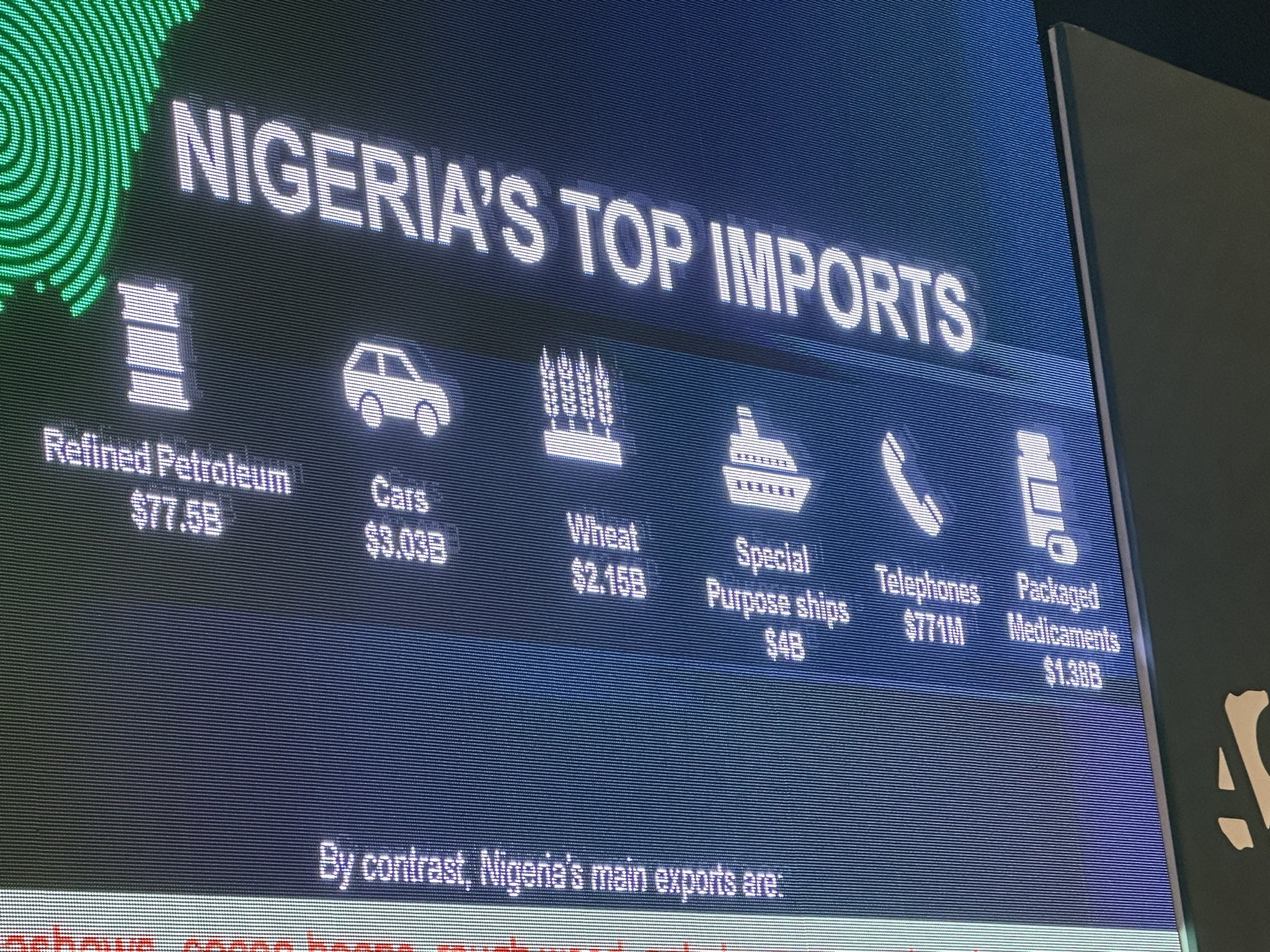
This article will be focused on the regulatory procedures involved in securing a permit for the importation/bringing in of goods into Nigeria which is primarily under the jurisdiction of the Nigerian Customs Service in collaboration with other government agencies.

It should be noted that no item or product can be legitimately brought into Nigeria without the regulatory clearance of the Customs Service.

These procedures are thus itemized as follows:

Confirmation of Goods

– This involves carrying out an enquiry to ensure the goods planned for importation do not fall under the prohibition/restricted goods list of the Nigerian Customs Service.

Incorporating an Importation Company in Nigeria & Registering the company as an importer with the Federal Inland Revenue Service (FIRS)

– FIRS registrations for the purpose of paying all importation-related taxes, levies and duties are to be done via Tax Identification Numbers (TINs).

Procuring a Product Certificate or PC

– Product Certificates are given by the Standards Organization of Nigeria (SON) to exporting/selling companies of the goods to be imported through agents known as accredited firms.

– The aim of a PC is to affirm that the SON is satisfied about the quality of goods to be imported.

– A PC is important for the purpose of final importation clearance by the Nigerian Customs Service.

Submit a procured e-Form M

– An e-Form M is usually procured from an authorized dealer (a bank) 

from the Nigerian Trade Portal and once filled, is to be submitted along with a set of required attached documents which must be marked either valid or invalid for foreign exchange (FX).

– A due diligence check must be done by the importer or its legal counsel to ensure that the goods to be imported are valid for FX. This means that if invalid, import transactions in the goods will be barred from access to the official Nigerian FX market.

– Where the importation of certain goods discovered to be invalid for FX, the importing company will then be required to prepare written statements and documentation stating the source of the FX it will procure on its own for Importation (this is in itself an Anti-Money Laundering procedure).

Onward Submission of the e-Form M to the Customs Service For Registration. 

– This stage will also involve a thorough review of supporting documents attached to the e-Form M.

Obtaining a SONCAP Certificate

– SONCAP (Standards Organization of Nigeria Conformity Assessment Program) Certificates are to be procured alongside other clearances from accredited firms. SONCAP Certificate procurement procedures will be the focus of my next article.

The procurement of a Pre-Annual Assessment Report

– This is granted by the Customs Service and requires among other documentation, an e-Form M, Shipping documents, a PC, a certificate of origin is will be submitted with a Pre-Annual Assessment Report form . 

Customs Clearance Proper

– Which involves sending documentations which include a Single Goods Declaration (SGD) , the Pre-Annual Assessment Report to the trade portal and paying the required import duties and tariffs to the NCS.

The NAFDAC Regulations on Permits For The Importation of Narcotic Drugs, Psychotropic Substances & Drug Precursors into Nigeria

Rendered effective from 01/06/2018, the National Agency For Food and Drug Administration and Control (NAFDAC) passed the narcotic drug guidelines for the interest of the public and in particular, importers of narcotic drugs, controlled /Psychotropic Substances & Drug Precursors into Nigeria.

It should be noted that no product containing narcotic and controlled substances shall be manufactured, imported, exported, advertised, sold, distributed or used in Nigeria unless it has been registered under the NAFDAC act and the necessary import and clearance permits have been obtained where applicable.

This article will be focused on the steps involved in securing a NAFDAC permit for narcotic drug importation.

Step 1 – Documentation

– Applicants are required to fill the FG Single Window for trade-provided forms for a permit to import narcotic drugs, psychotropic substances and drug precursors .

– The following documents are documents are required to be attached for a successful submission of the form:-

a). An application signed by the superintendent pharmacist of the company on the company’s letter head addressed to the NAFDAC containing :-

  1. The name of substances to be imported
  1. The quantity of substances to be imported (in Kilograms)
  1. The country of origin
  1. Name and address of the manufacturer
  1. Name and address of the supplier
  1. Valid annual license of the superintendent pharmacist to practice
  1. Valid certificate of registration/retention of premises
  1. Proforma invoice

Step 2 – Processing of Permit

– Upon satisfactory documentation, the importing company is to liaise with the Inspection & Monitoring division of the directorate for inspection, NAFDAC, of  her facility (this is not applicable to new applicants).

– A permit to import will be processed for a satisfactory application.

– For unsatisfactory applications/documentations, a compliance directive will be issued to the company.

Step 3 – Collection of Permit

– This involves collecting from the Nigerian Customs Service, endorsed permits to import Narcotic drugs.

Step 4 – The payment of applicable Tariffs

Timeline for processing of import permit applications for narcotic drugs – 5 working days.

It should be noted that:-

– A failure to submit adequate documents may lead to considerable delays in processing the application.

– A failure to respond promptly to compliance directives will lead to suspension of further processing of the application.

– Allocation of controlled substances is based on availability.

– Submission of fake documents will be considered as a violation and may result in regulating action and/or prosecution.

How To Obtain a SONCAP Certificate for Goods Importation into Nigeria

SONCAP Certificate applications and issuances fall under the jurisdiction of the Standards Organization of Nigeria (SON) which is empowered by law to provide the regulatory framework for determining the appropriate standards for the manufacture and sale of products as well as publishing regulatory information  regarding production and service minimum quality indicators.

Under the Standards Organization of Nigeria Conformity Assessment Program (SONCAP), certain goods are as a matter of fact required to be assessed/checked to ensure conformity with approved production/manufacturing standards before clearance for importation into Nigeria and are typically evidenced as validly cleared by certificates issued on behalf of SON via accredited agent firms.

This article will be looking at the procedures involved in procuring this certificate which are as follows:-

Procurement of a Product Certificate (PC) :- This is a major requirement for products and is also issued by the SON and a pre-condition for the issuance of a SONCAP Certificate.

It should be noted that 3 categories of Product Certificates exist based on validity according to importation frequency in the following order:-

  1. PC 1 ( For one-time importers) 

– Validity period – 6 months

  1. PC 2 ( For occasional importers)

– Validity period – 1 year

  1. PC 3 (For frequent importers)

– Validity period – 1 year

How long does it take to process an application for a PC?

This takes 3-7 working days.

What are the requirements for procuring a PC?

Some of the requirements for processing a PC include:-

  • An application letter.
  • A quality declaration from the manufacturer.
  • A sample/picture of the product.

– Making an application proper for a SONCAP Certificate using the PC:- A SONCAP Certificate is to be linked to a PC which will be attached to a SONCAP Certificate application.

Requirements for a SONCAP aplication include the following :-

  • A SONCAP aplication letter
  • An e-Form M
  • A Completed Request for Certificate Form
  • A valid PC
  • A Tax Identification Number
  • A proforma invoice.