DD
MM
YYYY

PAGES

DD
MM
YYYY

spot_img

PAGES

Home Blog Page 3723

Flare (FLR) and Pullix (PLX) Running Wild While Bitcoin (BTC) Consolidates

0
  • Flare has seen a 75% price increase, which has led to a bullish price projection
  • Bitcoin began a long consolidation phase that came to an end and has the potential to climb upwards
    Pullix has begun to run wild with its presale and could surge 100x at launch

Flare (FLR) saw a massive 75% upswing during the previous 30 days, which has sent the crypto flying upward and has initiated a positive outlook for the market. While Bitcoin (BTC) has consolidated, its new-found support could be just what it needs to get propelled to new heights. Among all of these, Pullix (PLX)  as a DeFi project has gained the most attention due to its token burn feature and profit share model.

Flare (FLR) Jumps 75% in 30 Days – Price to Reach $0.0471 by Q4

Flare (FLR) has broken out of a major consolidation channel and has experienced a significant upswing, where it’s now above the 20-day, 50-day, 100-day and 500-day EMA. Moreover, its value is around the $0.0.29 level after the Flare price increased by 75% in the past 30 days.

During the previous week, the Flare crypto has experienced an upswing from $0.02462 to a maximum value at $0.03329. The RSI is also heading above 50, which can mark a positive outlook at its future. According to the Flare price prediction, it can end 2024 at $0.0471.

Bitcoin (BTC) Completes Consolidation Phase – Can It Increase?

Bitcoin (BTC) has completed its consolidation period and is now poised to make new highs. Specifically, the crypto market made an impulsive move higher, as the weekly Bitcoin price increase was by 10%.

This brought the Bitcoin crypto to a value of $47,000, where it now found support. For context, the year-to-date (YTD) price upswing for BTC was by 109.4%. In addition, during the past week, the cryptocurrency moved up from a low point of $42,317.55 to a maximum value of $47,472.50. According to the Bitcoin price prediction, it can end 2024 at $69,874.69.

Pullix (PLX) Runs Wild With 100x Price Upswing Potential

Pullix (PLX) is an upcoming DeFi project that will create a hybrid trading platform where anyone will be able to access any asset, including cryptocurrencies, with ease. It will feature a token burn system that can decrease the supply of PLX, increasing its scarcity and potentially increasing its value. Moreover, it will have a revenue share model where users will be able to provide liquidity, and it operates through automated market makers (AMMs), which can result in passive income for ecosystem participants.

On top of this, it will combine the best elements of CEXs and DEXs to remove any central points of failure while also solving liquidity and transparency issues. Anyone can, as a result, jump into another platform with ease, and it’s now undergoing the last two stages of its presale.

Currently, it is at Stage 7 out of a total of 8, where it trades at $0.10,  but analysts project a 100x upswing, making it a  top crypto to invest in Q1.

For more information regarding Pullix’s presale see links below:

Visit Pullix
Join The Pullix Communities

Nigeria is Currently Battling with Hyperinflation with Foreboding Consequence on Naira

0

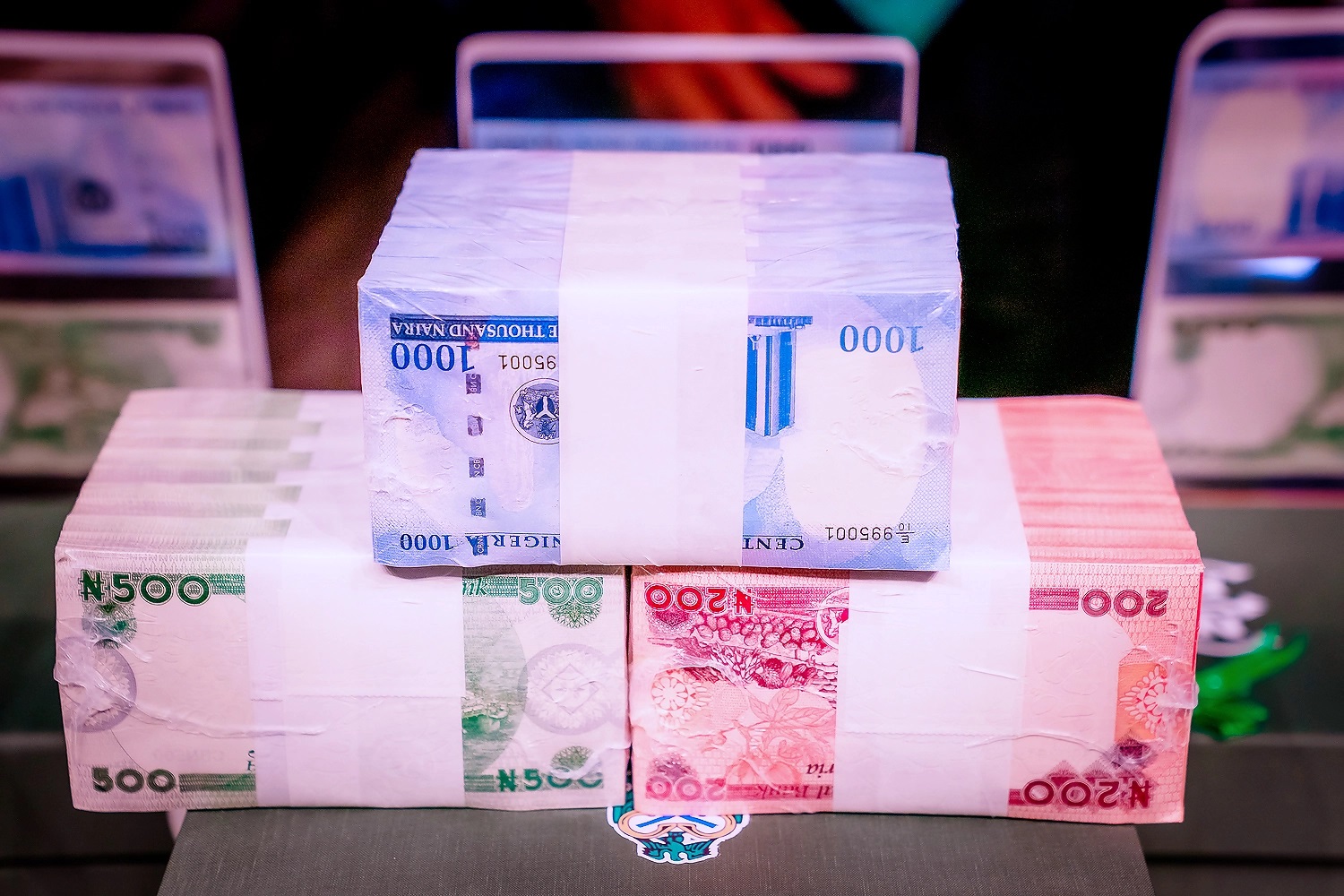
Nigeria’s inflation rate surged to 29.90% in January 2024, marking a significant increase from the previous month’s 28.92%, as reported by the National Bureau of Statistics (NBS).

The latest inflation report highlights a persistent upward trend, indicating that the inflationary pressures in the country have yet to abate. Nigeria’s inflation rate surged to 29.90% in January 2024, marking a significant increase from the previous month’s 28.92%, as reported by the National Bureau of Statistics (NBS).

The latest inflation report highlights a persistent upward trend, indicating that the inflationary pressures in the country have yet to abate. The NBS report underscores the severity of the situation, stating that the headline inflation rate rose by 0.98% points compared to December 2023, with a year-on-year increase of 8.08% points from January 2023.

This means that the prices of goods and services have increased significantly, eroding the purchasing power of the Nigerian currency, the Naira. The Naira has depreciated by more than 50% against the US dollar in the past year, making imports more expensive and reducing the value of remittances from abroad.

However, the Nigerian Naira plummeted to an alarming N1,618 against the US dollar on Thursday, casting a harsh spotlight on the ongoing economic challenges during President Bola Tinubu’s tenure. Despite efforts by the Central Bank of Nigeria to mitigate the free fall of the Naira, the result has fall off short of expectations.

The causes of this hyperinflation are manifold, but some of the major factors include the COVID-19 pandemic, which disrupted economic activities and reduced oil revenues, the insecurity and violence in some parts of the country, which hampered agricultural production and trade, and the lack of fiscal and monetary discipline by the government, which resorted to excessive borrowing and money printing to finance its budget deficit.

The consequences of this hyperinflation are dire for the Nigerian economy and society. It undermines economic growth, investment, and job creation, as well as social welfare, health, and education.

It also fuels poverty, inequality, and social unrest, as people struggle to cope with the rising cost of living and the loss of income. Hyperinflation also poses a threat to the stability and sovereignty of the country, as it weakens its external position and makes it more vulnerable to external shocks and pressures.

To address this situation, Nigeria needs to adopt a comprehensive and coherent strategy that combines fiscal consolidation, monetary tightening, structural reforms, and social protection. Fiscal consolidation entails reducing the budget deficit and public debt by increasing revenue generation and rationalizing expenditure.

Monetary tightening involves raising interest rates and limiting money supply growth to curb inflationary expectations and stabilize the exchange rate. Structural reforms include diversifying the economy away from oil dependence, improving the business environment and governance, enhancing infrastructure and human capital development, and promoting regional integration and trade.

Social protection entails providing targeted support to the poor and vulnerable groups who are most affected by inflation, such as cash transfers, subsidies, food assistance, and health insurance. These measures require strong political will and coordination among all stakeholders, as well as support from the international community.

Nigeria cannot afford to let hyperinflation spiral out of control, as it would have devastating consequences for its future prospects and aspirations.

What is ERC 404 – the new narrative in crypto?

0

If you are following the latest developments in the crypto space, you may have heard of ERC 404, a new standard for non-fungible tokens (NFTs) that aims to address some of the limitations and challenges of the current ERC 721 and ERC 1155 standards.

What is ERC 404?

ERC 404 is a proposal for a new standard for NFTs that was submitted to the Ethereum Improvement Proposals (EIPs) repository on February 14, 2024, by a group of developers and researchers led by Vitalik Buterin, the co-founder of Ethereum. The proposal describes ERC 404 as “a standard interface for non-fungible tokens that allows for rich metadata, royalties, and interoperability across different platforms and protocols”.

The main features of ERC 404 are:

Rich metadata: ERC 404 allows for more complex and expressive metadata for NFTs, such as descriptions, attributes, media files, provenance, certificates of authenticity, and more. This enables NFT creators to provide more information and context about their works, as well as to verify their ownership and authenticity.

Royalties: ERC 404 introduces a standardized way to implement royalties for NFTs, which means that the original creators of NFTs can receive a percentage of the sales revenue every time their works are resold on secondary markets. This creates a fairer and more sustainable model for NFT creators, who can benefit from the long-term value of their works.

Interoperability: ERC 404 enables NFTs to be compatible and transferable across different platforms and protocols that support the standard, such as Ethereum, Polygon, Flow, Tezos, and more. This enhances the liquidity and accessibility of NFTs, as well as the potential for cross-chain collaborations and innovations.

ERC 404 is important because it addresses some of the pain points and challenges that the current NFT standards face, such as:

Lack of metadata standards: The current NFT standards do not have a clear and consistent way to define and store metadata for NFTs, which leads to fragmentation and inconsistency across different platforms and protocols. For example, some platforms use JSON files to store metadata, while others use IPFS or Arweave.

Some platforms allow for arbitrary metadata fields, while others have predefined schemas. Some platforms store metadata on-chain, while others store it off-chain. This makes it difficult to access, verify, and display metadata for NFTs across different platforms and protocols.

Lack of royalty standards: The current NFT standards do not have a standardized way to implement royalties for NFTs, which means that each platform or protocol has to come up with its own solution or rely on third-party services. This creates a lot of complexity and inconsistency across different platforms and protocols, as well as potential legal and regulatory issues.

For example, some platforms use smart contracts to enforce royalties, while others use centralized databases or escrow services. Some platforms allow for customizable royalty rates, while others have fixed rates. Some platforms distribute royalties automatically, while others require manual intervention.

Lack of interoperability standards: The current NFT standards do not have a standardized way to ensure interoperability across different platforms and protocols that support NFTs, which means that each platform or protocol has to develop its own bridges or wrappers to enable cross-chain compatibility.

This creates a lot of overhead and inefficiency across different platforms and protocols, as well as potential security and scalability issues. For example, some platforms use custom tokens or contracts to represent NFTs on other chains, while others use proxy contracts or oracles. Some platforms require users to lock or burn their NFTs on one chain to transfer them to another chain, while others allow users to keep their NFTs on both chains.

By introducing a new standard that addresses these issues in a unified and consistent way, ERC 404 can significantly improve the user experience, the creator experience, and the developer experience of NFTs. It can also enable new possibilities and opportunities for innovation and collaboration in the NFT space.

Major Crypto stocks gained new highs on Wednesday

0

The cryptocurrency market witnessed a strong rally on Wednesday 14th February 2024, as Bitcoin and other major coins surged to new highs. The bullish momentum also boosted the performance of crypto-related stocks, especially those of mining companies that provide the computing power for validating transactions and securing the network.

According to data from CoinMarketCap, Bitcoin reached a new all-time high of $75,000, breaking the previous record of $70,000 set in January. The leading cryptocurrency gained 8% in the last 24 hours, increasing its market capitalization to over $1.4 trillion. Other popular coins, such as Ethereum, Cardano, and Binance Coin, also posted double-digit gains, pushing the total value of the crypto market to more than $2.5 trillion.

The crypto rally had a positive spillover effect on the stock market, as several companies that are involved in the industry saw their share prices soar. Among them, mining companies stood out as the biggest winners, as they benefit from both the rising prices and the increasing demand for their services.

Mining is the process of creating new units of a cryptocurrency by solving complex mathematical problems using specialized hardware and software. Miners are rewarded with newly minted coins and transaction fees for their contribution to the network. However, mining is also a costly and energy-intensive activity, requiring a lot of electricity and equipment.

Some of the most prominent mining companies that trade on the stock market are Marathon Digital Holdings (MARA), Riot Blockchain (RIOT), Bit Digital (BTBT), and Hive Blockchain Technologies (HIVE). These companies operate large-scale mining facilities in various locations around the world, using different types of hardware and energy sources.

On Wednesday 14th February 2024, these stocks experienced significant gains, outperforming both the broader market and the crypto sector. According to data from Yahoo Finance, MARA rose by 15%, RIOT by 18%, BTBT by 20%, and HIVE by 22%. These companies have also seen impressive growth in their revenues and earnings in recent quarters, reflecting the increasing profitability of their operations.

The outlook for the crypto mining industry remains positive, as the demand for cryptocurrencies continues to grow and more institutional investors enter the space. Moreover, some analysts expect that the upcoming halving of Bitcoin’s block reward in 2024 will create a supply shock that will drive up its price even further. This will likely benefit the miners who can secure a larger share of the network’s hash rate and increase their revenues.

However, there are also some challenges and risks that the mining companies face, such as regulatory uncertainty, environmental concerns, cyberattacks, and competition. Therefore, investors who are interested in this sector should do their due diligence and diversify their portfolio to reduce their exposure to volatility and potential losses.

Three crypto companies made it to Forbes’ annual fintech list

0

The fintech industry is constantly evolving and introducing new solutions to the market. However, not all of them are equally innovative and impactful. Forbes has recently published its annual list of 50 most innovative fintech companies, which showcases the leaders and disruptors in the field. Among them, only three are focused on cryptocurrency: Chainalysis, Fireblocks and Gauntlet.

Chainalysis is a blockchain analysis company that provides data and insights on crypto transactions, risks and compliance. It helps governments, businesses and institutions track and investigate illicit activities on the blockchain, such as money laundering, terrorism financing and ransomware attacks. Chainalysis also offers market intelligence and research reports on the crypto ecosystem.

Fireblocks is a platform that enables secure storage, transfer and issuance of digital assets. It leverages a combination of hardware, software and cloud infrastructure to protect crypto assets from cyberattacks, human errors and internal fraud. Fireblocks also integrates with over 400 partners, including exchanges, custodians, wallets and protocols, to facilitate seamless and efficient operations.

Gauntlet is a simulation platform that helps crypto projects optimize their protocols and strategies. It uses advanced techniques from game theory, machine learning and distributed systems to model complex scenarios and test the performance, security and profitability of crypto networks and applications. Gauntlet also provides consulting services and tools for developers, investors and regulators.

These three companies demonstrate how cryptocurrency is transforming the fintech industry and creating new opportunities for innovation. They also show how crypto businesses can leverage cutting-edge technology to solve real-world problems and deliver value to their customers and stakeholders.

Chainalysis provides data and insights on crypto transactions, has also been on the list for four years in a row. The company helps governments, regulators, law enforcement agencies and businesses track and investigate illicit activities involving cryptocurrencies. Chainalysis has raised over $500 million in funding and has a valuation of $4.2 billion.

If you are a crypto project looking for a way to test and improve your protocol or strategy, you might want to check out Gauntlet. Gauntlet is a simulation platform that uses cutting-edge techniques from computer science and economics to help you optimize your design choices and parameters.

With Gauntlet, you can run simulations with realistic market conditions and user behaviors, and get insights into the performance, security, and profitability of your project. Gauntlet can help you answer questions like:

How will your protocol react to different market scenarios? What are the optimal values for your protocol parameters? How can you reduce the risks of attacks or exploits? How can you increase user adoption and retention? And more.

With Fireblocks, you can easily access multiple exchanges, wallets, custodians and protocols from a single interface. You can also create and issue your own digital assets, such as stablecoins, tokens and NFTs. Fireblocks is trusted by over 500 institutions, including banks, hedge funds, fintech’s and crypto platforms.

These three companies are examples of how crypto is becoming more mainstream and integrated into the broader financial system. They also demonstrate how crypto can offer innovative solutions to various challenges and opportunities in the fintech sector. Forbes’ recognition of their achievements is a testament to their vision and impact.