DD
MM
YYYY

PAGES

DD
MM
YYYY

spot_img

PAGES

Home Blog Page 3725

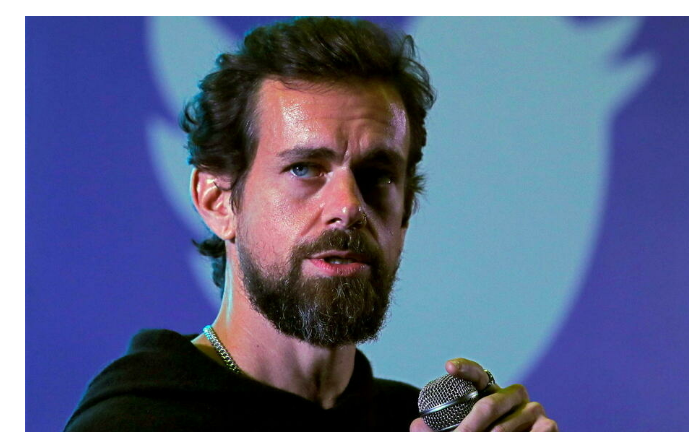
Jack Dorsey Created Twitter, Square, and Cash App, products we all use everyday

0

Jack Dorsey is one of the most influential entrepreneurs of our time. He is the co-founder and CEO of Twitter, the social media platform that has revolutionized how we communicate and share information. He is also the founder and CEO of Square, the payment company that has enabled millions of small businesses and individuals to accept credit cards and digital transactions. And he is the creator of Cash App, the mobile app that allows users to send and receive money instantly, buy and sell bitcoin, and invest in stocks.

We will explore how Jack Dorsey came up with these innovative ideas, what challenges he faced along the way, and what lessons he learned from his experiences. We will also discuss his vision for the future of technology and society, and how he balances his multiple roles and responsibilities.

Jack Dorsey’s journey as an entrepreneur began when he was a teenager. He was fascinated by maps and dispatch systems, and he taught himself how to program. He developed software for taxi companies, courier services, and emergency vehicles, and he even created his own online platform for dispatching. He dropped out of college to pursue his passion for software development, and he moved to San Francisco in 1999.

There, he met Biz Stone and Evan Williams, who were working on a podcasting company called Odeo. They invited him to join their team, and he became interested in their side project: a microblogging service that allowed users to post short messages of 140 characters or less. He suggested the name “Twitter”, inspired by the sound of birds chirping. He also came up with the idea of using the @ symbol to mention other users, and the # symbol to create topics.

Twitter launched in 2006, and it quickly gained popularity among celebrities, journalists, activists, politicians, and ordinary people. It became a global phenomenon, with over 300 million active users as of 2020. It also became a powerful tool for social change, enabling people to voice their opinions, organize movements, and spread awareness about important issues.

However, Twitter also faced many challenges, such as technical glitches, security breaches, spam, harassment, misinformation, censorship, and competition. Jack Dorsey had to deal with internal conflicts, leadership changes, boardroom battles, and shareholder pressure. He was ousted as CEO in 2008, but he returned to the role in 2015. He had to make tough decisions, such as laying off employees, shutting down Vine, acquiring Periscope, introducing new features like Moments and Fleets, and banning Donald Trump.

Despite the difficulties, Jack Dorsey remained committed to his vision of making Twitter a platform for public conversation and democratic expression. He also continued to innovate and create new products that solved real problems for people. In 2009, he founded Square, a company that offered a simple device that plugged into a smartphone or tablet and allowed anyone to accept credit card payments. He later expanded Square’s services to include online payments, invoicing, payroll, loans, cash registers, e-commerce, and more.

In 2013, he launched Cash App (formerly Square Cash), a mobile app that made sending and receiving money as easy as sending an email or a text message. He also added features that allowed users to buy and sell bitcoin, invest in stocks with as little as $1, get discounts at popular merchants with Cash Boosts, and receive direct deposits with Cash Cards.

Jack Dorsey’s products have had a huge impact on millions of people around the world. They have enabled entrepreneurs to start and grow their businesses, empowered individuals to manage their finances, and connected communities through social media. He has also been a generous philanthropist, donating hundreds of millions of dollars to causes such as COVID-19 relief, criminal justice reform, environmental protection, and universal basic income.

Jack Dorsey is not only a successful entrepreneur, but also a visionary leader, a creative thinker, and a lifelong learner. He has shown us how to turn ideas into reality, how to overcome challenges with resilience, and how to pursue our passions with purpose. He has also shown us how to balance multiple roles and responsibilities, by delegating tasks, setting priorities, and practicing mindfulness. He has inspired us to use technology for good, to make the world a better place, and to never stop dreaming.

Nigeria should be a World Leader but for poor leadership, And Its Operating in Stone Age Parameters

0

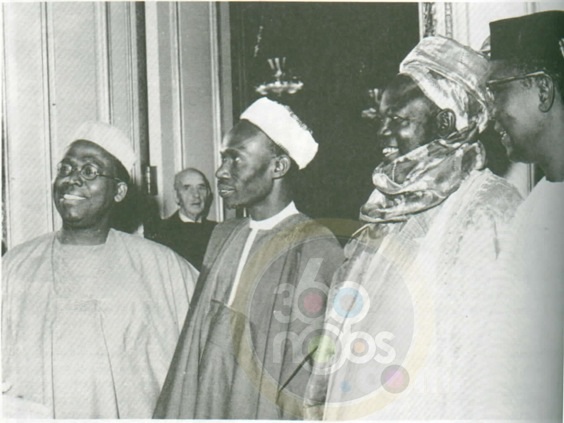
Nigeria is a country with enormous potential, endowed with abundant natural resources, a large and youthful population, and a strategic location in Africa. However, despite its advantages, Nigeria has not been able to achieve its rightful place as a world leader, due to the poor quality of its leadership. The leaders of Nigeria have failed to address the pressing challenges of poverty, insecurity, corruption, and underdevelopment that plague the nation.

Instead of pursuing a vision of progress and prosperity for all Nigerians, they have been mired in selfish interests, nepotism, and mismanagement. As a result, Nigeria is operating in stone age parameters, lagging behind other countries in terms of economic growth, social welfare, and human development.

One of the most serious challenges that Nigeria faces is poverty. According to the World Bank, Nigeria is home to the largest number of people living in extreme poverty in the world, with about 87 million people living on less than $1.90 a day. Poverty has a devastating impact on the lives of Nigerians, affecting their health, education, nutrition, and dignity.

Poverty also fuels social unrest, violence, and radicalization, as many Nigerians feel marginalized and excluded from the benefits of development. Poverty is not inevitable in Nigeria, but it is the result of poor policies, weak institutions, and corrupt practices that have prevented the equitable distribution of the nation’s wealth.

This situation is unacceptable and unsustainable. Nigeria deserves better leaders who can harness its potential and transform it into a modern and prosperous nation. Leaders who can foster unity and diversity among the various ethnic and religious groups in Nigeria. Leaders who can promote democracy and good governance, respect for human rights and the rule of law, and accountability and transparency in public affairs.

Leaders who can invest in education, health, infrastructure, and innovation, and create opportunities for the millions of young Nigerians who aspire for a better future.

Nigeria needs a new generation of leaders who can break the cycle of poor leadership and usher in a new era of positive change. Leaders who can inspire hope and confidence in the Nigerian people and restore their dignity and pride as citizens of a great nation. Leaders who can make Nigeria a world leader that contributes to global peace and security, regional integration and cooperation, and human progress and development.

Nigeria deserves better leaders who can tackle the problem of poverty and create a more inclusive and prosperous society. Leaders who can implement pro-poor policies that target the most vulnerable segments of the population, such as women, children, and rural dwellers. Leaders who can foster economic diversification and growth that creates jobs and opportunities for the millions of young Nigerians who are unemployed or underemployed. Leaders who can improve the quality and access to basic services such as health care, education, water, and sanitation, and reduce the burden of disease and illiteracy that afflict many Nigerians.

Nigeria has the potential to be a world leader, but it needs to overcome the obstacle of poor leadership. It is time for Nigerians to demand better from their leaders, and to hold them accountable for their actions. It is also time for Nigerians to take responsibility for their own destiny, and to participate actively in the democratic process. Only then can Nigeria move from operating in stone age parameters to becoming a modern and prosperous nation.

Managing People to Drive Productivity in Firms

0

Organizations exist to fix frictions in markets. In other words, when you put that signpost that you are OPEN for business, you are announcing to the world that you have the capacity to solve some problems which the market wants solved. Solving those problems will mean building and creating products and services. 

But how do you create products and services? You need to combine and recombine factors of production. That translation is very important because three cardinal things are at play: the PEOPLE, the processes and the tools. The People is the pivot upon which any organization can execute its mission. 

Join Tekedia Live today our Faculty, Ibironke Tolu-Ogunpolu, Chartered FCIPD, SPHR , educates on how we can develop an effective PEOPLE Management System in firms. Our Faculty is a leading thought-leader in this domain. A Director – People in M&A Transactions and Restructuring- in one of the finest knowledge organizations in the world and a founder of a non-profit which makes PEOPLE better. Come and learn how to win with #PEOPLE.

 Tekedia Mini-MBA >> learn from the best. Zoom link in the class board 

The U.S. National Debt Death Spiral could boost Bitcoin’s price suddenly

0

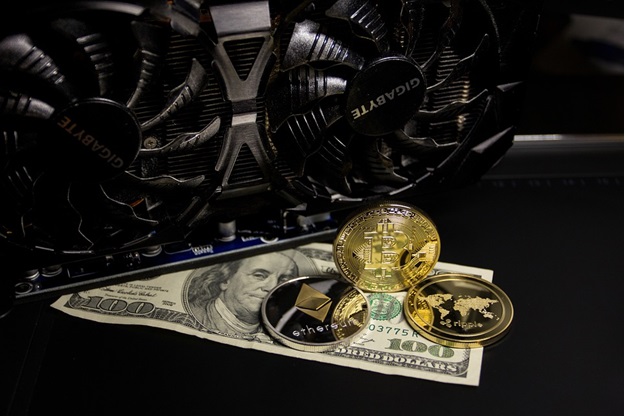
The U.S. national debt has reached a staggering $33 trillion, and it shows no signs of slowing down. This unsustainable fiscal situation poses a serious threat to the stability of the dollar and the global economy. However, some experts believe that this could also create an opportunity for Bitcoin, the decentralized cryptocurrency that is immune to inflation and government interference. We will explore how the U.S. debt crisis could affect Bitcoin’s price and why investors should consider adding it to their portfolio as a hedge against the looming financial collapse.

The U.S. debt death spiral is a term coined by Forbes contributor Clem Chambers to describe the vicious cycle of borrowing and spending that the U.S. government is trapped in. According to Chambers, the U.S. has been running massive budget deficits for decades, financed by issuing treasury bonds that are bought by foreign creditors, such as China and Japan.

However, as the debt grows larger, so does the interest payment that the U.S. has to make every year. This reduces the amount of money that the government can spend on public services and infrastructure, which in turn lowers the economic growth and tax revenue. To cover the shortfall, the government has to borrow more money, adding to the debt and interest burden.

This cycle is exacerbated by the Federal Reserve’s monetary policy, which involves printing more money and lowering interest rates to stimulate the economy. While this may provide some short-term relief, it also devalues the dollar and erodes its purchasing power over time. This makes it harder for the U.S. to repay its debt in real terms and increases the risk of inflation and hyperinflation.

Bitcoin is often regarded as a digital alternative to gold, a scarce and durable asset that can store value and serve as a hedge against inflation and currency devaluation. Unlike fiat currencies, such as the dollar, Bitcoin has a fixed supply of 21 million coins that can ever be created, making it immune to inflationary pressures.

Moreover, Bitcoin is decentralized and operates on a peer-to-peer network that is independent of any central authority or intermediary. This means that no one can manipulate, censor, or confiscate Bitcoin transactions or balances. Bitcoin users have full control over their own money and can transact with anyone in the world without intermediaries or restrictions.

As the U.S. debt crisis worsens, more investors may turn to Bitcoin as a safe haven asset that can protect their wealth from the potential collapse of the dollar and the global financial system. This could increase the demand for Bitcoin and drive its price higher in the long run.

One of the biggest threats to your financial security is hyperinflation. Hyperinflation is a situation where the prices of goods and services rise rapidly and uncontrollably, eroding the value of your money. This means that the money you have today will buy you less and less in the future, unless you invest it wisely.

Hyperinflation can be caused by various factors, such as excessive money printing, government debt, political instability, or external shocks. Some examples of countries that have experienced hyperinflation in the past are Germany in the 1920s, Zimbabwe in the 2000s, and Venezuela in the 2010s.

The author of Rich Dad Poor Dad, Robert Kiyosaki, has warned about the dangers of hyperinflation for years. He believes that the current monetary policies of central banks around the world are creating a bubble that will eventually burst, leading to a collapse of the global financial system. He advises people to protect themselves from hyperinflation by investing in real assets, such as gold, silver, real estate, or cryptocurrencies.

According to Chambers, Bitcoin could reach $1 million per coin if it captures just 10% of the global money supply that is currently held in fiat currencies. He argues that this is not an unrealistic scenario, given that Bitcoin already has a market capitalization of over $1 trillion and is growing rapidly in adoption and innovation.

Of course, investing in Bitcoin is not without risks and challenges. Bitcoin is still a volatile and speculative asset that can experience significant price fluctuations in short periods of time. Bitcoin investors should be prepared for high levels of risk and uncertainty and only invest what they can afford to lose.

Additionally, Bitcoin faces various technical, regulatory, and competitive challenges that could affect its future development and adoption. For instance, Bitcoin transactions are slow and expensive compared to other cryptocurrencies and payment systems, which could limit its scalability and usability. Bitcoin also faces legal and regulatory hurdles in many countries that could restrict its access and adoption by individuals and businesses. Furthermore, Bitcoin competes with thousands of other cryptocurrencies and blockchain projects that offer different features and advantages that could attract more users and investors.

Therefore, while Bitcoin has a lot of potential to benefit from the U.S. debt crisis, it is not a guaranteed or easy path to success. Bitcoin investors should do their own research and due diligence before making any investment decisions and be aware of the risks and opportunities involved.

Africa Practices Kakistocracy, Won’t Rise by Prayer and Fasting – Prof Lumumba

0

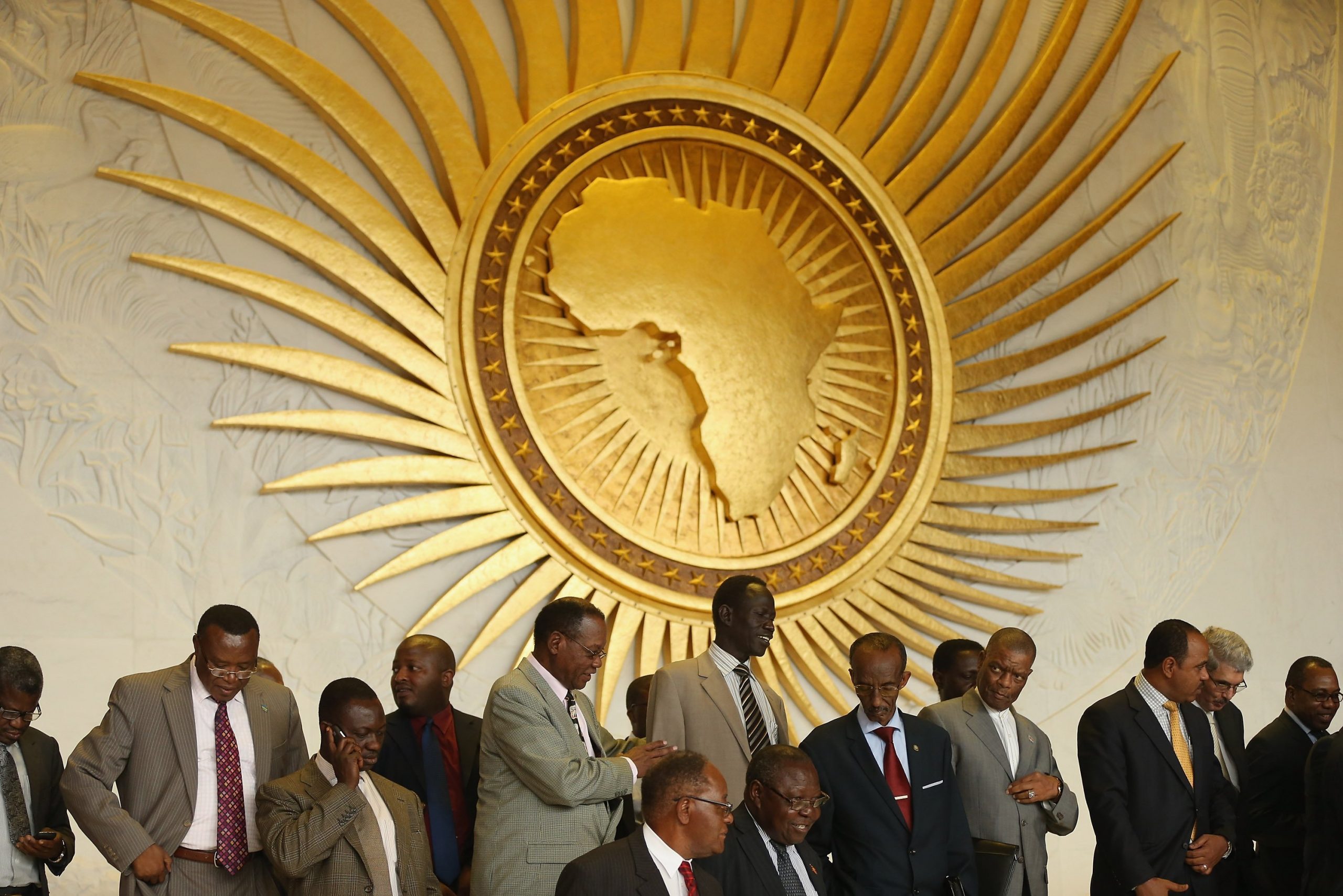
Kenyan lawyer and activist, Prof. Patrice Lumumba, highlighted during a speech at The Covenant Nations Platform that many African countries continue to face challenges because they frequently elect the worst kind of leaders who are least qualified or capable.

The renowned pan-African activist said religious prayers cannot deliver the continent from poor leadership.

He noted that Africa’s political system of kakistocracy must be dealt with to help the continent fully realize its potential. This he said could be achieved when Africans start electing their best and most competent leaders to serve in various capacities.

“Just this morning my wife sent me a proverb from Turkey that when you elect a clown and you think he would be a king, what he does is to convert the kingdom into a circus. And I am suggesting to us that that is part of the African problem because it starts with political hygiene.

“Most of Africa is suffering because we do not have democracies. We have kakistocracies and kakistocracy is government by our very worst. This is what we must deal with and this is what we must say. Who do we elect into our public offices? As I have said before, when you allow hyenas to take care of the goat, why should you be surprised when the goats are eaten?

“This is the same. And Africa is only going to realize its potential when in all areas, by dint of choice, we enable our best men and women to serve in different areas,” Lumumba said.

The speech of the Kenyan pan-Africanist and human rights activist comes on the heels of growing controversial elections across Africa, with some seeing very old people who have ruled for years clinging to power.

Lumumba attributed the situation to the poor decision-making of electorates. Citing Singapore, Malaysia, Japan, and other countries as examples of conscious decision-making, he said both African leaders and their followers must step up their decision-making.

“Africans for some reasons are attracted to thieves. Africa for some reason is attracted to men and women who can’t serve and when they are not served they complain. When Africans are told choose you now whom we shall release, Jesus of Nazareth or Barabbas, they say release Barabbas and when he behaves like Barabbas, they say why are you not behaving like Christ,” he said.

Lumumba, who is a Founding Trustee of the African Institute for Leaders and Leadership, said to save Africa, issues of conflict and the change of governance must be dealt with. He urged the continent leaders to focus on governance as prayers cannot substitute for their roles.

“Africa has become a continent where after every election, there is conflict because the pursuit of power is the cutthroat competition where our throats are actually cut.

“We have a problem in that direction and the sooner we resolve that, the safer we will be. Africa can rise and Africa will rise, but it is not going to rise by prayer and fasting,” he said.

The former director of the defunct Kenya Anti-corruption Commission (KACC) emphasized that Africa cannot expect freedom to be handed to it effortlessly. Instead, the continent must be proactive and take ownership of its responsibilities and actions.

“We must pray and fast but it will not happen, because the last time I checked even those of you who are believers – when Abraham was taken from the Ur of the Chaldeans and given Canaan, it was not on a silver platter. He had to fight the Canaanites; he had to fight the Philistines.

“That is the nature of divine instruction, ‘Go ye and subdue the world by the sweat of thy brow’. The kitchen where they made manna was closed. Manna will no longer come, because you must now make your manna and it is our duty as Africans to begin to rethink,” he said.