DD
MM
YYYY

PAGES

DD
MM
YYYY

spot_img

PAGES

Home Blog Page 3752

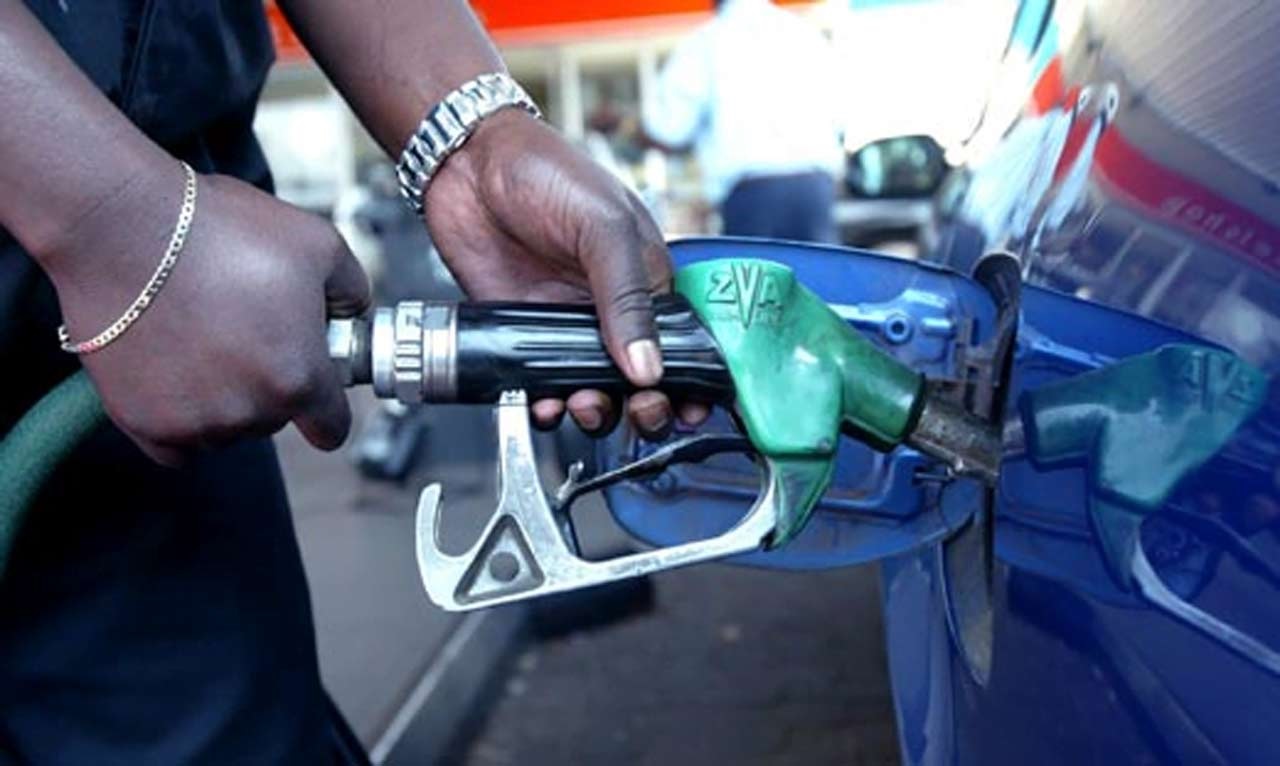
Cuba postpones planned 500% increase in Fuel Price over Cybersecurity attacks

0

The Cuban government has announced that it will postpone the planned increase in fuel prices, which was scheduled to take effect on February 1st, due to a major cybersecurity incident that affected the country’s oil and gas sector.

According to a statement issued by the Ministry of Energy and Mines, the cyberattack targeted the servers of the state-owned oil company CUPET, as well as several refineries and distribution centers across the island. The hackers demanded a ransom of 100 million US dollars in Bitcoin to restore the systems and stop leaking sensitive data.

The ministry said that the attack was “part of a systematic campaign of aggression and sabotage” against Cuba, orchestrated by “external enemies” who seek to destabilize the country and undermine its socialist model. The ministry also assured that the authorities are working to contain the damage and restore normal operations as soon as possible.

The fuel price hike, which was announced last week, would have raised the cost of gasoline by 500%, from 1.20 Cuban pesos per liter to 6 Cuban pesos per liter, and diesel by 300%, from 0.90 Cuban pesos per liter to 3.60 Cuban pesos per liter. The government said that the measure was necessary to cope with the rising international oil prices and the impact of the US economic blockade, which has severely restricted Cuba’s access to foreign markets and credit.

The decision sparked widespread discontent and protests among the Cuban population, who already face shortages of basic goods and services, low wages, and high inflation. Many Cubans rely on private transportation or informal taxis to move around the island, as public transportation is scarce and unreliable. The fuel price hike would have made their daily lives even more difficult and expensive.

The cyberattack has also raised concerns about the security and reliability of Cuba’s energy sector, which is heavily dependent on oil imports from Venezuela and other allies. CUPET is the main distributor of oil and gas in Cuba, and supplies fuel to various sectors of the economy, including transportation, agriculture, industry, and electricity generation.

The attack has affected the availability and delivery of fuel in some parts of the country, creating long lines at gas stations and affecting public services.

The cyberattack has also exposed the vulnerability of Cuba’s internet infrastructure, which is largely controlled by the state-owned telecommunications company ETECSA. The internet access in Cuba is limited, censored, and expensive, and most Cubans rely on public Wi-Fi hotspots or mobile data to connect online. The attack has disrupted the internet service in some areas, making it harder for Cubans to communicate and access information.

The cyberattack has been widely covered by the international media but has received little attention from the official Cuban media, which has downplayed its impact and focused on the government’s response. Some independent journalists and bloggers in Cuba have reported on the attack and its consequences, but they have faced harassment and intimidation from the security forces.

The attack has also sparked a debate among Cubans on social media, with some expressing support for the hackers and their motives, and others criticizing them for harming the country and its people.

The government said that it will announce a new date for the implementation of the fuel price hike once the cybersecurity incident is resolved and the situation stabilizes. The government also urged the Cuban people to remain calm and united in the face of this “new provocation” and to trust in the “capacity and resilience” of the Cuban revolution.
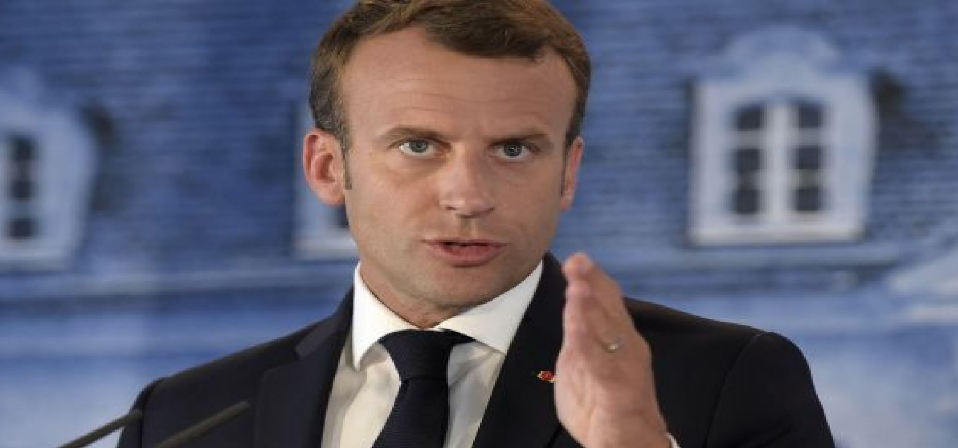

More Competitive and Innovative Europe requires Less Regulations and Flexibility – President Macron

0

French President Emmanuel Macron visited Sweden on Tuesday, where he met with Prime Minister Stefan Löfven and delivered a speech at the University of Stockholm. In his address, Macron outlined his vision for a more competitive and innovative Europe, which he said requires less regulation and more flexibility.

Macron argued that the European Union should focus on its strategic priorities, such as the green transition, digital transformation, security and defense, and social cohesion. He said that the EU should not impose unnecessary rules or standards on its member states, but rather allow them to experiment and adapt to their specific contexts.

He praised Sweden as a model of a successful social market economy, which combines high levels of innovation, productivity and welfare with low levels of public debt and unemployment. He said that France and Sweden share common values and interests and called for a closer cooperation between the two countries.

Macron also addressed the challenges posed by the rise of populism, nationalism and authoritarianism in Europe and beyond. He said that the EU should defend its democratic values and principles and promote multilateralism and cooperation in the international arena. He warned against the temptation of isolationism or protectionism, which he said would only weaken Europe and its partners.

Macron’s visit to Sweden was part of his European tour, which aims to build support for his ambitious reform agenda for the EU. He has already visited Germany, Belgium, Luxembourg, Spain, Italy, Greece and Bulgaria, and plans to visit other countries in the coming months. He hopes to convince his European counterparts to join him in a common project to revitalize the European project and prepare it for the future.

The European Union (EU) is facing multiple challenges in the 21st century, such as the COVID-19 pandemic, climate change, migration, populism, and geopolitical tensions. To address these issues and strengthen its role as a global actor, the EU needs a comprehensive reform agenda that can foster its economic, social, and political integration.

First, the EU needs to enhance its fiscal capacity and coordination to support the recovery and resilience of its member states and regions. The Next Generation EU fund, which allocates 750 billion euros for public investment and reforms, is a historic step in this direction. However, it should not be a one-off initiative, but rather a permanent feature of the EU budget.

Moreover, the EU should adopt a common fiscal framework that can ensure fiscal sustainability and convergence across the bloc, as well as a common debt instrument that can reduce borrowing costs and increase market confidence.

Second, the EU needs to deepen its single market and digital transformation to boost its competitiveness and innovation. The single market is one of the EU’s greatest achievements, but it still faces barriers and gaps in areas such as services, energy, transport, and capital. The EU should remove these obstacles and create a level playing field for all businesses and consumers.

Furthermore, the EU should invest more in digital infrastructure and skills, as well as in research and development, to foster its technological sovereignty and leadership. The Digital Markets Act and the Digital Services Act are important steps to regulate the digital economy and protect the rights of users.

Third, the EU needs to strengthen its social dimension and cohesion to reduce inequalities and promote inclusion. The EU should implement the European Pillar of Social Rights, which sets out 20 principles for fair and decent working and living conditions.

The EU should also adopt a minimum wage directive that can ensure adequate income for all workers, as well as a social protection floor that can guarantee access to basic services for all citizens. Moreover, the EU should enhance its solidarity mechanisms for dealing with migration and asylum, based on a fair sharing of responsibility and a humane approach.

Fourth, the EU needs to reinforce its green transition and climate action to achieve its ambitious goals of becoming carbon-neutral by 2050 and reducing greenhouse gas emissions by at least 55% by 2030. The EU should implement the European Green Deal, which is a comprehensive strategy for transforming its economy and society in a sustainable way.

The EU should also increase its international cooperation and leadership on climate change, by supporting the implementation of the Paris Agreement and promoting a global green recovery.

Fifth, the EU needs to revitalize its democratic institutions and processes to enhance its legitimacy and accountability. The EU should reform its electoral system to make it more representative and participatory, by introducing transnational lists, lowering the voting age to 16, and expanding the use of online voting.

The EU should also empower its citizens’ participation and dialogue, by supporting initiatives such as the Conference on the Future of Europe, which aims to involve citizens in shaping the EU’s priorities and vision. Moreover, the EU should uphold its values and rule of law, by enforcing its mechanisms for monitoring and sanctioning breaches by member states.

These are some of the main elements of a reform agenda for the EU that can help it overcome its current challenges and prepare for its future opportunities. By pursuing this agenda, the EU can become more resilient, competitive, inclusive, sustainable, and democratic.

Potential Impacts of CBN’s New Measures to Curb Currency Speculation on the FX market

0

In a significant move to counteract suspected cases of excessive foreign currency speculation and hoarding by Nigerian banks, the Central Bank of Nigeria (CBN) has issued a circular titled “Harmonization of Reporting Requirements on Foreign Currency Exposures of Banks.”

This comprehensive circular introduces a set of prudential requirements aimed at curtailing the risks associated with these practices and fortifying the stability of the financial system.

CBN’s Concerns and Objectives

The circular, released recently, underlines the CBN’s concern about the increasing trend among banks to accumulate substantial foreign currency positions, primarily through their Net Open Position (NOP). The NOP measures the variance between a bank’s foreign currency assets and liabilities, indicating potential exposure to exchange rate volatility and financial losses.

“The Central Bank of Nigeria (CBN) has noted with concern the growth in foreign currency exposures of banks through their Net Open Position (NOP). This has created an incentive for banks to hold excess long foreign currency positions, which exposes banks to foreign exchange and other risks. Therefore, to ensure that these risks are well managed and avoid losses that could pose material systemic challenges, the CBN issues the following prudential requirements,” the circular stated.

The CBN’s primary objective is to manage and mitigate these risks effectively while fostering responsible banking practices to ensure the overall health of the financial system.

The guidelines focus on the meticulous management of the Net Open Position (NOP). The circular mandates that the NOP must not exceed 20% short or 0% long of the bank’s shareholders’ funds. To calculate this, banks are directed to use the Gross Aggregate Method, which provides a comprehensive view of a bank’s foreign currency exposure.

Banks with existing NOPs surpassing these prescribed limits are obliged to adjust their positions promptly, aligning with the new regulations by February 1, 2024. This stringent deadline is indicative of the CBN’s commitment to swift action to curb speculative activities.

In addition to NOP management, banks are instructed to maintain ample reserves of high-quality liquid foreign assets, such as cash and government securities, to cover their maturing foreign currency obligations. The circular also advocates for the establishment of foreign exchange contingency funding arrangements with other financial institutions to ensure robust risk management.

To further mitigate risks, the circular instructs banks to adopt natural hedging strategies by borrowing and lending in the same currency. This practice minimizes the potential for currency mismatch risks, providing a more stable financial position. The basis of interest rates for borrowing and lending should align to mitigate basis risk associated with foreign borrowing interest rate risk.

“Banks should borrow and lend in the same currency (natural hedging) to avoid currency mismatch associated with foreign currency risk. The basis of the interest rate for borrowing should be the same as that of lending, i.e., there should be no mismatch in floating and fixed interest rates, to mitigate basis risk associated with foreign borrowing interest rate risk,” the circular specified.

Emphasizing the critical nature of compliance with these guidelines, the CBN warns that any non-adherence will result in immediate sanctions and may lead to the suspension of banks from participating in the foreign exchange market. This stern approach underscores the central bank’s commitment to maintaining financial discipline and stability.

“The CBN emphasizes the importance of compliance with these guidelines, warning that non-adherence will result in immediate sanctions and possible suspension from participating in the foreign exchange market.”

Potential Impacts on the Forex Market

This proactive measure by the CBN signifies a robust stance against speculative activities in the banking sector, with the primary goal of safeguarding the financial system and promoting economic stability. If the circular’s intent proves successful, banks will be compelled to liquidate their net long positions, effectively injecting forex into the market.

This move could provide immediate relief for the forex market, potentially triggering currency appreciation. The directive aims to restore market confidence, discourage speculative activities, and create a more stable and predictable foreign exchange environment for businesses and investors.

Thus, the CBN’s directive represents a multifaceted and comprehensive strategy to address potential risks in the banking sector, with the hope of fostering a more secure financial industry in Nigeria. It remains to be seen how banks will adapt to these new guidelines and the impact they will have on the broader economy and the foreign exchange market.

Scorpion Casino Crypto Presale Surges as Solana (SOL) and Avalanche (AVAX) Usher In Bull Run

0

Avalanche (AVAX) and Solana (SOL) have been some of the best performers in the crypto world in 2023. In contrast to a bullish 2023, both SOL and AVAX began 2024 in the grip of bears. But surges in both SOL and AVAX have instilled hope in investors that a bull run might be in the offing.

As hopes of a bull run start to rise, Scorpion Casino (SCORP), an online gambling crypto, has seen investors rush to its presale. Since the presale’s start, SCORP has been one of the market’s favourites with its unique USDT rewards and engaging ecosystem.

Read on to learn more about SCORP, its blockbuster presale, and what lies ahead for Solana and Avalanche’s price.

Presale Ending Soon!

Scorpion Casino: A Crypto Presale with a Difference

As Solana and Avalanche shine in the crypto limelight, Scorpion Casino has consistently been a project of great potential. The Scorpion Casino presale has garnered immense attention, surging and selling out rapidly, having already raised over $3.5 million. One standout feature is the daily staking rewards, offering over 10,000 USDT daily, a feature withdrawable even during the presale.

The project has also unveiled its generous presale buy competition, with the top three buyers of SCORP rewarded with 5000, 3000 and 2000 USDT. The competition will run from 1 February to 14 February till 4 PM UST.

With several famous ambassadors backing the project, Scorpion Casino positions itself as a unique investment opportunity, especially as it enters the final stages of its presale.

Solana Ecosystem Powers Growth

Solana’s recent surge beyond $100 signifies a significant milestone, with analysts attributing it to the growing realisation of increased interest from Bitcoin ETF players and crypto hedge funds. Analysis of Solana’s price movement has also underlined the importance of levels like $110 and $175, indicating a bullish trend.

Solana is buoyed by encouraging signs from its ecosystem. Solana meme coins like BONK and MYRO have gone on huge price climbs in December and January. The recent WEN airdrop also highlighted the growing prominence of Solana meme coins. Another encouraging sign is the record surge in stablecoins in the ecosystem. The stablecoin growth underlined the Solana ecosystem’s growing prowess and how this could translate into real gains for SOL.

Bearish Grip on Avalanche Loosens

Avalanche’s recent surge, fueled by the unveiling of the Vryx scaling solution, underscores the network’s commitment to addressing the challenges of blockchain scalability. Vryx’s innovative approach, utilising Decoupled State Machine Replication (DSMR), facilitates a remarkable 100,000 transactions per second, outshining traditional blockchains.

The AVAX token, reflecting the excitement surrounding these developments, experienced a 10% surge, outpacing major assets like Bitcoin and Ethereum. As the decentralised finance space within Avalanche grows, with a 7% increase in total value locked, the platform’s prowess in innovation and market appeal becomes increasingly evident.

The Crypto Bull Run is Here

Amidst a search for the best cryptos to hold during an imminent bull run, Scorpion Casino distinguishes itself as a compelling opportunity for investors. The presale’s rapid success, the allure of daily staking rewards, and the backing of renowned ambassadors contribute to the platform’s appeal as Solana and Avalanche continue their impressive journeys; Scorpion Casino’s innovative approach and unique features position it as a standout contender in the market.

Don’t miss your chance to be part of this groundbreaking venture.


To learn more and invest in the Scorpion Casino presale, visit:

Presale: https://presale.scorpion.casino/

Twitter: https://twitter.com/ScorpionCasino

Telegram: https://t.me/scorpioncasino_official