DD
MM
YYYY

PAGES

DD
MM
YYYY

spot_img

PAGES

Home Blog Page 3764

The Nikkei 225 Index: Market Trends

0

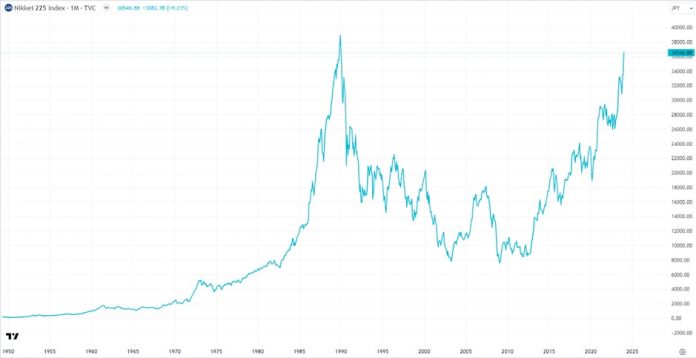
The Nikkei 225 index serves as a crucial indicator for the Japanese economy, influencing securities trading and determining market trends. Introduced in 1950, it has become a renowned and essential gauge of Japan’s economic health. Computed as the average of the share prices of the 225 most actively traded companies on the first section of the Tokyo Stock Exchange, it provides guidance for investors and analysts across various industries like manufacturing, finance, and real estate.

The maximum value of the Nikkei 225 index was reached in 1989, and judging by the latest trend, an all-time high update may happen soon. One positive factor is the expectation that the Bank of Japan will abandon its negative interest rate policy this year. In addition, the index surged due to the growth of shares in the semiconductor industry. Stocks are rising amid growing demand for chips for artificial intelligence development. In particular, not long ago, Taiwan Semiconductor Manufacturing (NYSE:TSM) raised its profit forecast for the upcoming earnings due to heightened chip demand.

Another growth catalyst could be the Japanese automotive industry, which ranks third in the world in terms of scale and leads in production volume and product quality. Japanese companies have made significant strides in innovation, hybrid and electric vehicle technologies, and fuel cells in recent years. Japanese companies like Toyota, Honda, and Nissan continue to produce hybrid vehicles, and there’s active work on hydrogen fuel cells, exemplified by Toyota Mirai and Honda Clarity.

Moreover, Japanese companies actively invest in innovations in other industries, such as consumer electronics, home appliances, telecommunications, and more. For example, Sony (TSE:6758), a leader in audio and video technologies, and Fujitsu (TSE:6702), one of the largest manufacturers of IT equipment.

In general, the recent success of Japanese companies is associated with innovation, environmental sustainability, and expanding product ranges. Japanese industry remains at the forefront of technology and manufacturing development, ensuring high-quality and reliable products that stimulate index growth.

Investors and analysts widely use the Nikkei 225 index to assess the state of the Japanese economy, identify trends, and forecast the development of various industries. Companies like Toyota Motor Corporation (TSE:7203), SoftBank Group Corporation (TSE:9984), Mitsubishi UFJ Financial Group, Inc. (TSE:8306), and Honda Motor Company, Ltd (TSE:7267) are prominent constituents of the index.

Based on this, investors use the Nikkei 225 to predict future earnings and make informed investment decisions. Given the current values, companies’ profits used to calculate the index have significantly increased, helping offset risks of loss-making securities in portfolios.

The Nikkei 225 stands as an essential tool for analyzing and forecasting the state of the Japanese economy and stock market. Its use in securities trading aids investors in making informed decisions and planning for future returns.

Louis Vuitton CEO, Bernard Arnault, Dethrones Elon Musk as The World’s Richest Man

0

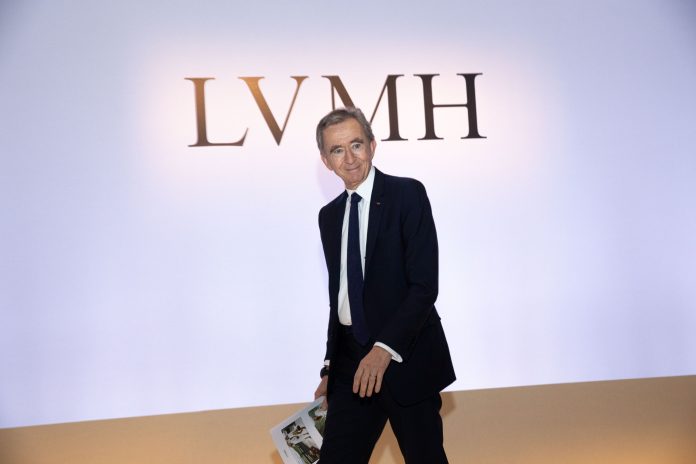
French Businessman and CEO of LVMH, the world’s largest luxury goods company, Bernard Arnault, has dethroned Tesla CEO Elon Musk as the world’s richest man.

The CEO of LVMH’s net worth surged to $207.8 billion after an increase of $23.6 billion on Friday, exceeding Musk’s $204.5 billion mark, according to Forbes real-time billionaires list.

Check out the top 10 richest people in the world according to Forbes;

1.) Bernard Arnault & Family ($207.6 billion)

2.) Elon Musk ($204.7 billion)

3.) Jeff Bezos ($181.3 billion)

4.) Larry Ellison ($142.2 billion)

5.) Mark Zuckerberg (139.1 billion)

6.) Warren Buffett ($127.2 billion)

7.) Larry Page ($127.1 billion)

8.) Bill Gates ($122.9 billion)

9.) Sergey Brin ($121.7 billion)

10.) Steve Ballmer (118.8 billion)

Bernard Arnault wealth increased this year, after his company LVMH reported a 10% increase in fourth-quarter sales, driven by robust demand, especially from Chinese consumers, for its high-end fashion brands such as Louis Vuitton, Dior, and Tiffany. The luxury group’s sales for the final quarter amounted to nearly 24 billion euros ($26 billion).

The fashion and leather goods division of LVMH, encompassing major labels like Vuitton and Dior, witnessed a 9% sales growth during the quarter, just below the anticipated 10% growth. LVMH also reported sales growth in perfumes, cosmetics, watches, and jewelry, with only the wines and spirits unit experiencing a 4% decline for the full year.

On the other hand, a major cause of Musk’s drop in net worth is coming after Tesla shares on Thursday dropped by over 13 percent after Musk cautioned that the sales growth would go down despite slashing the prices that have already caused a dent in the margins of the world’s most valuable automaker.

Musk had on Wednesday disclosed that growth would be notably lower as Tesla shifts its focus on making cheaper next-generation electric vehicles at its Texas factory in the second half of 2025. He further said that speeding up the production of the new model would pose challenges as it would involve the latest technologies.

Speaking on Tesla revenue TD Cowen analysts said, that Tesla headlines have essentially gone from bad to worse, noting that the fourth-quarter revenue and profit were also below expectations.

It is however interesting to note that both Bernard Arnault and Musk have continued to engage in wealth tug-of-war since 2022, with the LVMH boss recently displacing the Tesla CEO to secure the top spot on the richest men list.

Also, Reliance Industries Limited (RIL) chairman Mukesh Ambani, the richest individual outside of the top 10, is also the wealthiest Asian, with his net worth coming at $104.4 billion. Adani Group chairman Gautam Adani, ranked 16, is the second-richest Asian, with a $75.7 billion fortune.

LVMH Chairman, Bernard Arnault, is now the world’s richest person

0

The chairman and CEO of LVMH, Bernard Arnault, has reclaimed the title of the world’s richest person, according to the latest Forbes Billionaires List. Arnault’s net worth reached $198.9 billion on January 28, 2024, surpassing Amazon founder Jeff Bezos, who had $196.2 billion, and Tesla and SpaceX CEO Elon Musk, who had $185.6 billion.

Arnault’s wealth has increased by $25.1 billion since the start of the year, thanks to the strong performance of LVMH, the world’s largest luxury goods conglomerate. LVMH owns brands such as Louis Vuitton, Dior, Fendi, Moët & Chandon, and Sephora. The company reported a 12% increase in revenue in 2023, reaching a record high of $62.5 billion, despite the challenges posed by the Covid-19 pandemic.

Arnault, who has been leading LVMH since 1989, is known for his strategic vision and acquisitive appetite. He has expanded LVMH’s portfolio by acquiring iconic brands such as Tiffany & Co., Bulgari, and Christian Lacroix. He has also invested in emerging sectors such as digital media, biotechnology, and hospitality. He is a patron of the arts and culture, and has supported various museums, exhibitions, and foundations in France and abroad.

Arnault is not only the richest person in the world, but also one of the most influential. He has been awarded numerous honors and distinctions, such as the Grand Cross of the Legion of Honor, the highest French order of merit, and the Order of Merit for Distinguished Services, the highest civilian honor in Germany. He has also been named as one of the Time 100 most influential people in the world several times.

Arnault’s success story is an inspiration for many entrepreneurs and business leaders who aspire to create value and excellence in their fields. He is a testament to the power of innovation, creativity, and passion in driving growth and transformation.

How did Bernard Arnault become the world’s richest person in 2024?

With a net worth of $220 billion, according to Forbes. How did he achieve this remarkable feat? Here are some of the factors that contributed to his success.

Diversification of LVMH’s portfolio. LVMH owns more than 70 brands across various sectors, such as fashion, jewelry, cosmetics, perfumes, wines, spirits, watches, and retail. This gives the company a competitive edge and resilience in different markets and consumer preferences. Some of the most iconic brands under LVMH include Louis Vuitton, Dior, Fendi, Givenchy, Bulgari, Sephora, Moët & Chandon, and Hennessy.

Expansion into emerging markets. LVMH has been investing heavily in Asia, especially China and India, where the demand for luxury goods is growing rapidly. The company has also been tapping into new segments, such as online retail, digital media, and sustainability.

For example, LVMH acquired a 24% stake in Farfetch, an online platform for luxury fashion, in 2019. LVMH also launched its own online store, 24S, in 2018. In addition, LVMH has been supporting environmental and social initiatives, such as the LVMH Prize for Young Fashion Designers and the LVMH Carbon Fund.

Innovation and creativity. LVMH has been fostering a culture of innovation and creativity within its brands and teams. The company encourages its designers and managers to experiment with new ideas, products, and collaborations. For instance, LVMH partnered with Rihanna to create Fenty, a new luxury fashion house that celebrates diversity and inclusivity. LVMH also launched LVMH Innovation Award, a competition that recognizes the most innovative startups in the luxury sector.

Leadership and vision. Bernard Arnault is widely regarded as one of the most visionary and influential leaders in the business world. He has been leading LVMH since 1989, when he orchestrated a merger between Louis Vuitton and Moët Hennessy. He has since transformed the company into a global powerhouse of luxury.

He is known for his strategic acumen, his ability to spot trends and opportunities, and his passion for excellence and quality. He is also a patron of the arts and culture, having established the Fondation Louis Vuitton, a museum dedicated to contemporary art in Paris.

These are some of the reasons why Bernard Arnault became the world’s richest person in 2024. He is an example of how hard work, ambition, and innovation can lead to extraordinary achievements.

Central Bank of Nigeria Addresses Forex Backlog with fresh $500 Million Release

0

In a fresh move to address the persistent challenges in Nigeria’s foreign exchange (FX) market, the Central Bank of Nigeria (CBN) has recently released $500 million, targeting the backlog of verified foreign exchange transactions spanning various sectors.

Mrs. Hakama Sidi-Ali, the Acting Director of the CBN’s Corporate Communications Department, made the announcement, signaling the apex bank’s commitment to resolving longstanding issues within the FX market.

This latest action comes on the heels of the CBN’s payment of approximately $2.0 billion to settle outstanding commitments in crucial sectors such as manufacturing, aviation, and petroleum.

Mrs. Sidi-Ali noted the apex bank’s dedication to promptly settling all legitimate foreign exchange backlogs, reflecting a proactive approach to addressing the challenges facing the Nigerian economy.

“In the past three months, the CBN has also redeemed outstanding forward liabilities amounting to almost USD 2 billion,” Ali said.

“This underscores the Bank’s commitment to the resolution of pending obligations and a functional foreign exchange market.”

The CBN’s strategy to enhance liquidity in the foreign exchange markets encompasses short-, medium-, and long-term measures. Reforms have been implemented to streamline and unify multiple exchange rates, foster transparency, and reduce arbitrage opportunities.

Mrs. Sidi-Ali reiterated the CBN’s commitment to addressing fundamental issues that have historically impeded the effective operation of Nigeria’s FX markets.

“In the past three months, the CBN has successfully cleared almost $2 billion in overdue foreign exchange forwards.

She further shed light on the ongoing commitment of the CBN to resolving pending obligations and maintaining a functional foreign exchange market. According to her, Specific disbursements include $61.64 million to foreign airlines facing challenges repatriating funds from Nigeria.

“These payments signify the CBN’s ongoing efforts to settle all remaining valid forward transactions, with the aim of alleviating the current pressure on the country’s exchange rate,” she said.

Despite these efforts, persistent forex shortages continue to impact the value of Nigeria’s naira currency, posing challenges to economic stability. Nigeria has about $7 billion in outstanding matured forex forwards, a situation the Minister of Finance Wale Edun has fingered as a major contributor to the FX crisis.

The impact of the FX crisis has had a weighty bearing on airline operations in Nigeria, forcing Emirate Airlines to suspend its operations in Nigeria. The outstanding debt to foreign airlines exceeded $700 million as of November.

The Nigerian FX market has experienced a continuous downturn, further intensified by the CBN decision in June to merge all forex exchange windows into the Investors and Exporters (I&E) window, now called NAFEM. The intention behind this move was to bring stability to the volatile foreign exchange market.

In a move to help, the Nigerian National Petroleum Corporation Limited (NNPCL) secured a $3 billion emergency loan from the African Export-Import Bank (Afrexim Bank). Though the first tranche of the loan has been disbursed, the Nigerian government is understood to be waiting for the final tranche to reduce the FX backlog.

President Bola Tinubu has pledged comprehensive efforts to enhance foreign currency inflows into Nigeria. His approach involves attracting new investments, increasing oil production, and implementing reforms in the foreign exchange market. The president’s commitment aligns with the broader goal of fostering a resilient and dynamic economy.

While the recent actions by the CBN indicate a commitment to addressing the ongoing FX crisis, the naira has continued with its poor performance, dwindling further in the FX markets. As of Monday, the naira exchanges at N1,451.395 per dollar in the parallel market and N891.90 per dollar in the official market.

Crypto in the Spotlight: Navigating the Legal Landscape of Cryptocurrencies in India

0

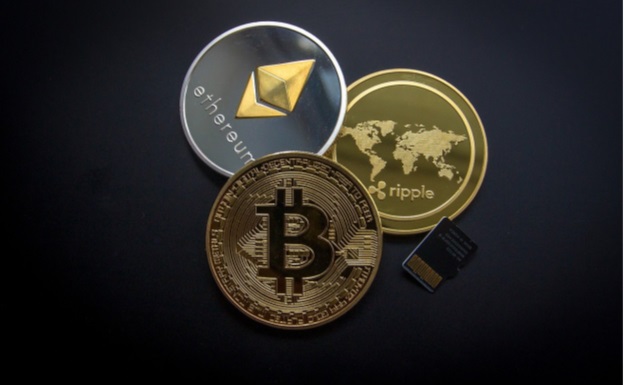
In recent times, the spotlight has shone brightly on the realm of cryptocurrencies in India. As digital assets gain momentum, it becomes crucial for Hindi Roulette by Evolution Gaming enthusiasts and investors to understand the legal landscape governing these innovative financial instruments. In this article, we will explore the legal aspects surrounding cryptocurrencies in India, shedding light on the current scenario and the considerations one must bear in mind.

Understanding the Regulatory Framework

The regulatory status of cryptocurrencies in India has been a subject of continuous evolution. As of now, there isn’t a specific law governing cryptocurrencies, but that doesn’t mean they operate in a legal vacuum. The Reserve Bank of India (RBI) has, in the past, issued circulars restricting banking services for cryptocurrency transactions. However, the Supreme Court of India, in a landmark judgment in 2020, lifted the ban, deeming it unconstitutional.

This judicial intervention brought a sigh of relief to the crypto community, but it also underscores the need for a clear regulatory framework. The absence of comprehensive regulations poses challenges for users, businesses, and regulators alike, creating an environment where careful consideration and adherence to existing laws are imperative.

Tax Implications of Cryptocurrency Transactions

One aspect that individuals engaging in cryptocurrency transactions should be aware of is the taxation framework. In India, cryptocurrencies are considered taxable assets, and gains arising from their trading or investment are subject to taxation. The tax treatment varies depending on factors such as the holding period and the nature of the transactions.

Short-term capital gains on cryptocurrency transactions (holding period less than 36 months) are taxed at the individual’s applicable income tax slab rates. On the other hand, long-term capital gains (holding period more than 36 months) are subject to a flat tax rate, providing a more favorable tax treatment for those holding onto their investments for an extended period.

It is advisable for investors to maintain accurate records of their cryptocurrency transactions, including purchase and sale details, to facilitate accurate tax reporting.

Compliance and Due Diligence for Businesses

For businesses operating in the cryptocurrency space, compliance with existing laws and regulations is of paramount importance. The lack of a dedicated regulatory framework doesn’t absolve businesses from adhering to applicable laws related to anti-money laundering (AML) and know-your-customer (KYC) regulations.

Businesses dealing with cryptocurrencies must implement robust AML and KYC procedures to ensure the legitimacy of transactions and prevent illicit activities. Proactive due diligence in these areas not only safeguards the business from legal repercussions but also contributes to building trust among users and investors.

The Need for Investor Education

As the popularity of cryptocurrencies grows, so does the need for investor education. Understanding the risks and rewards associated with these digital assets is crucial for individuals looking to participate in the crypto market. It is advisable to stay informed about market trends, security best practices, and potential regulatory changes.

Numerous scams and fraudulent schemes have been associated with cryptocurrencies globally, making it essential for investors to exercise caution and conduct thorough research before making investment decisions. Engaging with reputable sources, seeking professional advice, and staying vigilant against potential scams are fundamental aspects of responsible participation in the cryptocurrency space.

Looking Ahead: Regulatory Clarity

The future of cryptocurrencies in India hinges on the establishment of a clear regulatory framework. The government has indicated its intention to introduce a cryptocurrency bill to address the regulatory challenges and provide legal clarity. The proposed bill aims to create a framework for the issuance of central bank digital currencies (CBDCs) and regulate private cryptocurrencies.

As the legislative process unfolds, it is crucial for stakeholders, including investors, businesses, and enthusiasts, to actively engage in the discourse. Collaborative efforts between the government and the crypto community can pave the way for regulations that foster innovation while addressing concerns related to consumer protection and financial stability.

In conclusion, the legal landscape of cryptocurrencies in India is a dynamic and evolving space. Navigating this terrain requires a combination of legal awareness, compliance with existing regulations, and a commitment to investor education. As regulatory clarity emerges, it is hoped that India’s approach to cryptocurrencies will strike a balance between fostering innovation and ensuring a secure and transparent financial ecosystem.