DD
MM
YYYY

PAGES

DD
MM
YYYY

spot_img

PAGES

Home Blog Page 3769

Challenges and Criticisms Continue To Emerge in the Africa-China Ties

0

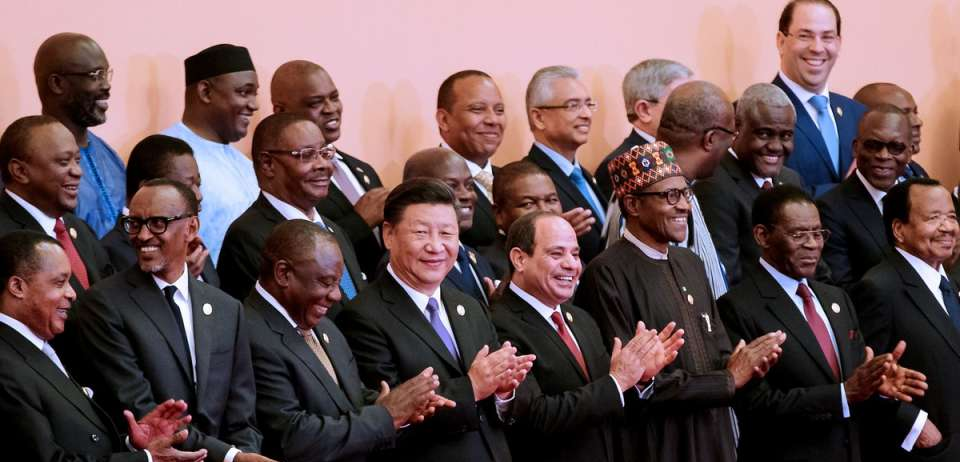
Africa and China have a long history of economic and political ties, dating back to the 1950s when many African countries gained their independence from colonial powers. China supported the liberation movements and provided aid and investment to the newly formed states.

Since then, China has become Africa’s largest trading partner, a major source of infrastructure financing, and a key player in regional and global affairs.

However, in recent years, some critics have raised concerns about the nature and impact of China’s engagement with Africa. They argue that China is exploiting Africa’s natural resources, creating debt traps, undermining governance and human rights standards, and eroding Africa’s sovereignty and agency.

They also claim that China is pursuing its own strategic interests in Africa, such as securing access to markets, raw materials, and political influence, at the expense of Africa’s development and security.

These criticisms are not entirely unfounded, but they also overlook some of the benefits and opportunities that China’s presence in Africa offers. China has contributed to Africa’s economic growth, poverty reduction, infrastructure development, and regional integration.

China has also supported Africa’s participation in multilateral platforms, such as the Forum on China-Africa Cooperation (FOCAC), the Belt and Road Initiative (BRI), and the African Continental Free Trade Area (AfCFTA). China has also cooperated with Africa on various issues of common concern, such as climate change, public health, peace and security, and digital transformation.

Therefore, it is not a question of whether Africa should engage with China or not, but rather how Africa should engage with China in a way that maximizes its benefits and minimizes its risks. This requires a comprehensive and nuanced understanding of the opportunities and challenges that China’s involvement in Africa presents, as well as a clear vision of Africa’s own interests and priorities. It also requires a proactive and pragmatic approach that leverages Africa’s strengths and capabilities, while addressing its weaknesses and vulnerabilities.

Trade and investment: Africa should diversify its exports to China, reduce its trade deficit, negotiate fairer terms for Chinese loans and projects, promote local content and value addition, enhance environmental and social safeguards, and foster more balanced and sustainable economic partnerships.

Governance and human rights: Africa should uphold its own values and standards of democracy, rule of law, human rights, and good governance, while engaging with China on these issues through dialogue and cooperation. Africa should also protect its sovereignty and independence from external interference or pressure.

Security and peace: Africa should enhance its own capacity to address its security challenges, while seeking China’s support for peacekeeping, counterterrorism, maritime security, and conflict resolution. Africa should also ensure that its security cooperation with China does not undermine its relations with other partners or regional organizations.

Development and cooperation: Africa should align its development agenda with China’s cooperation initiatives, such as the FOCAC action plan, the BRI projects, and the AfCFTA framework. Africa should also leverage China’s experience and expertise in areas such as industrialization, urbanization, digitalization, agriculture, education, health, and innovation.

Global governance: Africa should strengthen its voice and influence in global affairs, while working with China to reform the international system to make it more inclusive, representative, and responsive to the needs and aspirations of developing countries. Africa should also collaborate with China on global challenges such as climate change, pandemic response, debt relief, multilateral trade, and human development.

By reviewing and recalibrating its relationship with China in these areas, Africa can enhance its strategic partnership with China in a way that serves its long-term interests and goals.

This will also enable Africa to pursue a more diversified and balanced foreign policy that engages with other partners on the basis of mutual respect and mutual benefit. Ultimately, this will contribute to Africa’s vision of achieving a peaceful, prosperous, and integrated continent.

Some of these include:

  • The debt burden and sustainability of some African countries that have borrowed heavily from China for infrastructure projects.

  • The environmental and social impacts of some Chinese investments and activities in Africa, such as mining, logging and wildlife trade.

  • The lack of transparency and accountability of some Chinese actors in Africa, such as state-owned enterprises, private companies and individuals.

  • The perceived imbalance and inequality of the Africa-China partnership, which is often seen as favoring China’s interests over Africa’s needs and aspirations.

These issues have raised questions about the benefits and costs of the Africa-China relationship, as well as its future direction and prospects. Therefore, it is important for African countries to review and recalibrate their relationship with China, in order to: Ensure that the relationship is based on mutual respect, trust and cooperation, and that it aligns with Africa’s own vision and agenda for development.

Enhance the quality and diversity of the relationship, by expanding the areas of cooperation beyond trade and infrastructure, to include sectors such as health, education, agriculture, science and technology, culture and tourism. Promote the principles and values of good governance, human rights, democracy and rule of law, both within Africa and in its engagement with China.

Strengthen the capacity and voice of African institutions, governments, civil society and media, to effectively negotiate, monitor and evaluate the relationship with China. Foster a balanced and inclusive relationship that benefits all stakeholders, especially the ordinary people of Africa and China.

By reviewing and recalibrating its relationship with China, Africa can seize the opportunities and address the challenges that come with this strategic partnership. This will enable Africa to achieve its goals of peace, prosperity and integration, while also contributing to global peace and development.


The Efficiency of Crypto markets Pricing and the Basics of Trading Cryptocurrencies

0

One of the most common arguments against investing in cryptocurrencies is that they are too volatile and unpredictable. Critics claim that crypto markets are driven by speculation, hype and emotion, rather than by rational analysis of fundamentals.

They argue that crypto assets have no intrinsic value and are subject to extreme swings in price that make them unsuitable for long-term investors.

However, this view ignores the fact that crypto markets are actually very efficient at pricing a mature business in the same way it would be priced in equities markets. In other words, crypto markets reflect the present value of the future cash flows of a network, protocol or platform, adjusted for risk and uncertainty. This is similar to how stock markets value a company based on its expected earnings, growth and dividends.

To understand how this works, we need to look at the different types of crypto assets and how they generate value for their holders. There are three main categories of crypto assets: currencies, utility tokens and security tokens.

Currencies are the most basic form of crypto assets. They serve as a medium of exchange, a store of value and a unit of account. Examples of currencies are Bitcoin, Litecoin and Monero.

Currencies derive their value from their scarcity, security and network effects. The more people use and trust a currency, the more valuable it becomes. Currencies are priced based on supply and demand, as well as on their perceived utility and adoption.

Utility tokens are crypto assets that provide access to a service or a function within a network or a platform. Examples of utility tokens are Ethereum, Binance Coin and Chainlink. Utility tokens derive their value from their usefulness and functionality.

The more people use and benefit from a service or a function, the more valuable the token becomes. Utility tokens are priced based on the demand for the service or the function, as well as on the quality and innovation of the network or the platform.

Security tokens are crypto assets that represent ownership or a claim on an asset or a revenue stream. Examples of security tokens are tokenized stocks, bonds and real estate. Security tokens derive their value from their underlying assets or cash flows.

The more profitable or valuable the asset or the cash flow is, the more valuable the token becomes. Security tokens are priced based on the performance and prospects of the asset or the cash flow, as well as on the legal and regulatory framework.

As we can see, crypto markets are not irrational or random. They are efficiently pricing a mature business in the same way it would be priced in equities markets, based on its expected future value, risk and uncertainty. Crypto investors are not gambling or speculating. They are evaluating and investing in different types of crypto assets that offer different benefits and opportunities.

The Basics of Trading Cryptocurrencies

Cryptocurrencies are digital assets that use cryptography to secure transactions and control the creation of new units. They are decentralized, meaning that they are not issued or controlled by any central authority, such as a government or a bank. Cryptocurrencies can be traded on online platforms, where buyers and sellers can exchange them for other cryptocurrencies or fiat currencies, such as US dollars or Euros.

Trading cryptocurrencies can be a rewarding and exciting activity, but it also involves risks and challenges. In this blog post, we will cover some of the basics of trading cryptocurrencies, such as how to choose a platform, how to analyze the market, and how to manage your risks.

Choosing a Platform

The first step to start trading cryptocurrencies is to choose a platform where you can buy and sell them. There are many platforms available, each with its own features, fees, security, and reputation. Some of the factors to consider when choosing a platform are:

The availability of the cryptocurrencies you want to trade. Some platforms offer a wide range of cryptocurrencies, while others only support a few. The fees and commissions charged by the platform. These can vary depending on the type of transaction, the amount traded, and the payment method used.

The security and reliability of the platform. You should look for platforms that use encryption, two-factor authentication, cold storage, and other measures to protect your funds and data from hackers and fraudsters. The customer support and service provided by the platform. You should look for platforms that have responsive and helpful customer support, as well as clear and transparent policies and terms of service.

Analyzing the Market

The second step to start trading cryptocurrencies is to analyze the market and identify the opportunities and trends. The cryptocurrency market is highly volatile and influenced by many factors, such as supply and demand, news, regulations, technology, and sentiment. To analyze the market, you can use various tools and methods, such as:

Technical analysis. This is the study of price movements and patterns using charts, indicators, and other tools. Technical analysis can help you identify trends, support and resistance levels, entry and exit points, and potential price movements.

Fundamental analysis. This is the study of the underlying value and potential of a cryptocurrency based on its technology, innovation, adoption, competition, and other factors. Fundamental analysis can help you evaluate the long-term prospects and growth potential of a cryptocurrency.

Sentiment analysis. This is the study of the emotions and opinions of the market participants using social media, forums, blogs, surveys, and other sources. Sentiment analysis can help you gauge the mood and expectations of the market and anticipate possible shifts in demand and supply.

Managing Your Risks

The third step to start trading cryptocurrencies is to manage your risks and protect your capital. Trading cryptocurrencies involves high risks due to the volatility, unpredictability, and complexity of the market. To manage your risks, you can use various strategies and techniques, such as:

Setting a budget and sticking to it. You should only trade with money that you can afford to lose and avoid investing more than you can handle.

Diversifying your portfolio. You should not put all your eggs in one basket and spread your investments across different cryptocurrencies, platforms, and strategies.

Using stop-losses and take-profits. These are orders that automatically close your position when the price reaches a certain level. Stop-losses can help you limit your losses in case the price goes against you, while take-profits can help you lock in your profits in case the price reaches your target.

Educating yourself and staying updated. You should always do your own research before trading any cryptocurrency and keep yourself informed about the latest news, developments, and trends in the market.

Trading cryptocurrencies can be a rewarding and exciting activity if you know what you are doing. By following these basic steps, you can start trading cryptocurrencies with confidence and success. Remember that trading cryptocurrencies is not a get-rich-quick scheme and requires patience, discipline, and skill.

Nigeria’s FCCPC Expresses Concerns Over Continuous Violation of Regulation by Loan Apps

0

The Federal Competition and Consumer Protection Commission (FCCPC) has expressed concerns over the continuous violations of its regulatory guidelines by Digital lenders, popularly known as loan apps.

The Commission via a statement signed by its Acting Executive Vice Chairman/ Chief Executive Officer, Dr. Adamu Abdullahi, stated that the unethical practices by these apps have heightened as more Nigerians continue to take loans, with significant cases of default in payments.

In a bid to address the unscrupulous practices of these loan apps, the FCCPC has announced plans to intensify its enforcement efforts to ensure that digital lenders are complying with its regulation.

Speaking on this, the Executive Vice Chairman of the commission, Dr Abdullahi in a statement released on Monday, said;

The Commission understands the increased demand for loans during this time of year, leading to an increased risk of default due to large numbers and typical cash flow challenges and constraints. However, the solution cannot be to violate the law or utilize unethical recovery methods.

As such, the Commission is intensifying enforcement efforts and adopting a zero-tolerance stance towards any exploitation of consumers or abusive conduct, whether in balance calculations, loan default enforcement, or recovery processes. In addition, in the coming days, the Commission will be engaging approved loan apps concerning a more robust compliance framework including any additional requirements where applicable, and possible mechanisms for otherwise blacklisted apps.”

The FCCPC boss further said the Commission would welcome demonstrated and timely compliance by all legitimate operators to promote and enhance fairness to consumers and fairness among competitors. On operators that do not possess the Commission’s approval, he said the scrutiny process would include law enforcement action against such, in addition to regulatory prohibition and consequences.

The FCCPC’s recent concerns over the continuous violations of its regulatory guidelines by loan apps, is coming after it was reported in December last year that the commission had reduced the harassment and defamatory messages sent by digital money lenders to their customers by 80%.

This was disclosed by the former chairman of the commission Babatunde Irukera who stated that the desire and aspiration of the Commission was to eliminate the defamatory messages, and intrusion on people’s privacy and achieve more ethical lending.

Meanwhile, with the latest complaints by the commission, it is obvious several digital lenders have resorted to unethical practices to retrieve loans.

The FCCPC frowns at such practices and has for a long time continued to ensure that loan apps in Nigeria operate within the guidelines and regulations. It is understood that there has been a contentious battle with loan apps, as the FCCPC understands that digital lenders go as far as tarnishing the image of customers over repayment defaults.

Due to their persistent breaches of privacy and unethical recovery practices, the FCCPC has taken several decisive actions.

It has collaborated with key entities such as the Independent Corrupt Practices and Other Related Offences Commission (ICPC), Central Bank of Nigeria (CBN), Economic and Financial Crimes Commission (EFCC), and the Nigerian Communications Commission (NCC), to curb the unethical practices of loan apps.

Also, the commission has collaborated with Google, to delete unregistered loan apps and apps that violate regulatory practices, marking a crucial move in sanitizing Nigeria’s digital lending space.

Businesses in Nigeria Lament as Power Supply Worsens

0

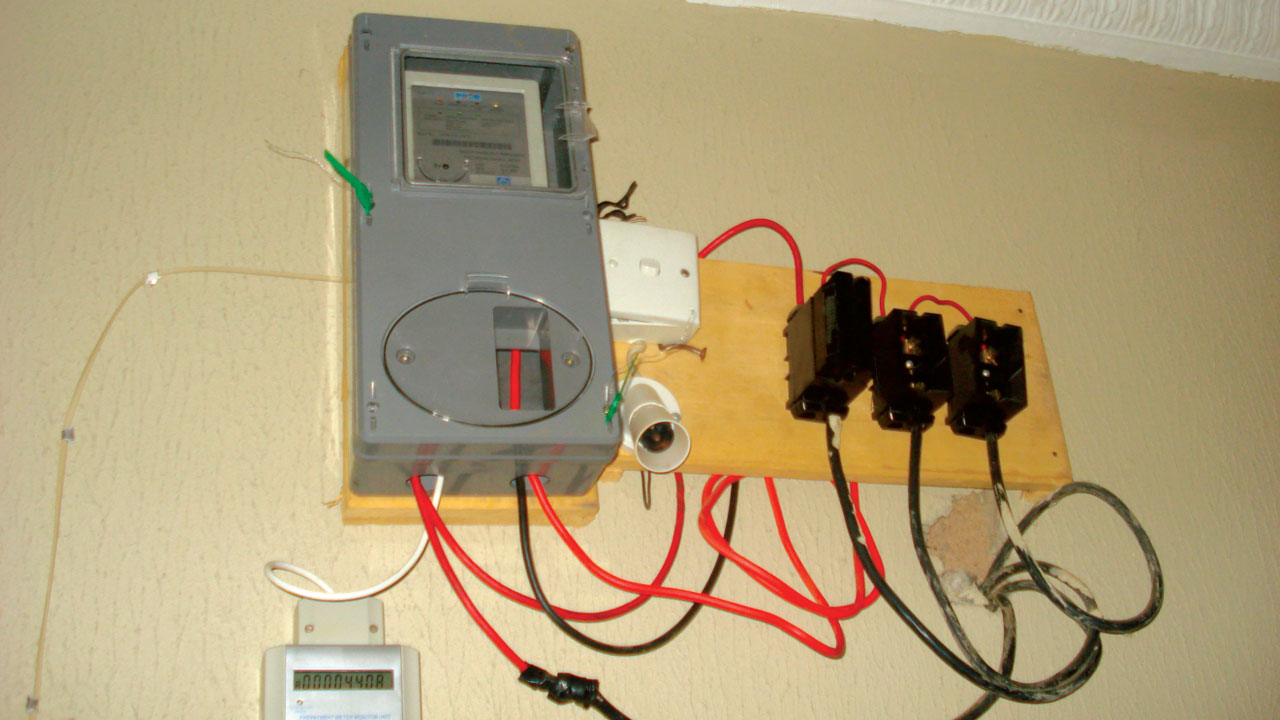
Businesses across several regions in Nigeria have expressed concerns following the epileptic supply of power, which has forced many to rely on alternative sources of energy.

They however lamented that the alternatives are expensive, unsustainable, and constitute a threat to their continued survival.

Recall that Nigeria witnessed another round of blackouts across the country on Sunday the 4th of February 2024, as the national power grid collapsed again, making it the first grid collapse this year.

At around 11:51 AM, it was reported that the Transmission Company of Nigeria (TCN) grid went down. As a result, the system’s capacity dropped from 2,407 megawatts to just 31MW by midday and to zero by 1 PM.

The constant collapse of the national grid is a significant setback that has continued to pose a serious threat to Nigeria’s economy and development. Due to the incessant power outages, Nigeria is estimated to lose billions of dollars annually.

The outages also harm the quality of life of Nigerians, making it difficult for people to work, study, and run their businesses. While the different distribution companies (DisCos), have given different reasons in the last few weeks to explain the continued drop in power supply to businesses and homes, industries are suffering, as they are forced to rely on diesel and petrol-powered generators to sustain production.

This challenging situation has also forced several companies to lay off some members of their workforce and cut down drastically on production. Most of these businesses are worried that if the situation does not improve, they would be forced to completely halt production.

Speaking on the issue, immediate past chairperson Manufacturers Association of Nigeria (MAN), Apapa branch, Frank Ike Onyebu, stated that despite operating in an industrial estate, the power situation has degenerated so badly. He added that it was not surprising however as this is the dry season but lamented that the outages were too frequent and sometimes, last days. 

In his words,

“We have come to accept that 24/7 electricity is a distant dream but what we are getting now is 7/24, seven hours in 24 if we are lucky as it is often less than that. Generation and transmission, in particular, is still very poor despite all the reforms the government claims to have carried out in the sector.

“Most of the transmission and distribution lines inherited from the defunct NEPA by the DisCos are still in use and sadly they are all obsolete. Which is why when there is a break somewhere or wind blows, the light goes off for hours or even days.”

It is worth noting that Nigeria has struggled with poor power supply for decades, a challenge that is estimated to cost businesses about $29 billion yearly, according to the World Bank.

Also, according to the Energy Progress Report 2022 released by Tracking SDG 7, the country had the lowest access to electricity globally, with about 92 million persons out of the country’s 200 million population lacking access to power.

The Soaring Cost of Poultry Products: A Looming Crisis for Nigeria’s Economy

0

The poultry sector in Nigeria is facing an unprecedented crisis, with poultry farmers revealing staggering losses exceeding N3 trillion due to the harsh economic conditions prevailing in 2023.

The impact is not only economic but extends to the nutritional well-being of the population, particularly children.

The Poultry Association of Nigeria (PAN) reveals a staggering loss of over N3 trillion in investments among its members. The resulting closure of approximately 50% of poultry farms nationwide has led to a domino effect on the economy, leaving a trail of job losses, debts, and concerns about the accessibility of poultry products.

PAN’s Lagos chapter chairman, Mojeed Iyiola, said the gravity of the situation is weighing heavily on the members who are incurring massive economic losses.

“Since the closure of about 50 percent of poultry farms across the country, the sector has lost over N3 trillion,” Iyiola said.

This colossal loss is further broken down, revealing a per-state loss of approximately N6 billion, totaling trillions of naira across the poultry sector’s value chains.

Lanre Bello, a former chairman of PAN in Lagos, noted the multifaceted impact of the poultry farm closures. He said job losses, indebtedness, and the overall economic ramifications are highlighted as severe consequences.

“The economic impacts of the massive closure of poultry farms across the country are numerous. One is the massive loss of jobs in the sector. A lot of people also lost their investments and are now indebted because of their inability to pay back their loans,” he said.

He also draws attention to the nutritional importance of poultry products, particularly eggs, which contribute over 50% of protein requirements in the human diet. Bello expresses concern about potential repercussions on children’s health, stating, “In most of our diets, protein is disappearing, and if we allow it to continue, we will be dealing with a much more dangerous problem.”

The rising cost of poultry products is attributed to the surge in key ingredients for poultry feeds, namely maize and soybeans. Poultry farmers, livestock feed processors, and marketers point to a steep decline in the supply of these crops, attributing it to insecurity and fluctuations in foreign exchange rates.

In most parts of the country, the repercussions of the escalating prices of poultry products are particularly evident. A crate of eggs now sells between N3,500 and N4,200, with concerns raised about the affordability and accessibility of these essential protein sources.

With several poultry farms closed in the last year, farmers have attributed their inability to continue the poultry business to the unbearable cost of production.

Dr. Usman Gwarzo, the Kano State chairman of PAN, who spoke to Daily Trust, sheds light on various factors contributing to the scarcity and price hike. He mentioned the increased cost of maize and soya mills, transportation challenges, and a shortage of capable hatchers for chicks are among the issues faced by poultry farmers.

Gwarzo stressed the urgent need for improved security, increased production through effective engagement with real farmers, and the introduction of credible loans with realistic terms to address the crisis in the poultry sector.

The situation demands immediate attention from both government and stakeholders to prevent further deterioration of the poultry industry, safeguard jobs, and ensure the availability of affordable protein for the population. The impact on Nigeria’s economy cannot be underestimated, making intervention crucial to avert a looming crisis.