DD
MM
YYYY

PAGES

DD
MM
YYYY

spot_img

PAGES

Home Blog Page 3779

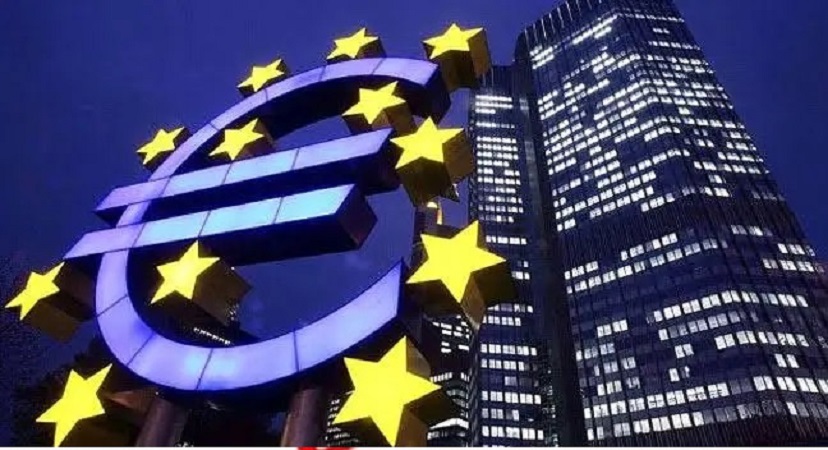
Digital Euro CBDC will not be as private as Cash – ECB President

0

The European Central Bank (ECB) is working on developing a digital version of the euro, which would be a central bank digital currency (CBDC). A CBDC is a digital form of money issued by a central bank, which has the same legal status and value as the physical currency. A CBDC is different from a cryptocurrency, which is a decentralized and unregulated digital asset that is not backed by any authority or asset. Cryptocurrencies are often volatile, risky and subject to fraud and cyberattacks. CBDCs are designed to be stable, safe and reliable, and to follow the rules and regulations of the issuing country.

In a recent interview, the president of the European Central Bank (ECB), Christine Lagarde, revealed some details about the planned digital euro, a central bank digital currency (CBDC) that would complement the existing euro. She said that the digital euro would not offer the same level of privacy as cash, but it would be more secure and convenient than other forms of digital payments.

The ECB launched a two-year investigation phase in July 2021 to explore the design, distribution and operation of a digital euro. The investigation phase will involve consultations with stakeholders, experiments with possible technical solutions, and assessments of the benefits and risks of introducing a digital euro. The investigation phase will also address the legal, ethical and social implications of a digital euro, as well as its potential impact on monetary policy, financial stability and the banking sector.

However, the ECB’s president, Christine Lagarde, has recently stated that the digital euro would not offer the same level of privacy as cash. In an interview with Bloomberg, she said that the digital euro would have to comply with anti-money laundering and counter-terrorism financing regulations, which would require some degree of traceability and verification of transactions.

She also said that the digital euro would not replace cash, but rather complement it, as some people may prefer to use physical money for various reasons. She added that the ECB would ensure that the digital euro would be accessible, secure and efficient, and that it would protect the sovereignty of the euro area.

The ECB is expected to decide whether to launch a formal project to develop the digital euro by mid-2024, after conducting a public consultation and an in-depth analysis of the potential benefits and risks of a CBDC. The ECB estimates that it would take about two years to complete the design and testing phase, and another two years to implement the digital euro across the euro area.

A digital euro would be part of the broader efforts by the ECB and the European Commission to foster innovation and competitiveness in the European payments market, and to support the digital transformation of the European economy. A digital euro would also be a response to the increasing demand for digital payment solutions, especially in light of the COVID-19 pandemic, and to the emergence of new forms of private digital currencies, such as stablecoins and cryptocurrencies.

The ECB is currently conducting a public consultation on the design and features of the digital euro, which will end on January 12, 2024. After that, it will decide whether to launch a formal project to develop and test the digital euro, which could take several years. Lagarde said that the ECB is working closely with other central banks and international organizations to ensure that the digital euro is compatible and interoperable with other CBDCs and payment systems around the world.
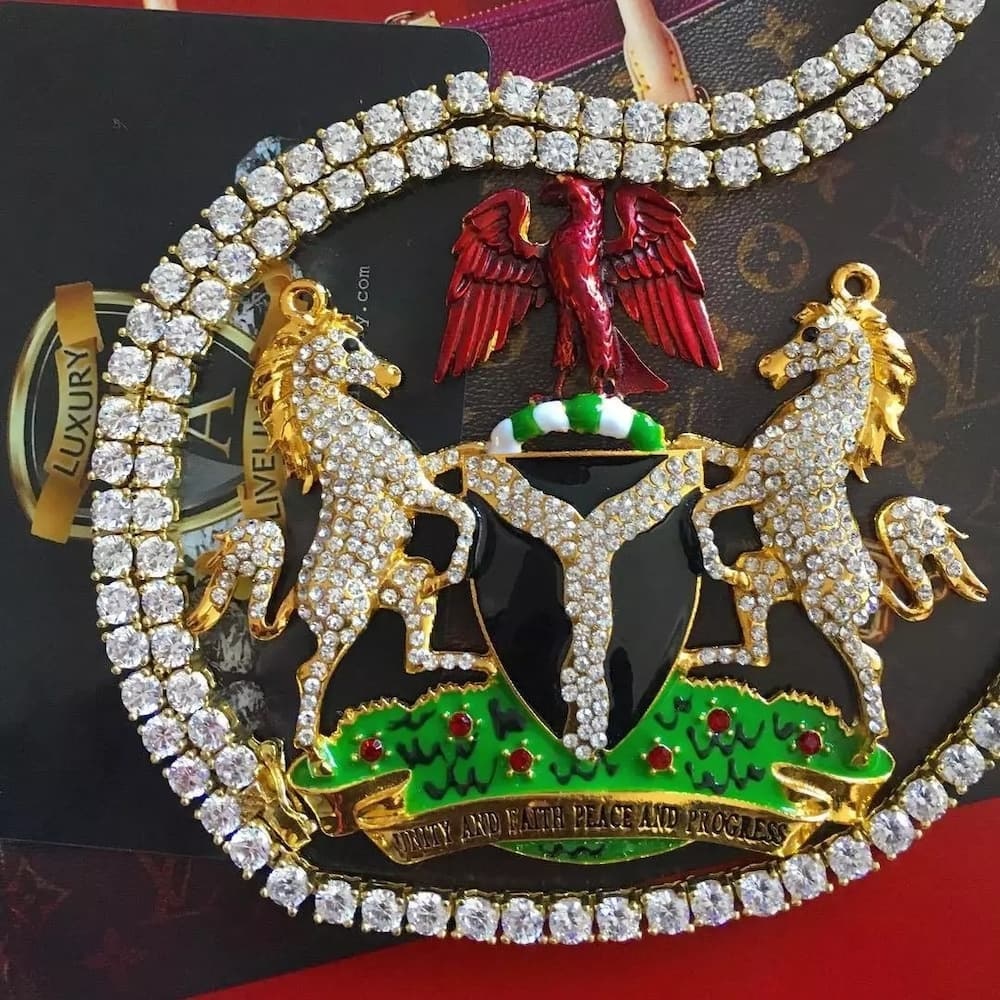
Nigeria’s FAAC Shares N1.1tn Between Federal, States and Local Govts in August Revenue

0

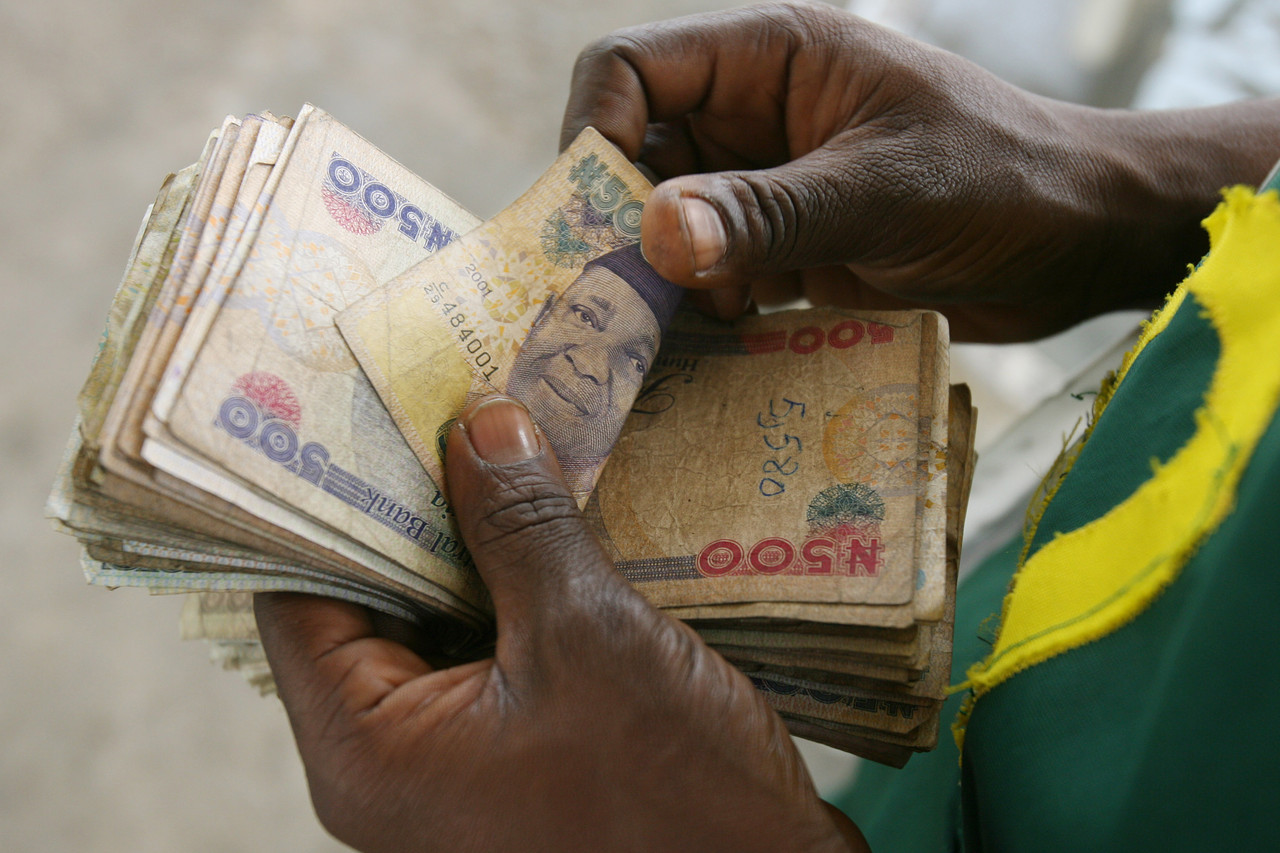
The Federation Account Allocation Committee (FAAC) distributed a combined total of N1.1 trillion as revenue from the Federation Account for the month of August. This amount, which was allocated to the federal, state, and local governments, represents an increase of N133.991 billion compared to the N966.110 billion distributed in the previous month of July.

The Office of the Accountant General of the Federation (OAGF) released a statement citing a communiqué issued by the Federation Account Allocation Committee (FAAC) following its September meeting. The statement revealed that a total distributable revenue of N1,100.101 trillion was allocated.

  1. This allocation included:
  2. Distributable statutory revenue of N357.398 billion.
  3. Distributable Value Added Tax (VAT) revenue of N321.941 billion.
  4. Electronic Money Transfer Levy (EMTL) revenue of N14.102 billion.
  5. Exchange Difference revenue of N229.568 billion.
  6. Augmentation of N177.092 billion.

According to the statement, in August, a total revenue of N1,483.902 trillion was available, and various deductions and transfers were made. Here are the details:

  1. The cost of collection deductions amounted to N58.755 billion.
  2. Total transfers and refunds stood at N254.046 billion.
  3. Savings amounted to N71.000 billion.

The gross statutory revenue for August 2023 was N891.934 billion. This figure was lower than the N1,150.424 billion received in July 2023, reflecting a decrease of N258.490 billion.

“The gross revenue available from the Value Added Tax (VAT) was N345.727 billion. This was higher than the N298.789 billion available in the month of July 2023 by N46.938 billion.

“The communiqué stated that from the N1100.101 billion total distributable revenue, the federal government received a total of N431.245 billion, the state governments received N361.188 billion and the local government councils received N266.538 billion.

“A total sum of N26.473 billion (13% of mineral revenue) and N14.657 billion (13% of savings from NNPCL), were shared to the relevant states as derivation revenue.” the statement said.

The distribution of revenues for the month of August is as follows:

  1. From the N357.398 billion distributable statutory revenue:
  2. The federal government received N173.102 billion.
  3. State governments received N87.800 billion.
  4. Local government councils received N67.690 billion.

From the N321.941 billion distributable Value Added Tax (VAT) revenue:

  1. The federal government received N48.291 billion.
  2. State governments got N160.971 billion.
  3. Local government councils received N112.679 billion.

The N14.102 billion Electronic Money Transfer Levy (EMTL) was also shared:

  1. The federal government received N2.115 billion.
  2. State governments received N7.051 billion.
  3. Local government councils received N4.936 billion.

Additionally, the federal government received N114.445 billion from the N229.568 billion Exchange Difference revenue.

“The state governments received N58.048 billion, and the local government councils received N44.752 billion. The sum of N12.027 billion (13% of mineral revenue) and N0.296 billion (13 % of savings from NNPCL) went to the relevant states as derivation revenue.

“From the N177.092 billion Augmentation, the federal government received N93.292 billion, the state governments received N47.319 billion and the local Government councils received N36.481 billion.

“In the month of August 2023, Value Added Tax (VAT), Import and Excise Duties and Electronic Money Transfer Levy (EMTL) increased considerably while Petroleum Profit Tax (PPT), Companies Income Tax (CIT), Oil and Gas Royalties recorded significant decreases,” the statement indicated, adding that the balance in the Excess Crude Account (ECA) stood at $473,754.57 million as at September 27, 2023.

The increased revenue for the three tiers of government reflects the effect of the removal of fuel subsidy and the recent rise in oil prices.

Nigeria’s Sixty Three Terrible Years So Far!

0

Today is Nigeria Independence Day but it is not looking like it. The atmosphere is more intense and moody and it’s not looking like anyone is in the mood for any celebration. I know that many people usually whine about today and say how today is not worth celebrating but hear me out first, there is nothing really worth celebrating today for as a Nigerian.

Something piqued my interest today. I am a member of one of the largest churches in the FCT and on days like this, everywhere in the church always exhumes green and white, and almost everyone will be displaying miniature Nigerian flags surprisingly today, I was keen enough to observe and count people that came to church with their miniature flags and I couldn’t count up to ten people in a church of over 10,000 worshippers. I was so interested to know why and to satisfy my curiosity; does it mean that people are no longer patriotic or people are no longer interested in celebrating Nigeria? 

I was so curious that on my way home I stopped by and jokingly asked an “Aboki” selling the flags if he had made so many sales on the flag and he complained bitterly that this year was the worst for them and that people are not buying the flag this year, unlike previous years when they do make so many sales. 

The point I am driving at is that you do not have to be smart to notice the mood in the air today. People are not happy with Nigeria, everyone despite their tribe, religion or political affiliation is not happy with the situation of things in Nigeria. This is not whining; things are extremely bad.

First things first, people are angry with the government over the stolen election and the outcome of the election tribunal. 

Secondly, people are angry with the fuel subsidy removal. Don’t get me wrong, the subsidy removal is a welcomed development but removing the subsidy without any plan already in motion to cushion the effect of the removal is not a welcomed development. 

People are also angry with the high rate of dollars now. A dollar is currently sold above 1000 naira. It is an importation-based economy and the price of dollars will always determine the prices of goods and services in the market. Most people can no longer afford the daily minimum of a two-square meal. 

With all these, how do you in good conscience expect anyone to celebrate Nigerian independence? A lot of folks are in a dire state, and some are even in a worse situation. Why should we then be celebrating independence; independent of what? 

In fact, there are memes that have been in circulation on social media since last week that nobody should dare celebrate Independence Day because nothing is worth celebrating. 

The bad news is that it will likely not get better anytime soon. I am not a prophet of doom but that is the reality. The dollar may even hit 2000 naira before the end of the year, and a litre of fuel may be sold at 800 naira before the end of the year. More people will fall into poverty, school fees will continue to increase and many students will drop out due to their inability to pay the increased fees; more businesses will shut down due to high maintenance costs and more people will lose their jobs. This is currently happening but it will happen more; now think of it and tell me if there is anything that is really worth celebrating. 

Well, happy 63rd birthday to Nigeria, it has been 63 bad years so far but we can only keep our faith alive that tomorrow will be better. 


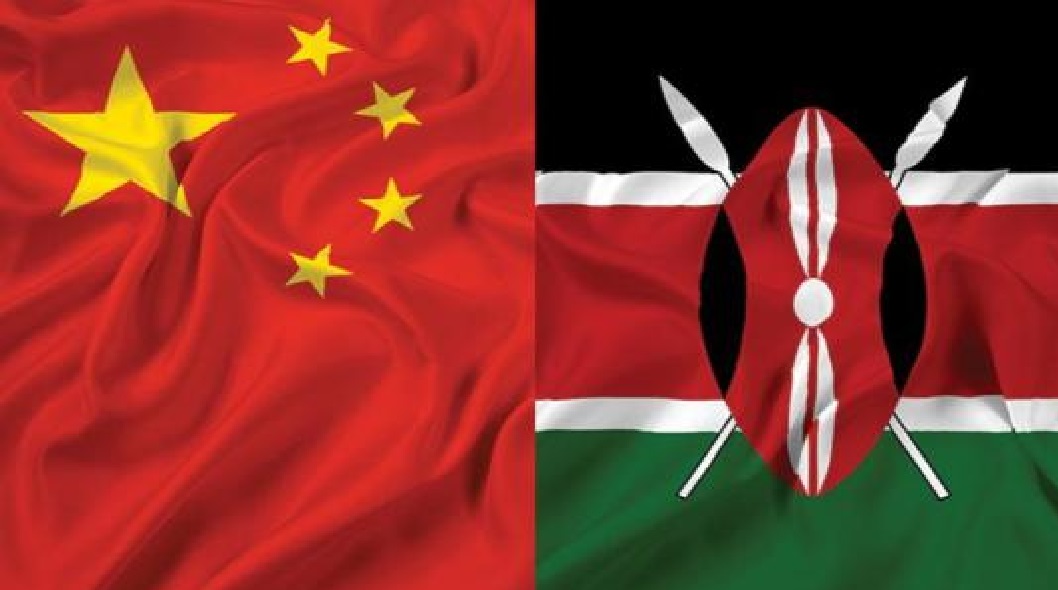
Kenya has latched herself into China, becoming the landing route for the Silk Route into Africa

0

Kenya is one of the key partners of China in Africa, especially in the context of the Belt and Road Initiative (BRI), which aims to connect Asia, Europe and Africa through a network of infrastructure projects. Kenya hosts several BRI projects, such as the Standard Gauge Railway (SGR) that links the port of Mombasa to the capital Nairobi and beyond, and the Lamu Port-South Sudan-Ethiopia-Transport (LAPSSET) corridor that will create a new trade route in the region. These projects are expected to boost Kenya’s economic development, trade and regional integration, as well as enhance China’s influence and access to Africa’s markets and resources.

However, Kenya’s engagement with China also entails some challenges and risks, such as debt sustainability, environmental and social impacts, transparency and accountability, and geopolitical implications. Some critics have argued that Kenya is becoming too dependent on China for its financing and development needs, and that it is losing its sovereignty and strategic autonomy in the process.

Others have raised concerns about the quality and viability of some of the BRI projects, and their potential negative effects on local communities, wildlife and ecosystems. Moreover, Kenya’s alignment with China may affect its relations with other traditional partners, such as the US and the EU, who have expressed reservations about China’s role and intentions in Africa.

Therefore, Kenya needs to balance its interests and values in its cooperation with China and ensure that it benefits from the opportunities while mitigating the challenges. Kenya should also diversify its partnerships and sources of funding and engage in dialogue and coordination with other stakeholders involved in Africa’s development. Kenya has a strategic position and a leadership role in Africa, and it should leverage its assets to advance its own vision and agenda, as well as contribute to the continent’s peace and prosperity.

Kenya is the most developing country in Africa. This is not just a claim, but a fact supported by various indicators of economic and social progress. In this blog post, I will explore some of the reasons why Kenya has achieved such remarkable growth and development in recent years, and what challenges it still faces.

One of the main drivers of Kenya’s development is its dynamic and diversified economy. Kenya has a strong agricultural sector, which accounts for about a quarter of its GDP and employs more than half of its workforce. Kenya is also a leading exporter of tea, coffee, flowers, and horticultural products. Moreover, Kenya has a vibrant service sector, which contributes more than half of its GDP and includes tourism, finance, telecommunications, and information technology. Kenya is also a regional hub for trade and investment, attracting foreign direct investment from countries like China, India, and the United States.

Another factor that has contributed to Kenya’s development is its investment in human capital. Kenya has made significant strides in improving access to education and health care for its population. According to the World Bank, the primary school enrollment rate in Kenya increased from 77% in 2000 to 95% in 2019, while the secondary school enrollment rate rose from 24% to 54% in the same period.

Kenya also reduced its maternal mortality rate from 590 deaths per 100,000 live births in 2000 to 342 in 2017, and its child mortality rate from 108 deaths per 1,000 live births in 2000 to 46 in 2019. Furthermore, Kenya has been successful in combating diseases like HIV/AIDS, malaria, and tuberculosis, thanks to its robust health system and partnerships with international organizations.

Third, let’s consider some of the environmental achievements of Kenya. According to the Environmental Performance Index (EPI), Kenya ranked 86th out of 180 countries in 2020, with a score of 55.6 out of 100. The EPI measures a country’s performance in environmental health and ecosystem vitality, based on indicators such as air quality, water quality, biodiversity, climate change and waste management.

Kenya has shown leadership in promoting renewable energy sources, such as geothermal, wind and solar power, which accounted for 93% of its electricity generation in 2019. Kenya has also committed to reducing its greenhouse gas emissions by 32% by 2030, compared to a business-as-usual scenario. Kenya has also invested in restoring its forests, wetlands and wildlife habitats, which provide vital ecosystem services such as water regulation, soil conservation and carbon sequestration.

Kenya is the most developing country in Africa because it has demonstrated remarkable progress in economic, social and environmental aspects. However, this does not mean that Kenya has no challenges to overcome. Some of the major challenges that Kenya faces include poverty, inequality, corruption, insecurity, unemployment and climate change. To address these challenges, Kenya needs to continue implementing sound policies and strategies that foster inclusive and sustainable development for all its people.

X CEO Says Platform Has Disbursed Nearly $20 Million to Content Creators

0

The CEO of X (formerly Twitter), Linda Yaccarino has announced that the platform has disbursed nearly $20 million to content creators.

Announcing this, Linda wrote on her X handle,

“Create. Connect. Collect all on X. We’re enabling the economic success of new segments like creators. And so far we’ve paid out almost $20 million to our creator community”.

X officially launched its ads revenue sharing for content creators on July 2023, an initiative introduced to compensate creators for generating revenue from their posts and replies.

During the launch, X CEO Linda Yaccarino expressed her enthusiasm for the program, stating that it represents an absolute game changer for the platform’s creators.

The platform began paying verified creators in July, the same month the ads revenue was rolled out. According to Musk, the first payments which were cumulative from February onward, totaled around $5 million. Musk clarified that the revenue payout to content creators would be cumulative.

In order to participate in X’s ads revenue sharing program, users must meet specific criteria. Firstly, they need to be verified subscribers. Secondly, they must have garnered a minimum of 15 million impressions on all of their posts within the last three months.

Once a user has accumulated at least $50 in revenue, they automatically become eligible for regular payouts. This enables creators to receive their rightful share of the ad revenue generated from their posts in a timely and consistent manner.

With these promising strides towards empowering content creators, X aspires to foster a thriving community where talents can flourish and be duly rewarded for their contributions.

X is hoping to attract more content creators via ad revenue payouts to users who are subscribed to X Blue. By appealing to content creators with potential compensation, marketers, agency execs and content creators believe it could boost X Blue subscribers as well as retool the way that creators view the app.

It is worth noting that several marketers are eyeing X’s willingness to pay out a portion of its advertising revenue share as a way to mitigate its problems after Musk’s takeover and rebranding.

In its bid to lure more users and Blue subscribers, X in August this year, rolled out a new initiative aimed at luring smaller businesses to advertise on its platform. The company announced that it would offer a one-time ad credit of $250 to select businesses when they spend $1,000 or more on new ad campaigns over the next 30 days.

Ever since Musk took over the platform last year October, he disclosed that X (formerly Twitter) has been unprofitable for a long time, which has spurred him to roll out different revenue-generating programs on the platform.

Musk also wants to turn the app into an everything app that can serve users in so many areas, from payments to shopping, etc.