DD
MM
YYYY

PAGES

DD
MM
YYYY

spot_img

PAGES

Home Blog Page 3809

Zim looks for investment spark in EV market

0
Boost to Your Business

Zim, a leading electric vehicle (EV) manufacturer, is seeking to raise its profile and attract new investors in the competitive EV market. The company, which was founded in 2018, has been producing high-quality and affordable EVs that cater to various segments of customers. Zin’s EVs are known for their innovative design, performance, and sustainability.

Zims CEO, Lee Min-jung, said that the company is looking for strategic partners who share its vision and values. “We believe that EVs are the future of mobility, and we want to be at the forefront of this transformation. We are looking for investors who can support our growth and help us expand our global presence,” she said.

Lee added that Zim has a strong competitive edge in the EV market, as it has a diversified product portfolio, a loyal customer base, and a robust supply chain. Zin currently offers four models of EVs: the Z1, a compact hatchback; the Z2, a mid-sized sedan; the Z3, a crossover SUV; and the Z4, a luxury sports car. Zim plans to launch two more models in 2024: the Z5, a minivan; and the Z6, a pickup truck.

Zim also boasts a high customer satisfaction rate, as it provides excellent after-sales service and warranty. Zim’s EVs are equipped with advanced features such as wireless charging, smart navigation, and autonomous driving. Zim also uses eco-friendly materials and renewable energy sources to reduce its environmental impact.

Zim’s supply chain is another key factor that sets it apart from its rivals. Zim has established strategic partnerships with leading battery suppliers, such as LG Chem and Samsung SDI, to ensure a stable supply of high-quality batteries. Zim also has its own production facilities in South Korea, China, and the US, which enable it to meet the growing demand for its EVs.

Zim’s financial performance has been impressive as well. In 2023, Zin reported a revenue of $10 billion and a net profit of $1 billion, representing a 50% increase from the previous year. Zim also achieved a market share of 10% in the global EV market, ranking fourth behind Tesla, Volkswagen, and Toyota.

Zim’s ambitious goal is to become the number one EV manufacturer in the world by 2030. To achieve this, Zin plans to invest heavily in research and development, marketing, and expansion. Zim aims to increase its production capacity to 1 million units per year by 2025, and to enter new markets such as Europe, India, and Brazil.

Zim is confident that it can attract more investors who are interested in the booming EV industry. Zim’s stock price has risen by 300% since its initial public offering (IPO) in 2020, and it expects to see further growth in the future. Zin invites potential investors to visit its website and contact its investor relations team for more information.

Bitcoin Difficulty Ribbon Flashing Bearish Signal

0

Bitcoin (BTC) has been on a remarkable run since late 2023, reaching new all-time highs above $40,000 and attracting more institutional and retail investors. However, a technical indicator that accurately predicted the start of this rally is now signaling a possible reversal in the near future.

The indicator is called the Bitcoin Difficulty Ribbon, and it is based on the changes in the mining difficulty of the network. The mining difficulty is a measure of how hard it is to find a new block and earn the block reward. It adjusts every 2016 blocks, or roughly every two weeks, depending on the hash rate of the network.

The Difficulty Ribbon consists of nine exponential moving averages (EMAs) of the mining difficulty, ranging from 9-day to 200-day. The idea is that when these EMAs converge or compress, it indicates that miners are under stress and may have to sell some of their coins to cover their costs. This creates downward pressure on the price and precedes a period of consolidation or correction.

Conversely, when these EMAs diverge or expand, it indicates that miners are profitable and can hold on to their coins. This reduces the selling pressure on the market and precedes a period of expansion or rally.

The Difficulty Ribbon was first introduced by Bitcoin analyst Willy Woo in 2019, and it has proven to be a reliable indicator of major trend changes in the market. For instance, it signaled the start of the 2017 bull run when it expanded in January of that year, and it also signaled the end of the 2018 bear market when it compressed in December of that year.

Most recently, it signaled the start of the current rally when it expanded in November 2023, after Bitcoin broke out of a multi-month consolidation pattern. Since then, Bitcoin has surged more than 300% and reached new highs above $120,000.

However, the Difficulty Ribbon is now showing signs of compression, which could indicate that the rally is losing steam, and a correction is imminent. The compression is not yet confirmed, as it requires at least two consecutive downward adjustments in the mining difficulty. The next adjustment is expected to occur around January 28, 2024, and it is projected to be a negative one, according to BTC.com.

If the compression is confirmed, it could mean that Bitcoin is entering a new phase of consolidation or correction, similar to what happened in mid-2019 and mid-2020. In both cases, Bitcoin experienced a sharp drop of around 40% after the Difficulty Ribbon compressed, followed by a period of sideways trading for several months.

Of course, this does not mean that Bitcoin will follow the same pattern exactly, as there are many other factors that influence the market dynamics. However, it does suggest that traders and investors should be cautious and prepared for increased volatility and potential downside risks in the near term.

The Difficulty Ribbon is not a perfect indicator, and it can sometimes give false signals or lag behind the actual market movements. Therefore, it should not be used in isolation, but rather in conjunction with other indicators and tools that can provide more context and confirmation. As always, do your own research and exercise due diligence before making any investment decisions.

Ether Rock #8 was purchased for 170 ETH as Avalanche begins buying of Avax Memecoins

0

One of the most expensive NFTs ever sold was Ether Rock #8, a digital collectible that represents a virtual rock. The buyer, who goes by the name of 0x650d, paid a whopping 170 ETH (about 372,000 USD) for the rare NFT.

Ether Rock is a project that launched in 2017, making it one of the oldest NFTs on the Ethereum blockchain. There is only 100 Ether Rocks in existence, and each one has a different price based on its creation order. The first Ether Rock was sold for 0.1 ETH, while the last one will cost 100 ETH.

The appeal of Ether Rock lies in its scarcity and its historical significance as an early example of NFT art. According to the project’s website, “These virtual rocks serve NO PURPOSE beyond being able to be bought and sold and giving you a strong sense of pride in being an owner of 1 of the only 100 rocks in the game.”

The sale of Ether Rock #8 was not the only record-breaking transaction in the NFT space that week. On August 10, 2021, CryptoPunk #7523, a pixelated avatar with blue skin and a medical mask, was sold for 11.8 million USD at a Sotheby’s auction. CryptoPunks are another pioneer NFT project that consists of 10,000 unique characters with different attributes and rarities.

The surge in demand and prices for NFTs reflects the growing interest and adoption of blockchain technology and digital art. NFTs are unique tokens that can represent any form of digital content, such as images, videos, music, games, and more. They can be verified and traded on decentralized platforms without intermediaries, creating new possibilities for creators and collectors.

However, not everyone is convinced that NFTs are worth the hype and the money. Some critics argue that NFTs are a bubble that will burst soon, as they have no intrinsic value or utility. Others point out the environmental impact of NFTs, as they require a lot of energy to mint and transfer on the blockchain.

Whether you are a fan or a skeptic of NFTs, there is no denying that they are making waves in the digital world. Ether Rock #8 is just one example of how far people are willing to go to own a piece of history and culture in the form of an NFT.

Avalanche begins buying of Avax Memecoins

Avalanche, the fast and scalable blockchain platform, has announced that it will start purchasing Avax Memecoins, a new class of tokens that are inspired by internet memes and viral trends. Avax Memecoins are designed to capture the attention and engagement of the online community, while also providing utility and value to the Avalanche ecosystem.

According to a press release, Avalanche will allocate a portion of its treasury funds to buy Avax Memecoins from the open market, as well as support the development and marketing of new projects in this space. The initiative aims to foster innovation and creativity among the Avalanche community, as well as attract new users and developers to the platform.

Some of the Avax Memecoins that have already launched or are in the pipeline include:

Avax Doge: A tribute to the original Dogecoin, but with faster transactions, lower fees, and smart contract capabilities on Avalanche.

Avax Shiba: A spin-off of the popular Shiba Inu token, but with a deflationary mechanism that burns a percentage of each transaction, creating scarcity and increasing demand.

Avax Pepe: A homage to the iconic Pepe the Frog meme, but with a social impact twist. A portion of each transaction is donated to environmental causes, such as planting trees or cleaning oceans.

Avax Nyan: A recreation of the famous Nyan Cat animation, but with a gamified element. Users can collect and trade different versions of Nyan Cat, each with unique attributes and rarity.

Avalanche believes that Avax Memecoins have the potential to become a significant part of the crypto economy, as they appeal to a wide and diverse audience, especially younger generations who are more familiar with internet culture and digital art. By supporting Avax Memecoins, Avalanche hopes to create a more vibrant and inclusive community, as well as showcase the versatility and scalability of its platform.

Cash flow is the lifeblood of any small business

0

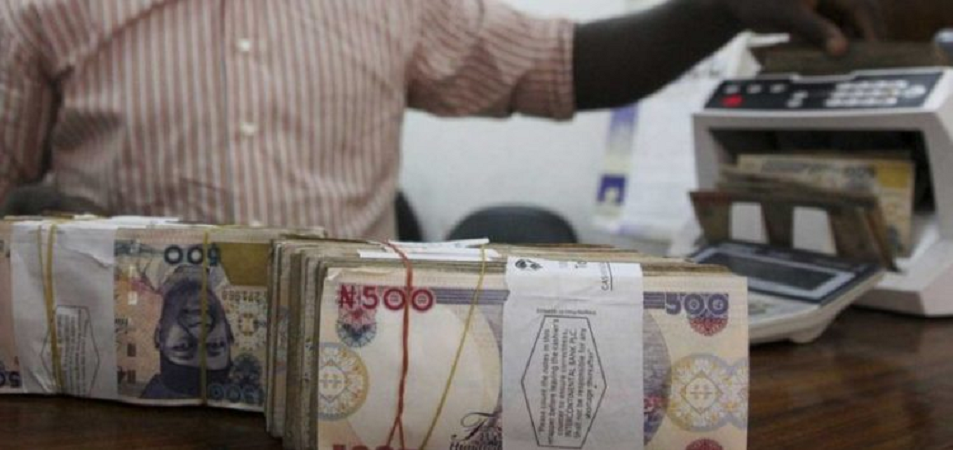
One of the most important aspects of running a successful small business is managing your cash flow. Cash flow is the amount of money that flows in and out of your business over a period of time. It reflects your ability to pay your bills, invest in growth, and handle unexpected expenses.

Why is cash flow so vital for small businesses?

Because it shows how well you are managing your finances and planning for the future. A positive cash flow means that you have more money coming in than going out, which means you can cover your operating costs, pay yourself and your employees, and have some extra cash to reinvest in your business.

A negative cash flow means that you are spending more than you are earning, which means you may struggle to pay your bills, face cash shortages, and have to rely on loans or credit cards to keep your business afloat.

Cash flow is not the same as profit. Profit is the difference between your revenue and your expenses, and it shows how much money you are making from your business. Cash flow is the movement of money in and out of your business, and it shows how much money you have available at any given time.

You can be profitable but have a negative cash flow, or vice versa. For example, if you sell a product or service on credit, you may have a high profit but a low cash flow, because you have not received the payment yet. Or, if you buy inventory or equipment upfront, you may have a low profit but a high cash flow, because you have spent a large amount of money but have not sold anything yet.

The key to improving your cash flow is to monitor it regularly and take steps to increase your income and reduce your expenses. Here are some tips to help you manage your cash flow effectively:

Create a cash flow forecast. A cash flow forecast is a projection of how much money you expect to receive and spend over a certain period of time, usually monthly or quarterly. It helps you plan ahead and anticipate any potential cash flow problems. To create a cash flow forecast, you need to estimate your sales, expenses, and cash balance for each month. You can use accounting software, spreadsheets, or templates to help you with this task.

Invoice promptly and follow up on payments. One of the main reasons for poor cash flow is late or unpaid invoices from customers. To avoid this, you should invoice your customers as soon as possible after delivering your product or service, and clearly state your payment terms and due date on the invoice.

You should also follow up on any overdue invoices with reminders, phone calls, or emails, and consider offering incentives or penalties for early or late payments.

Manage your inventory efficiently. Inventory is another major factor that affects your cash flow. If you have too much inventory, you are tying up your money in unsold goods that take up space and require maintenance. If you have too little inventory, you may lose sales opportunities and damage your reputation with customers.

To optimize your inventory levels, you should track your sales trends, forecast your demand, and order only what you need. You should also try to sell off any excess or obsolete inventory as soon as possible.

Negotiate with your suppliers and creditors. Another way to improve your cash flow is to negotiate better terms with your suppliers and creditors. For example, you can ask for discounts, longer payment periods, or lower interest rates on your purchases or loans.

This can help you reduce your costs and increase your cash flow margin. However, you should also maintain good relationships with your suppliers and creditors and pay them on time whenever possible.

Seek alternative sources of funding. Sometimes, despite your best efforts, you may still face cash flow challenges that require external funding. In that case, you can explore various options to raise some extra cash for your business.

For example, you can apply for a small business loan or line of credit from a bank or an online lender, sell some of your assets or equity to an investor or partner, or launch a crowdfunding campaign or pre-sale offer to generate some advance revenue from customers.

Cash flow is the lifeblood of any small business because it determines its survival and growth potential. By following these tips, you can improve your cash flow management skills and ensure that your business has enough money to operate smoothly and successfully.

NATO signs key artillery ammunition contract, as US Airstrikes Iranian-backed militia in Iraq

0

In a major boost to Ukraine’s defense capabilities, NATO has signed a contract with a leading European manufacturer to supply high-quality artillery ammunition to the Ukrainian armed forces. The contract, worth 120 million euros, was announced by NATO Secretary General Jens Stoltenberg during his visit to Kyiv on January 23, 2024.

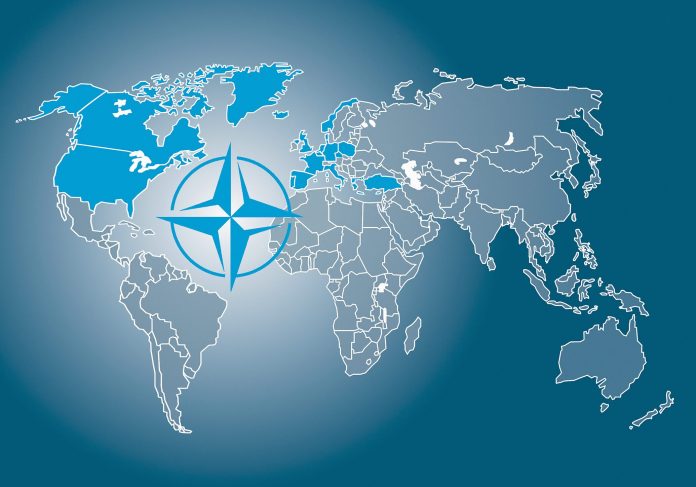
The contract is part of NATO’s Enhanced Opportunities Partnership (EOP) with Ukraine, which aims to strengthen the interoperability and resilience of the Ukrainian military in the face of Russian aggression. The EOP also provides Ukraine with access to NATO training, exercises, and intelligence sharing.

NATO’s Enhanced Opportunities Partnership (EOP) with Ukraine is a strategic initiative that aims to deepen the cooperation and interoperability between the Alliance and its partner nation. The EOP was launched in 2014, in response to Russia’s illegal annexation of Crimea and its ongoing aggression in eastern Ukraine.

The EOP provides Ukraine with enhanced access to NATO exercises, training, and intelligence sharing, as well as political consultations and practical support. The EOP also recognizes Ukraine’s significant contributions to NATO’s operations and missions, such as in Afghanistan, Kosovo, and Iraq.

The EOP is not a path to NATO membership, nor does it imply any security guarantees from the Alliance. However, it does demonstrate NATO’s strong commitment to supporting Ukraine’s sovereignty, territorial integrity, and Euro-Atlantic aspirations.

The EOP also helps Ukraine to implement key reforms in the defense and security sector, such as strengthening civilian control, enhancing transparency and accountability, and improving interoperability with NATO forces. The EOP is based on mutual interests and shared values, and it respects Ukraine’s right to choose its own security arrangements.

The EOP is one of the most advanced forms of partnership that NATO offers to non-member countries. Only five other nations have been granted this status: Australia, Finland, Georgia, Jordan, and Sweden. The EOP reflects the high level of trust and confidence that exists between

The artillery ammunition contract is the largest single procurement deal under the EOP and will significantly enhance Ukraine’s ability to conduct effective and precise fire support missions. The ammunition, which includes 155 mm and 122 mm shells, is compatible with both NATO and Ukrainian artillery systems, and meets the highest standards of safety and reliability.

The contract also includes a provision for the transfer of technology and know-how from the European manufacturer to a Ukrainian company, which will enable Ukraine to produce its own artillery ammunition in the future. This will create jobs, boost the local economy, and reduce Ukraine’s dependence on foreign suppliers.

Stoltenberg hailed the contract as a concrete example of NATO’s unwavering support for Ukraine’s sovereignty and territorial integrity. He also reiterated NATO’s commitment to help Ukraine implement key reforms in the defense and security sector, such as improving civilian oversight, fighting corruption, and enhancing gender equality.

The contract is expected to be fulfilled by the end of 2025 and will provide Ukraine with enough artillery ammunition to sustain its operational needs for several years. The contract is funded by NATO’s Defense Capacity Building Trust Fund for Ukraine, which was established in 2015 and has received contributions from 18 NATO allies and partners.

US Airstrikes Iranian-backed militia in Iraq

The US military has conducted airstrikes against Iran-backed militia groups in Iraq, according to a statement from the Pentagon. The strikes targeted facilities used by the militia to launch drone attacks against US personnel and interests in the region. The Pentagon said the strikes were defensive and aimed at deterring future attacks.

The strikes were authorized by President Joe Biden, who said he acted to protect US personnel and partners. “We are not seeking to escalate the situation in Iraq or the region,” he said in a statement. “But we will always defend ourselves and our partners when necessary.”

The Pentagon said the strikes hit two locations in Syria and one in Iraq, near the border with Syria. The facilities were used by Kataib Hezbollah and Kataib Sayyid al-Shuhada, two of the most prominent Iran-backed militias operating in Iraq. The Pentagon said the militias have been responsible for several drone attacks against US and coalition forces in Iraq since April.

The strikes were met with condemnation from Iran and its allies, who accused the US of violating Iraq’s sovereignty and escalating tensions in the region. Iran’s foreign ministry spokesman Saeed Khatibzadeh said the US was “following a wrong path” and warned of “the consequences of such illegal acts”. Iraq’s prime minister Mustafa al-Kadhimi said he was “surprised” by the strikes and called for restraint from all parties.

The origins of the US-Iran standoff can be traced back to the 1953 coup d’état that overthrew the democratically elected Prime Minister Mohammad Mosaddegh and restored the monarchy under Shah Mohammad Reza Pahlavi. The coup was orchestrated by the CIA and the British intelligence, who feared that Mosaddegh would nationalize Iran’s oil industry and align with the Soviet Union.

The Shah ruled Iran with an iron fist, suppressing opposition and dissent, and relying on the US for military and economic support. He also embarked on a modernization and westernization program that alienated many traditional and religious sectors of Iranian society.

The Shah’s regime was toppled by the 1979 Islamic Revolution, led by Ayatollah Ruhollah Khomeini, who established an Islamic Republic based on the principle of velayat-e faqih (guardianship of the jurist). The revolution was a watershed moment in Iranian history, as it marked a rejection of foreign interference and a return to Islamic values and identity.

However, it also sparked a hostile reaction from the US, which severed diplomatic ties with Iran and imposed sanctions. The US also supported Iraq in its eight-year war with Iran, which claimed hundreds of thousands of lives on both sides.

The US-Iran standoff entered a new phase in 2002, when President George W. Bush labeled Iran as part of the “axis of evil”, along with Iraq and North Korea. Bush accused Iran of pursuing nuclear weapons and supporting terrorist groups such as Hezbollah and Hamas.

The US also accused Iran of meddling in Iraq and Afghanistan, where the US had invaded and toppled the regimes of Saddam Hussein and the Taliban. Iran denied these allegations and insisted that its nuclear program was peaceful and that its regional activities were legitimate.

The standoff reached a critical point in 2015, when Iran and six world powers (the US, China, Russia, France, Britain, and Germany) signed the Joint Comprehensive Plan of Action (JCPOA), also known as the Iran nuclear deal.

The deal required Iran to limit its nuclear activities in exchange for relief from sanctions. The deal was hailed as a diplomatic breakthrough that could pave the way for a broader dialogue and cooperation between Iran and the West.

However, it also faced fierce opposition from Israel, Saudi Arabia, and some US lawmakers, who argued that it was too lenient and did not address Iran’s ballistic missile program and its regional role.

The US and Iran have been locked in a standoff over Iran’s nuclear program and its regional influence. The Biden administration has expressed interest in reviving the 2015 nuclear deal that former president Donald Trump withdrew from in 2018, but talks have stalled over mutual demands for compliance.

The US has also accused Iran of supporting proxy groups that attack US interests and allies in the Middle East, while Iran has blamed the US for imposing crippling sanctions and fomenting instability in the region.

The US-Iran standoff is one of the most complex and consequential issues in the world today. It has implications not only for the two countries, but also for the region and the international community. It is a test of diplomacy, leadership, and vision. It is a challenge for peace, justice, and cooperation.