DD
MM
YYYY

PAGES

DD
MM
YYYY

spot_img

PAGES

Home Blog Page 3811

Congresswoman Maxine Waters Questions Meta’s Ongoing Crypto Efforts

0
Facebook founder and properties

Meta, the company formerly known as Facebook, has been making headlines with its ambitious plans to create a metaverse, a virtual reality platform that would allow users to interact with digital worlds and each other. Meta has also been investing heavily in cryptocurrency and blockchain technology, hoping to leverage these innovations to power its metaverse vision.

However, not everyone is convinced that Meta’s crypto efforts are in the best interest of the public. Congresswoman Maxine Waters, the chairwoman of the House Financial Services Committee, has recently sent a letter to Meta CEO Mark Zuckerberg, asking him to provide more information and transparency about his company’s crypto projects.

In her letter, Waters expressed her concerns about the potential risks and challenges that Meta’s crypto initiatives pose to consumers, investors, financial stability, national security, and human rights. She also questioned Meta’s ability and willingness to comply with existing laws and regulations, especially in light of its previous scandals and controversies involving data privacy, misinformation, and election interference.

Waters requested that Zuckerberg respond to a series of questions by February 15, 2024. Some of the questions include:

What are the specific goals and objectives of Meta’s crypto projects, such as Novi, Diem, and NFTs? How does Meta plan to ensure the safety and security of its crypto users and their funds? How does Meta intend to address the environmental and social impacts of its crypto activities, such as energy consumption, carbon emissions, human rights violations, and illicit activities? How does Meta coordinate with regulators and policymakers in the U.S. and abroad to ensure compliance with relevant laws and standards? How does Meta handle the governance and oversight of its crypto projects and partners?

Waters also urged Zuckerberg to testify before her committee in person as soon as possible. She stated that she is “deeply troubled” by Meta’s lack of engagement and cooperation with Congress on its crypto matters. She warned that if Meta fails to provide satisfactory answers and actions, her committee will “consider all available tools” to hold the company accountable.

Meta has not yet publicly responded to Waters’ letter. However, the company has previously stated that it is committed to working with regulators and stakeholders to advance its crypto vision in a responsible and inclusive way. Meta has also argued that its crypto projects will benefit users by providing them with more choice, access, and opportunity in the digital economy.

FTX, one of the leading cryptocurrency exchanges in the world, has seen its native token FTT surge as much as 11% on Tuesday, reaching a new all-time high. The rally was driven by the news that Grayscale, the largest digital asset manager, had sold off its shares in the Bitcoin Trust (GBTC) and the Ethereum Trust (ETHE) and reinvested the proceeds in FTX’s exchange-traded products (ETPs).

Grayscale’s move was seen as a vote of confidence in FTX and its ETPs, which offer exposure to various crypto assets such as Bitcoin, Ethereum, Solana, Cardano, and Polkadot. FTX’s ETPs are listed on several regulated platforms in Europe and Asia, such as SIX Swiss Exchange, Börse Stuttgart, and SGX. FTX’s ETPs also have lower fees and better liquidity than Grayscale’s trusts, which trade at a significant discount to their net asset value.

FTX’s founder and CEO, Sam Bankman-Fried, commented on the development on Twitter, saying that he was “incredibly grateful” to Grayscale for choosing FTX’s ETPs and that he hoped to “continue building out the best products in crypto”. He also hinted that more announcements were coming soon, adding to the bullish sentiment around FTX and FTT.

FTX has been on a growth spree in recent months, expanding its global presence and influence in the crypto space. The exchange has secured several high-profile partnerships and sponsorships, such as with the NBA, MLB, Tom Brady, Steph Curry, and esports team TSM. FTX has also acquired several companies and platforms, such as Blockfolio, LedgerX, and NFT marketplace OpenSea. FTX has also launched several innovative products and features, such as FTX Pay, FTX NFTs, FTX Arena, and FTX US.

FTX’s native token FTT benefits from the exchange’s success, as it is used for various purposes on the platform. FTT holders enjoy lower trading fees, higher referral bonuses, increased airdrops, and access to exclusive features and perks. FTT is also burned periodically based on the exchange’s revenue, creating a deflationary pressure on the token supply. According to FTX’s website, over 9 million FTT have been burned so far, representing about 9% of the total supply.

FTX and FTT show no signs of slowing down, as the exchange continues to innovate and dominate the crypto market. With Grayscale’s endorsement and more potential catalysts on the horizon, FTT could reach new heights in the near future.
Potential Breach of International Agreement and Investment Treaties in Nigeria as a result of Foreign Currency

0

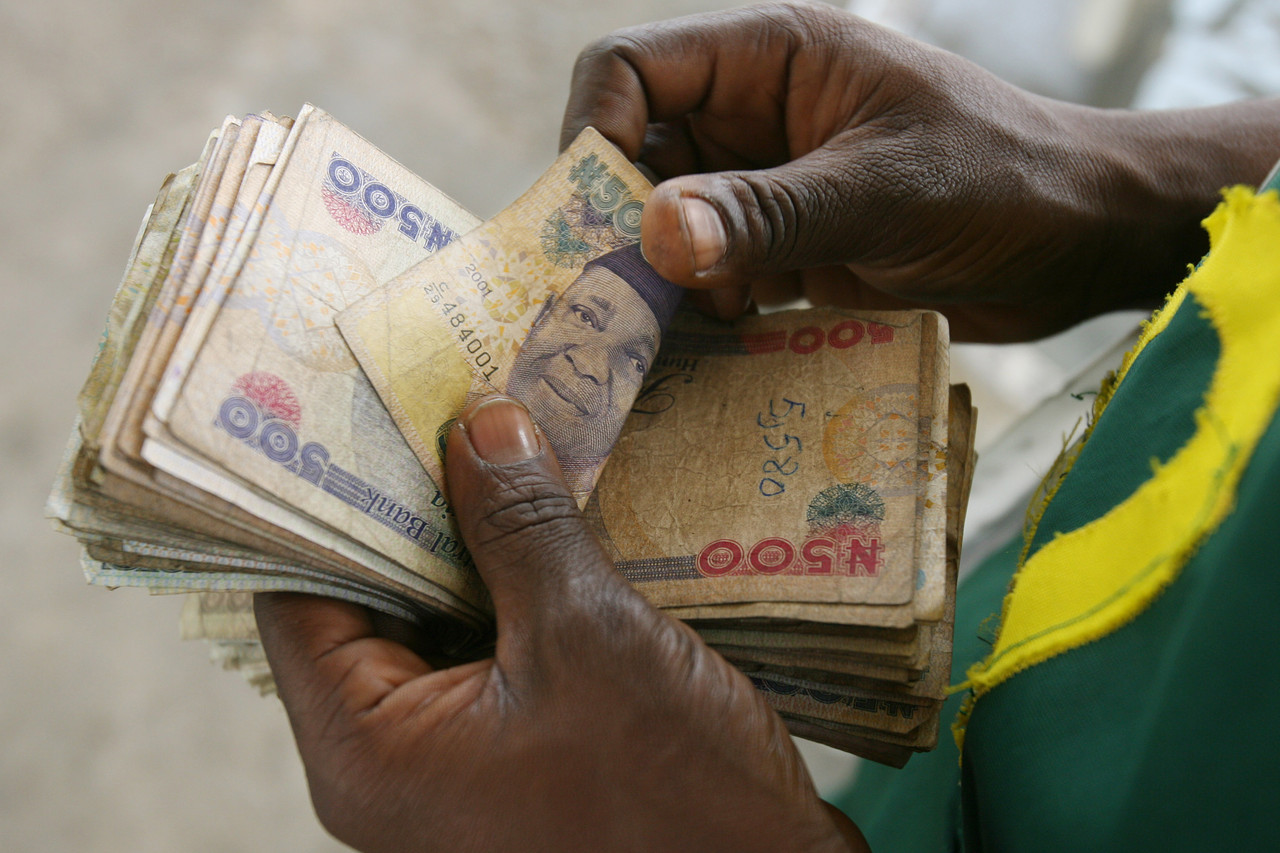
Nigeria is facing a serious challenge in its foreign currency (FCY) management, which could have negative implications for its international obligations and investment treaties.

The country has been struggling to meet the demand for FCY from various sectors of the economy, especially the importers and foreign investors. This has led to a shortage of FCY in the official market and a wide gap between the official and parallel exchange rates.

The Central Bank of Nigeria (CBN) has introduced several measures to address the situation, such as restricting access to FCY for certain imports, imposing capital controls, and devaluing the naira. However, these measures have not been effective in stabilizing the exchange rate or boosting the supply of FCY. Instead, they have created distortions and uncertainties in the market, and increased the risk of litigation and arbitration from foreign investors and creditors.

One of the main risks that Nigeria faces is the potential breach of its international agreements and investment treaties as a result of its FCY policies. Nigeria is a party to several bilateral and multilateral treaties that protect the rights and interests of foreign investors and creditors in the country. These treaties typically include provisions that guarantee fair and equitable treatment, non-discrimination, free transfer of funds, protection from expropriation, and dispute resolution mechanisms.

Some of these treaties also contain stabilization clauses that prevent Nigeria from changing its laws or policies in a way that adversely affects the contractual obligations or expectations of foreign investors and creditors. For example, Nigeria has signed several power purchase agreements (PPAs) with independent power producers (IPPs) that are denominated in US dollars.

These PPAs require Nigeria to pay the IPPs in US dollars at a specified exchange rate, regardless of the fluctuations in the market. However, due to the shortage of FCY, Nigeria has been unable to fulfill its payment obligations under these PPAs, which could trigger claims for breach of contract and treaty violations.

Another risk that Nigeria faces is the potential loss of its sovereign immunity and assets in case of an adverse award or judgment from a foreign court or tribunal. Nigeria has waived its sovereign immunity in many of its international agreements and investment treaties, which means that it can be sued by foreign investors and creditors in their home countries or in a neutral forum.

If Nigeria loses such a case, it could face enforcement actions against its assets abroad, such as bank accounts, properties, or oil cargoes. This could have serious consequences for Nigeria’s reputation, credit rating, and economic stability.

Therefore, it is imperative that Nigeria reviews its FCY policies and adopts a more flexible and market-driven approach that balances its domestic needs with its international obligations. Nigeria should also engage in constructive dialogue and negotiation with its foreign investors and creditors to resolve any disputes amicably and avoid costly litigation and arbitration.

Nigeria should also seek technical assistance and support from its development partners and multilateral institutions to address its structural challenges and improve its FCY management.

The Naira is Undervalued: CBN Unveils Plan to Tackle Forex Crisis in 2024

The governor of the Central Bank of Nigeria (CBN), Yemi Cardoso, has unveiled a fresh plan to address the country’s lingering forex crisis in 2024.

In his keynote address at the Nigeria Economic Group outlook for 2024, which was held via video conference, acknowledged the impact of the forex crisis, which has resulted in the massive decline of the country’s currency, the naira, on the economy.

Admitting that the situation requires urgent measures, Cardoso said that the naira is undervalued and requires collaborative efforts between the monetary and fiscal sides of the economy to achieve genuine price discovery.

“We believe that the naira is currently undervalued. And coupled with coordinated measures on the fiscal side, we will expedite genuine price discovery in the near term. This coordinated approach will contribute to a more balanced and stable exchange rate,” he said.

According to him, the commitment to collaborating with the Ministry of Finance underscores the acknowledgment that addressing the forex crisis requires a comprehensive approach. He said that the ultimate objective is to establish a stable and balanced exchange rate that genuinely mirrors the true value of the naira.

Cardoso also addressed the issue of dwindling forex reserves, outlining the Central Bank’s partnership with the Ministry of Finance and the Nigerian National Petroleum Corporation Limited (NNPCL). He assured that all foreign exchange inflows would be returned to the bank, contributing to the accretion of the country’s foreign reserves.

The governor noted that boosting forex reserves is crucial for Nigeria’s economic stability. Adequate reserves act as a safeguard against external shocks, ensuring the nation’s ability to meet international financial obligations and maintain exchange rate stability.

Furthermore, Cardoso highlighted the Central Bank’s commitment to implementing inflation-taming policies. He pointed to the expected resumption of operations in the country’s three refineries, saying that it would contribute to a reduction in the pump prices of Premium Motor Spirit (PMS), a significant component of the Consumer Price Index (CPI) basket.

“Inflationary pressures are expected to decline in 2024 due to the CBN’s inflation-targeting policy, which aims to rein in inflation to 21.4%,” he stated. This ambitious target aligns with the Central Bank’s broader objective of fostering economic growth and providing a more predictable cost environment for businesses.

Cardoso also highlighted the potential positive impacts of decreasing inflation in 2024. A more predictable cost environment could lead to lower policy rates, stimulating investment, fueling growth, and creating job opportunities. This optimistic outlook underlines the Central Bank’s belief that addressing the forex crisis and implementing effective inflation-targeting policies can pave the way for a more resilient and prosperous Nigerian economy.

The multifaceted approach, encompassing collaboration with the fiscal side, efforts to increase forex reserves, and inflation-taming policies, aims to achieve genuine price discovery and stability in the foreign exchange market.

However, while Cardoso’s address reflects the Central Bank’s commitment to tackling Nigeria’s forex crisis in 2024, concerns remain over the ineffectual approach deployed by the central bank earlier.

Since last year, the central bank has implemented a series of strategies to address the volatile forex situation. Despite these measures, the naira has continued to decline, reaching its lowest month-on-month point. As of Wednesday, the naira was exchanged at N1,398.083 against the dollar in the parallel market. Although it shows relatively better performance at the official market (NAFEM) at N878.61 per dollar, the prevailing illiquidity in that window has led the parallel market rate to serve as the determining benchmark.

Against this backdrop, the nation watches closely as the central bank implements its freshly announced strategies to tackle the forex headwinds. The success of the CBN plans is expected to play a pivotal role in shaping the country’s economic fortune and fostering sustainable growth.

eBay Announces Plan to Eliminate About 1,000 Jobs Amidst Ongoing Restructuring

0

Giant multinational e-commerce company eBay has announced plans to eliminate 1,000 jobs at the company, which constitutes 9% of its workforce.

The announcement comes as part of the company’s effort to align its organizational structure with its business strategy.

In a letter to employees, eBay Chief Executive, Jamie Iannone acknowledged the company’s progress but stated that the growth in the overall headcount and expenses has outpaced business expansion.

In his words,

While we are making progress against our strategy, our overall headcount and expenses have outpaced the growth of our business. This announcement underscores the need for eBay to streamline operations to improve customer satisfaction and drive growth in the face of a challenging macroeconomic environment.

To address this, we’re implementing organizational changes that align and consolidate certain teams to improve the end-to-end experience, and better meet the needs of our customers around the world. Shortly, we will begin notifying those employees whose roles have been eliminated and entering into a consultation process in areas where required.”

Regarding the recent job cuts at the company, the CEO said he wants employees to work from home on Jan. 24, to provide some space and privacy for these conversations.

These changes are difficult, but I’m confident that by working together we will become stronger than ever. In the months ahead, you will see a more focused, agile, and responsive eBay one that is better positioned to advance our purpose of creating economic opportunity for all”, he added.

eBay’s recent job cuts mark the second round of layoffs, which is coming after the company in February last year, announced plans to lay off 500 employees globally, which constituted 4 percent of its total workforce.

The e-commerce giant is keen on making structural changes to enhance agility and decision-making speed, a crucial step to align with the demands of a rapidly changing market.

The job cuts at eBay reflect a broader trend of layoffs in the tech industry which has seen several companies such as Amazon, Google, YouTube, and TikTok, laid off a significant part of their workforce.

The tech sector is currently experiencing a slowdown, which presents a moment of reckoning as companies reevaluate their growth strategies and operational structures. This recalibration is not just a matter of financial prudence but also a testament to the tech industry’s evolution in response to external pressures.

According to data from layoffs. fyi, which tracks job losses in the tech sector, there have already been more than 13,000 people laid off at 72 companies so far this year. 

Towards Understanding The Dangote System and Techniques for Building Conglomerates

0

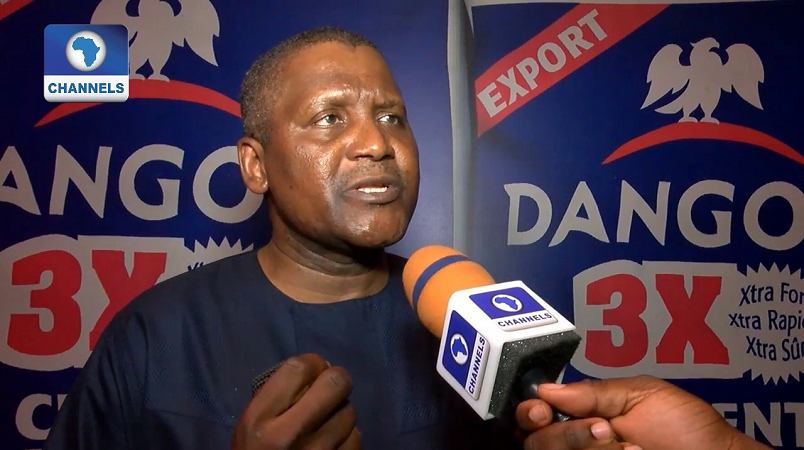
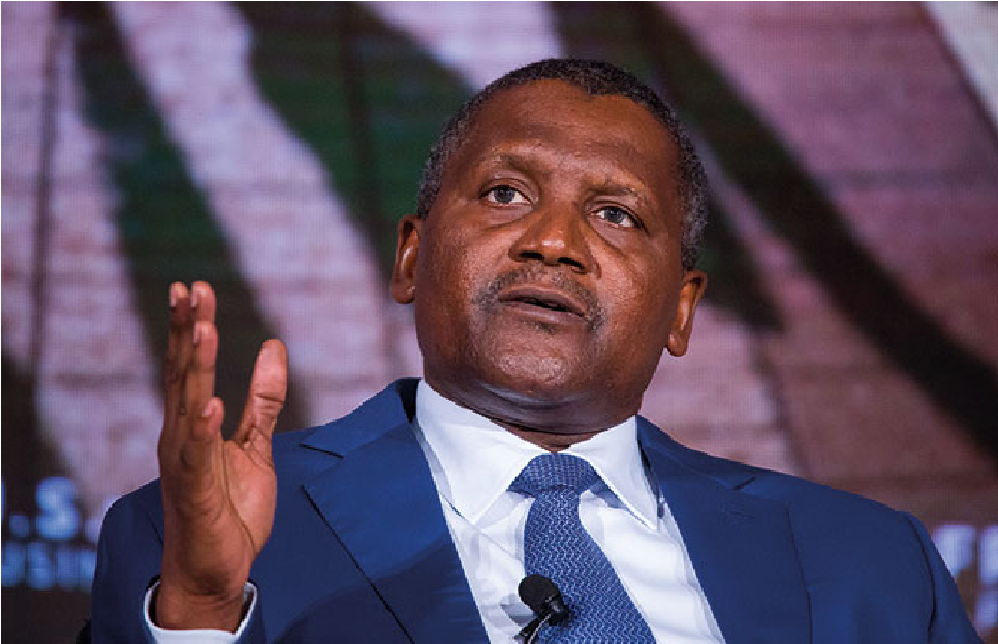
Chairman Dangote, congratulations: “Dangote Cement has emerged as the first company to achieve a market capitalization of N10 trillion on the Nigerian Exchange Group (NGX), closing trading on Monday with a market cap of N10.098 trillion.” This is simply amazing and impressive.

I have an open invitation for years now to meet Alhaji for a detailed interview. My fixation has been the institutionalization of the Dangote System and the techniques for  building category-king industrialized conglomerates. I have tried to write an ebook   without speaking with him, and also analyzed some of his speeches to get into what drives his business worldwide, yet, it does seem that one has to really make time to take that opportunity.  The team extended the offer to have access to him. This year, I plan to make it happen because if I do it, it will be a required reading in many business schools in Africa.

Good People, one thing is clear: someone needs to make the Dangote System a science which must be studied because across many indicators, he has demonstrated that value could be created despite any paralysis in the land. He has shown  that by accumulating capabilities in many ways, and deploying those in upstream areas where few can operate, one can unlock massive value in economies, and in the process transform sectors even as the rewards come in truckloads of alpha.

Yes, as I have written, “To thrive, you must accumulate capabilities. But greatness comes when you master how to compound those capabilities”. Aliko Dangote is a zen-master of compounding capabilities and we’re witnessing everything. I congratulate him.  Nigeria needs more pioneering entrepreneurs like Dangote to transform the nation. #respect

Dangote Cement Becomes the First Company to Hit N10 trillion Market Cap in NGX

Dangote Cement Becomes the First Company to Hit N10 trillion Market Cap in NGX

0

Dangote Cement has emerged as the first company to achieve a market capitalization of N10 trillion on the Nigerian Exchange Group (NGX), closing trading on Monday with a market cap of N10.098 trillion.

The company’s market cap surged by N917 billion in a single trading session, marking an 85.25 percent increase in capital gains for investors.

This achievement comes on the heels of the company displacing Airtel Africa as the most capitalized stock on the local bourse earlier this month.

At the close of Monday’s trading, Dangote Cement’s share price stood at N592.60 per unit, showcasing remarkable performance with a return of over 81.4% in the last 52 weeks. The company holds 17.04 billion outstanding shares, and a significant majority, approximately 85.8%, is controlled by Dangote Industries Limited, spearheaded by Africa’s wealthiest individual, Aliko Dangote.

The company’s growth has been bolstered by strategic initiatives, including two tranches of share repurchases conducted between 2020 and 2022. These buybacks, amounting to 166.9 million shares, are believed to have fortified the stock valuation.

The company’s growth has attracted major investors, with Femi Otedola, a prominent Nigerian billionaire, recently acquiring shares worth an impressive N6 billion in Dangote Cement Plc.

Dangote Cement’s milestone on the NGX has also fueled speculation about the potential listing of other Dangote Group entities, including the newly operational Dangote Petrochemical Refinery. Analysts had projected the listing of Dangote Refinery, along with Dangote Foods (a result of the ongoing merger of Dangote companies) and NNPC Limited, to be major boosts for the capital market.

The refinery’s commencement of production has had a positive ripple effect on the stocks of Dangote Group companies listed on the exchange. Investors in Dangote Cement, Dangote Sugar Refinery, and NASCON Allied Industries have gained over N1.2 trillion during the first two trading sessions of the past week.

Dangote Cement’s achievement comes amid a backdrop of controversy over the high cost of cement in Nigeria. Last year, BUA Cement Plc, the only rival to Dangote Cement in the Nigerian market, took a significant step by reducing the cost of its products from N4,650 to N3,500 per bag.

This move was prompted by discussions within the construction industry, with stakeholders expressing concerns over the high cost of cement in the country.

The Minister of Works and Housing, Dave Umahi, added to the discourse by saying that it’s cheaper to import cement than purchase from local manufacturers – BUA and Dangote Cement. This statement sparked a national conversation around the implications of the high cost of cement on construction in Nigeria.

In his response, BUA Cement’s Chairman, Abdul Samad Rabiu, stated that the company’s decision to reduce cement prices aligns with its mission to support development in the building materials and infrastructure sectors.

However, Dangote Cement, with its products selling in the range of N5,000 to N5,300 per bag, did not follow suit, maintaining its pricing strategy.

Dangote Cement’s dominant assertion on the NGX and the construction industry amid the challenges of cement pricing signifies its position as the major player with substantial market value – underscored by the company’s market cap milestone.