DD
MM
YYYY

PAGES

DD
MM
YYYY

spot_img

PAGES

Home Blog Page 3818

Tinubu Signs Controversial N28.78tn 2024 Nigeria Budget into Law

0

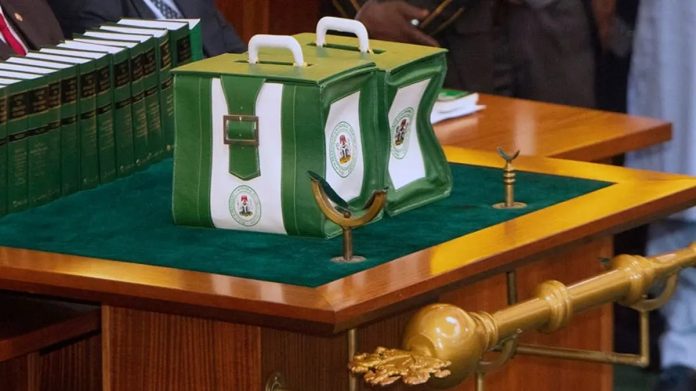
Nigeria’s President Bola Tinubu has officially signed the N28.78 trillion 2024 Budget into law. The signing follows a period of intense controversies surrounding the bill, notably the contentious N1.2 trillion inflation imposed by the National Assembly.

The ceremony, witnessed by top government officials at the Presidential Villa in Abuja, marked the end of extensive deliberations and revisions that have followed the bill. President Tinubu returned to the Aso Rock Villa in Abuja after a week-long Christmas break in Lagos to preside over this historic signing.

Accompanying the President were key figures including the President of the Senate, Senator Godswill Akpabio, and the Speaker of the House of Representatives, Tajudeen Abbas. Notable personalities such as the Minister of Finance and Coordinating Minister of the Economy, Wale Edun, Minister of Budget and Economic Planning, Atiku Abubakar, and the National Security Adviser (NSA), Nuhu Ribadu, were also present, underscoring the gravity of the moment.

The National Assembly’s passage of the budget over the weekend sparked intense debates as it increased the budget size from the initially proposed N27.5 trillion by President Tinubu to N28.7 trillion, resulting in a substantial N1.2 trillion increase.

Key determinations within the approved budget include benchmarking oil prices at $77.96 per barrel, aligning with current international market prices. The sanctioned oil production rate stands at 1.78 million barrels per day, while the fixed exchange rate remains at N800 to a US dollar. Furthermore, the budget outlines a GDP growth rate of 3.88%, accompanied by a notable budget deficit of N9.18 trillion.

Senate President Godswill Akpabio, during the announcement of the successful passage of the budget, highlighted that the majority of lawmakers supported the decision through a voice vote. The passage followed a meticulous consideration of a report presented by the Chairman of the Senate Committee on Appropriations, Adeola Olamilekan.

Olamilekan, in his comprehensive report, proposed allocations such as N1.7 trillion for Statutory Transfers, N8.2 trillion for Debt Service, N8.7 trillion for recurrent expenditure, and N9.9 trillion for capital expenditure. The amplified appropriation was attributed to the necessity for additional funding in sectors that were initially underrepresented in President Tinubu’s initial proposal.

The committee acknowledged the inadequacy of funding in various Ministries, Departments, and Agencies (MDAs) of the federal government, which significantly contributed to the amplified budget.

However, controversies arose as the National Assembly inflated its 2024 budget to N344 billion, a 51% increase from 2023 and a remarkable 75% surge from the initial proposal. Notable allocations included N4 billion for a new National Assembly Recreational Centre and N6 billion for car parks, sparking debates on governance costs within Nigeria.

The breakdown of the National Assembly Budget reveals allocations for specific purposes:

House of Representatives: N78.624 billion

Senate: N49.145 billion

National Assembly Recreational Centre: N4 billion

Senate and House Car Parks: N6 billion each

National Institute for Legislative and Democratic Studies (NILDS): N4.5 billion

Committee Meeting Rooms Furnishing: N2.7 billion

Infrastructure Upgrades & Modern Printing Press: N3 billion each

NASS Library Books: N3 billion

Pension Board: N2.5 billion

Retired Clerks & Permanent Secretaries: N1.230 billion

Constitution Review: N1 billion

Senate Appropriations Committee: N200 million

Public Accounts Committee: N130 million (Senate), N150 million (House)

Nigerian Technology Startups Secured Loans Exceeding $415 Million Over A Period of 10 Years – Report

0

A report by Briter Bridges, a market intelligence firm focused on emerging economies, disclosed that Nigerian technology startups secured loans exceeding $415 million over a period of 10 years.

The report titled “Debt Financing in Africa’s Innovative Ecosystem”, revealed that over the last five years, debt financing has been on the rise in Africa’s innovation ecosystem.

From 2019 to the first half (H1) of 2023, debt as a share of the total volume of funding to ventures in Africa increased from 4% to 26%.

The report disclosed that while debt is playing a role in Africa’s startup ecosystem and innovations on the financing side, one of the biggest drivers of debt’s rise in African startup ecosystems may be the dramatic fall in equity funding, which fell from $2.6bn in 2022 to $1.4bn in 2023.

African startups in general borrowed a total of $2.1 billion between 2014 and 2023. Startups from Kenya got the largest chunk of this debt with over $800 million borrowed through 60 deals. 

The $415 million borrowed by the Nigerian startups came as the second-highest on the continent within the period. Also, the big four countries in terms of startups in Africa, Nigeria, Kenya, Egypt, and South Africa accounted for over 75% of the volume of total debt funding by African startups.  

Part of the report reads,

“While there have been innovations around debt financing at the early stage, debt funding largely remains a later stage play for startups in Africa. The majority of specified and disclosed debt deals happened at the Series A and later stages. Total volumes are driven by a few mega-deals and the majority of funding is going to ticket sizes of at least $1m.

“However, there are a number of debt funders that are innovating to do deals at smaller ticket sizes and earlier stages. Some have even done deals for as low as $50k. Many early-stage startups are attracted to these deals as they are faster and founders do not need to dilute their ownership too early which many have seen create challenges for other startups over the last 18 months”.

Over 2023, the report revealed that debt funding’s share has rapidly grown as equity funding declined. While debt funding maintained its growth trajectory, equity dramatically fell, resulting in debt accounting for more than a quarter of the total funding to innovative companies in Africa.

Notably, debt has typically flowed to sectors where funding can be collateral against assets or other collateral like loan books. Nearly 75% of debt funding has gone to asset-heavy businesses in cleantech, mobility, agriculture, and logistics. In cleantech alone, debt funding represented 50% of the total funding raised, while Fintech accounted for only 20% of the total disclosed debt funding.

One of the major drivers of debt among African startups highlighted in the report is Fall off in equity. The fall in equity funding to startups in Africa decreased from $2.6 billion in H1 2022 to $1.5 billion in H1 2023. Equity deal flow is down from 297 in H1 2022 to 178 Y in H1 2023.

Briter Intelligence data also reveals a 20-25% decline in startups successfully progressing to higher-priced rounds, particularly in Series A and beyond, the firm disclosed that the trend underscores the increasing difficulty for these companies to secure equity rounds.

The fall in equity funding in Africa from 2022 to 2023 has reportedly forced startups and investors alike to look outside of equity to other funding sources.

Meanwhile, despite the surge in debts amongst African startups, Briter Intelligence said that the rise of debt is a positive sign for the ecosystem, but needs to avoid being a hammer in search of nails.

The firm noted that debt will continue to increase, over the next year, but it should be seen as part of a range of funding instruments and support that can best unlock sustainable investment and innovation ecosystems across Africa.

Ugandan Coffee receipts close to $1 billion worth of value

2

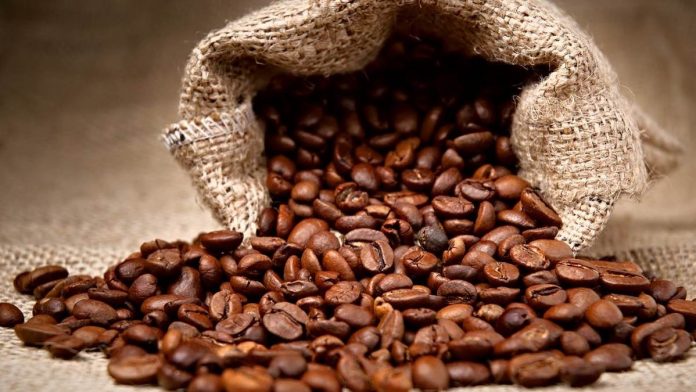
Uganda, the second-largest coffee producer in Africa, is on track to achieve a record-breaking export value of nearly $1 billion in the 2020/21 season. According to the Uganda Coffee Development Authority (UCDA), the country exported 6.68 million 60-kg bags of coffee between October 2020 and September 2023, worth $986 million. This is a 17% increase in volume and a 26% increase in value compared to the previous season.

The impressive performance of Uganda’s coffee sector is attributed to several factors, including favorable weather conditions, increased acreage of coffee trees, improved quality and productivity, and strong global demand. Uganda mainly grows robusta coffee, which accounts for about 80% of its exports, followed by arabica coffee. The main destinations for Uganda’s coffee are the European Union, Sudan, India, Morocco, and the United States.

Coffee is a vital source of income and livelihood for millions of Ugandans, especially smallholder farmers who make up 95% of the coffee growers. The government has been supporting the sector through various initiatives, such as providing free seedlings, promoting value addition, enhancing market access, and strengthening farmer organizations. The UCDA has also set a target of increasing coffee production to 20 million bags by 2025, which would make Uganda one of the top coffee producers in the world.

The future prospects of Uganda’s coffee industry are bright, as the country continues to invest in improving the quality and quantity of its output, as well as diversifying its markets. Uganda’s coffee has a unique flavor and aroma that appeals to both local and international consumers. As the world’s appetite for coffee grows, Uganda is well-positioned to capitalize on this opportunity and reap the benefits of its rich coffee heritage.

How does Uganda compare to other coffee producers?

Coffee is Uganda’s most valuable export commodity, accounting for about 20% of the country’s total export earnings. Coffee also provides livelihoods for millions of smallholder farmers and rural workers, who depend on it for their income and food security.

Quality: Uganda produces mainly robusta coffee, which is a hardy and high-yielding variety that grows well in low altitudes and warm climates. Robusta coffee has a strong and bitter taste and is often used for instant coffee or as a filler in blends with arabica coffee, which is a more delicate and aromatic variety that grows in higher altitudes and cooler climates. Arabica coffee commands a higher price and demand in the specialty market, where consumers are looking for distinctive flavors and aromas.

Uganda does produce some arabica coffee, mainly in the mountainous regions of Mount Elgon and the Rwenzori Mountains, where the climate and soil conditions are favorable. However, the quality of Uganda’s arabica coffee is often inconsistent and variable, due to factors such as poor harvesting and processing practices, lack of quality control and certification, and inadequate infrastructure and storage facilities. As a result, Uganda’s arabica coffee often fails to meet the standards and expectations of the specialty market and is sold at lower prices than its competitors.

Sustainability: Uganda faces several environmental and social challenges that threaten the sustainability of its coffee sector. Climate change is one of the major threats, as it affects the rainfall patterns, temperature levels, pest and disease outbreaks, and soil fertility that are essential for coffee production. Climate change also increases the vulnerability of smallholder farmers, who have limited access to resources and adaptation strategies to cope with the changing conditions.

Another challenge is deforestation, which is caused by the expansion of agricultural land, logging, charcoal production, and urbanization. Deforestation reduces the biodiversity and ecosystem services that support coffee production, such as pollination, water regulation, soil conservation, and carbon sequestration. Deforestation also contributes to greenhouse gas emissions, which exacerbate climate change.

A third challenge is poverty, which affects many of the smallholder farmers who grow coffee in Uganda. Poverty limits their ability to invest in inputs, technologies, training, and certification that could improve their productivity, quality, and income. Poverty also exposes them to risks such as food insecurity, malnutrition, illiteracy, poor health, and human rights violations.

Competitiveness: Uganda has a competitive advantage in terms of its natural endowments for coffee production, such as its fertile soils, abundant rainfall, diverse agro-ecological zones, and genetic diversity of coffee varieties. Uganda also has a large domestic market for coffee consumption, which provides a stable demand and income for its producers.

However, Uganda faces several constraints that limit its competitiveness in the global market. One of them is the low productivity of its coffee farms, which average about 700 kg per hectare, compared to over 2,000 kg per hectare in countries like Vietnam and Brazil. The low productivity is mainly due to factors such as aging trees, poor agronomic practices, inadequate inputs, lack of irrigation systems, pest and disease infestation.

Afreximbank Releases $2.25bn Loan Tranche to Nigeria to Ease FX Woes

0

Nigeria, beset by acute foreign exchange (FX) shortages causing ripples across economic sectors, received a much-needed financial infusion as the federal government finally saw the initial $2.25 billion tranche of a substantial $3.3 billion FX facility from the African Export–Import Bank (Afreximbank) materialize.

This timely inflow marks a significant step towards resolving the nation’s FX crisis, offering a glimmer of hope in addressing economic challenges.

The dire need for this financial boost has been evident in Nigeria’s economic growth, where FX shortages have stifled economic activities and eroded investor confidence.

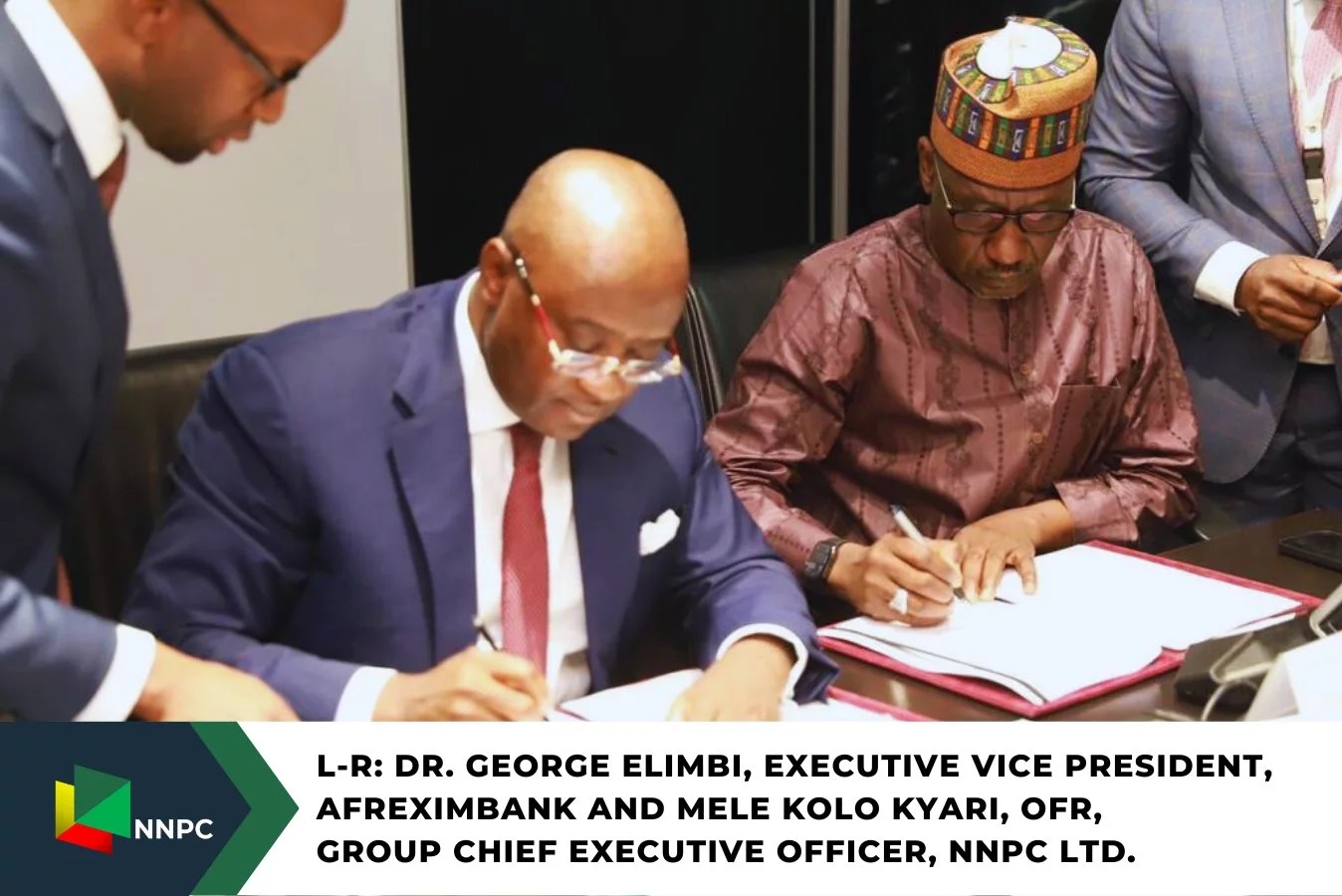
Last August, the Nigerian National Petroleum Company Limited (NNPCL) secured an emergency $3 billion crude oil repayment loan from the Trade Finance Bank for Africa, Afreximbank. The loan is aimed to provide some immediate disbursement that will enable the NNPC Ltd. to support the Federal Government in its ongoing fiscal and monetary policy reforms aimed at stabilizing the exchange rate market.

President Bola Tinubu had earlier affirmed his administration’s commitment to addressing the FX backlog by injecting crucial funds into the market. His sentiments were echoed at the 2023 Bank Directors’ Summit in Abuja, emphasizing the urgency of liquidity in the FX market for economic stability. Despite concerns among investors regarding the government’s commitment, Finance Minister Wale Edun, representing Tinubu, assured that while such interventions take time, the administration remained resolute in its objectives.

The reception of the $2.25 billion tranche from Afreximbank comes as a substantial reprieve, buoying hopes of an economic recovery. The remaining $1.05 billion is expected to follow suit in the coming week, further bolstering the nation’s financial liquidity.

This structured financing arrangement, led by Afreximbank with United Bank for Africa (UBA) with $100 million as the Local Arranger, signifies a concerted effort to stabilize Nigeria’s FX liquidity. The involvement of key players such as VITOL, Sahara Energy Group, Oando, and other major oil traders reflects a collaborative approach to tackling the nation’s FX challenges.

Experts have hailed Afreximbank’s intervention, acknowledging its potential to mitigate exchange rate volatility and curb rising inflation. However, amidst this optimism, cautionary voices highlight the need for sustained efforts to address the underlying FX liquidity issues in the long term.

Dr. Chijioke Ekechukwu, Managing Director/Chief Executive of Dignity Finance and Investment Limited, while acknowledging the loan’s role in funding the budget deficit and easing FX concerns, expressed reservations about its temporary nature. He highlighted concerns regarding the quick depletion of injected funds due to speculative activities, emphasizing the necessity for comprehensive measures to ensure sustained FX stability.

“We have a budget deficit, which can only be funded by borrowing or selling government assets or both,” he said.

“The other fundamentals that could increase our revenue base have been stretched ambitiously.

“This gives the government no other option but to continue to borrow.”

Professor Uche Uwaleke, Chairman of the Chartered Institute of Bankers of Nigeria (CIBN) in Abuja, emphasized the severity of the FX liquidity challenge. He noted the significance of any inflow into the Nigerian Autonomous Foreign Exchange Market (NAFEM) to alleviate the current strain.

“So, we expect the exchange rate to drop marginally with such injections, speculations, and other uses will, however, quickly drain the market of the available FX,” he said.

Mr. Idakolo Gbolade, Managing Director/Chief Executive of SD&D Capital Management Limited, highlighted forthcoming initiatives, such as the anticipated commencement of operations at the Dangote and Port Harcourt refineries in January. He anticipates these initiatives, alongside government efforts to attract foreign investors, will contribute significantly to resolving the nation’s FX crisis in the coming months.

However, as Nigeria welcomes the $2.25 billion injection, the focus now shifts towards maintaining and strengthening FX reserves for lasting stability and economic advancement. The country is expected to strike a harmonious equilibrium between immediate alleviation and the crucial need for enduring strategies to bolster its FX standing in the long run.

New Year Message to Nigerians by President Tinubu

0

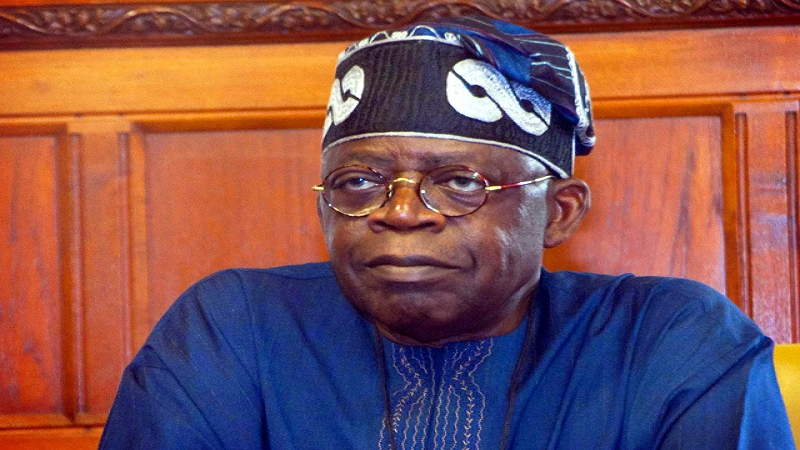
TEXT OF PRESIDENT BOLA AHMED TINUBU’S NEW YEAR ADDRESS TO THE NATION

Dear Compatriots,

It gives me immense joy to welcome each and everyone of you – young and old- to this brand new year 2024. We must lift up our hands to Almighty God, in gratitude, for his grace and benevolence to our country and our lives in the year 2023 that has just gone by.

Though the past year was a very challenging one, it was eventful in so many ways. For our country, it was a transition year that saw a peaceful, orderly and successful transfer of power from one administration to another, marking yet another remarkable step in our 24 years of unbroken democracy.

It was a year, you the gracious people of this blessed nation, entrusted your faith in me with a clear mandate to make our country better, to revamp our economy, restore security within our borders, revitalise our floundering industrial sector, boost agricultural production, increase national productivity and set our country on an irreversible path towards national greatness that we and future generations will forever be proud of.

Everything I have done in office, every decision I have taken and every trip I have undertaken outside the shores of our land, since I assumed office on 29 May 2023, have been done in the best interest of our country.

Over the past seven months of our administration, I have taken some difficult and yet necessary decisions to save our country from fiscal catastrophe. One of those decisions was the removal of fuel subsidy which had become an unsustainable financial burden on our country for more than four decades. Another was the removal of the chokehold of few people on our foreign exchange system that benefited only the rich and the most powerful among us. Without doubt, these two decisions brought some discomfort to individuals, families and businesses.

I am well aware that for some time now the conversations and debates have centred on the rising cost of living, high inflation which is now above 28% and the unacceptable high under-employment rate.

From the boardrooms at Broad Street in Lagos to the main-streets of Kano and Nembe Creeks in Bayelsa, I hear the groans of Nigerians who work hard every day to provide for themselves and their families.

I am not oblivious to the expressed and sometimes unexpressed frustrations of my fellow citizens. I know for a fact that some of our compatriots are even asking if this is how our administration wants to renew their hope.

Dear Compatriots, take this from me: the time may be rough and tough, however, our spirit must remain unbowed because tough times never last. We are made for this period, never to flinch, never to falter. The socio-economic challenges of today should energize and rekindle our love and faith in the promise of Nigeria. Our current circumstances should make us resolve to work better for the good of our beloved nation. Our situation should make us resolve that this new year 2024, each and everyone of us will commit to be better citizens.

Since our administration took over the mantle of office, security has improved. Silently, we have worked to free captives from abductors. While we can’t beat our chest yet that we had solved all the security problems, we are working hard to ensure that we all have peace of mind in our homes, places of work and on the roads.

Having laid the groundwork of our economic recovery plans within the last seven months of 2023, we are now poised to accelerate the pace of our service delivery across sectors.

Just this past December during COP28 in Dubai, the German Chancellor, Olaf Scholz, and I agreed and committed to a new deal to speed up the delivery of the Siemens Energy power project that will ultimately deliver reliable supply of electricity to our homes and businesses under the Presidential Power Initiative which began in 2018.

Other power installation projects to strengthen the reliability of our transmission lines and optimise the integrity of our National grid are ongoing across the country.

My administration recognises that no meaningful economic transformation can happen without steady electricity supply. In 2024, we are moving a step further in our quest to restart local refining of petroleum products with Port Harcourt Refinery, and the Dangote Refinery which shall fully come on stream.

To ensure constant food supply, security and affordability, we will step up our plan to cultivate 500,000 hectares of farmlands across the country to grow maize, rice, wheat, millet and other staple crops. We launched the dry season farming with 120,000 hectares of land in Jigawa State last November under our National Wheat Development Programme.

In this new year, we will race against time to ensure all the fiscal and tax policies reforms we need to put in place are codified and simplified to ensure the business environment does not destroy value. On every foreign trip I have embarked on, my message to investors and other business people has been the same. Nigeria is ready and open for business.

I will fight every obstacle that impedes business competitiveness in Nigeria and I will not hesitate to remove any clog hindering our path to making Nigeria a destination of choice for local and foreign investments.

In my 2024 Budget presentation to the National Assembly, I listed my administration’s 8 priority areas to include national defence and internal security, job creation, macro-economic stability, investment environment optimization, human capital development, poverty reduction and social security. Because we take our development agenda very seriously, our 2024 budget reflects the premium we placed on achieving our governance objectives.

We will work diligently to make sure every Nigerian feels the impact of their government. The economic aspirations and the material well-being of the poor, the most vulnerable and the working people shall not be neglected. It is in this spirit that we are going to implement a new national living wage for our industrious workers this new year. It is not only good economics to do this, it is also a morally and politically correct thing to do.

I took an oath to serve this country and give my best at all times. Like I said in the past, no excuse for poor performance from any of my appointees will be good enough.

It is the reason I put in place a Policy Coordination, Evaluation, Monitoring and Delivery Unit in the Presidency to make sure that governance output improves the living condition of our people.

We have set the parameters for evaluation. Within the first quarter of this new year, Ministers and Heads of Agencies with a future in this administration that I lead will continue to show themselves.

Fellow Nigerians, my major ambition in government as a Senator in the aborted Third Republic, as Governor of Lagos State for eight years and now as the President of this blessed country is to build a fair and equitable society and close the widening inequality. While I believe the rich should enjoy their legitimately-earned wealth, our minimum bargain must be that, any Nigerian that works hard and diligent enough will have a chance to get ahead in life. I must add that because God didn’t create us with equal talents and strengths, I can not guarantee that we will have equal outcomes when we work hard. But my government, in this new year 2024 and beyond, will work to give every Nigerian equal opportunity to strive and to thrive.

For the new year to yield all its good benefits to us as individuals and collectively as a people we must be prepared to play our part. The job of building a prosperous nation is not the job of the President, Governors, Ministers, Lawmakers and government officials alone. Our destinies are connected as members of this household of Nigeria. Our language, creed, ethnicity and religious beliefs even when they are not same should never make us work at cross purposes.

In this new year, let us resolve that as joint-heirs to the Nigerian Commonwealth, we will work for the peace, progress and stability of our country. I extend this call to my political opponents in the last election. Election is over. It’s time for all of us to work together for the sake of our country.

We must let the light each of us carry – men and women, young and old- shine bright and brighter to illuminate our path to a glorious dawn.

I wish all of us a happy and prosperous year 2024.

May God continue to bless the Federal Republic of Nigeria.

Bola Ahmed Tinubu, GCFR