DD
MM
YYYY

PAGES

DD
MM
YYYY

spot_img

PAGES

Home Blog Page 3819

Mutant 30002 Sold for 500 Ether Despite Decline in Floor Prices on Yugalabs Products

0

One of the most remarkable NFT sales of the week was the Mutant Ape, MAYC NFT #30002, which sold for a whopping 500 ETH on Friday, despite the overall bearish trend in the crypto market. This rare and coveted digital collectible is part of the Mutant Ape Yacht Club, a spin-off of the popular Bored Ape Yacht Club, which features 10,000 unique apes with different traits and accessories. The Mutant Ape that fetched such a high price has a distinctive look, with a golden crown, a blue fur coat, and a scarred face. It also has a low serial number, which adds to its value and appeal.

The buyer of this NFT was none other than Pranksy, a well-known collector and investor in the NFT space, who has amassed a fortune from flipping digital art and assets. Pranksy is also the owner of several other Mutant Apes, as well as Bored Apes, CryptoPunks, Art Blocks, and more. He announced his purchase on Twitter, saying that he had been eyeing this particular Mutant Ape for a long time and that he was happy to finally own it.

The sale of this NFT was remarkable not only for its high price, but also for its timing. It happened on a day when the crypto market was experiencing a sharp decline, with Bitcoin dropping below $27,000 and Ethereum below $1,700. Many NFT projects also saw their prices and volumes plummet, as investors and collectors became more cautious and risk averse. However, some NFTs managed to defy the downtrend and maintain their value or even appreciate. The Mutant Ape sale was one of them.

The Mutant Ape Yacht Club is one of the most successful and sought-after NFT projects in the industry. It was launched in August 2021 as an extension of the Bored Ape Yacht Club, which itself is one of the most iconic and influential NFT projects ever. The Mutant Ape Yacht Club consists of 20,000 Mutant Apes, which were either minted by burning a Bored Ape or by using a Mutant Serum that was randomly distributed to Bored Ape holders. The Mutant Apes have different attributes and rarities than the Bored Apes, and they also grant access to exclusive benefits and events for their owners.

According to data from CryptoSlam, the Mutant Ape Yacht Club has generated over $600 million in sales since its launch, with an average price of 9.4 ETH per NFT. The project ranks second in terms of all-time sales volume among NFT projects, behind only CryptoPunks. The floor price of a Mutant Ape, which is the lowest price at which one can be bought on the secondary market, is currently 5.2 ETH ($8,500), according to data from OpenSea. This means that Pranksy’s purchase of MAYC NFT #30002 was almost 100 times higher than the floor price.

The Mutant Ape sale demonstrates the resilience and strength of the NFT market, especially for high-quality and rare projects that have a loyal and passionate community behind them. Even in times of market volatility and uncertainty, some NFTs can still command premium prices and attract buyers who are willing to pay top dollar for them. The Mutant Ape Yacht Club is one of those projects that has proven its value and staying power in the NFT space.

YugaLabs is a leading company in the field of NFT Gaming, artificial intelligence and machine learning. The company has been developing innovative solutions for various industries, such as healthcare, education, finance, and entertainment. However, in recent months, the company has faced a significant decline in price of its products, which has raised concerns among investors, customers, and employees. What are the reasons behind this decline and what can the company do to overcome it?

One of the main reasons for the decline of YugaLabs’ assets is the increased competition in the NFT and AI market. The company has been facing fierce competition from other players, both established and emerging, who have been offering similar or better products and services at lower prices.

For example, AlphaTech, a new startup, has recently launched a cloud-based AI platform that claims to provide faster, cheaper, and more accurate solutions than YugaLabs. This has attracted many customers who were previously loyal to YugaLabs, resulting in a loss of revenue and market share.

Another reason for the decline of YugaLabs’ assets is the lack of innovation and differentiation. The company has been relying on its existing products and services, without introducing any new features or improvements that could set it apart from its competitors. The company has also failed to adapt to the changing needs and preferences of its customers, who are looking for more personalized, customized, and user-friendly solutions. For instance, YugaLabs’ flagship product, YugaAI, a general-purpose AI platform that can be applied to various domains, has been criticized for being too complex, rigid, and generic.

A third reason for the decline of YugaLabs’ assets is the poor management and leadership. The company has been suffering from internal conflicts and disagreements among its executives and employees, which have affected its decision-making process and organizational culture. The company has also been accused of unethical practices, such as data breaches, privacy violations, and intellectual property thefts, which have damaged its reputation and credibility.

Moreover, the company has been facing legal issues and lawsuits from its competitors, customers, and regulators, which have cost it a lot of time and money. To overcome these challenges and reverse the decline of its assets, YugaLabs needs to take some urgent and effective actions. Some of the possible actions are:

Investing more in research and development to create new and innovative products and services that can meet the current and future demands of its customers and differentiate it from its competitors.

Improving its customer service and satisfaction by offering more flexible, tailored, and user-friendly solutions that can solve their specific problems and add value to their businesses.

Strengthening its management and leadership by resolving the internal conflicts and disagreements, fostering a culture of collaboration and trust, and adhering to ethical standards and best practices.

Enhancing its marketing and branding by communicating its vision, mission, values, and achievements to its target audience and stakeholders, highlighting its competitive advantages and unique selling points.

Seeking new opportunities and partnerships by expanding into new markets and segments, exploring new applications and domains for its products and services, and collaborating with other players in the AI ecosystem.

By implementing these actions, YugaLabs can regain its position as a leader in the NFT and AI industry and increase its assets. The company has a lot of potential and talent to achieve this goal if it can leverage its strengths and address its weaknesses.

Okra Solar Announces The Raise of $12 Million to Drive The Expansion of Mesh-Grid Electrification in Africa

0

Okra Solar, an Internet of Things (IoT) technology solution that enables solar generating communities to share, store and utilize energy, has announced the raise of $12 million in series A debt and equity funding, to drive the expansion of mesh-grid electrification in Africa.

The funding round saw participation from One Ventures, along with FMO, Susquehanna Provate Equity Investments LLLP, Autodesk foundation and King Philanthropies.

Speaking on its investment in Okra Solar, partner at One Ventures, Helen Lin said,

“With the compounding effects of population growth and growing industrialisation, energy consumption on the African continent will increase disproportionately in the coming decades. The IEA forecasts that total power generation capacity in Africa is expected to double to 510 GW by 2030.

“There is no reason for this new power generation capacity to come from dirty fossil fuel power. We can skip that phase entirely and build it correctly from the start clean, renewable, and suited to the needs of this market.”

Okra Solar creates hardware and software solutions designed to bring solar-based power to developing markets. At present, it is currently focused on Nigeria, Philippines, Haiti and Cambodia, with a renewal bent designed to reduce emissions as it brings more populations online.

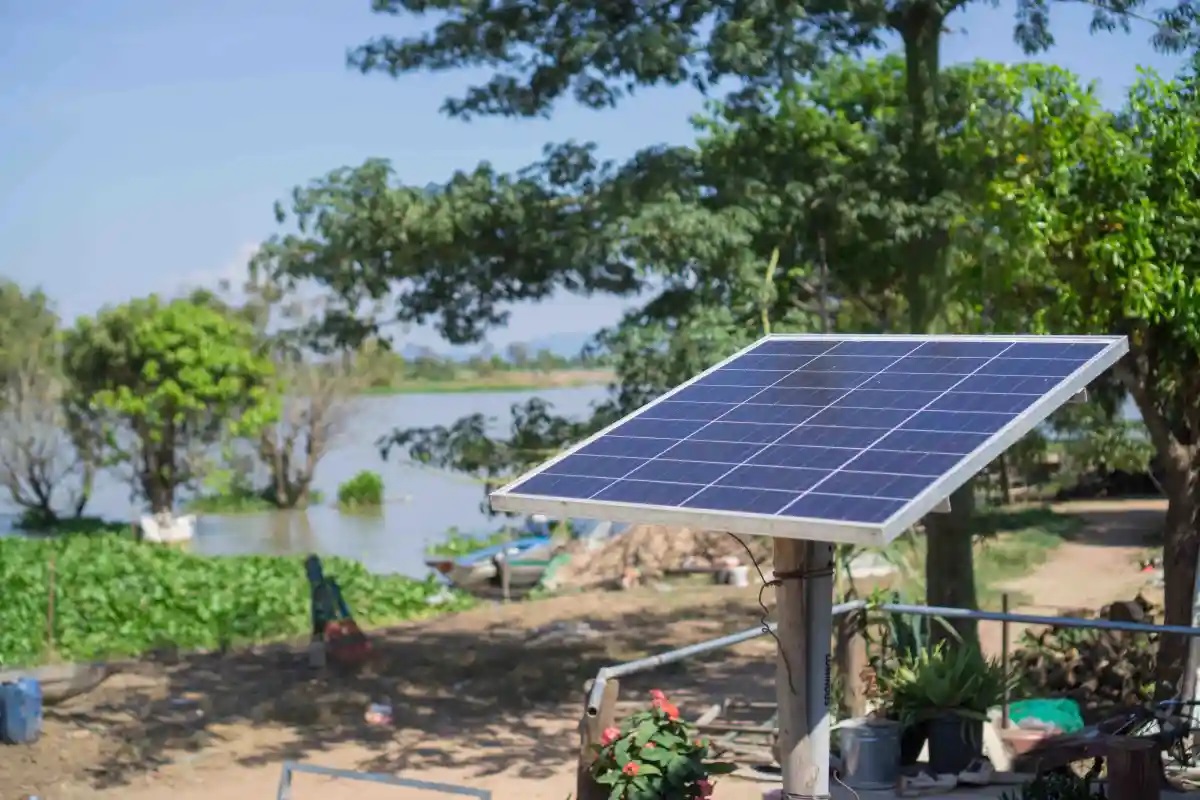
Specifically, the company has developed a Mesh-Grid, which shares power through an interconnected network of homes.

The startup has a track record of pushing boundaries on the tech side. Recent product updates include automated network planning software, using geospatial data and monitoring of commercial performance down to the asset level.

Launched in 2016, Okra developed an artificial intelligence-enabled mesh grid that shares power through an interconnected network of homes. The plug-and-play solar home system includes a solar panel, battery, and a smart device. A cloud-based system monitors usage and required, maintenance while allowing for remote control.

Notably, the company has also been actively working with local governments to help accelerate the adoption of its technologies.

In Nigeria, the technology has been approved for subsidies from a $550 million fund put together by the World Bank, African Development Bank and the Rural Electrification Agency.

According to the company, this is helping Nigerian developers roll out its tech rapidly with government subsidies, simply because solar powered Okra Mesh-Grids are the only solution that provides sustainable productive power in last-mile communities.

Mesh grids enable solar power to be generated at the source of individual homes, where excess power is then redistributed by Okra’s smart algorithms from one connection to the next to optimize utilization.

Through its B2B model, Okra supplies technology to last-mile energy utilities, who then energise last-mile households. The cleantech has deployed the grids across four countries, including Nigeria. Okra’s mission is to create technology that enables affordable and reliable access for everyone in the world.

Monday Blockchain Trendy Updates – Sept 4, 2023

0

According to data from CoinGecko, UniSwap’s 24-hour trading volume as of September 4, 2023, was $4.23 billion, while Coinbase was $3.86 billion. This means that UniSwap, which runs on the Ethereum blockchain and allows users to swap any ERC-20 token without intermediaries, fees, or KYC checks, handled more transactions than Coinbase, which offers a curated list of crypto assets and requires users to comply with various regulations and verification processes.

This is not the first time that UniSwap has outperformed Coinbase in terms of trading volume. In fact, UniSwap has been consistently surpassing Coinbase since August 2023, when it launched its own governance token, UNI, which sparked a surge in liquidity and activity on the platform. UNI, which is distributed to users who provide liquidity to UniSwap pools, has become one of the most popular and valuable tokens in the DeFi space, with a market capitalization of over $15 billion.

The growth of UniSwap and other DEX protocols reflects the increasing demand for permissionless and trustless platforms that offer users more control, choice, and innovation in the crypto space. While centralized exchanges still play a vital role in providing access and liquidity to the mainstream market, DEXs are proving to be a viable and competitive alternative for the more savvy and adventurous crypto enthusiasts.

As the DeFi sector continues to evolve and expand, it is likely that we will see more DEXs challenge and surpass centralized exchanges in terms of trading volume and user adoption. This will not only benefit the users who seek more freedom and flexibility in their crypto transactions, but also the entire crypto ecosystem as a whole, as it will foster more innovation, diversity, and resilience in the industry.

Adidas /// Studio, a creative platform powered by Web3 technology, has unveiled a new initiative to support digital artists in the NFT space. The initiative is called the Adidas /// Studio Digital Artist Residency Program, and it aims to provide mentorship, exposure and resources to emerging and established creators who want to explore the possibilities of NFTs.

The program will kick off on Sept. 4 and will last until Sept. 11, featuring a series of online and in-person events, workshops, panels and exhibitions. The program is open to artists from all backgrounds and disciplines who are interested in learning more about NFTs and how they can use them to express their vision and connect with their audience.

Ethereum’s co-founder Vitalik Buterin has recently sold half a million dollars’ worth of MakerDAO’s governance token, MKR, according to data from Etherscan. The move has sparked speculation and debate within the crypto community, as some wonder what motivated Buterin to reduce his exposure to the decentralized lending platform. Buterin has not publicly commented on his decision, but some possible explanations include diversifying his portfolio, funding other projects, or simply taking profits.

FTX, the leading cryptocurrency exchange, has announced that it will transfer some of its Solana (SOL) tokens to a new entity under its control. The move comes amid speculation that FTX might sell its large SOL holdings, which could negatively affect the price of the token. FTX’s CEO Sam Bankman-Fried, who is also a co-founder of Solana, has denied any plans to dump SOL and said that the transfer is part of a restructuring process. He also suggested that FTX could distribute some of its SOL tokens to its customers as a reward or incentive.

The launch of Aerodrome, a decentralized protocol for automated liquidity provision, has boosted the total value locked (TVL) of Base Protocol by 100%. Base Protocol is a platform that allows users to trade tokens pegged to the market capitalization of any asset. According to data from DeFi Pulse, the TVL of Base Protocol has increased from $190 million to $380 million in the past week, indicating a strong demand for its innovative products.

TRYB, a new stablecoin backed by the Turkish lira, aims to provide a reliable and transparent alternative to dollar-pegged tokens in the Turkish crypto market. TRYB is issued by BiLira, a blockchain company that has been operating since 2018. TRYB claims to offer lower fees, faster transactions, and better compliance than other stablecoins in the region. TRYB is also compatible with various DeFi protocols, allowing users to access decentralized lending, borrowing, and trading services.

Buhari Plunged Nigeria’s Economy into Crisis, Opened It Up to Sycophants – Sanusi, ex-Emir of Kano

1

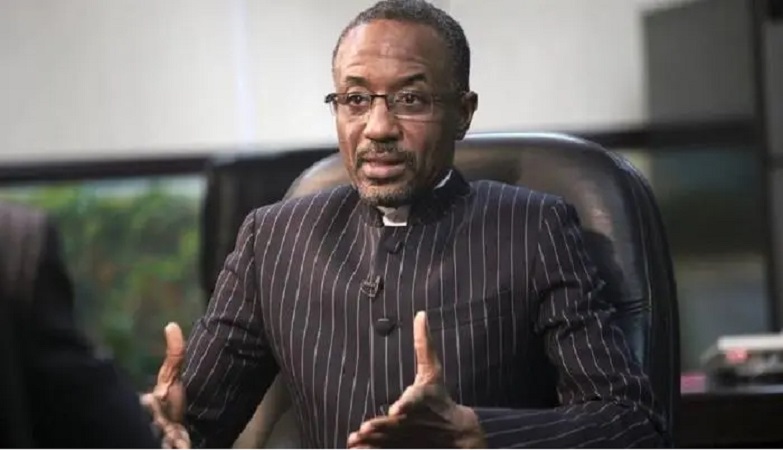
Muhammadu Sanusi II, the former Emir of Kano, has asserted that the administration led by former President Muhammadu Buhari was responsible for the deterioration of Nigeria’s economy.

In a recent video message addressed to Nigerians, Sanusi stated that the preceding administration mishandled the economy by neglecting expert advice, thereby making the country’s treasury vulnerable to exploitation and pushing the economy into a state of crisis.

The former CBN governor, who is known for being critical of the government’s policies, was bold in calling out Buhari’s administration in the past.

He said in 2022: “We were in a deep hole in 2015. And between 2015 and now, we have been digging ourselves into a deeper hole. We thought we had a big problem in 2015. 2015 is nothing compared to what will happen in 2023.”

The former Emir of Kano, who was deposed by former governor of Kano State, Umar Ganduje for being critical of his government, said Buhari’s administration created room for some sycophants to exploit the system.

He indicated that Nigeria led a false life in the past eight years that was maintained by borrowing, which eventually crippled the economy.

Sanusi noted that the present administration, led by Bola Tinubu, has no choice but to remove the fuel subsidy, as the government can no longer afford to pay. He said debt service exceeded 100% and if the CBN should print more money, in addition to the N30tn it has printed and loaned to the government, the naira will fall to N1500 per dollar. This, he said, has left tax as a viable way for the government to generate revenue.

His statement below:

“The last eight years, Nigeria led a false life, the government borrowed from within and without. About N30 trillion was borrowed from the Central Bank.

“All the revenue the country generated in the last few years couldn’t service debt. Debt service exceeded 100 percent. The government borrowed to service debts. No country can grow this way. The time will come when one cannot borrow anymore. Additionally, there will be nothing to pay debts.

“Those writing, demanding that we speak on the current situation in the country; this is not the right time for me to speak. It was like a driver on the road driving recklessly despite a wise counsel telling him of a crater ahead. What will you tell after plunging the car into the hole?

“People refused to listen to us then. We will only now advise them to be patient. I will never say Tinubu has pushed Nigeria into difficulty. I am not saying he is flawless or flawed. We will speak when he goes astray. The government can’t pay subsidies since it doesn’t have the means.

“If they add tax, we have to pay since borrowing is impossible. If the CBN printed more naira, the dollar would jack up to N1,500. We must suffer. When I was the CBN governor it was N150. Today it’s somewhere around N900.

“They treated the economy the way they wanted and refused to listen to experts. In the last eight years, only sycophancy succeeded. The sycophants bought dollars at N400 and sold N540. An inexperienced boy who had never worked anywhere owns a private jet.”

Nigeria’s BIG Irony As The Stock Market Hits A Milestone

1

The record stock market boom in Nigeria is super-amazing: “Last Tuesday (August 29, 20223), the Nigerian Exchange Limited (NGX) witnessed a historic moment as its All-Share Index (ASI) reached a new all-time high of 66,490.34 points, surpassing the previous record of 66,371.20 points that was set on March 5, 2008.

The ASI, which measures the performance of all listed equities on the NGX, rose by 0.51% from 66,151.38 points on Monday, reflecting the bullish sentiment that has dominated the market in recent months.

This remarkable feat was not a fluke or a coincidence, but the result of a series of factors that converged over the last year to create a favourable environment for the capital market.”

My Response:

It is indeed an irony. In the season Nigerian investors recorded these new heights, most Nigerians are leaving the country: ‘“In the first half of the year [2023], we [the UK] granted approximately 132,000 visas, and those are all sorts of visas, which include visit, work and study visas.”‘…to Nigerians. How do you reconcile a season of stock market boom with one where young people seem hopeless? As we discussed during the Investment Course, banks will break all known “profit” records due to the Naira float as they book what they “bought” at N415 to N750 per USD. 

Wow – Nigerians are really going to the United Kingdom: “In the first half of the year, we granted approximately 132,000 visas, and those are all sorts of visas, which include visit, work and study visas. “In the previous full year before that, we issued about 324,000. The UK, in that year, issued about three million visas, and of those three million visas, 324,000 were issued to Nigerians, which is about 10 per cent.”

And that is what is happening. Most of the profits are on currency/FX with minimal growth in lending to manufacturers and other critical players in the economy. Nigeria has always been like this: somehow people will continue to make tons of money even as many struggle. Electricity generating companies are declaring HUGE profits when DISCOS (distributing companies) are going bankrupt or being bought out (Abuja, KD, etc).

How is that possible? You can generate 10 units of energy and be paid for it even if DISCOs can only absorb 3 units to distribute to customers.  So, you see record profits for GENCOs in cities with no electricity. Legendary!

Indeed, we have a lot of work ahead in the nation and part of it will involve creating an economy which works for ALL. The investment dividends will start coming for many of us, and that will also be a reminder that in this season of boom for a very few, many citizens are under stress.  This is not being against the rich, rather, it is a call for an economic system that is fair for all, anchored on shared prosperity for the rise of all.

Comment on Feed

I think you captured this well especially your last sentence. We need to build a system that is fair to all and can support the rise of all. And then leave it to the individuals to determine their paths.

Do this and Nigeria would flourish beyond borders.

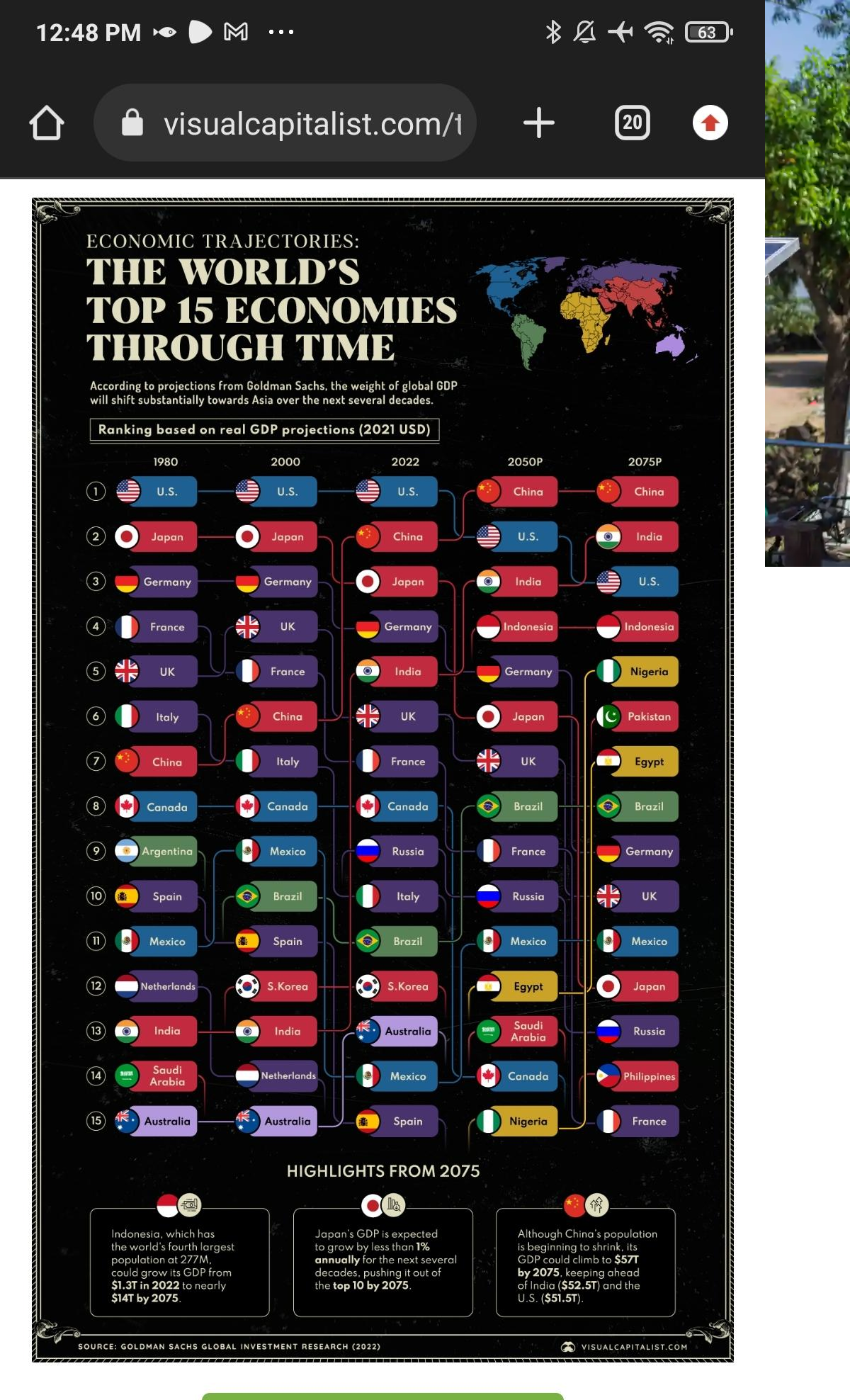
This brings be to the attached image. Nigeria is projected to be the 5th largest economy by 2075 at about USD 13 trillion.

Now, the fact that we made it that up the list means that some folks trust that we have what it takes to get there.. There are many things wrong with this projection but I won’t go into that here.

Just wanted to share that if we are to even get close to that, a lot of work is needed. Population growth alone wont cut it.