DD
MM
YYYY

PAGES

DD
MM
YYYY

spot_img

PAGES

Home Blog Page 3825

Bitcoin ETF approve tipped to be ‘Sell the News’ Event

0

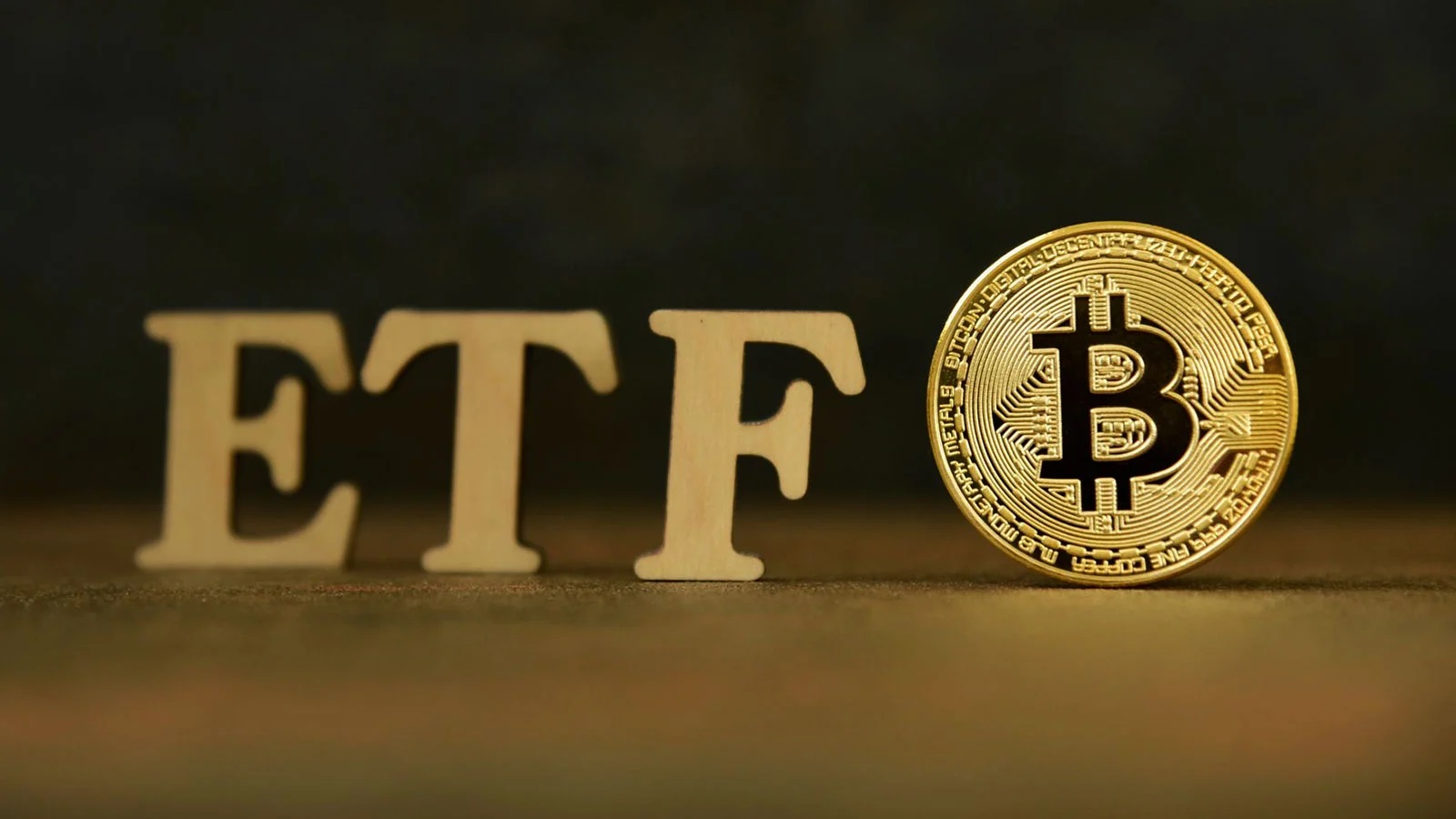
The long-awaited approval of a Bitcoin exchange-traded fund (ETF) in the US is widely expected to boost the price of the cryptocurrency in the short term. However, some analysts and traders are cautioning that the ETF launch could also trigger a ‘sell the news’ event, where investors take profits after a rally driven by anticipation.

A Bitcoin ETF is a type of investment product that tracks the price of Bitcoin and allows investors to buy and sell shares of the fund on a regulated stock exchange. Unlike buying Bitcoin directly from a crypto exchange or a wallet, an ETF investor does not have to worry about the security, custody, or technical issues of holding the digital asset.

A Bitcoin ETF is seen as a way to attract more institutional and retail investors to the crypto space, as it offers a more convenient and familiar way to gain exposure to Bitcoin. It also adds legitimacy and credibility to the cryptocurrency, as it implies regulatory approval and oversight.

The US Securities and Exchange Commission (SEC) has been reluctant to approve a Bitcoin ETF for years, citing concerns over market manipulation, fraud, and investor protection. However, the agency has recently signaled a more open stance, as it has allowed several Bitcoin futures ETFs to launch this month. These are ETFs that track the price of Bitcoin futures contracts, which are derivatives that bet on the future price of Bitcoin.

A Bitcoin futures ETF is not the same as a Bitcoin spot ETF, which would track the actual price of Bitcoin in the spot market. A spot ETF is considered more desirable and efficient, as it would have lower fees and less tracking error than a futures ETF. However, a futures ETF is still a significant milestone for the crypto industry, as it shows that the SEC is willing to approve some form of Bitcoin ETF.

How could a Bitcoin ETF affect the price of Bitcoin?

The approval of a Bitcoin ETF is widely regarded as a bullish catalyst for the price of Bitcoin, as it could unleash a wave of new demand and liquidity for the cryptocurrency. According to Bloomberg Intelligence, a Bitcoin ETF could attract as much as $50 billion in assets in its first year, which would be equivalent to about 10% of Bitcoin’s current market capitalization.

Some analysts have compared the potential impact of a Bitcoin ETF to that of the launch of gold ETFs in 2003 and 2004, which helped drive the price of gold from around $400 per ounce to over $1,900 per ounce in 2011. Similarly, a Bitcoin ETF could accelerate the adoption and appreciation of Bitcoin as a store of value and an alternative asset class.

However, not everyone is convinced that a Bitcoin ETF would be an unequivocal positive for the price of Bitcoin in the long run. Some argue that a Bitcoin ETF could also introduce more volatility and downside risk to the cryptocurrency, as it would make it easier for investors to sell or short Bitcoin when the market sentiment turns bearish.

Moreover, some warn that a Bitcoin ETF could trigger a ‘Sell the News event, where investors who have been buying Bitcoin in anticipation of the ETF approval would take profits after the launch. This could create a temporary dip or correction in the price of Bitcoin, as seen in other historical events such as the Bitcoin halving or the Coinbase listing.

How to trade a Bitcoin ETF?

The launch of a Bitcoin ETF could create new opportunities and challenges for traders who want to capitalize on the price movements of Bitcoin. Depending on their view and strategy, traders could use different instruments and platforms to trade a Bitcoin ETF.

One option is to trade the shares of the Bitcoin ETF directly on a stock exchange, such as NYSE or Nasdaq. This would require opening an account with a broker that offers access to these exchanges and paying attention to the trading hours, fees, and liquidity of the ETF.

Another option is to trade contracts for difference (CFDs) on a crypto platform, such as Binance or eToro. CFDs are derivatives that allow traders to speculate on the price movements of an underlying asset without owning it. Traders can use CFDs to trade both long and short positions on a Bitcoin ETF, as well as leverage their trades to amplify their returns or losses.

A third option is to trade Bitcoin itself on a crypto exchange or a wallet, such as Coinbase or Ledger. This would involve buying or selling actual units of Bitcoin based on their expectations of how the ETF launch would affect its price. Traders would have to consider factors such as security, custody, fees, and volatility when trading Bitcoin directly.

Whichever option traders choose, they should be aware of the risks and rewards involved in trading a Bitcoin ETF. A Bitcoin ETF could be a game-changer for the crypto industry and the price of Bitcoin, but it could also bring more uncertainty and complexity to the market.
Investors withdrew more than $1 billion worth of BTC in a single day

0

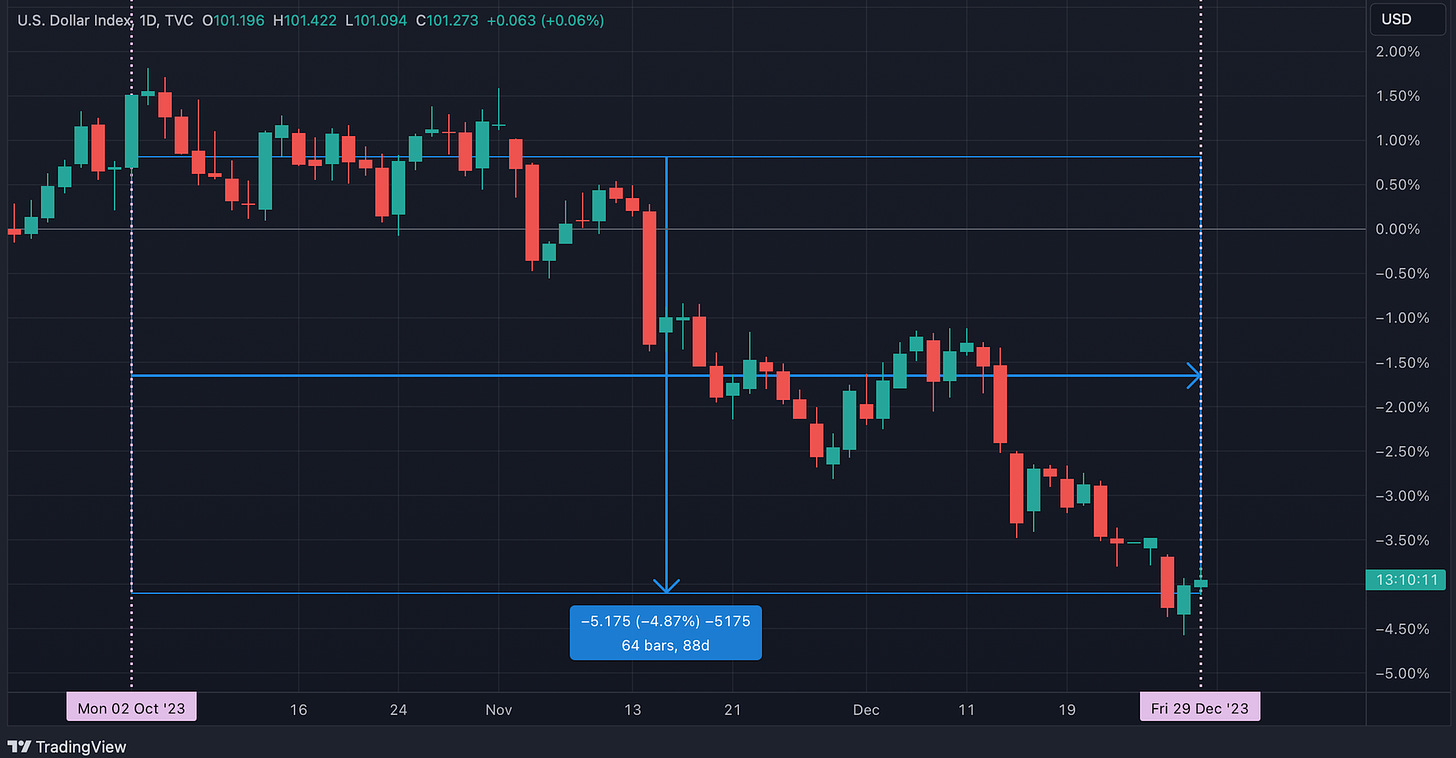
The cryptocurrency market witnessed a massive outflow of bitcoin from exchanges on Thursday, as investors withdrew more than $1 billion worth of the digital asset in a single day. This is the largest amount of bitcoin to leave exchanges in 12 months, according to data from Trading View.

According to data from Glassnode, a blockchain analytics firm, the net flow of Bitcoin from exchanges was negative 18,432 BTC on that day, meaning that more Bitcoin left exchanges than entered them. The total value of the outflow was about $1.03 billion, based on the average price of Bitcoin on that day.

Why are Bitcoin holders moving their coins off exchanges? One possible explanation is that they are anticipating a further increase in the price of Bitcoin and want to secure their coins in cold storage or hardware wallets, where they have full control over their private keys. By doing so, they reduce the risk of losing their coins due to hacking, theft, or exchange failures.

Another possible reason is that they are planning to use their Bitcoin for other purposes, such as lending, staking, or spending. Some platforms and services allow users to earn interest on their Bitcoin deposits or use them as collateral for loans. Others enable users to spend their Bitcoin directly on goods and services or convert them to other cryptocurrencies or stablecoins.

Whatever the reason, the large outflow of Bitcoin from exchanges indicates a strong demand and a low supply for the leading cryptocurrency. This could create a bullish pressure on the price of Bitcoin, as buyers compete for the limited number of coins available on the market. As of December 30, 2023, the price of Bitcoin was hovering around $42-43,000, up more than 20% from the start of the month.

Whatever the reason, the outflow of bitcoin from exchanges indicates a strong demand and confidence in the cryptocurrency, as well as a reduced supply on the market. This could create a bullish scenario for the price of bitcoin, as less coins available for trading could drive up the value of the remaining ones. However, this also depends on other factors, such as the overall sentiment, regulation, innovation and adoption of the cryptocurrency industry.

The outflow of bitcoin from exchanges is not a new phenomenon. In fact, it has been a consistent trend since the beginning of 2020, when the coronavirus pandemic triggered a global economic crisis and a surge in demand for alternative assets.

According to Glassnode, more than 2.7 million bitcoins have left exchanges since January 2020, reducing the exchange balance from 2.96 million to 2.26 million bitcoins. This represents a 23.6% decrease in the amount of bitcoin held on exchanges in less than two years.

As the cryptocurrency market matures and evolves, we may see more investors opting to store their bitcoin off exchanges, either for long-term holding, diversification or utility purposes. This could have a positive impact on the price of bitcoin, as well as its adoption and acceptance as a form of digital money.

Cities with the highest quality of life are increasingly reserved for the wealthy

0

Cities with the highest quality of life are increasingly reserved for the wealthy. This is a troubling trend that has serious implications for social justice, environmental sustainability and human well-being. We will explore some of the causes and consequences of this phenomenon and suggest some possible solutions to address it.

One of the main drivers of this trend is the global rise of income and wealth inequality. According to the World Inequality Report 2018, the richest 1% of the world’s population captured 27% of the total income growth between 1980 and 2016, while the bottom 50% only got 12%.

This means that the wealthy have more resources to invest in housing, education, health care and other amenities that improve their quality of life, while the poor and the middle-class struggle to afford the basic necessities.

Another factor is the increasing concentration of economic activity and innovation in a few urban centers, such as New York, London, Tokyo or Singapore. These cities attract talent, capital and opportunities from around the world, creating a positive feedback loop that enhances their competitiveness and attractiveness.

However, this also creates a high demand for land and housing, which drives up the prices and excludes many people from accessing them. Moreover, these cities often suffer from congestion, pollution and social fragmentation, which undermine their livability for everyone.

The result is a growing gap between the haves and the have-nots in terms of quality of life. The wealthy enjoy the benefits of living in dynamic, diverse and well-connected cities, while the poor and the middle class are relegated to peripheral, segregated and under-serviced areas. This has negative consequences for social cohesion, democratic participation and human dignity.

It also exacerbates environmental problems, such as climate change, resource depletion and biodiversity loss, as the wealthy consume more than their fair share of natural resources and emit more greenhouse gases.

How can we reverse this trend and ensure that everyone has access to a high quality of life? There is no simple or easy answer, but some possible steps include:

  • Reducing income and wealth inequality through progressive taxation, redistribution and regulation.
  • Promoting inclusive and sustainable urban development through participatory planning, affordable housing and public transport.
  • Supporting local economies and communities through social enterprises, cooperatives and civic initiatives.
  • Fostering a culture of solidarity and empathy through education, media and arts.

These are not utopian or unrealistic ideas. They are already being implemented in some places around the world, with positive results. For example, Vienna has been ranked as the city with the highest quality of life for 10 consecutive years by Mercer, a global consulting firm. This is partly due to its strong social housing policy, which provides affordable and high-quality apartments for more than 60% of its residents.

Another example is Medellin, which transformed from being one of the most violent and unequal cities in Latin America to being a model of social innovation and urban renewal. This is partly due to its investment in public transport systems, such as cable cars and metro lines, which connect the poorest neighborhoods with the rest of the city.

These examples show that it is possible to create cities that are not only prosperous but also inclusive and livable for all. This is not only a moral imperative but also a strategic necessity for our collective future. As urbanization continues to accelerate in the 21st century, we need to ensure that our cities are not only engines of growth but also spaces of justice.

Naira needs air to breathe from factories and warehouses

0

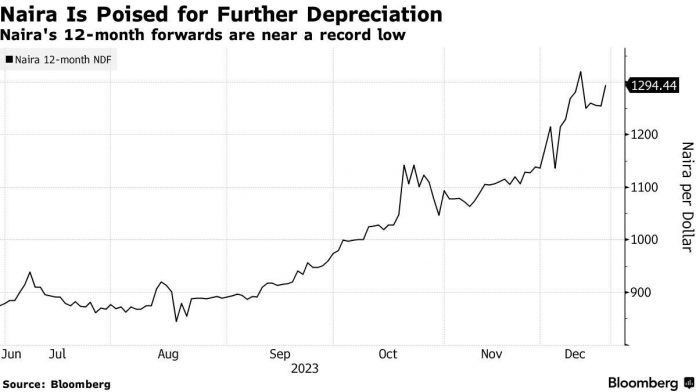
The poor Naira – “The naira, Nigeria’s currency, has been on a downward spiral since the beginning of the year, losing more than 40% of its value against the US dollar. This is the worst performance of the naira since 1999, when the country returned to democracy after decades of military rule.”

Naira needs air to breathe,  and the special air is created in factories and warehouses (the modern and old). Our finance-first strategy, over manufacturing-first strategy, will never save the Naira.

As a nation, we’re over finance-lized as everyone knows the CBN governor, Finance Minister, but few care to know who the Science & Tech minister is. That is our problem, and it must change for Naira to breathe.

The naira, Nigeria’s official currency, has been on a downward spiral since the beginning of the year, losing more than 30% of its value against the US dollar. This is the worst performance of the naira since 1999, when the country returned to democracy after decades of military rule.

The naira’s woes are largely driven by the collapse of oil prices, Nigeria’s main source of foreign exchange, as well as the impact of the COVID-19 pandemic on the economy. The Central Bank of Nigeria (CBN) has tried to defend the naira by devaluing it twice this year, but this has not stopped the pressure on the currency.

South Africa institutes Court proceedings against ISRAEL

0

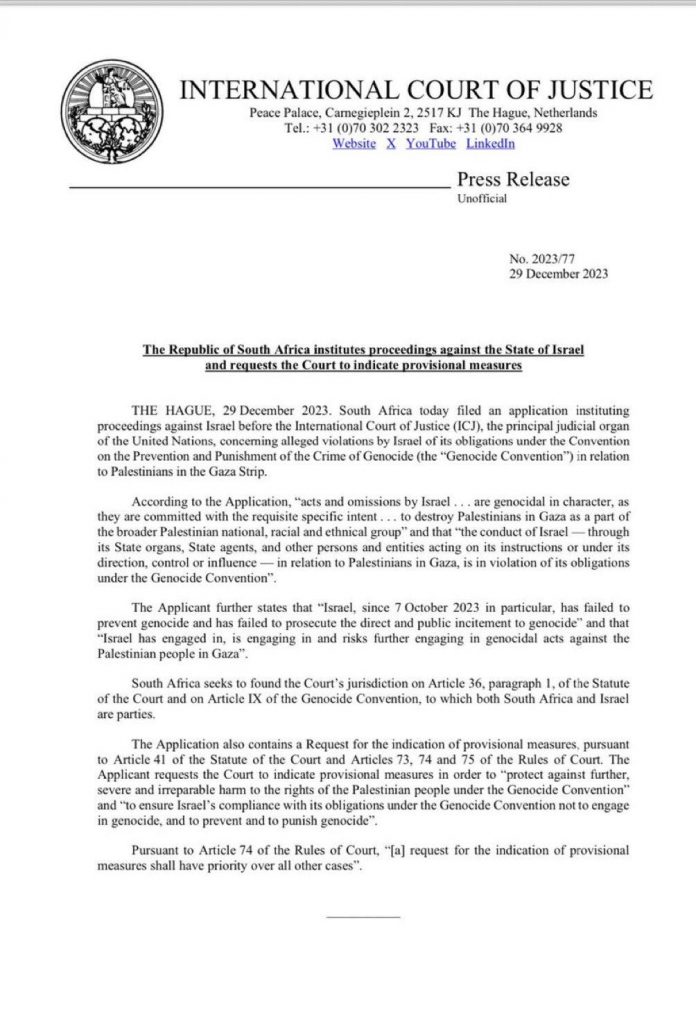
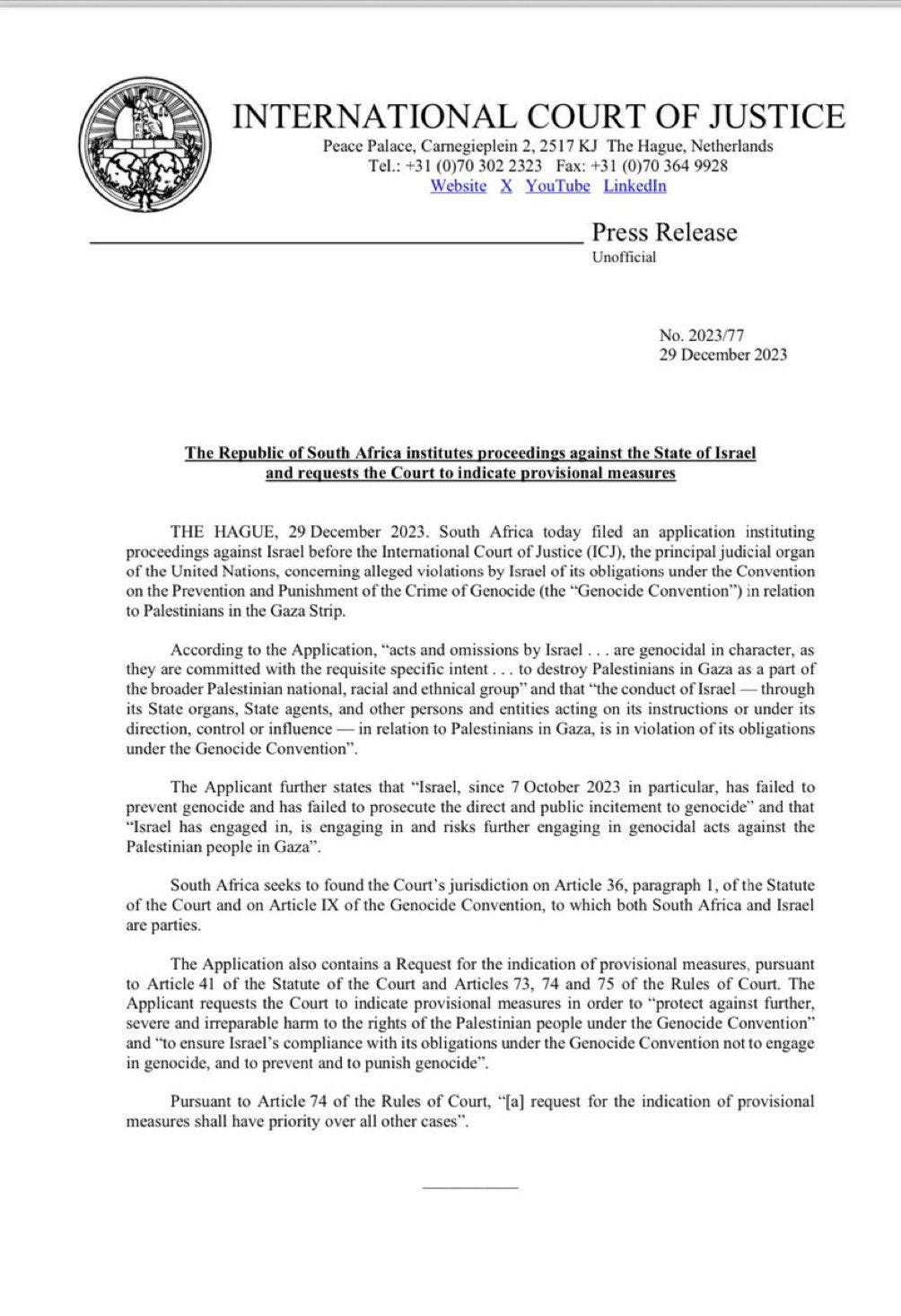
In a landmark move, South Africa has filed a lawsuit against Israel at the International  Court of Justice (ICJ) for alleged violations of the Convention on the Prevention and Punishment of the Crime of Genocide (Genocide Convention).

South Africa claims that Israel has committed genocide against the Palestinian people in the occupied territories and asks the court to order provisional measures to prevent further harm.

The lawsuit, which was submitted on December 29, 2023, is based on Article IX of the Genocide Convention, which allows any contracting party to submit a dispute to the ICC if it considers that another party has breached its obligations under the convention.

South Africa argues that Israel, as a party to the convention since 1950, has failed to prevent and punish the crime of genocide, as defined in Article II of the convention, which includes killing, causing serious bodily or mental harm, deliberately inflicting conditions of life calculated to bring about physical destruction, imposing measures intended to prevent births, and forcibly transferring children of a national, ethnical, racial or religious group.

South Africa alleges that Israel has committed these acts against the Palestinian people, especially in Gaza, where it has imposed a blockade since 2007, launched several military operations that resulted in thousands of civilian casualties, and restricted access to basic services such as water, electricity, health care and education.

South Africa also accuses Israel of committing genocide in the West Bank, where it has expanded illegal settlements, demolished Palestinian homes, confiscated land and natural resources, and subjected Palestinians to arbitrary arrests, torture and extrajudicial killings.

South Africa requests the ICJ to declare that Israel has violated the Genocide Convention and to order it to cease its genocidal acts and policies, to respect the rights of the Palestinian people under international law, and to provide reparations for the harm caused.

South Africa also asks the court to order provisional measures under Article 41 of the Statute of the ICJ, which allows the court to indicate measures that are necessary to preserve the rights of the parties or to prevent irreparable damage. South Africa contends that provisional measures are urgently needed to protect the Palestinian people from further acts of genocide by Israel.

The lawsuit is unprecedented in several ways. It is the first time that a state party to the Genocide Convention has invoked Article IX to bring another state party before the ICJ. It is also the first time that a state has accused another state of genocide at the ICJ. Moreover, it is the first time that a state has requested provisional measures from the ICJ in relation to an ongoing situation.

The lawsuit is expected to face several legal and political challenges. Israel is likely to contest the jurisdiction of the ICJ over the dispute, arguing that it does not recognize the court’s authority or that the matter is not within its scope.

Israel may also challenge the admissibility of the case, claiming that it is not a genuine dispute or that it is an abuse of process. Furthermore, Israel may dispute the merits of the case, denying that it has committed genocide or that its actions are justified by self-defense or necessity.

The lawsuit may also encounter opposition from some members of the international community, especially from Israel’s allies such as the United States, which have criticized a sister organization to ICJ,  the Internation Criminal Court (ICC), for its involvement in the Israeli-Palestinian conflict.

The United States has already imposed sanctions on ICC officials who are investigating alleged war crimes by Israel and other parties in Palestine. The lawsuit may also affect the prospects of peace negotiations between Israel and Palestine, which have been stalled for years.

However, South Africa’s lawsuit may also garner support from other states and actors who share its concern for human rights and international justice. South Africa may invoke its own experience of overcoming apartheid and racism as a moral authority for challenging Israel’s policies and practices.

South Africa may also rely on its diplomatic relations and influence in Africa and other regions to mobilize support for its case. Additionally, South Africa may count on the solidarity of civil society organizations and movements that advocate for Palestinian rights and oppose Israeli occupation.

The lawsuit is likely to have significant implications for international law and politics. It may set a precedent for using the Genocide Convention as a legal tool to address mass atrocities and hold perpetrators accountable. It may also raise awareness and mobilize action on the plight of the Palestinian people and their quest for self-determination. It may also challenge the status quo and power dynamics in the Middle East and beyond.

The lawsuit is expected to take several years before a final judgment is rendered by the ICJ. In the meantime, South Africa hopes that its legal action will contribute to ending Israel’s alleged genocide against Palestine and advancing peace and justice in the region.