DD
MM
YYYY

PAGES

DD
MM
YYYY

spot_img

PAGES

Home Blog Page 3831

The Evolution of Online Banks And Fintech

0

In an era of rapid technological advancements, the financial industry has been at the forefront of innovation. Traditional banking institutions are facing unprecedented competition from online banks and fintech companies, ushering in a new era of financial services. Research suggests that this evolution is reshaping the financial landscape, with companies like Reduce Loans in Australia leading the way. However, this transformation isn’t confined to one country alone; it’s a global phenomenon. Let’s explore the evolution of online banks and fintech on a global scale, with a focus on Reduce Loans and similar disruptors in other countries.

Research suggests that the transformation of the financial industry through online banks and fintech is a dynamic and ongoing process, with significant implications for the future of finance.

If you’re considering a Home loan and refinancing options, it’s essential to explore your choices carefully. Home loans are a significant financial commitment, and making the right decision can save you money in the long run. Whether you’re a first-time buyer or looking to refinance your existing mortgage, it’s crucial to evaluate your options thoroughly.

The Rise of Online Banks and Fintech

Traditional banking has always been characterized by brick-and-mortar establishments, long queues, and complex paperwork. However, the rise of online banks and fintech companies has revolutionized the way we manage our finances. This transformation can be attributed to several factors:

Digitalization and Connectivity: The widespread adoption of the internet and smartphones has enabled easy access to financial services from anywhere, at any time.

Consumer Expectations: Today’s consumers expect convenience, transparency, and personalized services, which traditional banks often struggle to provide.

Lower Operational Costs: Online banks and fintech companies can operate with significantly lower overhead costs compared to traditional banks, allowing them to offer competitive interest rates and lower fees.

Innovation in Financial Products: Fintech companies continually innovate, introducing novel financial products and services that cater to specific consumer needs.

One noteworthy example of a company that has embraced these changes is Reduce Loans in Australia.

Reduce Loans: Disrupting Conventional Financing

Reduce Loans is a prime example of how modern offers and incentives have disrupted conventional financing in Australia. This innovative fintech company specializes in personal loans and mortgage refinancing. They have successfully leveraged technology to streamline the lending process, making it more efficient and customer-friendly.

Reduce Loans offers competitive interest rates, personalized loan options, and a user-friendly online platform that allows customers to apply for loans and get approval within minutes. Their commitment to transparency and customer-centricity has earned them a loyal customer base. Research suggests that Reduce Loans’ approach has not only reduced the hassle associated with traditional lending but has also significantly lowered the cost of borrowing for Australians.

Similar Disruptors Across the Globe

Australia is not the only country experiencing the fintech revolution. Fintech disruptors are emerging in various parts of the world, reshaping the financial services landscape. Here are three other countries where similar developments are occurring:

United States: The United States has witnessed a surge in online banks and fintech startups. Companies like SoFi, Robinhood, and Square have gained prominence by offering a range of financial services, from lending and investing to payment processing. They focus on user-friendly interfaces and attractive incentives, catering to a younger and tech-savvy audience.

United Kingdom: In the UK, fintech has made significant inroads into the banking sector. Companies like Monzo, Revolut, and Starling Bank have disrupted traditional banking by offering digital-only accounts with features like real-time spending alerts, fee-free currency conversion, and easy budgeting tools. These companies have gained popularity among millennials and digital natives.

China: China’s fintech landscape is dominated by tech giants like Alibaba’s Ant Group and Tencent’s WeChat Pay. These companies have created vast ecosystems that encompass payment services, wealth management, insurance, and more. Mobile payment solutions are widely used in China, with consumers relying on apps like Alipay and WeChat Pay for daily transactions.

The Future of Online Banks and Fintech

The evolution of online banks and fintech is far from over. As technology continues to advance, we can expect further disruption in the financial industry. Some key trends to watch out for include:

Artificial Intelligence (AI) and Machine Learning: AI-powered chatbots, credit scoring algorithms, and personalized financial advice will become more prevalent, enhancing customer experiences and risk assessment.

Blockchain and Cryptocurrency: These technologies will reshape payment systems, remittances, and even traditional banking infrastructure. Digital currencies and decentralized finance (DeFi) platforms are gaining traction.

Regulatory Changes: Governments and regulators are adapting to the fintech boom, introducing new regulations to ensure consumer protection, data security, and financial stability.

Global Expansion: Fintech companies are increasingly expanding their operations internationally, catering to a global customer base. Cross-border payments and remittances will become more efficient.

In conclusion, the evolution of online banks and fintech is a global phenomenon that is fundamentally changing the way we access and manage financial services. Companies like Reduce Loans in Australia are setting the benchmark for customer-centric, technology-driven financial solutions. Similar disruptors can be found in the United States, the United Kingdom, and China, where innovation is reshaping traditional banking. As we move forward, the fintech revolution promises further advancements and greater accessibility, ultimately benefiting consumers worldwide.

Preparing Your Windows Systems for the Unexpected

0

For all those who back up only their cloud data and not their PC’s, it is time to review your disaster preparedness levels and related policies. In our epoch of rapidly accelerating digital transformation, the sanctity of data emerges as the modern-day alchemy, the cornerstone upon which modern enterprises are built today. For this reason, it makes sense that the TeraByte’s Image for Windows is the one crucial measure we will be zooming in on today.

Just as electricity is vital for city life, data is now a big part of our daily and work lives. Operating systems like Windows play a big role in this digital world. But just like real life, the digital world can have problems. When data goes wrong, it causes more than just small issues.

Deciphering a Cautionary Digital Chronicle

Recall the tribulation that befell a prominent New York consultancy—an exemplar in the financial domain, seemingly impervious in its digital sanctum. Their odyssey into digital turbulence was instigated by a pernicious software nemesis that insidiously exfiltrated and obliterated vast swaths of invaluable client datasets. The aftershocks of this digital cataclysm reverberated through plummeting public trust and a fiscal debilitation of staggering magnitude. One is compelled to ponder: could a meticulously architected disaster mitigation blueprint have forestalled this digital debacle? The consensus amongst the cognoscenti is an emphatic affirmation.

Evaluating the Landscape of Preparedness

Eminent scholars and analysts, upon meticulous scrutiny, have unveiled a perturbing trend within the sanctum of IT: an alarming paucity in disaster readiness. Empirical evidence suggests a substantial fraction of enterprises, irrespective of their stature, exhibit laxity in crafting rigorous data resiliency and rejuvenation blueprints. This oversight becomes increasingly precarious in light of the multifarious digital threats that lurk, ranging from the tangible—like hardware attrition—to the ethereal, such as cyber malefactions. Given the lynchpin role of digital repositories in today’s corporate orchestration, even a transient aberration can cascade into ramifications that encompass data depletion, operational stasis, and the subsequent fiscal and reputational erosion. Thus, the clarion call from luminaries is unambiguous: in the absence of a holistic disaster fortification mechanism, entities risk the very bedrock of their digital existence.

The TeraByte Paradigm: Navigating Digital Quagmires

The TeraByte Drive Image Backup and Restore Suite’s recent magnum opus, version 3.61a, unfurled on July 12, 2023, stands as a beacon of hope in these turbulent digital seas. Beyond mere software, it serves as a formidable custodian of digital assets, poised to shepherd data back from the brink of abyss.

Image for Windows: The Digital Custodian

As a cornerstone of the TeraByte compendium, Image for Windows embodies a synthesis of robustness, efficacy, and user-centricity. By affording a diverse gamut of storage pathways, it pledges a near-instantaneous resurrection of your digital sanctum.

Consistency in Backup: The VSS and PHYLock™ Confluence

By combining the strengths of Volume Shadow Copy Service (VSS) and PHYLock™, Image for Windows allows users to keep working while backups are being made. This tool creates a temporary snapshot, preventing the usual problems seen when saving active partitions.

Digital Versatility: Transcending the Boundaries of Operating Systems

Image for Windows, despite its name, isn’t just for Windows. It works with a wide range of operating systems, from the old DOS system to modern Linux. This means it can work across many different platforms. Its design shows a clear goal: to make sure data protection is available for all, not just for specific systems.

The TeraByte Almanac: A Comprehensive Arsenal

Spanning Image for Windows, Linux, DOS, and the OSD Tool Suite, the TeraByte ensemble encapsulates a panoramic vista of drive imaging faculties. Its prowess remains undiminished even in the absence of a functional Windows crucible.

OS Deployment Tool Suite Pro: The Magnum Opus

Embedded within the professional incarnation of the TeraByte OS Deployment Tool Suite (TBOSDTS) lies a tapestry of sophisticated scripts, designed meticulously to facilitate the seamless transplantation of Windows across heterogeneous hardware terrains.

Proliferation of Compatibility

TeraByte’s suite manifests an ecumenical embrace, harmonizing seamlessly across a plethora of Windows iterations and server manifestations. It rises as a panacea for entities diversified in their system ethos.

TeraByte’s Assurance: The Risk-Free Exploration

As a testament to its unwavering faith in its own craftsmanship, TeraByte offers a no-strings-attached exploration window of 30 days. This interlude allows potential adopters to delve into the suite’s intricacies, calibrating its alignment with their unique disaster deterrence frameworks, thus empowering an enlightened integration decision.

Final words? Well it seems like TeraByte’s concept is not based on a mere product—it’s a pledge, a commitment to safeguarding the very digital essence that underpins contemporary enterprises. In today’s fast-changing digital world, this protection isn’t just nice to have—it’s essential.

Using Technology To Create The Perfect Name For Your Startup

0

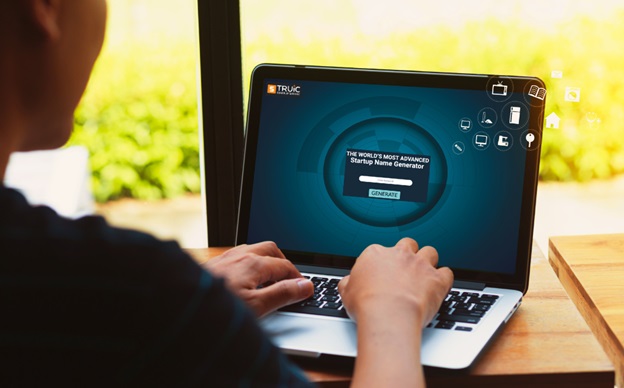
In an era where innovation and entrepreneurship have reached unprecedented heights, startups face an ever-mounting challenge: finding a unique and compelling business name that encapsulates their vision and resonates with their target audience. The power of a well-chosen name cannot be underestimated, as it can influence brand perception, customer trust, and market positioning. Fortunately, the digital age has bestowed upon us a remarkable tool – the modern business name generator, which is swiftly becoming the secret weapon for startups. In this article, we will delve into the world of business name generators, their impact on startups, and introduce you to an exceptional tool, the TRUiC Business Name Generator, designed to assist emerging businesses in their quest for the perfect moniker.

The Science Behind Business Names

Reasearch suggests before we dive into the world of business name generators, it’s essential to understand the importance of a name. According to a study published in the Journal of Business Research, a well-crafted business name significantly influences a company’s success. This research suggests that a memorable and relevant business name can increase consumer interest, drive brand recognition, and even affect consumers’ purchasing decisions. 1 In a crowded market, where startups often struggle to stand out, this research underscores the pivotal role a name plays in creating a lasting impression.

The Evolution of Business Name Generators 

Traditionally, naming a business was a painstaking and often subjective process, relying on the creativity and intuition of founders. But with the advent of modern technology, Startup Name Generator has emerged as a powerful tool, making the task easier and more data-driven.

These advanced name generators utilize algorithms, linguistic analysis, and user preferences to suggest names that are not only available for registration but also align with the brand’s essence and target audience. This approach not only saves time but also enhances the chances of finding a name that resonates with customers.

The TRUiC Business Name Generator: A Beacon for Startups

Among the myriad of business name generators available, the TRUiC Business Name Generator stands out as an invaluable resource for startups. Powered by cutting-edge technology and years of expertise in business development, this tool is designed to address the unique needs of emerging businesses.

Simplicity and Relevance – The TRUiC Business Name Generator offers a straightforward user interface, making it accessible to entrepreneurs of all backgrounds. By inputting keywords related to their business niche, users can swiftly generate a list of relevant and meaningful names.

Availability Check – One of the most frustrating aspects of naming a business is discovering that the desired name is already taken. TRUiC’s generator includes a real-time availability checker, ensuring that the suggested names are ready for registration, saving startups from legal hassles.

Brand Identity Alignment – Beyond availability, the TRUiC Business Name Generator considers the broader aspects of branding. It suggests names that align with the startup’s values, mission, and target audience, fostering a strong and authentic brand identity.

Empowering Startups for Success

Startups are often built on dreams and passion, but their success hinges on practical factors like a well-chosen business name. Modern business name generators, exemplified by the TRUiC Business Name Generator, empower startups by simplifying the naming process and aligning it with research-backed principles.

By leveraging the power of data-driven suggestions, startups can embark on their entrepreneurial journey with confidence, knowing that their business name is a strategic asset that resonates with consumers and creates a lasting impression.

In conclusion, the modern business landscape demands innovation and efficiency at every turn, and naming your startup should be no exception. With tools like the TRUiC Business Name Generator, startups can harness the power of technology and research to set the stage for success. As research suggests, a well-crafted business name is more than just words; it’s the cornerstone of a thriving brand.

So, if you’re an aspiring entrepreneur or a startup founder in search of that perfect name that will help you stand out in the competitive business world, don’t hesitate to explore the TRUiC Business Name Generator – your gateway to a successful brand identity.

How Banks Are Innovating And How Competition Is Increasing

0

In the ever-evolving world of finance, competition among banks has reached new heights. The financial landscape is witnessing a dynamic transformation, driven by technological advancements, changing customer preferences, and a push for innovation. This article explores how competition between banks is intensifying and highlights specific innovative cases from the United States that exemplify this trend.

The Shifting Landscape of Banking

Traditional banking institutions have long been the pillars of the financial sector, providing a wide range of services, from savings accounts to loans and mortgages. However, the landscape has changed dramatically in recent years. The emergence of fintech startups, digital banks, and blockchain technology has disrupted the traditional banking model.

Research suggests that one of the key drivers of intensified competition in the banking sector is the rise of digital banks. These online-only banks offer customers a seamless and convenient banking experience, often with lower fees and higher interest rates. They have gained significant market share by catering to tech-savvy customers who prioritize accessibility and user-friendly interfaces. This shift has forced traditional banks to rethink their strategies and invest heavily in digital transformation.

To explore the best business bank for startups  accounts in this competitive landscape, be sure to check out our client’s comprehensive guide at Best Business Bank Accounts.

Innovative Cases in the United States

To illustrate how competition among banks is intensifying, let’s take a closer look at some innovative cases from the United States:

Chime: Chime is a prime example of a digital bank that has disrupted the traditional banking model. With no physical branches, Chime offers customers a mobile app-based platform that includes a checking account, savings account, and debit card. What sets Chime apart is its focus on customer-centric features, such as early direct deposit, no hidden fees, and automatic savings programs. Chime’s success highlights the growing demand for simple, fee-free banking solutions.

Ally Bank: Ally Bank has redefined the way traditional banks operate by providing an entirely online banking experience. Ally offers competitive interest rates on savings accounts and certificates of deposit (CDs), making it an attractive option for savers. Additionally, Ally has introduced innovative features like Ally Invest, a low-cost trading platform, and Ally Home, a digital mortgage service. These offerings demonstrate how traditional banks are leveraging technology to remain competitive.

Square: Square, primarily known for its payment processing services, has ventured into the banking sector with Square Financial Services. This division of Square offers small business loans, deposit accounts, and other financial products tailored to entrepreneurs. By combining banking services with its existing ecosystem of tools and services, Square has become a formidable player in the financial industry, targeting a niche market segment with specific banking needs.

Varo Bank: Varo Bank is another digital bank that has gained traction in the United States. It offers a comprehensive suite of banking services, including checking and savings accounts, as well as personal loans. What distinguishes Varo Bank is its focus on financial wellness, providing customers with tools to track their spending, save money, and build credit. Varo’s approach aligns with the growing consumer demand for financial education and empowerment.

Green Dot: Green Dot is a fintech company that has partnered with major retailers to offer prepaid debit cards and mobile banking services. Through strategic partnerships, Green Dot has expanded its reach to a broad customer base. Green Dot’s innovative approach demonstrates how collaboration between fintech companies and traditional retailers can create unique banking solutions.

The Impact of Innovation on Banking

The aforementioned cases showcase how innovation is driving competition in the banking sector. Traditional banks are increasingly recognizing the importance of embracing technology and adapting to changing customer expectations. They are investing in digital platforms, enhancing mobile banking apps, and exploring partnerships with fintech startups to remain relevant.

Innovations in banking have several significant implications:

Improved Customer Experience: Digital banks and fintech companies prioritize customer-centric solutions, resulting in more user-friendly interfaces and better customer service. This emphasis on customer experience is compelling traditional banks to enhance their services.

Lower Fees and Competitive Rates: The competition has led to lower fees and competitive interest rates on deposit accounts and loans, benefiting consumers who can now access financial services at more affordable prices.

Financial Inclusion: Fintech innovations are expanding financial inclusion by reaching underserved populations. Digital banks and mobile payment solutions are making banking accessible to individuals who were previously excluded from traditional banking services.

Innovation Adoption: Traditional banks are adopting innovative features such as mobile check deposits, online loan applications, and AI-powered financial advice to stay competitive and cater to the preferences of tech-savvy customers.

Competition among banks in the United States is intensifying, primarily driven by the rise of digital banks and fintech innovations. Traditional banking institutions are adapting to this changing landscape by investing in technology, enhancing customer experience, and exploring strategic partnerships. The result is a banking sector that is more customer-focused, cost-effective, and inclusive.

As customers continue to benefit from lower fees, competitive interest rates, and innovative financial solutions, the banking industry’s evolution is far from over. Whether it’s through mobile apps, partnerships, or unique financial products, banks are racing to stay ahead in this fiercely competitive environment. For entrepreneurs and businesses, staying informed about these banking innovations is crucial to making informed choices about their financial services.

Naming A Nonprofit: Methods Beyond Brainstorming

0

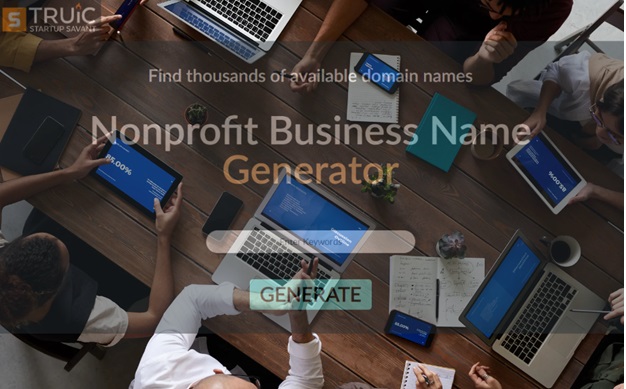
In the world of business, a name is more than just a label; it’s a brand, an identity, and often, the first impression. Whether you’re launching a new startup, a bakery, or a non-profit organization, choosing the right name can be a daunting task. In this article, we delve into the intricate process of naming a non-profit and explore the requirements for non-profit names. We’ll also introduce you to a helpful tool – the TRUiC Business Name Generator for Non-Profits – to simplify this critical decision-making process.

The Importance of the Right Name

Naming your non-profit organization is a critical step in establishing your identity and mission. It’s a decision that requires careful consideration, as your chosen name will be a fundamental part of your branding, website, marketing materials, and the public’s perception of your cause.

Research suggests that a well-chosen name can have a significant impact on a non-profit’s success. A name that is clear, concise, and reflective of your mission can attract donors, volunteers, and community support more effectively. On the contrary, a poorly chosen name can create confusion, hamper fundraising efforts, and hinder your organization’s growth. Hence, the importance of getting it right from the start cannot be overstated. For more guidance and assistance, visit the Business Name Generator for Non-Profits here.

The Requirements for Non-Profit Names

Naming a non-profit comes with unique requirements and constraints, primarily aimed at ensuring transparency, credibility, and alignment with your organization’s mission. Here are some essential guidelines:

Uniqueness: Your non-profit name must be distinct and different from existing organizations to avoid confusion.

Non-Deceptive: It should not be misleading or suggest activities that are not aligned with your mission. Clarity is key.

No Reserved Words: Certain words like “Federal,” “United States,” or “Government” are typically restricted unless your organization has the appropriate government authorization.

Non-Commercial: The name should not imply a commercial, for-profit endeavor.

No Profanity: Offensive or inappropriate language is strictly prohibited.

Availability: Ensure the domain name and social media handles for your chosen name are available for use.

Mission Alignment: Ideally, your name should reflect the core mission and values of your non-profit, making it easier for people to understand your cause at first glance.

Check State Regulations: Each state may have specific rules and guidelines for non-profit names, so be sure to research your local requirements.

Introducing the TRUiC Business Name Generator for Non-Profits

Now that we understand the significance of choosing the right name for your non-profit, let’s explore a powerful tool that can make this process significantly easier – the TRUiC Business Name Generator for Non-Profits.

This user-friendly online tool is designed to assist you in finding a suitable name for your non-profit organization, all while ensuring it complies with the necessary legal requirements. Here’s how it works:

Simplicity: The TRUiC Business Name Generator for Non-Profits streamlines the naming process with its straightforward interface. You don’t need to be a branding expert to use it effectively.

Legal Compliance: The tool is equipped with a database of regulations and requirements for non-profit names, ensuring that the suggestions it provides are in line with the law.

Customization: You can enter keywords related to your non-profit’s mission, vision, or values, allowing the generator to generate name suggestions tailored to your organization.

Domain Availability: The tool also checks domain name availability, saving you the trouble of hunting for an available web address separately.

Inspiration: If you’re stuck or in need of inspiration, the generator can offer creative name suggestions that align with the ethos of your non-profit.

Variety of Options: It generates a list of diverse name suggestions, giving you the freedom to choose the one that resonates best with your organization’s identity.

Using the TRUiC Business Name Generator for Non-Profits can be a game-changer in the often challenging process of naming your non-profit. It combines the creativity of brainstorming with the precision of legal compliance, ensuring that the name you choose is both impactful and legally sound.

In the world of non-profit organizations, the right name is more than just a label; it’s a vital part of your identity, mission, and success. As we’ve discussed, there are specific requirements and guidelines that non-profits must adhere to when naming their organizations.

Research suggests that a well-chosen name can significantly impact your non-profit’s ability to attract support and fulfill its mission. To simplify this critical decision-making process, the TRUiC Business Name Generator for Non-Profits is a valuable tool that can help you navigate the maze of naming your non-profit. With its user-friendly interface and legal compliance checks, it empowers you to choose a name that resonates with your mission and is ready to make a positive impact on the world.

Naming a non-profit is a profound reflection of your commitment to your cause, and with the right name, you can inspire others to join your journey towards making a difference in the world. So, take the time, use the tools at your disposal, and name your non-profit with the confidence that you’re creating a strong foundation for your organization’s future success.