DD
MM
YYYY

PAGES

DD
MM
YYYY

spot_img

PAGES

Home Blog Page 3835

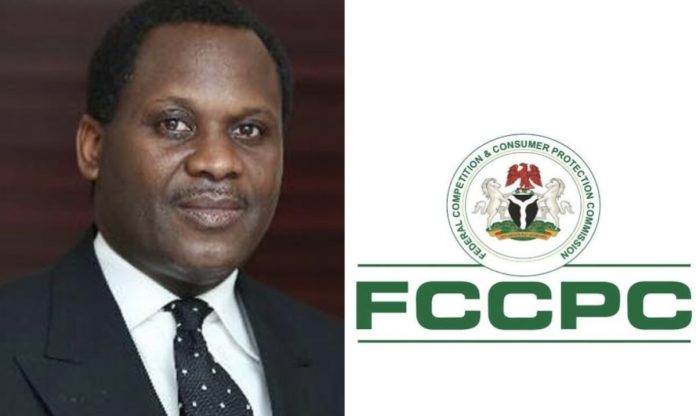
Nigera’s Consumer Protection Commission (FCCPC) Slaps $110M Fine on British American Tobacco

0

In a resounding move that marks regulatory vigilance and stringent enforcement, the Federal Competition and Consumer Protection Commission (FCCPC) has imposed a hefty fine of $110 million on British American Tobacco (BAT) Nigeria and its affiliated companies.

This penalty, which stems from numerous violations of the FCCPC Act and other regulations, marks the FCCPC as one of the most efficient regulatory agencies in Nigeria.

The FCCPC management, headquartered in Abuja, unequivocally declared on Wednesday that BAT and its affiliate entities had breached multiple provisions embedded in the FCCPC Act, the National Tobacco Control Act, and other pertinent legal frameworks.

This landmark decision was reached following exhaustive scrutiny and engagement between the Commission and the BAT parties, conducted under the Cooperation/Assistance Rules & Procedure (CARP) of 2021.

The specified penalty emerged from the FCCPC’s Cooperation/Assistance Framework (CAF), wherein benefits such as potential reductions in monetary penalties and the prospect of waiving the application of the Commission’s Administrative Penalties Regulations 2020 were outlined.

This cooperative engagement mandated BAT parties to provide written assurances to the Commission under Section 153 of the FCCPA, cementing their commitment to compliance.

“In exchange for BAT parties fulfilling their obligations under the Consent Order, the Commission withdrew pending criminal charges against BATN and one employee for attempting to prevent execution of the search warrant and initial lack of cooperation/compliance with steps in the investigation,” the agency said.

The genesis of this consequential investigation dates back to August 28, 2020, when the FCCPC initiated an extensive inquiry into British American Tobacco Nigeria Limited and its affiliated companies. The decision was catalyzed by credible intelligence, triggering an exhaustive evaluation of the activities of these entities.

The Commission said, “The outcome of the investigation demonstrates the Commission’s desire as well as will to enforce the law and hold businesses accountable; even when it takes complex, painstaking and protracted investigations.”

Moreover, as part of the agreement, the FCCPC said that the implicated companies are mandated to engage in mandatory public health and tobacco control advocacy, ensuring strict adherence to tobacco control legislation and regulations.

The investigation’s procedural arc was punctuated by a significant legal development. The FCCPC secured an Order and Warrant of Search and Seizure from the Federal High Court, enabling simultaneous raids across multiple BAT parties’ locations and a service provider’s premises on January 25, 2021.

Subsequently, an array of evidence, inclusive of electronic communications and corroborative information, was procured and analyzed, substantiating the violations of the FCCPA and other relevant enactments.

“The Commission gathered, received, and procured substantial evidence from forensic analysis of electronic communications and other information/data obtained during the search, as well as other evidence procured during, and after the search from other legitimate sources.

“Additional investigation, including proffers, hearings, transcripts of sworn testimonies, and continuing analysis of evidence established and supported multiple violations of the FCCPA and other enactments,” FCCPC added.

This regulatory accomplishment adds to a series of successes achieved by the FCCPC, which includes cracking down on the harassment tactics employed by digital loan apps. Under the leadership of Babatunde Irukera, the FCCPC has been actively addressing various issues within its purview.

The commission said it generated N56 billion in revenue from fines in 2023.

TRON for Unbanked, and Major Crypto Ecosystem’s Outlook for 2024

0

As the year 2023 near end, it is time to look ahead and anticipate what the next year will bring for the major crypto ecosystem. We will analyze the current state of the market, the key trends and challenges, and the potential opportunities and risks for 2024.

The Current State of the Market

The year 2023 was a turbulent one for the crypto industry, with several highs and lows. The market capitalization of all cryptocurrencies reached a new all-time high of over $2.5 trillion in November, driven by the adoption of Bitcoin as legal tender in El Salvador, the launch of the first futures-based Bitcoin ETF in the US, and the increased institutional and retail interest in crypto assets. However, the market also faced significant headwinds, such as regulatory uncertainty, environmental concerns, cyberattacks, and market manipulation.

The major crypto ecosystem, which consists of the top 10 cryptocurrencies by market cap, performed well overall, with an average return of over 300% in 2023. Bitcoin remained the dominant player, with a market share of over 40% and a price of over $43,000 at the end of the year. Ethereum followed closely behind, with a market share of over 20% and a price of over $2200. The other major players included Binance Coin, Cardano, Solana, Polkadot, XRP, Terra, Avalanche, and Dogecoin.

The Key Trends and Challenges

The year 2024 will likely see the continuation and intensification of some of the key trends and challenges that shaped the crypto industry in 2023. Some of these are:

The adoption of crypto as a mainstream asset class: Crypto will continue to gain acceptance and legitimacy as a form of money, store of value, and investment vehicle. More countries will follow El Salvador’s example and adopt Bitcoin or other cryptocurrencies as legal tender or reserve assets.

More institutional investors will allocate funds to crypto assets, either directly or through intermediaries such as ETFs or trusts. More retail investors will access crypto through platforms such as PayPal, Robinhood, or Coinbase. More merchants will accept crypto as a payment option, either directly or through intermediaries such as BitPay or Flexa.

The innovation and competition in the crypto space: Crypto will continue to evolve and innovate at a rapid pace, with new projects, protocols, and platforms emerging every day. The major crypto ecosystem will face increasing competition from other ecosystems that offer faster, cheaper, more scalable, more interoperable, more decentralized, or more user-friendly solutions.

Some of these ecosystems include Cosmos, Polygon, Fantom, Algorand, Harmony, Hedera Hashgraph, Near Protocol, and Zilliqa. The major crypto ecosystem will also have to contend with the emergence of central bank digital currencies (CBDCs), which are digital versions of fiat currencies issued by central banks. Some of the countries that are expected to launch or pilot CBDCs in 2024 include China, Japan, Sweden, France, Canada, and Brazil.

The regulation and governance of the crypto industry: Crypto will continue to face regulatory scrutiny and uncertainty from various authorities around the world. Some of the issues that regulators will have to address include consumer protection, investor protection, taxation, anti-money laundering (AML), counter-terrorism financing (CTF), cybersecurity, environmental impact, and monetary policy.

Some of the regulators that will play a key role in shaping the crypto industry in 2024 include the US Securities and Exchange Commission (SEC), the US Commodity Futures Trading Commission (CFTC), the Financial Action Task Force (FATF), the European Commission (EC), and the International Monetary Fund (IMF). The major crypto ecosystem will also have to deal with internal governance issues such as consensus mechanisms.

TRON banked the unbanked mostly in 2023 compared to other Blockchains

The year 2023 was a remarkable one for the global financial inclusion movement. Millions of people who had been excluded from the traditional banking system gained access to digital financial services thanks to a revolutionary project: TRON.

Tron is a blockchain-based platform that aims to create a decentralized internet and a global digital content ecosystem. Tron was founded by Justin Sun, a former chief representative of Ripple in China, and launched its mainnet in June 2018. Tron claims to have over 40 million active users and over 1,800 decentralized applications (DApps) running on its network.

One of the key metrics that investors and traders use to evaluate the value and potential of a cryptocurrency is its market capitalization, or marketcap for short. Marketcap is calculated by multiplying the current price of a coin or token by its total circulating supply. For example, if a coin has a price of $0.1 and a circulating supply of 10 billion, its marketcap is $1 billion.

According to CoinMarketCap, as of December 27, 2023, Tron has a price of $0.1 and a circulating supply of 88.3 billion, which gives it a marketcap of $9.22 billion. This makes Tron the 15th largest cryptocurrency by marketcap, behind Bitcoin, Ethereum, Binance Coin, Cardano, Solana, XRP, Polkadot, Terra, Avalanche, Dogecoin, Shiba Inu, Polygon, Chainlink and Stellar.

One of the most innovative features of TRON is its integration with BitTorrent, the world’s largest peer-to-peer file sharing network. BitTorrent users can earn TRX by seeding files, and use TRX to pay for faster downloads, premium content and other services. BitTorrent also provides a massive distribution channel for TRON-based applications and content creators.

But TRON is not only about entertainment and content. It is also about empowering the unbanked and underbanked populations around the world. According to the World Bank, there are still 1.7 billion adults who do not have an account at a financial institution or a mobile money provider. These people face many challenges and risks, such as lack of access to credit, savings, insurance, remittances and other essential financial services.

TRON addresses this problem by providing a low-cost, fast and secure alternative to the traditional banking system. With TRON, anyone can create a digital wallet and start transacting with TRX in minutes. TRX can be used to pay for goods and services, send and receive money across borders, store value and access various decentralized applications on the TRON network.

One of the most popular applications on TRON is JustLend, a decentralized lending platform that allows users to borrow and lend TRX and other TRON-based tokens. JustLend enables users to access credit without intermediaries, collateral or credit scores. Users can also earn interest by supplying liquidity to the platform.

Another popular application on TRON is JustSwap, a decentralized exchange that allows users to swap TRX and other TRON-based tokens instantly and with low fees. JustSwap eliminates the need for centralized exchanges, brokers and market makers, and provides liquidity for the TRON ecosystem.

TRON also supports cross-chain transactions with other major blockchains, such as Bitcoin, Ethereum and Polkadot. This means that users can easily exchange their TRX for other cryptocurrencies, or vice versa, without leaving the TRON network. This enhances the liquidity, interoperability and usability of TRX and other TRON-based tokens.

Thanks to these features and applications, TRON has become one of the most widely used and adopted blockchains in the world. According to TRON’s official website, as of December 2023, there are over 50 million active users, over 2 billion transactions and over 20 million smart contracts on the TRON network. Moreover, there are over 2000 decentralized applications and over 1000 global partners on the TRON ecosystem.

But more importantly, TRON has made a significant impact on the lives of millions of people who had been excluded from the traditional banking system. By providing them with access to digital financial services, TRON has enabled them to participate in the global economy, improve their livelihoods and achieve their goals.

TRON’s vision is to create a truly decentralized internet that democratizes information, value and power. By doing so, it has also banked the unbanked around the world in 2023.

UBA Receives $175M financial package from African Development Bank Group

0

The African Development Bank Group (AfDB) has approved a $175 million financial package for the United Bank of Africa (UBA), one of the largest banking groups in Africa. The package consists of a $150 million line of credit and a $25 million trade finance line of credit, which will support UBA’s operations in 20 African countries, where it provides banking services to over 18 million customers.

The African Development Bank (AfDB) has announced a $1.4 billion financing package for the development of industrial parks and special economic zones in Ethiopia. The package aligns with its High 5 priorities, especially “Industrialize Africa”, which aims to transform the continent’s economies through industrialization and value addition.

The package consists of two loans: a $1 billion sovereign-backed loan to the government of Ethiopia and a $400 million private sector loan to the Eastern and Southern Africa Trade and Development Bank (TDB). The loans will support the construction and operation of four industrial parks and two special economic zones, which are expected to create over 200,000 direct and indirect jobs, increase exports, and attract foreign direct investment.

The industrial parks and special economic zones will also promote the development of local industries, especially in the textile, garment, leather, and agro-processing sectors. The AfDB said that the package is part of its strategy to support Ethiopia’s economic recovery and resilience in the aftermath of the COVID-19 pandemic. The package will also contribute to the implementation of the African Continental Free Trade Area (AfCFTA), which aims to create a single market for goods and services in Africa.

The financial package will help UBA to expand its lending capacity to small and medium enterprises (SMEs), as well as to key sectors such as agriculture, health, education, and infrastructure. It will also enable UBA to increase its trade finance activities, which are essential for facilitating regional integration and boosting intra-African trade.

The AfDB said that the package aligns with its High 5 priorities, especially “Industrialize Africa”, “Feed Africa”, and “Light up and Power Africa”. The package also supports the Bank’s Ten-Year Strategy and Financial Sector Development Policy and Strategy.

The AfDB’s Director of Financial Sector Development, Stefan Nalletamby, said: “We are delighted to support UBA’s growth strategy, which aims to consolidate its position as a leading pan-African financial institution and contribute to the economic and social development of the continent. This operation is aligned with the AfDB’s High 5 priorities, especially ‘Industrialize Africa’, ‘Feed Africa’, and ‘Integrate Africa’.”

By providing long-term funding in local and foreign currencies, we are helping UBA increase its outreach to SMEs and corporates, thereby contributing to job creation and income generation.

The UBA’s Group Managing Director and CEO, Kennedy Uzoka, expressed his appreciation for the AfDB’s support, saying: “This partnership reaffirms the strong relationship between the AfDB and UBA, and also underscores the bank’s commitment to Africa’s development. The financial package will enhance our capacity to serve our customers across Africa and beyond, while also supporting the AfDB’s vision of transforming Africa through trade.”

This facility will enable us to further diversify our funding sources, strengthen our balance sheet, and enhance our capacity to serve our customers across Africa and beyond. We remain committed to driving the economic development of Africa through innovation, customer-centricity, and best-in-class service delivery.”

The package will help SMEs and corporates by providing them with access to affordable and long-term financing, which is often scarce in many African countries. This will enable them to invest in their businesses, expand their operations, create more jobs, and increase their productivity and competitiveness. The package will also support UBA’s efforts to promote financial inclusion and digital banking solutions for its customers.

Futures Market, Traders Betting on Higher Prices Lost Over $190M to Liquidations

0

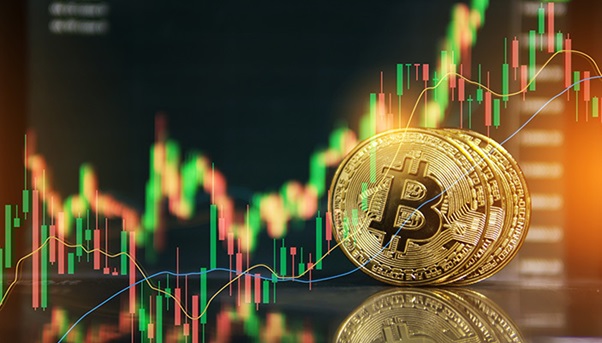
The recent volatility in the bitcoin market has been a costly lesson for some futures traders who were betting on a bullish scenario. According to data from Bybt, a cryptocurrency derivatives data provider, more than $190 million worth of long positions were liquidated in the past 24 hours as bitcoin dipped below $43,000 at one point.

Liquidations occur when the market moves against a trader’s position and the exchange automatically closes the trade to prevent further losses. This can create a cascading effect as more liquidations trigger more selling pressure, which in turn leads to more liquidations.

Bitcoin futures are contracts that allow traders to speculate on the future price of bitcoin without owning the underlying asset. Traders can use leverage to amplify their gains or losses, depending on the direction of the market. Leverage is the ratio of the trader’s own funds to the borrowed funds from the exchange.

For example, if a trader uses 10x leverage to open a long position worth $100,000, they only need to deposit $10,000 as margin. However, if the price of bitcoin drops by 10%, the trader will lose their entire margin and get liquidated.

The liquidation price is the price at which the exchange closes the trade and takes the margin. The higher the leverage, the closer the liquidation price is to the entry price. Therefore, using high leverage increases the risk of getting liquidated by small price movements.

Traders of Solana’s SOL tokens took on nearly $20 million in losses.

Solana, the blockchain platform that claims to offer fast, scalable and low-cost transactions, has been hit by a wave of liquidations in the past week. According to data from Bybt, a crypto derivatives analytics platform, traders of Solana’s SOL tokens took on nearly $20 million in losses as the price of the token plunged from its all-time high of $120 on December 19 to below $113 on December 23.

One of the main reasons for the drop in SOL’s price was the overall bearish sentiment in the crypto market, triggered by a combination of regulatory uncertainty, macroeconomic worries and profit-taking. As Bitcoin, the leading cryptocurrency, fell below $43,000 and dragged down most of the altcoins with it, Solana was not immune to the downward pressure.

Another factor that contributed to the decline was the technical issues that Solana faced on December 19, when its network experienced a temporary outage due to a surge in transaction volume. The incident, which lasted for about six hours, caused some users to lose access to their funds and some validators to miss their rewards. Although the Solana team quickly resolved the issue and restored normal operations, the event raised some doubts about Solana’s scalability and reliability.

A third factor that may have influenced the market sentiment was the competition from other blockchain platforms that are vying for a share of the fast-growing decentralized finance (DeFi) and non-fungible token (NFT) sectors. Solana has been one of the most popular destinations for DeFi and NFT projects, thanks to its high throughput and low fees. However, it also faces challenges from rivals such as Ethereum, Binance Smart Chain, Avalanche and Polygon, which are constantly improving their performance and attracting new users and developers.

Despite the recent setback, Solana still has a lot of potential to grow and innovate in the crypto space. The platform boasts a strong community of supporters, a robust developer ecosystem and a pipeline of exciting projects. Moreover, Solana has a unique value proposition that sets it apart from other blockchains: its Proof-of-History (PoH) consensus mechanism, which enables it to achieve high speed and security without compromising decentralization.

Bitcoin futures traders should be aware of the risks and rewards of using leverage and have a clear strategy to manage their positions. They should also monitor the market conditions and adjust their leverage accordingly. Some factors that can affect the bitcoin price include supply and demand, news and events, sentiment and psychology, and technical analysis.

As the crypto market recovers from the correction and enters a new cycle of growth, Solana may regain its momentum and resume its upward trajectory. However, it will also have to overcome some of the challenges that it faces, such as improving its network stability, enhancing its user experience and expanding its adoption. Solana is still a young and evolving project that has a lot of room for improvement and innovation.

Ondo State Governor Rotimi Akeredolu Succumbs to Prostate Cancer at 67

0

Ondo State Governor Rotimi Akeredolu has passed away at the age of 67 after battling prostate cancer. The sad news was confirmed by the state Information and Orientation Commissioner, Mrs. Bamidele Ademola-Olateju, in a statement released today in Akure, the state capital.

According to Ademola-Olateju, Governor Akeredolu peacefully departed in the early hours of Wednesday, December 27, 2023, while undergoing medical treatment in Germany. The governor succumbed to complications arising from protracted prostate cancer.

“Mr Governor peacefully departed from this world in the early hours of today, Wednesday, December 27, 2023,” the commissioner said.

“This tragedy has left behind a profound void in our hearts. Governor Akeredolu answered the eternal call while receiving medical treatment in Germany. He succumbed to complications arising from protracted prostate cancer.”

A brief story background

The late Akeredolu, a Senior Advocate of Nigeria (SAN) and former president of the Nigerian Bar Association (NBA) secured his re-election as the governor of Ondo State in October 2020 and was sworn in for a second term in February 2021.

Having returned to Nigeria in September after a three-month medical leave in Germany, the governor recently took another leave as directed by President Bola Tinubu, during which he handed over power to his deputy, Lucky Aiyedatiwa.

His deputy, Aiyedatiwa, has been serving as Acting Governor during Akeredolu’s medical absences.

Akeredolu’s health struggles led to public outcry when he attempted to govern the state from Ibadan, Oyo State, after his return to Nigeria in September. On July 9, his wife, Betty, announced the suspension of her 70th birthday celebration activities due to unforeseen circumstances related to her husband’s health.

“Hello Family and Friends. This is to inform you that all activities lined up to mark my 70th birthday are hereby suspended till further notice due to unforeseen circumstances beyond my control. Sorry for any inconvenience caused by this development,” raising concerns about the severity of the governor’s health.

The late governor’s political journey saw him emerge as the winner of the Ondo State governorship election in 2016, defeating rivals Eyitayo Jegede of the Peoples Democratic Party (PDP) and Olusola Oke of the Alliance for Democracy (AD). He was re-elected in 2020 after securing victory against PDP’s Eyitayo Jegede and Agboola Ajayi of the Zenith Labour Party.

Akeredolu officially transferred power to Aiyedatiwa in June 2023, initiating a 21-day medical leave in Germany. However, the leave was later extended indefinitely as he continued to receive treatment.

The untimely death of Governor Akeredolu adds to the list of Nigerian governors who have passed away since 1999. Notable names include Patrick Ibrahim Yakowa (2010-2012) of Kaduna State and Mamman Bello Ali (2007-2009) of Yobe State.

The question of a better healthcare system

The issue of healthcare and the tendency of public officials, including governors, to seek medical treatment abroad, have raised concerns about the commitment to improving healthcare within Nigeria.

Notably, in their fight to live, only Yakowa who died in a helicopter crash did not seek medical treatment abroad – raising the question about governors’ commitment to improve healthcare in their various states.

In his seven years in office, Governor Akeredolu faced criticism for not undertaking significant efforts to build or upgrade healthcare facilities to a standard suitable for use by public officeholders. This inadequacy is unfortunately a prevalent issue in many states across the country, including the Federal Capital Territory.

The situation is exemplified by former President Muhammadu Buhari, who spent more than 100 days receiving medical care in a London hospital, despite earlier promises to curtail medical tourism for government officials within Nigeria during his campaign.

This prevailing backdrop has led to a noticeable surge in untimely deaths resulting from preventable and treatable diseases in Nigeria. Furthermore, it has compelled a considerable number of medical professionals to seek better working conditions abroad, contributing to a significant brain drain in the nation’s healthcare sector.

The healthcare question in Nigeria remains a pressing concern, underlining the need for substantial improvements in infrastructure, medical facilities, and overall healthcare delivery within the country. The choices made by public officials regarding their own healthcare reflect the state of the healthcare system in Nigeria.