DD
MM
YYYY

PAGES

DD
MM
YYYY

spot_img

PAGES

Home Blog Page 384

Top Crypto Presales Of 2025 Before Prices Go Up: Avalon X (AVLX), Blockchain FX, Blockdag, Little Pepe

0

BlockchainFX (BFX), BlockDAG, and Little Pepe (LILPEPE) are dominating investor conversations right now, but none are creating the same buzz as Avalon X (AVLX), the most anticipated crypto presale of 2025. Avalon X isn’t just another presale; it’s a once-in-a-lifetime opportunity.

It has real asset backing with a billion-dollar real estate pipeline. With solid fundamentals, backing from Grupo Avalon and rising investor demand, Avalon X is positioning itself as one of the best crypto presales of 2025, and prices are set to climb soon.

The Avalon X team can be joined for a live AMA on Friday, October 10th on X.

Avalon X (AVLX): The Top Crypto Presale of 2025 Ready to Explode

Missing Avalon X now could be like missing Bitcoin when it first launched. Avalon X (AVLX) is ahead of the pack in new crypto launches for 2025 because it connects real-world assets to the blockchain.

Most presales are based only on speculation, but Avalon X crypto is based on real estate projects, giving investors access to property-backed tokens that could change the way traders invest in real estate crypto.

Currently, the Avalon X presale is in its first stage, pricing AVLX tokens at only $0.005. Already more than half of the 60 million tokens for this stage have sold.

Once this stage sells out, which is happening fast, prices will automatically jump, locking latecomers out of the best entry point. Early investors are calling it the next big crypto 2025, and the excitement is spreading fast. With just four days left on the countdown displayed on the project’s official website, the Stage 2 presale price adjustment is fast approaching.

As if early entry weren’t enough, the team is giving away $1,000,000 in crypto to reward its earliest supporters in the Avalon X giveaway, plus a luxury crypto townhouse giveaway inside the stunning Eco Avalon development. Imagine earning tokens that could multiply in value in the $1M crypto giveaway and owning property through the same project. Avalon X has also launched a referral program that rewards participants with 10 bonus entries for every successful referral, boosting their chances of winning. In addition, an extra 10% in tokens will be granted as part of the incentive.

To make things even more exciting, there’s a 10% presale bonus that only lasts for a short time. This means that you get more tokens right away with every purchase. These crypto presale bonuses have gotten a lot of attention and investors are rushing in before the next price increase.

To build excitement and connect with the community ahead of this milestone, the Avalon X team will host a live AMA session on Friday, October 10th. Community members are encouraged to submit their questions beforehand through the Google Form for a chance to have them answered live during the event.

Additionally, CertiK, one of the best blockchain security companies, has done a full audit of the project. This gives investors peace of mind and trust. Avalon X also plans to list on top-tier exchanges like Binance and Uniswap.

Avalon X (AVLX) sits at the center of a new wave of investment opportunities fueled by the rise of RWA crypto presales. With its blend of blockchain innovation and real-world utility, Avalon X is emerging as one of the best RWA tokens  and possibly the best crypto to buy in 2025.

BlockchainFX (BFX)

Following closely is BlockchainFX (BFX), a new crypto launch in 2025 that blends multiple financial markets into one seamless platform. BFX’s current price is $0.027.

Investors can also get daily staking rewards with APYs of up to 90%, and they can use the BLOCK30 promo code to get 30% more tokens. This mix of usefulness, staking, and bonuses makes it one of the top new crypto projects in 2025.

BlockDAG (BDAG) – Infrastructure for the Future

BlockDAG’s hybrid DAG + Proof-of-Work system is all about speed and scalability. Its presale has already gotten a lot of attention around the world. BDAG tokens currently sell for $0.0015 each.

The confirmed exchange listings and the roadmap leading up to Genesis Day, when the mainnet will be rolled out, are what are getting investors excited. This is shaping the conversation about the best crypto to buy in 2025.

Little Pepe (LILPEPE) – The Meme Token with Real Utility

Little Pepe (LILPEPE) is redefining meme coins by adding true blockchain utility. Its Pepe Pump Pad launchpad is built on its own Ethereum-compatible Layer-2 chain. It gives meme creators a safe place to launch tokens.

LILPEPE is currently in Stage 13 of its presale, which is at $0.0022. LILPEPE is one of the top crypto presales of 2025 because it combines meme culture, safety, and new ideas.

Avalon X Leads The 2025 Presale Boom

Out of all the best crypto presales of 2025, Avalon X (AVLX) is the one investors can’t stop talking about. With real-world utility, huge giveaways, and an audited, high-value roadmap, it’s quickly becoming the most trusted among the RWA crypto presales on the market.

With the next stage only days away and a major price increase on the horizon, now is the time. Once it’s gone, so is your shot at buying Avalon X at the lowest possible price. Don’t wait for the headlines. This is where early investors make history.


Join the Community

Website: https://avalonx.io

CoinMarketCap: https://coinmarketcap.com/currencies/avalon-x/

Telegram: https://t.me/avlxofficial

X: https://x.com/AvalonXOfficial

A Closer Look at Arizona Bankruptcy Exemptions

0

When you’re considering bankruptcy, a common and understandable concern is: “What will I lose?” The reality is, bankruptcy laws especially in Arizona are designed not to strip you of everything but to help you recover while maintaining basic living needs. This balance is achieved through bankruptcy exemptions.

In this article, we take a closer look at Arizona’s bankruptcy exemptions: what they are, how they work, and What Can You Keep in an Arizona Bankruptcy?

What Are Bankruptcy Exemptions?

Bankruptcy exemptions are specific laws that protect certain property from being taken and sold in a bankruptcy case. They’re designed to ensure that you can keep essential assets like your home, vehicle, clothing, and work tools—even after filing.

Whether you file Chapter 7 or Chapter 13 bankruptcy, exemptions play a crucial role:

  • In Chapter 7, exemptions determine what property you get to keep. Anything non-exempt may be sold to pay creditors.
  • In Chapter 13, exemptions influence the amount you repay through your plan.

Arizona has its own set of exemptions, and unlike some states, it doesn’t allow you to use federal bankruptcy exemptions.

Who Can Use Arizona’s Bankruptcy Exemptions?

To use Arizona’s exemptions, you generally need to have lived in the state continuously for at least two years before filing for bankruptcy. If you haven’t met this requirement, federal law might require you to use the exemption laws of the state where you previously lived.

Arizona is what’s known as an “opt-out” state. This means that if you qualify to use Arizona exemptions, you must use them—you don’t get to choose between state and federal exemptions.

Understanding What’s Exempt

So, What Can You Keep in an Arizona Bankruptcy? In most cases, the law allows you to keep:

  • Your primary residence, up to a certain amount of home equity.
  • One vehicle, up to a specific equity value.
  • Household goods and furniture, including items like beds, tables, and kitchen appliances.
  • Personal clothing, basic electronics, and some jewelry.
  • Tools or equipment used in your profession or trade.
  • Certain types of retirement accounts, public benefits, and insurance proceeds.

These categories are protected to help you maintain stability after bankruptcy. The specific limits for each category are defined by Arizona law and are adjusted from time to time to keep up with inflation or cost-of-living changes.

Arizona’s No Wildcard Rule

One key difference between Arizona and some other states is that Arizona does not have a wildcard exemption. A wildcard exemption allows filers to protect any property of their choosing, up to a set dollar amount. Since Arizona doesn’t offer this, it’s especially important to ensure each item of value fits into one of the state’s specific categories.

Special Exemption Rules You Should Know

While the list of protected property is fairly comprehensive, there are some rules and caveats to be aware of:

  1. Equity vs. Value

Exemptions only protect equity, not the total value of an asset. For example, if your car is worth $20,000 but you still owe $15,000 on the loan, your equity is $5,000. It’s this equity that is measured against the exemption limits.

  1. Recently Acquired Homes

If you purchased your home less than a few years before filing, federal law may cap the amount of home equity you can exempt—even though Arizona’s homestead exemption might otherwise allow for more. This rule helps prevent people from moving to states with more generous laws just before filing.

  1. Mixed Funds

If you receive protected funds (like Social Security or retirement benefits) and deposit them into a regular bank account, be careful. If exempt and non-exempt funds mix, it can be harder to prove to the court that the money is protected.

  1. Valuation Accuracy

When listing assets in your bankruptcy paperwork, be honest and realistic about their value. The court uses resale or “garage sale” value—not what you originally paid or what it would cost to replace the item.

Can You Lose Property in Bankruptcy?

Yes, it’s possible to lose non-exempt property. If something you own doesn’t fit into one of Arizona’s exemption categories—or if its value exceeds the allowed exemption—it may be sold by the trustee to repay creditors in a Chapter 7 case.

In a Chapter 13 case, non-exempt property isn’t sold, but it may increase the amount you must repay through your plan.

That’s why knowing the limits and applying the exemptions correctly is essential to keeping your assets.

How to Use Exemptions Effectively

Here are a few practical tips if you’re preparing to file:

  • Get a professional valuation of major assets like your home or vehicle before filing.
  • List every item you want to protect and identify the matching exemption category.
  • Don’t try to hide property or transfer it to someone else before filing—this can be considered fraudulent and harm your case.
  • Be cautious about paying off loans or making large financial moves just before filing, as they may be reversed by the court.

What Happens If You Own Too Much?

If your property exceeds exemption limits, you have a few options:

  1. Negotiate a buy-back: You may be able to pay the trustee the value of the non-exempt portion to keep the item.
  2. Convert your case: You might switch from Chapter 7 to Chapter 13, where property isn’t sold off.
  3. Let go of the asset: In some cases, you may choose to surrender an item that’s more of a burden than a benefit.

A bankruptcy attorney can help you understand your options and protect what matters most to you.

So, What Can You Keep in an Arizona Bankruptcy?

The short answer is: quite a bit. Arizona’s exemptions are strong in several key areas—especially for homeowners and retirees. With proper planning and accurate filing, most people can keep their home, car, furniture, clothes, retirement funds, and essential tools of the trade.

To recap, What Can You Keep in an Arizona Bankruptcy? You can typically protect:

  • Your home, within state equity limits
  • One personal vehicle
  • Most household furniture and personal items
  • Tools or equipment needed for your job
  • Certain financial accounts and benefits

Final Thoughts

Bankruptcy doesn’t mean you lose everything. Arizona’s exemption laws are designed to help you regain financial stability without stripping away your dignity or ability to rebuild.

Still, exemptions must be applied correctly. Mistakes can be costly. If you’re unsure whether your property is protected or how to value it, consider speaking with a qualified bankruptcy attorney who understands Arizona’s specific laws.

When used the right way, these exemptions give you a chance to move forward — with your home, car, and essential belongings still in hand.

We’re All Egoras in Our New Office

0

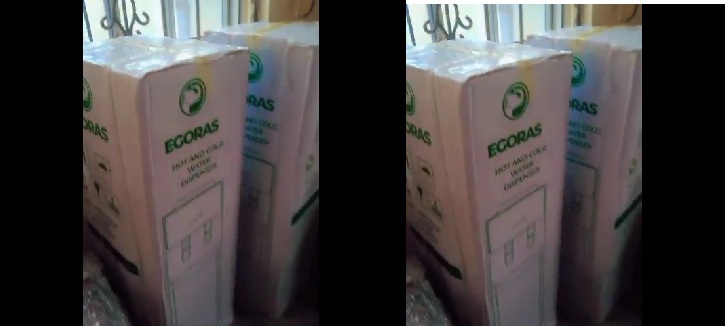
It was one of those moments that remind you why we do what we do. In a new office, for a new company we’re launching in Nigeria, every hum of the generator, every cool breath from the AC, and every drop from the dispenser will be coming from Egoras, a proudly Nigerian brand.

(We always find favour before Nigerian customers, and we continue to grow enterprises. It is a GREAT PLACE to invest in. Yes, there are always small issues like wasting money on generators, but Nigeria is a haven of opportunities.)

This was not just about powering a space—it was about validating a vision. Egoras, a company Tekedia Capital seeded as an investor, represents the future we imagined: young people building, manufacturing, and creating value in Africa.

As I watched the installation team—engineers, distributors, accountants, and factory hands—work seamlessly, I saw jobs, I saw innovation, and I saw dignity in labor. Each component of that ecosystem stood as a testimony that capital, when rightly deployed, can transform communities. It was not imported success; it was homegrown brilliance.

This is why Tekedia Capital takes risks in emerging founders. While many talk about Africa’s potential, we invest in it. Some ventures will stumble, but many—like Egoras—will rise, thrive, and validate our thesis: that young people, given opportunity and support, can build the new economic architecture of Africa.

At Tekedia Capital, we are not just investing in startups; we are investing in a new Africa. And yes, people, we are winning.


OpenAI, Anthropic Weigh Using Investor Funds to Cover Billions in AI Copyright Lawsuits — FT

0

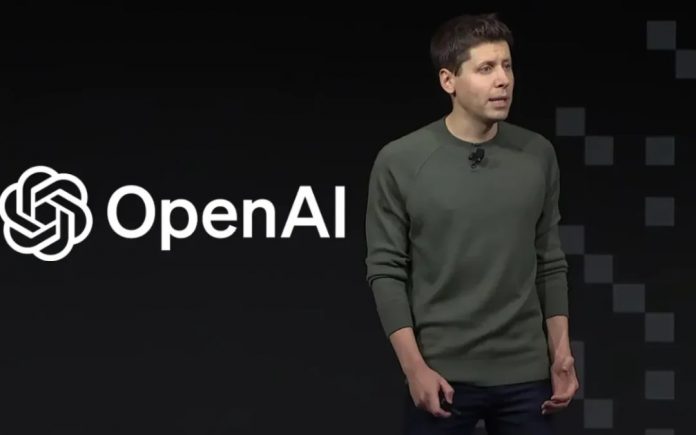
OpenAI and Anthropic, two of the world’s most prominent artificial intelligence developers, are reportedly exploring plans to use investor funds to help cover potential multibillion-dollar legal settlements tied to ongoing copyright infringement cases.

According to a report by the Financial Times on Wednesday, the companies have held internal discussions about deploying part of their venture capital and corporate funding to offset legal liabilities if courts rule that their AI models unlawfully used copyrighted materials. The report underscores growing financial and legal pressure on the AI sector as a wave of lawsuits from authors, media organizations, and entertainment companies challenge how generative AI systems were trained.

Copyright owners have filed a series of high-stakes lawsuits against technology giants, including OpenAI, Microsoft, and Meta Platforms, accusing them of scraping and reproducing protected works to train AI systems without authorization. The suits, many of them class actions filed in U.S. federal courts, allege that large language models like OpenAI’s GPT and Anthropic’s Claude have effectively copied vast quantities of text, books, and visual media from the internet without compensation.

The financial exposure from such cases could be enormous. Industry lawyers estimate potential liabilities across the AI sector could exceed tens of billions of dollars, depending on how courts interpret “fair use” exemptions and whether AI outputs are deemed derivative works.

OpenAI’s Insurance Limits and Risk Strategy

The Financial Times said OpenAI has sought to protect itself by purchasing insurance coverage for emerging AI-related risks, reportedly through Aon, a major global insurance broker. Sources familiar with the policy told the paper that OpenAI secured coverage worth up to $300 million, though another insider disputed that figure, suggesting the true amount is “significantly lower.”

Regardless of the exact figure, both sources agreed that the coverage falls far short of the potential financial exposure the company faces from ongoing and future lawsuits.

Kevin Kalinich, Aon’s global head of cyber risk, told the FT that the broader insurance market is not yet equipped to handle the scale of liabilities facing AI model developers.

“There’s not enough capacity for [AI model] providers,” he said, citing the novelty and unpredictability of AI-related claims.

Given those constraints, OpenAI is reportedly considering a form of “self-insurance” — setting aside a portion of its investor capital in a ring-fenced “captive” vehicle to manage risk internally. Captives are a common mechanism used by large corporations to insure against unique or hard-to-price risks, such as cyberattacks, environmental liability, or product failure.

The report noted that OpenAI’s investor pool includes heavyweights such as Microsoft, Thrive Capital, and Andreessen Horowitz. Any move to use investor funds for insurance or settlements would likely require their approval, given the scale of the potential financial commitments.

Anthropic’s Legal Exposure and Recent Settlement

Anthropic, another leading AI developer backed by Amazon and Google, faces similar legal battles and has reportedly begun using its own capital reserves to handle potential liabilities. The Financial Times cited a person familiar with the company’s finances who said Anthropic is partly funding a recent $1.5 billion preliminary settlement of a copyright class action brought by a group of authors in California.

The settlement, preliminarily approved by a federal judge last month, marks one of the largest copyright-related deals in AI’s short history and could set a precedent for how future claims against AI firms are resolved.

A Legal and Financial Reckoning for AI

The mounting legal challenges highlight an unresolved issue at the heart of the AI revolution — whether developers can legally use publicly available data, including copyrighted material, to train models that now power billion-dollar businesses.

AI developers have argued that their training practices fall under the U.S. legal doctrine of “fair use,” which allows limited reproduction of copyrighted works for purposes such as research and innovation. But publishers, authors, and artists say the models have created a new kind of industrial-scale copying that deprives them of compensation while generating enormous profits for tech companies.

The lawsuits also expose the gap between AI companies’ insurance protections and their real-world financial exposure. Traditional insurers have struggled to model AI-related risks due to the lack of historical precedent and the fast pace of technological change.

If OpenAI and Anthropic proceed with self-insurance strategies, it would represent a significant shift in how AI companies allocate investor capital — diverting funds meant for product development into legal defense reserves. Analysts warn that such moves could slow innovation and signal the growing financial strain the AI industry faces as it collides with copyright law.

For investors, the question now is whether AI companies can remain attractive amid rising legal uncertainty. The lawsuits are believed to be a fundamental challenge to the AI business model, and if courts decide that these models rely on unlawful data use, the entire industry will have to rethink how AI is built and trained.

Investing in Crypto Goes Full Throttle with BlockDAG’s BWT Alpine Formula 1® Team Deal, Beating Cosmos and Pudgy Penguins

0

Cosmos (ATOM) is holding steady near $4.50 while continuing upgrades to strengthen its SDK and boost chain security. Pudgy Penguins are growing their NFT influence with toy licensing and global brand expansion.

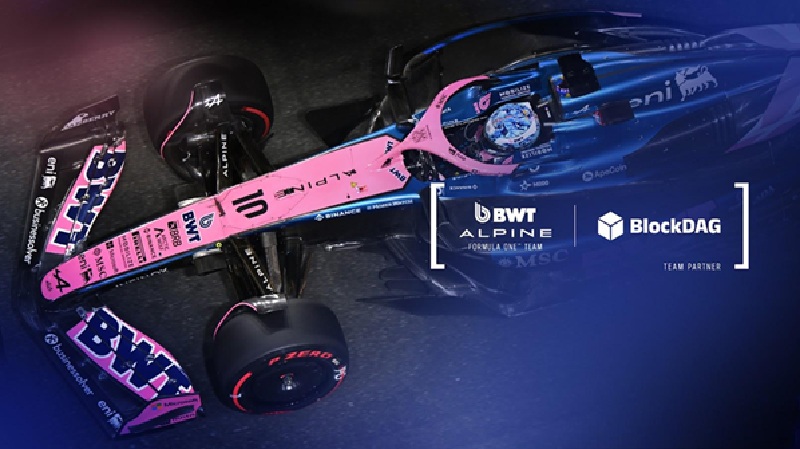
Yet, nothing compares to BlockDAG’s speed of progress and exposure. With its sponsorship of the BWT Alpine Formula 1® Team, BlockDAG (BDAG) is linking blockchain with world-class sports visibility. In the race for adoption and fame, it’s not just about tech anymore; it’s about merging presence with performance. And that’s what makes BlockDAG one of the most talked-about names for those investing in crypto right now.

Cosmos (ATOM) Price Outlook Depends on Strong Interoperability

Cosmos continues to focus on connecting blockchains through its hub-and-zone framework. The network’s design allows different chains to communicate securely while maintaining independence. Trading near $4.50, Cosmos remains stable despite ongoing market swings.

Recent developer updates show progress in consensus upgrades, new security modules, and expanded Inter-Blockchain Communication (IBC) use. These steady improvements strengthen Cosmos’ role in creating cross-chain solutions. Analysts believe a breakout could happen if Layer-1 growth slows and focus shifts to interoperability. Still, the price path largely depends on how effectively the ecosystem generates practical uses and attracts active builders.

However, Cosmos struggles with broader attention. While its technology is advanced, it stays largely confined within the crypto tech circle. Without mainstream visibility or cultural reach, it risks staying underappreciated. Cosmos’ potential is clear, but its audience remains mostly technical, leaving space for projects with stronger branding momentum to grow faster.

Pudgy Penguins Price Growth Linked to NFT Brand Expansion

Pudgy Penguins have turned into a cultural force. What started as a playful NFT series on Ethereum has evolved into a global brand seen both online and offline. With merchandise now appearing in major retailers and toy deals driving buzz, Pudgy Penguins have proven that NFTs can succeed as commercial brands.

Trading activity has picked up again as new collectors enter the scene. Analysts predict that the floor price could increase further if Ethereum regains market strength. The project’s visibility and licensing success show strong potential, though market sentiment still plays a big role.

Unlike protocol-focused projects such as Cosmos, Pudgy Penguins appeal through culture and engagement. Their value comes from emotional connection and creativity, not network utility. Still, they remain one of the most successful NFT collections, setting a standard for how Web3 creativity can move into the mainstream.

BlockDAG Converts F1® Fame into Massive Growth Momentum

When it comes to combining real-world visibility with blockchain, BlockDAG has taken the lead. While Cosmos builds cross-chain tools and Pudgy Penguins work on merchandise, BlockDAG blends both technology and branding into one power move. Its sponsorship of the BWT Alpine Formula 1® Team puts its name in front of millions of fans every race weekend.

From race car logos to on-site simulators at Grand Prix events, BlockDAG has become part of global sports entertainment. This exposure isn’t just marketing; it’s mainstream recognition that many crypto projects can only dream of. It brings authority, scale, and user awareness to the project, making it a headline choice for those actively investing in crypto.

The growth numbers tell the story. The presale has now raised over $420 million, with nearly 27 billion coins sold. The special price in batch 31 is $0.0012, while the regular batch 31 price is $0.0304, but the offer lasts only a few more days. BlockDAG has also sold 20K+ miners, gathered 312K+ holders, and attracted 3M+ X1 users; all signs of record-breaking adoption.

This expansion shows that BlockDAG’s growth isn’t hype-driven. It’s fueled by strategy and structure. Alongside its Alpine partnership, the project focuses on scalable architecture, new developer tools, and wide public engagement. Unlike Cosmos, which stays inside the tech zone, or Pudgy Penguins, which depend on community trends, BlockDAG delivers both credibility and culture. Its Formula 1® collaboration turns blockchain presence into global momentum.

Summing Up

Each project adds something unique to crypto’s evolution. Cosmos strengthens the backbone of blockchain connectivity. Pudgy Penguins expand creativity through NFT storytelling. But BlockDAG stands in a different league by merging global exposure with scalable performance.

Its Formula 1® alliance, rapid presale progress, and growing user base make it a standout option for anyone exploring investing in crypto today. While Cosmos depends on interoperability growth and Pudgy Penguins thrive on community spirit, BlockDAG merges tech, sports, and culture, fueling recognition beyond the crypto world. Among 2025’s fastest-growing cryptos, BlockDAG proves that visibility and usability together can drive unstoppable success.


Presale: https://purchase.blockdag.network

Website: https://blockdag.network

Telegram: https://t.me/blockDAGnetworkOfficial

Discord: https://discord.gg/Q7BxghMVyu