DD
MM
YYYY

PAGES

DD
MM
YYYY

spot_img

PAGES

Home Blog Page 3843

Economist Urges Taiwan to Diversify Economy As China Inches Closer to Semiconductor Sufficiency

0

In light of the potential risk posed by China’s developing capacity in semiconductor production, Taiwan is being advised to consider diversifying its economy away from its heavy reliance on the semiconductor industry.

Paul Cavey, an economist at East Asia Econ, highlighted the need for political discussions to encourage the growth of other industries during an interview on CNBC’s “Squawk Box Asia.”

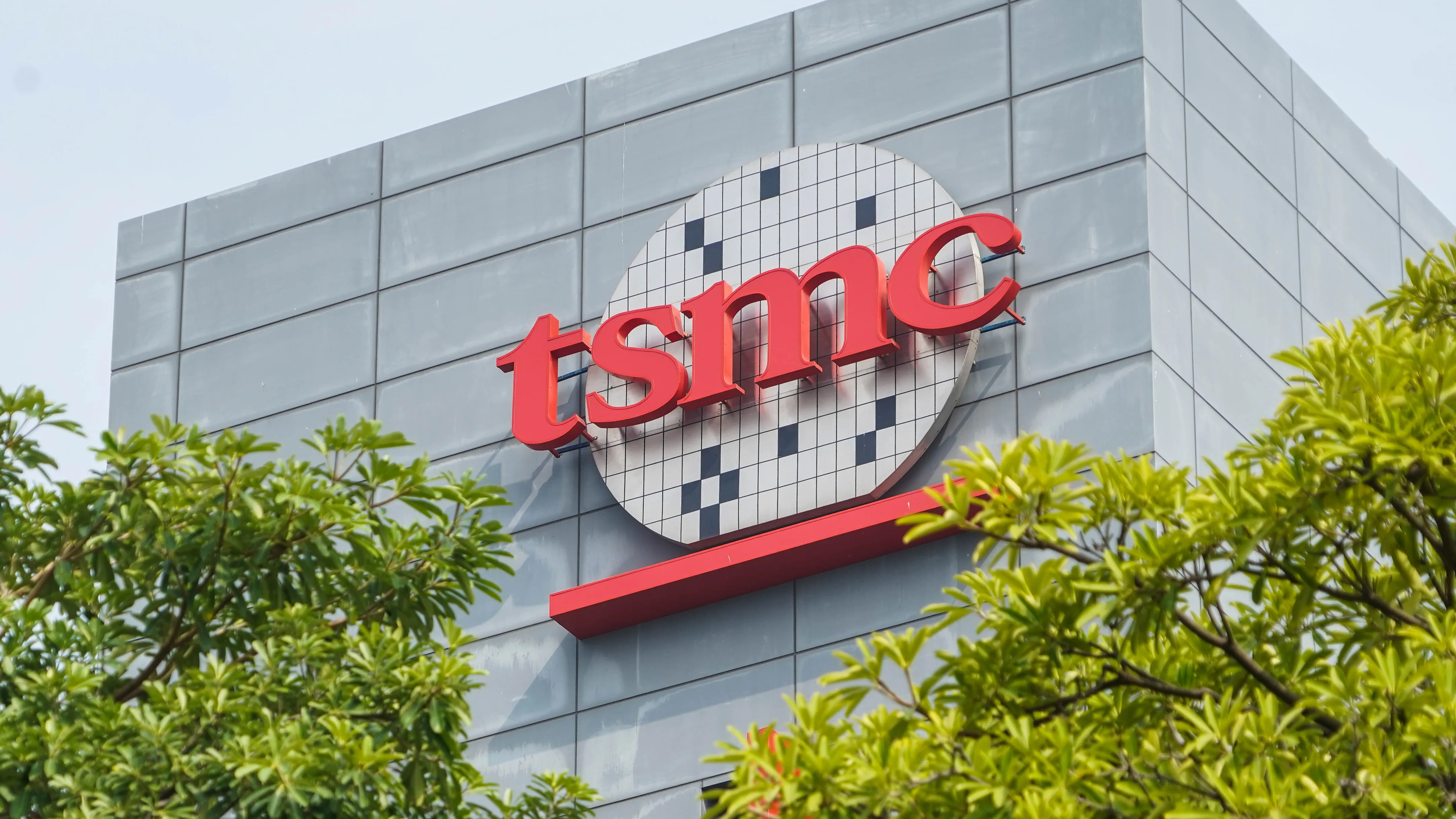
Recent data from TrendForce reveals that as of 2023, Taiwan commands a significant 46% share of the global semiconductor foundry capacity, leading the pack ahead of China (26%), South Korea (12%), the U.S. (6%), and Japan (2%). This dominance is largely attributed to Taiwan Semiconductor Manufacturing Co (TSMC), the world’s largest contract chip manufacturer boasting major clients such as tech giants Apple and Nvidia.

Cavey voiced his concerns to CNBC about Taiwan’s overreliance on semiconductor exports, cautioning, “40% of [Taiwan’s] exports are now semiconductors. A lot of those are still going to China. And so if you have a situation where China does develop the capacity to make semiconductors itself, the impact on Taiwan’s economy is going to be very large.”

In 2023, Taiwan exported electronic integrated circuits, or chips, worth over $47 billion to China, according to preliminary trade data. TSMC, a linchpin in Taiwan’s semiconductor industry, revealed that China accounted for 12% of its net revenue in the third quarter of 2023, marking a notable increase from 8% in the corresponding period a year ago.

Cavey noted during the interview that Taiwan’s semiconductor prowess is both a strength and a potential vulnerability, emphasizing the imperative to diversify the economy to mitigate risks associated with industry concentration.

“Achilles heel is something which is the strength of Taiwan,” said Cavey.

Western nations’ efforts to restrain China’s chip technology through export restrictions have compelled China to prioritize domestic firms for chip self-sufficiency, leading to a remarkable 39% surge in revenue for China’s top 10 chip equipment makers in the first half of 2023 compared to the previous year.

The intensifying U.S.-China chip conflict, seen as a geopolitical struggle for technological dominance, poses a substantial threat to the global semiconductor industry, with Paul You, chairman of First Securities Investment Corporation, warning of potential escalation. He predicts that the rising tensions will likely impede the growth of the global semiconductor industry, adding a layer of complexity to Taiwan’s economic outlook.

“I do believe the escalation between U.S. and China, especially like the chip war, will become higher and higher and that will dampen the growth for the global semiconductor [industry],” he said.

Amidst these challenges, Taiwanese firms are taking proactive measures to diversify their production away from China. Tech giant Foxconn, also known as Hon Hai, is at the forefront of this trend, reflecting a broader strategic shift to reduce dependencies on a single market.

The persistence of geopolitical uncertainties sets Taiwan up to the complex task of navigating potential economic impacts while actively exploring avenues for diversification to secure long-term resilience and economic stability.
China’s Betavolt Announces Revolutionary Nuclear Battery with 50-Year Lifespan

0

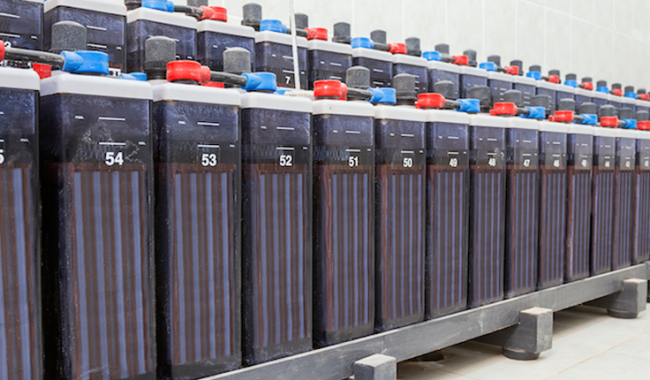
Beijing-based startup Betavolt has revealed a revolutionary nuclear battery that claims to generate electricity for an astonishing 50 years without the need for charging or maintenance.

Termed the “Betavolt atomic energy battery,” the company asserts that it is the first in the world to achieve the miniaturization of atomic energy, housing 63 nuclear isotopes within a module smaller than a coin.

The next-generation battery has already entered the pilot testing stage and is poised for mass production targeting various commercial applications, including phones and drones. Betavolt envisions its nuclear batteries catering to a wide array of industries, from aerospace and AI equipment to medical devices, microprocessors, advanced sensors, small drones, and micro-robots.

“This new energy innovation will help China gain a leading edge in the new round of the AI technological revolution,” stated Betavolt in a press release.

“This new energy innovation will help China gain a leading edge in the new round of the AI technological revolution.”

The technology behind the battery involves converting the energy released by decaying isotopes into electricity—a process initially explored in the 20th century. While the Soviet Union and the United States made strides in developing this technology for spacecraft, underwater systems, and remote scientific stations, the resulting thermonuclear batteries were both expensive and bulky.

Under China’s 14th Five-Year Plan, aimed at strengthening the country’s economy between 2021 and 2025, the quest to miniaturize and commercialize nuclear batteries gained momentum. Notably, research institutions in the US and Europe are also actively working on similar developments.

The Betavolt atomic energy battery boasts impressive specifications, delivering 100 microwatts of power and a voltage of 3V, all packed into a module measuring 15x15x5 cubic millimeters. Betavolt has ambitious plans to produce a battery with 1 watt of power by 2025, marking a significant advancement in the technology.

One remarkable feature of these batteries is their small size, which opens up possibilities for series usage to generate more power. Betavolt envisions a future where mobile phones never need charging, and drones can sustain continuous flight.

The layered design of the battery not only prevents it from catching fire or exploding in response to sudden force but also enables it to operate in extreme temperatures ranging from -60°C to 120°C.

“The atomic energy battery developed by Betavolt is absolutely safe, has no external radiation, and is suitable for use in medical devices such as pacemakers, artificial hearts, and cochleas in the human body,” the company said.

Additionally, Betavolt noted the environmental friendliness of their technology, explaining that after the decay period, the 63 isotopes transform into a stable, non-radioactive isotope of copper, posing no threat or pollution to the environment.

The unveiling of Betavolt’s nuclear battery marks a significant leap forward in energy innovation, promising to reshape various industries and pave the way for a new era of sustainable and long-lasting power solutions.

Dangote Refinery Commences Production, Marking a Turning Point for Nigeria’s Oil Industry

0

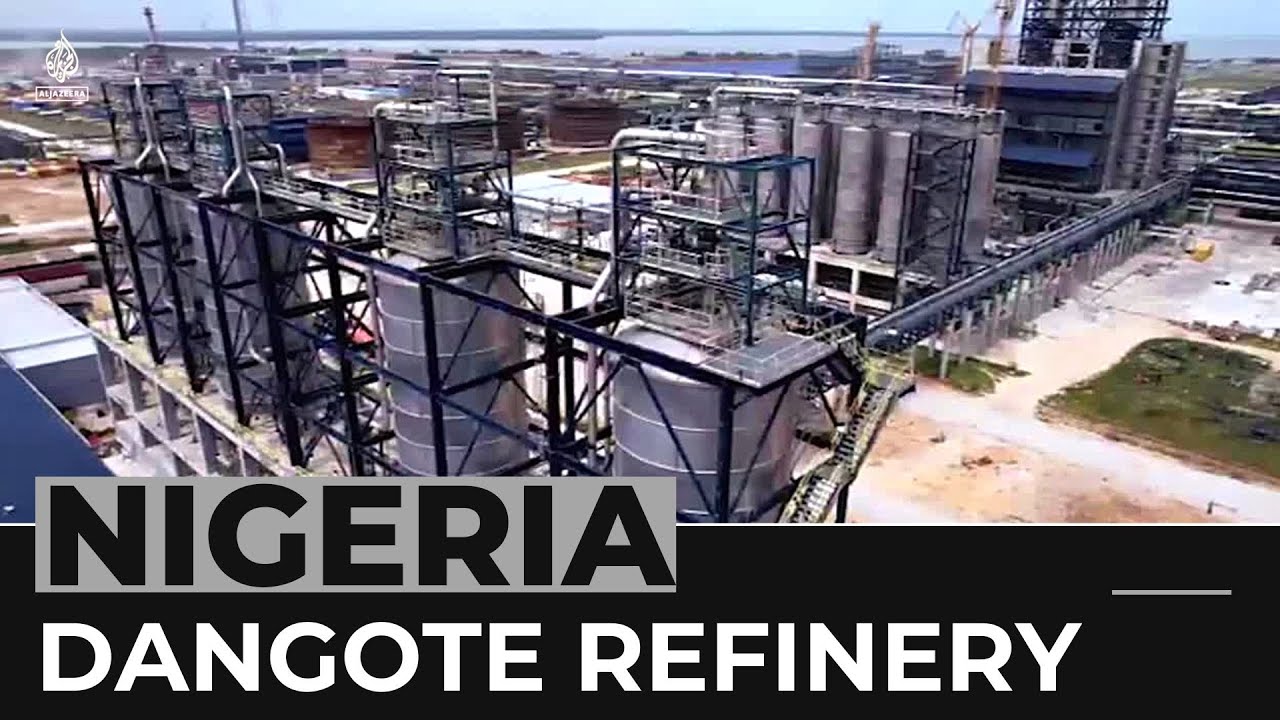
In a groundbreaking development for Nigeria’s oil sector, the Dangote Refinery, the largest single-train refinery globally, has officially commenced production in Lagos, Nigeria’s commercial hub.

The refinery initiated operations in the early hours of Friday after the successful delivery of a six-million-barrel crude supply earlier in the week. This marks a significant milestone for the country’s oil industry, as the refinery gears up to address Nigeria’s historical reliance on imported fuel and diesel.

“Dangote Petroleum Refinery has commenced production of diesel and aviation fuel,” the conglomerate announced Friday.

“We thank President Bola Tinubu for his support and for making our dream come true. This production, as witnessed today, would not have been possible without his visionary leadership and prompt attention to details.

“This is a big day for Nigeria. We are delighted to have reached this significant milestone. This is an important achievement for our country as it demonstrates our ability to develop and deliver large capital projects. This is a game changer for our country.”

The company said the “Refinery can load 2,900 trucks a day at its truck-loading gantries” and “the products from the Refinery will conform to Euro V specifications.”

“The refinery design complies with the World Bank, US EPA, European emission norms, and DPR emission/effluent norms,” it said.

The journey to this point has been fraught with delays, raising concerns among Nigerians who have long anticipated the refinery’s completion as a solution to the soaring costs of petroleum products exacerbated by the removal of the petrol subsidy.

Nigeria, despite being one of Africa’s largest oil producers, has faced challenges due to limited refining capacity, forcing the country to depend heavily on fuel imports and subsidies. This dependence has placed a significant strain on foreign exchange reserves, especially during periods of declining oil revenues and foreign currency shortages.

The Dangote Refinery, located on a sprawling 2,635-hectare site at the Lekki Free Zone on the outskirts of Lagos city, represents a colossal investment estimated at $19 billion. The facility, officially inaugurated by former President Muhammadu Buhari in 2023, has been a key component of President Bola Tinubu’s economic reforms since taking office in May. Tinubu’s administration has taken bold steps, including ending the long-standing fuel subsidy and floating the naira currency, with the aim of attracting foreign investment and fostering long-term economic growth.

Despite the official launch, operational delays persisted due to a lack of domestic crude feedstock. To address this issue, the Nigerian National Petroleum Company (NNPC), the state-owned entity, recently entered into an agreement to supply six million barrels of crude oil to the Dangote refinery in December, kickstarting its operations. The NNPC holds a 20% stake in the refinery, employing a payment mechanism that includes both cash and crude oil supply.

The Dangote Refinery, originally slated to open in 2021, is designed to process multiple crudes concurrently, focusing on three Nigerian crude grades: Escravos, Bonny Light, and Forcados. At full operational capacity, the facility is expected to produce an impressive daily output, including 327,000 barrels per day (b/d) of gasoline, 244,000 b/d of gasoil/diesel, 56,000 b/d of jet fuel/kerosene, and 290,000 metric tons per year of propane/LPG.

While Dangote officials anticipate an initial output of 370,000 b/d, industry analysts cautiously predict that the refinery will reach its full operational capacity around mid-2025, acknowledging potential delays.

The commencement of production at the Dangote Refinery brings renewed optimism for Nigeria’s economy. Port Harcourt refinery is expected to commence operation by the first quarter of next year, according to the NNPCL. These, are expected to boost the country’s potential to alleviate the burden of fuel imports and subsidies, ultimately fostering sustainable economic growth.

Tekedia Scholarship for Religious Leaders

0

Tekedia Institute received $7,000 from David Onaolapo Family primarily to “ support priests and imams who want to attend Tekedia Institute to deepen their capacities to run their religious organizations more efficiently.“ Yes, churches and mosques need business management and leadership capabilities.

Connect with our team if you meet the requirements. I personally want to welcome priests from the Catholic Diocese of Okigwe because of projects which many Fathers have started as a result of deeper business insights they acquired from Tekedia Institute. Thank you Rev Fr. Dr. Chidiebere Obiodu of Catholic Diocese of Okigwe. I also thank  Rev Fr. Patrick Oluwafemi of St. Patrick USA for his leadership, making it clear that project management skills are for all; he developed a module in our program.

Blessed is that school which co-learns with men and women of God because more knowledge will come. The Feb 5 2024 Tekedia Mini-MBA edition’s curriculum is here and contacts are provided therein.

Thank you David and all our donors for your support. We offer more scholarships than any university in Nigeria. We never solicit for donations but people send money to our bank accounts. We thank you all for that confidence and support, as we continue to serve our communities.

Unyime Obot Donates To Tekedia Institute General Scholarship Fund

0

Good People, join me to thank Unyime Obot for another generous donation to Tekedia Institute. Through his generosity, more young people will attend our world-class business education. More people attend Tekedia Institute than any business program in Africa, and we offer more scholarships than any university in Africa.

As we do in the Institute, we allocate a certain number for secondary and primary school teachers in rural areas in Africa.

So, if you teach in any rural area in Africa, get an attestation letter from your principal, and we will enroll you through the Unyime Obot scholarship fund. We thank Mr Obot for making it possible to build more mines of knowledge in Africa.

Contact our non-profit selection partner, Ideas Worth Billions, if interested. They will process, select and email 10 scholars to Tekedia for enrollment. The next Tekedia Mini-MBA will begin on Feb 5, 2024 and it will be a great festival of knowledge. Learn more about the curriculum here.