DD
MM
YYYY

PAGES

DD
MM
YYYY

spot_img

PAGES

Home Blog Page 3844

Google Advertising Unit Permits Promotion of NFT Games

0

Google has recently announced that it will allow the advertising of non-fungible token (NFT) games on its platform, as long as they do not involve gambling or other illegal activities. This is a significant development for the NFT gaming industry, which has been growing rapidly in popularity and innovation.

NFTs are unique digital assets that can be verified and traded on a blockchain, such as Ethereum. They can represent anything from art and music to virtual items and characters in online games. NFT games are a type of blockchain-based game that use NFTs as in-game assets, such as weapons, skins, pets, or land. Some examples of popular NFT games are Axie Infinity, CryptoKitties, and Decentraland. Unlike traditional gaming assets, NFTs are not interchangeable, meaning that each one has its own value and identity. NFTs are also stored on a blockchain, a decentralized ledger that records transactions and ensures security and transparency.

Nft gaming has many benefits for both gamers and developers. For gamers, NFTs offer a way to own and trade their gaming assets across different platforms and games, as well as to prove their ownership and authenticity. NFTs can also create new gaming experiences, such as metaverses, where gamers can explore, socialize, and create in virtual worlds.

For developers, NFTs can provide a new source of revenue, as they can sell their gaming assets directly to gamers or through marketplaces, without intermediaries or fees. NFTs can also enable developers to create more engaging and immersive games, as they can leverage the blockchain technology to create dynamic and interactive gaming environments.

Nft gaming is still a nascent industry, but it has already attracted a lot of attention and investment. According to a report by DappRadar, the total volume of NFT gaming transactions reached $2.3 billion in the first half of 2021, a 111% increase from the previous year. Some of the most popular NFT gaming projects include Axie Infinity, a game where players breed and battle fantasy creatures; CryptoKitties, a game where players collect and breed digital cats; Decentraland, a virtual world where players can buy and build on parcels of land; and NBA Top Shot, a platform where fans can buy and sell video highlights of NBA games.

Google’s decision to permit the promotion of NFT games is a reversal of its previous policy, which banned all ads related to cryptocurrencies and blockchain technology in 2018. The ban was intended to protect consumers from scams and frauds involving digital currencies and tokens. However, Google has since relaxed its stance and allowed some exceptions, such as ads for cryptocurrency exchanges and wallets that are registered with relevant authorities.

According to Google’s updated policy, NFT game developers and publishers can apply for certification to run ads on Google’s network, which includes YouTube, Gmail, and Google Search. The certification process requires the applicants to comply with Google’s advertising policies, as well as the legal requirements of the countries where they operate. One of the key criteria is that the NFT games must not facilitate or promote gambling or other illegal activities, such as money laundering, terrorism financing, or human trafficking.

Google’s move is seen as a positive sign for the NFT gaming industry, which has been facing regulatory challenges and uncertainties in some jurisdictions. For instance, in the UK, the Gambling Commission has warned that some NFT games may fall under the definition of gambling and require a license to operate legally. Similarly, in China, the authorities have cracked down on cryptocurrency-related activities and banned the trading of NFTs on e-commerce platforms.

Nft gaming is not without challenges, however. Some of the main issues facing the industry include scalability, interoperability, accessibility, and regulation. Scalability refers to the ability of the blockchain network to handle the increasing number of transactions and users without compromising speed or performance.

Interoperability refers to the ability of different platforms and games to communicate and exchange data with each other. Accessibility refers to the ease of use and adoption of NFT gaming by mainstream gamers and audiences. Regulation refers to the legal and ethical implications of NFT gaming, such as taxation, intellectual property rights, consumer protection, and environmental impact.

Nft gaming is a new frontier for the gaming industry that has the potential to revolutionize the way we play, create, and monetize games. As the technology matures and the market grows, we can expect to see more innovation and diversity in NFT gaming projects and applications. Nft gaming is not just a trend or a fad; it is a paradigm shift that will shape the future of gaming.

By allowing the advertising of NFT games, Google is acknowledging the legitimacy and potential of this emerging sector, which is expected to grow further in the coming years. According to a report by NonFungible.com and L’Atelier BNP Paribas, the NFT gaming market generated over $1 billion in revenue in the first half of 2021, up from $71 million in 2020. The report also predicts that NFT gaming will become a mainstream form of entertainment and social interaction in the future, attracting more than 500 million players by 2025.
Threads Expands “Search” Feature to The US And Other Countries, as Part of Efforts to Increase Engagement

0

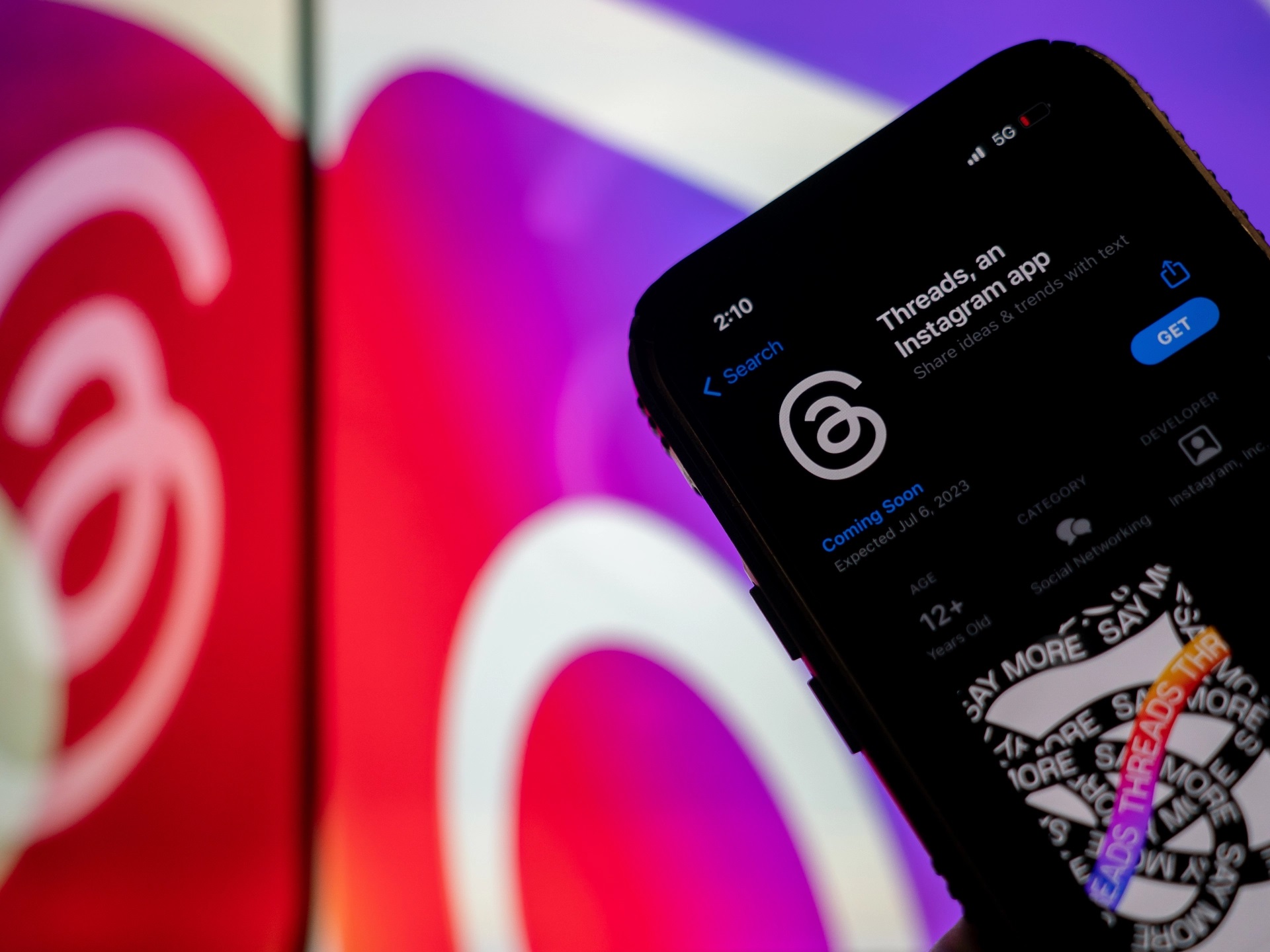
Threads, an online social media and social networking service launched by Meta, has begun the expansion of the “search” feature to the US, United Kingdom, Mexico, Argentina, and India, as part of efforts to increase engagements.

The company’s CEO Mark Zuckerberg announced this on the Threads platform where he wrote, “Rolling out to most English and Spanish speaking countries today. More to come soon”.

The rollout of the search feature to other countries is coming after Threads initially began testing the feature in Australia and New Zealand in August.

It is however worth noting that while Threads had incorporated a search tab since its launch, the initial iteration only allowed users to search for other users.

However, this limited search did not meet the extensive demands of users looking to search for keywords or specific topics, a capability that is standard on platforms like Twitter and several other apps.

In a bid to enhance user engagement, Threads now allows users to search for posts and specific keywords and topics discussed on the platform.

This expansion of the search feature is part of Threads’ efforts to make the app more engaging for users. At launch, Threads had an impressive start, quickly reaching 100 million users, thanks to the clever way it leveraged Instagram’s social graph to onboard new users.

However, the platform’s hype seems to have fizzled away, after it recorded a significant decline of user sign-ups and engagements.

On its launch day, Threads users opened the app an average of 14 times and spent around 19 minutes scrolling through it. However, by August 1, these figures had sharply declined. The daily average time spent on Threads fell to a meager 2.9 minutes, and users only engaged in 2.6 sessions per day

In August, Mobile intelligence firm Sensor Tower reported that Threads’ daily active users had dropped 82% since its launch, and there were now just 8 million users accessing the app daily.

To address the decline in user engagement, Threads rolled out more features like search, as well as the web version. Meanwhile, this had only little impact in attracting more users to the platform. Data from digital intelligence firm, Similarweb, disclosed that traffic bump from the Web app launch was only 3% on a global basis.

Threads continues to face a significant challenge in retaining users and maintaining engagement, analysts suggest that Meta must adopt a strategic approach to address these issues.

The company’s CEO Mark Zuckerberg, had already hinted that the platform has been pushing for new features to improve retention rates. Last month, he told employees that he considered the drop in active users to be “normal,” adding that things would likely improve as the app added more features.

The China and US Restriction-fights Will Destroy Wealth, As Apple Loses $200B

0

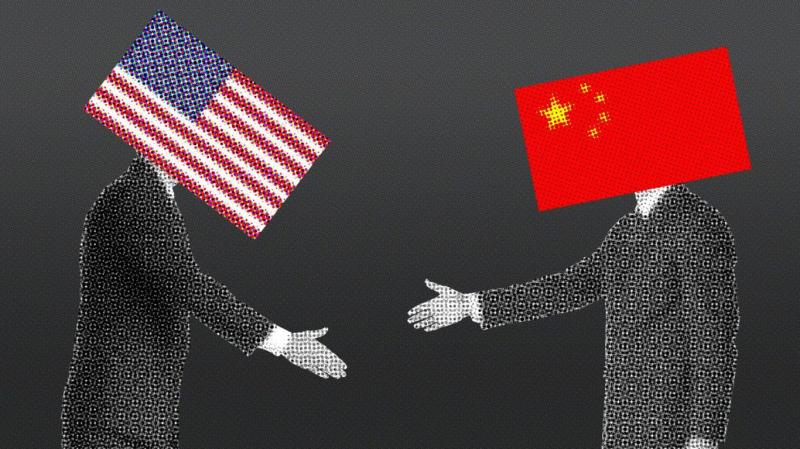
When two elephants fight, the grass suffers. Yes, the competitive battles between the nations of the United States and People’s Republic of China, over years, will wipe wealth across nations and citizens, even before the expected confrontation in Taiwan begins.

This week, Apple is off by $200 billion: “Apple’s stock experienced a sharp decline for the second consecutive day on Thursday, triggered by reports of significant restrictions on iPhones within Chinese government offices and state-affiliated organizations. The shares of the world’s largest publicly traded company saw a 2.8 percent drop, trading at $177.79 in late morning hours. Bloomberg’s coverage indicated that Apple incurred a staggering $200 billion loss over just two days.”

These restriction-fights are purely juvenile at the top level, but when you see what is happening in the Russia-Ukraine war, you will agree that during wars, anything could happen, and that whatever these restrictions are expected to do could be vital.  In other words, TitTok could be a source of data for China, just as the IPhone could help the US.

That explains why these countries do not want their public sector and government workers to touch these systems. Expect the list to keep expanding. Yet, we hope China and the US do not engage in a real battle because it will take the world backward by a century.

News that China is expanding a ban that keeps its government workers from using iPhones has hit Apple’s stock price by nearly 7% over the past two days, costing the company about $194 billion in market value, per The Wall Street Journal. Investors are concerned about the ban’s broader implications for tech firms in China, especially since Apple has been one of the industry’s “most successful operators” in China’s massive economy. Its market share has grown despite tensions over trade, which include U.S. efforts to restrict China’s access to new technology.

Also weighing on investors: a report that Apple rival Huawei’s new Mate 60 Pro smartphone is powered by an advanced chipthat was made in China. (LinkedIn News)

Apple Loses $200bn As China Restricts Officials from Using iPhones

0
An Apple logo is seen at the entrance of an Apple Store in downtown Brussels, Belgium March 10, 2016. REUTERS/Yves Herman/File Photo

Apple’s stock experienced a sharp decline for the second consecutive day on Thursday, triggered by reports of significant restrictions on iPhones within Chinese government offices and state-affiliated organizations.

The shares of the world’s largest publicly traded company saw a 2.8 percent drop, trading at $177.79 in late morning hours. Bloomberg’s coverage indicated that Apple incurred a staggering $200 billion loss over just two days.

This downward trend began on Wednesday when shares fell by 3.6 percent, following a Wall Street Journal report revealing that China had prohibited the use of Apple smartphones within central government agencies.

On Thursday, Bloomberg News reported that China intended to extend this ban to encompass government-affiliated entities and state-run corporations. This move expanded the reach of the policy within China’s centrally-planned economy, exacerbating the impact on Apple’s stock.

The move comes amid intensifying technology tensions between Beijing and Washington.

On Wednesday, several analysts commented on the reported action, suggesting that Beijing’s decision demonstrated its unwillingness to exempt any American company from its efforts to lessen reliance on American technology.

“Even Apple is not immune … in China where it employs hundreds of thousands, if not more than a million workers, to assemble its products through its relationship with Foxconn,” DA Davidson analyst Tom Forte said.

This “should inspire companies to diversify both their supply chain and customer concentrations to be less dependent on China in the event the tensions get worse”.

The Bloomberg story said a release last week of a Huawei smartphone employing a made-in-China processor was hailed in Chinese state media as a “triumph” in the wake of US sanctions.

In the most recent quarter, Apple disclosed revenues of $15.8 billion generated from China, constituting nearly 20 percent of its total revenues. Executives highlighted the increase in sales in China during a period when overall sales were declining.

The imposition of this ban has the potential to raise concerns among foreign companies conducting business in China, especially as tensions between China and the United States continue to escalate.

This development also coincides with an upcoming Apple event scheduled for next week, which analysts anticipate will involve the launch of a new line of iPhones.

Analyst Patrick O’Hare from Briefing.com noted that the Apple situation carries implications for other tech companies.

“The worry for the market is that, if China purposely chooses to make business difficult for a company like Apple, which has a good and important working relationship in China, then it can do so for a lot of other US companies doing business in China,” O’Hare said.

According to Wedbush Securities analyst Dan Ives, a potential Chinese government ban is expected to impact fewer than 500,000 iPhones out of an estimated 45 million projected to be sold in the country over the next year.

“We believe despite the loud noise Apple has seen massive share gains in China smartphone market,” Ives said, adding that rising sales give Apple “incremental momentum on this front.”

For more than a decade, China has been actively working to decrease its dependence on foreign technologies. This effort has included encouraging state-affiliated entities, such as banks, to transition to domestic software solutions and promoting the development of domestic semiconductor chip manufacturing.

Analysts have pointed out that Huawei’s recent release of a 5G smartphone, which incorporates an advanced silicon chip with a level of miniaturization that was previously considered beyond its capabilities due to export restrictions led by the United States, represents a significant leap toward China’s goal of technological self-reliance.

While Shiba Inu’s Shibarium Launch Takes Centre Stage, 100x Coins Come To Light: Invest In SHIB, PEPE & ETOR

0

If you’re a meme coin lover always looking for the next big thing, we have some great news – Shiba Inu’s Shibarium debut is a one way ticket to glory for these humorous assets and their supporters. Shiba Inu (SHIB) has already experienced incredibly promising bullish signs, and there’s no doubt that the entire meme coin universe will follow in its steps.

Two currencies in particular have captured the investors’ attention, like rocket ships soaring to stellar altitudes. Pepe Coin (PEPE), the frog-themed sensation, has quickly paved its way to the top of the market, leaving everyone speechless. Amidst all this, Elonator (ETOR) unexpectedly fell into the altcoin world, and like a knight in shining armour, it’s here to fix the recurring issues of this industry. Each coin feels like a breath of fresh air, bringing something new to the table. But which one has what it takes to persevere and stand the test of time?

<< Click Here To Learn More About Elonator Presale >>

Shiba Inu’s Shibarium: The Improved SHIB

Altcoin world is not short of meme coins inspired by dogs, making it a challenge for many to break through the mediocrity. But that didn’t stop Shiba Inu from dazzling investors, beating the competition, and with an impressive $5,715,637,430 in its market cap, finding its way into the top 3 meme coin rankings. The initial allure of SHIB comes from a light-hearted approach and a community-centric manifesto, but as you delve deeper into this coin, a whole another world of possibilities appears right in front of you.

As of late, SHIB has been exploiting Shiba Inu’s Shibarium frenzy, soaring by a whopping 20.5% in a matter of just seven days. Currently priced at $0.000009702, this coin is expected to surge even higher, reaching the once unlikely $0.000014 milestone. With an army of Shiba Inu fanatics, who will fight bravely for this asset’s survival, bearish predictions are nowhere to be found. Although created purely as an experimental DeFi community, SHIB is the perfect example of an experiment gone right.

PEPE: Is Green the New Black?

Sticking with the animal theme, here comes PEPE: launched only in April 2023, this frog inspired meme coin has truly proven its devotion to green, in particular – to generating it. Beyond the money, what sets Pepe apart is the drive to collaborate with other assets to invent efficient real-world applications. That united spirit is exactly what the traditional crypto world has been missing.

Hitting its all time high of $0.00000439 in May, Pepe price has surged by 1455.08% in less than a month, positioning itself among 100x cryptos. What’s even more impressive is the fact that in a bearish time, PEPE has unchained its potential, rapidly jumping from $0.00000113 to $0.00000122 on August 8. The good news doesn’t end there, as during this remarkable rise, a whale splurged a hefty $1,000,300 on Pepe tokens, proving that the novelty hasn’t worn off, and the unbelievable May victory wasn’t a fluke.

Elonator: Conquering Other 100x Cryptos

We’ve covered the animal-themed part of the mystical meme coin universe, but it’s time to prepare yourself for the entrance of something even more sharp and more powerful. Imagine a mixture of irresistible charisma, extensive knowledge and unbeatable strength. Now you don’t have to daydream about these things anymore, Elonator made them a reality!

As mentioned above, ETOR arrived in the crypto world, promising to solve the issues often encountered. With an innovative anti whale mechanism, a deflationary token structure, and more, the Elonator world seems like a safe haven everyone’s been searching for.

<< Buy Into The Elonator Presale >>

Shiba Inu’s Shibarium has become talk of the town lately, and it highlighted some of the most promising 100x cryptos on the market. While SHIB and Pepe Coin both proved themselves to be reliable coins, Elonator emerged as a rising phenomenon, merging Elon Musk and the Terminator and capitalising on the best of both worlds. Don’t miss out on the presale, as not only you can generate income, but also win lucrative rewards, a brand new Tesla being one of them!

For All Things Elonator, Including Its Presale:

Presale: https://buy.elonator.com/
Website: https://elonator.com

Telegram: https://t.me/ElonatorCoin

Twitter: https://twitter.com/ElonatorCoin