DD
MM
YYYY

PAGES

DD
MM
YYYY

spot_img

PAGES

Home Blog Page 3877

The Power of Innovative Leadership

0

In the realm of leadership, there exists a paradoxical statement that often rings true: “This is very unusual of you.” It’s a phrase that signifies more than mere surprise; it is a testament to a leader’s willingness to chart new territories, to depart from the well-trodden path, and to embrace the uncharted waters of possibility. But let us delve deeper into this seemingly straightforward observation, for it holds within it a profound insight into the dynamics of leadership and the potential for transformative outcomes.

When those around us utter these words, they are, in essence, offering us a mirror into our leadership style. It’s an invitation to peer beyond the surface, to recognize that what they see as unusual is, in fact, an indicator that we are approaching tasks in ways that defy convention. Inherent within this observation is the suggestion that these unconventional approaches hold the promise of uncommon outcomes.

Yet, as leaders, we must transcend the initial flattery that accompanies such observations. We must pause and acknowledge that the unconventionality we exhibit may not stem from a pursuit of innovation, but rather from a failure to effectively communicate and execute our methodologies. This is the juncture where true growth resides – in the awareness that our actions might not be as purposeful as we imagine them to be.

In these moments, humility becomes our most powerful ally. The art of leadership lies not only in recognizing the potential for unconventional success but also in recognizing our own fallibility. It’s a recognition that sometimes the unconventional is not a result of strategic brilliance, but rather an indication that we’ve missed the mark in conveying our intentions and implementing our vision. Accepting this truth is the cornerstone of effective leadership – it’s the ability to learn from both our successes and our missteps.

The gift of leadership is that it is a constant journey of self-discovery. To truly capitalize on the seeds of uncommon outcomes hidden within the folds of our actions, we must undertake the introspective voyage that every great leader must embark upon. We must step back, ask the difficult questions, and assess whether our approaches are yielding the intended results.

This introspection offers us a unique opportunity – the chance to channel our innate capacity for innovative thinking into our methodologies. It’s the chance to infuse the familiar with the spirit of the extraordinary. By revisiting our processes and refining our strategies, we can transform the ordinary into the exceptional. This is where innovative systems thinking finds its canvas – in the white spaces of routine where creativity can flourish.

The words “This is very unusual of you” serve as a potent catalyst for leadership growth. They beckon us to look beyond the surface and delve into the heart of our leadership approach. Through introspection, we can bridge the gap between unconventional appearances and innovative methodologies. The next time you encounter these words, don’t just accept them at face value; embrace them as an invitation to evolve, to amplify the impact of your leadership, and to craft uncommon outcomes from the tapestry of the usual.

Thursday Crypto Trendy Updates

0

Ark Invest, a leading investment firm focused on disruptive innovation, has revealed that Argentina is leading the way in Bitcoin adoption in Latin America. According to the report, Argentina has more than 2.5 million Bitcoin users, which represents about 5.6% of its population. This is higher than El Salvador, which became the first country to adopt Bitcoin as legal tender in September 2021, and has about 2.1 million users, or 3.2% of its population.

The report attributes Argentina’s high Bitcoin adoption to several factors, such as its history of economic instability, currency devaluation, capital controls, and inflation. The report states that “Bitcoin offers Argentines an alternative store of value and medium of exchange that is outside the control of the government and the central bank”. The report also cites the growing number of Bitcoin ATMs, exchanges, and merchants in the country, as well as the support from local celebrities and politicians.

Ark Invest also predicts that Argentina’s Bitcoin adoption will continue to grow in the future, as more people become aware of its benefits and use cases. The report states that “Argentina is poised to become one of the most Bitcoin-friendly countries in the world, as it embraces innovation and financial inclusion”. The report also suggests that Argentina could follow El Salvador’s example and make Bitcoin legal tender, which would further boost its adoption and economic development.

A recent report by PackShieldAlert, a blockchain analytics firm, has revealed that the fifth-largest Bitcoin wallet in the world, with a balance of over $2.46 billion, belongs to the US government. The wallet address, which holds 112,000 bitcoins, was first created in 2013 and has been receiving regular deposits from various sources ever since.

PackShieldAlert claims that the wallet is controlled by the US Treasury Department, which uses it to store seized or forfeited bitcoins from criminal cases. The report also suggests that the US government may be planning to sell some of its bitcoins in the near future, as the wallet has seen several large withdrawals in the past few months.

United Nations UN report has revealed the alarming increase of crypto scams in Southeast Asia, where both individuals and groups are targeted by sophisticated fraudsters. The report highlights the plight of the victims, who not only lose their money, but also face threats and coercion to participate in the scams themselves. The FBI has also issued a warning to US job seekers, who may fall prey to deceptive listings that promise lucrative opportunities in the crypto industry but are actually schemes to steal their personal information and funds.

Bitgamo will allow users to trade cryptocurrencies for fiat currencies without the hassle of KYC verification or account registration. Bitgamo is the first crypto exchange to offer this service, which makes it ideal for anyone who values privacy, security and convenience.

Bitgamo supports over 100 cryptocurrencies and 20 fiat currencies and offers competitive fees and fast transactions. Bitgamo is powered by a decentralized network of peer-to-peer traders who use smart contracts to ensure fair and transparent exchanges. Bitgamo is not just an exchange, but a community of crypto enthusiasts who share a vision of a more open and accessible financial system.

According to a recent report by Bitfinex, a leading cryptocurrency exchange, about 40% of the total supply of bitcoin has not moved in more than three years. This indicates that a large portion of bitcoin holders are long-term investors who are not influenced by short-term price fluctuations.

The report also analyzed the distribution of bitcoin across different age groups, finding that older coins tend to be held by more experienced and sophisticated investors, while younger coins are more likely to be traded or spent. The report concluded that the high level of bitcoin dormancy reflects the strength and maturity of the bitcoin market, as well as the confidence and conviction of its participants.

EOS, the native token of the EOSIO blockchain platform, has obtained official approval from the Financial Services Agency (FSA) of Japan to be listed and traded on BitTrade, one of the country’s licensed cryptocurrency exchanges. The announcement was made by BitTrade on August 31, 2023, and it marks a significant milestone for EOS in the Japanese market.

According to BitTrade, EOS will be paired with the Japanese yen (JPY) and trading will commence from September 1, 2023. BitTrade is one of the 23 exchanges that have received a license from the FSA to operate legally in Japan, and it claims to have over 2 million registered users. BitTrade also supports other major cryptocurrencies such as Bitcoin, Ethereum, Ripple, Litecoin and Bitcoin Cash.

EOS is a decentralized operating system that enables developers to create and deploy scalable and high-performance applications on the blockchain. EOSIO, the software behind EOS, was launched in June 2018 by Block.one, a Cayman Islands-based company. EOSIO uses a delegated proof-of-stake (DPoS) consensus mechanism that allows users to vote for block producers who validate transactions and secure the network.

EOS has been one of the most popular and active blockchain platforms in terms of development and adoption. According to Blocktivity, a website that tracks blockchain activity, EOS has consistently ranked first in terms of transactions per day, surpassing other platforms such as Ethereum, Tron and Bitcoin. EOS also boasts a vibrant community of developers and users who participate in various initiatives such as hackathons, meetups, conferences and social media.

The regulatory approval of EOS in Japan is expected to boost its liquidity and visibility in one of the largest and most advanced cryptocurrency markets in the world. Japan has been at the forefront of crypto regulation and innovation, having recognized Bitcoin as a legal form of payment in 2017 and established a clear framework for crypto exchanges to operate under the FSA’s supervision.

Japan is also home to some of the most influential and active crypto companies and organizations, such as SBI Holdings, GMO Internet, BitFlyer, Coincheck and the Japan Blockchain Association. BitTrade stated that it is honored to be the first licensed exchange in Japan to offer EOS trading and that it will continue to provide its customers with secure and reliable services. BitTrade also invited its users to join its official Telegram group to receive updates and support regarding EOS trading.

They Brought “Democracy” But Left Behind The “PROCESS” to Democracy

1

As an undergraduate in FUT Owerri, I did basic politics as a student. I ran and was elected as Director of Research in SEEES, and during that time, we had a fully functional radio station, which covered the whole campus and the village. Of course, the Vice Chancellor one day summoned me that he got a report from Abuja that Abacha would like it closed! Immediately, we complied. 

Then in my final year, I worked as one of the students who reviewed the Students Union Constitution, strengthening it in the process. In those experiences, I noticed one thing: to a large extent, voters do not hold grudges if their candidates’ lose in a FREE and FAIR election. Once it is transparent, everyone seems to move on quickly.

That takes me to the importation of Western style democracy into Africa. I think the United States, the United Kingdom and the European Union did poor jobs, despite their good intentions. Yes, if democracy advanced them, it was fair to export it for others to use.

But during the export, they invested more on “democracy” than the process to democracy, making it possible for sham elections to be called part of a democratic system.

You see clear manipulations, cheating, etc and because some humans were seen putting papers in a bag, someone will say “that is democracy, accept the results”. Unfortunately, across most parts of Africa, the citizens are awakened, and are now tired because the outcomes of those elections do not reflect their wills. That is what is happening in Gabon and most African countries where jamborees happen and one crazy man would be installed as a president in a hugely faulty electoral process.

I believe that Africa’s redemption will go through democratic paths. But what I do not support is the outcome that any election, irrespective of how defective it is, should be seen as a validation of a democratic system. If the US, UK and EU want to help Africa deepen its democracy, they need to pay attention to the process.

I listened to BBC Newshour today by Julian Marshall, and one of his guests from the Chatham House Africa program was blunt: things are changing. The problem, unfortunately, is that the military is picking the signals, and that is changing the dynamics. That explains the huge jubilations after the coups. And those come with a clear message: if you want us to practice democracy, make sure our votes will count, otherwise, do not preach democracy.

Solution? “Invest” in the PROCESS to boost the confidence of the OUTCOME. When people rig and over time you normalize, you give them signals to rig in the near future

Bitboy Crypto says Goodbye to Ben Armstrong

0

It is with a heavy heart that we announce the departure of Ben Armstrong, the founder and host of Bitboy Crypto, the most popular cryptocurrency news channel on YouTube. Ben has decided to pursue other opportunities and challenges in the crypto space, and we wish him all the best in his future endeavors, the company announced on its official page on microblogging platform, X.

Ben started Bitboy Crypto in 2018 as a passion project, with the goal of educating and entertaining the masses about the potential of blockchain technology and digital assets. He quickly gained a loyal and engaged fan base, who appreciated his honest, humorous and insightful analysis of the crypto market. Ben also created a network of collaborators and influencers, who joined him on his daily live streams and podcasts, to share their perspectives and opinions on the latest developments in the industry.

Ben has been a pioneer and a leader in the crypto community, always striving to bring more awareness and adoption to this revolutionary field. He has been instrumental in launching several successful projects and initiatives, such as BitSwap, BitToken, BitSquad and BitLab Academy. He has also been a vocal advocate for social causes, such as fighting human trafficking and supporting children’s charities.

We are grateful for Ben’s contributions and achievements, and we are proud of what he has accomplished with Bitboy Crypto. We are also excited for what the future holds for him, as he embarks on his new journey. We know that he will continue to make a positive impact on the crypto world, and we look forward to seeing his next ventures.

We want to thank Ben for his dedication, passion and vision, and we want to thank you, the BitSquad, for your unwavering support and love. Bitboy Crypto will continue to operate as usual, with our team of talented and experienced hosts, analysts and guests, who will keep you updated and informed on everything crypto. We hope that you will stay with us, as we enter a new chapter in our history.

Bitboy is the founder of BitSwap, BitToken, BitSquad and BitLab Academy. Bitboy said he was tired of the volatility, scams and regulations in the crypto industry and decided to sell all his crypto assets and close his projects. This news has sent shockwaves across the crypto community, especially among the loyal followers of Bitboy and his projects. Many are wondering what will happen to BitSwap, BitToken, BitSquad and BitLab Academy, which were supposed to be innovative and revolutionary platforms for crypto enthusiasts.

BitSwap is a decentralized exchange (DEX) that allows users to swap any ERC-20 token with low fees and high liquidity. BitToken is a governance token that powers the BitSwap ecosystem and gives holders voting rights and rewards. BitSquad is a social media platform that connects crypto users and influencers and provides them with exclusive content and opportunities. BitLab Academy is an online learning platform that teaches users how to trade, invest and create in the crypto space.

According to Bitboy, he has transferred the ownership and control of these projects to a team of developers and community managers who will continue to run them without his involvement. He said he trusts the team to maintain the vision and quality of the projects and to deliver on the promises made to the users and investors.

However, some users are skeptical about the future of these projects without Bitboy’s leadership and influence. They fear that the projects will lose their momentum, popularity and value without his constant promotion and guidance. They also worry that the team may not be able to handle the technical, legal and financial challenges that may arise in the crypto space.

Others are more optimistic and supportive of Bitboy’s decision. They respect his choice to pursue other interests and thank him for his contributions to the crypto space. They believe that the projects have enough potential, innovation and community support to survive and thrive without him. They also hope that he will come back to the crypto space someday and continue to share his insights and opinions.

Whatever the case may be, it is undeniable that Bitboy’s exit has a significant impact on BitSwap, BitToken, BitSquad and BitLab Academy. These projects will have to prove themselves in a competitive and dynamic market without their founder’s presence and influence. It remains to be seen how they will adapt, evolve and grow in the post-Bitboy era.

Bitcoin is Decentralized and Independent

0

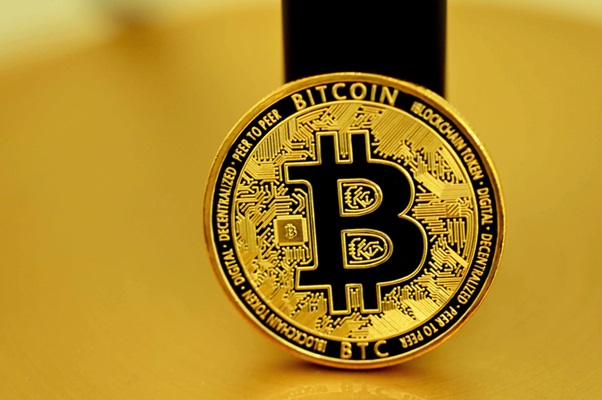
Bitcoin is a decentralized digital currency that operates without the need for a central authority or intermediary. It is powered by a network of computers that verify and record transactions in a public ledger called the blockchain. Bitcoin has many advantages, such as low transaction fees, fast and global transfers, censorship resistance, and limited supply.

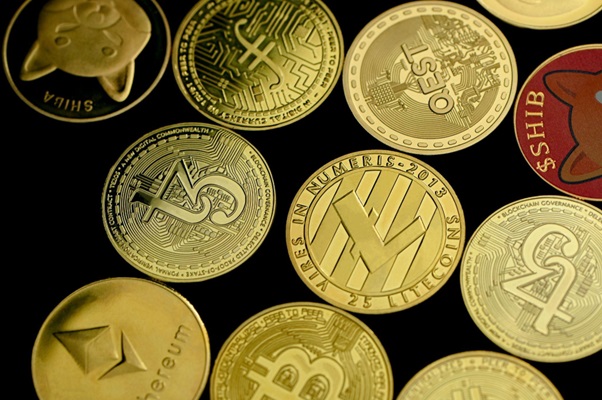
Bitcoin is the most popular and valuable cryptocurrency in the world, with a market capitalization of over $600 billion as of January 2022. But how does it compare to other cryptocurrencies, such as Ethereum, Tether, Litecoin, XRP, and others? What makes Bitcoin different and unique from the rest of the crypto space?

One of the main differences between Bitcoin and other cryptocurrencies is that Bitcoin is decentralized and independent. This means that no central authority or intermediary controls or governs Bitcoin, unlike traditional currencies that are issued and regulated by governments or central banks.

Bitcoin operates on a peer-to-peer network of computers, called nodes, that validate transactions and maintain a shared ledger of all Bitcoin transactions, called the blockchain. Anyone can run a node and participate in the network, without needing permission or trust from anyone else. This makes Bitcoin more transparent, secure, and censorship-resistant than other cryptocurrencies that rely on centralized servers or entities.

Another difference between Bitcoin and other cryptocurrencies is that Bitcoin is scarce and limited. There can only ever be 21 million bitcoins in existence, and about 18.5 million have already been mined as of January 2022. This scarcity gives Bitcoin a deflationary nature, meaning that its value tends to increase over time as demand outstrips supply.

Other cryptocurrencies, such as Ethereum, have no hard cap on their supply, meaning that they can be inflated indefinitely by their creators or developers. This can reduce their value and purchasing power over time, as more coins are introduced into circulation.

A third difference between Bitcoin and other cryptocurrencies is that Bitcoin is more accessible and widely adopted than most of its competitors. Bitcoin has a larger and more diverse ecosystem than other cryptocurrencies, with more applications, merchants, exchanges, wallets, and users that support it. This makes Bitcoin more convenient and useful than other digital coins that have limited functionality or acceptance.

Bitcoin also has more recognition and awareness than other cryptocurrencies, both among the general public and among institutional investors. Bitcoin is often seen as a store of value, a hedge against inflation, and a digital alternative to gold. Other cryptocurrencies are often seen as speculative or experimental projects that have yet to prove their worth or viability.

Bitcoin is not just another cryptocurrency. It is the original and most influential one, with unique features and advantages that make it stand out from the rest of the crypto space. Bitcoin is decentralized, scarce, limited, accessible, and widely adopted. These characteristics give Bitcoin a competitive edge over other cryptocurrencies and make it the leader and pioneer of the digital asset industry.

However, BTC has some disadvantages that potential users and investors should be aware of. Here are some of the main drawbacks of Bitcoin:

Volatility: Bitcoin is known for its high price fluctuations, which can make it unpredictable and risky for long-term holders. The price of Bitcoin can change dramatically in a short period of time, depending on factors such as supply and demand, media attention, regulatory developments, technical issues, and market sentiment.

For example, in 2017, Bitcoin reached an all-time high of nearly $20,000, only to drop to below $4,000 in 2018. In 2021, it surpassed $60,000, but then fell to around $30,000 in a matter of months. Such volatility can make it difficult to plan and budget with Bitcoin, as well as expose users to significant losses if they are not careful.

Scalability:

Bitcoin has a limited capacity to process transactions, which can result in congestion and delays on the network. The Bitcoin protocol limits the size of each block (a batch of transactions) to 1 megabyte, which means that only about 7 transactions can be confirmed per second on average. This is much lower than the throughput of traditional payment systems, such as Visa or PayPal, which can handle thousands of transactions per second.

As the demand for Bitcoin transactions grows, the network becomes more crowded, and the fees required to get a transaction confirmed increase. This can make Bitcoin impractical for small or frequent payments, as well as reduce its accessibility and inclusiveness for users with low income or limited resources.

Security:

Bitcoin transactions are irreversible, which means that once they are confirmed on the blockchain, they cannot be undone or modified. This feature is designed to prevent fraud and double spending, but it also has some drawbacks. For one thing, it means that users are responsible for safeguarding their own bitcoins and private keys (the passwords that allow them to access their funds). If they lose their keys or their devices are hacked or stolen, they may lose their bitcoins forever.

There is no recourse or recovery mechanism for lost or stolen bitcoins, unlike with traditional financial services that offer insurance or protection. For another thing, it means that users have to trust the security and reliability of the Bitcoin network and its software. If there are any bugs, glitches, or attacks on the network, such as a 51% attack (where a malicious entity gains control of more than half of the computing power on the network), the integrity and functionality of Bitcoin could be compromised.

Regulation:

Bitcoin operates in a legal and regulatory gray area, which can create uncertainty and challenges for users and businesses. Different countries and jurisdictions have different laws and rules regarding the use, taxation, and regulation of Bitcoin and other cryptocurrencies. Some are more friendly and supportive of Bitcoin, while others are more hostile and restrictive. For example, some countries like Japan and Switzerland have recognized Bitcoin as a legal tender or an asset, while others like China and India have banned or limited its use and trade.

Users and businesses have to be aware of the local laws and regulations that apply to them when using or dealing with Bitcoin, as well as the potential risks and consequences of non-compliance. Moreover, they have to be prepared for possible changes or updates in the legal and regulatory landscape, as authorities may introduce new policies or measures to address the challenges or opportunities posed by Bitcoin.