DD
MM
YYYY

PAGES

DD
MM
YYYY

spot_img

PAGES

Home Blog Page 3878

How Cloud Computing, Artificial Intelligence, Healthcare, and Self-Driving Cars Are Transforming the World

0

Cloud computing, artificial intelligence, healthcare, and self-driving cars are some of the most exciting and innovative fields of technology today. In this blog post, I will explore how these technologies are transforming our lives and society, and what challenges and opportunities they present for the future.

Cloud computing is the delivery of computing services over the internet, such as servers, storage, databases, networking, software, analytics, and intelligence. Cloud computing offers faster innovation, flexible resources, and economies of scale. It also enables the development and deployment of artificial intelligence (AI) applications, which are systems that can perform tasks that normally require human intelligence, such as visual perception, speech recognition, decision making, and natural language processing.

AI is one of the most disruptive technologies of our time, with the potential to improve many aspects of our lives, such as healthcare, education, entertainment, and transportation. AI can help diagnose diseases, discover new drugs, personalize learning, create realistic simulations, and enhance user experiences. AI can also power self-driving cars, which are vehicles that can operate without human intervention, using sensors, cameras, radar, lidar, and software to perceive and navigate their environment.

Healthcare is the provision of medical services to improve the health and well-being of people. Healthcare involves diagnosis, treatment, prevention, and management of diseases and injuries. Healthcare also encompasses public health, mental health, social care, and wellness. Healthcare is one of the most important and complex sectors of society, affecting millions of lives every day.

Walmart will give its 50,000 or so non-store employees access to a generative AI app that’s trained on corporate information, the company announced on LinkedInWednesday. The chain said the “My Assistant” app will be able to help with everything from “summarizing long documents to assisting in the creation of new content,” in a push to both boost efficiency and save workers time on “monotonous, repetitive tasks.” Ultimately, Walmart aims to expand the uses of the app to everything from booking a conference room to choosing benefits — and may one day use it for customers, too.

While some companies are, like Walmart, embracing the use of AI, others are restricting itor blocking it completely, citing intellectual property and privacy concerns. Earlier this week, ChatGPT creator OpenAI introduced a business-specific version of the app. (LinkedIn News)

Self-driving cars are expected to revolutionize the transportation industry, by reducing traffic accidents, congestion, pollution, and costs. Self-driving cars can also improve mobility and accessibility for people who cannot drive themselves, such as the elderly, the disabled, or the intoxicated. Self-driving cars can also create new opportunities for leisure, work, and entertainment, as passengers can enjoy their time in the car without worrying about driving.

However, cloud computing, AI, healthcare, and self-driving cars also pose significant challenges and risks that need to be addressed. For example:

Cloud computing requires a reliable and secure internet connection and infrastructure. It also raises privacy and security concerns, as users have to trust third-party providers with their sensitive data. Cloud computing also depends on the availability and reliability of the cloud service providers, which may be affected by technical issues or cyberattacks.

AI may have unintended or harmful consequences if it is not designed or used ethically and responsibly. AI may also create social and economic issues, such as unemployment, inequality, bias, discrimination, and human rights violations. AI may also pose existential threats to humanity if it surpasses human intelligence and control.

Healthcare involves complex and sensitive data that need to be protected and handled with care. Healthcare also requires high standards of quality and safety that need to be ensured and monitored. Healthcare also faces ethical and legal dilemmas that need to be resolved and regulated.

Self-driving cars are vehicles that can operate without human intervention, using sensors, cameras, radar, lidar, GPS, and software to perceive their environment and navigate autonomously. Self-driving cars have the potential to reduce traffic accidents, congestion, pollution, and fuel consumption. Self-driving cars also offer convenience, comfort, and accessibility for passengers.

These four technologies are interconnected and interdependent. Cloud computing provides the infrastructure and platform for AI to run and store data. AI enables self-driving cars to perceive and react to their surroundings. Self-driving cars generate massive amounts of data that can be analyzed by AI and stored in the cloud. Healthcare can benefit from all these technologies by improving diagnosis, treatment, prevention, and management of diseases and injuries.

Self-driving cars may encounter unpredictable or complex situations that may challenge their performance and safety. Self-driving cars may also cause ethical and moral dilemmas in case of accidents or emergencies. Self-driving cars may also have social and economic impacts on drivers, passengers, pedestrians, and other road users.

Therefore, cloud computing, AI, healthcare, and self-driving cars are transforming the world in many ways. They offer great benefits and opportunities for innovation and improvement. However, they also require careful consideration and regulation to ensure their ethical and responsible use and development.

However, these technologies also pose significant challenges and risks for society. Cloud computing raises issues of privacy, security, governance, and ethics. AI poses questions of accountability, transparency, fairness, and human dignity. Self-driving cars face technical, legal, social, and ethical dilemmas. Healthcare confronts ethical, regulatory, cultural, and economic barriers.

It is essential to develop these technologies in a responsible and sustainable way that respects human values and rights. It is also important to educate and empower people to understand and use these technologies for good. By doing so, we can harness the power of cloud computing, artificial intelligence, healthcare, and self-driving cars to create a better world for everyone.

OpenAI could generate over $1 billion in revenue over the next year — far more than the company’s previous revenue projections, reports The Information, citing an anonymous source. That figure suggests the company is currently generating more than $80 million a month in revenue. OpenAI was valued at $27 billion earlier this year, and generated just $28 million in revenue last year before it started charging users for ChatGPT. Back in February, the chatbot became the fastest-growing app ever, hitting 100 million users sooner than Instagram, Netflix or TikTok — though it quickly lost the title to Meta’s Threads app.

Earlier this week, OpenAI said teams in more than 80%of Fortune 500 companies had started using ChatGPT over the last nine months. (LinkedIn News_

Unveiling Entrepreneurial Icons in Egypt and South Africa: Where is the Media?

0

Entrepreneurship is a vital catalyst for economic growth and societal development. The rise of successful entrepreneurs not only contributes to economic prosperity but also inspires a culture of innovation, determination, and self-reliance among citizens. In this context, media plays a pivotal role in shaping perceptions, aspirations, and intentions regarding entrepreneurship.

A thorough analysis of the Global Entrepreneurship Monitor (GEM) reports from 2013 to 2022 reveals that media attention to successful entrepreneurs in South Africa has outshone that of Egypt. This piece delves into the significance of media portrayal in fostering an entrepreneurial environment, explores the link between media attention and entrepreneurial intent, and proposes practical solutions for policymakers and stakeholders in both countries.

The Discrepancy: Media Attention to Successful Entrepreneurs

Between 2013 and 2022, the GEM reports highlighted a noteworthy variance in media attention to successful entrepreneurs in South Africa and Egypt. The average media score for South Africa stood at an impressive 73.9, while Egypt lagged behind with a score of 61.8. A careful analysis of this data, however, brought to light a more nuanced narrative. Contrary to expectations, Egyptian media emerged as the frontrunner in reporting successful entrepreneurs, suggesting their readiness to contribute to citizens’ perceptions of entrepreneurship. This insight underscores the power of media in shaping societal outlooks, particularly among adults aged 18 to 64, a demographic critical to entrepreneurial growth.

Media Attention and Entrepreneurial Intent: A Correlation Unveiled

The relationship between media attention and entrepreneurial intent cannot be understated. A deeper exploration of the GEM reports revealed a strong connection between the media’s focus on accomplished entrepreneurs and citizens’ inclination towards entrepreneurship in both Egypt and South Africa.

In Egypt, each unit increase in media reporting on accomplished entrepreneurs led to a significant 69.4% rise in citizens’ intention to engage in entrepreneurial activities. A similar correlation was observed in South Africa, albeit with a slightly lower impact of 33.5%. These findings underscore the media’s potential to drive entrepreneurial aspirations and decision-making.

Practical Solutions for Policymakers and Stakeholders

  1. Media Empowerment and Collaboration: Policymakers should facilitate media empowerment programs to enhance reporting standards, with a focus on balanced and comprehensive coverage of successful entrepreneurs. Encouraging collaboration between media outlets and entrepreneurship-focused organizations can create a mutually beneficial ecosystem that amplifies success stories and showcases the challenges entrepreneurs overcome.
  2. Public-Private Partnerships: Establishing partnerships between governmental bodies, private sector players, and media organizations can lead to the creation of dedicated platforms for entrepreneur-focused content. These platforms can spotlight successful entrepreneurs, share insights, and promote entrepreneurial role models, thereby stimulating public interest and intent.
  3. Educational Initiatives: Develop comprehensive educational programs that integrate entrepreneurial values into the curriculum at all levels of education. By incorporating entrepreneurship into formal education, policymakers can nurture a culture of innovation and risk-taking from an early age, bolstered by positive media narratives.
  4. Celebrating Diversity: Recognize and celebrate entrepreneurs from diverse backgrounds, industries, and regions. A diverse array of success stories can resonate with a wider audience, encouraging individuals from all walks of life to consider entrepreneurship as a viable career option.
  5. Media Literacy Campaigns: Launch media literacy campaigns to help citizens critically assess and interpret entrepreneurship-related content. By fostering a discerning audience, media attention can be channelled more effectively towards fostering genuine interest and understanding.
  6. Government Recognition: Governments can play a pivotal role in acknowledging and rewarding successful entrepreneurs. National awards and honours can not only highlight entrepreneurial achievements but also encourage media coverage that reflects their contributions accurately.

Media attention to successful entrepreneurs significantly influences citizens’ perceptions and intentions regarding entrepreneurship. While South Africa’s media has excelled in this regard, the case of Egypt highlights the potential for media to drive entrepreneurial aspirations. Policymakers, stakeholders, and media organizations in both countries have a shared responsibility to harness this potential for fostering a vibrant entrepreneurial ecosystem.

Implementing practical solutions aimed at enhancing media coverage, collaborating across sectors, and nurturing an entrepreneurial spirit from early education, Egypt, South Africa, and countries worldwide can pave the way for a new era of innovation, economic growth, and individual empowerment.

Lagos Blue Rail Line to Begin Operation Sept 4, Costs N750 Per Trip

0

The Lagos State Government has announced that the first phase of the Blue Rail Line will commence commercial operation on Monday, September 4, 2023.

In a statement titled, ‘Lagos to commence blue rail line operation on Monday’, the state government said the commencement of the Blue Rail Line operation will be followed by other activities that will sustain the transport initiative.

The managing director of Lagos Metropolitan Area Transport Authority, Mrs Abimbola Akinajo made this known at the marina train station.

According to the LAMATA MD, the first train ride will kick off by 9. a.m. with Governor Babajide Sanwo-Olu on board, along with other passengers, which is from Marina to Mile 2 train station.

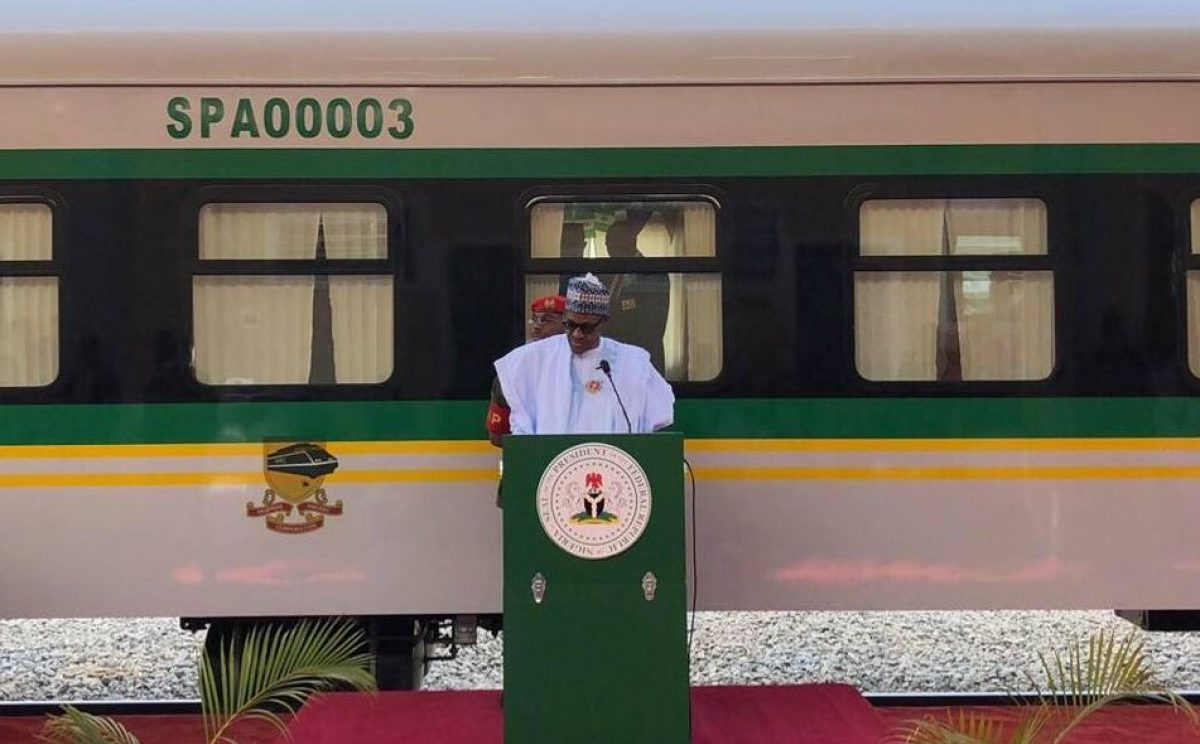
Lagosians have eagerly anticipated the kickoff of the Blue Rail Line since it was commissioned by former President Muhammadu Buhari on January 24, 2023.

The commissioning of the project included the signing of paperwork for the commencement of Phase 2 of the project, which covers from Mile 2 to Okokomaiko. The event was also witnessed by Buhari.

As a segment of the Lagos Rail Mass Transit, the Blue rail line will stretch over a distance of 27.5 km, connecting Marina to Okokomaiko. It will feature 13 stations and facilitate an end-to-end travel time of 35 minutes. The stations are at Marina, National Theatre, Orile Iganmu, Suru-Alaba, and Mile 2, while phase two upon completion, will extend the line 27km to Okokomaiko in Ojo.

The complete Blue Line system will operate on a dedicated and secure pathway, entirely separated from road traffic and pedestrians, eliminating both level crossings and unregulated entry points.

In February 2023, the state government initiated a 2-month trial run of the 13-kilometer Lagos Blue Line train service.

The statement quoted the LAMATA MD explaining how the operations will unfold.

Mrs Akinajo explains that for the first four weeks, the rain will run only twelve trips with the locomotive system. After one month LAMATA will commence electric-powered train operation with 76 trips, also with estimated passengers between 150,000 and 175,000, from 5.30 am to 11 pm daily. And the train will only stop for 90 seconds at each station.

According to her, the transport palliative announced by Governor Sanwo-Olu will also reflect on train transportation. She said it would cost N750 per trip.

The LAMATA MD appeals to residents of Lagos not to cross the rail tracks because it is energized. Anyone found carrying out illegal activities across the five train stations will be prosecuted.

The first phase of the Blue Rail Line (from Marina to Mile 2) was scheduled to begin operation by the end of the first quarter of 2023, but it experienced delays. The delays have left many who see the project as a reprieve from their hectic daily commuting to the island disappointed.

“We couldn’t begin operations as intended by the end of the first quarter due to unexpected issues. Although we promised an August launch, we faced challenges in meeting that timeline,” Akinajo explained.

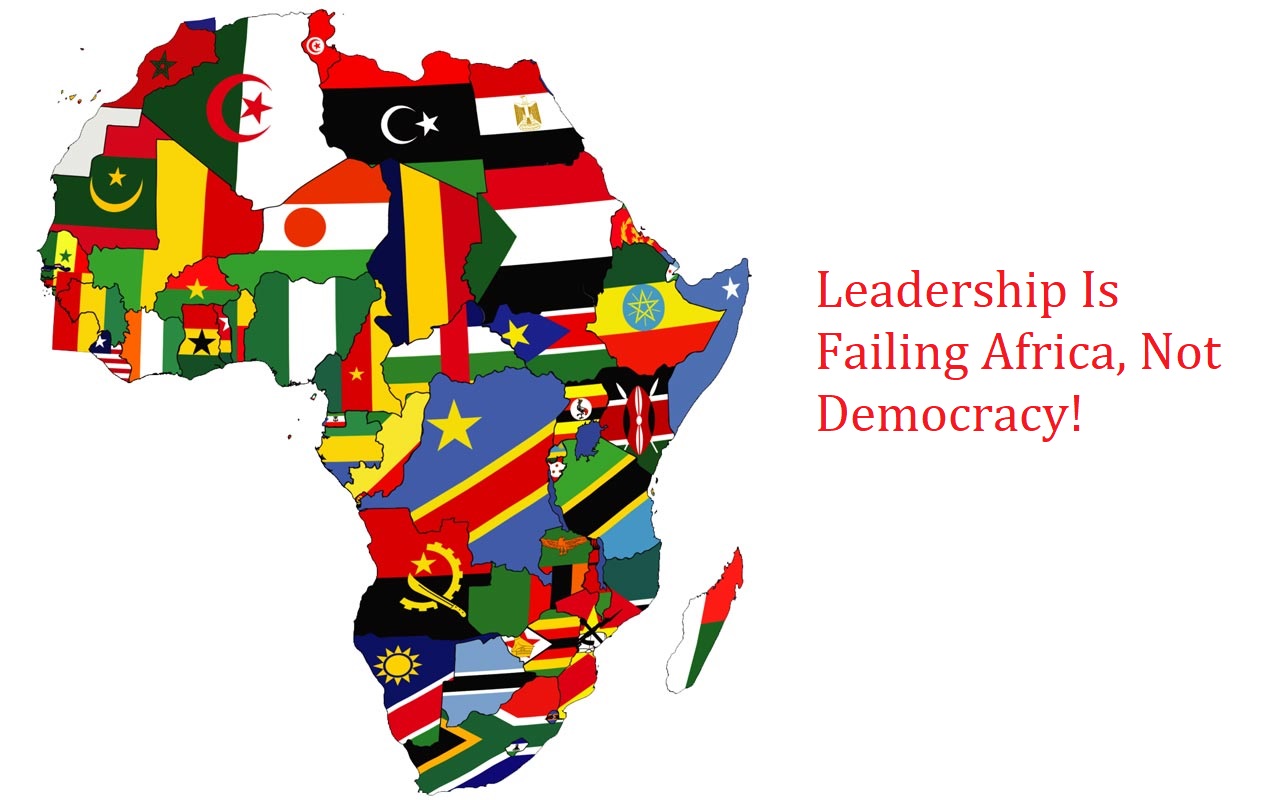
Leadership Is Failing Africa, Not Democracy!

2

As Gabon goes into paralysis, many are writing that Africa should do away with “democracy” because it has not delivered sustained dividends to the people. Yes, poverty, hopelessness and despair continue to be the byproducts of Africa’s democracy.

But the question is this: what is the alternative? Certainly, not the military because we have seen their results also. Yes, they’re “no good”, and there is no way we can forget in a hurry how decades of military rule destroyed Africa. When politicians steal, you know. But when the khaki men steal, you see no records because they keep none.

My postulation is simple: we need to focus on Leadership and not just on “Democracy” with the colouration of the Western mindset. As a certified village boy who did not leave the village until they forced me to leave the village for college, I can tell you that most African communities have indigenous democratic systems.

In most Igbo communities, the oldest man in the clan runs the community and he seeks counsel from other elders. Even though he may seem to be the boss, he does not wield any unusual power; he folds into the antennas of the citizens. In Ovim, the Ojengwa women are like police officers. They have the power to excommunicate stubborn people and ban them. But before that is done, everyone must agree that the person is really bad. Consensus and democratic ideals!

Democracy is not for the Western world. What you can say they have more than us is better leadership. But Africa cannot have better leadership when we vote based on tribe, religion, etc. The fact is this: poverty does not respect tribe, religion, etc.

Good People, Africa’s problem is not Western Democracy. And the solution is not military rule. What we have to do is become real, and that means leaving behind tribalism, religiosity, etc as we choose leaders. The solution is good governance and that cannot come without a filtering process.

If we can improve the electoral process, democracy will give us what we need. I have advocated that the African Union should take over conducting elections as it makes no sense to allow sitting presidents to supervise elections their parties or themselves are participating in. 

Interestingly, I made that point in the City of Democracy, Libreville, Gabon, as the now deposed president of Gabon smiled. I called it the African Democratic Commission with a clear mandate to conduct free and fair elections under the tenets of the AU within member states!

Comment on Feed

Comment 1: I completely agree with you, Prof. Ndubuisi Ekekwe!

Whenever I condemn military coups, some folks erroneously believe that it means I agree with our current democratic anomaly in Africa; no, I don’t agree with our current system a bit.

As you’ve noted, a redesign of our system (African Union serving as electoral umpire) and building leadership in all spheres of our institutions (beyond looking for a presidential savior) is what we need.

I witnessed some of the years during Nigeria military juntas; those guys are very abusive and power drunk. I remember several times how a private officer would beat up older men in their SUVs on the roads (at the slightest provocations), the scale of corruption (no one dared report, etc. Since then, I have loathed the military regime and detested them in power; they are made for Command and control.

Africa needs to build its own systems, have its own debates (we need to learn how to disagree to agree), and its own identity. We do not need a ‘Boss’ at the helm of affairs; we need ‘leaders’ throughout our organizations.

Comment 2: Political leaders in Africa are pushing the people to the wall. What is playing out should serve as a reminder to them that there are alternatives to democracy, and it’s a different conversation whether those alternatives are acceptable or not. In any case, the people should have a say in what the acceptable mode of political governance is. AU, ECOWAS and the rest should design a mechanism to develop metrics for leadership and governance, and encourage subtle peer review.

You cannot be beating a child and tell him or her not to cry. The people will support any alternative at this point because democracy in Africa seems to be a safe haven for leadership without purpose

China’s Blockchain System in Shanghai

0

Blockchain technology is one of the most promising and disruptive innovations in the digital era. It has the potential to transform various industries and sectors, such as finance, trade, logistics, healthcare, and governance. Blockchain technology enables secure, transparent, and decentralized transactions and data sharing among multiple parties, without the need for intermediaries or central authorities.

China is one of the global leaders in blockchain development and adoption. According to a report by PwC, China ranked second in the world in terms of blockchain projects, patents, and investments in 2020. China has also launched its national blockchain service network (BSN), which aims to provide a unified and low-cost platform for blockchain applications across different sectors and regions.

To address these challenges and promote the development and adoption of blockchain technology in China, the Shanghai Municipal Government has launched a blockchain infrastructure system that aims to provide a unified platform for blockchain applications and services. The system, which is called the Shanghai Blockchain Engineering Technology Research Center (SBERC), was officially inaugurated on August 18, 2023.

The SBERC is a joint initiative of the Shanghai Municipal Government, the Shanghai Jiao Tong University, the Shanghai Academy of Social Sciences and several leading enterprises in the blockchain industry. The SBERC will serve as a hub for blockchain research, innovation, education and collaboration. It will also provide technical support, policy guidance and standardization for blockchain projects in Shanghai and beyond.

The SBERC will focus on four major areas:

Blockchain infrastructure: The SBERC will build a high-performance, low-cost and secure blockchain infrastructure system that can support various types of blockchain applications and services. The system will consist of a public chain, a consortium chain and a private chain, as well as a cross-chain communication protocol and a smart contract engine. The system will also integrate with existing information systems and platforms, such as cloud computing, big data and artificial intelligence.

Blockchain applications: The SBERC will develop and promote blockchain applications in various domains, such as finance, logistics, healthcare, education, government affairs and social welfare. The SBERC will also facilitate the integration of blockchain technology with other emerging technologies, such as 5G, IoT and biometrics.

Blockchain standards: The SBERC will establish and implement blockchain standards and norms that are compatible with international standards and regulations. The SBERC will also participate in the formulation and revision of national and regional blockchain policies and laws.

Blockchain talent: The SBERC will cultivate and attract blockchain talent through education, training and exchange programs. The SBERC will also establish a blockchain innovation incubator that will provide mentoring, funding and resources for blockchain startups and entrepreneurs.

The SBERC is expected to play a key role in advancing the development and adoption of blockchain technology in China and beyond. It will also contribute to the construction of the Shanghai International Financial Center, the Shanghai Science and Technology Innovation Center and the Shanghai Free Trade Zone. The SBERC is a milestone in the history of blockchain technology in China and a testament to the vision and leadership of the Shanghai Municipal Government.

One of the key areas where China is focusing its blockchain efforts is Shanghai, the country’s financial and commercial hub. Shanghai has been designated as a pilot zone for blockchain innovation and application by the central government. The city has launched several initiatives and policies to support blockchain development, such as establishing a blockchain industry alliance, setting up a blockchain innovation center, and issuing blockchain-related standards and regulations.

Shanghai’s ambition is to build a world-class blockchain infrastructure system by 2025, according to a recent plan released by the Shanghai Municipal Commission of Economy and Informatization. The plan outlines the vision, goals, and strategies for developing Shanghai’s blockchain ecosystem in the next five years.

The plan envisions that by 2025, Shanghai will have:

A comprehensive and high-quality blockchain infrastructure system that covers the whole city and connects with the national BSN and other major blockchain platforms.

A mature and vibrant blockchain industry that nurtures leading enterprises, attracts global talent, and fosters innovation and collaboration.

A rich and diverse blockchain application scenario that covers various fields, such as finance, trade, logistics, healthcare, government affairs, social governance, culture, and education.

A sound and effective blockchain governance mechanism that ensures the security, legality, and compliance of blockchain activities.

To achieve these goals, the plan proposes several strategies and measures, such as:

Strengthening the construction and integration of blockchain infrastructure, such as cloud computing, big data, artificial intelligence, internet of things, 5G, etc.

Promoting the research and development of core blockchain technologies, such as consensus mechanisms, encryption algorithms, smart contracts, cross-chain interoperability, etc.

Supporting the cultivation and growth of blockchain enterprises, especially small and medium-sized ones, by providing financial incentives, tax benefits, subsidies, etc.

Encouraging the exploration and innovation of blockchain applications in various sectors and scenarios, such as digital currency, supply chain finance, digital identity, traceability certification, etc.

Enhancing the regulation and supervision of blockchain activities, such as establishing a blockchain registration system, setting up a blockchain security monitoring center, issuing blockchain-related laws and standards, etc.

Improving the education and training of blockchain professionals and talents, such as launching blockchain courses in universities and vocational schools, organizing blockchain competitions and hackathons, etc.

Building a favorable environment for blockchain development, such as strengthening international cooperation and exchange on blockchain issues, creating a positive public opinion atmosphere for blockchain awareness and acceptance. Shanghai’s plan to develop a blockchain infrastructure system by 2025 reflects its determination and confidence to seize the opportunities and challenges brought by blockchain technology by leveraging its advantages in finance.