DD
MM
YYYY

PAGES

DD
MM
YYYY

spot_img

PAGES

Home Blog Page 3895

Do Not Bet Against The Naira; I Expect Nigerian Government To Reverse Some Policies

3

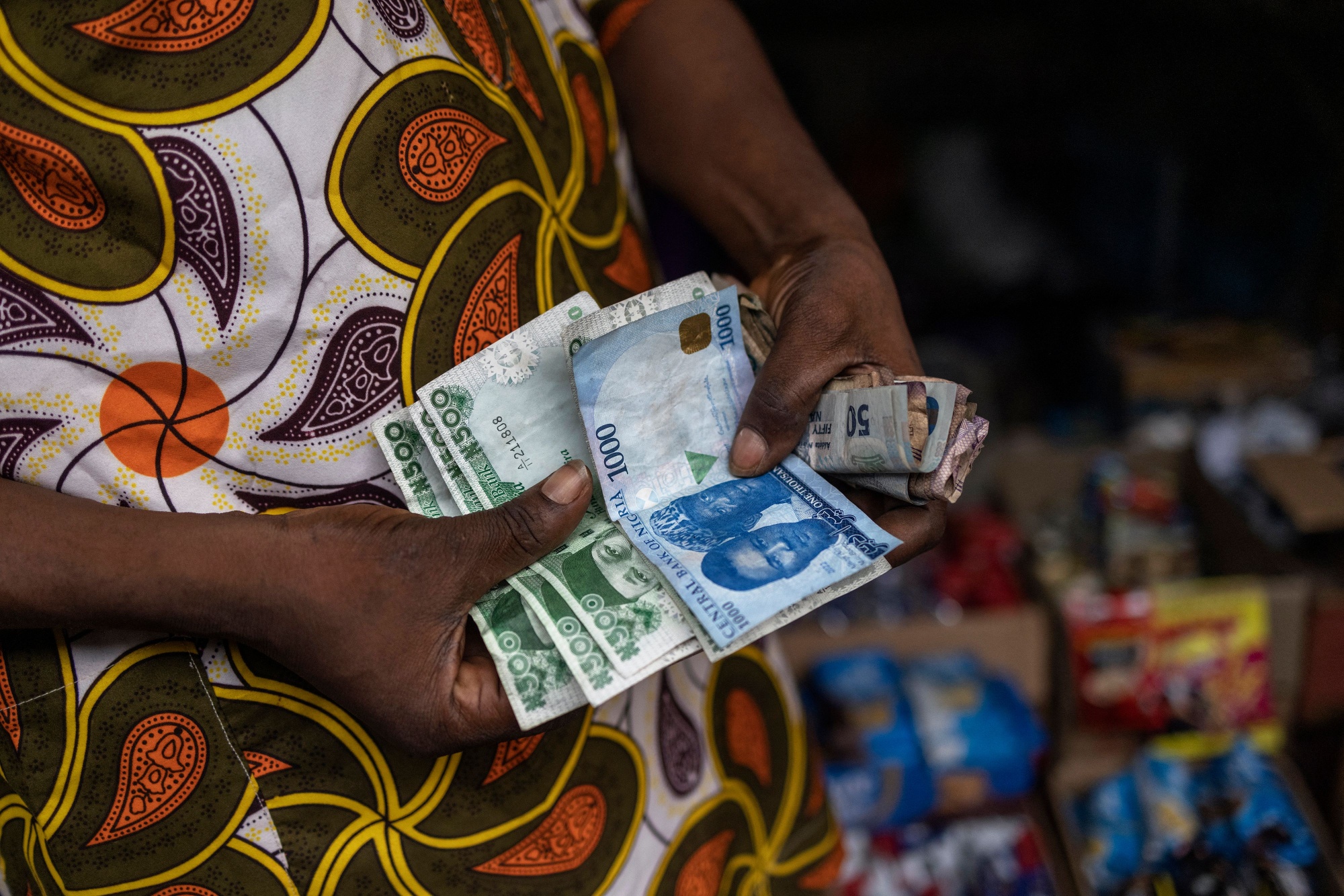
In the next coming weeks (within the next 5 months),  the Nigerian government will do: return fuel subsidies or/and go back to dual exchange rate policy. Right now, there is a black swan in the economic permutation in the nation, and it is very significant. Yes, the loans which the central bank did not initially disclose, but which it received, through the collateralization of some national financial assets and securities with US big banks, are big problems.

Simply, those securities/assets which many of us think are with the big banks for the Nigerian people to support the Naira are technically gone since the nation has no capacity to pay back those $billions in the short term. The implication is clear: Moody’s, Fitch and S&P will likely hammer Nigeria’s credit rating, jacking up the cost of future borrowing. That will trigger a vicious circle in the national economic sphere: ‘Mr Shonubi (acting governor of Central Bank of Nigeria), who briefed journalists after the meeting at the State House Abuja, blamed speculators for the current exchange rate, saying the president is “very concerned” about the situation.’

My conclusion is simple: the government will give up on either/both of fuel subsidies removal and Naira floating, until it can deal with the foreign reserve mess. If you are taking positions against the Naira, you may experience a huge shock because it could backfire big time. (Nigerians hope it goes that way).

My suggestion to the government is to become more pragmatic and forget the liturgical purity of campaign manifestos because every day matters now. Indeed, time for a practical governing reality.

Worried about the rising exchange rate of the naira to the dollar, Nigeria’s President Bola Tinubu, met with the acting governor of the central bank, Folashodun Sonubi.

At the meeting, both men discussed what “could be done to stabilize” the Nigerian currency and how to “improve the liquidity in the market.”

Mr Shonubi, who briefed journalists after the meeting at the State House Abuja, blamed speculators for the current exchange rate, saying the president is “very concerned” about the situation.

“We do not believe that the changes going on in the parallel market are driven by pure economic demand and supply but are topped by speculative demand from people,” he said.

The bank chief said he briefed the Nigerian leader on some of the plans to address the challenge.

Of course, reversing either or both policies will not deliver the long-term economic redesign Nigeria expects.  Our long-term plan to stabilize the Naira will involve improving productivity and overall innovation systems in the nation.

Comment on Feed

Comment 1: Ndubuisi Ekekwe I begin to wonder if our brains are in sync Sir. I already felt that this will happen pretty soon because the government may be overwhelmed when they keep trying to get out of this new challenge imposed by the Naira and fuel subsidy experiment. Dual exchange rate will come back, but that’s because they couldn’t figure out a quick solution to the Naira crisis, however the policy is a very bad one which may slow down Nigeria’s economic growth drastically.

On the other hand fuel subsidy total removal is not good for the masses and our economy in general. It should be subsidized to at least 20 to 30% while a serious working government will make our refineries to start working so as to be on the net positive on the oil trades.

Finally, if Nigeria thinks well and grows well, it is odd promoting oil produces, especially petrol because I expect a right thinking economist to build around non-fossil clean energy for adoption in transportation and power generation. This is 2023, we are supposed to outgrow this era into something more juicy and environment friendly, but am sure this hypothesis does not go down well with some strongholds or perhaps cartels that does not want oil to lose its power for a long long time.

Comment 2: The outlined economic challenges in Nigeria underscore the necessity of a pragmatic response. Prioritizing the foreign reserve dilemma is imperative to avert adverse credit rating impacts and escalating borrowing costs. Given the potential inflation risks, a measured, strategic approach is crucial.

Furthermore, considering the populace’s suffering over self-interest is paramount. Redirecting resources toward alleviating the masses’ hardships rather than excessive personal expenditures is not only responsible but essential for stability and public trust. It is a pivotal step in steering the nation towards a sustainable economic path.
I hope it will not be too late to learn the hard way!
Nigerian Labour Congress Threatens Strike if Petrol Price Rises to N720 Per Liter

0

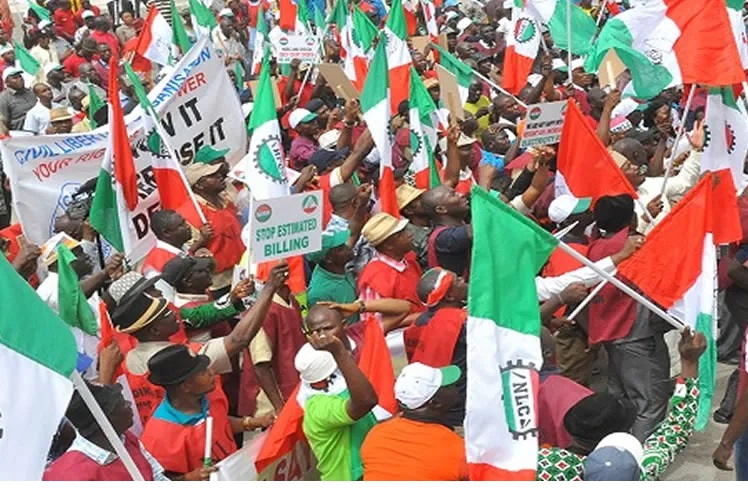
The Nigerian Labour Congress (NLC) has announced its intention to rally its members, without notice to the government, for an indefinite nationwide strike in the event of a rise in the present petrol price.

The president of the union, Joe Ajaero, said this on Monday during the African Trade Union alliance meeting in Abuja, on the heels of the disclosure by petroleum marketers that fuel pump prices will rise to N680 and N720 per liter in the coming weeks.

“As we are here they are contemplating increasing the pump price of petroleum products and the federal ministry of labour and employment, for some time now, will only go to the federal ministry of justice to come up with injunctions to hold the hands of labour not to respond,” he said.

“Let me say this, Nigerian workers will not give any notice if we wake up from our sleep to hear that they have tempered with prices of petroleum products.

“They have started floating ideas of a likely increase in the pump price of petroleum products.”

Independent Petroleum Marketers Association of Nigeria (IPMAN) said on Sunday that the lack of dollar liquidity in the Investor and Exporter window, and the depreciation of the naira in the parallel market, if not urgently contained, will push the pump price up.

The increase will see Nigerians paying an additional N103, as currently, petrol is being sold at N577 per liter in Lagos and N617 and above per liter in many other parts of the country.

Background of the strike threat

Since the fuel subsidy was removed in June, organized labor has been at loggerheads with the government over the provision of palliatives to mitigate the impact.

Among their demands, the Trade Union Congress (TUC) and the NLC are asking the federal government to increase the minimum wage to at least N200,000 per month from the current N30,000 per month. They are also asking the federal government to revive the CNG project for labor centers.

Other demands include rehabilitation of the nation’s refineries, fixing road and rail networks, and reviewing multiple taxes on businesses.

With the government dragging its feet in meeting these demands, organized labor on July 26, issued a seven-day ultimatum to the federal government to reverse all “anti-poor” and “insensitive” policies.

The NLC said no going back on the strike unless the federal government meets the following demands: “the immediate reversal of all anti-poor policies of the federal government including the recent hike in PMS price, increase in public school fees, the release of the eight months withheld Salary of university lecturers and workers”. It also added “the immediate inauguration of the Presidential Steering Committee.”

But in response to the union’s demands, the federal government invoked a restraining order of the national industrial court, stopping organized labor from embarking on any industrial action concerning the removal of petrol subsidy.

However, defying the government and the court, the unions embarked on a nationwide protest on August 2, prompting the federal government to initiate contempt proceedings against them for disobeying the court order.

Though the protest was suspended on August 3 following a series of negotiations between the leaders of organized labor and the federal government, the NLC has not closed the chapter on a nationwide strike. The union said the conduct of the federal government led by Bola Tinubu “suggests it does not intend to commit itself to the MoU it signed with NLC and TUC.”

Niger Military Coup: Former Nigerian Minister and UN Diplomat, Usman Sarki, Recommends Strategic Communication

0

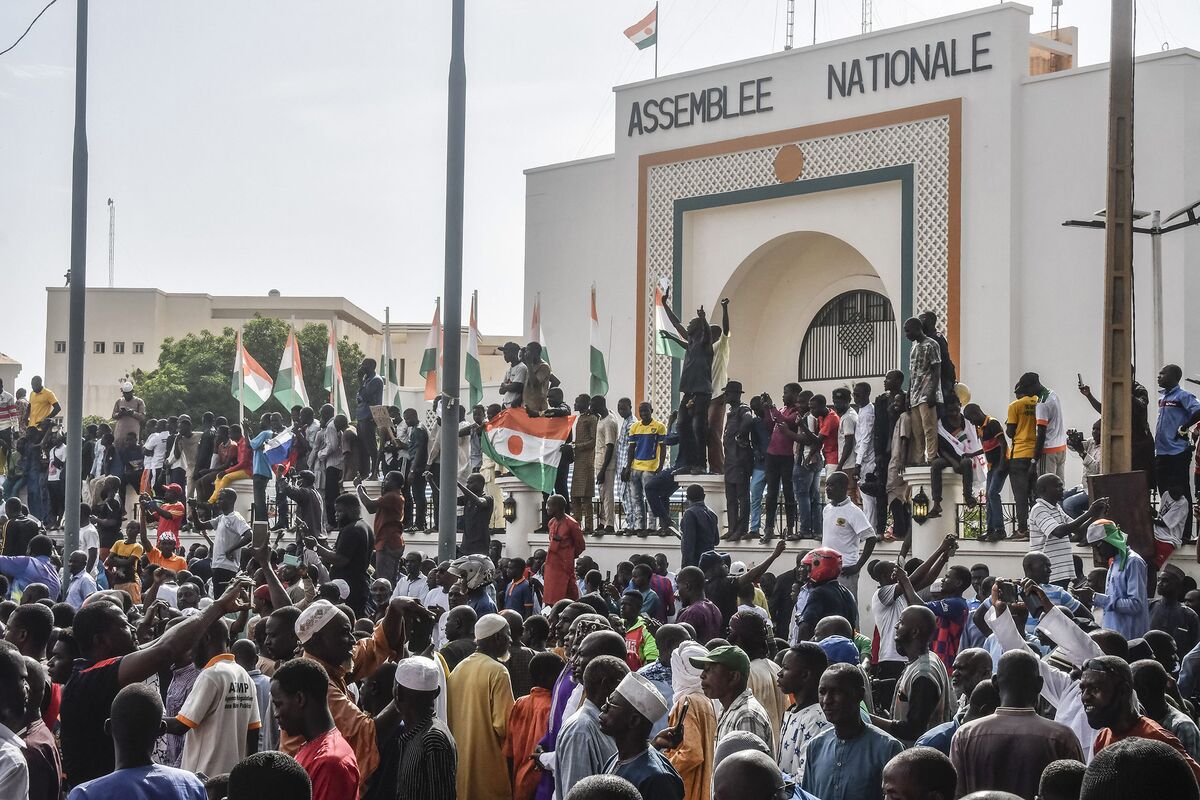
Former Nigerian Minister and former Nigerian deputy permanent representative to the United Nations, Usman Sarki, has identified the need for media organizations and foreign relation department to prioritize strategic communication and fact-finding analysis in the reportage of the Coup in Niger and the consequent ongoing loggerhead between the Nigerien military junta and the Economic Community of West African States (ECOWAS).

Mr. Sarki made this call during an interview on the Television continental (TVC)’s night show, ‘”Politics Tonight” on Friday evening. According to the former UN diplomat, promoting ill-baked reporting of the management of the crisis has severe implications not only for Nigeria and Niger but also for many other African countries.

Therefore, Mr Sarki believed it is high time traditional media organizations and relevant government agencies weighed in more on strategic information sourcing and communication to avoid a situation where the people have to continue to depend and act based on rumours and conspiracy theories being spread on the social media.

‘’In crisis situation, the first casualty is the truth. Nigerians should be very conscious about what they consume on the social media.

‘’Information is very critical; it is the bedrock of diplomacy and the bedrock of interstate relationship. So, whatever information is being released for the consumption of the public or the attention of the regime has to be precise, accurate and to the point,’’ Mr. Sarki said.

Mr Sarki remarked that ‘’the problem that has arisen out of this saga is that the president of Nigeria, Bola Ahmed Tinubu, wants war and there is no basis for us to think that war was the first option.’’

Mr Sarki stated that it is erroneous to think that the ongoing crisis is a war between Nigeria and Niger or between ECOWAS and Niger. Rather, according to Sarki, the crisis is a battle of legality vs illegality — legality as represented by President Bazoum and illegality represented by the usurpation of a democratically elected government by the Military Junta.

He added that the Tinubu-led ECOWAS is very clear about its ‘’sentiment of zero-tolerance to coup and unconstitutional changes in Government’’.

‘’ECOWAS is using the instrumentality of its statutes and protocols in order to assert the prerogative of the regional organization to establish order and bring back constitutional rule in Niger as it would in any other member state that has taken the path of military rule at this precise moment’’ Sarki said.

On how ECOWAS, the Nigerian government and the media can harness information and ensure strategic communication in the management of the crisis in Niger, Mr Sarki made the following recommendations:

  1. ECOWAS must establish a communication system whereby its messages could go to every member state of the community through the traditional and non-traditional media.
  2. The Nigerian Government should engage in complementary approaches by embarking upon constructive false ride, truthful and timely release of information not necessarily through the president’s spokesperson but through the Ministry of foreign affairs.
  3. The Ministry of foreign affairs should be allowed the exercise of its prerogative in the field of foreign policies in informing Nigerians about the objectives of the actions and policies of the Nigerian Government.
  4. Media organisations and Government agencies responsible for public information should also contribute by way of asking questions and conveying answers to the Nigerian public in order not to keep people in anxiety or in the dark about the purposes of the measures, the intentions behind the measures and the ultimate objective that is being sold by the measures.

On July 26, 2023, General Abdourahamane Tchiani led a military coup in Niger that overthrew the democratically elected President of the country, Mohammed Bazoum. Following that, Tchiani declared himself head of the National council for the safeguard homeland and placed president Bazoum and some members of his families under house arrest.

Despite several appeals, threats and sanctions to the military Junta by ECOWAS, the mission to establish constitutional order and restore democratic government in Niger has remained in a state of impasse.

However, on Monday, August 14, 2023, the leader of the Military junta, General Tchiani, said he’s open to diplomatic conversations with ECOWAS. This was after a meeting with the intervention team of Nigerian Islamic scholars in Niamey.

Imminent Rise of Petrol Pump Price to N720 Per Liter

0

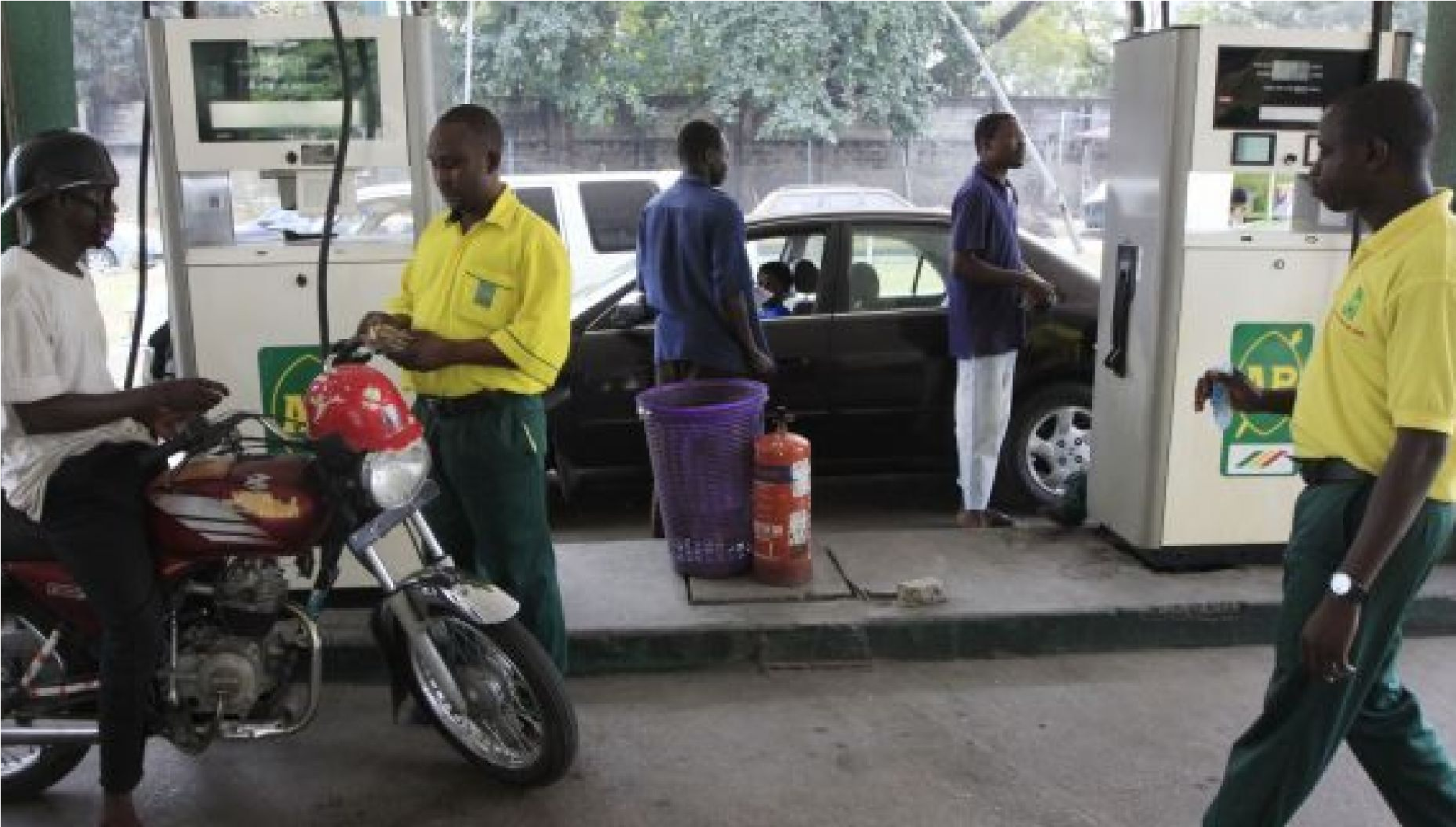
Nigerians are in uproar following the report that the cost of Premium Motor Spirit (PMS) also known as petrol, driven by the depreciation of the naira in the forex market, will hit N680 per liter and N720 per liter in the coming weeks.

The Punch reports on Monday, quoting oil marketers, that the recent rise of the dollar to N950/$1 in parallel will inevitably push the pump price of petroleum products as well as other goods and services further up.

After hitting N955/$1 last week, the naira closed at N9450/$1 on Monday, a situation that indicates a scarcity of dollars that oil marketers said has significantly undermined their ability to import PMS.

“Once there is a slack in the naira against the dollar, there is going to be an effect. The demand and supply of forex is a key factor. We should also understand that it is not only petroleum products that use forex,” the National Public Relations Officer, Independent Petroleum Marketers Association of Nigeria, Chief Chinedu Ukadike, was quoted by The Punch as saying.

“Other manufacturers who import one thing or the other are also searching for dollars. So, the surge for dollars has continued to increase. So now that the dollar is hitting N910 to N940, and approaching N1,000, you should expect to buy PMS at the rate of N750/litre.

“It is simple mathematics, once the dollar is going up, have it in mind that the prices of petroleum products would definitely increase because the products are dollar-driven,” he added.

The marketers said they require about $25 million to $30 million to import petrol into Nigeria, but can’t access the fund through the Investor and Exporter window where the naira trades higher at N740/$. This is because there is no fund in the I&E window.

“To buy products, it costs you between $25m to $30m. You can’t find it in the I&E window. So it doesn’t work and that is why people are not importing,” the Executive Secretary, Major Oil Marketers Association of Nigeria, Clement Isong said.

The decision of the Central Bank of Nigeria to float the FX market has been observed putting a lot of pressure on the parallel market.

The inability to access dollar through the I&E window has led dealers who were initially eager to import PMS to suspend their plans, the marketers said.

“Nigerians should brace for a price regime of between N680 to N720 if the exchange rate stays around N910 to N950/$1, but the price is going to hit N750 once the dollar rises to N1,000.

“This is because marketers still source dollars from the parallel market, and not only marketers but virtually all importers in Nigeria. There is no subsidy any more on petroleum products, so you expect the cost to fluctuate with the dollars,” Ukadike added.

The removal of fuel subsidy means that the price of petrol in Nigeria will now be determined by the international cost as well as the naira to dollar exchange rate. Since the floating of the FX market, the disparity between the I&E window and the parallel market exchange rates has grown wide, amounting to about N205.

This is attributed to the lack of dollar liquidity in the I&E window. The oil market leaders said that oil marketers still rely on the parallel market to source dollars.

Another challenge noted by the IPMAN PRO is that the Nigerian National Petroleum Company Limited (NNPCL) remains the sole importer of petrol in the country. He said though recently, Emadeb, an oil-marketing company, which was issued a license, imported petrol – it is grappling to recoup its investment as the dollar has risen further since then.

“NNPC is still the major importer for now. One other company, Emadeb, imported products recently, but because this product is being sold in naira, getting back their funds is another issue since the naira keeps depreciating, while PMS imports is in dollars,” Ukadike said.

“This is why it is often difficult to go back and buy again as an independent importer. That is the problem we are facing.”

While oil marketers agree that having multiple importers will reduce the pump price of petrol per liter – as it will drive competition, the fear of losing their investment to the volatility of the FX market has dampened the willingness of potential importers.

The cry for a solution

In addition to calls for intervention in the FX market, stakeholders have urged the federal government to quickly resolve the crisis in the oil sector by curtailing oil theft in the Niger Delta.

“Nigeria has to sort out the security issues in the Niger Delta so that we can increase our daily crude oil output. If we increase it to 1.8 or two million barrels per day, then there’ll be dollar in the market. So we need to stop oil theft,” Isong said.

Nigeria earns 90% of its foreign exchange from oil but has been experiencing revenue shortfalls due to low oil output attributed to theft. The nation’s daily oil production in July 2023 fell by 13.6% to average 1.08 million barrels per day compared to 1.25mbpd recorded in June, according to the latest production data from the Nigerian Upstream Petroleum Regulatory Commission, (NUPRC.)

With the naira on a swift race to N1,000/$1, analysts believe that it’s only a matter of time before the cost of petrol and goods and services hit the rooftop.

This backdrop, which is increasingly crippling economic activities in Africa’s largest economy, means that the government will need to act fast if the imminent increase in petrol pump prices will be averted.

Founders Factory Africa Announces The Raise of $114 Million to Fund African Startups

0

Founders Factory Africa (FFA), a startup accelerator and incubator focused on supporting and scaling African tech startups, has secured $114 million in funding to scale its model across the African tech ecosystem.

The funding saw participation from Mastercard Foundation and Johnson & Johnson Impact Ventures, an impact fund with the Johnson $ Johnson Foundation follows on from previous investments into Founders Factory Africa by Standard Bank, Small Foundation and Netcare.

CEO of Founders Factory Africa, Bongani Sithole said that the firm is determined to achieve its goals of developing the tech ecosystem by supporting tech-driven solutions. He added that the company will continue to provide the founders it invests in with the necessary tools for success.

Moving Africa forward requires more of us to support tech-driven, solution-oriented ventures that have the potential to scale and make an impact at speed. Our role as Founders Factory Africa is to provide founders with the funding, knowledge and hands-on venture-building support they need to achieve commercial success and create outsized, systemic impact,” he said

Also speaking on the funds raised, Chief Portfolio officer of Founders Factory Africa, Sam Sturm said,

“Our new fund will allow us to continue supporting the continent’s most promising early-stage ventures and their exceptional fourders with the capital and resources they need to fuel their growth”.

With this funding, Founders Factory Africa intends to double down on its investment model to reach more African tech startups.

The startup accelerator said it will be broadening its capital investment offering to include non-dilutive capital, supporting the continent’s need for different capital deployment types across the venture maturity curve, and strengthening Founders Factory Africa’s internal capacity to continue to provide its portfolio of start-ups with the best venture-building support on the continent.

The additional funding affirms Founders Factory Africa’s hybrid investment model of combining capital and operational support and will help the early-stage investor further iterate this model by:

•Becoming sector-agnostic in its investment with founders who prioritise business fundamentals, and will also double down on addressing the gender imbalance in the ecosystem.

•Broadening its capital investment offering to include non-dilutive capital, supporting the continent’s need for different capital deployment types across the venture maturity curve.

•Strengthening Founders Factory Africa’s internal capacity to continue to provide its portfolio of start-ups with the best venture-building support on the continent.

Since its inception in 2018, Founders Factory Africa has invested in over 55 tech start-ups across 11 countries in East, West, North, and Southern Africa.

The portfolio covers fintech and healthtech companies and includes Asaak, an asset financing startup for boda boda drivers in East Africa; Envisionit, Deep Al, a South African medical technology company using Al to transform medical imaging diagnosis; Fresh Source, an Egyptian food tech startup.

The startup focuses on supporting and scaling startups across various sectors in Africa. It provides funding, resources, mentorship, and access to a network of experts to help startups grow and succeed.

Founders Factory Africa invests up to $250,000 in ventures at idea, pre-Seed and Seed stage. It looks out for ventures that are solving real problems and have the potential for massive scale.

It also offers bespoke hands-on venture support by Partnering with startups to grow their venture. Founders’ Studio team of in-market venture-building specialists works hand-in-hand with every venture in our portfolio to solve their most critical challenges.

With experts in product, growth, design, talent, tech, strategic partnerships, and investment, the Studio team is well-positioned to help founders address a wide variety of challenges

A look at the growing portfolio of Founders Factory Africa reflects the diverse nature of its Pan-African startup ecosystem in leadership, location, and solutions. It also shares a desire to actively create a radically positive future for the continent.