Sign in
  • Click here - to use the wp menu builder
Sign in
Welcome!Log into your account
Forgot your password?
Terms & Privacy
Password recovery
Recover your password
Search

DD
MM
YYYY

Logo

CATEGORIES

  • Home
  • ENROLL
  • Contact
  • Forum
  • School
  • Tekedia Capital
  • Home
  • ENROLL
  • Contact
  • Forum
  • School
  • Tekedia Capital

PAGES

  • School
  • Contact
  • Capital
  • AI Consulting
  • Store
Facebook
Instagram
Twitter
Vimeo
Youtube

DD
MM
YYYY

Logo

spot_img
  • Home
  • ENROLL
  • Contact
  • Forum
  • School
  • Tekedia Capital
  • School
  • Contact
  • Capital
  • AI Consulting
  • Store

FACEBOOK

TWITTER

GOOGLE+

RSS

Logo

Logo

CATEGORIES

  • Home
  • ENROLL
  • Contact
  • Forum
  • School
  • Tekedia Capital

PAGES

  • School
  • Contact
  • Capital
  • AI Consulting
  • Store
Home Blog Page 3937

Nigerian Association of Resident Doctors (NARD) Suspends Nationwide Strike

By
Tiamiyu Ismail
-
August 12, 2023
0

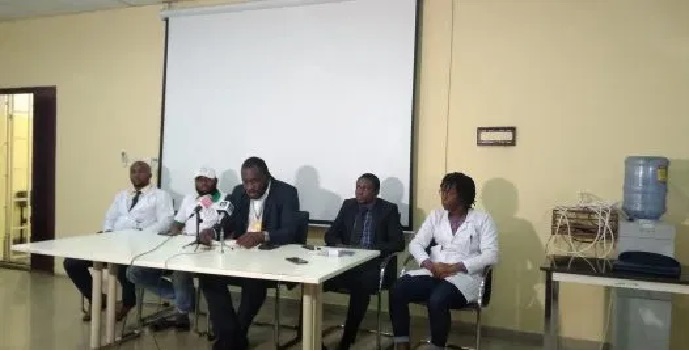
The Nigerian Association of Resident Doctors, NARD, has suspended its two weeks old nationwide strike following its suspension of its planned nationwide protest over its unmet demands.

NARD’s national president, Dr. Emeka Orji, told newsmen on Friday evening that the decision to call off the strike followed a resolution by the NARD’s National Executive Council to allow government some more time to meet the association’s outstanding demands having considered the headways recorded in its series of meetings with the government.

Dr. Orji stated that Doctors are expected to resume work by 8am Saturday, August 12, 2023. According to the NARD’s President, the progress reached with the federal government with regards to the association’s pending demands will be reviewed in two weeks time.

Mr Orji noted that the doctors have eight demands, one of which is recruitment of more doctors to replace those that have migrated out of the country and those that have passed away. He stressed that the current shortfall in the number of engaged doctors has been exacerbated by high medical brain drain in the country.

“Our members are suffering. Nigerians are suffering too. When you don’t have the right number of doctors in the hospital, there is no way it is not going to affect the healthcare service delivery system. And nobody has come out to tell us that what we are saying is not true,” he maintained.

“The government on its own set up a ministerial committee that came up with a guideline since February this year, why hasn’t that guideline been circularised?” he asked.

The General Secretary of NARD, Dr. Chekezie Kelechi, noted that the meeting the association held at the presidential villa on Tuesday and the one it had with the senate were quite fruitful as they raised a glimmer of hope.

Dr. Kelechi added that the ongoing visible effort of the government to implement the payment of the medical residency training fund is another salient factor that has informed the decision of the association to call off its strike.

“For the payment of the medical residency training fund, the government has not just approved it but has gone ahead to cash back that and the processes have started.

“We have reviewed the situation. The National Executive Council of NARD met again today and after looking at the issues at hand and progress made so far, we felt it was time to back down a little and allow the government to solve the outstanding issues,” Dr. Chikezie Kelechi said.

NARD declared an indefinite strike action on Tuesday, July 25, 2023, over several unmet demands including an increase in the salaries of its members and the implementation of the payment of the medical residency training fund.

Nigerian Association of Resident Doctors (NARD) Declares Indefinite Strike Over Unmet Demands

Share this:

  • Click to share on Facebook (Opens in new window) Facebook
  • Click to share on X (Opens in new window) X
  • Click to share on WhatsApp (Opens in new window) WhatsApp
  • Click to share on LinkedIn (Opens in new window) LinkedIn
  • Click to email a link to a friend (Opens in new window) Email
  • Click to print (Opens in new window) Print

Like this:

Like Loading...

Visa Unveils Experimental Solution to Abstract Away Gas Fees, Polygon Labs Collaborates with Meroku Protocol V2 Upgrade

By
Paul Ugbede Godwin
-
August 12, 2023
0

Visa, the global payment network, has announced a new experimental solution that aims to simplify the process of paying gas fees on Ethereum transactions. Gas fees are the costs associated with executing smart contracts and transferring tokens on the Ethereum blockchain. They are paid in ether (ETH), the native cryptocurrency of Ethereum, and they fluctuate depending on the network congestion and demand.

Visa’s solution, dubbed Visa Gas Fee Manager, is a middleware layer that connects Visa’s existing payment infrastructure with Ethereum nodes. The idea is to allow Visa clients, such as merchants, banks, and fintech’s, to pay gas fees using fiat currencies or stablecoins, instead of ETH. This way, they can avoid the hassle of acquiring and managing ETH, as well as the volatility and unpredictability of gas fees.

The key component of this solution is a “paymaster” – a specialized smart contract. This is not a new concept for Visa, as they’ve previously explored this avenue, according to Mustafa Bedawala, staff product manager at Visa. The paymaster functions as a sponsor for gas fees on user contract accounts, making it possible for users to pay onchain gas fees directly through their Visa card without needing to handle native blockchain tokens.

“This is a new and expanded experimental solution from the prior one in which we are accepting fiat and covering onchain fees on behalf of users using our offchain solution. It will simply appear to users in the same way that regular card-based payments are made for their onchain fee cost,” Bedawala

According to Visa, the Gas Fee Manager works as follows:

Visa clients send their Ethereum transactions to Visa’s Gas Fee Manager, along with their preferred payment method for gas fees (e.g., USD, USDC, etc.). Visa’s Gas Fee Manager estimates the optimal gas fee for each transaction based on the current network conditions and the client’s preferences (e.g., speed, cost, etc.). Visa’s Gas Fee Manager pays the gas fee in ETH on behalf of the client, using a pool of ETH that Visa maintains and replenishes periodically. Visa’s Gas Fee Manager charges the client for the gas fee using their preferred payment method, at a fixed rate that is determined at the time of the transaction.

Visa claims that this solution can offer several benefits for its clients, such as:

Simplifying the user experience and reducing the friction of using Ethereum-based applications and services. Enabling more use cases and innovation on Ethereum, such as decentralized finance (DeFi), non-fungible tokens (NFTs), and digital identity. Enhancing the scalability and efficiency of Ethereum transactions, by optimizing gas fees and reducing network congestion. Providing more transparency and predictability of gas fees, by locking in the rate at the time of the transaction.

Visa’s Gas Fee Manager is currently in an experimental stage and is being tested with a select group of partners. Visa plans to expand the availability of the solution in the future, as well as to support other blockchain platforms that have similar gas fee mechanisms. Visa also intends to integrate its Gas Fee Manager with its other blockchain-based solutions, such as Visa B2B Connect and Visa Crypto APIs.

Visa’s Gas Fee Manager is part of Visa’s broader vision to become a bridge between the traditional and digital economies, and to enable more interoperability and innovation across different payment networks. Visa has been actively exploring and investing in blockchain and cryptocurrency technologies since 2015, and has recently announced several initiatives and partnerships in this space, such as:

Enabling Visa cardholders to buy and sell cryptocurrencies through platforms like Crypto.com, BlockFi, Fold, and ZenGo. Allowing Visa merchants to accept cryptocurrencies as a form of payment through providers like Coinbase, BitPay, and Wirex. Supporting the issuance and adoption of stablecoins, such as USDC, which are digital currencies that are pegged to fiat currencies or other assets. Collaborating with leading blockchain platforms and protocols, such as Ethereum, Circle, ConsenSys, MakerDAO, Compound, Chainlink, and Anchorage.

Visa initially expressed its interest in account abstraction in a blog post in December 2022. However, at that time, the functionality for account abstraction had not been implemented on Ethereum. Subsequently, in March 2023, developers made significant progress and introduced ERC-4337, code that enabled account abstraction on Ethereum through specialized smart contracts.

Visa believes that blockchain and cryptocurrency technologies have the potential to transform the future of money and commerce, and to create new opportunities for businesses and consumers around the world. With its Gas Fee Manager solution, Visa hopes to make it easier and more accessible for its clients to leverage the power and potential of Ethereum.

Polygon Labs Collaborates with Meroku Protocol V2 Upgrade

Meanwhile, Polygon Labs, a leading blockchain development platform, has announced a strategic partnership with Meroku Protocol V2, a decentralized application (DApp) store kit that enables developers to create and deploy DApps on multiple blockchains. The partnership will allow Polygon Labs to integrate Meroku Protocol V2’s features and functionalities into its own DApp store kit, which is designed to provide a seamless and user-friendly experience for both developers and end-users of DApps.

Meroku Protocol V2 is a cross-chain DApp store kit that supports Ethereum, Binance Smart Chain, Polygon, Solana, and other popular blockchains. It offers a variety of tools and services for DApp development, such as smart contract templates, code verification, security audits, governance modules, and analytics. By leveraging Meroku Protocol V2’s technology, Polygon Labs will be able to offer its DApp store kit users more options and flexibility in choosing their preferred blockchain platform, as well as access to a wider network of DApp users and communities.

Meroku Protocol V2 allows anyone to create, trade, and redeem synthetic assets without the need for intermediaries, centralized exchanges, or custodians. Synthetic assets are tokens that track the price of any underlying asset, such as stocks, commodities, currencies, or even other cryptocurrencies.

Meroku Protocol V2 consists of three main components: the Meroku Token (MRK), the Meroku Vault, and the Meroku Exchange. The MRK token is the native utility and governance token of the protocol. It is used to pay fees, stake as collateral, and vote on protocol upgrades and parameters. The Meroku Vault is a smart contract that holds the MRK tokens staked by users as collateral for minting synthetic assets. The Meroku Exchange is a decentralized exchange (DEX) that enables users to swap synthetic assets with each other or with MRK tokens.

To create a synthetic asset, a user needs to deposit MRK tokens into the Meroku Vault and specify the type and amount of the synthetic asset they want to mint. The protocol then calculates the required collateralization ratio (CR) based on the volatility and liquidity of the underlying asset and the current MRK price. The CR is the percentage of MRK tokens that must be locked in the vault relative to the value of the synthetic asset. For example, if the CR is 150%, a user needs to deposit $150 worth of MRK tokens to mint $100 worth of a synthetic asset.

The user then receives the synthetic asset in their wallet and can trade it on the Meroku Exchange or any other DEX that supports it. The synthetic asset tracks the price of the underlying asset through an oracle service that provides real-time price feeds to the protocol. The user can also redeem their synthetic asset at any time by burning it and withdrawing their MRK collateral from the vault.

The protocol charges a minting fee and a redemption fee for creating and redeeming synthetic assets. These fees are paid in MRK tokens and are distributed to MRK stakers as rewards for providing collateral to the protocol. The protocol also charges a trading fee for swapping synthetic assets on the Meroku Exchange. This fee is paid in the synthetic asset being traded and is used to buy back and burn MRK tokens from the market, creating deflationary pressure on the MRK supply.

Meroku Protocol V2 aims to provide a scalable, secure, and user-friendly platform for accessing any asset in the world through synthetic tokens. By leveraging the power of decentralization, smart contracts, and oracles, Meroku Protocol V2 enables anyone to create exposure to any asset without intermediaries, censorship, or counterparty risk.

The partnership with Polygon Labs will also enable both parties to collaborate on research and development of new features and innovations for the DApp ecosystem, such as interoperability, scalability, and usability. Polygon Labs and Meroku Protocol V2 share a common vision of empowering developers and users with the best tools and resources for building and using DApps. Through this partnership, they aim to accelerate the adoption and growth of the decentralized web.

Share this:

  • Click to share on Facebook (Opens in new window) Facebook
  • Click to share on X (Opens in new window) X
  • Click to share on WhatsApp (Opens in new window) WhatsApp
  • Click to share on LinkedIn (Opens in new window) LinkedIn
  • Click to email a link to a friend (Opens in new window) Email
  • Click to print (Opens in new window) Print

Like this:

Like Loading...

GEN.ART Announces Closure of Its Operations

By
Paul Ugbede Godwin
-
August 12, 2023
0

GEN.ART, the leading platform for generative art, has announced that it will cease its operations by the end of this month. This decision comes as a shock to many of its users, artists, and partners, who have relied on GEN.ART for creating and selling unique digital artworks. Generative art is a form of art that uses algorithms, rules, or systems to generate or influence the creation of an artwork. The artist sets the parameters and the code, and the computer executes the process, resulting in a dynamic and unpredictable output.

GEN.ART was founded in 2021 with the vision of democratizing generative art and making it accessible to everyone. We wanted to create a platform where anyone could create, discover, and collect generative artworks, without needing any coding skills or expensive software.

Lack of funding: As a bootstrapped startup, we relied on our own resources and revenue to run our platform. However, due to the niche nature of generative art and the high costs of hosting and maintaining our servers and infrastructure, we were unable to generate enough income to sustain our business.

Legal issues: As generative art involves the use of code and data, it also raises complex legal questions regarding intellectual property rights, ownership, attribution, and licensing. We tried to provide clear and fair terms of service and policies for our users and artists, but we still faced several disputes and claims from third parties who accused us of infringing their rights or using their data without permission.

Technical difficulties: As generative art is a constantly evolving field that requires cutting-edge technology and expertise, we also encountered many technical difficulties in developing and improving our platform. We had to deal with bugs, errors, compatibility issues, security breaches, and performance problems that affected the quality and reliability of our service.

Low demand: Despite our marketing efforts and outreach campaigns, we also struggled to attract and retain enough users and customers for our platform. We found that generative art was still a niche market that had limited appeal and awareness among the general public. Many people did not understand or appreciate the value and uniqueness of generative art, or preferred more traditional forms of digital art.

Read Excerpt from GEN.ART Community Notes

It is with great sadness that we announce the closure of GEN.ART, the first and largest NFT generative art platform in the world. After more than two years of pioneering the field of algorithmic art on the blockchain, we have decided to shut down our business due to various challenges and difficulties that we could not overcome.

We want to thank our amazing community of artists, collectors, curators, and supporters who have been with us since the beginning. You have made GEN.ART a vibrant and diverse space for creativity and innovation. You have inspired us with your vision, talent, and passion. You have shown us the endless possibilities of generative art and NFTs.

We are proud of what we have achieved together. We have hosted over 10,000 auctions, sold over 100,000 artworks, and generated over $50 million in revenue for our artists. We have supported emerging and established artists from all over the world, giving them a platform to showcase their work and earn a living from their art. We have curated and exhibited some of the most groundbreaking and influential generative art collections in history, such as Art Blocks, Fidenza, Ringers, Chromie Squiggle, and many more.

We have also collaborated with prestigious institutions and organizations, such as the Museum of Modern Art, the Smithsonian Institution, and the United Nations, to promote generative art and NFTs as a new form of cultural expression and social impact. We have faced many challenges and obstacles along the way, but we have always tried to overcome them with integrity, transparency, and resilience. However, in the past few months, we have encountered some insurmountable difficulties that have forced us to make this difficult decision. These include:

The increasing complexity and cost of maintaining our smart contracts and infrastructure on the Ethereum network, which have become unsustainable for our business model.

The growing competition and fragmentation of the NFT market, which have reduced our market share and profitability.

The legal and regulatory uncertainties and risks surrounding NFTs and generative art, which have created significant liabilities and barriers for our operations.

The ethical and environmental concerns and controversies associated with NFTs and generative art, which have eroded our reputation and trust among our stakeholders.

We have explored various options and alternatives to continue our business, such as migrating to a different blockchain network, partnering with other platforms or entities, or pivoting to a different product or service. However, none of these solutions were viable or feasible for us in the long term. Therefore, we have decided to close our doors and end our journey as GEN.ART.

We know that this news will come as a shock and a disappointment to many of you. We share your feelings of sadness and frustration. We understand that you may have many questions and concerns about what will happen to your artworks, your accounts, your funds, and your data. We want to assure you that we will do everything in our power to ensure a smooth and orderly transition for everyone involved. Here are some important points that you need to know:

All existing auctions will be completed as normal. You will be able to bid on, buy, sell, or transfer your artworks until the end of August 2023. All artworks will remain on the blockchain and will be accessible through third-party platforms or tools. You will still own your artworks and be able to view them on platforms such as OpenSea or MetaMask. All funds will be returned to their respective owners. You will be able to withdraw your balance from your GEN.ART wallet until the end of September 2023. All data will be deleted from our servers after the end of October 2023. You will be able to download your transaction history and other personal information from your GEN.ART account until then.

We will provide more details and instructions on how to proceed with these steps in the coming days. Please check our website and social media channels for updates. We apologize for any inconvenience or hardship that this decision may cause you. We hope that you will understand that this was not an easy or hasty decision for us. We have put our heart and soul into building GEN.ART from scratch, and we are deeply grateful for every moment that we have shared with you.

We believe that generative art and NFTs are not just a passing trend or a fad. They are a revolutionary force that will transform the art world and beyond. They are a new way of creating, collecting, owning, and experiencing art that empowers artists and audiences alike. They are a new medium for expressing ourselves, telling our stories, and connecting with each other.

Share this:

  • Click to share on Facebook (Opens in new window) Facebook
  • Click to share on X (Opens in new window) X
  • Click to share on WhatsApp (Opens in new window) WhatsApp
  • Click to share on LinkedIn (Opens in new window) LinkedIn
  • Click to email a link to a friend (Opens in new window) Email
  • Click to print (Opens in new window) Print

Like this:

Like Loading...

Sam Bankman-Fried Jailed Ahead of Trial

By
Paul Ugbede Godwin
-
August 12, 2023
0

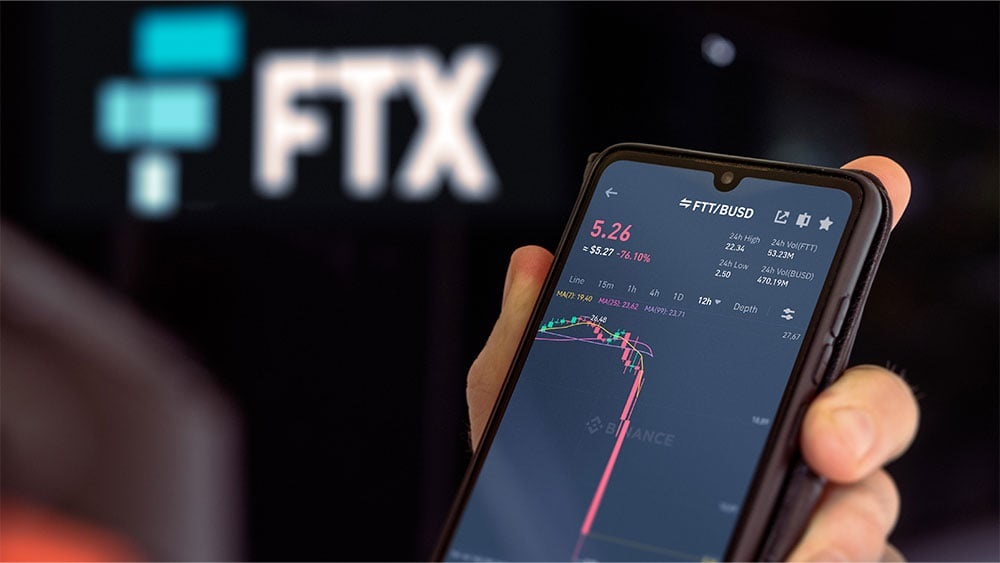
Sam Bankman-Fried, the billionaire founder and CEO of cryptocurrency exchange FTX, has been arrested and detained by federal authorities in New York. He is facing charges of money laundering, tax evasion, and securities fraud related to his involvement in the crypto industry. A federal judge in New York has ordered the arrest of Sam Bankman-Fried, the judge said he was revoking the bail that was granted to Bankman-Fried last month, after he was indicted on charges of fraud, money laundering, and market manipulation.

According to the indictment, Bankman-Fried and his associates allegedly operated a scheme to inflate the prices of various cryptocurrencies on FTX and other platforms, using fake accounts, bots, and insider information. The indictment also claims that Bankman-Fried and his co-defendants laundered billions of dollars through offshore entities and shell companies, evading taxes and regulatory oversight.

The judge said he was convinced that Bankman-Fried was a flight risk, given his access to vast amounts of crypto assets and his connections to foreign jurisdictions. The judge also cited evidence that Bankman-Fried had attempted to tamper with witnesses and obstruct justice, by offering bribes, threats, and intimidation.

Bankman-Fried’s lawyers argued that he was innocent of the charges and that he had cooperated fully with the authorities. They also said that he had complied with all the conditions of his bail, which included surrendering his passport, wearing an ankle monitor, and posting a $100 million bond. They said that revoking his bail was unjustified and excessive, and that they would appeal the decision.

According to a statement from the U.S. Attorney’s Office for the Southern District of New York, Bankman-Fried was taken into custody on Friday morning after arriving at John F. Kennedy International Airport from Hong Kong, where he is based. He is expected to appear before a magistrate judge later today.

The statement alleges that Bankman-Fried and his associates used FTX, which is one of the largest and most popular crypto exchanges in the world, to facilitate illicit transactions involving billions of dollars’ worth of digital assets. The authorities claim that Bankman-Fried and his co-conspirators laundered money for criminal organizations, evaded taxes on their enormous profits, and manipulated the prices of various cryptocurrencies to defraud investors.

The statement also accuses Bankman-Fried of violating the Securities Act of 1933 and the Securities Exchange Act of 1934 by offering and selling unregistered securities, such as futures contracts and options, on FTX without complying with the relevant regulations and disclosures. The authorities allege that Bankman-Fried exploited his access to insider information and his influence over the crypto market to benefit himself and his associates at the expense of other traders.

Bankman-Fried, who is 29 years old and has a net worth of over $16 billion according to Forbes, is one of the most prominent and influential figures in the crypto space. He is known for his philanthropy, his advocacy for effective altruism, and his support for various social causes. He has also donated millions of dollars to political campaigns, including those of President Joe Biden and Mayor Francis Suarez of Miami.

However, his arrest has sent shockwaves across the crypto community and the financial world, as many wonder what this means for the future of FTX and the crypto industry as a whole. Some analysts have speculated that this could trigger a major sell-off of cryptocurrencies, as investors lose confidence and trust in the market. Others have suggested that this could be an opportunity for other crypto exchanges and platforms to fill the gap left by FTX and gain more market share.

Bankman-Fried has not yet issued any public statement or comment on his arrest or the charges against him. His lawyers have not responded to requests for comment either. He faces up to 20 years in prison if convicted on all counts.

Share this:

  • Click to share on Facebook (Opens in new window) Facebook
  • Click to share on X (Opens in new window) X
  • Click to share on WhatsApp (Opens in new window) WhatsApp
  • Click to share on LinkedIn (Opens in new window) LinkedIn
  • Click to email a link to a friend (Opens in new window) Email
  • Click to print (Opens in new window) Print

Like this:

Like Loading...

Court Revokes FTX founder Sam Bankman-Fried’s Bail Over Witness Tampering

By
Samuel Nwite
-
August 12, 2023
0
Sam Bankman-Fried

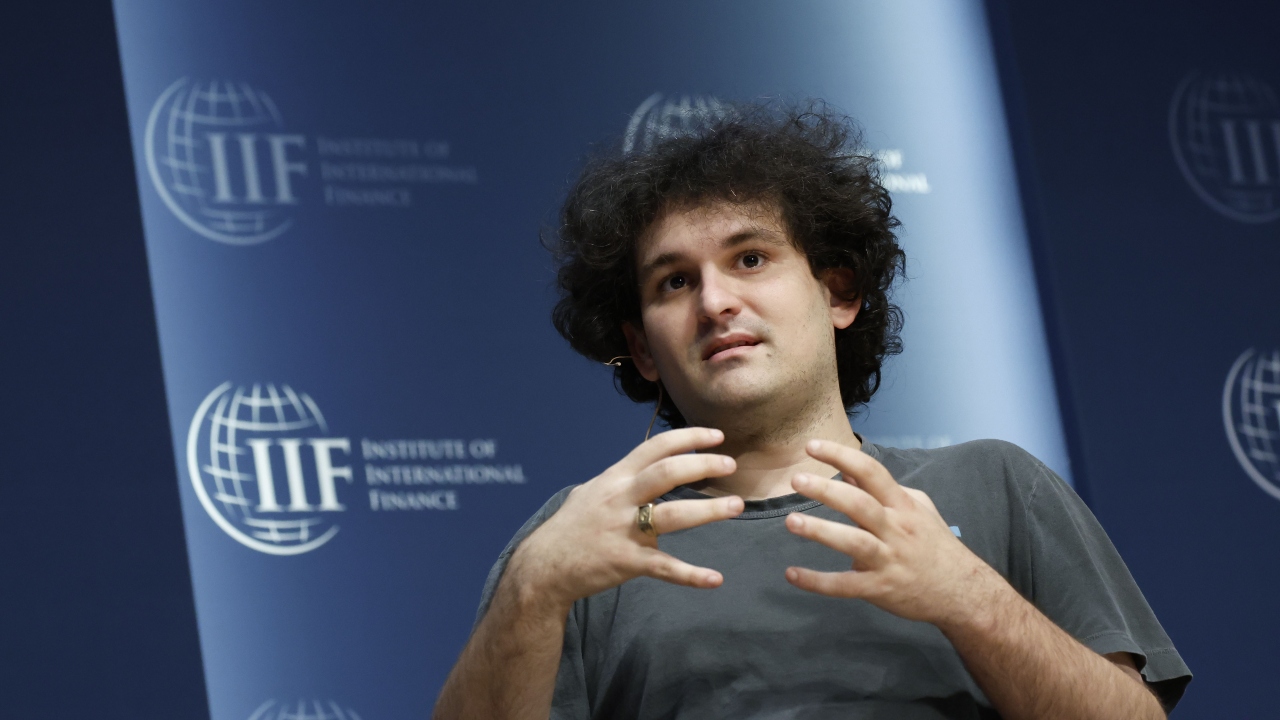
FTX founder Sam Bankman-Fried is heading back to prison after a judge granted the request of federal prosecutors and revoked his bail on Friday.

The twist in his case follows repeated violation of his bail conditions – mainly, speaking to the press. Judge Lewis Kaplan rejected Bankman-Fried’s plea for deferred detention pending an appeal, resulting in his direct remand into custody following a court proceeding in New York. He will stay in custody until his criminal trial commences on October 2nd.

Since his arrest last December following the implosion of FTX, Bankman-Fried has been in and out of court on pre-trial hearings, with Friday being the latest. He was bailed on a $250 million bond that came with the condition that he remains at his parents’ Palo Alto, California house.

Bankman-Fried’s continued dealings with the press were described by the Justice Department as a “pattern of witness tampering and evading his bail conditions,” which he was earlier in July warned about by Judge Kaplan.

In the motion seeking Bankman-Fried’s detention, the government asserted that in recent months, the defendant had dispatched more than 100 emails to media outlets and initiated over 1,000 phone conversations with members of the press.

According to CNBC, prosecutors said Bankman-Fried’s release of confidential diary entries belonging to his former girlfriend, Caroline Ellison, to the New York Times was the final straw.

Ellison, former Research co-CEO of Alameda – Bankman-Fried’s failed cryptocurrency hedge fund, had pleaded guilty to federal charges in December 2022 and is cooperating with prosecutors. She is expected to serve as a key witness for the prosecution.

“Faced with a series of conditions meant to limit the defendant’s use of the internet and the phone, the defendant pivoted to in-person machinations,” the prosecution said of Bankman-Fried, whose revised bail conditions include restricted internet access and a ban from smartphone use.

The report noted the government as further saying that Bankman-Fried engaged in over 100 telephone conversations with one of the authors of the Times article before its publication, often spanning around 20 minutes each.

The prosecution portrayed Bankman-Fried’s actions as an endeavor to undermine Ellison’s credibility. They characterized it as an “indirect form of witness intimidation through media channels.”

This argument successfully persuaded Judge Kaplan to order Bankman-Fried’s pre-trial detention.

Bankman-Fried is facing criminal charges over the alleged fraud of more than $1.8 billion he committed while at the helm of FTX. According to the prosecutors, the ex-billionaire defrauded regulators in “a house of cards” style, raising the fund from equity investors since May 2019 by promoting FTX as a safe, responsible platform for trading crypto assets.

Despite his bail requirements prohibiting him from speaking to the press, Bankman-Fried was notably talking to media outlets – denying any wrongdoing.
CNBC reported that various media representatives, including legal counsel for The New York Times and the Reporters Committee for Freedom of the Press, submitted letters contesting Bankman-Fried’s detention.

They raised concerns about freedom of speech.

In parallel, defense lawyers contended that Bankman-Fried was exercising his First Amendment rights and had not breached any conditions of his bail by talking to journalists.

Attorneys of the former FTX chief argued that if Bankman-Fried were to be detained, he would face challenges in adequately preparing for his trial. The challenges come from the extensive volume of discovery documents, which can only be accessed through a computer equipped with internet connectivity.

Share this:

  • Click to share on Facebook (Opens in new window) Facebook
  • Click to share on X (Opens in new window) X
  • Click to share on WhatsApp (Opens in new window) WhatsApp
  • Click to share on LinkedIn (Opens in new window) LinkedIn
  • Click to email a link to a friend (Opens in new window) Email
  • Click to print (Opens in new window) Print

Like this:

Like Loading...
1...3,9363,9373,938...8,153Page 3,937 of 8,153

Products

  • 1:1 Video Consultation w/ Ndubuisi Ekekwe | $300 or N200,000 1:1 Video Consultation w/ Ndubuisi Ekekwe | $300 or N200,000 $300.00
  • Tekedia Mini-MBA (Feb 9 – May 2, 2026) | $170 or N120,000 Tekedia Mini-MBA (Feb 9 – May 2, 2026) | $170 or N120,000 $170.00
  • Nigerian Capital Market Masterclass Nigerian Capital Market Masterclass $500.00
  • Artificial Intelligence (AI) in Business Masterclass | $400 or N200,000 Artificial Intelligence (AI) in Business Masterclass | $400 or N200,000 $400.00
  • Tekedia Startup Masterclass: from Start-Up to Unicorn | $400 or N200,000 Tekedia Startup Masterclass: from Start-Up to Unicorn | $400 or N200,000 $400.00

Recent forum posts

Bitcoin's Weakest Feature Is Dest …by Ndubuisi Ekekwe7 hours ago
Savannah Guthrie and her siblings …by Oladosun Joshua Segun17 hours ago
DJ Young Slade, 27, the son of ra …by Oladosun Joshua Segun19 hours ago
Dr. Ron Kenoly, the beloved gospe …by Oladosun Joshua Segun21 hours ago
Dave Coulier is now in remission, …by Oladosun Joshua Segun1 day ago

Domain + CPanel Hosting

  • School
  • Contact
  • Capital
  • AI Consulting
  • Store

© Tekedia. All rights reserved.

Term & Privacy

© Tekedia. All rights reserved.

Term & Privacy

%d