DD
MM
YYYY

PAGES

DD
MM
YYYY

spot_img

PAGES

Home Blog Page 3963

Decentralization Face-Off: Algorand (ALGO) and Alex The Doge (ALEX) Take Different Paths

0

Introduction

In the world of cryptocurrency, decentralization has always been a cornerstone principle. It ensures that power is distributed among a network of participants rather than being controlled by a central authority. Two projects that aim to embrace decentralization are Algorand (ALGO) and Alex The Doge (ALEX). While both projects recognize the importance of decentralization, they take different paths in their approach. In this article, we will explore the decentralization aspect of both Algorand and Alex The Doge (ALEX), and how their respective paths differ.

>>>>BUY $ALEX PRESALE NOW<<<<

Alex The Doge’s Path to Decentralization

Alex The Doge (ALEX), a new player in the Play-To-Earn Gaming and Social-Fi space, also recognizes the importance of decentralization. Built on Polygon’s blockchain for scalability, speed, and security, Alex The Doge (ALEX) aims to create a digital gaming world called the MiracleVerse, where users can earn rewards through play-to-earn gaming, De-Fi, and social trading.

While Alex The Doge (ALEX) embraces decentralization, its approach differs from Algorand. The project leverages the advantages of the Polygon blockchain to ensure scalability and security. Polygon’s technology allows for faster transaction processing and lower fees, making it suitable for gaming and social applications.

The decentralization aspect of Alex The Doge (ALEX) lies in its user-owned economy. Through the ecosystem’s in-game assets represented by ALEX tokens and NFTs, participants can earn tokens with monetary value outside the ecosystem. This provides an opportunity for community members to join gaming challenges and earn rewards, promoting a decentralized and inclusive gaming experience.

>>>>BUY $ALEX PRESALE NOW<<<<

Algorand’s Approach to Decentralization

Algorand (ALGO), often referred to as the world’s most powerful and sustainable blockchain, has been at the forefront of implementing decentralization effectively. Their institutional-grade blockchain infrastructure achieves decentralization, scalability, and security without compromising on environmental sustainability.

The Algorand (ALGO) blockchain operates on a proof-of-stake consensus mechanism, where users can participate in the network by staking their ALGO tokens. This ensures that decision-making power is in the hands of token holders who have a vested interest in the network’s success. Algorand’s consensus protocol is designed to be Byzantine fault-tolerant, meaning it can withstand malicious actors and maintain network integrity.

One of the key features of Algorand’s decentralization approach is its sustainability. The blockchain is energy-efficient, consuming significantly less power compared to other blockchains. Additionally, Algorand (ALGO) has partnered with ClimateTrade to offset its carbon footprint, making it a greener alternative in the cryptocurrency space.

>>>>BUY $ALEX PRESALE NOW<<<<

Decentralization: A Key Component of Cryptocurrencies

Decentralization has been a key component since the birth of cryptocurrencies. It ensures that no single entity or authority has control over the network, making it resistant to censorship and manipulation. By distributing power among participants, decentralization promotes transparency, security, and trust in cryptocurrency systems.

Both Algorand (ALGO) and Alex The Doge (ALEX) recognize the importance of decentralization and aim to incorporate it into their projects. While Algorand focuses on achieving decentralization, scalability, and sustainability, Alex The Doge (ALEX) takes a different path by leveraging the capabilities of the Polygon blockchain for gaming and social applications.

In conclusion, decentralization remains a fundamental principle in the world of cryptocurrencies. Projects like Algorand (ALGO) and Alex The Doge (ALEX) are paving the way for decentralized systems that empower individuals and create new opportunities for participation and economic growth. As the cryptocurrency industry continues to evolve, decentralization will remain a key factor in shaping the future of finance and technology.

For more information about Alex The Doge (ALEX) presale use the links down below:

From Memes to Utility: How Algorand (ALGO) and Alex The Doge (ALEX) Represent Crypto’s Diversity

0

Introduction

The world of cryptocurrencies is a vibrant and diverse space, with projects ranging from serious utility-focused blockchains to meme-driven tokens. Two such projects that exemplify this diversity are Algorand (ALGO) and Alex The Doge (ALEX). While they may exist within the same space of blockchain technology, their goals and approaches are vastly different. In this article, we will explore the journey of these two projects, comparing their meme and utility aspects, and highlighting the significant differences in their utility offerings.

>>>>BUY $ALEX PRESALE NOW<<<<

Alex The Doge: From Memes to Utility

In stark contrast to Algorand’s utility-focused approach, Alex The Doge (ALEX) represents the meme-driven side of the crypto world. Inspired by the legendary Sega character Alex The Kid, Alex The Doge (ALEX) aims to combine the nostalgia of retro gaming with the excitement of earning cryptocurrencies.

The Rise of Meme Tokens

Meme tokens have gained significant attention in the crypto market, driven by the power of social media and online communities. These tokens often take inspiration from popular memes or cultural references, creating a sense of community and lightheartedness. Alex The Doge (ALEX) taps into this trend by infusing the crypto space with a playful and meme-driven narrative.

Alex The Doge’s Utility

While Alex The Doge (ALEX) may have originated as a meme token, it has evolved to offer utility within its ecosystem. The MiracleVerse, a digital gaming world built on Polygon’s blockchain, serves as the platform for users to engage in play-to-earn gaming and social trading. With the ALEX token as the lifeblood of the ecosystem, users can earn rewards and participate in decentralized finance (DeFi) protocols on the platform.

>>>>BUY $ALEX PRESALE NOW<<<<

Algorand: The Powerhouse of Utility

At the forefront of the utility-focused blockchain movement stands Algorand (ALGO). It is hailed as the world’s most powerful and sustainable blockchain, offering decentralization, scalability, and security without compromising on environmental sustainability. Algorand’s blockchain infrastructure has gained recognition for its institutional-grade capabilities, making it the technology of choice for over 2000 global organizations.

Sustainability Leadership

One of the key aspects that sets Algorand (ALGO) apart is its commitment to sustainability. Unlike other energy-intensive blockchains, Algorand is designed to be highly energy-efficient, minimizing its carbon footprint. In fact, Algorand (ALGO) goes above and beyond by partnering with ClimateTrade to offset its small carbon footprint, making it a green blockchain solution.

>>>>BUY $ALEX PRESALE NOW<<<<

Embracing Diversity in Crypto

The coexistence of projects like Algorand (ALGO) and Alex The Doge (ALEX) showcases the diversity within the crypto market. While some projects focus on providing institutional-grade solutions and driving innovation, others tap into the power of memes and online communities. Both approaches have their merits and contribute to the overall growth and development of the crypto space.

>>>>BUY $ALEX PRESALE NOW<<<<

Conclusion

Algorand (ALGO) and Alex The Doge (ALEX) represent two contrasting sides of the crypto world. Algorand’s utility-focused blockchain infrastructure sets the stage for institutional-grade solutions, while Alex The Doge (ALEX) embraces the power of memes and play-to-earn gaming. Despite their differences, both projects contribute to the diversity and innovation within the crypto market. By recognizing and appreciating this diversity, we can foster an ecosystem that caters to a wide range of needs and interests. As the crypto landscape continues to evolve, it will be fascinating to witness the growth and impact of projects like Algorand (ALGO) and Alex The Doge (ALEX), each carving their unique path in the ever-expanding world of cryptocurrencies.

For more information about Alex The Doge (ALEX) presale use the links down below:

Innovation Showdown: Algorand (ALGO) Leads Blockchain Evolution, While Alex The Doge (ALEX) Lead P2E Revolution

0

Introduction

The world of cryptocurrencies and blockchain technology is constantly evolving, with innovative projects emerging to revolutionize different aspects of the industry. In this article, we will delve into two prominent projects, Algorand (ALGO) and  Alex The Doge (ALEX), and explore how they are leading the blockchain and play-to-earn (P2E) revolutions, respectively. Although they operate in different domains, both projects are contributing to the core development of the crypto space, pushing the boundaries of what is possible.

>>>>BUY $ALEX PRESALE NOW<<<<

Alex The Doge: Pioneering the P2E Revolution

Alex The Doge (ALEX) is a unique project that focuses on the play-to-earn (P2E) revolution. P2E gaming allows community members to participate in gaming challenges and earn tokens with real monetary value outside the ecosystem.  Alex The Doge (ALEX) aims to create a user-owned economy through in-game assets represented by ALEX tokens and non-fungible tokens (NFTs).

>>>>BUY $ALEX PRESALE NOW<<<<

Social-Fi and Community Building

In addition to P2E gaming,  Alex The Doge (ALEX) recognizes the importance of social interactions within the crypto space. The project aims to create social-fi interoperability by bridging diverse trading communities and introducing  Alex The Doge (ALEX) to multiple crypto and gaming groups. With the recent surge of interest in social finance (Social-Fi),  Alex The Doge (ALEX) is actively working on developing the necessary components for its community to participate in social-fi on the platform. By fostering community engagement and social trading, the project aims to enhance the user experience and create a fluid transition between gaming, social, and trading activities.

>>>>BUY $ALEX PRESALE NOW<<<<

Algorand: Leading the Blockchain Revolution

Algorand (ALGO) has garnered significant attention as a powerful and sustainable blockchain infrastructure. It has successfully achieved decentralization, scalability, and security without compromising on environmental sustainability. The project’s founder, Silvio Micali, emphasizes the removal of technical barriers that have hindered mainstream blockchain adoption for years. Algorand aims to provide global innovators with the confidence they need to effect real change.

Sustainability Leadership

One of the key aspects that sets Algorand (ALGO) apart is its commitment to sustainability. The project prides itself on being a green blockchain, prioritizing energy efficiency and environmental consciousness. Algorand’s energy consumption is significantly lower compared to other blockchains, making it a more sustainable choice. Moreover, the project has taken steps to offset its small carbon footprint through a partnership with ClimateTrade, further demonstrating its commitment to sustainability leadership.

>>>>BUY $ALEX PRESALE NOW<<<<

Conclusion

Together, Algorand (ALGO) and  Alex The Doge (ALEX) are spearheading innovation in the crypto space. Algorand (ALGO) is paving the way for the blockchain revolution, providing a sustainable and efficient infrastructure for global innovators. On the other hand,  Alex The Doge (ALEX) is leading the play-to-earn revolution, combining gaming and cryptocurrency to create a user-owned economy. These two projects, although different in focus, are contributing significantly to the overall development of the crypto industry, pushing boundaries, and driving the future of finance and gaming.

For more information about Alex The Doge (ALEX) presale use the links down below:

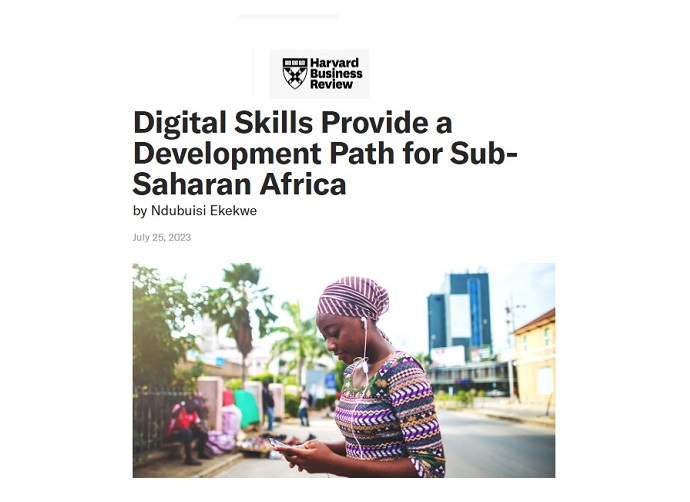
Digital Skills Provide a Development Path for Sub-Saharan Africa – Ndubuisi Ekekwe – Harvard Business Review

0

In Harvard Business Review today, I posit how Africa’s development could emerge since we’re urbanizing without industrialization: “Sub-Saharan Africa is urbanizing with massive rural-urban migration. But unlike the urbanization of the Western world, Sub-Saharan Africa is missing a critical component: industrialized urban cities. Because of this, these urban areas have become overcrowded with substandard housing and severely inadequate infrastructure to cope with unplanned population growth.

“Fortunately, a new development playbook to solve this problem is already evolving, and it is anchored on the young people equipped with advanced digital skills in Sub-Saharan Africa. These young workers are digitally savvy, creative, and can lead a massive transformation — if they’re equipped and supported to unlock their potential. They can export digital skills to Western Europe, United States, and Asia through the unbounded and unconstrained opportunities the internet has provided through “digital jobs” from music to software development to prompt engineering.

But to scale this and make it a success, changes must be taken into consideration at both the policy level and in implementation in the areas of quality digital education, tax treaties and harmonization, and outsourcing-focused startups.” Read here at Harvard.

  • Ndubuisi Ekekwe

Comment on Feed

Comment 1:  Well thought-out ariticle based on real life experience Prof. What is the taxation you referred to in the article? Do you mean the foreign companies hiring in Africa should be taxed or there should be fair tax policies for the tax over there?

My Response: The tax should be shared because the guy is in Lagos (Nigeria) working for a company in Germany. Typically, Germany keeps most of the taxes withheld by that firm. I think it needs to change as Nigeria needs to have some funds to ensure it can provide services to the worker who is actually living physically in Nigeria. This is about fairness because two countries are involved and one cannot pocked the personal income tax, etc.

Comment 2: Very insightful article Prof. Just as we discussed in one of our co-learning sessions at the Tekedia Institute. My proposal to emerging entrepreneurs interested in tapping into this rich industry, is to build more ‘bridges’ just as ANDELA did. Asides software development, we can focus on other highly valuable and needed digital skills, work with the various embassies or engage with private foreign outsourcing firms.. upskill our young work force and outsource this skill abroad…it’s a WIN-WIN solution….A greater Africa would truly rise.

My Response: ” Asides software development, we can focus on other highly valuable and needed digital skills, work with the various embassies or engage with private foreign outsourcing firms” – yes indeed. There are many other latent opportunities.

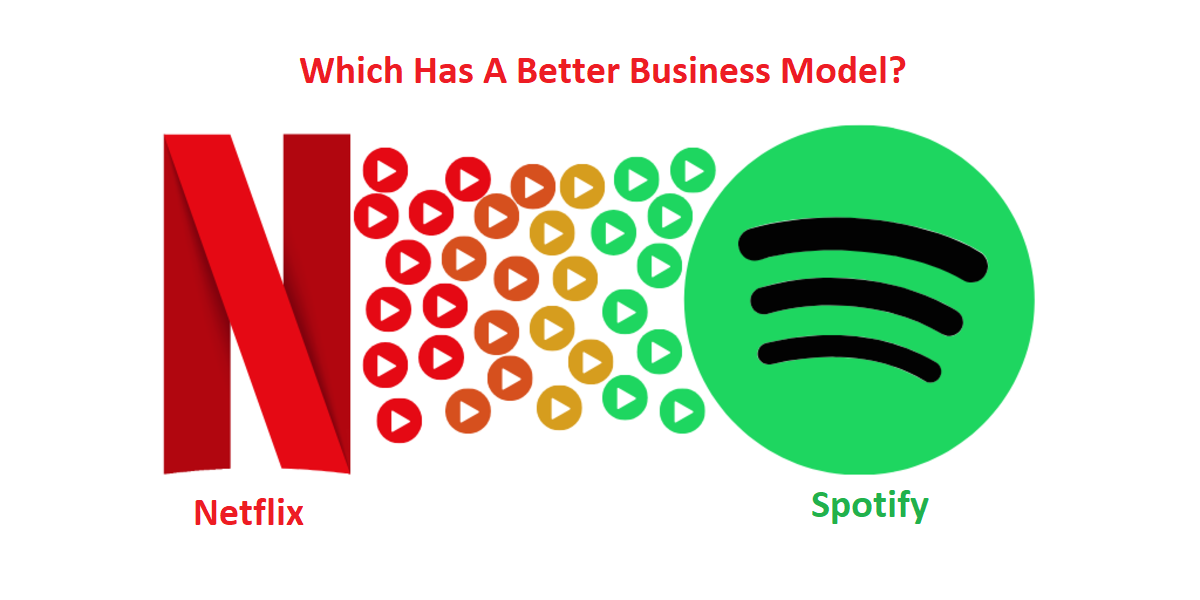
Between Netflix and Spotify, Which One Is Better?

0

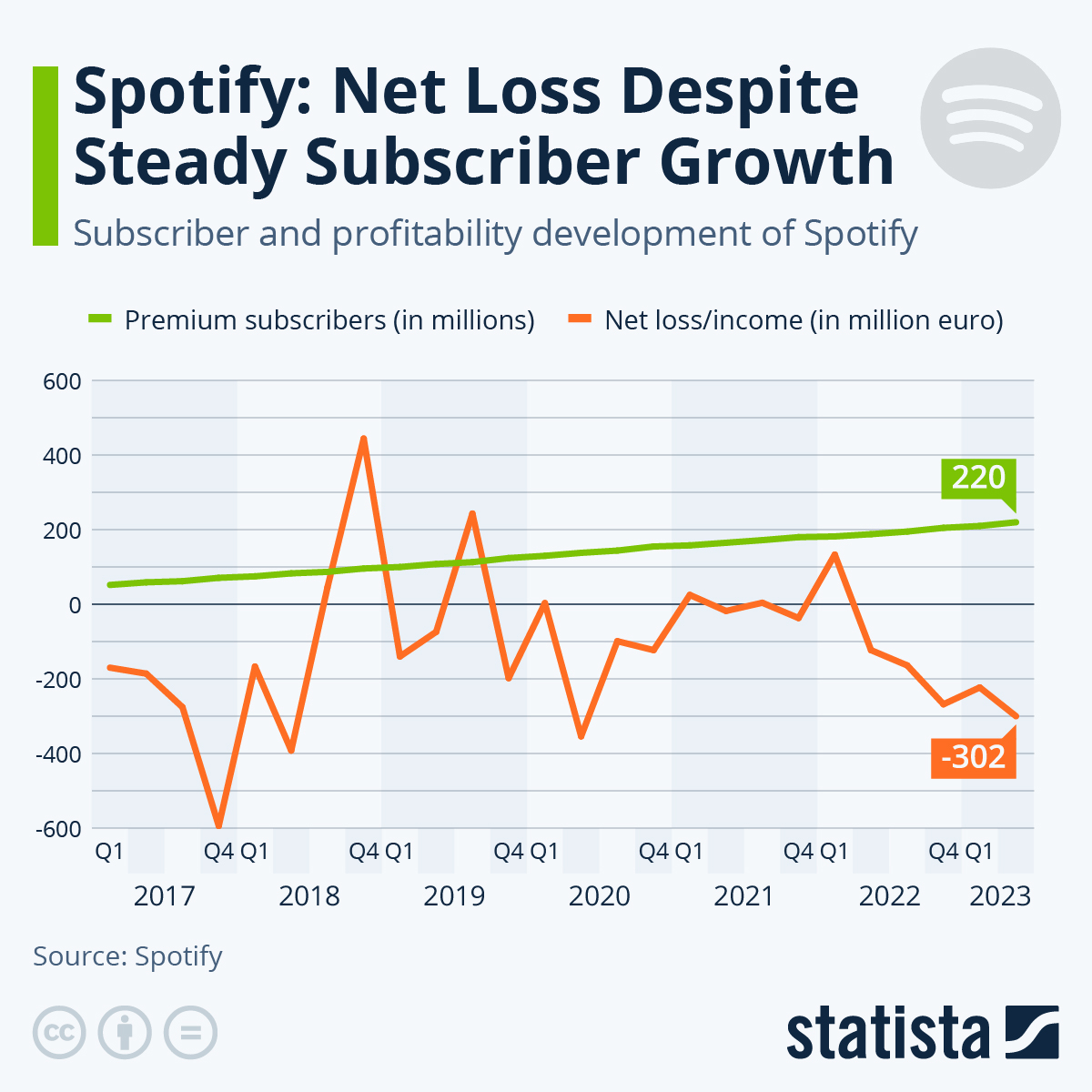
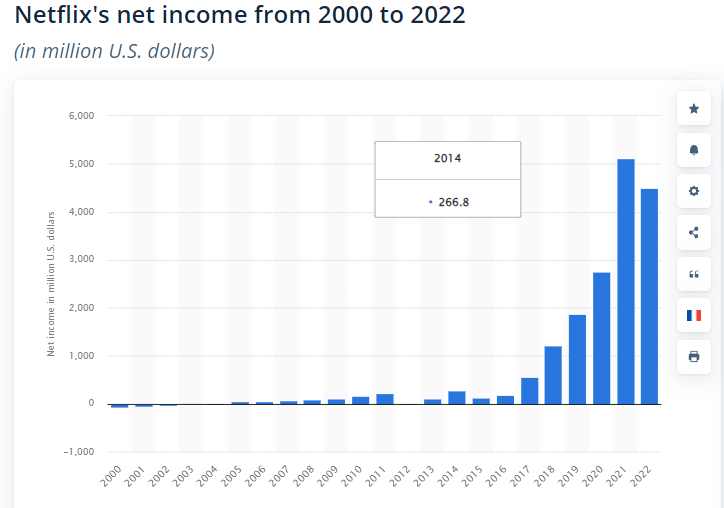
Netflix acquires shows and movies, and retails them via subscriptions. Spotify does not necessarily acquire the music streamed on its portal, rather, it licenses the music, and then pays royalty in perpetuity to the copyright owners when streamers pay for it.  Which one is a better business model?

Netflix Inc. is a media company offering streaming entertainment subscriptions. Its digital platform allows subscribers to stream TV series, documentaries, and feature films on demand. The company also offers a range of mobile games. Though most consumers access the most popular Netflix content online, the company still offers its original DVD-by-mail service in the U.S.

While the start-up cost of Netflix will be high, that business model gives one room to capture more value as profit, while Spotify is always tethered to royalty-percentages. Sure, Netflix has to be great on picking the shows and movies, to avoid wasting money, while Spotify may not necessarily care since it does not lose anything for dud music.

Spotify Technology S.A. is an audio-streaming subscription service legally domiciled in Luxembourg, but whose operational headquarters are located in Stockholm, Sweden, where the company was first launched.1 Its streaming services are monetized through both premium subscriptions and advertising, officially designated as its Premium Services segment and Ad-Supported Services segment, respectively.2

Which one works for you – and why? Let’s discuss business models!

Comment on Feed

Comment 1: There are way more music in the world than movies and movies are way longer. Netflix does not have a tremendous amount of movies produced but they still manage to retain customers because people come to watch movies and it takes longer for one movie to finish. I would think that if Spotify were to go the Netflix route, they would not have as much music on their platform as they currently have and music listeners come to platforms to listen to music hoping they would be able to listen to any music they want to listen to. The cost of acquiring every music in the world “outright” makes a Netflix of music an unlikely business model

My Response: So, in your analysis, everyone is doing and running the best possible model for movies and music.

Comment 1R: Ndubuisi Ekekwe, I definitely think so. I cannot imagine Spotify running around trying to purchase rights to multiple music been produced worldwide. Would present quite a challenge. Same applies to Netflix and trying to license multiple movies owned by competitors. Moreover as Netflix have come to realize now that they have lost a lot of movies they held licenses to in the past to competitors like Disney and co, millions of people can be entertained with a Database of just 40,000 movies, if they want more, they can find another platform for more.

If you have a database of just 40,000 music and people are constantly not finding the particular song they want to stream on your platform(because of course music are soo short), people would leave and unlikely to be back.

There is a reason why a cinema where people can go and watch newly released music videos one after another could never become a business.

Comment 2: The Spotify business model is perfect for startups with limited funds venturing into very volatile business environment.

I also belive it is a great model for established businesses expanding or going into new frontiers,
especially with the ever blurring industry boundaries in today’s business environment.

My take, The Spotify business model is great for today’s business environment.

Comment 3: The content types and target market also need to be factored. What Spotify does is relatively cheap, it neither calls for big innovation nor bidding wars, a modest business model. Not really capitalist inclined, more like a community thing.

For Netflix, it cannot guarantee great movies and shows if it goes by Spotify model, producers cannot make expensive movies when there is no form of exclusivity or some assurance for RoI. Movies are made with time frame of recovering the investment in mind, it cannot rely on getting royalty payments that trickle in at intervals, the next big movie will not be ready on if it plies that route.

The preferred business models pick themselves, I will ask both to remain in their respective lanes.

Comment 4: This is a case of low margin high volume versus high margin low volume models. Each have their advantages. One needs a deeper insights into the products being offered as well as LTV of the acquired customers. Also the customer acquisition costs is another important consideration as well as the scalability of the different models. To me, both of them seem to be a good fit for the type of product and target markets.

Comment 5: Music has a much higher replay value than movies, so the respective business models make sense to me. Even as a music artist, it is probably not wise to sell your album to a platform as it can he challenging to estimate the NPV of your art. With movies, the replay value is low, and because of the high initial capital that goes into making one, it makes sense that a movie studio may want to recoup those costs quickly via acquisition.

Comment 6: From another perspectives, you only need to watch a movie once and you are fine. But for Music, you stream and listen repeatedly.

For every new movie that is produced has a lifeline say 2-3 months. But music more like evergreen. You are more likely to still listen to music of the 80’ and 90’ but you can’t say that for movie.

So, both models works fine given the dynamics and percularities aforementioned