DD
MM
YYYY

PAGES

DD
MM
YYYY

spot_img

PAGES

Home Blog Page 3966

Healthtech Startup Remedial Health Raises $12 Million in Series A Equity Debt Funding

0

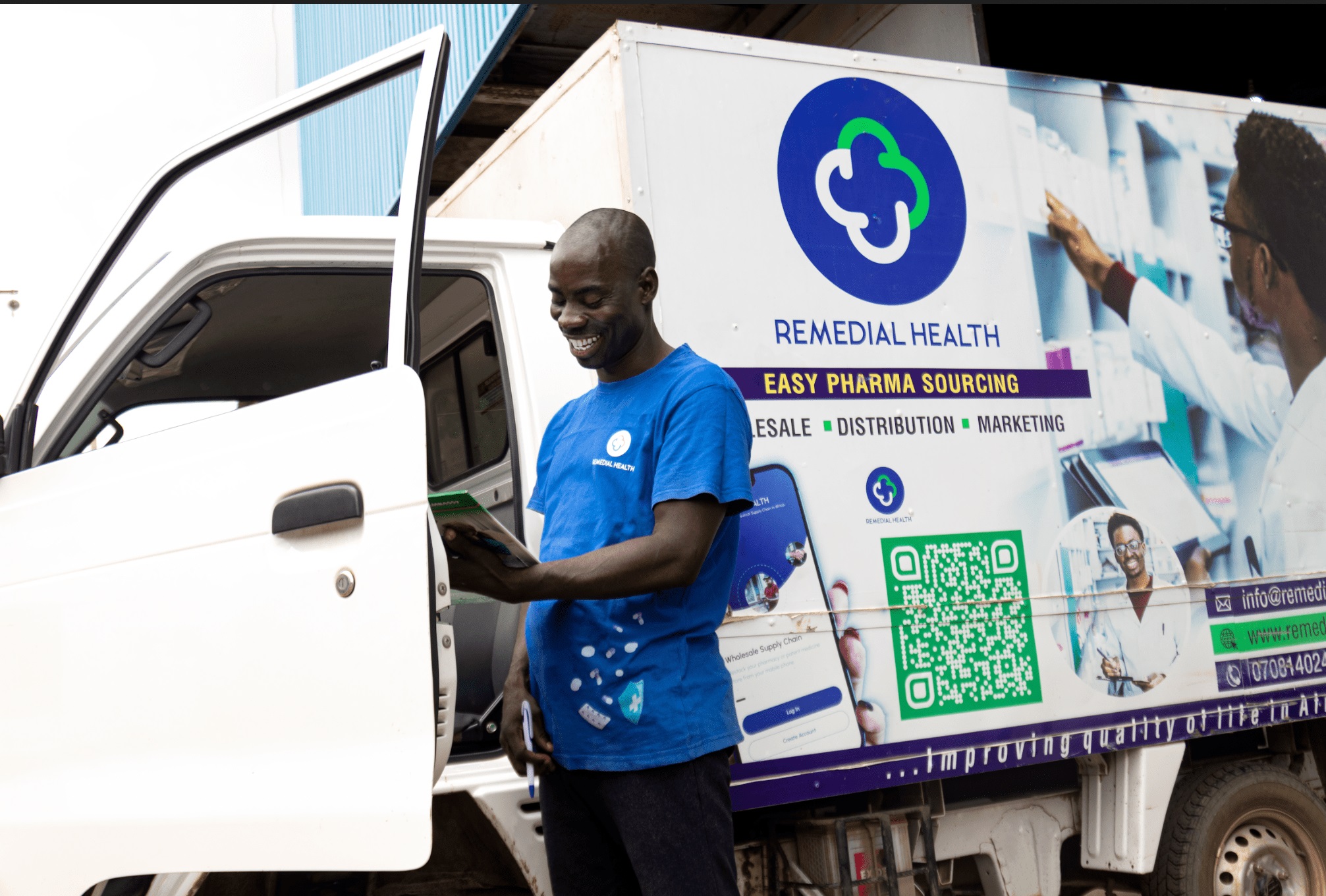
Nigerian Healthtech startup, Remedial Health, which uses pharmaceutical innovations and pharmacy operations management solutions to improve access to genuine and affordable medicines in Africa, has announced the raise of $12 million Series A equity-debt funding, to scale operations in the West African country.

The funding round was co-led by leading venture capital firm, QED Investors, with participation from other existing investors like Y Combinator, Tencent, and Gaingels.

Remedial Health will use the funds raised, to increase penetration into more states in Nigeria, by getting more pharmacies and hospitals signed up on the app, especially in rural areas where demand is growing.

Commenting on the investment, QED Investors partner and head of Africa, Gbenga Ajayi said,

The success that Remedial Health has enjoyed to date is an indication of the market gap that exists, and their value in providing effective holistic service to thousands of pharmacies across Nigeria. QED is particularly excited about the embedded financial services opportunities within the vertical, the ability to provide payments, embedded lending, and other fintech solutions to this underserved but very crucial sector”.

Founded in 2020 by Samuel Okwuada and Victor Benjamin, Remedial Health combines the use of pharmaceutical procurement innovations, inventory financing solutions, and pharmacy operations/patient management solutions to improve access to genuine and affordable medicines in Africa.

The startup is committed to helping pharmacies, health insurers, clinics, and other health providers deliver excellent services through solutions that seek to streamline pharmacy operations and close the gap between pharmacies and wards/patients.

It operates a Buy Now, Pay Later (BNPL) model, that provides customers with a stress-free inventory financing option that allows them to stock up first and pay later after dispensing to patients.

How the Remedial Health Buy Now, Pay Later model works;

Step 1. The first step is for users to request inventory finance on the remedial app.

Step 2. Customers get their requests approved within 24 working hours.

Step 3. After approval, they purchase everything they need at the Remedial store and check out with the ‘Pay Later option.

Step 4. Finally, customers receive their stock within 24 hours.

In August 2021, Remedial Health reached 300 pharmacies network served, and in October of the same year, it reached over $800,000 worth of inventories deployed.

The startup helps pharmaceutical manufacturers get their products into the African market through its data-driven local intelligence, regulatory expertise, and network of distributors and pharmacies.

It has continued to onboard new pharmacies, HMOs, Insurers, and manufacturers on its platform as it committed to penetrating more states in Nigeria and digitizing Pharmaceutical Supply Chain in Africa.

Subsidy Removal: Lagos State Slashes Transport Fares by 50% and 25%, Offers Free Medical Services

0

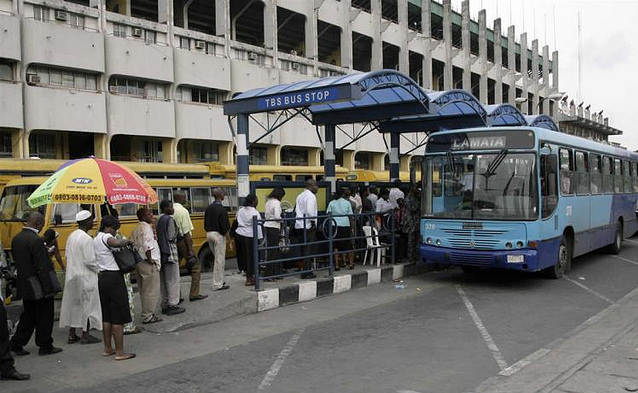
The Lagos State Government, in a move to minimize the weight of fuel subsidy removal on Lagosians, has slashed the costs of transportation of all state-owned transport systems by 50 percent and commercial vehicles by 25 percent.

The move comes as part of efforts by state governments to mitigate the effect of the subsidy removal, which has pushed petrol price up to N617 per liter from N195.

Transport and food costs have been identified as the most affected by the federal government’s decision, which was announced in May by President Bola Tinubu. The Lagos State government said in addition, there will be distribution of foodstuff to the vulnerable in the state, and also a measure of free medical services.

Governor Babajide Sanwo-Olu emphasized during a press briefing at the Lagos House in Ikeja that the state government is committed to providing palliatives to alleviate the burden caused by the removal of fuel subsidy on citizens.

He announced that starting from Wednesday, August 2, 2023, the government will implement the 50 percent reduction in transportation costs. He said in addition that modalities have been put in place to help the informal transportation sector, particularly the yellow buses, to lower their charges by 25 percent.

“Dear Lagosians, I understand the concerns and challenges faced by our citizens during these growth and transformational times. In response to the effects of the fuel subsidy removal, I’m introducing a series of measures for economic and humanitarian relief. From Wednesday, we’re implementing a 50% fare reduction on all Lagos Buses, easing the burden on commuters across the city. In collaboration with the bus unions, 25% off all yellow buses (danfo) fares will be communicated officially by the unions. Additionally, I’m pleased to announce a 50% fare reduction on all LagFerry routes,” the governor said.

“This will provide more accessible and affordable transportation options for our residents. Recognizing the importance of affordable healthcare, I’m directing our General Hospitals to offer free ante-natal services and delivery; normal and C-section services. This is ensuring the health of our families is taken care of without worrying about financial constraints.

“Our dedicated Lagos State Workers are vital to our progress as a state. To support you during this transition, we’re expanding the fleet of Staff Buses for our public service employees. Your well-being is a top priority. Standing in solidarity with the vulnerable in our society, we’re providing direct food relief to the vulnerable through various stakeholders – CDAs, Religious Groups, etc. Let’s come together as one family during these times of change. I promise that these are only the first steps in our commitment to uplifting our people. Stay strong, Lagos. We’ve got this.”

However, Lagosians have expressed doubt that the initiative will be successfully implemented. Although the governor did not give details of how the state intends to implement the initiative in the informal transport sector, many are concerned that if they’re not duly compensated, commercial bus operators will find it hard to cooperate with the initiative. This is because of the high rate of taxes they pay daily to state and non-state actors. 

Mali, Burkina Faso and Niger Republic’s North of Gulf of Guinea Treaty Organization* (NGGTO) – Attack on One Is Attack on the Three!

1

A few years ago, Iran seized Stena Impero, a British-flagged oil tanker. One British commentator wrote that the Royal Navy had lost its mojo, if not, it would have turned Iran into a desert (when Great was in front of Britain, it would have destroyed the coastal region of Iran).

Years later, Russia went into Ukraine and NATO, led by the US, is helping to protect Ukraine – and possibly will issue a guarantee of Ukraine’s future security, one way or the other when the dust settles.

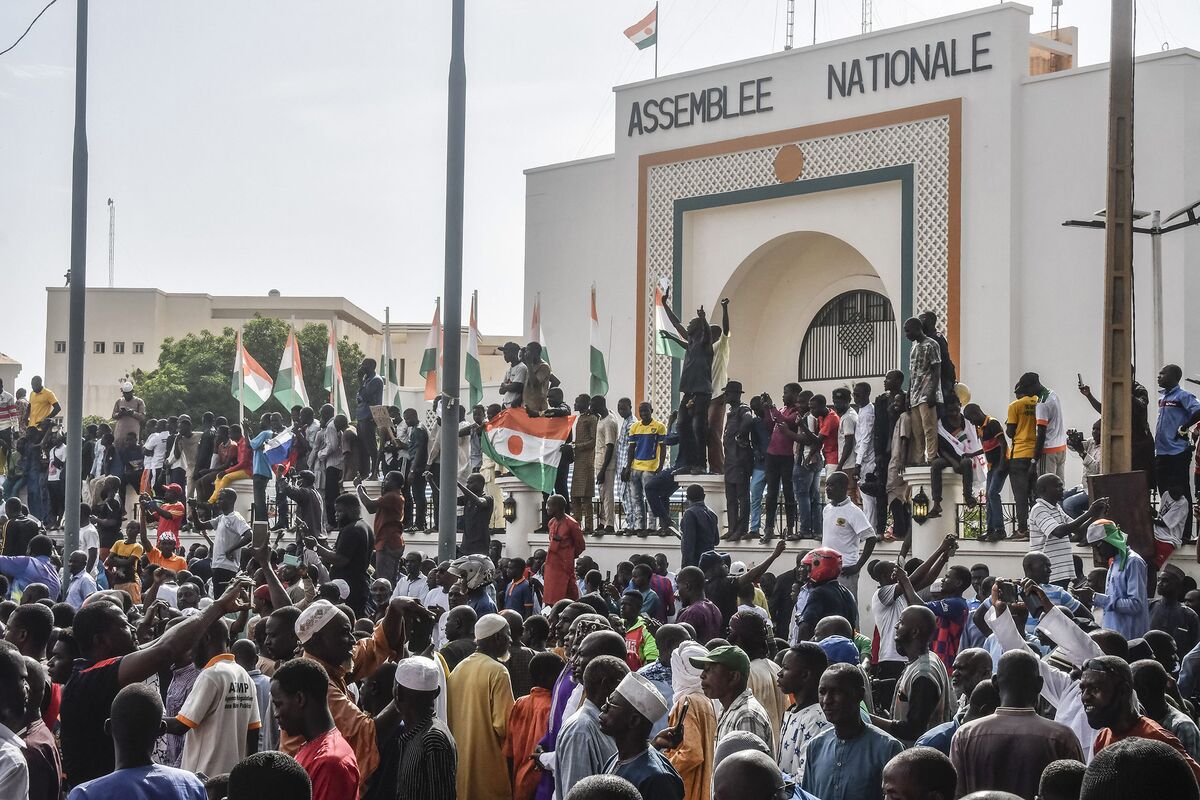
Right now in West Africa,  Mali and Burkina Faso have jointly told ECOWAS, led by Nigeria (holding the rotating Chairmanship), that if it fights the Niger Republic junta, they will fight to defend the Niger Republic sovereignty. The junta overthrew a democratic president a few days ago. Here, Mail and Burkina Faso are the NGGTO* (North of Gulf of Guinea Treaty Organization), analogous to NATO in Ukraine! 

And the most intriguing part, Russia’s newswire, TASS, posted the video, summarizing: “Burkina Faso and Mali intend to consider any military intervention in Niger as a declaration of war against them” — TASS (video below)

The military leadership of Mali and Burkina Faso warned that any military intervention against Niger would also amount to a declaration of war against the West African nations.

An operation in Niger would have “disastrous consequences” for Niger and risk destabilizing the whole region, government spokesmen for Mali and Burkina Faso said in a joint statement Monday.

People, if you love your nkwobi, amala and zobo in Nigeria, tell your political leaders not to declare war in Niger. It is not necessary because if they do, it means we will have Niger, Mali and Burkina Faso at war at the same time. If that happens, Nigeria is done economically and it can break the nation due to the stress that would come from it. Like the British did on Stena Impero, Nigeria and ECOWAS must dialogue!

*I made that up.


Comment on Feed

Comment 1: Another brilliant piece from Prof Ndubuisi Ekekwe .
I will never for once suggest that Nigeria and ECOWAS should go to war in order to remove the occupying forces in Niger republic.
Nigeria is currently battling ferocious internal crises ranging from insecurity, armed banditry and kidnapping to economic issues. We have more than enough to bite as a country already. We cannot afford more of these!
What ECOWAS should do is for it set political agenda with strict deadline for Niger republic through mutual negotiation with military occupiers. This agenda must include timelines to organize national elections and hand over to a democratically elected government and the exit of the military junta from political scene.
What we want in Africa right now is peace and stability; politically and economically.

Comment 2: When WW2 started in Europe on September 1, 1939, America stayed away from it as many analysts believed it should not enter the war but face it’s internal issues (the Great Depression was 10 years earlier). However, when Japan dropped over a thousand bombs on Pearl Harbor, America knew that problems were at its doorstep.

This challenge from NGGTO* is a litmus test for Nigeria to live up to its bidding as the giant of Africa. It’s the opportunity to call the bluff of Wagner’s ragtag group and project our image as Big Brother Africa.

It’s terrible optics if Nigeria backs down from these military boys; Togo, Ghana, Cameroon, Senegal etc, might follow. We must use Niger as the scapegoat and use all means to stop the military junta.

If ECOWAS backs down, the consequence in 10 years will make all of us wished they hadn’t given in to these Wagner puppets. It’s also an opportunity for Nigeria to improve its internal policing and intelligence capacity. Niger is the opportunity to ensure we quel a private army standing up to Aftica using some puppets.

Nigeria must ensure the Niger coup fails.

To the Nigeria president, well-meaning Pan-Africans are behind you in ensuring the coup in Niger fails.

Comment 2C: I completely agree with your views. After all diplomatic means have been exhausted, there will be no other option. Nigeria must rise up to the challenge and we must understand that there is price to pay if we hope to remain the giant of Africa. I have heard different views as to whether democracy is working in Africa, my opinion for the sake of Africa and Africans, democratically led government remains the best form of government and we must do all that is possible to keep it while we redesign it (where necessary) to fit more into a working system for Africa and the individual countries in the continent.

My Response: Great comment except that I am not sure ECOWAS will win any war in Niger even though it can win the battle. So, you can get in, take the junta out but for 20 years, you have insurgency in 3 countries. These countries have wars at home via BK, inflation, etc.

Comment 3: If we fail to learn from history. It is most likely to repeat itself.

As much as most have called for non-Military intervention against the rising regional conflict probably backed by big nations. It is also very important that Nigeria doesn’t play the diplomacy with too much weakness. Our Military is watching. Military might is contagious across nations and what happened in Niger backed by Mail and BK, might raise interest back home. I mean. May what happened to MKO not happen to Bola. Because Nigeria is facing an economic civil war right now and it should not translate to more uglier things. Wisdom to the wise the scripture says. Wisdom is needed to navigate this delicate situations. Meanwhile BRICS summit is coming up by end of August, am I sensing something fishing? China & Russia? I also don’t trust the NATO alliance. Wisdom to our Leaders. Amen.

Comment 4: It is a great tragedy that Africans are even contemplating going to war with other Africans. It appears we have learned nothing. We continue to allow our real enemies to manipulate us for THEIR interests and not ours. Imagine if Africans actually spent time, energy, and precious resources building a Confederation of United African States. We could defend our continent and African sovereignty. There would be no need for our people to fight and we could dislodge the oppressors from Africans lands UNLESS they agreed to a much more Afrocentric approach to trade based on equality.

When will we wake up!

Averting Strikes, Tinubu Rolls Out Palliative Measures, But Which Do Nigerians Need Most?

0

The Federal Government of Nigeria is running against time to avert a nationwide strike, due to commence on Wednesday by organized labor unions.

The recent strike threat was issued last week by the Nigerian Labour Congress (NLC) and the Trade Union Congress (TUC) as a way of getting the government to act fast to ameliorate the economic impact of its recent policies – the removal of fuel subsidy and the floating of the FX market.

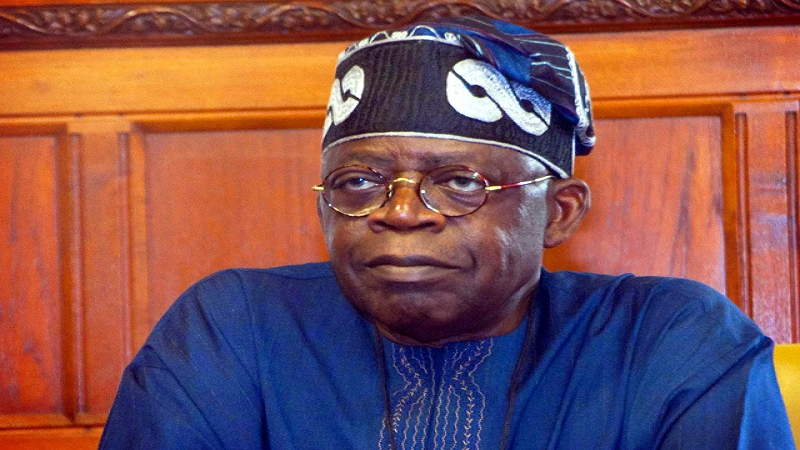
The President Bola Tinubu-led administration, in the wake of these policies, promised to roll out a range of palliative measures to mitigate their effect. The measures include the World Bank-backed cash transfer to poor Nigerian households and releasing of grains to boost food security.

But the palliative measures have been deemed significantly insufficient, bolstering the belief that the government is insensitive to the plights of Nigerians – instigating the current faceoff between the government and labor unions.

The removal of fuel subsidy and the deregulation of the forex market saw the price of fuel shoot up to N617 from N195 per liter and the naira exchange at around N800/$1 from N464/$1 at Investor & Export window. This means an unprecedented increase in the cost of goods and services – overwhelming the meager spending power of Nigerians.

Following the threat of a nationwide strike, and the backlash that followed an earlier announcement by the government to disburse N8,000 to 12 million Nigerian households, the federal government appears to have amended the palliative measures.

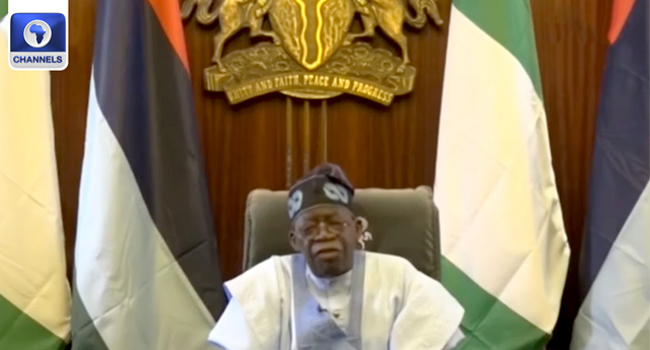
In his national address on July 31, Tinubu outlined 8 key palliative measures his administration is rolling out to cushion the adverse effects of the FX and subsidy reforms. They are the following:

Reducing the high cost of food: Tinubu said that to ensure food remains affordable, the government will release 2000 metric tons of grains from strategic reserves to households across all 36 states and the Federal Capital Territory. Furthermore, 225,000 metric tons of fertilizer, seedlings, and other inputs will be provided to farmers committed to the nation’s food security agenda.

Boosting agriculture with N200 billion: The president said agricultural development will be supported with the disbursement of N200 billion to cultivate 500,000 hectares of farmland. This program will focus on cultivating rice, maize, wheat, and cassava, benefiting small farmers as well as large-scale private sector players in the agricultural industry.

Minimum wage: He added that by collaborating with labor unions, the government is working to introduce a new national minimum wage for workers. The salary review will be implemented once agreed upon and budget provisions are made.

N125 billion for MSMEs: President Tinubu said the federal government will commit N125 billion in funding to support Micro, Small, and Medium-Sized Enterprises (MSMEs). From this fund, N50 billion will be dedicated to providing grants to 1 million nano businesses by March 2024. Each of the 774 local governments in Nigeria will receive a minimum grant of N50,000, benefiting a total of 1,300 nano business owners in each area.

N100 billion for mass transit: Additionally, the government will invest N100 billion to purchase 3000 units of 20-seater Compressed Natural Gas (CNG) fuel buses. These buses will be distributed to major transportation companies in states based on travel intensity. Participating transport companies can access credit with a maximum interest rate of 9% and a repayment period of 60 months.

9 percent interest loan for SMEs and Startups: Tinubu said 100,000 SMEs and startups will receive support through a scheme with a budget of N75 billion. Entrepreneurs can access loans ranging from N500,000 to N1 million at a maximum interest rate of 9% per annum, with a repayment period of 36 months.

Student loans: According to the president, the federal government plans to push over N1 trillion saved from fuel subsidy payments into providing student loans for higher education, ensuring that no Nigerian student has to abandon their studies due to financial constraints.

Infrastructure fund for states: To improve living conditions and address critical areas, a new infrastructure fund will be available to states. The fund will be utilized for healthcare and educational infrastructure upgrades, as well as to improve transportation routes for the transportation of farm produce to markets.

Which do Nigerians need more?

Among the many demands made by labor unions, wage increase has stood out, drawing overwhelming support from Nigerians who believe it will go a long way to boost their spending power, and in turn, help the informal sector to stay afloat. In addition, it is believed that other palliative measures like grain distribution and the CNG-powered mass transit initiative can only reach a limited number of people and the agriculture scheme will not yield immediate result.

Compared to other countries where petrol sells above N500 per liter, Nigeria has one of the poorest minimum wages.

The TUC had demanded N200,000 monthly minimum wage, but many doubt if it would be possible considering how broke Nigeria currently is. Some analysts believe that a significant increase from the current N30,000 monthly salary is achievable based on revenue boost from the removal of fuel subsidy. FAAC (federation account allocation committee) allocations to the federal, state, and local governments are expected to jump following the removal of fuel subsidy.

“We Will Fund 100,000 MSMEs and Start-ups with N75bn” (Full Text of Tinubu’s Address to Nigerians on July 31 2023)

0

TEXT OF THE NATIONAL BROADCAST BY PRESIDENT BOLA TINUBU TO NIGERIANS ON CURRENT ECONOMIC CHALLENGES.

AFTER DARKNESS COMES THE GLORIOUS DAWN

My fellow citizens,

I want to talk to you about our economy. It is important that you understand the reasons for the policy measures I have taken to combat the serious economic challenges this nation has long faced.

  1. I am not going to talk in difficult terms by dwelling on economic jargon and concepts. I will speak in plain, clear language so that you know where I stand. More importantly, so that you see and hopefully will share my vision regarding the journey to a better, more productive economy for our beloved country.
  2. For several years, I have consistently maintained the position that the fuel subsidy had to go. This once beneficial measure had outlived its usefulness. The subsidy cost us trillions of Naira yearly. Such a vast sum of money would have been better spent on public transportation, healthcare, schools, housing and even national security. Instead, it was being funneled into the deep pockets and lavish bank accounts of a select group of individuals.
  3. This group had amassed so much wealth and power that they became a serious threat to the fairness of our economy and the integrity of our democratic governance. To be blunt, Nigeria could never become the society it was intended to be as long as such small, powerful yet unelected groups hold enormous influence over our political economy and the institutions that govern it.
  4. The whims of the few should never hold dominant sway over the hopes and aspirations of the many. If we are to be a democracy, the people and not the power of money must be sovereign.
  5. The preceding administration saw this looming danger as well. Indeed, it made no provision in the 2023 Appropriations for subsidy after June this year. Removal of this once helpful device that had transformed into a millstone around the country’s neck had become inevitable.
  6. Also, the multiple exchange rate system that had been established became nothing but a highway of currency speculation. It diverted money that should have been used to create jobs, build factories and businesses for millions of people. Our national wealth was doled on favorable terms to a handful of people who have been made filthy rich simply by moving money from one hand to another. This too was extremely unfair.
  7. It also compounded the threat that the illicit and mass accumulation of money posed to the future of our democratic system and its economy.
  8. I had promised to reform the economy for the long-term good by fighting the major imbalances that had plagued our economy. Ending the subsidy and the preferential exchange rate system were key to this fight. This fight is to define the fate and future of our nation. Much is in the balance.
  9. Thus, the defects in our economy immensely profited a tiny elite, the elite of the elite you might call them. As we moved to fight the flaws in the economy, the people who grow rich from them, predictably, will fight back through every means necessary.
  10. Our economy is going through a tough patch and you are being hurt by it. The cost of fuel has gone up. Food and other prices have followed it. Households and businesses struggle. Things seem anxious and uncertain. I understand the hardship you face. I wish there were other ways. But there is not. If there were, I would have taken that route as I came here to help not hurt the people and nation that I love.
  11. What I can offer in the immediate is to reduce the burden our current economic situation has imposed on all of us, most especially on businesses, the working class and the most vulnerable among us.
  12. Already, the Federal Government is working closely with states and local governments to implement interventions that will cushion the pains of our people across socio-economic brackets.
  13. Earlier this month, I signed four (4) Executive Orders in keeping with my electoral promise to address unfriendly fiscal policies and multiple taxes that are stifling the business environment. These Executive Orders on suspension and deferred commencement of some taxes will provide the necessary buffers and headroom to businesses in the manufacturing sector to continue to thrive and expand.
  14. To strengthen the manufacturing sector, increase its capacity to expand and create good paying jobs, we are going to spend N75 billion between July 2023 and March 2024. Our objective is to fund 75 enterprises with great potential to kick-start a sustainable economic growth, accelerate structural transformation and improve productivity. Each of the 75 manufacturing enterprises will be able to access N1 Billion credit at 9% per annum with maximum of 60 months repayment for long term loans and 12 months for working capital.
  15. Our administration recognizes the importance of micro, small and medium-sized enterprises and the informal sector as drivers of growth. We are going to energize this very important sector with N125 billion.
  16. Out of the sum, we will spend N50 billion on Conditional Grant to 1 million nano businesses between now and March 2024. Our target is to give N50,000 each to 1,300 nano business owners in each of the 774 local governments across the country.
  17. Ultimately, this programme will further drive financial inclusion by onboarding beneficiaries into the formal banking system. In like manner, we will fund 100,000 MSMEs and start-ups with N75 billion. Under this scheme, each enterprise promoter will be able to get between N500,000 to N1million at 9% interest per annum and a repayment period of 36 months.
  18. To further ensure that prices of food items remain affordable, we have had a multi-stakeholder engagement with various farmers’ associations and operators within the agricultural value chain.
  19. In the short and immediate terms, we will ensure staple foods are available and affordable. To this end, I have ordered the release of 200,000 Metric Tonnes of grains from strategic reserves to households across the 36 states and FCT to moderate prices. We are also providing 225,000 metric tonnes of fertilizer, seedlings and other inputs to farmers who are committed to our food security agenda.
  20. Our plan to support cultivation of 500,000 hectares of farmland and all-year-round farming practice remains on course. To be specific, N200 billion out of the N500 billion approved by the National Assembly will be disbursed as follows:

-Our administration will invest N50 billion each to cultivate 150,000 hectares of rice and maize.

-N50 billion each will also be earmarked to cultivate 100,000 hectares of wheat and cassava.

  1. This expansive agricultural programme will be implemented targeting small-holder farmers and leveraging large-scale private sector players in the agric business with strong performance record.
  2. In this regard, the expertise of Development Finance Institutions, commercial banks and microfinance banks will be tapped into to develop a viable and an appropriate transaction structure for all stakeholders.
  3. Fellow Nigerians, I made a solemn pledge to work for you. How to improve your welfare and living condition is of paramount importance to me and it’s the only thing that keeps me up day and night.
  4. It is in the light of this that I approved the Infrastructure Support Fund for the States. This new Infrastructure Fund will enable States to intervene and invest in critical areas and bring relief to many of the pain points as well as revamp our decaying healthcare and educational Infrastructure.
  5. The fund will also bring improvements to rural access roads to ease evacuation of farm produce to markets. With the fund, our states will become more competitive and on a stronger financial footing to deliver economic prosperity to Nigerians.
  6. Part of our programme is to roll out buses across the states and local governments for mass transit at a much more affordable rate. We have made provision to invest N100 billion between now and March 2024 to acquire 3000 units of 20-seater CNG-fuelled buses.
  7. These buses will be shared to major transportation companies in the states, using the intensity of travel per capital. Participating transport companies will be able to access credit under this facility at 9% per annum with 60 months repayment period.
  8. In the same vein, we are also working in collaboration with the Labour unions to introduce a new national minimum wage for workers. I want to tell our workers this: your salary review is coming.
  9. Once we agree on the new minimum wage and general upward review, we will make budget provision for it for immediate implementation.
  10. I want to use this opportunity to salute many private employers in the Organised Private Sector who have already implemented general salary review for employees.
  11. Fellow Nigerians, this period may be hard on us and there is no doubt about it that it is tough on us. But I urge you all to look beyond the present temporary pains and aim at the larger picture. All of our good and helpful plans are in the works. More importantly, I know that they will work.
  12. Sadly, there was an unavoidable lag between subsidy removal and these plans coming fully online. However, we are swiftly closing the time gap. I plead with you to please have faith in our ability to deliver and in our concern for your well-being.
  13. We will get out of this turbulence. And, due to the measures we have taken, Nigeria will be better equipped and able to take advantage of the future that awaits her.
  14. In a little over two months, we have saved over a trillion Naira that would have been squandered on the unproductive fuel subsidy which only benefitted smugglers and fraudsters. That money will now be used more directly and more beneficially for you and your families.
  15. For example, we shall fulfill our promise to make education more affordable to all and provide loans to higher education students who may need them. No Nigerian student will have to abandon his or her education because of lack of money.
  16. Our commitment is to promote the greatest good for the greatest number of our people. On this principle, we shall never falter.
  17. We are also monitoring the effects of the exchange rate and inflation on gasoline prices. If and when necessary, we will intervene.
  18. I assure you my fellow country men and women that we are exiting the darkness to enter a new and glorious dawn.
  19. Now, I must get back to work in order to make this vision come true.
  20. Thank you all for listening and may God bless the Federal Republic of Nigeria.