DD
MM
YYYY

PAGES

DD
MM
YYYY

spot_img

PAGES

Home Blog Page 3972

Insurance Premiums and Commissions Under Nigerian Law

0

The Insurance Act Of Nigeria outlines a number of provisions concerning premiums and commissions which constitute the focus of this article. We will be looking more at the topics of :-

– The importance of insurance premiums to insurance contracts.

– General increases in premium charges on motor insurance.

– The ad-hoc committee on compulsory insurance business.

What are the provisions of the act on the receipt of insurance premiums? 

– The receipt of an insurance premium shall be a condition precedent to a valid contract of insurance and there shall be no cover in respect of an insurance risk, unless the premium paid in advance.

– An insurance premium collected by an insurance broker in respect of an insurance business transacted through the insurance broker shall be deemed to be premium paid to the insurer involved in the transaction.

What does the act say on general increases in premium charges on motor insurance, etc?

– No insurer shall either by itself or as a member of an association of insurers make a general increase in the minimum rates of premiums charged or to be charged with respect to any class of insurance business made compulsory by law except with a prior approval of the National Insurance Commission (NAICOM).

– An insurer who makes a general increase otherwise than in compliance with the relevant provisions of this act commits an offence and is liable to a fine of 10 times the amount of premium charged and received by the insurer or 100,000.00 Naira, whichever is greater.

– An insurer who increases rates of premium charged or to be charged with respect to any class of insurance business made compulsory by law otherwise than in compliance with the provisions mentioned in the paragraph above commits an offence and is liable on conviction to either of the following additional penalties:

a). Suspension of its operations in respect of a new insurance business for a period of not less than 6 months or more than 3 years.

b). Cancellation of its certificate of registration, and in addition to either of the foregoing, the insurer shall refund the excess payment to every person making such excess payment or to other persons entitled thereto.

– The penalties referred to above shall be imposed by NAICOM and an insurer who feels aggrieved may appeal to the Minister of Finance under the Insurance Act.

– These provisions shall not apply to non-tariff insurance business, where premiums are charged according to the risk covered by the insurance policy.

What are the provisions of the act regarding the appointment of an adhoc committee on compulsory insurance business?

– The commission may, from time to time, appoint an adhoc committee to deal with matters relating to any class of insurance business made compulsory by law in Nigeria.

– The committee appointed under this provision shall consist of such number of persons and perform such functions as the commission may, from time to time, prescribe.

What are the limitations on the payment of insurance commissions under the act?

– No insurer shall pay by way of commission to an insurance agent, insurance broker or any other intermediary an amount –

a). Exceeding 12.5% of the premium in respect of motor and business.

b). 15% in respect of workmen’s compensation.

c). 20% of the premium in respect of any other subdivision not being one mentioned in (a) & (b) above.

– No alteration in the rates if a commission mentioned above shall be made except with prior approval of NAICOM.

– The rate of commission payable to insurance agent shall not be more than 500% of the rate of commission payable to insurance brokers or as determined by NAICOM , from time to time, on the recommendation of the ad-hoc committee mentioned in this article.

– A person who pays or receives any commission otherwise than in compliance with the provisions of this section commits an offence and will be liable to a fine of 100 thousand Naira plus an additional fine being an amount equal to the excess commission.
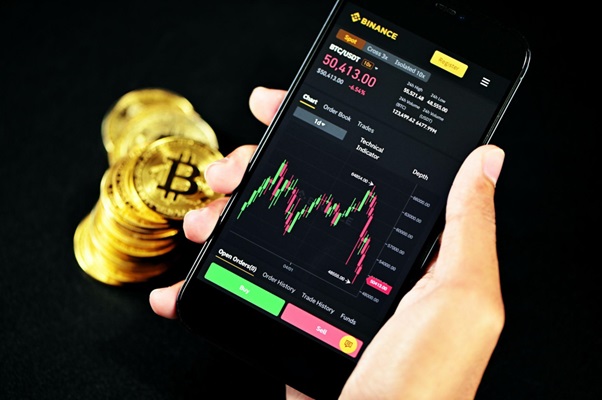

Bitcoin Price Index Since 2009 Through Market Meltdowns

0

Bitcoin is a decentralized digital currency that operates without the need for a central authority or intermediary. It was created in 2009 by an anonymous person or group using the pseudonym Satoshi Nakamoto. Bitcoin transactions are recorded in a public ledger called the blockchain, which ensures their validity and prevents double-spending.

One of the most distinctive features of Bitcoin is its limited supply of 21 million coins, which is expected to be reached around the year 2140. This scarcity makes Bitcoin a deflationary asset, meaning that its value tends to increase over time as demand outstrips supply. However, this also makes Bitcoin highly volatile and susceptible to market fluctuations.

The Bitcoin price index (BPI) is a measure of the average price of Bitcoin across various exchanges and platforms. It is calculated by taking the weighted average of the prices from different sources, such as

CoinDesk, Bitstamp, Coinbase, and others. The BPI is often used as a reference point for investors, traders, and enthusiasts who want to track the performance of Bitcoin in relation to other currencies or assets.

One of the most prominent features of Bitcoin is its volatility, which means that its price can fluctuate significantly in a short period of time. This can create opportunities for profit, but also expose users to losses. Bitcoin has experienced several market meltdowns in its history, where its price dropped by more than 50% in a matter of days or weeks. Some of the most notable ones are:

  • The 2011 crash: In June 2011, Bitcoin reached an all-time high of $31.91, but then plummeted to $2.22 in November 2011, a drop of 93%. This was caused by several factors, such as hacking attacks on exchanges and wallets, technical glitches, media scrutiny, and regulatory actions.

  • The 2013 crash: In April 2013, Bitcoin reached a new high of $266, but then crashed to $50 in a week, a drop of 81%. This was triggered by a massive sell-off by users who feared that the Mt. Gox exchange, the largest at the time, was insolvent and unable to process withdrawals.

– The 2017 crash: In December 2017, Bitcoin reached another record high of $19,783, but then plunged to $3,122 in December 2018, a drop of 84%. This was influenced by several factors, such as the emergence of competing cryptocurrencies, the rejection of exchange-traded funds (ETFs) by regulators, the hard fork of Bitcoin Cash, and the increased scrutiny by governments and tax authorities.

– The 2020 crash: In February 2020, Bitcoin was trading at around $10,000, but then collapsed to $3,867 in March 2020, a drop of 61%. This was mainly due to the global pandemic of COVID-19, which caused a widespread panic and liquidity crisis in the financial markets.

Despite these market meltdowns, Bitcoin has always bounced back and reached new highs. For example, in April 2021, Bitcoin surpassed $60,000 for the first time. This shows that Bitcoin has a strong resilience and a loyal user base that believes in its long-term potential. Some of the factors that have contributed to Bitcoin’s recovery are:

  • The halving events: Every four years, the reward for mining new bitcoins is cut in half. This creates a scarcity effect that increases the demand and value of bitcoins. The halving events have occurred in 2012, 2016, and 2020.

  • The institutional adoption: More and more companies and organizations have started to accept or invest in bitcoins as a form of payment or asset. Some examples are PayPal, Tesla, MicroStrategy, Square, Grayscale, and Fidelity.

  • The innovation and development: The Bitcoin network and ecosystem have continued to evolve and improve over time. Some examples are the Lightning Network, which enables faster and cheaper transactions; the Taproot upgrade, which enhances privacy and scalability; and the SegWit activation, which increases block capacity and reduces fees.

  • The social and political factors: Some users have turned to bitcoins as a hedge against inflation or currency devaluation in their countries. Some examples are Venezuela, Zimbabwe, Iran, and Turkey. Others have used bitcoins as a tool for activism or protest against oppressive regimes or policies. Some examples are Hong Kong, Belarus, Nigeria, and Myanmar.

The history of Bitcoin shows that it is a highly volatile but also highly resilient digital currency that has survived many market meltdowns. These events can be seen as learning opportunities for investors and users who want to understand the risks and rewards of Bitcoin better. Some of the lessons that can be learned from them are:

– Do your own research: Before investing or using bitcoins, it is important to educate yourself about how it works, what are its advantages and disadvantages, and what are the best practices for security and privacy.

– Diversify your portfolio: It is advisable to allocate only a small percentage of your portfolio to bitcoins or other cryptocurrencies, and balance it with other assets that have lower risk or higher stability.

– Manage your emotions: It is crucial to avoid panic selling or buying based on fear or greed, and instead adopt a long-term perspective and a rational strategy that suits your goals and risk tolerance.

– Be prepared for volatility: It is inevitable that bitcoins will experience significant price fluctuations in the future, so it is wise to be prepared for them and not to invest more than you can afford to lose.

Since its inception, Bitcoin has experienced several periods of rapid growth and sharp decline, often in response to external events or market sentiment. These episodes are sometimes referred to as “market meltdowns” or “crashes”, although they are not necessarily indicative of a long-term trend or a fundamental flaw in the system. Rather, they reflect the inherent volatility and unpredictability of a new and emerging technology that is constantly evolving and adapting.

Biggest Car Producers by Year

0

The automotive industry is one of the most dynamic and competitive sectors in the world, with millions of vehicles produced and sold every year. But which automakers are the biggest and most successful in terms of production and sales? We will look at the top 15 car producers by year, based on data from the Organization Internationale des Constructeurs d’Automobile’s (OICA) and other sources.

Top 15 car producers in 2022; According to the latest available data, the top 15 car producers in 2022 were:

| Rank | Manufacturer | Vehicles produced.

| 1 | Toyota | 10,060,339 |

| 2 | Volkswagen | 9,846,955 |

| 3 | General Motors | 8,822,399 |

| 4 | Hyundai-Kia | 8,067,557 |

| 5 | Ford | 7,835,519 |

| 6 | Honda | 5,456,857 |

| 7 | Nissan | 4,399,112 |

| 8 | Stellantis | 3,950,617 |

| 9 | Renault | 3,757,049 |

| 10 | BMW | 3,677,820 |

| 11 | Mercedes-Benz | 3,509,072

| 12 | Suzuki | 2,944,988 |

| 13 | SAIC | 2,879,809 |

| 14 | Geely | 2,699,672 |

| 15 | Tesla | 2,369,769 |

Toyota was the largest car producer in the world in 2022, with over 10 million vehicles produced. The Japanese automaker has been the leader for many years, thanks to its popular models such as the Corolla, Camry, RAV4 and Prius. Toyota also owns other brands such as Lexus, Daihatsu and Hino.

Volkswagen was the second-largest car producer in the world in 2022, with nearly 10 million vehicles produced. The German automaker has a diverse portfolio of brands such as VW, Audi, Skoda, SEAT and Porsche. Volkswagen also has joint ventures with Chinese companies such as SAIC and FAW.

General Motors was the third-largest car producer in the world in 2022, with over 8.8 million vehicles produced. The American automaker has a strong presence in North America and China, with brands such as Chevrolet, Buick, Cadillac and GMC. General Motors also owns a stake in SAIC-GM-Wuling.

Hyundai-Kia was the fourth-largest car producer in the world in 2022, with over 8 million vehicles produced. The South Korean automaker has been growing rapidly in recent years, with models such as the Sonata, Elantra, Tucson and Kona. Hyundai-Kia also owns a stake in Genesis.

Ford was the fifth-largest car producer in the world in 2022, with over 7.8 million vehicles produced. The American automaker has a loyal customer base in North America and Europe, with models such as the F-Series, Mustang and Fiesta. Ford also owns a stake in Mazda.

Trends and challenges

The global automotive industry is facing many challenges and opportunities in the coming years. Some of the key trends and issues are:

Electrification: The demand for electric vehicles (EVs) is increasing rapidly around the world, driven by environmental concerns and government incentives. EVs are expected to account for over 30% of global car sales by 2030, according to some estimates. Automakers are investing heavily in developing and producing EVs that are affordable and competitive.

Autonomous driving: The development of autonomous driving technology is advancing at a fast pace, with many automakers and tech companies testing and launching self-driving cars. Autonomous driving has the potential to improve safety, efficiency and convenience for drivers and passengers. However, there are also many technical and regulatory challenges to overcome before fully autonomous cars become mainstream.

Connectivity: The integration of digital technologies and services into cars is enhancing the user experience and creating new business opportunities for automakers and other players. Cars are becoming more connected to each other and to the internet of things (IoT), enabling features such as infotainment systems, navigation systems and remote diagnostics.

Mobility services: The rise of new mobility services such as ride-hailing, car-sharing and subscription models is changing the way people use and own cars. These services offer more flexibility, convenience and affordability for consumers, especially in urban areas. Automakers are adapting to this shift by partnering with or acquiring mobility service providers or launching their own platforms.

Competition: The automotive industry is becoming more competitive and fragmented, with new entrants and challengers from different sectors. These include tech giants such as Google, Apple and Amazon, as well as startups such as Tesla, Nio and Rivian. These players are disrupting the traditional value chain and business models of the industry, offering innovative products and services that appeal to new customer segments.

The automotive industry is one of the most important and influential sectors in the world economy, with a significant impact on society, environment and innovation. The industry is undergoing a major transformation, driven by technological, social and regulatory changes. The top 15 car producers in the world are facing both challenges and opportunities in this dynamic and competitive market. They need to adapt and innovate to meet the changing needs and expectations of customers, while maintaining their competitive edge and profitability.

Access Bank Plans to Expand Operations to Asia in The First Quarter of 2024

0

Nigerian multinational commercial bank, Access Bank, has announced plans to expand its operations to Asia in the first quarter (Q1) of 2024.

Access Bank expansion to Asia, is part of a wider global expansion plan, which includes a strategy to expand more deeply into Francophone Africa, build closer ties with North Africa and Europe.

Speaking on the bank’s recent plan, CEO of Access Bank Dr. Herbert Wigwe expressed concern that Africa could be cut off from the global financial system if they not expand strategically, hence the need for the bank to expand its operations across the global stage.

In his words,

You cannot blame European or American banks who chose not to be here. We blame ourselves if we are not big enough to support our people. We told ourselves that we’ll keep pushing that wall until we make sure we are on the global stage.

“We will be in London, we will be in the US, we will be in Hong Kong, we will be in all of these markets to make sure that our people cannot be disintermediated”.

Wigwe views an Asian bank as supporting overall network effects based on the existing activities of its clients. Above all, he stressed that access to huge pools of capital would not normally be possible in African markets.

He further said that he and his team expect to receive approval from monetary authorities soon. He however declined the Asian country in which the bank would launch in order to avoid preempting local regulators.

Access Bank in a bid to become a notable player in the banking sector, has continued to expand rapidly across the continent over the last half decade. More recently, the bank snapped up the banking operations of Standard Chartered in Angola, Tanzania, Cameroon, Sierra Leone, and the Gambia.

The bank also has a UK subsidiary and operates representative offices in India, China, and Lebanon. Its UK subsidiary also operates a branch in the UAE and Dubai.

In its five-year strategy document, Access Bank plans to expand to 26 countries by 2027, and in at least 3 organizations for Economic Co-operation and Development (OECD) countries supporting trade.

Within two decades, the bank emerged as a leading tier-one financial institution in Nigeria, in line with its disciplined execution of rolling 5-year corporate plans. In the last five years, the bank displayed strong prowess in mergers and acquisitions across the continent. 

It already has a network of more than 700 branches and service outlets, spanning three continents, 17 markets, and 52 million customers. However, its primary focus on trade in the next five years is to leverage its established presence across trade and financial hubs globally.

Access Bank’s mission is to build a strong global franchise focused on serving as a gateway for payments, investment, and trade within Africa and between Africa and the rest of the world, anchored by a robust capital base, a relentless focus on execution; and best-in-class customer service and financial services.

Top 5 Most Funded Nigerian Startups in 2023

0

Despite the slowdown in funding for startups across Africa in 2023, some Nigerian startups were still able to receive a significant amount of funding.

Among the top five most-funded startups in Nigeria for the year 2023, two are fintechs, which is an indication that investors are still keeping tabs on the country’s Fintech ecosystem that has continued to receive a significant portion of funding for startups.

Other startups on the list include one health tech startup, one e-commerce startup, and a mobility fintech company. In total, the top five startups for the year 2023, raised a total of $207 million in funding.

Check Out The List of The Top Five (5) Most Funded Startups in Nigeria For 2023

5.) Nomba ($30 Million)

Occupying the fifth position is Nomba, a Nigerian Fintech startup that raised $30 million in a pre-Series B investment.

The round was led by San Francisco-based Base10 Partners (investors in Nubank, Plaid, and Brex), with participation from Helios Digital Ventures, Shopify, Partech, and Khosla Ventures.

The startup disclosed that it would deliver payment solutions that have been designed for the specific services that businesses provide.

Formerly known as Kudi, Nomba was founded in 2016 by Yinka Adewale and Pelumi Aboluwarin as a chatbot designed to simplify payments.

4.) Helium Health ($30 Million)

Nigerian health-tech startup, Helium Health, in June this year, raised $30 million in Series B funding. 

The funding round was led by AXA IM Alts, with participation from investors, including Capria Ventures, Angaza Capital, Flatworld Partners, LCY Group, WTI, and AAIC.

Helium Health announced that it will use the funding to broaden the market for HeliumCredit, its fintech product that provides digital financing for the healthcare industry in Africa.

Launched as a digital finance platform in 2020, Helium Health empowers healthcare providers in Africa with digital tools, financing solutions, and data partnerships. The startup is on a mission to digitize healthcare across Africa.

3.) Lemfi ($33 Million)

Nigerian global payments company Lemfi, in August 2023, announced the raise of a $33 million Series A round, led by Left Lane Capital, to drive its expansion and product development.

With the funds raised, the fintech startup announced that plans to expand its product offering to Europe, the Middle East, and Asia, as well as innovate new product offerings according to the needs of its users.

Launched in 2020, to enable low-cost remittance payments to Nigeria, Ghana, Rwanda, Kenya, and several African countries, LemFi offers a multi-currency account for immigrants to hold, send, and receive money in both the currencies of their home country and that of their host country. Users can also send money to more than 30 countries. 

2.) Sabi ($38 Million)

Nigerian B2B e-commerce startup Sabi announced the raise of $38 million in series B funding in May 2023. The funding round valued the company’s valuation at $300 million.

Through the funding, Sabi disclosed its aim to serve millions of small- to medium-sized enterprises (SMEs) in Africa by providing technology, tools, and access to products and services.

Launched in 2020, Sabi is Africa’s leading provider of enabling infrastructure powering the distribution of goods and services.

The platform enables and empowers a broad ecosystem of users, allowing merchants, importers, exporters, distributors, and manufacturers to expand their capabilities and grow their businesses using Sabi’s technology rails.

It also leverages technology to assist with sourcing and aggregation, collateral verification and management, and traceability.

With a presence in Nigeria, Kenya, and South Africa, Sabi helps informal businesses scale by providing the required infrastructure needed for their growth.

The startup is dedicated to empowering small businesses and providing the resources and support needed to thrive.

1.) Moove ($76 million)

Occupying the first position is Nigerian mobility Fintech company Moove, which announced the raise of $76 million in funding in August 2023,  to build the largest tech-driven financial services platform for mobility entrepreneurs.

The financing consists of $28 million in equity, $10 million in venture debt from funds and accounts, and $38 million in previously undisclosed funds raised over the past year. 

Moove said the new funding will be used to achieve its objective of profitability over the next 12 months and finance the company’s push into new, larger markets, as well as help it grow in existing locations in Europe, the Middle East, and Africa

Launched in 2020 by Delano and Jide Odunsi, to assist African mobility entrepreneurs in obtaining vehicle financing,

Moove is a revenue-based financing company that provides flexible options for drivers who want to get into the business of ride-hailing or other gig economy services without having to borrow from car owners or take bank loans to finance these cars bought from dealerships.

Drivers sign up on the platform and, once verified, are trained and sign contracts with Moove to access loans to buy or rent cars.

Since its launch, the startup has expanded its operations to several cities across Africa, Europe, the Middle East, and Asia.