DD
MM
YYYY

PAGES

DD
MM
YYYY

spot_img

PAGES

Home Blog Page 3981

Africa Needs to Start Developing Indigenous Social Media platforms, Web Hosting Services Amid Improving Urban Electricity

0
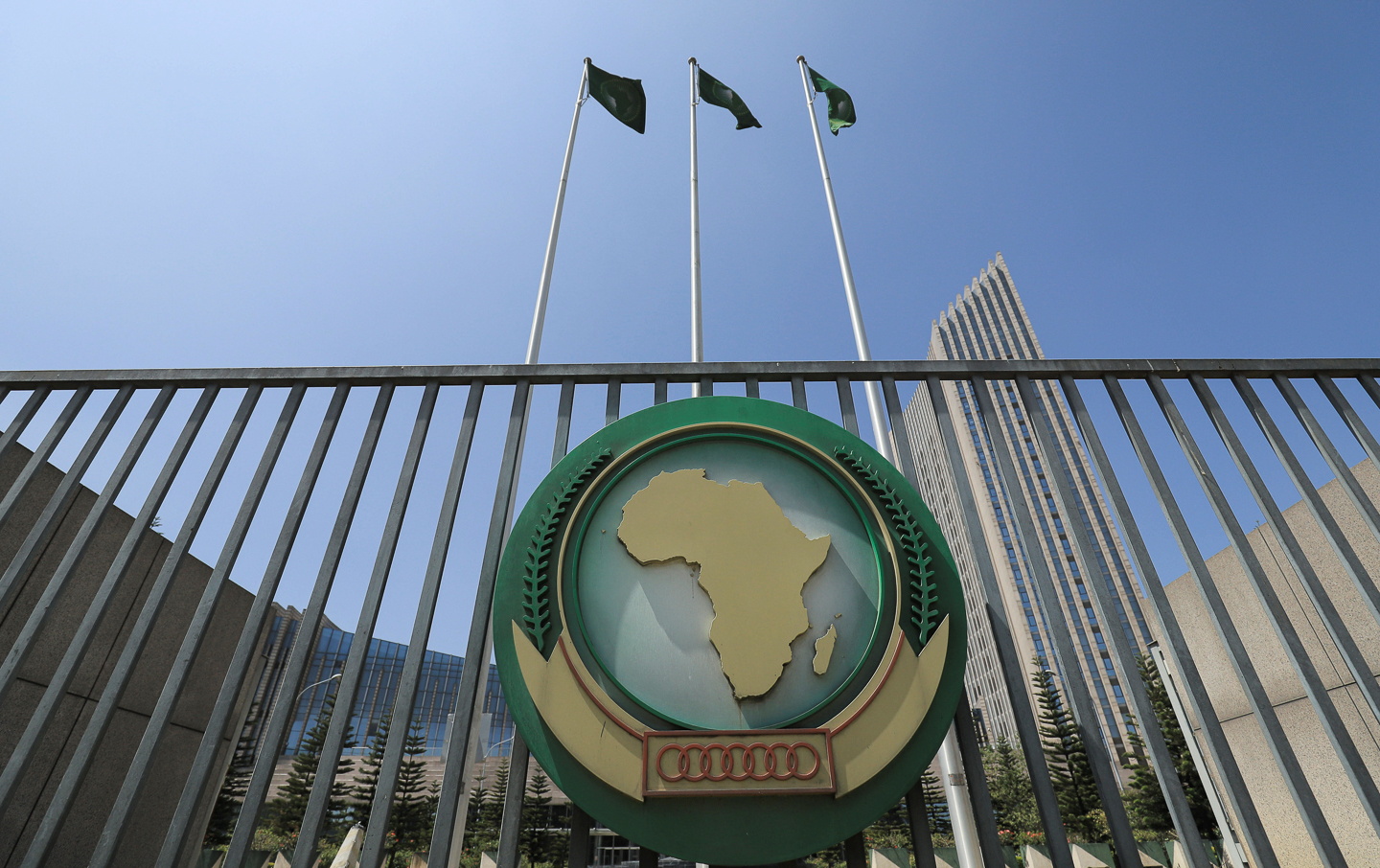
The African Union logo is seen outside the AU headquarters building in Addis Ababa, Ethiopia, November 8, 2021. REUTERS/Tiksa Negeri

The recent events in Nigeria, where the government banned Twitter after the platform deleted a controversial tweet by ex-President Muhammadu Buhari, have highlighted the vulnerability of African countries to the decisions of foreign tech giants. While some Nigerians have found ways to circumvent the ban using VPNs and other tools, the situation raises important questions about the digital sovereignty of African nations and their ability to control their own online spaces.

One of the ways to address this challenge is to develop and promote local social media platforms that cater to the specific needs, preferences and cultures of African users. There are already some examples of such platforms, such as Koo in Nigeria, Ummo in South Africa, and Eyenak in Egypt, but they face many obstacles to compete with the global giants like Facebook, Twitter and Instagram. Some of these obstacles include lack of funding, technical expertise, user base, and regulatory support.

Another way to enhance Africa’s digital sovereignty is to invest in local web hosting services that can store and serve the data generated by African users within the continent. Currently, most of the African websites are hosted on servers located outside Africa, mainly in Europe and North America.

This means that the data of African users is subject to the laws and policies of foreign countries, which may not align with their interests or values. Moreover, hosting data outside Africa increases the latency and cost of accessing websites, as well as the risk of cyberattacks and data breaches.

By developing local web hosting services, Africa can reduce its dependence on foreign providers and improve its digital infrastructure, security and resilience. Local web hosting can also create more jobs, opportunities and innovations for African entrepreneurs, developers and content creators. Some of the initiatives that are working towards this goal include Afrihost in South Africa, Web4Africa in Ghana, Truehost in Kenya, and Genious in Morocco.

What is the benefit of local web hosting services?

Faster loading speed: Local web hosting services have servers that are closer to your target audience, which means that your website will load faster and provide a better user experience. Faster loading speed can also improve your SEO ranking and conversion rate.

Better customer support: Local web hosting services have staff that speak your language and understand your culture, which means that you can communicate with them more easily and get faster and more personalized support. You can also reach them at convenient hours and avoid long-distance phone charges.

Higher security and compliance: Local web hosting services have to comply with the laws and regulations of your country, which means that they can offer higher security and privacy for your data and website. You can also avoid potential legal issues or conflicts that might arise from using a foreign web hosting service.

More social responsibility: Local web hosting services contribute to the local economy and community, which means that you can support the development and growth of your country and region. You can also build trust and reputation with your local customers and partners by showing that you care about their needs and preferences.

As you can see, local web hosting services have many benefits that can help you achieve your online goals and objectives. If you want to find out more about local web hosting services, you can contact us today and we will be happy to assist you.

Africa needs to start developing not only its own social media platforms but also its own web hosting services if it wants to have more autonomy and influence in the digital world. This is not an easy task, but it is a necessary one for the future of the continent.

Vast majority of urban Africa has reliable 24/7 Electricity

The vast majority of urban Africa has reliable 24/7 electricity. This is a remarkable achievement that deserves more recognition and appreciation from the rest of the world. I will explore how this feat was accomplished, what benefits it brings to the continent, and what challenges still remain.

Africa is home to more than 1.3 billion people, of whom about 60% live in urban areas. Urbanization is a key driver of economic growth, social development, and environmental sustainability. However, it also poses significant demands on infrastructure and services, especially energy.

Without reliable and affordable electricity, urban dwellers cannot access basic needs such as water, sanitation, health care, education, and communication. They also face difficulties in engaging in productive activities, such as manufacturing, commerce, and innovation.

For a long time, Africa was lagging behind other regions in terms of electrification. According to the World Bank, in 2010, only 42% of the urban population in sub-Saharan Africa had access to electricity, compared to 76% in South Asia and 95% in Latin America. The situation was even worse in rural areas, where only 16% of the population had electricity access.

The main reasons for this low level of electrification were the lack of investment, the poor quality of service, the high cost of generation and distribution, the inefficiency and corruption of utilities, and the political instability and conflict in some countries.

However, in the past decade, Africa has made remarkable progress in expanding and improving its electricity sector. According to the International Energy Agency (IEA), between 2010 and 2019, the number of people with access to electricity in sub-Saharan Africa increased by more than 100 million, reaching 54% of the population.

The urban electrification rate rose to 71%, while the rural electrification rate reached 25%. The IEA estimates that by 2030, almost 90% of the urban population and more than 50% of the rural population will have access to electricity.

How did Africa achieve this impressive transformation? There are several factors that contributed to this success story. First, there was a strong political commitment and leadership from African governments and regional organizations to prioritize electrification as a key development goal.

They adopted ambitious policies and targets, mobilized domestic resources, and created enabling environments for private sector participation and innovation. Second, there was a significant increase in financial support from international partners, such as multilateral development banks, bilateral donors, foundations, and impact investors.

They provided loans, grants, guarantees, technical assistance, and capacity building to help African countries overcome the financial and technical barriers to electrification. Third, there was a rapid deployment of renewable energy technologies, such as solar photovoltaic (PV), wind, hydro, biomass, and geothermal.

These technologies offered several advantages over conventional fossil fuels: they were cheaper, cleaner, more abundant, more resilient, and more adaptable to local conditions. They also enabled the development of decentralized solutions.
Did BlackRock Take Down Binance?

0

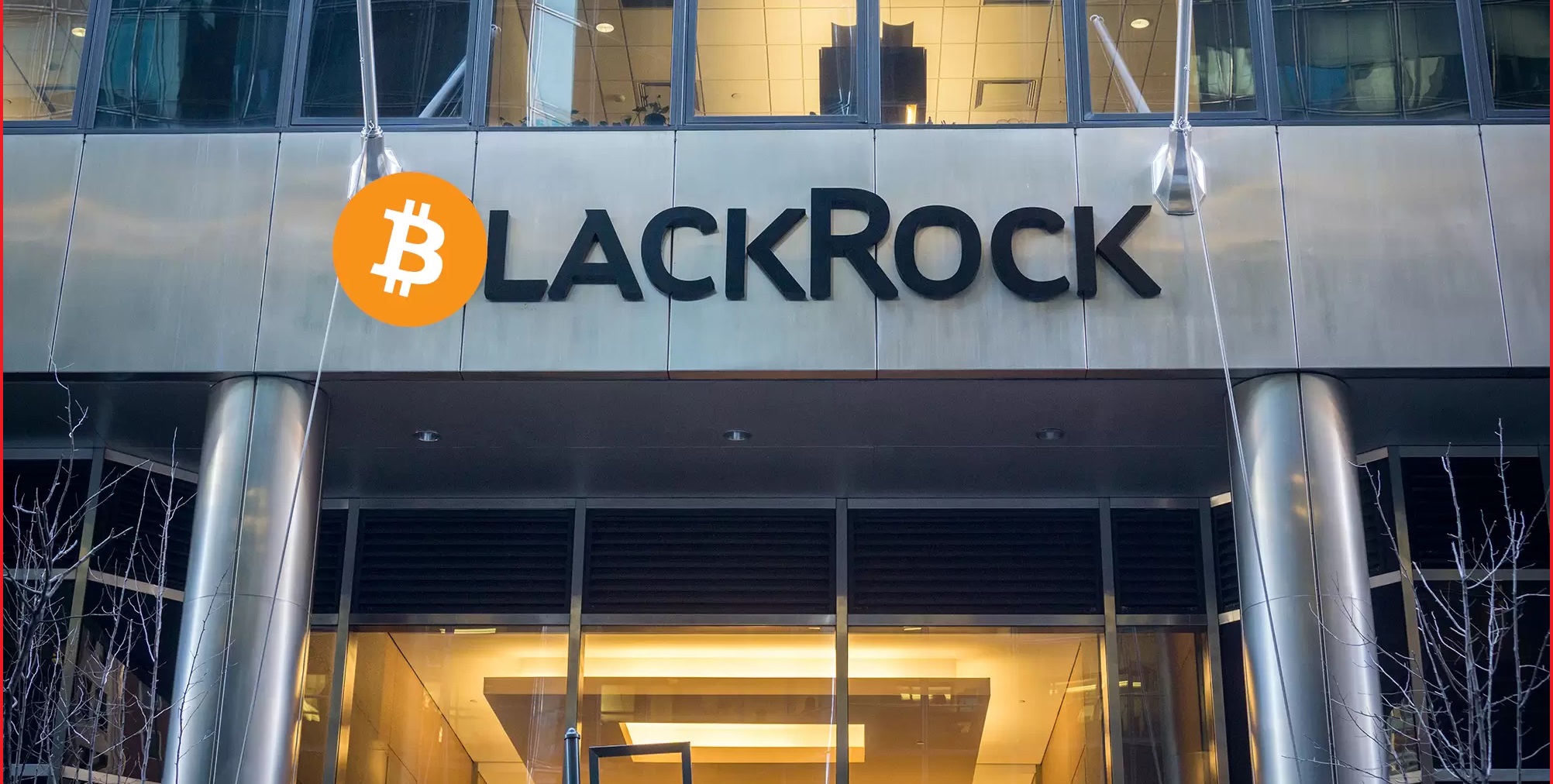
Binance, the world’s largest cryptocurrency exchange by trading volume, has been facing regulatory challenges in several countries, including the UK, Japan, Canada, and the US. Some analysts have speculated that BlackRock, the world’s largest asset manager, may have played a role in the crackdown on Binance, as part of its strategy to dominate the crypto market. Travis Kling made a speculation about Blackrock wanting dominance in crypto space back in June on X which might be what’s delaying spot ETFs approval by the SEC.

BlackRock is no stranger to the crypto space. The firm has been investing in blockchain technology and crypto-related companies for years and has recently launched two funds that allow its clients to gain exposure to Bitcoin futures. Moreover, BlackRock’s CEO Larry Fink has expressed his interest and optimism about the potential of digital assets, saying that they could become a “great asset class” and that he is “fascinated” by them.

However, following the ongoing Binance and US SEC travails, the founder and CEO has forfeited $175 million bond to be released from custody after pleading guilty to charges brought by the SEC before DOJ against Binance exchange and its CEO. Consequently, as part of the bargain CZ has to give room for Richard Teng to assume operation as the new CEO of the global exchange network of Binance.

However, BlackRock may also have a darker motive for getting involved in crypto. Some observers have suggested that BlackRock may be using its influence and connections to pressure regulators to crack down on Binance, in order to eliminate a major competitor and pave the way for its own crypto products and services. According to this theory, BlackRock may be acting as a proxy for the US government, which sees Binance as a threat to its financial sovereignty and national security.

While this theory may sound plausible, there is little evidence to support it. First of all, BlackRock is not the only asset manager that is interested in crypto. Other giants like Fidelity, Vanguard, and State Street have also been exploring the crypto space and launching their own initiatives. It is unlikely that BlackRock would have the power or the incentive to sabotage its peers and risk damaging its reputation and credibility.

Secondly, Binance’s regulatory woes are not unique to itself. Many other crypto exchanges and platforms have also faced scrutiny and challenges from regulators around the world, as the crypto industry is still largely unregulated and poses various risks and challenges to consumers, investors, and authorities. Binance may have attracted more attention due to its size and global reach, but it is not the only one that has to comply with the rules and standards of different jurisdictions.

Thirdly, Binance has not been shut down or banned by any regulator. While some countries have issued warnings or restrictions against Binance, the exchange has not ceased its operations or services in any market. Binance has also been cooperating with regulators and taking steps to improve its compliance and governance, such as hiring former regulators, implementing KYC and AML measures, and applying for licenses where needed.

Therefore, it is unlikely that BlackRock has anything to do with Binance’s regulatory challenges. Rather than seeing them as a conspiracy or a plot, it may be more reasonable to see them as a natural and inevitable consequence of the rapid growth and innovation of the crypto industry, which requires more clarity and consistency from regulators and more responsibility and transparency from participants.

Bittrex Global to shut down Operations from December

Meanwhile, in n a surprising move, Bittrex Global, one of the largest and most popular cryptocurrency exchanges in the world, announced that it will cease its operations by the end of this year. The decision comes amid increasing regulatory pressure and legal challenges from various jurisdictions, as well as declining user base and trading volume.

Bittrex Global was launched in 2019 as a spin-off of the US-based Bittrex exchange, with the aim of providing a more global and compliant platform for crypto traders and investors. The exchange offered a wide range of digital assets, including Bitcoin, Ethereum, Litecoin, and many other altcoins, as well as fiat currency pairs and derivatives. Bittrex Global also boasted a robust security system and a user-friendly interface.

However, the exchange faced several difficulties in its short lifespan, such as being banned in some countries, losing its banking partner, facing lawsuits from disgruntled customers, and struggling to compete with other platforms that offered lower fees, higher liquidity, and more features. According to its website, Bittrex Global’s daily trading volume has dropped to less than $10 million, a far cry from its peak of over $300 million in 2020.

In a blog post published on November 21, Bittrex Global stated that it will stop accepting new registrations and deposits immediately, and that it will close all trading and withdrawal services by December 31, 2023. The exchange urged its users to withdraw their funds as soon as possible and warned that any remaining balances will be forfeited after the deadline. The exchange also thanked its customers for their support and loyalty and expressed its regret for the inconvenience caused by the closure.

The announcement has shocked and saddened many crypto enthusiasts, who have expressed their disappointment and frustration on social media. Some users have also raised concerns about the security and accessibility of their funds and have questioned the motives and legitimacy of the exchange. Others have speculated that the closure may be related to the recent crackdown on crypto exchanges by the US Securities and Exchange Commission (SEC), which has accused several platforms of operating illegally and violating securities laws.

The closure of Bittrex Global is another blow to the crypto industry, which has been facing increasing scrutiny and regulation from governments and authorities around the world. While some argue that this is necessary to protect consumers and prevent fraud and money laundering, others fear that this will stifle innovation and limit the potential of blockchain technology. The future of crypto exchanges remains uncertain, as they have to balance between compliance and competitiveness in a fast-changing and volatile market.

President-Elect Javier Milei ‘No Anarcho-Capitalist’- Ex Greek Finance Minister

0
TOPSHOT - Argentine presidential candidate for the La Libertad Avanza alliance Javier Milei waves to supporters after winning the presidential election runoff at his party headquarters in Buenos Aires on November 19, 2023. Libertarian outsider Javier Milei pulled off a massive upset Sunday with a resounding win in Argentina's presidential election, a stinging rebuke of the traditional parties that have overseen decades of economic decline. (Photo by Luis ROBAYO / AFP) (Photo by LUIS ROBAYO/AFP via Getty Images)

In a surprising turn of events, Argentina has elected Javier Milei as its new president, a self-proclaimed anarcho-capitalist and libertarian economist. Milei has promised to dismantle the state, abolish taxes, and free the market from any regulation. He has also expressed his admiration for the likes of Ludwig von Mises, Murray Rothbard, and Ayn Rand.

However, not everyone is convinced that Milei is a true anarcho-capitalist. In a recent interview with The Guardian, former Greek finance minister and anti-austerity activist Yanis Varoufakis said that Milei is “no anarcho-capitalist, but a neoliberal in disguise”.

Varoufakis argued that Milei’s policies are not consistent with the principles of anarcho-capitalism, which is a radical form of libertarianism that advocates for the elimination of the state and the establishment of a voluntary society based on private property and free association. According to Varoufakis, Milei’s proposals would only benefit the wealthy and powerful, while leaving the majority of the population in poverty and insecurity.

“Anarcho-capitalism is a utopian fantasy that has never been implemented anywhere in the world. It is based on the assumption that human beings are rational and benevolent, and that the market can solve all social problems. But this is not the reality we live in. The market is not a natural phenomenon, but a social construct that depends on rules and institutions. Without a state to enforce these rules and institutions, the market would collapse into chaos and violence,” Varoufakis said.

Milei’s platform is based on the principles of individual freedom, free markets, minimal state intervention, and sound money. He advocates for the abolition of the central bank, the elimination of taxes, the privatization of public services, and the adoption of a gold standard. He also opposes any form of social welfare, public education, or health care, arguing that they are inefficient and immoral.

Milei’s supporters see him as a visionary leader who can rescue Argentina from its chronic economic and social crises, which they blame on the corruption and incompetence of the previous governments. They believe that Milei’s policies will unleash the entrepreneurial potential of the Argentine people and create a prosperous and harmonious society.

Milei’s critics, on the other hand, view him as a dangerous extremist who will plunge Argentina into chaos and anarchy. They warn that Milei’s proposals will destroy the social fabric and the democratic institutions of the country, leaving it vulnerable to violence and foreign intervention. They claim that Milei’s ideology is incompatible with the values and realities of the Argentine culture and history.

Varoufakis also pointed out that Milei’s admiration for Mises, Rothbard, and Rand is misplaced, as they were not anarcho-capitalists themselves, but classical liberals or minarchists who supported a limited role for the state in providing public goods and protecting individual rights.

“Milei is not an anarcho-capitalist, but a neoliberal in disguise. He wants to use the rhetoric of freedom and individualism to justify the domination of the few over the many. He wants to privatize everything, from education and health care to security and justice. He wants to create a society where the rich can do whatever they want, while the poor have no rights or opportunities. He wants to turn Argentina into a playground for oligarchs and corporations, while destroying its culture and democracy,” Varoufakis concluded.

The election of Milei has generated a lot of controversy and uncertainty in Argentina and abroad. Many observers are curious to see how Milei will implement his radical agenda and how it will affect the country’s economy, society, and relations with other nations. Some are hopeful that Milei will bring positive change and innovation to Argentina, while others are fearful that he will cause disaster and instability.

$1.3B funds Withdrawn from Binance following US Government Indictment

0

Binance, one of the world’s largest cryptocurrency exchanges, is facing a major crisis as users withdraw their funds en masse following the announcement of a US government indictment against the company and its executives. According to data from CryptoQuant, a blockchain analytics firm, more than $1.3 billion worth of various cryptocurrencies have been withdrawn from Binance in the past 24 hours, indicating a loss of confidence and trust in the platform.

The US Department of Justice (DOJ) and the Securities and Exchange Commission (SEC) jointly filed a criminal complaint against Binance and its founder and CEO, Changpeng Zhao, on Tuesday, accusing them of operating an unregistered securities exchange, facilitating money laundering, evading taxes, and violating sanctions.

The indictment alleges that Binance used a network of shell companies and offshore entities to conceal its activities from US regulators and law enforcement, while offering its services to US customers without complying with the relevant rules and regulations. The indictment also claims that Binance failed to implement adequate anti-money laundering (AML) and know-your-customer (KYC) policies, allowing criminals and terrorists to use its platform to launder illicit funds and finance their operations.

The DOJ and the SEC are seeking to seize all the assets and profits derived from Binance’s illegal activities, as well as impose civil and criminal penalties on the company and its executives. Binance has not issued an official statement on the indictment yet, but Zhao tweeted that he is “confident in our legal team and our ability to resolve this matter in a positive way.”

However, many users are not convinced by Zhao’s optimism and are opting to withdraw their funds from Binance as soon as possible, fearing that the platform may be shut down or frozen by the authorities. Some users have also reported difficulties and delays in processing their withdrawal requests, adding to the frustration and anxiety.

Binance’s troubles are not limited to the US, as the company is also facing regulatory scrutiny and pressure from several other countries, including the UK, Germany, Japan, Singapore, and Canada.

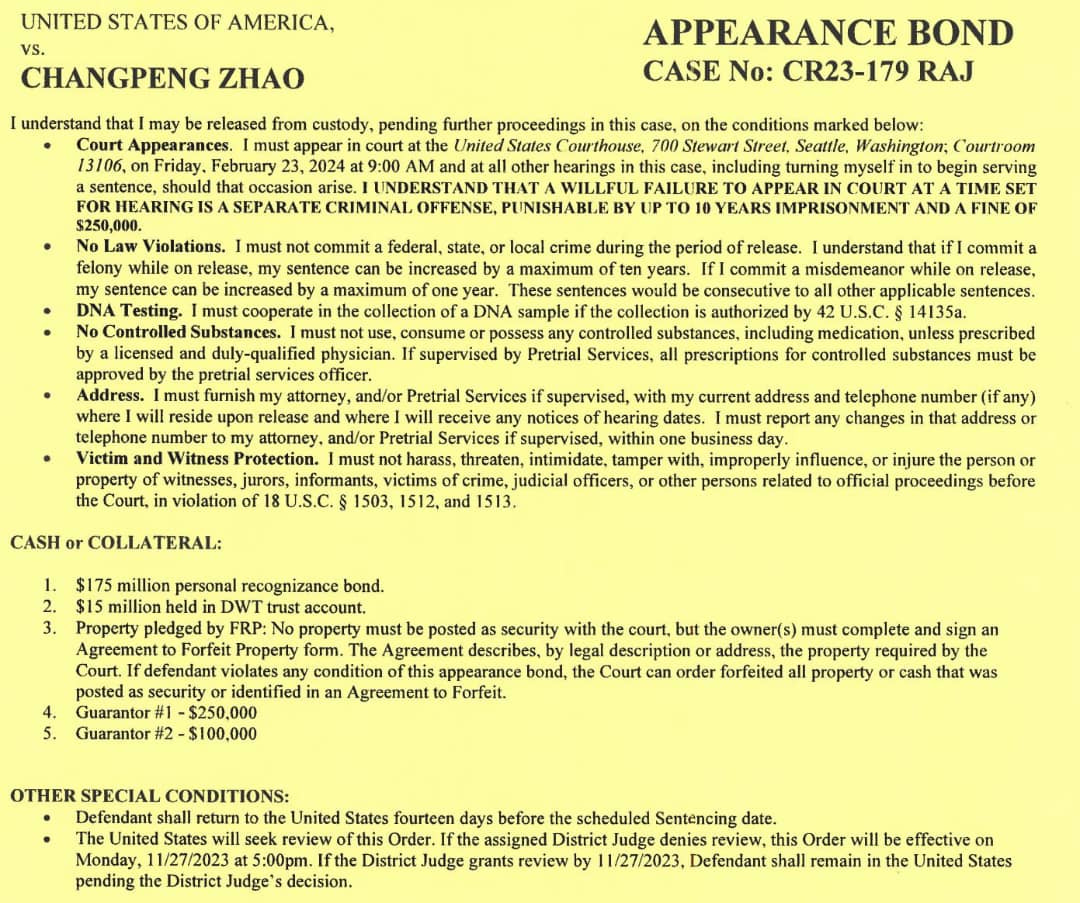
ChangPeng Zhao released from custody on $175 million bond

Binance CEO ChangPeng Zhao (CZ) has been released from custody on a $175 million bond after being arrested by the US authorities on charges of money laundering, tax evasion and violating sanctions. CZ was detained in New York on November 21, 2023, as he was preparing to attend a crypto conference. He was accused of operating an unlicensed money transmitting business and facilitating transactions with countries and entities under US sanctions, such as Iran and North Korea.

According to the US Department of Justice, CZ and his associates used Binance, the world’s largest cryptocurrency exchange by trading volume, to launder billions of dollars of illicit funds for criminals, terrorists and rogue states. They also allegedly evaded taxes by hiding their income and assets in offshore accounts and shell companies. The DOJ claimed that CZ personally profited from these activities and transferred millions of dollars to his personal accounts in Hong Kong and Singapore.

CZ denied all the allegations and pleaded not guilty. He claimed that Binance was a legitimate and compliant business that followed all the relevant laws and regulations in every jurisdiction where it operated. He also said that he was a victim of political persecution and that the US government was trying to stifle innovation and competition in the crypto space.

After spending two days in jail, CZ was granted bail by a federal judge who set his bond at $175 million, one of the highest ever in a criminal case. The judge also imposed several conditions on CZ’s release, such as surrendering his passports, wearing an electronic ankle monitor, staying in New York under house arrest and reporting to the court weekly. CZ was also ordered to refrain from any involvement in Binance’s operations or any other crypto-related activities.

CZ’s release was welcomed by his supporters and fans, who celebrated on social media and expressed their solidarity with him. They also praised his courage and resilience in the face of adversity. Many crypto enthusiasts also saw his release as a positive sign for the future of the industry, which has been under increasing scrutiny and pressure from regulators around the world.

However, CZ’s legal troubles are far from over. He still faces a trial that could result in a lengthy prison sentence if he is convicted. He also faces civil lawsuits from investors, customers and regulators who claim that they suffered losses or damages due to Binance’s alleged misconduct. Moreover, Binance’s reputation and business have been severely damaged by the scandal, as several banks, payment processors and partners have cut ties with the exchange or suspended its services.

It remains to be seen how CZ will cope with these challenges and what impact his case will have on the crypto ecosystem. Will he be able to clear his name and restore Binance’s glory? Or will he become another example of how the law can catch up with anyone, even the most powerful and influential figures in the crypto world?

Binance’s woes could have a significant impact on the cryptocurrency market as a whole, as the exchange accounts for a large share of the global trading volume and liquidity. The market has already reacted negatively to the news of the indictment, with most major cryptocurrencies dropping in value in the past 24 hours. It remains to be seen how Binance will cope with this unprecedented challenge and whether it can restore its reputation and credibility among its users and regulators.

The Recent Military Coups in Africa: Prioritising Rule of Law Over Democracy?

1

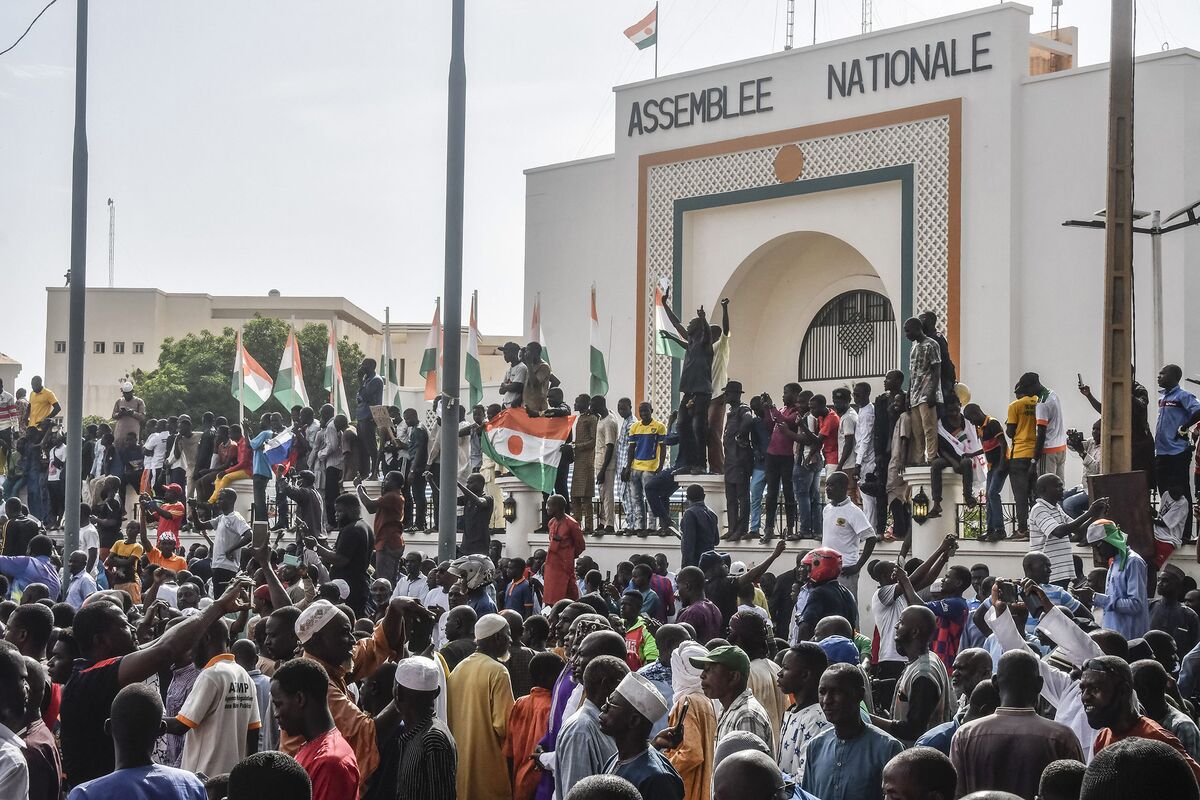
The political climate in Africa has been turbulent since August 2020, with a wave of abrupt military coups upending nascent, developing, and struggling democracies across West and East Africa. From an averagely considered perspective, these unilateral military takeovers represent a concerning regression to Africa’s chaotic early post-independence days. However, a closer examination reveals nuances beyond this simplified narrative.

International Condemnation vs. Domestic Acceptance of Coups

The political tonality of the de facto position of these coups from Western countries seems more interesting than the ecstasy of nine successful coups and counter-coups in the space of three years across Mali, Guinea, Sudan, Burkina Faso, Chad, Niger, and Gabon. With the recent coup in Niger, we saw how voracious the West and ostensibly the whole world championed by France could be in condemning a military takeover with such vigour and ardency that almost blurred the lines of the principle of non-intervention. However, this vigour and ardency saw a continuous decline from the Niger coup to the Chad coup through the Mali coup to the Burkina Faso coup to the Guinean coup to the Sudan coup and the Gabon coup.

What is more interesting to note is the fact that the French Foreign Ministry issued a statement justifying the Chad coup as necessary in the circumstances. The unfolding of these events raises fundamental questions as to what is the benchmark for condemning military takeovers and what attenuating and aggravating circumstances affect the vigour and ardency with which they are likely to be condemned. However, this is not the subject matter of this piece.

More saliently, public receptiveness towards new military rulers appears inversely related to the vigour of international denunciations. Prima facie, a defined pattern or trend is noted. The coups facing the harshest foreign censure were welcomed most enthusiastically by local populations. Conversely, citizen resistance hardened as global condemnation tapered ostensibly with the exception of Gabon. This pattern can be theoretically expressed as: “Ceteris paribus, the more forceful the international outcry, the greater public acceptance of the revolutionary government and vice versa”.

This is mathematically expressed as follows:

Let x = level of international condemnation.

Let y = level of public acceptance.

Then f(x) = y, ceteris paribus.

Should this be true, Gabon’s outlier will simply be excused on the basis that all things were not equal, and these must be serious enough to have shut the mouth of France even when Ali Bongo asked them to make noise.

The Nuanced Relationship Between Democracy and Rule of Law

Beyond the superficial rhetoric of our preceding mathematical musings, we discern a pattern in the rebukes that have often arisen, which invariably decried the coups as threats to democracy and constitutional order in the affected nations, effectively calling for a return to the rule of law. Interestingly, the intertwined concepts of democracy and the rule of law are not entirely foreign to the broader populace in those countries. In their most basic forms, these notions are well grasped. Admittedly, nuanced complexities could be unpacked from within them, not readily within the precincts and faculty of the broader populace, enabling the fuller realisation of their potential.

However, the idea of democracy retains utility when understood simply as government by and for the people, which is closer to Lincoln’s words. Similarly, the concept of the rule of law has value when taken to mean that all are equally accountable to the law. The above summation may seem reductive, particularly compared to the more prevalent view of elections as democracy’s essence.

However, we contend that regular, free, and fair elections are correlates, not constituents, of democracy – they operationalize the rule of law, not popular sovereignty, particularly when the subject of electioneering is regulated by statutes or the constitution of such a state. Hence, Robert Dahl’s emphasis on popular sovereignty rings truer as democracy’s core.

In effect, when assessing politics through a democratic lens, the process of accessing power matters less than leaders’ popularity and public consent. However, where the analysis is made through the lens of the rule of law, the procedure of gaining power bears more weight than mass support. Leaders derive legitimacy from public acceptance, not the technicalities of assuming power. This nuance explains unpopular democratic regimes and conversely, widely supported extra-legal ones. Recognition of this distinction will add nuance to analyses of African politics as complex new chapters unfold.

Generally, and more particularly, within African societies, a leader’s legitimacy stems not solely from the procedural legality of their ascent, but profoundly from public acceptance and support. The court of public opinion plays a vital role in validating authority, frequently superseding concerns of technical correctness.

Throughout history, charismatic figures lacking formal claims to leadership have nevertheless garnered legitimacy through inspiring mass followings. Their ability to galvanize popular backing lent validity to their rule. Such includes influential revolutionaries like Thomas Sankara in Burkina Faso, Yoweri Museveni in Uganda, Fidel Castro in Cuba, and Isaias Afwerki in Eritrea, all of whom led successful revolutions and thereafter legitimized their authority through widespread support.

Where procedural rules seem inadequate or unjust, regimes assuming power extra-legally sometimes attract significant public sanction. Though technically unlawful, they gain legitimacy by popularity. The 2020 Malian coup, which deposed an increasingly unpopular Ibrahim Boubacar Keita, accused of electoral manipulation, falls within this context. Despite international rebuke, many citizens welcomed the coup as necessary to restore democratic integrity. The junta’s pledges to hold elections and combat corruption ensured continuing public backing.

Similarly, Guinean’s 2021 overthrow of Alpha Conde followed mass protests against third term ambition. Protesters widely endorsed the transitional military council as steering the nation back towards democracy. Though unelected, their active support lent legitimacy despite procedural irregularity. Likewise, prominent local leaders may exercise considerable informal authority without holding office. Their prominence stems directly from public faith in their leadership. This grassroots legitimacy frequently rivals that of formally elected officials.

When Elections Fail to Produce Responsive Leadership

While free and fair elections that uphold the rule of law are intended to produce governments representing the popular will, this ideal is not always achieved in practice. Legal frameworks and institutions can enable democratically elected governments to retain power despite waning public support.

South Africa exemplifies how liberation credentials and constitutional structures allow a once-revered party to maintain its grip on power. Though the African National Congress (ANC) faces growing unpopularity and repeated corruption allegations, it continues dominating politics decades after apartheid’s end. The ANC benefits from lingering loyalty among Black voters for its resistance role. Meanwhile, a proportional representation system without local constituencies reduces pressure on politicians to renew localised appeal. These advantages have empowered the ANC to sustain parliamentary majorities amidst declining popularity.

Similarly, Malaysia’s United Malays National Organization (UMNO) long persevered despite emerging corruption claims. UMNO strategically capitalized on a first-past-the-post system that favours larger parties. It also cultivated robust patronage networks and ties between party elites, business leaders, and its ethnic Malay base. Only after internal dissent fragmented its support did UMNO finally lose its majority in 2018.

These cases demonstrate how legal frameworks like electoral systems, along with partisan structures and voting patterns, can allow unpopular incumbent parties to maintain control. Merely conducting free and fair elections does not guarantee responsive and popular leadership. Long after public satisfaction wanes, ingrained loyalties and institutional mechanics may sustain entrenched powers.

Winding Up

In conclusion, while military coups clearly undermine institutional norms and the rule of law, public support for extra-legal changes in leadership cannot be dismissed as ignorance or naivety. Rather, it often stems from perceptions that existing legal frameworks have failed to produce governments responsive to popular needs and demands. Where electoral processes are viewed as compromised or inefficient, segments of the population may view coups or revolutions as necessary correctives restoring “government by the people.”

However, such support rests on the assumption that new regimes will transition toward greater democracy and accountability. If they instead consolidate authoritarian power, public backing quickly fades. The enthusiasm greeting many African coups arose from pledges to hold elections and address corruption. If these promises go unfulfilled, legitimacy will rapidly deteriorate. Extra-legal transitions ultimately gain enduring validation not simply by popularity, but by progressing toward the rule of law and institutions that uphold popular sovereignty. No government, whether democratically elected or self-appointed, can expect lasting acceptance without meaningful accountability, transparency, and responsiveness to its citizens’ aspirations.