DD
MM
YYYY

PAGES

DD
MM
YYYY

spot_img

PAGES

Home Blog Page 3993

Globalization of Bitcoin As A Standard World Exchange Currency

0

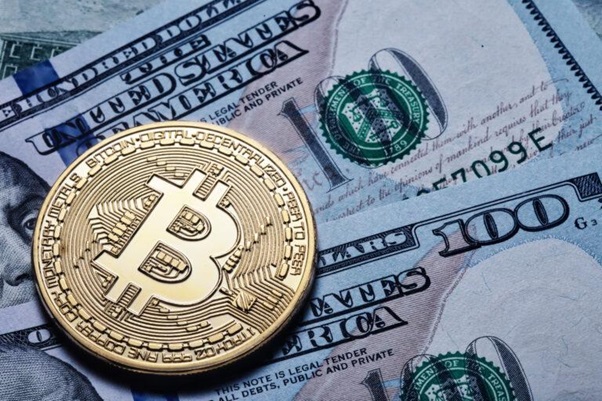
Bitcoin is a decentralized digital currency that operates without the need for a central authority or intermediary. It is powered by a network of computers that validate transactions and maintain a shared ledger called the blockchain. Bitcoin was created in 2009 by an anonymous person or group using the pseudonym Satoshi Nakamoto and has since grown to become the most popular and widely used cryptocurrency in the world.

One of the main advantages of Bitcoin is that it offers a high degree of freedom and sovereignty to its users. Unlike traditional fiat currencies that are controlled by governments and central banks, Bitcoin is not subject to censorship, manipulation, inflation, or confiscation.

Bitcoin users can transact with anyone, anywhere, anytime, without relying on intermediaries or intermediaries. Bitcoin also enables financial inclusion and empowerment for people who lack access to traditional banking services or face economic instability in their countries.

However, Bitcoin also faces some challenges and limitations that hinder its adoption and scalability. One of the most prominent issues is the volatility of its price, which can fluctuate significantly in short periods of time due to supply and demand dynamics, market sentiment, regulatory uncertainty, and other factors. Another issue is the environmental impact of Bitcoin mining, which consumes a large amount of electricity and generates a lot of carbon emissions.

Moreover, Bitcoin transactions are not completely anonymous or private, as they can be traced and analyzed by third parties using blockchain analysis tools. Furthermore, Bitcoin users have to bear the responsibility of securing their own funds and private keys, as there is no recourse or recovery mechanism in case of loss or theft.

What Happens to Bitcoin Price if Spot ETF Isn’t Approved?

Bitcoin enthusiasts have been eagerly awaiting the approval of a spot exchange-traded fund (ETF) by the U.S. Securities and Exchange Commission (SEC). A spot ETF would allow investors to buy and sell bitcoin directly through a regulated platform, without the need for intermediaries or custodians. This would potentially increase the liquidity, accessibility and legitimacy of the cryptocurrency market.

However, the SEC has repeatedly delayed or rejected applications for a spot ETF, citing concerns over market manipulation, fraud and investor protection. The latest deadline for a decision on the VanEck Bitcoin Trust, one of the most prominent proposals, is November 14, 2023. If the SEC does not approve it by then, it will have to either deny it or initiate a rule change process that could take several months.

So, what would happen to the price of bitcoin if the spot ETF were not approved? There are different scenarios and opinions on this question, but here are some possible outcomes:

The price drops temporarily but recovers quickly. Some analysts believe that the market has already priced in the low probability of a spot ETF approval, and that a rejection would not have a significant impact on the long-term trend of bitcoin.

They argue that there are other positive factors supporting the demand and adoption of bitcoin, such as institutional interest, innovation and regulation in other jurisdictions, and the growth of the decentralized finance (DeFi) sector. Moreover, they point out that there are already other types of bitcoin-related products available to investors, such as futures-based ETFs, trusts and funds.

The price drops significantly and stays low for a while. Some analysts believe that a spot ETF rejection would be a major blow to the credibility and confidence of the bitcoin market, and that it would trigger a sell-off among investors who were hoping for a positive outcome.

They argue that a spot ETF would have been a game-changer for the industry, as it would have opened the door to a massive influx of capital from retail and institutional investors who are currently deterred by the complexity and risk of buying and storing bitcoin directly. Moreover, they point out that the lack of a spot ETF could widen the gap between bitcoin and other asset classes, such as stocks and bonds, which have more regulated and diversified investment options.

The price does not change much or increases slightly. Some analysts believe that a spot ETF approval or rejection would not have a major impact on the price of bitcoin, as it is not the main driver of its value. They argue that bitcoin is primarily influenced by its own supply and demand dynamics, which are determined by factors such as its scarcity, security, innovation and network effects.

Moreover, they point out that bitcoin has shown resilience and growth in the past despite regulatory uncertainty and setbacks, and that it has proven to be uncorrelated with other asset classes, making it an attractive hedge against inflation and market volatility.

Despite these challenges, some visionaries and enthusiasts believe that Bitcoin has the potential to become a global standard for exchange and value storage, replacing or complementing the current system of fiat currencies and reserve assets.

They argue that Bitcoin offers a more transparent, fair, efficient, and resilient alternative to the existing monetary order, which is plagued by corruption, inefficiency, instability, and inequality. They also claim that Bitcoin can foster a more peaceful and harmonious world, as it reduces the need for wars, sanctions, trade wars, and currency wars.

 

Nigerian Blockchain Startup Wicrypt Partners Onega Ventures to Expand Foothold to China

0

Wicrypt, a Nigerian Blockchain startup that allows users to get paid while sharing their WiFi, has partnered with Onega Ventures, to expand its foothold to China.

Announcing the expansion to China, Wicrypt wrote on X,

“We are excited to partner with OnegaVentures as an official Wicrypt agent and sole distributor of Wicrypt devices in China. This means that you can now purchase, repair, and manage your Wicrypt devices at @OnegaVentures in China”.

CEO of Wicrypt Ugochukwu Aronu said the blockchain company plans to develop the Wicrypt network model in China so that everyone can earn passive revenue while going about their daily internet activities.

Interestingly, Mr. Bruno YU, COO of Onega Ventures, is one of the early investors in Wicrypt. He has been investing in the blockchain field for 8 years and is very optimistic about the Wircypt project. According to Ugochukwu, he disclosed that Bruno YU will help Wicrypt realize the dream to expand fully into China!

Launched in 2018, WiCrypt enables individuals to easily access WiFi by downloading their app and sharing their mobile device’s connection or utilizing a specialized WiCrypto hotspot creator device. This device can be customized to include surveys, ads, and the capability to gather customer data.

Wicrypt empowers users with the ability to mine Wicrpyt Network tokens ($WNT), while sharing high-speed internet access with their guests, customers, or community for free, or at whatever rates they decide.

With the dual SIM feature, users can switch between internet service providers seamlessly and conveniently for high-speed connection. Wicrypt devices allow users to move between mobile and fiber network providers easily.

Users also get the opportunity to mine Wicrypt Network Token (WNT) in every internet session. Hosts can enjoy the opportunity to earn WNT when clients connect to their network over a period of time.

Connected devices in the WiCrypt network are uniquely represented by NFTs (Non-Fungible Tokens) linked to the blockchain. All data transmitted through these devices is instantly reflected on the blockchain via the corresponding NFTs on the WiCrypt block explorer.

Notably, Wicrypt explorer is a robust architecture coverage map with a dynamic and innovative purpose that allows wicrypt users to see on the map Wicrypt hotspots near them so that they connect and enjoy.

The blockchain company is backed by the Nigerian Communications Commission, and partners with Swifta, ArewaTechHub, Africa50, KopasAid, the Enugu state government, and Vnts, amongst others.

Presently, Wicrypt’s decentralized physical infrastructure network comprises nearly 1,100 hotspots distributed across over 30 countries. These hotspots cater to over 45,000 accounts and facilitate the transmission of over 895 terabytes of data.

MPESA Africa Processed $371B in the last 12 months, about $1B a day

0

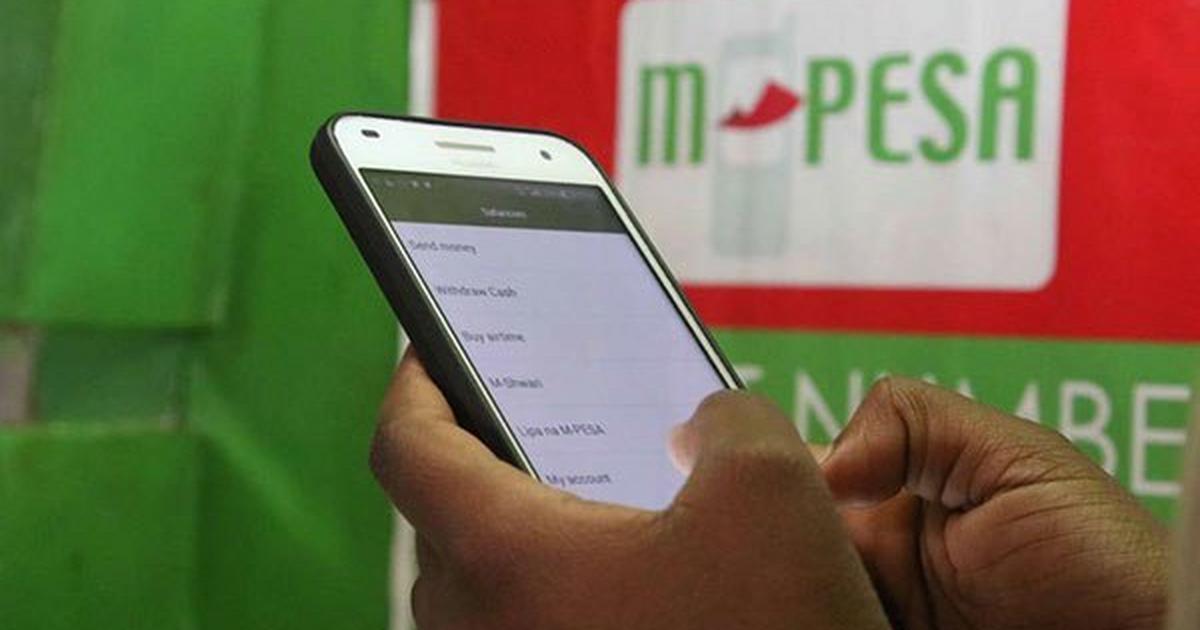
MPESA, the mobile money service that operates in several African countries, has achieved a remarkable milestone in the past year. According to its latest report, MPESA processed a total of $371 billion in transactions from October 2022 to September 2023, averaging $1 billion per day. This is a significant increase from the previous year, when it processed $246 billion, or $674 million per day.

The report attributes this growth to several factors, such as the expansion of MPESA to new markets, the launch of new products and services, the adoption of digital payments amid the COVID-19 pandemic, and the collaboration with other financial institutions and regulators. MPESA now serves over 50 million customers across 14 countries, including Kenya, Tanzania, South Africa, Ghana, Egypt, and Mozambique.

MPESA is widely regarded as one of the most successful and innovative mobile money platforms in the world. It has transformed the lives of millions of people who previously lacked access to formal banking services, enabling them to send and receive money, pay bills, buy goods and services, save and borrow money, and access insurance and healthcare. MPESA has also contributed to the economic development and social inclusion of its markets, creating jobs, empowering women and youth, and supporting various sectors such as agriculture, education, and health.

What is the future of M-PESA?

M-PESA has had a significant impact on the economic and social development of Africa, especially for the unbanked and underbanked populations. M-PESA has enabled millions of people to access formal financial services, improve their livelihoods, increase their savings, reduce their risks and participate in the digital economy. M-PESA has also fostered innovation and entrepreneurship, as many businesses have leveraged M-PESA to create new products and services for their customers.

So, what is the future of M-PESA? As the mobile money industry evolves and grows, M-PESA faces new opportunities and challenges. Some of the key trends that will shape the future of M-PESA are:

Increased competition: M-PESA will have to compete with other mobile money providers, both within and across markets. Some of these competitors may offer lower fees, better customer service, more features or wider coverage. M-PESA will have to maintain its market leadership by offering superior value proposition, enhancing its customer experience and loyalty, and expanding its network and partnerships.

Regulatory changes: M-PESA operates under different regulatory frameworks in each country, which may affect its operations and profitability. Some of these regulations may be favorable, such as enabling interoperability, cross-border transfers or agent banking. Others may be unfavorable, such as imposing taxes, caps or restrictions on mobile money transactions. M-PESA will have to comply with the existing and emerging regulations, while also engaging with policymakers and regulators to advocate for conducive policies that support the growth of mobile money.

Technological innovations: M-PESA will have to keep up with the technological advancements that are transforming the mobile money landscape. Some of these innovations include biometric authentication, blockchain technology, artificial intelligence, chatbots and QR codes. These technologies can enhance the security, efficiency and convenience of mobile money services, as well as enable new use cases and functionalities. M-PESA will have to invest in research and development, adopt best practices and collaborate with innovators to leverage these technologies for its benefit.

Customer expectations: M-PESA will have to meet the changing needs and preferences of its customers, who are becoming more sophisticated and demanding. Customers expect mobile money services to be reliable, affordable, accessible and user-friendly. They also expect more value-added services, such as insurance, health care, education and entertainment. M-PESA will have to understand its customer segments, tailor its offerings to their needs and preferences, and deliver superior customer satisfaction.

M-PESA has been a pioneer and a leader in the mobile money industry in Africa. It has transformed the lives of millions of people and contributed to the economic and social development of the continent. However, to sustain its success and growth in the future, M-PESA will have to adapt to the changing market dynamics and customer expectations. By doing so, M-PESA can continue to be a catalyst for financial inclusion and innovation in Africa.

As MPESA celebrates its 15th anniversary this year, it continues to pursue its vision of becoming a leading digital lifestyle platform that offers a range of solutions to meet the diverse needs of its customers. MPESA is also committed to advancing financial inclusion and digital transformation in Africa, leveraging its technology, network, and partnerships to create more opportunities and value for its customers and stakeholders.

Paystack Part Ways With up to 33 employees in Europe And UAE as it Reduces Operations Outside Africa

0

Financial technology company that offers payment processing services to businesses in Africa, Paystack, has parted ways with up to 33 employees in Europe and the UAE, as it reduces its operations outside of Africa.

The company revealed that this move was a strategic one, which was necessitated to prioritize team members within the markets it serves, to localize costs and to get closer to customers.

Announcing this decision, Paystack CEO Shola Akinlade wrote,

“Today was a difficult day at Paystack. We’re reducing our operations outside of Africa and will be parting ways with up to 33 employees in Europe and the UAE. In the last 3 years, our hiring philosophy was to recruit great talent regardless of location, including opening an engineering hub in Dubai. We’re changing our operating model to prioritize locating team members within the markets we serve, to localize costs and get closer to customers.

“We’re sparing no expense to minimize disruption to the lives of team members. The severance package includes 4 months’ salary, accelerating equity vesting, extending health insurance by 3 months, and more. These are some of the most talented people I’ve ever worked with, and my goal is to ensure that every single one finds new roles as soon as possible. I’m personally happy to vouch for each one and do reference calls as needed”.

https://x.com/shollsman/status/1725143426889314619?s=46&t=5SnxbL3wcwgpHjfK1_oo8g

To facilitate the job transition for affected workers, Paystack invited companies seeking exceptional talent by dropping a Google form.

Paystack currently maintains an operational footprint in four markets which include; Nigeria, Ghana, Kenya, and South Africa. The company, characterized by its lean operation, has experienced a moderate expansion in staff strength which has contributed to a series of product releases over the past three years.

Notable developments include the introduction of an app for Shopify, the launch of a virtual terminal, and, most recently, the addition of a direct debit feature. Paystack has also forged integrations with global software and payment solutions, with notable examples being ApplePay. The company is presently undergoing private beta testing in Ivory Coast, Egypt, and Rwanda as part of its strategic expansion efforts.

Ever since Paystack was acquired by Stripe in 2020 for over $200 million, the fintech company has continued to operate under its brand name, expanding into other markets, majorly across Africa.

The company’s remarkable success in online payments has prompted it to continue to replicate the success in other African markets as it deepens its foothold on the African continent.

Paystack revealed that the company’s expansion strategy is based on thorough research, considering factors such as GDP, card penetration, population size, and the strength of the startup and developer ecosystem.

Notably, the startup focuses on penetrating markets that serve as regional hubs and are strategically positioned to facilitate sub-regional growth.

Paystack claims to process over 50% of all online transactions in Nigeria and has achieved remarkable success, which has seen it as a trailblazer in the African tech ecosystem. As a crucial part of the ecosystem, the company continuously seeks ways to roll out innovative products and offerings to foster growth in African tech.

Effective Strategies To Networking

0

Motivational speakers often say that the easiest way to move up in your career is through networking. They often back it up with the cliche; “your network determines your net worth” or this other interesting one; “nobody cares about your certificate or what you graduated with, what matters is who you know and not what you know”. 

While all these are interesting theories and some have proven them to be true, what these folks always forget or intentionally ignore to tell you is that networking itself is an art and an expensive one that requires strategies to execute. 

I will tell you for free that networking itself is very expensive and it is an art that has to be mastered or else you will be seen as a hustler or a pest and people will tend to avoid you. Learn the strategies before you engage. 

The most important thing about effective networking is that for you to properly network, you need to learn to have an open budget, hence why it is expensive. For instance, most of the events or meetings where you expect your prospects to be are paid events; Some of their starting price is over 100k and there is no guarantee that the person you are hoping to meet there will even grant you the audience; if they are not paid events, you will definitely spend money to get yourself there.

I have hosted prospects and treated some to a nice dinner in expensive restaurants and years down the line I can tell you that it was a wasted investment. Not just me, if other business owners tell you how much they have invested in networking alone you will be amused. I remember someone I flew in from Lagos to Abuja and took him to nice spots with the hope that a business relationship would come out of it but nothing came out of it. The funny thing is some folks you hope to network with the thought that they are the right persons who make decisions in their organization will sometimes start asking you for help. 

One thing I have found out is that for you to network very well and for your networking to bear positive fruits you need some strategies and here are some strategies I know of that may be of help to you. 

  1. Be ready to spend money; be ready to attend events, especially paid events. Be ready to host your prospect for treats, it works magic. 
  2. If you are an introvert, you will need to come out of your shell. Networking is not for introverted persons. Learn to start a conversation and sustain a conversation, learn to compliment extravagantly and learn to take compliments with grace. 
  3. You need to have some values you are adding because nobody wants to associate with a parasite, there must be something valuable you should be bringing to the table before people will grant you an audience. 
  4. Research the prospect before you meet with the person. Find out what the person fancies; find out what helps the person to unwind; if it is football talk, politics or whatnot and gear your conversation starter towards that direction to get the prospect feel comfortable. 
  5. Finally, look for a connector. It is always easier when someone introduces you to the other person that you have been looking forward to connecting with. I remember someone who had been sending me a bunch of emails and messages on LinkedIn on how he has been looking forward to meeting with me and working with me, I saw all of it but ignored them because I get tons of similar messages on a daily basis and I usually don’t make much of them but the guy found out that that we share a mutual friend together, he told the mutual friend how he’s been trying to connect with me but it has not been working, the lady who is the mutual friend sent me a message on WhatsApp and asked me to grant him an audience and I immediately did because there was a connector who made the introduction. It is always easier when someone else who is close to that prospect links you both up. 

All these are not guarantees that your networking will click or bear positive results but it will get you started on something.