DD
MM
YYYY

PAGES

DD
MM
YYYY

spot_img

PAGES

Home Blog Page 4

CAF to Switch Africa Cup of Nations to Four-Year Cycle in Major Calendar and Revenue Overhaul

0

The Africa Cup of Nations (AFCON) will in future be staged every four years rather than every two, a landmark shift announced on Saturday by the Confederation of African Football (CAF) that reshapes the continent’s flagship tournament, its finances, and its long-running tensions with the global football calendar.

The decision has been widely welcomed across the football world, particularly in Europe, where coaches and clubs have long complained about losing key African players in the middle of domestic seasons.

The decision, announced on Saturday by CAF president Patrice Motsepe after an executive committee meeting in Rabat, Morocco, represents a major recalibration of African football’s calendar and commercial strategy. It also brings long-awaited relief to a dispute that has simmered for decades between African national teams and European clubs.

Under the new framework, the next AFCON will still hold in 2027, co-hosted by Kenya, Tanzania, and Uganda, followed by another edition in 2028. From then on, the tournament will be staged every four years. To avoid a long gap in competitive fixtures and revenue, CAF plans to introduce an African Nations League from 2029, to be played annually.

For European clubs, the shift addresses a recurring source of tension. AFCON has traditionally been held during the European season, often in January and February, forcing clubs to release African players at crucial points in league campaigns, cup competitions, and continental tournaments. Managers have regularly complained that the timing disrupts squad planning and competitive balance, especially for clubs heavily reliant on African talent.

This has made AFCON a frequent flashpoint between clubs and national federations. While European Championships and the World Cup are played during the off-season, African players have often had to choose between club commitments and national duty at moments when their teams needed them most.

The new four-year cycle is expected to ease those pressures. By moving away from a congested and unpredictable schedule, CAF is signaling a willingness to align more closely with the global football calendar.

Motsepe said the reform was driven in large part by concern for players caught in the middle.

“It is in the interests of the teams, clubs and players,” he said. “I can’t have players leaving their clubs in Europe in the mid-season. It’s wrong. We’ve got a duty to the players. We know how frustrating it is for the players when their club says they are needed but they are also needed for the country. It’s unfair to the players.”

Coaches in Europe have quietly welcomed the announcement, seeing it as a step toward greater stability and fairness. Over the years, several high-profile managers have voiced frustration about losing players to AFCON during decisive stretches of the season, sometimes affecting title races or relegation battles. While few clubs openly oppose the tournament, many have argued that Africa’s flagship competition should not place its players at a structural disadvantage compared with their counterparts from Europe or South America.

The timing of AFCON has been a long-standing challenge even within Africa. CAF attempted to resolve the issue by shifting the tournament to mid-year from 2019, but climate conditions and scheduling conflicts repeatedly forced reversals. The 2022 edition in Cameroon and the 2024 tournament in the Ivory Coast were both held at the start of the year, reigniting club-versus-country tensions. This year’s tournament in Morocco was itself moved back by six months after FIFA introduced an expanded Club World Cup in June and July.

Financial considerations also played a central role in the decision. AFCON accounts for an estimated 80% of CAF’s revenue, making it the confederation’s single most important commercial asset. That dependence previously made CAF resistant to proposals, including from FIFA president Gianni Infantino, to reduce the tournament’s frequency. The introduction of an African Nations League is intended to plug that revenue gap by creating a new, regular source of broadcast and sponsorship income.

“Historically the Nations Cup was the prime resource for us, but now we will get financial resources every year,” Motsepe said. “It is an exciting new structure which will contribute to sustainable financial independence and ensure more synchronization with the FIFA calendar.”

CAF has also sweetened the immediate transition with increased prize money. The winners of the ongoing tournament in Morocco will earn $10 million, up from $7 million awarded to the Ivory Coast at the last edition, signaling an effort to keep AFCON commercially attractive even as its frequency changes.

While some purists may worry that a four-year cycle could dilute the tournament’s presence, many stakeholders see the reform as overdue. It promises fewer mid-season disruptions for European clubs and coaches, while for players, it offers relief from having to navigate conflicting loyalties.

Fortis Healthcare to Buy Bengaluru’s People Tree Hospital for $48.01m, Steps Up Expansion Drive in South India

0

Fortis Healthcare has agreed to acquire People Tree Hospital in Yeshwantpur, Bengaluru, for 4.3 billion rupees ($48.01 million), tightening its grip on one of India’s fastest-growing and most competitive private healthcare markets as consolidation accelerates across the sector.

The acquisition will be executed through Fortis’ wholly owned subsidiary, International Hospital, which will take over 100% of TMI Healthcare, the operating entity behind People Tree Hospital. Once completed, the transaction will give Fortis full ownership and operational control of the Bengaluru-based facility, allowing it to integrate the hospital into its existing network and clinical systems.

In addition to the purchase consideration, Fortis said it plans to invest about 4.1 billion rupees over the next three years into the hospital. The additional capital is expected to be deployed toward expanding bed capacity, upgrading medical equipment, strengthening critical care infrastructure, and introducing new clinical specialties. The company said these investments are aimed at boosting both revenue and profitability while aligning the facility with Fortis’ broader growth strategy.

The deal is seen as part of Fortis’ focus on Bengaluru and South India more broadly, regions that have emerged as key growth engines for India’s private healthcare industry. Bengaluru, in particular, has seen rising demand for tertiary and quaternary care, driven by rapid urbanization, higher health insurance penetration, a large working population, and steady inflows of medical tourists. Yeshwantpur, where People Tree Hospital is located, has become a strategic healthcare hub due to its proximity to industrial zones, residential developments, and transport links.

Fortis said the acquisition strengthens its existing operations and provides an opportunity to scale faster than a greenfield project would allow. The company can accelerate capacity utilization and shorten the path to profitability by acquiring an operational hospital with an established patient base.

Fortis, which is partly owned by Malaysia’s IHH Healthcare, currently operates 33 healthcare facilities with more than 5,700 beds across 11 Indian states, according to its website. Over the past few years, the hospital operator has increasingly favored targeted acquisitions and brownfield expansions as it seeks to deepen its presence in large metropolitan areas.

Chief executive Ashutosh Raghuvanshi told Reuters earlier that Fortis plans to invest about 7 billion rupees over the next four years to expand hospital capacity across Bengaluru, Mumbai, the National Capital Region, and Punjab. The People Tree transaction effectively advances that plan in Bengaluru, reinforcing the city’s role as a central pillar of Fortis’ expansion strategy.

The acquisition comes amid a broader wave of consolidation in India’s private healthcare sector, as large hospital chains seek scale to manage rising costs, attract specialist talent, improve bargaining power with insurers, and spread investments in advanced medical technology across larger networks. Industry executives have said that well-capitalized players are increasingly looking to acquire mid-sized hospitals in urban centers rather than build new facilities from the ground up.

The People Tree deal not only adds to its footprint in South India but also signals confidence in the sustained demand for private healthcare services in India’s major cities. With additional investments planned and a pipeline of expansion projects underway, the company is positioning itself to capture growth in a market where quality care, capacity, and scale are becoming decisive competitive advantages.

BOJ’s Recent Rate Policy is an Ongoing Normalization Away from Decades of Ultra-Loose Monetary Framework

0

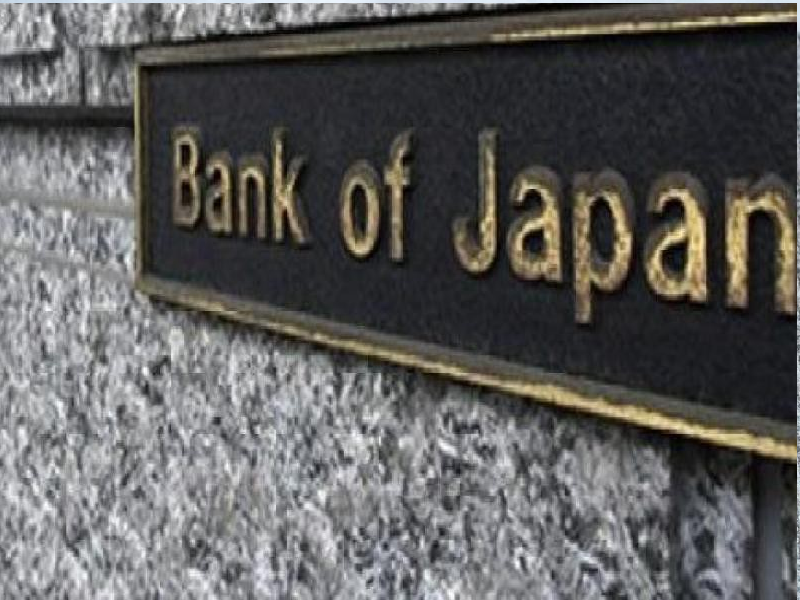
The Bank of Japan (BOJ) raise its key short-term policy interest rate yesterday by 25 basis points, from 0.5% to 0.75%. This marks the highest level for Japan’s benchmark rate in 30 years since September 1995, as part of its ongoing normalization away from decades of ultra-loose monetary policy.

The decision was unanimous and widely anticipated by markets. It reflects the BOJ’s increased confidence that wage growth will sustain moderate inflation around its 2% target.

Governor Kazuo Ueda signaled potential for further hikes if economic and price trends align with forecasts, though he provided limited guidance on timing or pace. The yen initially weakened, USD/JPY rose above 157 due to the lack of stronger forward guidance.

Japanese government bond yields surged, with the 10-year JGB yield exceeding 2% for the first time in over two decades. This continues the BOJ’s gradual tightening path, contrasting with rate cuts by many other major central banks.

The Bank of Japan (BOJ) has pursued a 2% inflation target as its core price stability objective since January 2013. This target measures the year-on-year change in the Consumer Price Index (CPI), typically excluding fresh food for core readings.

Japan endured prolonged deflation and low inflation from the late 1990s through the early 2010s, with average inflation often negative or near zero. The BOJ formally adopted the 2% target in January 2013 under the “Abenomics” framework, alongside a joint statement with the government to overcome deflation.

To achieve this, the BOJ launched aggressive measures: Quantitative and Qualitative Easing (QQE) in 2013. Negative interest rates in 2016. Yield Curve Control (YCC) in 2016.

An “inflation-overshooting commitment” in 2016, pledging to expand the monetary base until CPI inflation exceeded 2% and stabilized above it, a form of “makeup strategy” to compensate for past shortfalls.

These unconventional tools aimed to lift inflation expectations, which had been anchored near zero due to adaptive backward-looking behavior in Japan. Inflation has exceeded 2% for over 44 consecutive months as of November 2025, driven initially by import costs, supply shocks, and later by domestic wage growth and a positive output gap.

The BOJ assesses that sustainable 2% inflation—supported by a “virtuous cycle” of rising wages and prices—is now in sight or generally achieved. In March 2024, the BOJ ended negative rates, YCC, and QQE, judging the overshooting commitment fulfilled and returning to a conventional framework centered on short-term policy rate adjustments.

The focus remains on achieving the 2% target sustainably and stably, accompanied by moderate wage increases and anchored medium- to long-term inflation expectations. The BOJ conducts policy gradually and data-dependently, raising rates when confidence in the outlook grows.

Projections indicate core CPI may dip below 2% temporarily in early FY2026 due to fading food price pressures and government subsidies but rise thereafter as wage hikes persist and expectations firm.

Unlike strict inflation targeting in some economies, the BOJ emphasizes patience and accommodation to nurture domestic demand-driven inflation, avoiding premature tightening that could revert to deflation. Further rate hikes are signaled if economic and price trends align with forecasts, aiming toward a neutral rate estimated around 1–2.5%.

The hike signals the BOJ’s continued gradual normalization, with potential for further increases in 2026 if wage growth and inflation align with forecasts. Key trading considerations: Higher rates reflect confidence in Japan’s escape from deflation, supporting domestic demand and a “virtuous cycle” of wages/prices.

Stocks reliant on Japanese sales like financials, industrials, consumer sectors have led gains. Banks benefit from wider net interest margins as borrowing costs rise. Well-telegraphed policy removes an “uncertainty premium,” aiding bullish trends in the Nikkei.

Unlike surprise hikes in prior years, gradual tightening is unlikely to trigger sharp corrections, especially with domestic exposure dominating performance. A stronger yen expected over time which erodes competitiveness for companies like Toyota, Sony, and tech/auto firms with heavy overseas sales. However, immediate yen weakness mitigated this.

Japan has been a cheap funding source for global leveraged trades. Further hikes could unwind positions, potentially causing volatility in risk assets like U.S. tech and emerging markets if accelerated.

Precious Metals Are Experiencing Heavy Liquidity Movements Culminating to Surge in Price

0

Precious metals are on a strong bull run as of December 2025. Gold is trading around $4,340–$4,350 per ounce, very close to its all-time high of approximately $4,379–$4,530 set earlier in 2025 primarily in October.

It has surged over 60% year-to-date, driven by geopolitical tensions, central bank buying, and expectations of further Fed rate cuts.

Silver has smashed through to new all-time highs, recently hitting $66–$67 per ounce with peaks around $67.45–$67.65 in mid-December. It’s more than doubled from the start of the year ~$30/oz, fueled by massive industrial demand in solar, EVs, AI/data centers alongside supply deficits and safe-haven flows.

Platinum has reached levels around $1,970–$2,000 per ounce, marking its highest since 2008—a 14–17 year high. Supply constraints from South Africa and recovering industrial/automotive demand have propelled gains of over 100% YTD.

This synchronized rally reflects broader themes: escalating geopolitical risks, a weaker US dollar, persistent inflation concerns, strong central bank and ETF inflows, and structural industrial shortages especially for silver and platinum.

Precious metals are acting as key safe-haven and diversification assets amid global uncertainty. The momentum remains bullish into year-end, though volatility is high.

Silver’s industrial demand has been the primary driver behind its explosive price rally in 2025, accounting for roughly 59-65% of total global silver consumption record ~680-700 million ounces in recent years.

Unlike gold, which is mostly monetary/jewelry-driven, silver’s superior electrical and thermal conductivity makes it irreplaceable in many high-growth technologies, leading to persistent structural deficits.

The largest and fastest-growing segment, consuming ~200-230+ million ounces annually 15-20%+ of total demand. Silver paste is essential for conductive layers in solar cells.

Global renewable energy push like the massive installations in China, policy support like US Inflation Reduction Act has driven record highs, with advanced technologies sometimes requiring even more silver despite thrifting efforts.

EVs use 2-3x more silver than traditional vehicles around 25-50 grams per vehicle for wiring, batteries, sensors, inverters, and charging infrastructure. Demand projected at ~90 million ounces in 2025, growing at ~3-4% CAGR through 2030 as EV adoption accelerates globally.

Broad category including semiconductors, printed circuit boards, connectors, switches, and consumer devices like phones, tablets, wearables. Silver’s unmatched conductivity is critical here, with demand boosted by 5G networks, flexible electronics, and general digitalization. This sector has seen ~50% growth since 2016.

AI, Data Centers, and Power Infrastructure

Surging electricity needs from AI computing and cloud services require high-performance electronics and grid upgrades, heavily reliant on silver for efficient power transmission and components.

Other Notable Uses Brazing Alloys and Soldering — For strong joints in HVAC, aerospace, plumbing, and manufacturing. Industrial offtake hit records in 2024 (680.5 Moz) and is expected to remain near peak levels in 2025 (677-700 Moz), even with some thrifting in solar.

Combined with constrained mine supply mostly byproduct of base metals and multi-year deficits around 100-150+ Moz annually, this has fueled silver’s doubling+ in price this year. Demand is relatively price-inelastic—industries can’t easily substitute silver without performance loss—supporting sustained bullish momentum amid green tech and tech booms.

While precious metals have surged on classic safe-haven drivers; geopolitical risks, central bank buying, inflation hedges, industrial demand for silver/platinum, and a weaker dollar, crypto has largely diverged and underperformed in the second half of 2025.

Bitcoin and broader crypto have increasingly behaved like risk-on assets correlated with tech stocks and equities, rather than pure safe-havens like gold. During periods of market stress or uncertainty in late 2025, flows rotated into traditional hard assets while crypto faced sell-offs or stagnation.

Precious metals benefited from defensive buying amid escalating global tensions, supply constraints, and monetary easing expectations. Crypto suffered from profit-taking after early-year gains, regulatory delays, liquidity resets, and competition from yield-bearing alternatives.

Some analysts note occasional spillovers like crypto sell-offs indirectly supporting metals rallies via capital rotation, but overall, the two markets have decoupled—gold/silver leading as “flight-to-safety” plays, while crypto lags.

Potential Impact of Trump’s Fed Chair Nominee on Interest Rates

0

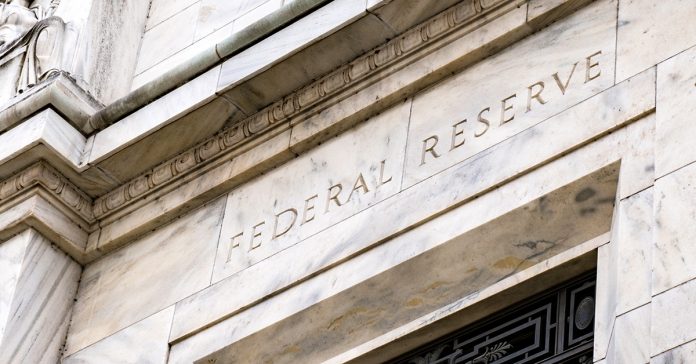
President Donald Trump told reporters he plans to announce his nominee to succeed Federal Reserve Chair Jerome Powell “over the next couple of weeks,” though he added it might not happen before the end of the year but “pretty soon.”

He also mentioned interviewing three or four candidates and indicated the pick could spill into early 2026. This aligns with his earlier comments in early December suggesting an announcement in early 2026, but the timeline appears to have shifted slightly forward.

Powell’s term as Fed Chair ends on May 15, 2026. Leading Candidates include: Kevin Hassett (National Economic Council Director and longtime Trump adviser). Kevin Warsh (former Fed Governor). Christopher Waller (current Fed Governor, whom Trump recently praised as “great” after a strong interview). Michelle Bowman (current Fed Governor). Possibly Rick Rieder (BlackRock executive, scheduled for an interview soon).

Trump has emphasized the nominee will support significantly lower interest rates.No official nomination has been made as of December 20, 2025, so the announcement is still pending in the coming weeks. Markets are watching closely due to implications for monetary policy and Fed independence.

Trump has explicitly stated that his pick will be someone who “believes in lower interest rates by a lot,” making support for aggressive rate cuts a key criterion. This signals a potential shift toward more dovish (rate-cutting) monetary policy compared to the current cautious approach under Powell.

The Federal Reserve has cut its benchmark rate three times in late 2025, bringing it to 3.50%-3.75%. The latest December projections indicate only one additional cut in 2026, reflecting concerns over persistent inflation around 2.7%-3% and potential upward pressure from tariffs.

Officials emphasize a “wait-and-see” stance, with no rush for deeper cuts unless the labor market weakens significantly. A Trump-aligned chair could push for: Faster and deeper rate cuts in 2026-2027 to stimulate growth, lower borrowing costs like mortgages, car loans, and support Trump’s economic agenda.

Greater emphasis on maximum employment over strict inflation control, potentially accepting slightly higher inflation for lower unemployment. The chair shapes consensus, appoints vice chairs, and sets the agenda—though decisions require majority support from the 12 voting members.

However, limitations exist:The chair cannot unilaterally set rates; dissent from other governors or regional presidents could block aggressive easing. Economic data (inflation, jobs) ultimately drives decisions—Trump’s tariffs could keep inflation elevated, making deep cuts riskier.

Fed independence remains a core principle, though Trump’s pressure raises concerns about political influence. Recently supports lower rates; proposes balance sheet reduction to enable cuts. Historically hawkish on inflation. Moderate dovish shift; cuts possible but tied to reforms; less aggressive than Trump wants.

Kevin Hassett, strong dove: Favors aggressive cuts, accommodative policy to boost growth. Most aligned with Trump; likely pushes for multiple/deep cuts, risking inflation rebound.

Christopher Waller supports steady cuts 50-100 bps more to neutral ~3%; concerned about softening jobs market. Gradual easing; data-dependent, balanced approach—not as aggressive as Trump demands.

Bowman: More cautious on cuts. Rieder: Market-oriented, potentially dovish. Varied; less clear alignment with rapid cuts. Markets have reacted positively to dovish signals e.g., rallies in stocks/crypto on Trump’s “lower by a lot” comments, pricing in more cuts post-nomination.

However, if cuts are too aggressive, it could reignite inflation or erode Fed credibility. The nomination raises the probability of lower rates longer-term than the current Fed path suggests, but outcomes depend on the pick, Senate confirmation, and evolving economic data. No announcement yet, so uncertainty persists.