DD
MM
YYYY

PAGES

DD
MM
YYYY

spot_img

PAGES

Home Blog Page 4040

Do You Need Performance Reviews In Your Company?

1
  • Founder: “Sir, do we need performance reviews?”
  • Ndubuisi: “In the United States, YES. But in Nigeria, it is not really necessary at this stage”.

Good People, this is the season of performance reviews. Most people will say that it is a waste of time. I partly agree, and do note that as humans we do many wasteful things in life – and performance review is one of the most necessary wasteful activities.

So, even if it is a waste of time, please do it, if your business operates in the United States.  An African axiom says that “one day a bad child could  be useful”. And that is what performance review does: when you are sued, that document could be  the core defensive material you have, and that is why most companies do it.  Yes, as you sign-off that document, you have just helped a company’s defense!

But if  you operate in Nigeria where employees rarely sue, a ratified performance review is not that necessary for most firms (of course the bigger you are, the higher the stakes, and that is the risk vector which could mean – waste the time and get signed performance reviews). You can call a staff member and explain strengths and weaknesses, and work with that person to improve where necessary. But in America, after doing all that, ask the person to sign something. 

That said, ask your HR expert and company attorney for guidance and not rely on a village guy.

Performance review season is upon us, and for some companies – it’s become a “colossal waste of time,” writes the Financial Times. Even as businesses tout inclusion, controversial review systems are still widely in place. In areas such as the tech sector, forced rankings are making a comeback in an effort to help leaders decide who to let go. The problem with that: It leaves out key factors, such as staffers who always help their colleagues get work done quicker, and could lump together star employees with those who aren’t pulling their weight. Confirm, a performance review platform, is attempting to solve this with a 360-degree system — where staffers can do things such as name-drop coworkers who are their go-to’s for help. (LinkedIn News)

Reflecting on 11 Town and Gown Initiatives that Shape Knowledge, Communities

0

In the last one decade, I have reflected on my activities charged towards impacting the immediate university and host community. In the past decade as a university teacher, researcher and development enthusiast, I’ve realized the transformative power of town and gown collaboration in fostering innovation, learning, and community development. Here are 11 of the initiatives

  1. Fountain Dialogue: A Tradition of Engaging Discourse

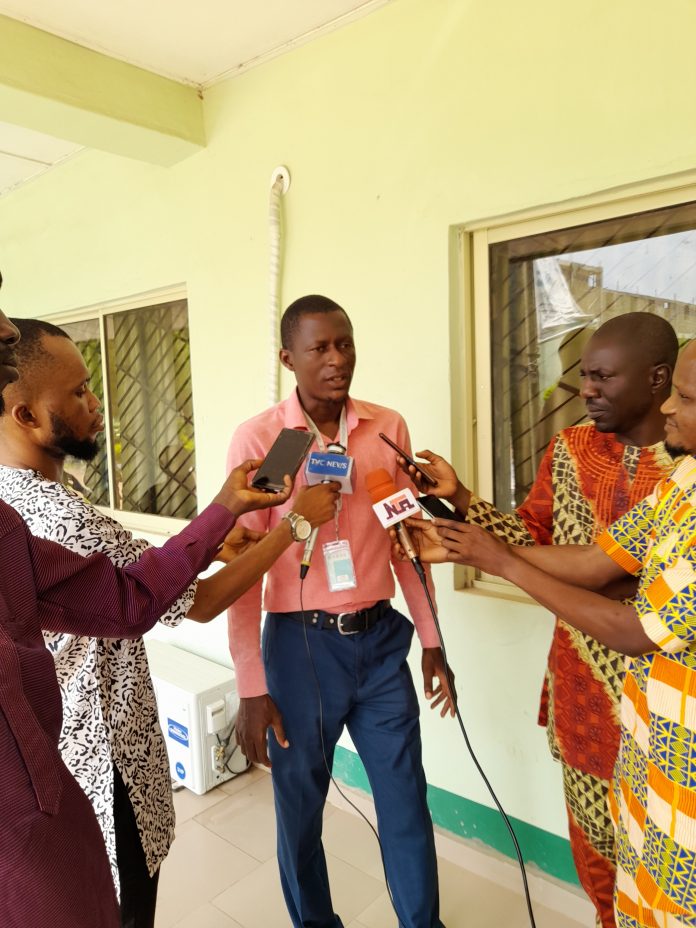
The Fountain Dialogue stands as our flagship programme—a town hall-styled media engagement. It commenced in 2013 to celebrate the one-year tenure of then Vice Chancellor, Prof. Bashiru Ademola Raji. Continuing with each subsequent Vice Chancellor, these dialogues serve as a platform for informative discussions and student engagement. The second edition happened in 2018 to welcome Prof. Amidu Olalekan Sanni, and the third edition was mounted in 2023 for Prof. Olayinka Ramota Karim, our current and 4th substantive Vice Chancellor

  1. Creativity Challenge: Nurturing Innovation and Skills

This inventive challenge, resembling an advertising hackathon, involved students forming agencies to tackle briefs and develop communication portfolios that address real-world problems. Organized by the students’ association with staff support, it served as an innovative platform to foster creativity and problem-solving.

  1. Advertising Pitch: Real-world Application in Learning

The Advertising Pitch, an integral part of the advertising class, focused on real companies such as Innosson Motors, Premier Custards, and Golden Penny Flours. It allowed students to engage with industry experts and apply their learning to address real business challenges.

  1. SDGs Community Outreach: Practical Application of Learning

The Communication for Development Class executed community-oriented projects and collected KAP (Knowledge, Attitude, and Practice) data from Osogbo metropolis. The initiative extended to executing developmental projects, such as educational sessions on nutrition and distribution of food items, exemplifying the commitment to the SDGs. It also included the pursuit of the No Poverty goal with an outreach to a radio station programme in Osogbo.

  1. Interactive Sessions with Industry Experts: A Window to Real-world Insights

Sessions with industry experts across various sectors, from advertising to PR to Development Communication, served as invaluable interactions for students. These sessions provided real-world insights and motivation for students in their respective fields.

  1. Event Management Practical: Showcasing Skills and Talents

Derived from the event management class, students organized full events as part of their examinations, showcasing their talents, skills, and organizational capacities. This served as a testament to their growth and development.

  1. Osun 2018 Gubernatorial Election Campaign Atmosphere Monitoring: A Pioneering Research Project

Leading a combined team in media studies and political science, we monitored the election atmosphere in real time. This innovative project disseminated outcomes and contributed to the development of Positive Agenda Nigeria (PAN).

  1. Communication Infrastructure Audit in Osun 2019: Examining Government-Citizen Engagement

Conducted to analyze the infrastructure used by the Government of Osun State to engage its citizens. The study employed survey, interviews, and website analysis to investigate the level of citizen engagement by the government. The outcomes were disseminated via mainstream and social media. The discourse that emanated from the study to the Apero initiative in the state.

  1. Osun 2022 Gubernatorial Election Campaign Monitoring: In-depth Analysis of Campaign Strategies

Interrogated the extent of issue-based campaigns during the governorship election. The outcomes were widely disseminated and documented in policy briefs, articles, and presentations in civil society meetings and radio interviews. This led to the establishment of Postive Agenda Nigeria (PAN).

  1. Solutions Journalism Fellowship 2022: Mainstreaming Solutions Journalism in Media

This was a fellowship that came with $2,000 grant award aimed at mainstreaming Solutions Journalism practice and teaching in the media ecosystem in Osun. It involved advocacy visits, trainings and media engagements. I engaged with 3 media organisations, 3 media professional bodies, 2 national agencies and two departments of Mass Communication in the state

  1. The 2023 Presidential Election Campaign Monitoring: An International Collaboration

An international campaign monitoring project with RUDN University, Russia, and Centre for Research on Development of Africa Media, Governance and Society (CEREDMS). It aimed to analyze the engagement with issues during the presidential campaign in Nigeria and disseminate outcomes in real time using webinars, media engagements, articles in the newspapers and social media platforms. This project led to the registration of PANSOR Development Initiative.

Each of these initiatives represents a collaborative effort and a commitment to fostering academic learning, community engagement, and meaningful impact within my university and beyond. They reflect the dedication to innovation and the realization of practical solutions in real-world scenarios.

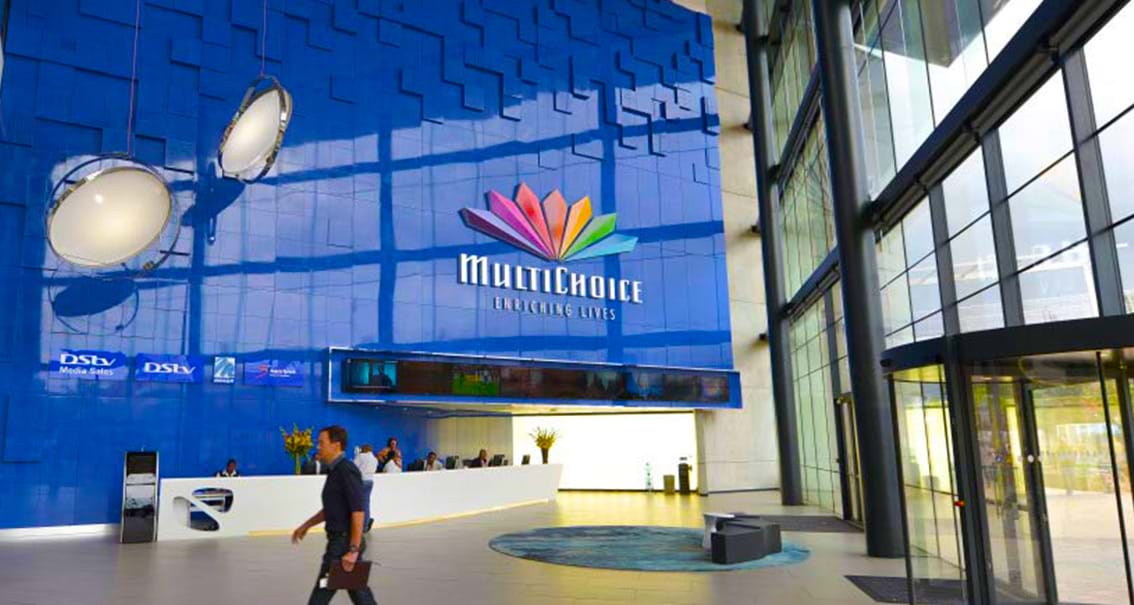
MultiChoice Raises Prices of DStv, GOtv Services And The Choice for Nigerians

4

In Nigeria, we spend so much time discussing and analyzing the prices of MultiChoice’s products. Yes, when DStv and GOtv prices change,  the nation notices. Why? European football remains one of the finest products in Nigeria, and most people are affected with price changes. The implication is that unlike changes in the prices of cereal, milk, and garri, when DStv price changes, headlines emerge in the media world.

Personally, MultiChoice should not be blamed for a minor price change, because the price of everything has gone up. So, as we enjoy foreign products created in Manchester, Barcelona, etc, in the age of Naira FX paralysis, we must not expect to pay the same thing. But if you think otherwise, we have Enyimba FC in Abia, and it can entertain you for a smaller purse! 

Sure, this is not to support any monopolistic power to clip money from customers. I am just commenting based on the reality on the ground, which is that a minor price increment for DStv and GOtv is in order. But where you think otherwise, you have a choice: go local and watch local sports! There is no need to demonize MultiChoice on this, and I hope no one should go to court as usual to compel it to return to the old price.

Pay TV company, Multichoicehas announced new rates for its DStv and GOtv package offerings in Nigeria. The new development comes months after it announced and implemented a similar upward review of prices. In an internal memo seen by PREMIUM TIMES, the company said new prices would take effect from 6 November.

According to the memo, the premium package on DSTV will increase to N29,500 from N24,500. Compact Plus which cost N16,600 before will now go for N19,800 while Compact will cost N12,500 instead of N10,500. Confam will cost N7,400 and no longer N6,200, while Yanga subscribers will pay N4,200 as against N3,500.

The DStv Padi package will increase from N2,500 to N2,950. The company also moved its HDPVR Access Service, Access Fees, and Xtraview bouquets from N3,400 to N4,000.

Similarly, the GOtv Supa Plus package now costs N12,500 from N10,500 while Supa will cost N7,600 instead of N6,400. The Max package now costs N5,700, up from N4,850; while GOtv Jolli subscribers will now pay N3,950, up from its previous rate of N3,300.

The GOtv Jinja and GOtv Smallie packages were also increased from N2,250 to N2,700 and from N1,100 to N1,300, respectively. The firm blamed the rise in the cost of business operations for the increase.

Nigerians spend $975m daily on online sports betting

0

According to a recent report by the National Lottery Trust Fund (NLTF), Nigerians spend an estimated $975 million daily on online sports betting, which amounts to about $356 billion annually. This staggering figure reflects the growing popularity and accessibility of online gambling platforms in the country, as well as the lack of effective regulation and oversight by the government.

Online sports betting is a form of gambling that involves placing wagers on the outcomes of various sporting events, such as football, basketball, tennis, cricket, etc. The bettors can choose from a variety of options, such as the winner of a match, the number of goals scored, the first team to score, etc. The odds of winning are determined by the bookmakers, who use complex algorithms and data analysis to calculate the probabilities of different scenarios.

Online sports betting is legal in Nigeria, as long as the operators have a license from the National Lottery Regulatory Commission (NLRC). However, the NLRC has been criticized for its lack of capacity and transparency in enforcing the rules and ensuring fair play.

According to the NLTF report, only 21 out of the 56 licensed operators in Nigeria remit their statutory 20% revenue to the government, while the rest evade taxes and fees. Moreover, many unlicensed and illegal operators operate in the country, taking advantage of the weak regulatory framework and the high demand for online gambling.

The NLTF report also highlighted the social and economic impacts of online sports betting on Nigerians, especially the youth. According to the report, about 60 million Nigerians between the ages of 18 and 40 are involved in active sports betting, spending an average of $2 per day.

This means that many Nigerians spend a significant portion of their income on gambling, which could affect their savings, investments, and livelihoods. Furthermore, online sports betting could lead to addiction, debt, fraud, crime, and mental health problems among the bettors.

The NLTF report recommended some measures to address the challenges posed by online sports betting in Nigeria. These include:

Strengthening the capacity and independence of the NLRC to effectively regulate and monitor the online gambling industry. Reviewing and updating the existing laws and policies on online gambling to reflect the current realities and best practices.

Enhancing public awareness and education on the risks and responsibilities of online gambling. Promoting responsible gambling and providing support and treatment for problem gamblers. Developing alternative and productive sources of income and entertainment for Nigerians, especially the youth.

Despite these challenges, online sports betting also has some benefits for Nigerians, especially the youth. According to the report, online sports betting provides:

A source of entertainment and excitement for millions of Nigerians who enjoy watching and following their favorite sports and teams. A source of income and empowerment for many Nigerians who use their skills and knowledge to make money from their bets.

A source of socialization and community for many Nigerians who share their passion and opinions with other bettors on online platforms and forums. A source of education and information for many Nigerians who learn more about sports, statistics, and probabilities from their bets.

Online sports betting is a phenomenon that has taken Nigeria by storm. While it offers some opportunities for entertainment and income generation, it also poses serious challenges for the economy, society, and individual well-being. Therefore, it is imperative that all stakeholders work together to ensure that online sports betting is conducted in a fair, transparent, and responsible manner.

Why Innovation Is Not An Exclusive Right of STEM PhD Holders

0

In a world where innovation is the lifeblood of progress, the discussion often revolves around the role of science, technology, engineering, and mathematics (STEM) PhD holders as the exclusive torchbearers of innovation. There’s no denying the immense contributions of STEM fields to technological advancements and scientific breakthroughs. However, the idea that innovation is an exclusive right of STEM PhD holders is a notion that needs to be reevaluated. Innovation is not bound by the constraints of academic disciplines, and it certainly isn’t exclusive to any specific field. In this piece, our analyst explores why innovation knows no boundaries and why all PhD holders, irrespective of their specialization, possess the potential to be innovative.

Diverse Perspectives

One of the most remarkable aspects of innovation is that it thrives on diversity. It’s not confined to the walls of laboratories or computer screens; it emerges from the blend of different perspectives, experiences, and expertise. PhD holders from various disciplines, including social sciences, management, and education, bring unique insights to the table. Their understanding of human behavior, organizational dynamics, and educational systems can lead to groundbreaking innovations that transform societies and industries.

Cross-Pollination of Ideas

Innovation often occurs at the intersections of various fields. Many of the world’s most profound innovations have emerged when ideas from seemingly unrelated domains collide. The belief that innovation is the sole domain of STEM PhD holders overlooks the potential for cross-disciplinary breakthroughs. When experts from diverse backgrounds collaborate, they can leverage their individual expertise to solve complex problems, create new products, and revolutionize existing systems.

Societal Impact

Innovation isn’t limited to technological gadgets or scientific discoveries; it extends to addressing pressing social, economic, and environmental issues. PhD holders from social sciences and education are well-equipped to tackle some of the world’s most significant challenges. Their research, insights, and ideas can lead to transformative policies, educational reforms, and social programs that have a far-reaching impact on society.

Entrepreneurial Spirit

Innovation often goes hand in hand with entrepreneurship. While STEM PhD holders might excel in creating groundbreaking technologies, those from non-STEM backgrounds are equally capable of launching innovative startups and businesses. Their deep understanding of market dynamics, consumer behavior, and business management can lead to the development of products and services that meet real-world needs.

Innovation is a Mindset

Perhaps the most crucial point to remember is that innovation is a mindset, not the exclusive domain of any particular field. It’s about approaching challenges with curiosity, creativity, and a willingness to experiment. Innovation is driven by the passion to make things better, to find new solutions, and to redefine the status quo. This mindset is not confined to any single discipline, and it’s found in the hearts and minds of PhD holders across all fields.

Innovation is not the exclusive right of STEM PhD holders. The belief that only they can create jobs and drive innovation overlooks the vast potential that lies in the minds of those with diverse academic backgrounds. We must recognize that innovation knows no boundaries. It thrives on the convergence of ideas, the application of knowledge, and the willingness to challenge existing norms. As we move forward, let’s encourage collaboration, celebrate diversity, and embrace the fact that innovation is a universal force that unites all PhD holders in their quest to make the world a better place.