DD
MM
YYYY

PAGES

DD
MM
YYYY

spot_img

PAGES

Home Blog Page 4054

Top Utility Tokens Solana, Avalanche &  Scorpion Casino Token Are Revolutionising The Betting & Gaming Industry

0

With the rise of blockchain technology and tokens with specific usages, the betting and gaming industry is undergoing significant disruption. In this comparative article, we will explore how Scorpion Casino Token (SCORP) is emerging as a rising star in the crypto world, even during its presale stage. We will also contrast Scorpion Casino Token with the approaches taken by top utility tokens like Solana (SOL) and Avalanche (AVAX) in the respective target markets of betting and gaming.

Scorpion Casino Token (SCORP): Redefining the Betting Industry

Scorpion Casino Token has quickly gained attention and popularity due to its innovative features and advanced technology. At the core of Scorpion Casino Token’s success is its underlying casino platform, which offers enticing features and a captivating user experience. By leveraging blockchain technology, Scorpion Casino Token ensures transparency, immutability, and security in every transaction.

One of the most remarkable aspects of SCORP is its deflationary nature. Through a burning mechanism, each transaction and casino profit contribute to reducing the token’s supply, increasing its scarcity, and fostering long-term price appreciation. This deflationary model sets Scorpion Casino Token apart from traditional cryptocurrencies, making it an attractive investment option.

Furthermore, Scorpion Casino Token offers the potential for passive income. Holders can earn up to $10,000 per day through seamless integration with smart contracts, even during the presale period. This opportunity allows investors to immerse themselves in the excitement of online gambling while their investments grow steadily.

To provide additional value to early adopters, Scorpion Casino Token offers a limited-time bonus code, Launch20, which grants an extra 20% of tokens upon purchase. This incentive encourages users to seize the opportunity and acquire SCORP tokens during the presale phase. The ability to use $SCORP within the Scorpion Casino ecosystem makes it one of the top utility tokens in crypto in 2023.

Solana: Revolutionising Blockchain Game Development

Solana is a high-performance blockchain network that has made significant strides in the gaming industry. Developers utilizing Solana can create a wide range of games, including decentralized games (dApps) and traditional games that incorporate blockchain elements such as in-game assets and non-fungible tokens (NFTs).

With its high-speed transactions, low transaction fees, smart contract support, interoperability, and robust security, Solana provides an ideal platform for game development. By leveraging blockchain technology, Solana ensures transparency, fairness, and fraud-free gaming experiences for players.

Solana’s blockchain infrastructure enables developers to create games with increased scalability, finalizing transactions in under a second. This speed is crucial for providing seamless and immersive gameplay experiences. SOL, the native token of Solana, allows access to the Solana network – making SOL a top utility token to own if you are a gamer or developer. Additionally, Solana’s Subnet infrastructure and HyperSDK toolkit empower businesses to launch custom blockchain solutions easily.

Avalanche: Transforming the Gaming Industry with TSM and Blitz

Avalanche is a cutting-edge blockchain platform that aims to revolutionize the gaming industry. By leveraging Avalanche’s novel consensus protocol, Subnet infrastructure, and HyperSDK toolkit, TSM, a global esports, video game, and creator-focused company, along with its competitive gaming platform Blitz, are set to create new experiences for players, fans, and creators.

Avalanche’s scalable infrastructure allows TSM and Blitz to launch powerful, custom blockchain solutions. With Avalanche’s support, TSM will be able to bring player-first Web3 gaming products mainstream, opening up new opportunities and possibilities in the gaming space. Core, Avalanche’s technology, will power all user payments and serve as a secure platform for storing, selling, and purchasing digital assets.

Top Utility Tokens | Key Takeaways

In conclusion, Scorpion Casino Token (SCORP), Solana, and Avalanche each contribute to the transformation of their respective industries and are rightly labeled as the top utility tokens in the crypto landscape. Scorpion Casino Token stands out with its deflationary nature, innovative casino platform, and the potential for passive income. Solana empowers developers to create high-speed, secure, and scalable blockchain games. Avalanche, in partnership with TSM and Blitz, is pushing the gaming industry forward by offering a player-first Web3 gaming experience.

Tech-savvy individuals, particularly millennials and Gen Z, who are interested in newer technologies like blockchain and cryptocurrencies, will find utility tokens like Scorpion Token, Solana, and Avalanche intriguing. These innovations offer unique benefits and opportunities for both investors and gamers.

To learn more about Scorpion Casino Token and seize the opportunity to participate in the presale, visit the dedicated presale website. Join on this thrilling journey and unlock the potential for significant returns with SCORP, the top crypto presale choice for making passive income.


For more information on Scorpion Casino Token (SCORP):

Presale: https://presale.scorpion.casino/

Telegram: https://t.me/scorpioncasino

Twitter: https://twitter.com/ScorpionCasino

DogeMiyagi, Tron And Yes, The Infamous XRP Are Crypto Success Stories for 2023

0

The battle for investment opportunities in the world of cryptocurrencies rages on. Today, we dive into the market to explore the success stories of three notable coins: DogeMiyagi (MIYAGI), Tron (TRON), and Ripple (XRP). These coins have made waves in the cryptosphere and are worthy contenders for your investment considerations in the second half of 2023.

So grab your digital wallets and join us as we uncover the unique strengths and potential of each of these captivating cryptocurrencies!

DogeMiyagi: The Memetic Marvel

DogeMiyagi (MIYAGI) bursts onto the scene with its charming and lighthearted nature. Inspired by the iconic Dogecoin and the wise teachings of Mr. Miyagi, this meme-driven cryptocurrency has captured the attention of investors seeking both entertainment and profit. DogeMiyagi’s success lies in its ability to tap into the power of memes and leverage the vibrant online communities they attract.

As we step into the second half of 2023, DogeMiyagi continues to gain popularity, making it a worthy investment choice for those looking to ride the wave of meme-driven enthusiasm and potentially reap substantial returns. With its humorous and engaging approach, DogeMiyagi brings an element of fun to the market while offering investment opportunities that should not be overlooked.

Tron: Empowering Decentralized Entertainment

Tron (TRX) enters the stage as a trailblazer in the realm of decentralized entertainment. As a blockchain-based platform, Tron aims to revolutionize the entertainment industry by eliminating intermediaries and connecting content creators directly with consumers.

With its fast and scalable network, Tron enables seamless transactions, and a rich ecosystem of decentralized applications (dApps) centered around gaming, streaming, and digital content distribution. As the year unfolds, Tron’s success is likely to continue as more developers and users embrace its platform.

Promising partnerships and strategic collaborations further solidify Tron’s position as a worthy investment choice. So, if you seek to be part of the decentralized entertainment revolution, Tron is a coin to keep on your radar.

XRP: Aiming For Cross-Border Dominance

XRP, the native cryptocurrency of Ripple, sets its sights on revolutionizing cross-border transactions. With its lightning-fast settlement times and low fees, XRP aims to reshape the way money moves across borders, making it an attractive option for banks and financial institutions worldwide.

Despite its legal struggles, Ripple’s partnerships with major players in the financial industry continue to grow, bolstering the potential adoption of XRP. As 2023 rolls around, XRP’s success story is expected to unfold further, driven by its focus on solving real-world challenges in the global financial landscape.

For investors looking to dive into the world of cross-border payments and banking integration, XRP offers an enticing opportunity to be part of this transformative journey.

In the ever-evolving world of cryptocurrencies, DogeMiyagi, Tron, and XRP shine as worthy investment choices for 2023. DogeMiyagi harnesses the power of memes to captivate investors seeking entertainment and profit. Tron empowers decentralized entertainment with its innovative platform, creating new possibilities for content creators and consumers alike.

XRP aims to dominate cross-border transactions, revolutionizing the financial industry with its fast and cost-effective solutions. As you navigate the crypto market, consider these coins’ unique strengths and potential for growth in the coming year.


More Information on DogeMiyagi:

Website: https://dogemiyagi.com

Twitter: https://twitter.com/_Dogemiyagi_

Telegram: https://t.me/dogemiyagi

The Critique of Nigeria’s 17-Point Agenda on Food Sufficiency

0

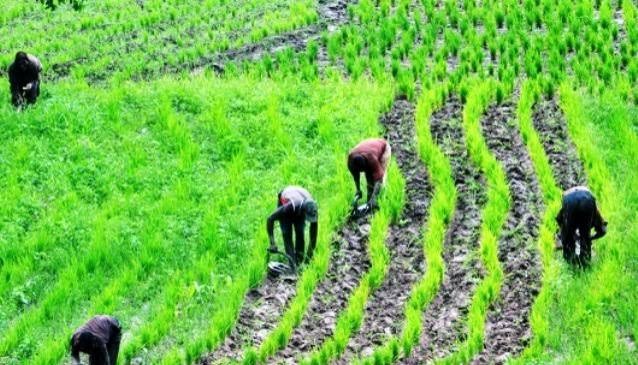
The 17-point agenda presented by the Nigerian government under the leadership of President Bola Ahmed Tinubu in response to food insecurity demonstrates a comprehensive approach to address food insecurity. Our analyst examines each point and discusses their implications on food sufficiency in the country.

Inclusion of food and water availability and affordability issues within the purview of the National Security Council

This recognition of food and water security as national security concerns highlights the gravity of the issue. By involving the National Security Council, the government aims to prioritize and coordinate efforts to address these challenges effectively.

Deployment of initiatives to reverse the inflationary trend and ensure future supplies of affordable foods

Addressing inflation is crucial for ensuring food affordability and accessibility. By implementing initiatives to reverse the inflationary trend, the government aims to stabilize prices and make food more affordable for the population.

Short-term strategy to use savings from fuel subsidy removal to revamp the agricultural sector

Redirecting savings from fuel subsidy removal towards the agricultural sector demonstrates a commitment to invest in agriculture. This strategy can provide the necessary resources to improve infrastructure, research, and development in the sector, leading to increased food production and self-sufficiency.

Release of fertilizers and grains to farmers and households (free) as immediate intervention

By providing fertilizers and grains free of charge to farmers and households, the government aims to alleviate immediate food shortages. This intervention can help address the immediate needs of vulnerable populations and support agricultural production.

Urgent synergy between the Ministry of Agriculture and the Ministry of Water Resources to ensure adequate irrigation and all-year-round farming

Ensuring synergy between the Ministry of Agriculture and the Ministry of Water Resources is vital for sustainable agriculture. Adequate irrigation and all-year-round farming can enhance crop productivity, reduce dependence on rainfed agriculture, and contribute to long-term food sufficiency.

Creation of a National Commodity Board to review food prices and maintain a strategic food reserve

Establishing a National Commodity Board can facilitate monitoring and regulation of food prices. This measure aims to prevent excessive price fluctuations and stabilize the market. Additionally, maintaining a strategic food reserve can act as a buffer during times of scarcity or emergencies.

Engagement of security architecture to protect farms and farmers

Protecting farms and farmers from security threats is crucial for ensuring food production and agricultural activities. By engaging security architecture, the government aims to create a safe environment for farmers, which can boost agricultural productivity.

Role of the Central Bank in funding the agricultural value chain

Involving the Central Bank in funding the agricultural value chain highlights the importance of financial support for the sector. Adequate funding can promote investment in agriculture, including research, technology adoption, infrastructure development, and access to credit for farmers.

Activation of land banks and increase of available arable land for farming

Activating land banks and increasing available arable land can expand the agricultural production capacity. This measure can address the issue of limited land for farming and enable the cultivation of more crops, leading to increased food production and food sufficiency.

Collaboration with mechanization companies to clear more forests and make them available for farming

Collaboration with mechanization companies can enhance land clearance processes, making more land available for farming. By clearing forests efficiently, the government aims to open up new areas for cultivation, which can contribute to increased food production.

Usage of river basins for irrigation to ensure continuous farming

Utilizing river basins for irrigation purposes is a sustainable approach to ensure continuous farming. This measure can mitigate the impacts of climate variability and enhance water availability for agriculture, promoting year-round production and food sufficiency.

Deployment of concessionary capital/funding to the sector, especially towards fertilizer, processing, mechanization, seeds, chemicals, equipment, feed, labor, etc.

Providing concessionary capital and funding to various components of the agricultural sector is essential for its development. Investments in fertilizer production, processing facilities, mechanization, seed development, and other inputs can enhance productivity and contribute to food sufficiency.

Improvement of transportation and storage methods for agricultural products to reduce costs and food prices

Improving transportation and storage infrastructure for agricultural products can reduce post-harvest losses, minimize spoilage, and decrease transportation costs. This measure can contribute to lower food prices and enhance market efficiency, ultimately benefiting consumers.

Increase in revenue from food and agricultural exports

Boosting revenue from food and agricultural exports can have positive effects on the overall economy and agricultural sector. It can incentivize farmers and agribusinesses, promote investment, and contribute to the availability of foreign exchange, which can be used for importing necessary inputs.

Improvement of trade facilitation by working with Nigerian Customs to remove bottlenecks

Streamlining trade facilitation and working with Nigerian Customs to remove bottlenecks can enhance the efficiency of agricultural trade. This measure can promote export opportunities, attract foreign investment, and ensure timely access to imported agricultural inputs, benefiting the overall food system.

Massive boost in employment and job creation in the agricultural sector

Increasing employment and job creation in the agricultural sector can have multiple benefits. It can alleviate poverty, reduce rural-urban migration, and enhance the livelihoods of rural communities. Additionally, a well-supported agricultural workforce can contribute to increased food production.

Target to double the percentage of employment in agriculture to about 70% in the long term

Setting a target to increase the percentage of employment in agriculture demonstrates a long-term commitment to the sector. This goal signifies the recognition of agriculture as a vital source of employment and economic development. Achieving this target can help drive agricultural productivity and enhance food sufficiency.

By focusing on various aspects, including affordability, infrastructure, investment, security, and employment, the government aims to enhance food sufficiency in the country. However, the successful implementation of these measures will require effective coordination, adequate funding, and continuous monitoring and evaluation to ensure their impact on the ground.

Nigeria Plans To Return To The Old Path With State of Emergency On Food Insecurity

0

It was a great tradition and never a luxury for every family in Ovim, Abia State: in the morning, give the boy/girl a FULL loaf of 15 kobo Ezioma bread with Peak milk, 2 cubes of St. Louis sugar, and Lipton, to blend. It was so affordable that it did not require a lot of prayers because those prayers have already been answered!

Then every big Oriendu Market day, Our Society Bread, produced by a legendary Ovim businessman, Chief Umunna, in far away Enugu, would also be available. He made the bread in Enugu, transported it to Ovim, but it was still cheaper in Ovim than what he was selling in Enugu! You begin with Ezioma, you upgrade to Our Society!

But those days have disappeared. Ezioma and Our Society Bread brands had since folded along with many other things. But today, we are reading that Nigeria wants to return to the old path – abundance of food on family tables:

“Nigeria’s Bola Tinubu has declared a state of emergency on food security, following soaring prices of food items in the country. The move follows increasing outcry by Nigerians over the rising cost of living that has made life in the country unaffordable for many.”

This is a good policy and Nigeria must make sure it works.  The #7 “Engagement of security architecture to protect farms and farmers” in the 17-point plan is right on the money. Good Luck, Nigeria.

The 17 steps are as follows:

  1. Inclusion of food and water availability and affordability issues within the purview of the National Security Council.
  2. Deployment of initiatives to reverse the inflationary trend and ensure future supplies of affordable foods.
  3. Short-term strategy to use savings from fuel subsidy removal to revamp the agricultural sector.
  4. Release of fertilizers and grains to farmers and households (free) as immediate intervention.
  5. Urgent synergy between the Ministry of Agriculture and the Ministry of Water Resources to ensure adequate irrigation and all-year-round farming.
  6. Creation of a National Commodity Board to review food prices and maintain a strategic food reserve.
  7. Engagement of security architecture to protect farms and farmers.
  8. Role of the Central Bank in funding the agricultural value chain.
  9. Activation of land banks and increase of available arable land for farming.
  10. Collaboration with mechanization companies to clear more forests and make them available for farming.
  11. Usage of river basins for irrigation to ensure continuous farming.
  12. Deployment of concessionary capital/funding to the sector especially towards fertilizer, processing, mechanization, seeds, chemicals, equipment, feed, labor, etc.
  13. Improvement of transportation and storage methods for agricultural products to reduce costs and food prices.
  14. Increase in revenue from food and agricultural exports.
  15. Improvement of trade facilitation by working with Nigerian Customs to remove bottlenecks.
  16. Massive boost in employment and job creation in the agricultural sector.
  17. Target to double the percentage of employment in agriculture to about 70% in the long term.

Comment on Feed

Comment 1: One of the reasons why “religious ignorance” thrives in Nigeria is because of bad leadership. In fact, most of the religious gatherings in Nigeria are organised for seeking the created than the creator. When there is an abundance of food, a lot of our religious jamboree and unnecessary prayers would stop.

Similarly, it’s not enough to declare a state of emergency on food. I wish to see words aligned with actions. Declaring a state emergency when farmers cannot transport their products to the city because of bad roads, a lot of tomatoes are spoiling because of the bad preservation process is like a roar of a toothless Lion.

We should move from vivid imagination to engaging in active and proactive measures. Till then, all political speech will be tagged propaganda and manifesto.

My Response: Sure – I did not write that in the context that it was praying for expectation. I wrote in the context that it had been given. In other words, those prayers were answered that “asking” moved to “thanking”.

Your statement “One of the reasons why “religious ignorance” thrives in Nigeria is because of bad leadership.” may not be correct. The most prosperous and most dynamic era in England was when it prayed most and was exceedingly religious. At the peak of the industrial revolution, England was the global leader in prayers, from John Wesley to all. In other words, they prayed and they had great leadership and they believed. Your statement is not factual.

Nigeria’s problem is not prayers. Our problem is that we do not practice the tenets of even what we pray for.

Comment 2: The news about Bola Tinubu declaring a state of emergency on food security in Nigeria is indeed a positive step. China did this years ago to revive the nerves of her economy. The rising cost of living and the struggles faced by many Nigerians make it crucial to address the issue promptly.

My Response: It depends on the way the program is implemented. You can still do that and put that under the domains of LGAs and states. It must not be by the federal government. I do not see any issue there.

Tinubu Declares State of Emergency on Food Security in Nigeria

1
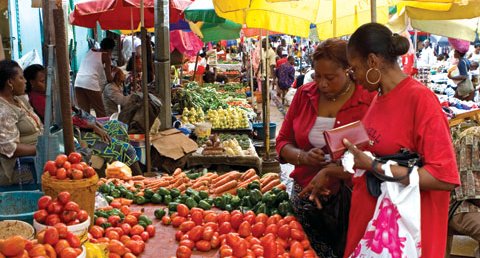
Spices in markets

Nigeria’s Bola Tinubu has declared a state of emergency on food security, following soaring prices of food items in the country. The move follows increasing outcry by Nigerians over the rising cost of living that has made life in the country unaffordable for many.

In a statement issued on Thursday, the President said the state of emergency will tackle the rising cost of food and tame food inflation.

“Today, we declared a state of emergency and unveiled a comprehensive intervention plan on food security, affordability, and sustainability, taking decisive action to tackle food inflation. These are steps towards a more food-secure Nigeria for all.

“Our new initiatives will tackle rising food costs, enhance agriculture, and boost job creation. No one will be left behind in our efforts to ensure affordable, plentiful food for every Nigerian,” the statement said.

Food inflation has risen to 24.82% as of May 2023, compounding the struggle of Nigerians to provide adequate food for their families.

Tinubu said his administration remains committed to ensuring every Nigerian has access to affordable food.

Under his ‘Comprehensive Intervention Plan for Food Security, Affordability, and Sustainability,” Tinubu outlined 17 steps his government will take to ensure food security, having “acknowledged that affordability, not availability, is the key issue for Nigerians.”

The 17 steps are as follows:

  1. Inclusion of food and water availability and affordability issues within the purview of the National Security Council.

  2. Deployment of initiatives to reverse the inflationary trend and ensure future supplies of affordable foods.

  3. Short-term strategy to use savings from fuel subsidy removal to revamp the agricultural sector.

  4. Release of fertilizers and grains to farmers and households (free) as immediate intervention.

  5. Urgent synergy between the Ministry of Agriculture and the Ministry of Water Resources to ensure adequate irrigation and all-year-round farming.

  6. Creation of a National Commodity Board to review food prices and maintain a strategic food reserve.

  7. Engagement of security architecture to protect farms and farmers.

  8. Role of the Central Bank in funding the agricultural value chain.

  9. Activation of land banks and increase of available arable land for farming.

  10. Collaboration with mechanization companies to clear more forests and make them available for farming.

  11. Usage of river basins for irrigation to ensure continuous farming.

  12. Deployment of concessionary capital/funding to the sector especially towards fertilizer, processing, mechanization, seeds, chemicals, equipment, feed, labor, etc.

  13. Improvement of transportation and storage methods for agricultural products to reduce costs and food prices.

  14. Increase in revenue from food and agricultural exports.

  15. Improvement of trade facilitation by working with Nigerian Customs to remove bottlenecks.

  16. Massive boost in employment and job creation in the agricultural sector.

  17. Target to double the percentage of employment in agriculture to about 70% in the long term.