DD
MM
YYYY

PAGES

DD
MM
YYYY

spot_img

PAGES

Home Blog Page 4055

This Area of Tech Is Growing Well in Nigeria

0
Security lock concept

The business of digital identity verification, digital data compliance, and digital system security assurance are growing really well right now in Nigeria. Those laws are beginning to work and companies are adjusting for compliance. Also, with many of the law enforcement agencies requiring documented SOPs (standard operating procedures), especially for legal issues, people in this space are having a great rainy season in Nigeria.  This is a huge growth area.

So many innovations are emerging. One of our startups in Tekedia Capital, OneID Global Technologies Inc (oneidtech.com) has invented a way to use your electricity meter number to verify your address, expanding the whole nexus of KYC, by connecting that “address” to an additional physical layer.

Banks, insurers, etc, please explore with the team, and see how their APIs can improve your KYC systems.

Central bank digital currencies (CBDCs) are not yet a Viable Replacement for Cash

0

Central bank digital currencies (CBDCs) have been gaining momentum in recent years, as more and more countries explore the possibility of issuing their own digital money. However, according to Dr. James Smith, the head of research at Copper, a leading digital asset infrastructure provider, CBDcs are not yet ready to replace cash as the main medium of exchange in the global economy.

However, according to Dr. Alice Smith, head of research at copper, a leading provider of digital asset custody and trading solutions, CBDcs are not yet ready to replace cash as the main medium of exchange in the global economy. In a recent interview, Dr. Smith shared her insights on the challenges and opportunities of CBDcs, as well as the role of private sector innovation in the digital currency space.

Dr. Smith explained that CBDcs have several potential benefits, such as enhancing financial inclusion, reducing transaction costs, improving monetary policy transmission, and fostering cross-border payments. However, she also pointed out some major drawbacks that need to be addressed before CBDcs can become widely adopted.

One of the main challenges is the trade-off between privacy and security. Dr. Smith argued that CBDcs need to balance the need for user anonymity and data protection with the need for anti-money laundering and counter-terrorism financing regulations. CBDcs require a robust and secure infrastructure that can handle large volumes of transactions, ensure interoperability with other payment systems, and protect users’ privacy and data.

However, developing such an infrastructure is not easy, and may pose significant risks of cyberattacks, system failures, or data breaches. She said that different countries may have different preferences and approaches to this issue, which could lead to fragmentation and interoperability problems.

Another challenge is the impact of CBDcs on the banking system and the financial stability. Dr. Smith said that CBDcs could pose a threat to the profitability and liquidity of commercial banks, as they could reduce the demand for bank deposits and intermediation services.

CBDcs may have implications for the stability and efficiency of the financial system, such as affecting the demand for bank deposits, the transmission of monetary policy, the allocation of credit, and the management of liquidity. However, these implications are not well understood, and may vary depending on the design and implementation of CBDcs. She also warned that CBDcs could increase the risk of bank runs and systemic crises, especially in times of stress or uncertainty.

Dr. Smith also highlighted the importance of innovation and competition in the digital currency space. She said that CBDcs should not stifle or crowd out private sector initiatives, such as cryptocurrencies and stablecoins, but rather coexist and complement them. She said that private sector solutions can offer more diversity, flexibility, and efficiency than CBDcs, and that they can also spur central banks to improve their own offerings.

Regulatory issues: CBDcs need to comply with various legal and regulatory frameworks that govern money and payments, such as anti-money laundering (AML), counter-terrorism financing (CTF), consumer protection, and monetary policy. However, these frameworks may differ across jurisdictions, creating complexity and uncertainty for CBDc issuers and users.

Dr. Smith concluded that CBDcs are not yet a viable replacement for cash, but rather a potential complement or alternative. She said that CBDcs still face many technical, regulatory, and social challenges that need to be overcome before they can achieve mass adoption and acceptance. She also said that CBDcs should not be seen as a panacea or a silver bullet for the problems of the current monetary system, but rather as one of the many possible tools and options for improving it.

CBDcs are still in their infancy, and need more research and experimentation before they can become a viable alternative to cash. He says that Copper is closely monitoring the developments and innovations in the CBDc space and is ready to support its clients with its cutting-edge digital asset infrastructure solutions.

Online Pharmacy Startup MYDAWA Raises $20 Million in Funding, to Expand Operations Across East Africa

1

Kenyan online pharmacy startup MYDAWA has raised $20 million in funding to expand operations across East Africa, and as well expand its product offerings.

The funds were raised by private equity investor Alta Semper Capital, a dedicated frontier-market private equity firm investing flexible and strategic capital in healthcare and consumer opportunities across African growth markets.

Speaking on the funding, MYDAWA CEO Neil O’Leary said, “Alta Semper’s ambition exactly matches that of MYDAWA, and it brings the drive, connections, and clout to succeed. Three years ago, AAIC, a Japanese-backed African healthcare fund, joined as our first external investor and now the team has been augmented in the strongest manner possible. MYDAWA now has both a solid secure base and a great expansion opportunity based on a great offering that improves health outcomes. Guardian is a great first step in fulfilling our ambition”.

MYDAWA is also partnering with other major health providers and businesses. Sales of its services, from telehealth to fulfillment, are commencing with some of Kenya’s biggest clinic chains to expand their reach. It is partnering with insurers and others to develop and fulfill best practice chronic care as illnesses such as diabetes become an increasing issue in Africa.

Also commenting on the funds invested in MYDAWA, Alta Semper’s CEO, Afsane Jetha, said, “This investment marks our entry into digital healthcare in Africa, which we see as a major growth area across Africa in the coming years. MYDAWA was the logical choice for us as their groundbreaking technology, underpinning a scalable business model along with regulatory know-how and market entry experience, mapped so well to our strategy. The drive to increase access to good advice and safe and affordable medication is core to our overall mission of democratizing access to health and wellbeing across the African continent.”

Launched in 2017, MYDAWA is founded on the premise of Live Well, stay Well, and get Well, to ensure that every Kenyan can get quality, secure, and affordable medicine and wellness products online. The firm has grown to become a fully regulated one-stop shop for healthcare with access to consultations, tests, referrals, and a continuous help desk, all accessed by whatever channel suits the customer.

It has a team of pharm techs and pharmacists on call to help clients understand their prescriptions. They are highly trained with versed experience in the pharmaceutical industry and will ensure that customers start on the right foot to getting back to health.

MYDAWA also has a customer care team that is dedicated to ensuring clients get medicine orders on time and that they receive the best service. The startup also offers a wide range of quality prescription medicine, over-the-counter medicine, and supplements that are ideal for customers at affordable prices.

It has diversified from an e-pharmacy to include online and in-person consultations, as well as laboratory services at its expanding network of walk-in pharmacies and health centers.

Notably, the online pharmacy store has also launched its own branded products and plans to open up its technology infrastructure from telehealth to fulfillment, helping other businesses in the health sector to scale.

With the recent funds raised, it will play a pivotal role in establishing MYDAWA as a dominant force in the healthcare industry, expanding its range of product offerings.

Meta to Launch THREAD to Compete with Twitter

0

Meta, the company formerly known as Facebook, has announced that it will launch a new feature called Threads, which will allow users to create and join conversations on various topics. Threads is designed to compete with Twitter, the dominant platform for real-time discussions and news sharing.

According to Meta, Threads will offer several advantages over Twitter, such as:

More control over who can participate and view the threads, with options to make them public, private, or invite-only, users will be able to write up to 2800 characters per post, compared to Twitter’s 280. More integration with other Meta products and services, such as Messenger, Instagram, WhatsApp, and Oculus.

More flexibility in the length and format of the posts, with support for text, images, videos, audio, and live streams, users will be able to embed images, videos, audio, polls, and stickers in their posts, as well as react with emojis and GIFs.

Better discovery: Users will be able to browse and follow threads based on their interests, location, popularity, or recommendations. Users will be able to choose who can see and reply to their posts, as well as mute or block unwanted participants.

Meta claims that Threads will provide a more engaging and diverse experience for users who want to share their opinions, insights, and stories with others. The company also hopes that Threads will attract more creators and influencers, who will be able to monetize their content through subscriptions, tips, and ads.

Threads is expected to roll out in the first quarter of 2024, initially as a standalone app, but eventually integrated into the main Meta app and website. Meta says that it will work closely with its community and partners to ensure that Threads is a safe and respectful space for everyone.

Meta Threads is different from other social media platforms because it focuses on the quality and depth of the conversations, not the quantity and popularity. You can start a thread on any topic you want, and invite other users to join in. You can also browse through existing threads and follow the ones that interest you.

Meta Threads is designed to foster respectful and meaningful discussions among people who share a common interest or curiosity. You can upvote or downvote comments based on their relevance and contribution, not their agreement or disagreement. You can also report or block users who violate the community guidelines or harass you.

Meta Threads is more than just an app, it’s a community of thinkers, learners, and creators. You can discover new perspectives, gain insights, and expand your knowledge on any topic.

Meta looks set to release Threads, a new microblogging app, on Thursday, The Wall Street Journal reports. An official announcement has yet to be made about the new product, reportedly called “our response to Twitter,” by Meta’s chief product officer, but it’s expected the company will build Threads off existing Instagram user data. Meta has been developing the product since January, attempting to get famous figures such as the Dalai Lama and Oprah on board as early users. News of this comes as Twitter experienced an outage over the weekend and owner Elon Musk announced temporary limits on tweet views for users due to “extreme levels of data scraping.” The app is listed on Apple’s App Store and described as “expected” on Thursday. Twitter announced that TweetDeck will only be available to paid, verified subscribers from August. (LinkedIn News)

Notable Provisions of the Central Bank of Nigeria (CBN) Guidelines on The Registration Of Cash-In- Transit (CIT) and Currency Processing (CP) Companies

0

In order to enhance the efficiency and cost-effectiveness of currency management, facilitate the generation of fit Naira banknotes for payment, promote the use of shared facilities to drive down currency management cost, engender healthy competition among service providers and ensure product quality, integrity and standardization in Nigeria, the Central Bank of Nigeria (CBN) hereby mandates through its guidelines all companies, including Deposit Money Banks, who are desirous of providing currency distribution and/or currency processing services in Nigeria, either for themselves or for other Deposit Money Bank(s) to register with the Central Bank of Nigeria.

The CBN guidelines released by the CBN to this effect is in furtherance of the circular released by the Central Bank of Nigeria on the “Notice to Companies Providing Currency Sorting and Distribution Services and Deposit Money Banks providing these Services for themselves or other Banks in Nigeria”, published on 14th December, 2009

What are the most notable CBN Guidelines for Cash-In-Transit (CIT) operations in Nigeria?

– The CIT company shall be duly incorporated in Nigeria.

– The company shall be registered either for National or Regional operations. For the purpose of these guidelines, a National CIT means a company registered to operate in all States of the federation, while a regional CIT shall operate within the States of one (1) geo-political zone.

– A company registered to operate as a national CIT shall:

  • Have a minimum capital of N1 billion or such other amount as may be prescribed by the CBN from time to time.
  • Be entitled to establish offices in any State of the federation subject to approval by the CBN, for the purpose of carrying out its operations.
  • Be authorized to move cash in Naira and foreign currencies to any part of Nigeria.

– A company registered to operate as a regional CIT shall:

  • Have a minimum capital of N500 million or such other amount as may be prescribed by the CBN from time to time.
  • Be entitled to establish offices in States within one (1) geo-political zone subject to approval by the CBN, for the purpose of carrying out its operations.
  • Be authorized to move cash in Naira and foreign currencies within one (1) geo-political zone.

 -Any registered regional CIT shall be prohibited from establishing offices or carrying out operations in other geo-political zones. 

– All approved vehicles of registered service providers shall be captured in the Cash Activity Reporting Portal (CARP) and only vehicles captured in the database may be used for CIT services.

– Promoters shall be private companies and/or individuals with proven integrity and experience in financial services (evidence required). 

– All promoters/directors shall present evidence of clearance from the relevant security agencies.

– Evidence of insurance with a reputable Nigerian insurance company to cover the cash-in-transit and personnel.

– Evidence of transport agreement with cargo airlines for cash movements between cities serviced by airports.

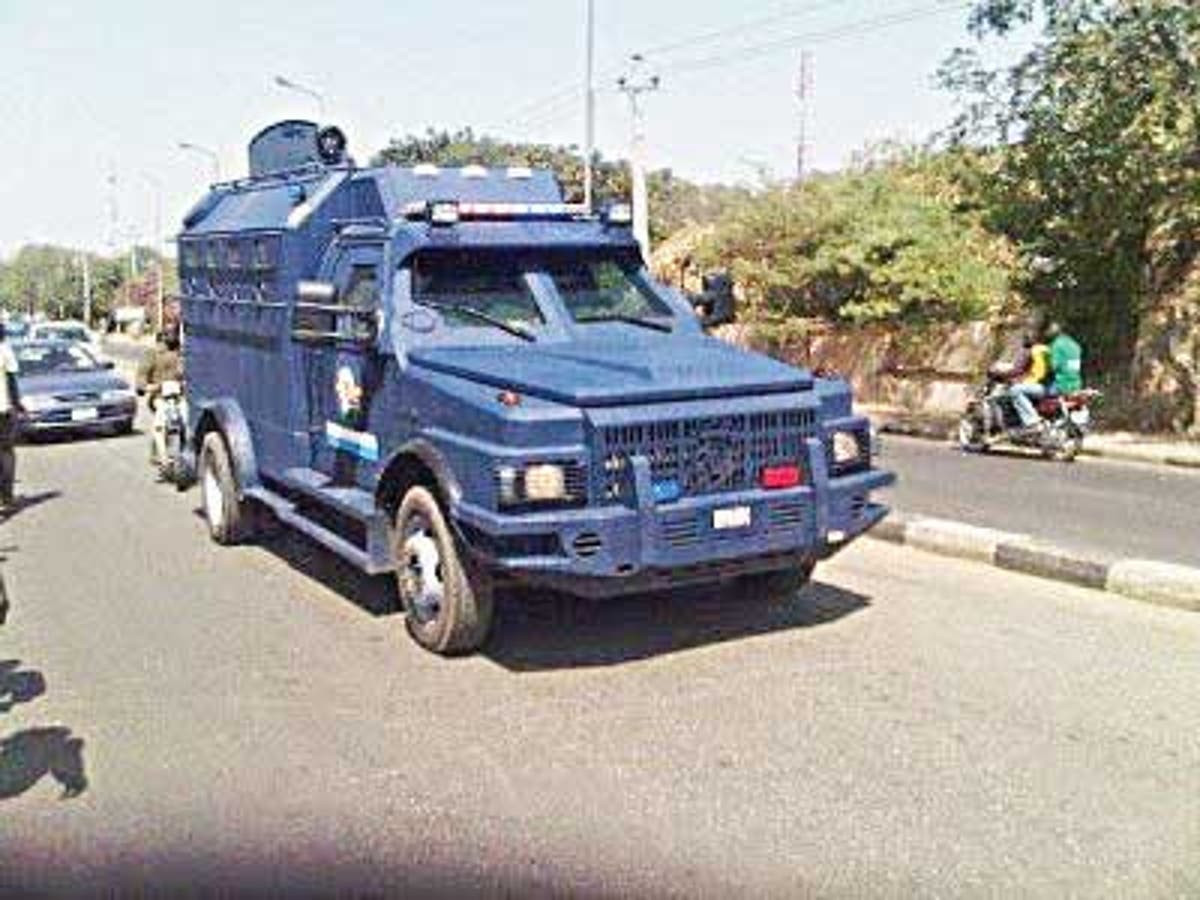
 – Armoured vehicles shall have a six-sided minimum plate standard of not less than B3+ with separate compartments for currency and personnel; and fitted with run-flat tyres. All the armoured vehicles shall have vehicle-tracking systems to monitor the location and security of the movement vehicles. 

-Evidence of liaison with the appropriate security agencies such as the NPF, DSS, ONSA, NCS, EFCC, NFIU etc. 

– Upon registration, a CIT Company shall have a working agreement with the Nigerian Police Force to provide security back-up.

– Operational and procedure manuals, detailing processes from the receipt of orders to execution and full documentation on all transactions shall be maintained by the CIT Company. This must be in line with the Central Bank of Nigeria (Anti-Money Laundering & Combating the Financing of Terrorism in Banks and Other Financial Institutions) Regulations. 

– The roles and responsibilities of the representatives of customers should be clearly stated in the Service Level Agreements.

-The CIT company shall have in place a Tariff for both intra- and intercity cash movements and for air, rail and road movements.

-The CBN shall enforce the implementation of these guidelines on CIT operations for all players.

-The CIT company shall provide proposals on how to mitigate risks arising from the following: 

  • Operational risks: These relate to exposure to losses occasioned by diversion of movement to areas not intended, accident, theft, non-compliance with security requirements, attacks, fire, information leakage, collusion, unavailability of surveillance systems and technical workshop etc.

All service providers should ensure adequate security and insurance of their premises, vaults and currency movements.

  • Reputational risks: These entail integrity and building confidence in the correctness of the currency being moved, efficiency of operations, obedience to traffic rules and regulations, respect for other road users and reduction in noise pollution caused by the blaring of sirens, satisfactory references on employees from reputable organizations and individuals, backed by adequate guarantees.
  • Technology risks: Ensuring the deployment of the appropriate armoured vehicles with the appropriate anti-ballistic properties, reducing the incidence of breakdown during movement operations, ensuring the safety of cash-in-transit after attack etc.

What are some of the notable CBN Guidelines for Currency Processing Company (CPC) operations in Nigeria?

-The company shall be incorporated in Nigeria.

– The company shall be registered either for National or Regional Operations. For the purpose of these guidelines, a national CPC means a company registered to operate in all States of the federation, while a regional CPC shall operate within the states of one (1) geo-political zone.

-A company registered to operate as a National CPC shall:

  • Have a minimum capital of N3 billion or such other amount as may be prescribed by the CBN from time to time.
  • Be entitled to establish offices in any State of the Federation subject to approval by the CBN, for the purpose of carrying out its operations.
  • Be authorized to process cash in Naira and foreign currencies to any part of Nigeria.

– A company registered to operate as a regional CPC shall:

  • Have a minimum capital of N2 billion or such other amount as may be prescribed by the CBN from time to time.
  • Be entitled to establish offices in States within one (1) geo-political zone subject to approval by the CBN, for the purpose of carrying out its operations.
  • Be authorized to process cash in Naira and foreign currencies within one (1) geo-political zone.

– Promoters shall be private companies and/or individuals with proven integrity and experience in currency sorting operations, financial services, currency processing systems, sales and maintenance (evidence and proficiency required). 

– All promoters/directors shall present evidence of clearance from the relevant security agencies.

– The company shall have adequately secured vaults, either owned or leased. The vaults shall be located in secured areas with adequate parking space and easy accessibility. The vaults shall meet the minimum requirements of the CBN in terms of location, area, size, doors (minimum of 1.97 metres in length and breadth 0.9 metres) and loading bays (length: 9.144 metres, breadth: 3.458 metres and height: 4.5 metres). 

– The company shall demonstrate enough commitment to acquire its own vaults in the future where it operates in leased vaults.

– All vaults used by the service providers, either leased or owned shall meet CBN minimum requirements for space adequacy, loading bay specification, accessibility and security (both electronic and physical) etc.

– The company can operate from a single location at the initial stage, but it shall demonstrate ability and commitment to expand the scope of its operations, upgrade its processing systems, information and communication technology. 

-The company shall provide evidence of technical support from manufacturers of currency processing systems to ensure continuous and un-interrupted operations. 

-The company shall provide evidence of insurance with a reputable Nigerian insurance company to cover cash and personnel. 

-The CBN shall enforce the implementation of these guidelines on CPC registration and operations for all players. 

-The company shall provide proposals/measures to mitigate risks inherent in currency processing:-

  • Operational risks: such as weak internal control processes/systems to control fraud, theft, deployment of inappropriate processing systems, security of currency held in the vaults, humidity and dust in the vaults, fire outbreak etc
  • Reputational risks: such as shortages, counterfeit, non-compliance with fitness standards, unsecured bank deposits, poor service delivery etc.
  • Technological risks: such as system failure, data theft, deployment of obsolete information and communication technology, processing systems and unsecured cyber space.

 – The processing systems deployed by the service providers shall be programmable and adaptable to conform to the sorting standards as advised by the CBN from time to time, in line with its Clean Notes Policy.

What are the minimum share capital requirements for combined CIT & CPC operations in Nigeria?

All companies providing both cash-in-transit and currency processing services shall meet all the requirements for registration as specified under Cash-in-Transit and Currency Processing operations. 

In addition, companies registered to operate both National CPC and CIT shall have a minimum capital of ?4.0 billion or such other amount as may be prescribed by the CBN from time to time, while companies registered to operate both Regional CPC and CIT shall have a minimum capital of ?2.5 billion or such other amount as may be prescribed by the CBN from time to time.

What are the regulations of the CBN for Deposit Money Banks (DMBs) desirous of providing currency processing & distribution services?

Deposit Money Banks desirous of providing currency processing and distribution services shall jointly (two or more banks) float a subsidiary company. The subsidiary company(ies) shall meet all these registration requirements and be subject to the regulatory and supervisory framework of the CBN.

What are the sanctions if any for the unauthorized operation of CIT and/or CPC operations without CBN registration?

Any private company and/or individual(s) operating without a valid registration issued by the CBN shall have the facility closed, and in addition the promoters shall be handed over to appropriate law enforcement agencies for prosecution.