DD
MM
YYYY

PAGES

DD
MM
YYYY

spot_img

PAGES

Home Blog Page 4127

Litecoin Halving Event Shadows Tron While Signuptoken.com Foresees A Lustrous Presale

0

Litecoin Halving Event is the talk of the crypto town! If you are a crypto genie then definitely this question flies by your thoughts: Could this event potentially enable Litecoin (LTC)  to surpass Tron (TRX) in the market? Tron being a visionary in revolutionizing the entertainment industry by leveraging blockchain technology has already marked its presence as a strong opponent among its competitors. Hence, Litecoin is on its way to overtaking Tron with its much anticipated Litecoin Halving event. On the other hand, Signuptoken.com (SIGN), is on its toes to outshine them all in the crypto space.

In this article, we learn the fortunes and mishaps that await the AI-backed Crypto-landscape amidst the Litecoin halving event. We will also discuss how this event stacks up against Tron’s ongoing momentum and how this opens brighter opportunities for the newbie Sign Up Token in its presale phase.

Litecoin: The Magnificent Trailblazer

Litecoin is often hailed as the ‘silver to Bitcoin’s gold’, and has garnered attention due to its speed and efficiency in transaction processing. The upcoming Litecoin halving event, which occurs approximately every four years, is a critical factor that distinguishes Litecoin from other cryptocurrencies. During this event, the rewards miners receive for validating transactions are halved, reducing the rate at which new Litecoins are generated. This scarcity mechanism has historically led to price surges in the NFT marketplace.

Litecoin has witnessed significant price rallies post-halving, suggesting that scarcity indeed influences its value. This pattern is driven by the decreased supply of new coins, increasing the scarcity of Litecoins in circulation. Litecoin’s integration of AI revolves around data analysis and pattern recognition. AI algorithms analyze trading patterns, market sentiments, and social media trends to provide insights to traders and investors.  As investors anticipate scarcity, demand often outpaces supply, resulting in upward price pressure.

Tron: The T-Rex Of NFT Marketplaces

Tron (TRX) is a prominent figure that focuses mainly on decentralized entertainment and content-sharing platforms. The Tron network has made strides in integrating blockchain technology with media and entertainment, capturing a niche market. While not linked to halving events like Litecoin, Tron has maintained its relevance through consistent partnerships, development updates, and strategic acquisitions.

The comparison between Litecoin and Tron extends beyond the realm of halving events. While Litecoin’s halving events provide short-term price catalysts, Tron’s long-term success has been attributed to its ability to leverage blockchain technology for real-world applications. Litecoin’s primary focus remains on transactions and payments, positioning it as a potential digital equivalent of cash, whereas Tron’s entertainment-focused approach caters to a specific industry niche. 

The Rise Of Signuptoken.com

Sign Up Token (SIGN), launching itself with a breath of fresh air in the digital financial ecosystem. The project opens its gates free of charge to the growing community – all it takes is a simple registration with your email, and you’re all set to shower in the riches!

Cementing its distinctive identity further, Sign Up Token revolutionizes the concept of crypto presales. The SIGN presale doesn’t operate in stages but embraces a continuous progression. With each purchase, the token price increments by a mere $0.01 and opens its doors to Uniswap once the SIGN community balloons to one million members. Initially stepping into the market at a modest $0.01, the SIGN token assures an enticing 72x return, as it’s slated to debut at an alluring launch price of $0.72.

During the presale phase, investors have the chance to buy tokens often at a discounted price when juxtaposed with their potential market value. This method proves especially seductive in a climate where traditional cryptocurrencies have to navigate choppy market waters and regulatory whirlwinds.

A Dynamic Crypto Landscape Awaits You

The upcoming Litecoin halving event introduces an intriguing dynamic to the crypto market. However, Tron’s steady momentum and industry-specific applications contribute to its ongoing relevance. While Litecoin and Tron cater to established niches, Signuptoken.com addresses the user onboarding challenge while maintaining regulatory compliance. This opens new avenues for this newbie to explode its presale on the NFT market.


For More On Sign Up Token:

Website: https://www.signuptoken.com

Twitter: https://twitter.com/_SignUpToken_

Telegram: https://t.me/SignUpToken

BUA Group Cuts Cement Price to N3,500 per bag from Monday

2

BUA Cement Plc has announced a significant reduction in the price of its cement product, with effect from Monday, October 2, 2023. The new price will be set at N3,500 per bag, down from its previous price of N4,650.

This price reduction comes after BUA Cement’s Chairman, Abdul Samad Rabiu, held discussions with President Bola Tinubu and committed to reviewing the product’s pricing. BUA Cement stated that this decision aligns with its mission to support development in the building materials and infrastructure sectors.

The move is expected to have a positive impact on the construction industry and make cement more affordable for builders and developers. Previously, cement was being sold on the market for as high as N5,000 per bag.

The statement released by the company said: “We refer to our previous pronouncements regarding our intent to reduce cement prices upon the completion of our new lines at the end of the year, in order to spur development in the building materials and infrastructure sectors.

“As per the commitment made to reduce prices and following a periodic review of our operations for efficiency, the management of BUA Cement Plc wishes to announce and inform our esteemed customers, stakeholders, and the public that effective October 2, 2023, we have decided to bring the price reduction forward. As a result, BUA Cement would now be sold at an ex-factory* price of 3,500 Naira per bag so that Nigerians can begin to enjoy the benefits of the price reduction before the completion of our plants.

“Upon completion of the ongoing construction of our new plants, which would increase our production volumes to 17million metric tonnes per annum, BUA Cement PLC intends to review these prices further in line with our earlier pronouncements by the first quarter of 2024.”

Construction industry stakeholders raised alarm over the high of cost cement in the country. Recently, the Minister of Works and Housing, Dave Umahi, claimed that it’s cheaper to import cement than buy from local manufacturers – mainly – Bua and Dangote cement.

The statement triggered a national discussion around the impact of the high cost of cement in construction in the country.

Against this backdrop, Abdul-Samad Rabiu, Chairman of BUA Group, indicated his company’s intention to reduce cement prices during a visit to President Bola Tinubu at Aso Rock last month. In line with this commitment, BUA Cement has now officially announced the price reduction to N3,500 per bag.

In addition, the company said any outstanding and paid-for orders at the previous prices will be adjusted to the new pricing of N3,500 per bag. This move is aimed at making cement more affordable and supporting development in the construction and infrastructure sectors.

The market price is expected to be between N3,850 and N4,000 following the drop.

It is not clear if this move will force the market’s major competitor, Dangote Cement, to also cut down prices. Dangote’s cement sells from N5,000 to N5,300 per bag.

Nigeria Offers Organized Labour N35,000 Wage, Monthly N25,000 to 15m Households to Avert Strike

0

President Bola Tinubu has approved a series of measures, including an N35,000 provisional wage award for all treasury-paid federal government workers for six months, following a meeting between the federal government and the leaders of organized labor.

The four-hour meeting was aimed at averting the proposed nationwide strike by organized labor, which was billed to take effect from October 3. The federal government delegation at the meeting, which was held at the State House, Abuja, was led by the Chief of Staff to the President, Hon Femi Gbajabiamila.

The labor delegation led by the Nigerian Labour Congress (NLC) President, Joe Ajaero, Dr. Tommy Etim Okon, Deputy President, of Trade Union Congress (TUC), NLC General Secretary, Emma Ugboaja, TUC General Secretary, Nuhu Toro, among others, had clamored for a wage increase as a way to cushion the effect of fuel subsidy removal.

A statement released by the Minister of Information and National Orientation, Mallam Mohammed Idris, noted that Tinubu also approved the payment of N75,000 to 15 million households at N25,000 per month, for a three-month period from October-December 2023.

It says: “The Federal Government, on Sunday, October 1, 2023, met with the leadership of the Nigeria Labour Congress (NLC) and Trade Union Congress (TUC) on measures to address the dispute arising from the removal of subsidy on Premium Motor Spirit (PMS).

“The parties noted the following:

“i) The Federal Government has announced N35,000 only as a provisional wage award for all treasury-paid federal government workers for six months following further consultation with President Bola Tinubu.

“ii) The Federal Government is committed to fast-tracking the provision of Compressed Natural Gas (CNG) buses to ease public transportation difficulties associated with the removal of PMS subsidy.

“iii) The Federal Government commits to the provision of funds for micro and small-scale enterprises.

“In light of the discussions held during the meeting, the following were the major highlights:

“The Federal Government urged the Labour unions not to embark on strike action as the issues in dispute can only be resolved when workers are at work.

“Labour Unions made case for higher wage award. A sub-committee is to be constituted to work out the details of the implementation of all items regarding government interventions to cushion the effect of fuel subsidy removal.

“The Federal Government commits to the provision of funds for micro and small-scale enterprises.

“VAT on diesel will be waived for the next 6 months.

“The Federal Government will commence payment of N75,000 to 15 million households at N25,000 per month, for a three-month period from October-December 2023.”

“The issues in dispute can only be resolved when workers are at work and not when they are on strike.

“Labour Unions argued for higher wage awards and the Federal Government Team promised to present Labour’s request to President Bola Tinubu for further consideration.

“A sub-committee to be constituted to work out the details of implementation of all items for consideration regarding government interventions to cushion the effect of fuel subsidy removal.

“The lingering matter of Road Transport Employees Association of Nigeria (RTEAN) and National Union of Road Transport Workers (NURTW) in Lagos State needs to be addressed urgently and Lagos State Governor, Babajide Sanwo-Olu, who participated virtually, pledged to resolve the matter.”

The leadership of the major wings of organized labor, the NLC, and the TUC, said they will consider the offers by the federal government with a view to suspending the planned strike to allow for further consultations on the implementation of the resolutions above.

State-Owned Enterprises in Africa Generate estimated $75B in Revenue

0

According to a recent report by the African Development Bank (AfDB), state-owned enterprises (SOEs) in Africa have generated an estimate of 75 billion in revenue in the last fiscal year. This represents a significant increase from the previous year, when SOEs accounted for 65 billion in revenue. The report attributes this growth to several factors, such as improved governance, increased efficiency, and enhanced competitiveness of SOEs in various sectors.

Some of the challenges faced by SOEs are:

Governance and accountability: SOEs often operate under different rules and regulations than private sector firms, which may create conflicts of interest, political interference, corruption, or lack of transparency. SOEs may also have multiple and unclear objectives, such as social, environmental, or strategic goals, that are not aligned with their financial performance. Moreover, SOEs may lack effective oversight and monitoring mechanisms, such as independent boards of directors, external audits, or performance evaluations.

Competition and market distortions: SOEs may enjoy preferential treatment from the government, such as subsidies, tax exemptions, guarantees, or access to credit, which may give them an unfair advantage over private competitors. Conversely, SOEs may also face regulatory barriers or restrictions that limit their ability to operate in certain markets or sectors. Additionally, SOEs may face political pressure to maintain employment levels or prices, which may reduce their incentives to innovate or improve their productivity.

Financial sustainability and efficiency: SOEs may face financial difficulties due to low profitability, high debt levels, or insufficient capitalization. SOEs may also suffer from operational inefficiencies, such as overstaffing, outdated technology, or poor management practices. Furthermore, SOEs may face challenges in accessing capital markets or attracting private investment, due to their perceived riskiness or lack of credibility.

These challenges pose significant risks for the fiscal health and economic development of the countries where SOEs operate. Therefore, it is crucial for governments to adopt sound policies and reforms to improve the performance and governance of SOEs. Some of these policies and reforms may include:

Clarifying and prioritizing the objectives and roles of SOEs and ensuring that they are consistent with the national development strategy and the public interest. Strengthening the legal and regulatory framework for SOEs and ensuring a level playing field with private sector firms.

Enhancing the governance and accountability of SOEs, by establishing clear ownership arrangements, independent and professional boards of directors, transparent reporting and disclosure standards, and effective oversight and evaluation mechanisms.

Promoting the financial sustainability and efficiency of SOEs, by reducing or eliminating subsidies and guarantees, improving their cost recovery and pricing policies, optimizing their capital structure and debt management, and encouraging operational improvements and innovation.

Fostering the participation of the private sector in SOEs, through various forms of partnership, such as joint ventures, concessions, leases, management contracts, or privatization.

The report also highlights some of the challenges and opportunities that SOEs face in the current global context. It notes that SOEs have to balance their commercial objectives with their social and environmental responsibilities, as well as cope with the impacts of the COVID-19 pandemic and the climate crisis. It recommends that SOEs adopt best practices in transparency, accountability, and innovation, and foster partnerships with the private sector and civil society.

By addressing these challenges and implementing these policies and reforms, governments can ensure that SOEs contribute positively to the economic growth and social welfare of their countries. The report concludes that SOEs have a vital role to play in advancing sustainable development and achieving the 2030 Agenda. It calls for more research and dialogue on how to leverage the potential of SOEs to contribute to economic growth, social inclusion, and environmental protection.

The report also highlights the potential benefits of SOEs for African development, such as providing public goods and services, promoting industrialization and diversification, creating employment and income opportunities, and mobilizing domestic resources. SOEs can contribute to the achievement of the Sustainable Development Goals (SDGs) and the African Union’s Agenda 2063.

Ethiopia wants to be the new giant of Africa; they have the population and heritage, as never colonized

0

Ethiopia is a country with a rich history and a large population. It is one of the few African nations that was never colonized by European powers, and it has a strong sense of national identity and pride. Ethiopia is also a country with ambitious goals and aspirations. It wants to become the new giant of Africa, a regional leader and a global player.

I will explore some of the factors that make Ethiopia a potential powerhouse in Africa, and some of the challenges and opportunities that it faces in achieving its vision. I will also discuss how Ethiopia can leverage its strengths and overcome its weaknesses to realize its full potential.

Ethiopia has several advantages that give it an edge over many other African countries. First, it has a large and young population of about 115 million people, which is the second largest in Africa after Nigeria. This means that Ethiopia has a huge domestic market and a vast pool of human capital. It also means that Ethiopia has a demographic dividend, which is the economic growth that results from having a large share of working-age people in the population.

Second, Ethiopia has a diverse and rich cultural heritage that spans thousands of years. It is the cradle of humanity, where some of the oldest human fossils have been found. It is also the origin of coffee, one of the most popular beverages in the world. Ethiopia has a unique alphabet, calendar, and clock system, as well as several languages and religions. Ethiopia’s culture is a source of pride and identity for its people, as well as an attraction for tourists and investors.

Third, Ethiopia has a strategic location in the Horn of Africa, which connects it to the Middle East, Europe, and Asia. Ethiopia is landlocked, but it has access to the sea through its neighbor Djibouti, where it operates a major port. Ethiopia also has several rivers that flow through its territory, including the Blue Nile, which is the main tributary of the Nile River. Ethiopia’s location gives it an opportunity to trade with other regions and to harness its water resources for hydropower and irrigation.

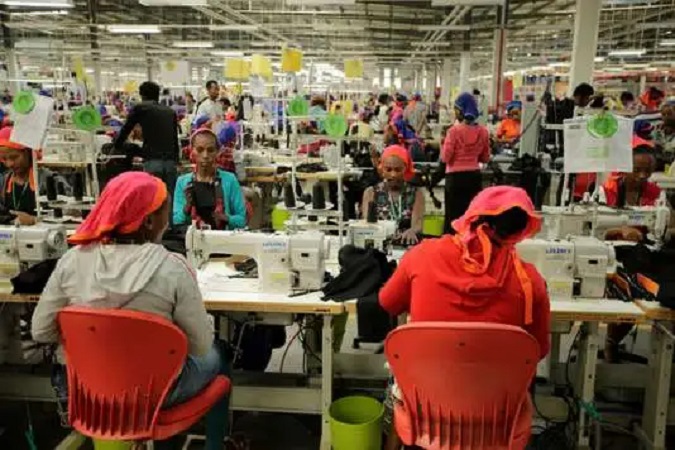
Ethiopia’s vision is to become a middle-income country by 2025 and a high-income country by 2050. To achieve this, Ethiopia has embarked on an ambitious development plan that focuses on industrialization, infrastructure, agriculture, education, health, and governance. Ethiopia has made significant progress in reducing poverty, improving social services, and expanding economic opportunities for its people. It has also attracted foreign investment and aid from countries like China, Turkey, India, and the United States.

However, Ethiopia also faces many challenges and risks that could derail its progress and undermine its stability. Some of these include:

Ethnic tensions and conflicts: Ethiopia is composed of more than 80 ethnic groups, each with its own language, culture, and history. While this diversity is a strength, it can also be a source of division and violence. Ethiopia has experienced several ethnic clashes and protests in recent years, especially in the Oromia and Tigray regions. These conflicts have resulted in deaths, displacements, human rights violations, and humanitarian crises.

Political instability and repression: Ethiopia has been ruled by the same party since 1991, which has been accused of authoritarianism, corruption, nepotism, and human rights abuses. The party has faced growing opposition and discontent from various segments of society, especially the youth. In 2018, Ethiopia underwent a political transition when Abiy Ahmed became the prime minister after his predecessor resigned. Abiy initiated several reforms and peace initiatives that earned him the Nobel Peace Prize in 2019. However, he also faced resistance and criticism from some factions within his own party and from other parties. Ethiopia has some success stories that demonstrate its potential and inspire hope for its future.

Some of these are:

The Grand Ethiopian Renaissance Dam (GERD): This is a mega-project that aims to build the largest hydroelectric dam in Africa on the Blue Nile River. The dam will have a capacity of 6.4 gigawatts and will generate enough electricity to power Ethiopia and export to neighboring countries. The dam will also provide irrigation and flood control benefits. The project is expected to be completed by 2023 and will cost about $5 billion. The dam is a symbol of Ethiopia’s national pride and ambition, as well as a source of controversy and tension with Egypt and Sudan, who fear that the dam will reduce their water supply.

The Ethiopian Airlines: This is the flag carrier of Ethiopia and the largest airline in Africa by passengers, fleet, and destinations. The airline operates flights to more than 120 international and domestic destinations, including the United States, Europe, Asia, and Australia. The airline is known for its safety, efficiency, and profitability, and has won several awards and accolades. The airline is also a catalyst for Ethiopia’s tourism and trade sectors, as well as a role model for other African airlines.

The Sheba Valley: This is a nickname for the emerging tech hub in Ethiopia, where several startups, incubators, accelerators, and investors are based. The Sheba Valley is home to some of the most innovative and successful tech companies in Africa, such as Gebeya, which trains and connects African software developers to global clients; ZayRide, which offers ride-hailing and delivery services; and Kana TV, which produces and broadcasts popular entertainment content.

The Sheba Valley is also a hub for social impact and education initiatives, such as GirlCode Academy, which empowers young women to pursue careers in STEM fields; and iCog Labs, which develops artificial intelligence and robotics solutions. These are just some of the examples of how Ethiopia is transforming itself into a new giant of Africa. Ethiopia has a long way to go to achieve its vision and overcome its challenges, but it also has a lot of potential and opportunities to make it happen. Ethiopia is a country that deserves our attention and admiration.