DD
MM
YYYY

PAGES

DD
MM
YYYY

spot_img

PAGES

Home Blog Page 4139

Binance, Coinbase, OKX partners with UK Crypto firms; Bitstamp partners 3 European Banks

0

Three of the world’s largest cryptocurrency exchanges, Coinbase, OKX and Binance, have announced new partnerships with UK-based firms as the country prepares to implement new regulations for the crypto sector. The partnerships aim to ensure compliance with the Financial Conduct Authority (FCA)’s rules, which will require crypto firms to register with the regulator and follow anti-money laundering and counter-terrorism financing standards.

Coinbase, the US-based exchange that recently went public, has partnered with Archax a challenger bank that provides banking services to fintech companies. Archax will provide Coinbase with access to the UK’s Faster Payments Scheme, which enables instant transfers between bank accounts. This will allow Coinbase to offer faster and cheaper deposits and withdrawals to its UK customers, who currently have to use international wire transfers or third-party payment processors.

OKX, the Malta-based exchange that ranks among the top five by trading volume, has partnered with Archax, a crypto-focused financial services provider that is regulated by the FCA. Archax Group will provide OKX with banking and payment services in the UK and Europe, as well as support its compliance efforts. OKX said the partnership will enable it to offer more fiat-to-crypto and crypto-to-crypto trading pairs, as well as expand its presence in the European market.

Binance, the world’s largest exchange by trading volume, has partnered with decade-old peer-to-peer lending firm that offers a range of crypto products and services, including a Visa card, a wallet app and a lending platform. Rebuilding Society will integrate Binance’s trading engine and liquidity into its own platform, allowing its users to access Binance’s spot and margin trading features. Binance said the partnership will enhance its user experience and security, as well as support its compliance efforts in the UK.

The new partnerships come as the UK is set to introduce new regulations for the crypto sector, following the recommendations of the Financial Action Task Force (FATF), an intergovernmental body that sets standards for combating money laundering and terrorist financing. The FCA has been designated as the supervisor of crypto firms in the UK and has given them until early 2024 to register with the regulator and demonstrate compliance with its rules. The FCA has warned that firms that fail to do so may face enforcement action or be forced to cease operations.

The FCA’s new regime for crypto asset financial promotions took effect on Oct. 8. “Firms could be given until 8 January 2024 to introduce features that require greater technical development, with the core rules still coming into effect from 8 October 2023,” the FCA said in an announcement.

The new rules apply for crypto promotions across various media forms, from websites and social media outlets to online advertising. To stay on the right side of the regulations, unregistered crypto asset firms have four routes to lawfully communicate crypto asset promotions within the UK.

The first route is that a promotion is communicated by an FCA-authorized person. The second is that a financial promotion is approved by an authorized person. The third way, employed by Coinbase, OKX, and Binance, involves the promotion being communicated by a crypto firm registered under the FCA’s anti-money laundering regulations. Lastly, promotions that comply with the conditions of an exemption in the Financial Promotion Order are deemed lawful.

The new regulations are expected to bring more clarity and legitimacy to the crypto sector in the UK, as well as protect consumers and investors from potential risks. The partnerships between the exchanges and the UK firms show that the crypto industry is willing to cooperate with regulators and adopt best practices to ensure a safe and sustainable growth of the sector.

Bitstamp in Partnership with three European Banks to offer Crypto Services

Bitstamp, one of the oldest and largest cryptocurrency exchanges in the world, has announced that it is working with three European banks to enable them to offer crypto services to their customers. The banks are Banque de France, Banco Santander and ING Group.

The cryptocurrency market has grown exponentially in the past decade, reaching a market capitalization of over $2 trillion in 2021. This has attracted the attention of many traditional financial institutions, who see the potential of crypto as a new source of revenue, innovation and customer satisfaction.

According to a recent survey by KPMG, more than 60% of global banks are either already offering or planning to offer crypto services in the next two years. These services include custody, trading, lending, payments and advisory. Some of the leading banks in this space are JP Morgan, Goldman Sachs, BNY Mellon and Standard Chartered.

The benefits of offering crypto services are manifold. For banks, it can help them diversify their portfolio, increase their fee income, enhance their brand image and attract new customers. For customers, it can provide them with more choice, convenience, security and access to the emerging digital economy.

According to a press release, Bitstamp will provide the banks with access to its trading platform, liquidity, custody and regulatory compliance solutions. The partnership aims to help the banks tap into the growing demand for crypto assets among retail and institutional investors.

Bitstamp CEO JB Graftieaux said: “We are excited to partner with these forward-thinking banks and help them bring the benefits of crypto to their clients. By leveraging our expertise and infrastructure, we can offer a fast and secure way for banks to enter the crypto space and meet the needs of their customers.”

This news was shared by Bitstamp’s Global Chief Commercial Officer, Robert Zagotta, during an interview with CoinDesk. In addition, he said that this has been facilitated by the European Union’s new Markets in Crypto Assets (MiCA) rules, which make it much easier for traditional financial firms to access digital assets.

Zagotta said Bitstamp has seen a lot of interest in Europe following the launch of its new Bitstamp-as-a-Service offering, a combination of licensing and white-label technologies designed to help banks and fintech companies launch cryptocurrency buying and selling services.

“In the last six to nine months, we’ve had quite an increase in inbound inquiries about this offering from large European banks. We are in advanced conversations with three such banks, household-name banks in Europe. I think first quarter-ish we will be able to announce,” said Bitstamp’s Global CCO.

It should be noted that Bitstamp is not disclosing the names of the European banks it is negotiating with. However, Zagotta believes that Bitstamp’s hands-off approach to regulation and governance has helped the exchange successfully navigate the crisis in the cryptocurrency market that emerged after the collapse of FTX.

The three banks have different plans and timelines for launching their crypto services. Banque de France, the central bank of France, is planning to offer crypto trading and custody to its clients by the end of this year. Banco Santander, the largest bank in Spain, is aiming to launch a crypto platform for its customers in early 2024. ING Group, a Dutch multinational banking and financial services corporation, is exploring various options for integrating crypto into its existing products and services.

However, offering crypto services also comes with significant challenges and risks. Banks need to comply with complex and evolving regulatory frameworks, ensure adequate cybersecurity and anti-money laundering measures, manage volatility and liquidity issues, and educate their staff and customers about the benefits and risks of crypto.

To overcome these challenges and succeed in the crypto space, banks need to adopt a strategic and holistic approach. They need to partner with reputable and reliable crypto service providers, leverage their existing infrastructure and expertise, invest in innovation and research, and foster a culture of learning and collaboration. By doing so, banks can position themselves as leaders in the crypto industry and gain a competitive edge in the rapidly changing financial landscape.

The partnership with Bitstamp is part of a broader trend of banks embracing crypto as a new asset class and a source of innovation. According to a recent report by KPMG, more than 60% of global banks are either already offering or planning to offer crypto services in the next two years. The report also highlighted the challenges and opportunities that crypto presents for banks, such as regulatory uncertainty, cybersecurity risks, customer education and operational efficiency.

Bitstamp, founded in 2011, is one of the longest-running and most trusted crypto exchanges in the world. It supports over 20 cryptocurrencies and fiat currencies and serves more than four million customers across 100 countries. Bitstamp is regulated by the Luxembourg Financial Industry Supervisory Commission (CSSF) and holds a BitLicense from the New York State Department of Financial Services (NYDFS).


Furex App Launch Sets New Standards in Digital Asset Trading

0

Lagos, October 6, 2023 — Furex Technologies, a trailblazer in the cryptocurrency industry, has achieved a significant breakthrough with the launch of the Furex App. The much-anticipated event unfolded at The Jewel Aeida Events Centre in Lekki, Lagos, attracting a diverse audience of industry experts, crypto enthusiasts, and media.

The Furex App is poised to disrupt and redefine the landscape of crypto and digital asset trading. It introduces innovative features designed to provide users with an unparalleled trading experience. Multi-currency support, enhanced security measures, and a user-friendly interface make Furex a game-changer for both novice and experienced traders.

Furex Founder and CEO, Fure Eviosekwofa, underlined the app’s significance, stating, “The Furex App is a culmination of our commitment to empower individuals through digital finance. It signifies a giant leap towards financial inclusivity and accessibility.”

Damilola Olatoye, Product Manager at Furex, delved into the app’s features, highlighting its simplicity and user-centric design. “The Furex App eliminates the need for users to wait for suitable buyers and sellers, ensuring a seamless trading experience for everyone,” Olatoye explained.

Olufemi Oguntde, the Product and Brand Designer at Furex, had this to say, “With the Furex App, we didn’t just aim for a beautiful interface; we aimed to make every interaction meaningful and intuitive. Design isn’t just about what you see; it’s about how it makes you feel. Our design philosophy at Furex is all about blending form and function to empower our users and enhance their financial journeys.”

Alfred Jarikre, Head of Marketing at Furex, emphasized the broader mission, stating, “Our launch event is not just about introducing an app; it’s about fostering a thriving crypto community. Our brand ambassadors are a testament to our dedication to diversity and empowerment.”

The launch event offered attendees a first-hand look at the Furex App’s intuitive interface and innovative functionalities. It also featured the unveiling of four prominent brand ambassadors from the entertainment and lifestyle sectors: Ola of Lagos, Isokoboy, Classy Jesters, and Anthon Umeh.

Furex invites crypto enthusiasts to download Furex App Version 1 from Google PlayStore and AppStore. Early adopters who sign up will gain access to exclusive welcome packages, setting them on a path to an exciting crypto journey.

For media inquiries, please contact:

Alfred Jarikre

Head of Marketing

marketing@myfurex.co

Phone: 09067688122


About Furex Technologies: Furex Technologies is a pioneering force in the cryptocurrency industry, dedicated to simplifying and enhancing the crypto trading experience. With a strong commitment to innovation, Furex aims to empower individuals and businesses in the digital era.

Innovation Unleashed: Crafting Nigeria’s Blueprint for Hub Expansion I

0

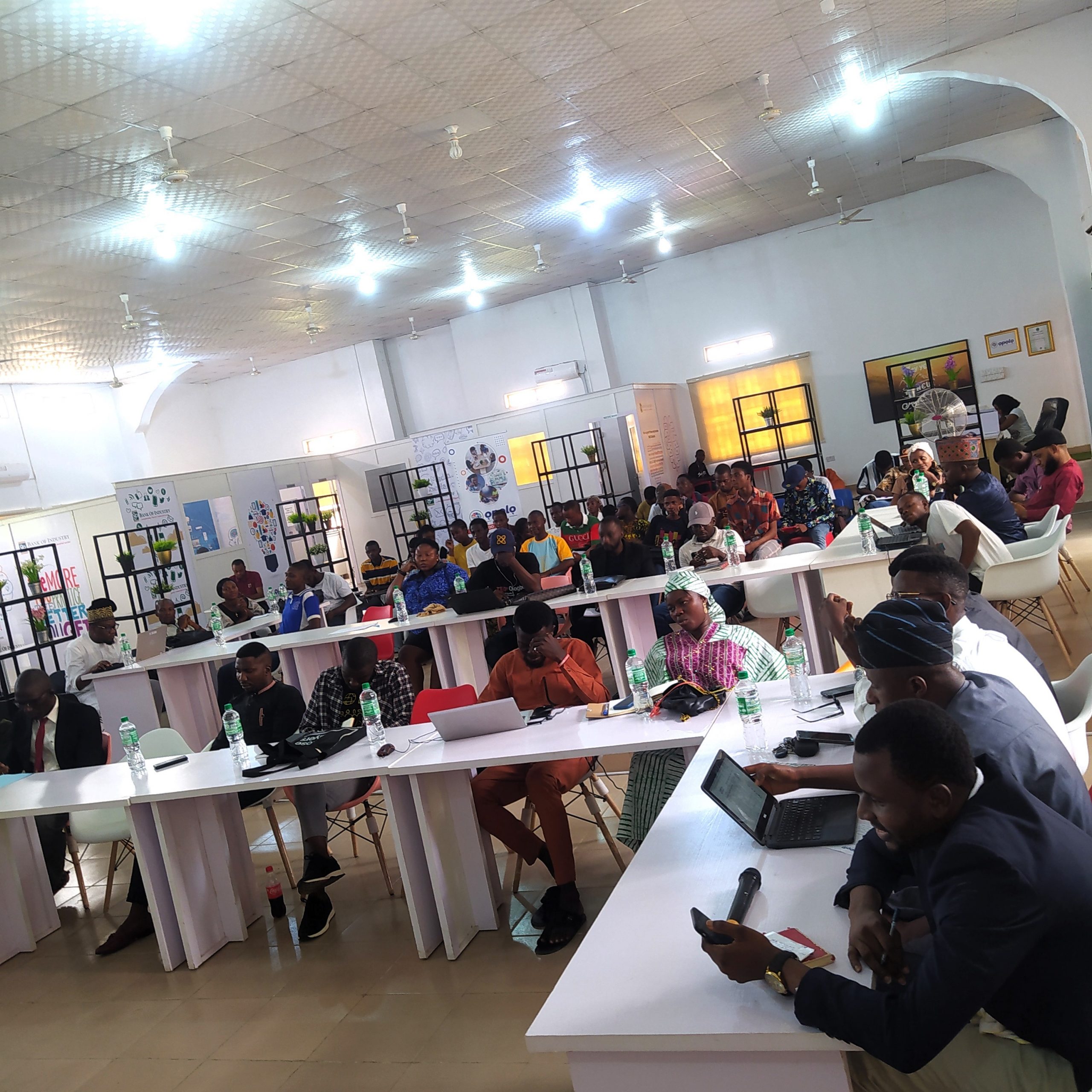
Global innovation hubs are defined as cities or metropolitan areas that can lead the flow of global innovation elements and influence the efficiency of resource allocation, drawing on their unique advantages in science and technology innovation. In technological and industrial competitions, they emerge as global cities that integrate research innovation, an innovation economy and a supportive ecosystem for innovation

Innovation hubs, as the key nodes in the global innovation network, have emerged as centres of scientific activity and pivots of innovation economy. Innovation hubs are geographic areas that bring together R&D institutions (such as tech-enabled corporations, universities, and medical facilities), as well as venture capital, incubators, and start-ups.

Our preliminary analysis of the network of innovation hubs shows that 68 hubs are actively contributing to the growth of technology-driven entrepreneurship and innovation. These hubs offer unique value propositions that align with the playbook for fostering innovation across the country. Some of these hubs specialize in Innovation Start-up Incubation, providing entrepreneurs with the critical support needed to transform their ideas into tangible products and businesses. They offer technology transfer, skill development, and even prototype fabrication services. This aligns perfectly with the playbook’s emphasis on creating a supportive environment for startups. Others focus on talent development and outsourcing, recognizing the importance of nurturing a skilled workforce. These hubs offer training programmes and connect skilled individuals with innovative businesses, fostering the development of a tech-savvy workforce as outlined in the playbook.

Several hubs are dedicated to co-working and business services, providing entrepreneurs with cost-effective workspaces and support services. They create an environment conducive to collaboration and resource sharing, aligning with the playbook’s goal of building a comprehensive innovation ecosystem. Some hubs have a strong social impact focus, aiming to address pressing societal challenges through innovation. They work in areas such as health, education, and governance, and they often partner with government initiatives to find tech-driven solutions, in line with the playbook’s objectives.

There are also hubs that prioritize support for startups and access to networks, helping early-stage companies grow by connecting them with networks and markets. They actively engage with government policies and provide vital support to startups, supporting the playbook’s goal of nurturing entrepreneurship. Policy advocacy and networking hubs, like the Innovation Support Network, play a crucial role in shaping policies that promote hub sustainability and growth. They connect entrepreneurs with policymakers and development partners, strengthening the innovation ecosystem.

Regional development hubs in cities like Ilorin and Kaduna aim to spread technology adoption beyond major urban centers, contributing to regional economic growth. This regional focus resonates with the playbook’s emphasis on promoting innovation outside of traditional tech hubs. Other hubs, such as the Humanitarian and Social Innovation centers, focus on tackling pressing societal issues. They collaborate with government agencies to find innovative solutions, aligning with the playbook’s goal of using technology for societal benefit.

Global tech network and funding hubs, like MEST Africa, bridge Nigerian startups with international resources and markets, fostering global competitiveness—a key aspect of the playbook’s vision. Hubs that offer support for early-stage startups are crucial for the growth of innovative businesses. They provide mentorship and incubation services, supporting the playbook’s aim of nurturing a thriving startup ecosystem.

Digital skill development hubs, such as KAD ICT Hub, address the digital skills gap by offering training and education programs. They align with the playbook’s goal of equipping the workforce with essential digital skills. Empowerment and inclusivity hubs like Enable Africa Hub focus on providing opportunities for marginalized communities. They contribute to the playbook’s vision of making technological education accessible to all. Youth-focused hubs, like the one in Jos, aim to empower young entrepreneurs and reduce unemployment by incubating and accelerating ideas. This supports the playbook’s objective of fostering entrepreneurship from an early stage. There are other inn0vation companies like Opolo Global Innovation whose aim is to foster innovation in both urban and rural communities as well as the universities. The Opolo Global example is a good case of using the quadruple helix approach to foster adoption of technologies, skill up youths, help them to commercialize their skills. For companies like Opolo Global, the mission does not stop there but extends to commercialization of research on university campuses. The Co-Creation Hub in Lagos also belongs to the caliber fostering innovation and digital technologies across the continent of Africa.

Apart from the nature of the hubs, here are some other insights derived from the preliminary data:

The Geographical Distribution of Innovation Hubs

Our data reveals that innovation hubs are not evenly distributed across Nigeria. Lagos, the commercial capital, appears to have the highest concentration of innovation hubs, particularly in areas like Yaba, Victoria Island, Ikoyi, and other parts of the city. The reason for this is not far-fetched. As the commercial capital of Nigeria, Lagos has a concentration of corporate organizations who are interested in innovation hubs. Abuja, the federal capital, also has a significant presence. This is due to the presence of policy makers and institutions that drive innovation and digital economy in the country. Nevertheless, this concentration implies that these regions are more attractive to innovation and technology-driven activities.

Establishment of innovation hubs are highly urban-centered

It is noticeable that most innovation hubs are located in urban centers, such as Lagos, Abuja, Port Harcourt, Benin, and others. This is likely because urban areas tend to have better infrastructure, access to talent, and a more conducive environment for innovation and technology development. It is also explainable because most internet infrastructures also work well in the urban centres as against the rural areas. This bias leaves a gap. Like most other issues of development, rural areas become underserved in the innovation sector.

Regional variation in the distribution of innovation hubs 

The data shows some regional variation with innovation hubs in states like Akwa Ibom, Kwara, Adamawa, and others. This suggests that innovation is not limited to major cities and regions (South West and North Central) but is spreading to other regions, albeit at a slower pace. Encouraging innovation in these regions can help promote economic growth and reduce regional disparities. Identifying regions with a lower concentration of innovation hubs, such as some northern states, provides an opportunity for targeted interventions and collaborations between government, private sector players, and local communities to stimulate innovation and entrepreneurship.

Government Investment; Private Sector Engagement

The presence of multiple innovation hubs in the Federal Capital Territory (FCT) and Lagos is an indication of two indices. While the location in Abuja indicates government interest and investment in fostering innovation, the abundant presence of hubs in Lagos is a pointer to the involvement of the private sector in the innovation ecosystem. This is a positive sign, as government support can play a crucial role in the growth of the technology ecosystem. In the same vein, the presence of private sector underscores the importance of public-private partnerships in driving innovation. This suggests a high potential for collaboration of both the private players and the public agency.


The time is 4pm WAT on Saturday, Oct 14 2023 | Tekedia Demo Day

0

The time is 4pm WAT on Saturday, Oct 14 2023 – and ten great startups will present before members of Tekedia Capital Syndicate.  To check these startups and be part of our community where we breed startup unicorns, begin here and join.

Look at that clock; it is time to be a member.

Tekedia Capital offers a specialty investment vehicle (or investment syndicate) which makes it possible for citizens, groups and organizations to co-invest in innovative startups and young companies in Africa and around the world. Capital from these investing entities is pooled together and then invested in a specific company or companies.

Nigerian Government Denies Reintroducing Petrol Subsidy

0

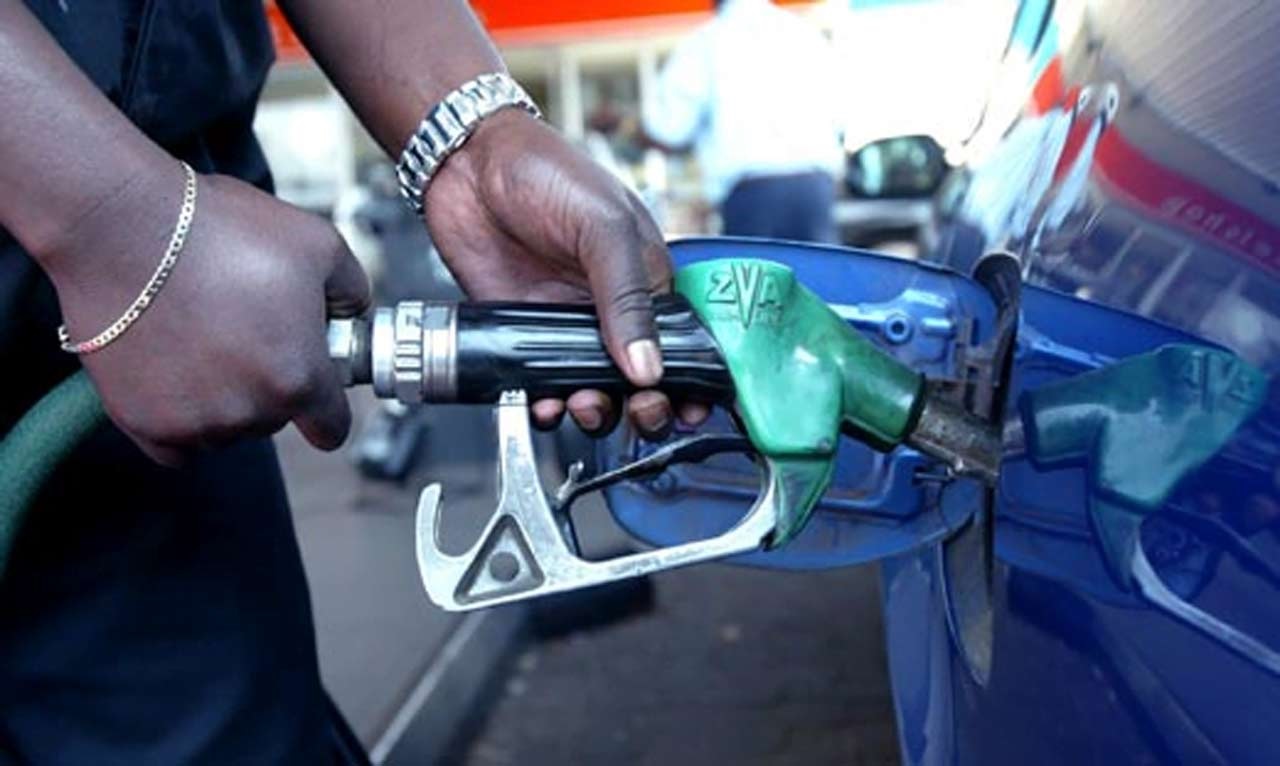
The Federal Government of Nigeria has denied claims that it has reintroduced the petrol subsidy regime. The government clarified that the recent queues observed at petrol stations across the country were due to distribution challenges, not a lack of supply.

This statement comes in response to concerns raised by oil marketers, organized labor groups, and experts who believed that the government had reinstated the fuel subsidy, despite previous announcements indicating its removal.

Mele Kyari, the Group Chief Executive Officer of the Nigerian National Petroleum Company (NNPC) Limited, emphasized that there is no fuel subsidy in place. President Bola Tinubu had in May announced the removal of the subsidy, and this clarification seeks to reaffirm that stance.

The fuel subsidy issue has been a contentious one in Nigeria, with the government making efforts to eliminate it as part of broader economic reforms. The recent distribution challenges have led to temporary disruptions in the supply chain, causing queues at petrol stations. The government’s position is that these challenges are not indicative of a return to the subsidy regime.

“I told you there’s no subsidy whatsoever, we are recovering our full cost from the products that we import. We sell to the market, we understand why the marketers are unable to import. We hope that they do this very quickly and these are some of the interventions the government is doing. There is no subsidy,” Kyari said.

The stability of the pump price of petrol in Nigeria despite rising oil prices and the continuous fall of the naira in the FX market indicate that the government is silently paying subsidy.

Last Friday, the National President of the Petroleum and Natural Gas Senior Staff Association of Nigeria (PENGASSAN), Festus Osifo, said that the Nigerian government has restored the subsidy on petrol.

“The speculation has been there looking at the fundamentals because two basic things that contribute to the pricing today are the exchange rate and the price of the crude in the international market.

“You know, in the last few weeks, the price of crude has been going up, and inches towards $95 per barrel. Based on this, there are speculations that there may be an increase in the price of Premium Motor Spirit (PMS) but behind the scenes, we have been engaging the government and trying to make them understand that there is no basis for that.

“Because for us, you know when they floated the exchange rate, you would recall that the exchange rate was moving at a very fast speed before some interventions came,” Mr Osifo said.

Kyari triggered the latest conclusion with his statement on Monday: “We are the only company importing petrol into the country. None of them can do it today. For them, access to foreign exchange is difficult. We create foreign exchange (FX), therefore we have access to FX, while their access to FX is limited.”

The removal of fuel subsidy means that the right to solely import petroleum products has been taken away from the NNPC Limited, allowing petrol marketers to apply for import licenses from the Nigerian Midstream and Downstream Petroleum Regulatory Authority (NMDPRA).

The deregulation is expected to drive, among oil marketers, competition that will determine fuel prices. Against this backdrop, Kyari’s statement that the NNPC Limited is back to being the sole importer of petrol is seen as an acknowledgment that fuel subsidy is back.