DD
MM
YYYY

PAGES

DD
MM
YYYY

spot_img

PAGES

Home Blog Page 4216

Golteum (GLTM) Presale Offers Restorative Amidst Cardano (ADA) Crash

0

The volatile state of the cryptocurrency market presents risks and numerous opportunities for investors willing to venture into the innovative crypto industry. While the market has made skyrocketing gains recently, several occurrences have seen market turbulence resulting in notable price fluctuations and occasional crashes. One such crash impact was Cardano (ADA).

Although the Cardano (ADA) crash had a massive influence on investors’ sentiment toward the crypto industry, recently, crypto enthusiasts have gained back their interest and motivation with emerging crypto projects like Golteum (GLTM).

Don’t Miss Out on Golteum (GLTM) Presale!

Amidst future and current market fluctuations, we firmly believe Golteum

presents a unique opportunity for investors seeking to restore their gains. Golteum allows investors to buy, sell and trade NFTs that are 100% backed by physical gold bars. Investors can also automatically track their holdings anytime and limit or increase their orders.

Golteum prioritizes user satisfaction above all else, which is why it has teamed up with Fireblocks to integrate the Fireblocks Web3 engine. This will see services like treasury management, risk mitigation tools, and custody services incorporated into Golteum’s innovative investment interface. The Fireblocks support will also provide a tokenization mechanism for managing all gold-backed NFTs.

Additionally, Golteum boasts of outstanding tokenomics and security features after undergoing a rigorous KYC verification and audit process by Certik, a cutting-edge blockchain security professional.

Although the crypto market saw a major decline that influenced top-performing cryptocurrencies previously, we predict that Golteum will surpass major cryptocurrency projects in profitability and innovation.

Currently, the Golteum (GLTM) token is in its second presale round. Its first round recorded significant success and sold out almost immediately. Compared to its private sale and its 1st presale round, Golteum jumped $0.0074 to $0.012. Experts also foresee Golteum token holders seeing over 700% in investment returns.

Golteum will offer its token holders a fee discount on the platform’s subscription. After its launch, investors will be granted impressive APRs that surpass market rates when they stake their GLTM tokens.

Whales Consider Pulling Back as Cardano (ADA) Struggles For Recovery

Cardano (ADA) has become one of the most prominent cryptocurrencies since its introduction in 2017. The blockchain platform gained popularity because of its intense commitment to scalability and sustainability. However, even strong projects like Cardano (ADA) have been adversely affected by market fluctuations.

Cardano (ADA) price value reduced considerably in the past week, falling by more than 27%. Although the cryptocurrency seems to be steadily recovering this week, the unfortunate crash has already built a bearish momentum leading to ADA token being oversold.

The last time Cardano (ADA) price was in a similar red zone was during the Covid-19 pandemic when the crypto market suffered a significant decline. The market crash, unfortunately, had a lasting effect on the Cardano ecosystem, as the cryptocurrency is still building up to its previous all-time high of $0.3302.

Cardano’s recurrent crashes and instability have also spooked investors. Some investors have decided to wait out the decline for a hopeful recovery, while others have moved on to newer promising projects like Golteum to seek more opportunities.

Cardano (ADA) may have prospects of a future recovery, but we believe there are better opportunities at the moment on Golteum’s presale. Enter the Golteum presale now for cheap and claim a 15% bonus on your purchase.

Find Out More About The Golteum Presale

Buy presale: https://presale.golteum.io                                  

Website:  https://golteum.io       

Twitter:    https://twitter.com/golteum  

Telegram: https://t.me/golteum

The Attitude of Cyberpunk Forms

0

Different technologies are being developed to disrupt the natural order in man’s quest for more experiences, fun, and a long life. Man has always wanted to experience the world simultaneously from both a real-world and a virtual perspective, from low-tech to high-tech activities. In other words, in real life, people want to be people and also be human in the virtual world without taking into account the complex issues of social inequality and the political dominance of the less privileged. Different forms or genres of cyberpunk, one of man’s most recent inventions based on the fictitious representation of life activities for entertainment purposes through the creative industries, speak to these issues.

In this piece, our analyst examines the attitude of cyberpunk forms towards technology, capitalism, and class, shedding light on their portrayal and implications. Additionally, the emerging concept of the metaverse is explored as a case study to understand its potential impact on access and class inequality.

Steampunk is a subgenre of cyberpunk that draws inspiration from the Victorian era and steam-powered technology. It blends advanced machinery with retro-futuristic aesthetics, often featuring brass, gears, and steam-powered contraptions. Steampunk worlds explore alternate histories and a society with steam power and clockwork mechanisms.

Biopunk, also known as Ribopunk, focuses on the intersection of biotechnology, genetics, and cyberpunk themes, exploring the ethical and social implications of manipulating living organisms. Postcyberpunk emerged as a reaction to traditional cyberpunk tropes, presenting a more optimistic view of the future. Postcyberpunk stories often feature diverse characters, explore themes of transhumanism, and question the nature of identity and reality.

From these forms, it is clear that cyberpunk worlds feature massive, towering structures, neon and dystopian cityscapes, augmentation and body modification, hacking and cybercrime, virtual reality and cyberspace, dystopian societies and corporations, street culture and subcultures, and noir and film noir influences. These often depict oppressive societies ruled by powerful corporations or authoritarian governments, with subcultures challenging dominant power structures.

Cyberpunk narratives offer a complex and ambivalent view of technology, showcasing its potential for human advancement and connectivity. However, they also highlight the dangers of unchecked technological progress, such as surveillance and privacy erosion. Cyberpunk raises ethical questions about the impact of technology on individuality and humanity. As noted previously, capitalism is a recurring theme in cyberpunk, with mega-corporations replacing governments as centres of power, exploiting technology, and controlling resources. Cyberpunk narratives highlight the division between the wealthy elite and the impoverished underclass, highlighting exploitation, social stratification, and the erosion of democracy under unregulated capitalism.

Rebellion and resistance against corporate dominance are common tropes in cyberpunk narratives. The genre questions the fairness of a society where social standing and opportunities are determined by wealth and access to technology. This is the case with the metaverse, an emerging concept that represents a shared virtual reality space where individuals interact and experience a computer-generated environment. While the metaverse promises new possibilities for social interactions, the economy, and property ownership, it also raises concerns about access and class inequality. Not everyone can afford the high-end systems and virtual reality lenses required to fully engage with the metaverse. Limited internet access further exacerbates class disparities, limiting participation to the middle and upper classes. The metaverse thus becomes a reflection of the existing socioeconomic divisions.

Having cyberpunk is not necessarily a bad idea. However, considering how its various forms or genres could reinforce current social discrimination, division, and the rich’s continued control over the economic system, one could come to the conclusion that it benefits the few rather than the majority, especially in democracies where the socio-economic and fundamental human rights of the poor are not sufficiently protected.

The IMF’s stance on Crypto Regulation

0

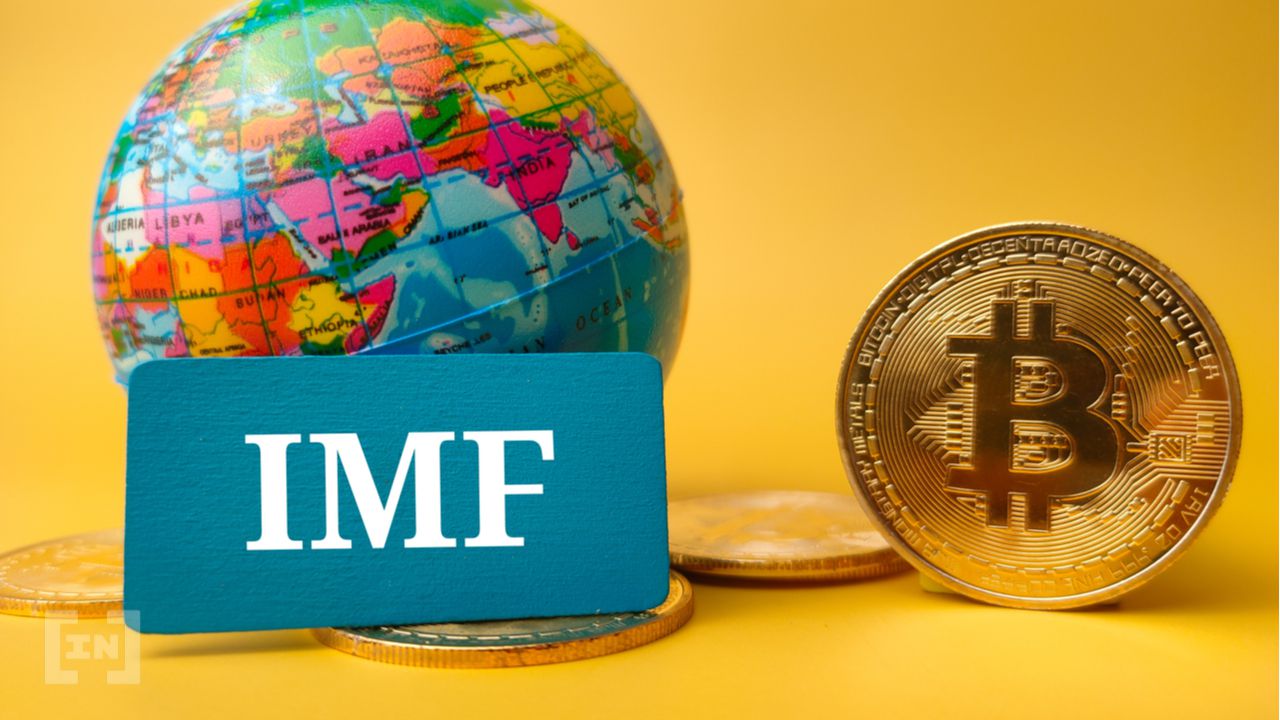
The International Monetary Fund (IMF) has recently published a paper that outlines the key elements of effective policies for crypto assets. The paper aims to provide guidance to IMF member countries on how to deal with the challenges and opportunities posed by the rapid growth and innovation of crypto assets.

However, the IMF also acknowledged that banning crypto may not be the best way of mitigating these risks, as it could drive users to unregulated platforms and hinder innovation. Instead, the IMF suggested that countries should focus on addressing the drivers of crypto demand and unmet digital payment needs, as well as enhancing their regulatory and supervisory frameworks.

Crypto assets are digital products that are privately issued using cryptography and often distributed ledger technology. They can be used for various purposes, such as speculative investments, hedges against weak currencies, and potential payment instruments. However, they also pose risks to financial stability, consumer protection, market integrity, monetary sovereignty, and fiscal policy.

The IMF paper recommends a nine-point action plan for countries to address these risks, while also fostering a safe space for innovation. The action plan includes the following points:

Do not grant crypto assets official currency or legal tender status. The IMF argues that this could undermine the effectiveness of monetary policy and circumvent capital flow management measures. The IMF has criticized El Salvador’s decision to adopt bitcoin as legal tender in 2021, calling it a risky and inadvisable move.

Strengthen monetary policy frameworks to cope with the potential impact of crypto assets on inflation, exchange rates, and financial stability. The IMF suggests that central banks should monitor the use and adoption of crypto assets, assess their implications for monetary transmission and policy effectiveness, and consider issuing their own digital currencies if needed.

Adopt unambiguous tax rules and laws for crypto assets. The IMF urges countries to clarify the tax treatment of crypto assets and transactions, as well as the legal status and enforceability of smart contracts and decentralized applications. The IMF also calls for international cooperation to avoid tax evasion and arbitrage.

Develop and enforce oversight requirements for all crypto market actors. The IMF advises countries to apply a risk-based approach to regulate crypto issuers, intermediaries, custodians, and investors. The IMF also recommends establishing minimum standards for disclosure, reporting, governance, prudence, and fiduciary responsibilities.

Guard against excessive capital flows and illicit activities involving crypto assets. The IMF warns that crypto assets could facilitate cross-border capital movements that could pose macroeconomic and financial stability risks. The IMF also cautions that crypto assets could be used for money laundering, terrorist financing, fraud, and cyberattacks. The IMF urges countries to implement anti-money laundering and combating the financing of terrorism (AML/CFT) measures and enhance cyber resilience.

Establish international arrangements to enhance supervision and enforcement of crypto regulations. The IMF recognizes that crypto assets are global in nature and require cross-border coordination and cooperation. The IMF proposes setting up information-sharing mechanisms, harmonizing regulatory standards, developing cross-border resolution frameworks, and strengthening international bodies such as the Financial Stability Board (FSB) and the Financial Action Task Force (FATF).

Monitor the impact of crypto assets on the stability of the global monetary system. The IMF acknowledges that crypto assets could pose systemic risks if they become widely adopted as a means of payment or store of value. The IMF suggests that the IMF itself should play a role in assessing the implications of crypto assets for the international monetary system and providing policy advice to its members.

Focus on meeting digital payment needs and improving transparency in the use of crypto assets. The IMF encourages countries to foster innovation and competition in the digital payment sector, while ensuring consumer protection, financial inclusion, and data privacy. The IMF also advocates for improving the availability and quality of data on crypto markets and activities.

Review existing regulatory frameworks periodically and adapt them as needed. The IMF emphasizes that crypto regulation should be flexible and responsive to the evolving nature and diversity of crypto assets. The IMF recommends that countries should conduct regular reviews of their regulatory frameworks and update them as necessary.

The IMF paper concludes that regulating crypto assets is challenging but essential for maintaining financial stability and fostering innovation. The paper also acknowledges that there is no one-size-fits-all approach to crypto regulation, as different countries may have different objectives, preferences, and capacities. Therefore, the paper offers a set of general principles and best practices that can help countries design their own tailored policies for crypto assets.

US Energy Department Grants Ford $9.2bn Loan to Build EV Battery Plants

0
[#Beginning of Shooting Data Section] Nikon D800 2020/12/10 11:45:53.50 Time Zone and Date: UTC-5, DST:ON Lossless Compressed RAW (14-bit) Image Size: L (7360 x 4912), FX Lens: VR 70-200mm f/2.8G Artist: Eric Perry Photo Copyright: 322012 Focal Length: 75mm Exposure Mode: Aperture Priority Metering: Matrix Shutter Speed: 1s Aperture: f/14 Exposure Comp.: +1.3EV Exposure Tuning: ISO Sensitivity: ISO 100 Optimize Image: White Balance: Color Temp. (3140K), 0, 0 Focus Mode: Manual AF-Area Mode: Single AF Fine Tune: OFF VR: OFF Long Exposure NR: OFF High ISO NR: ON (Normal) Color Mode: Color Space: Adobe RGB Tone Comp.: Hue Adjustment: Saturation: Sharpening: Active D-Lighting: OFF Vignette Control: OFF Auto Distortion Control: OFF Picture Control: [SD] STANDARD Base: [SD] STANDARD Quick Adjust: 0 Sharpening: 3 Contrast: 0 Brightness: 0 Saturation: 0 Hue: 0 Filter Effects: Toning: Map Datum: Dust Removal: 2014/11/28 22:06:46 Image Comment: Eric Perry [#End of Shooting Data Section]

The United States government has announced a conditional $9.2 billion loan for BlueOval SK (BOSK) — owned by Ford and South Korean battery producer SK On — to build three battery manufacturing plants, as part of efforts to expand domestic energy production. 

Bloomberg reports that the loan is by far the biggest government backing for a US automaker since the bailouts in the 2009 financial crisis. The enormous loan is significant in Biden’s administration’s efforts to American manufacturers to counter China’s dominating green energy technologies.

The development follows the execution of Ford’s energy project – a joint venture it has with SK On Co. The new factories, which Ford is counting on as it pivots into electric vehicles, are already under construction in Kentucky and Tennessee.

Ford has an expansion plan that will take its EVs production to 2 million in 2006, a giant leap from the roughly 132,000 it produced last year.
The US is facing cleaner energy hurdles in its push to phase out combustible vehicles. Though Tesla leads the charge with its Gigafactory in the United States with a production capacity of about 37 gigawatt-hours, which will be the largest lithium-ion battery factory in the world in 2020, available energy falls short of what is needed – keeping the US behind China.

The South Asian giant now has the world’s largest maker of lithium-ion batteries – powered by global battery behemoths such as Contemporary Amperex Technology Limited, which has factories around the globe – including Europe.

Ford relies on Tesla to power its electric vehicles having recently secured its EV drivers access to 12,000 Tesla’s charging points across North America. The loan being granted by the Loan Programs Office (LPO) is the largest one they have ever provided, nearly quadrupling the size of last year’s $2.5 billion loan for Ultium Cell, a joint venture between General Motors and LG. The loan’s significant scale is partly due to the Inflation Reduction Act passed last year, which increased the LPO’s lending budget to $400 billion. To provide context, over the previous 14 years, the LPO had distributed around $33 billion. The additional capital will be crucial in achieving the Biden-Harris administration’s goal of electric vehicles (EVs) comprising 50% of US car sales by 2030.

According to Bloomberg, the construction of three factories by BlueOval, along with an adjacent Ford EV assembly unit, is estimated to cost $11.4 billion. BlueOval has previously received subsidies from state governments, meaning taxpayers will be offering low-interest financing for a significant portion of the expenses.

Furthermore, Ford’s domestically produced electric cars and SUVs will qualify for billions of dollars in incentives embedded in the Inflation Reduction Act’s $370 billion clean-energy funding, which is part of a landmark climate measure that narrowly passed into law approximately a year ago. The US government will subsidize battery manufacturing, and buyers may be eligible for additional tax rebates of up to $7,500 per vehicle.

The combination of incentives, government lending, and private-sector investment has led to a manufacturing boom following the passage of the Inflation Reduction Act. More than 100 battery and electric vehicle production projects, representing a total investment of around $200 billion, have been announced or are already under construction in the US.

The loan will finance two plants in Kentucky and one in Tennessee, all of which will produce batteries for Ford and Lincoln’s upcoming EV models. Earlier this year, the automaker also revealed plans for an LFP battery plant in Michigan. Ford aims to introduce two million EVs by 2026, with the All-Electric Explorer, Mustang Mach-E, and E-Transit already available and an EV lineup in progress for Lincoln.

The LPO emphasizes that the loan will create job opportunities, including 5,000 construction jobs and an additional 7,500 operational jobs once the plants are operational. The investment aligns with President Biden’s Justice40 Initiative, which aims to direct 40% of specific federal investments, including LPO loans, to disadvantaged communities.

In an interview with Bloomberg Green, Jigar Shah, the director of the LPO who is a solar entrepreneur, described the federal government’s battery lending initiatives as a means to “onshore and reshore” manufacturing. He emphasized that the program’s goal is not only innovation but also to encourage more of the supply chain to be manufactured in the US.

Four Most Useful Skills to Learn as an Entrepreneur– Global Business Leader, Richard Brason

0

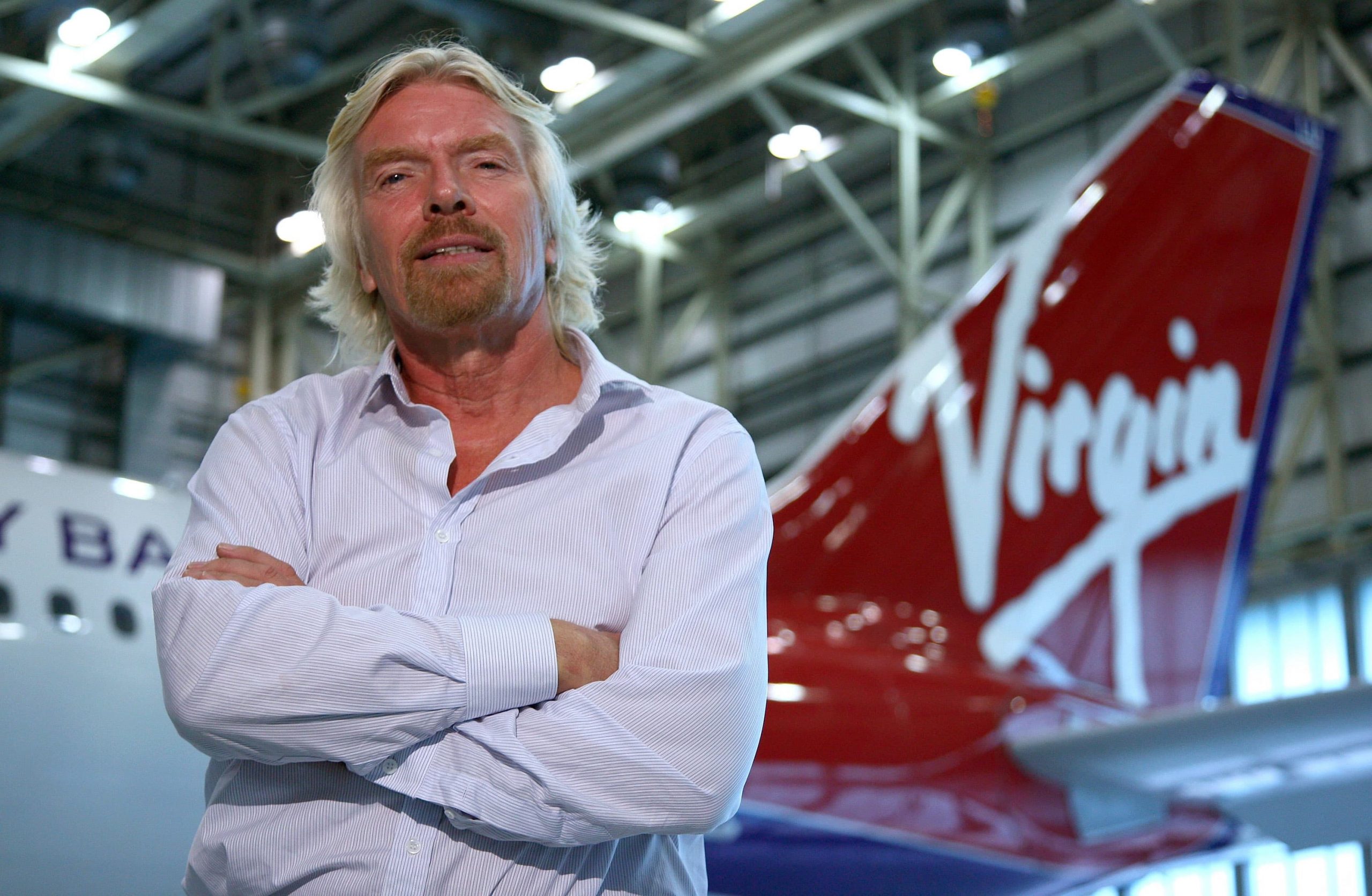
Global business leader and author, Richard Branson, in a rejoinder to a question sent to him by one of his followers on LinkedIn, identifies four essential skills every entrepreneur needs to acquire to win their market and develop a successful business. According to the English social entrepreneur, the essence of a business is problem-solving, and it is quintessential for the entrepreneur to realize this before venturing into any business. His words:

‘’Every business should be launched to solve a problem, and it’s important that all budding entrepreneurs know this.

According to Branson, the skill set, attitudes, and values a budding entrepreneur needs to be harmed with cannot be compromised even by the recent wonders of Artificial intelligence. Values such as empathy and compassion, and creative and lateral thinking are essential human skills needed in innovating and in building a successful business.

The following are ways entrepreneurs can build a sustainable business:

Listen deeply and always act with empathy

One could not underestimate the power of listening actively, Branson noted. Your listening skills coupled with your empathy towards your customers help you to understand the core of your business and develop great insights. You can’t solve a problem unless you really understand it.

‘’I’ve come up with so many different ideas and gained so much wisdom and insight from listening more than I speak. I jot down notes everywhere I go, and it helps me find so much inspiration for new ideas,’’ Branson noted.

Embrace optimism and say ‘yes’ as much as possible.

Being open-minded and positive about the future invariably comes with a great deal of nerve force that enables one to take risks and do what would have seemed unimaginable. This experience according to Branson is ‘’innately linked to trusting your instinct, which is certainly something that can be learned and should be regularly exercised.’’

For Brason, entrepreneurship is often a ‘no risk, no reward’ arena, so you’ve got to take calculated risks and realize it’s OK if it doesn’t always work out.

‘’I often say that every risk is worth taking as long as it’s for a good cause and contributes to a good life. I also live by the phrase that ‘the brave may not live forever, but the cautious do not live at all’’ he said.

Branson noted that for one to have an exciting career and a fulfilling life, one must have developed knowledge and capacity of taking smart risks, lean into one’s fears, and seeing the glass half full in life.

Delegate and collaborate effectively 

One certainly cannot build a great business alone. One needs to know how to harness and concentrate the multiplicity of skills and talents of people towards achieving the bigger picture. Thus, according to Branson, the ability to delegate and bring out the best in people is a skill a business leader must have.

‘’Virgin could never have evolved from a student magazine to a global brand if I hadn’t learned how to trust people, collaborate and delegate.’’

Solve problems through creativity.

Lateral thinking and creative problem-solving are essential ingredients of innovation. The ability to think differently can be inborn and it can be learned. Branson noted how his inborn condition, dyslexia, has helped him to be unique.

‘’As a dyslexic, thinking differently is all I’ve ever known, but it’s certainly something you can learn too. Giving people permission to dream big, bring radical ideas to the table, and draw outside of the lines is so important. It makes life a lot more exciting too!’’